أزمة وظائف الشباب تغذي احتجاجات حزب جانتا الصرصار في الهند
The youth jobs crisis fuelling India’s Cockroach Janta Party protests
Economist Rosa Abraham talks to The Conversation Weekly podcast about a new youth protest movement whose symbol is a cockroach.
تتحدث الخبيرة الاقتصادية روزا أبراهام في بودكاست “ذا كونفرسيشن ويكلي” عن حركة احتجاج شبابية جديدة يرمز إليها الصرصار.
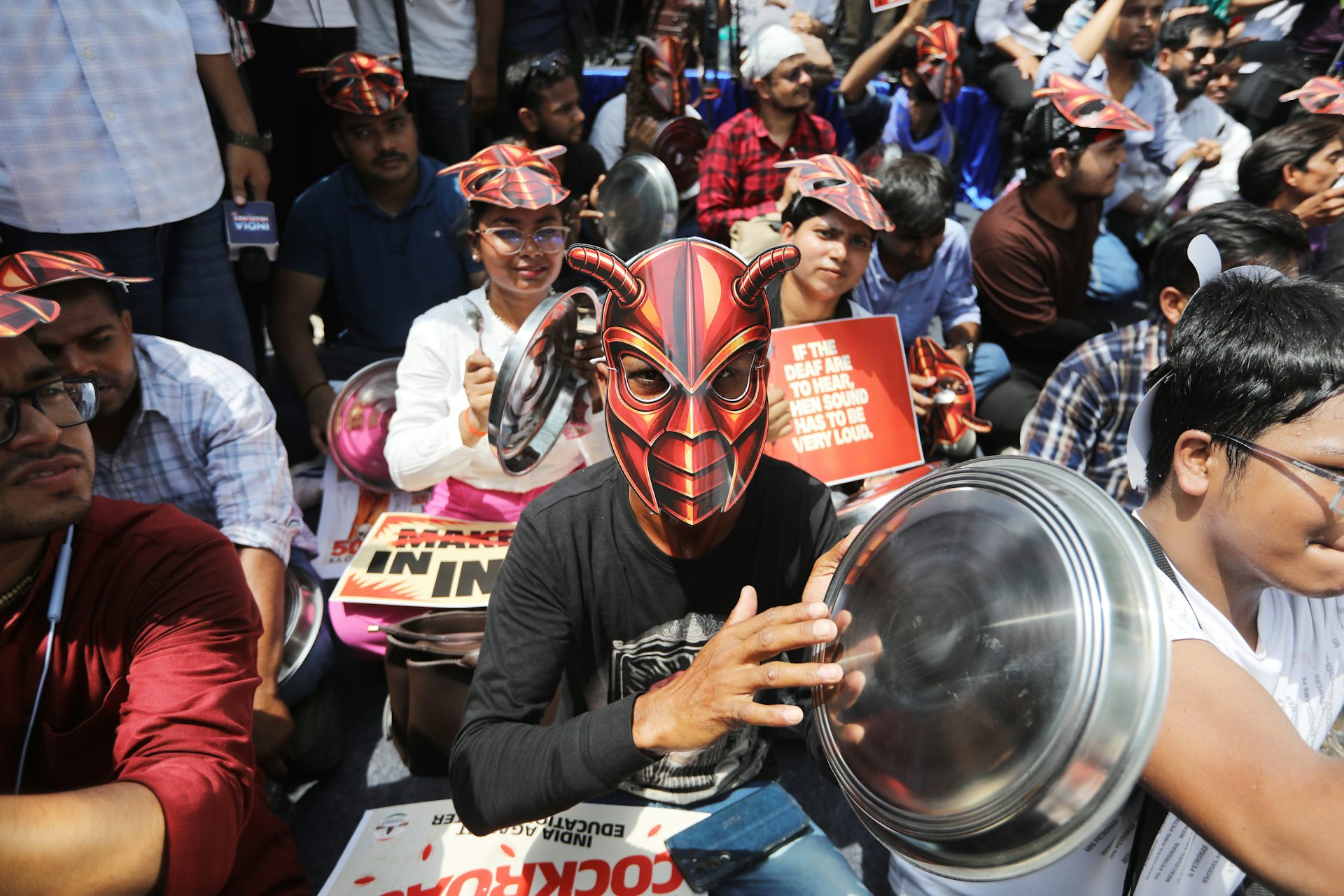
A new youth protest movement in India that started as online satire is now staging an ongoing sit-in in New Delhi calling for the resignation of India’s education minister.
تُظهِر حركة احتجاج شبابية جديدة في الهند، بدأت كساخرة عبر الإنترنت، الآن اعتصاماً مستمراً في نيودلهي تطالب فيه باستقالة وزير التعليم الهندي.
The Cockroach Janta Party (CJP) was launched in late May by Abhijeet Dipke, a graduate of Boston University, in response to alleged comments by India’s chief justice, Surya Kant, comparing unemployed young Indians to cockroaches. Kant later clarified his comments and said he’d been misquoted.
أُطلقت “حزب الجنّات” (CJP) في أواخر مايو من قبل أبيجيت ديبكي، خريج جامعة بوسطن، رداً على تعليقات مزعومة من رئيس القضاة بالهند، سوريا كانت، يقارن فيها الشباب الهنود العاطلين عن العمل بالصراصير. وقد أوضح كانت لاحقاً تعليقاته وقال إنه قد تم اقتباس كلامه بشكل خاطئ.
Dipke launched a parody political party, calling on all cockroaches to unite, which led to street protests in cities including Delhi, Pune, Jaipur and Bengaluru.
أطلق ديبكي حزباً سياسياً ساخراً، داعياً جميع الصراصير إلى التوحد، مما أدى إلى احتجاجات شوارع في مدن بما في ذلك دلهي وبوني وجايبور وبنغالورو.
The CJP latched onto mounting anger in India at a series of issues affecting exams, including the secondary school leaving exam, which has affected thousands of people and been linked to suicides. But the movement has also tapped into the anger of a generation of graduates who’ve done everything right but still can’t find work that matches their aspirations.
استغل حزب الجنّات الغضب المتصاعد في الهند بسبب سلسلة من القضايا التي تؤثر على الامتحانات، بما في ذلك امتحان نهاية المرحلة الثانوية، والذي أثّر على آلاف الأشخاص وارتبط بالانتحار. لكن الحركة استغلت أيضاً غضب جيل من الخريجين الذين فعلوا كل شيء بشكل صحيح ولكنهم ما زالوا غير قادرين على العثور على عمل يتناسب مع طموحاتهم.
In this episode of The Conversation Weekly, economist Rosa Abraham at Azim Premji University in Bengaluru, explains how India’s jobs crisis is fuelling this new youth protest movement.
في حلقة من برنامج “The Conversation Weekly”، تشرح الاقتصادية روزا أبراهام في جامعة أزيم بريمجي في بنغالورو كيف أن أزمة الوظائف في الهند تغذي حركة الاحتجاج الشبابية الجديدة هذه.
Lead author of the State of Working India report, an annual review of labour issues in the country, Abraham says the comparison with cockroaches “was seen as an insult to a generation which has felt like institutions, the state, the private sector has failed them”.
تقول أبراهام، المؤلف الرئيسي لتقرير “حالة العمل في الهند”، وهو مراجعة سنوية لقضايا العمل في البلاد، إن المقارنة بالصراصير “اعتُبرت إهانة لجيل شعر بأن المؤسسات والدولة والقطاع الخاص قد خذلوه.”
There were 63 million graduates in India between the ages of 20-29 in 2023, and around 11 million of them were unemployed. Abraham says that the lack of political response to the jobs crisis means “you’re seeing this kind of simmering discontent, which has always been in the background, which is now finding these release valves through movements like … the CJP”.
كان هناك 63 مليون خريج في الهند تتراوح أعمارهم بين 20 و 29 عاماً في عام 2023، وكان حوالي 11 مليون منهم عاطلين عن العمل. وتقول أبراهام إن الافتقار إلى استجابة سياسية لأزمة الوظائف يعني “أنك ترى هذا النوع من السخط الكامن، الذي كان دائماً في الخلفية، والذي يجد الآن صمامات لتنفيسه من خلال حركات مثل… حزب الجنّات”.
Listen to Abraham talk about the reasons behind India’s youth jobs crisis on The Conversation Weekly podcast.
استمعوا إلى أبراهام وهي تتحدث عن الأسباب وراء أزمة وظائف الشباب في الهند على بودكاست “The Conversation Weekly.”
This episode of The Conversation Weekly was written and produced by Gemma Ware and Mend Mariwany. Mixing by Eleanor Brezzi and theme music by Neeta Sarl.
تمت كتابة وإنتاج هذه الحلقة من برنامج “The Conversation Weekly” بواسطة جيما وير وميند ماريواني. والمزج الصوتي بواسطة إليانور بريزي والموسيقى التصويرية بواسطة نيتا سارل.
Newsclips in this episode from WI ON, DW News, CNA, BBC News India, CNN-News18, NDTV, peeinghuman via Instagram and The Indian Express.
مقاطع إخبارية في هذه الحلقة من WI ON، وDW News، وCNA، وBBC News India، وCNN-News18، وNDTV، وpeeinghuman عبر إنستغرام، وThe Indian Express.
Listen to The Conversation Weekly via any of the apps listed above, download it directly via our RSS feed or find out how else to listen here. A transcript of this episode is available via the Apple Podcasts or Spotify apps.
استمعوا إلى “The Conversation Weekly” عبر أي من التطبيقات المذكورة أعلاه، أو قم بتنزيله مباشرة عبر موجز RSS الخاص بنا، أو اكتشفوا كيف تستمعون إليه بطرق أخرى هنا. يتوفر نص هذه الحلقة عبر تطبيقات Apple Podcasts أو Spotify.
Rosa Abraham has received funding from the Institute for What Works to Advance Gender Equality and from the National Council for Applied Economic Research.
تلقّت روزا أبراهام تمويلاً من معهد ما ينجح لدعم المساواة بين الجنسين ومن المجلس الوطني للبحوث الاقتصادية التطبيقية.
Read more
-

يمكن للأشجار والنباتات تبريد المدن بما يصل إلى 18 درجة مئوية – ولكن فقط إذا كانت من النوع المناسب
Trees and greenery can cool cities by as much as 18°C – but only if they’re the right type
-

هل ريتشارد دوكنز محق بشأن كلود؟ لا. لكن ليس من المستغرب أن تشعرنا روبوتات الدردشة بالذكاء الاصطناعي بأنها واعية.
Is Richard Dawkins right about Claude? No. But it’s not surprising AI chatbots feel conscious to us