青年就业危机助长印度“蟑螂占塔党”的抗议活动
The youth jobs crisis fuelling India’s Cockroach Janta …
Economist Rosa Abraham talks to The Conversation Weekly podcast about a new youth protest movement whose symbol is a cockroach.
经济学家罗莎·亚伯拉罕(Rosa Abraham)在《对话周刊》播客节目中谈论了一个以蟑螂为象征的新兴青年抗议运动。
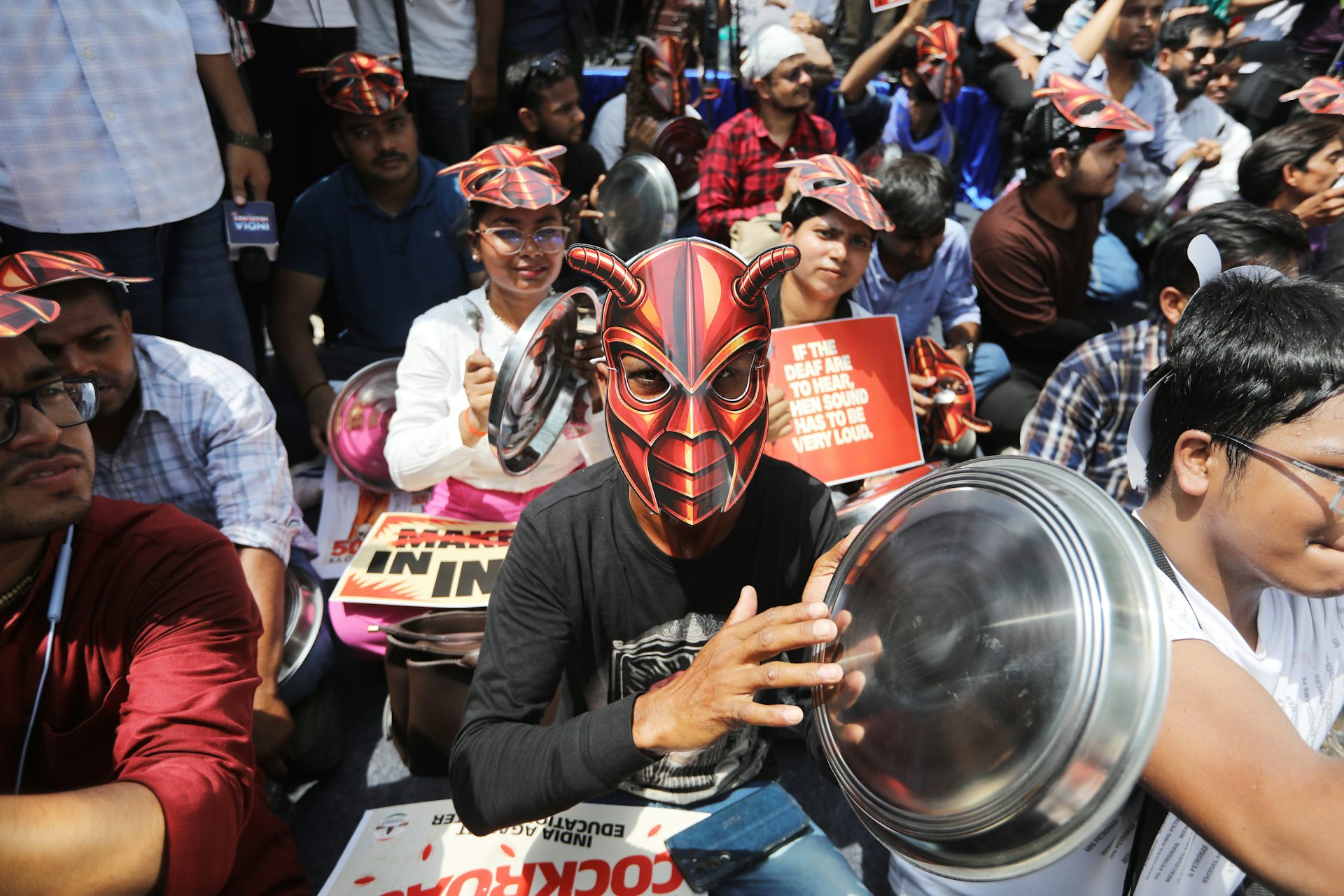
A new youth protest movement in India that started as online satire is now staging an ongoing sit-in in New Delhi calling for the resignation of India’s education minister.
印度一场以网络讽刺开始的新青年抗议运动,现在正在新德里举行持续的静坐示威,要求印度教育部长辞职。
The Cockroach Janta Party (CJP) was launched in late May by Abhijeet Dipke, a graduate of Boston University, in response to alleged comments by India’s chief justice, Surya Kant, comparing unemployed young Indians to cockroaches. Kant later clarified his comments and said he’d been misquoted.
蟑螂人民党(CJP)由波士顿大学毕业生阿比吉特·迪普克于五月下旬发起,是为了回应印度首席大法官苏里亚·坎特涉嫌将失业的年轻印度人与蟑螂相比较的言论。坎特后来澄清了他的评论,称自己被误传了。
Dipke launched a parody political party, calling on all cockroaches to unite, which led to street protests in cities including Delhi, Pune, Jaipur and Bengaluru.
迪普克发起了一个模仿性的政党,呼吁所有“蟑螂”团结起来,这引发了德里、浦那、斋浦尔和班加罗尔等城市的大规模街头抗议活动。
The CJP latched onto mounting anger in India at a series of issues affecting exams, including the secondary school leaving exam, which has affected thousands of people and been linked to suicides. But the movement has also tapped into the anger of a generation of graduates who’ve done everything right but still can’t find work that matches their aspirations.
CJP抓住了印度日益增长的愤怒情绪,这些愤怒源于一系列影响考试的问题,包括高中毕业考试,该问题波及数千人并与自杀事件联系起来。但这场运动也利用了整整一代毕业生(他们做了一切正确的事情,却仍然找不到符合其期望的工作)的怒火。
In this episode of The Conversation Weekly, economist Rosa Abraham at Azim Premji University in Bengaluru, explains how India’s jobs crisis is fuelling this new youth protest movement.
在本期《对话周刊》中,经济学家罗莎·亚伯拉罕在班加罗尔的阿齐姆·普雷姆吉大学解释了印度的就业危机如何助长了这场新的青年抗议运动。
Lead author of the State of Working India report, an annual review of labour issues in the country, Abraham says the comparison with cockroaches “was seen as an insult to a generation which has felt like institutions, the state, the private sector has failed them”.
作为该国劳工问题年度回顾报告《印度工作状况》的主要作者,亚伯拉罕说,将他们与蟑螂相比较“被视为对一代人的侮辱,这一代人感觉机构、国家和私营部门都辜负了他们”。
There were 63 million graduates in India between the ages of 20-29 in 2023, and around 11 million of them were unemployed. Abraham says that the lack of political response to the jobs crisis means “you’re seeing this kind of simmering discontent, which has always been in the background, which is now finding these release valves through movements like … the CJP”.
2023年,印度有6300万名年龄在20至29岁的毕业生,其中约有1100万人失业。亚伯拉罕说,缺乏对就业危机的政治回应意味着“你看到的是这种一直潜伏在背景中的、持续的不满情绪,它现在正通过像……CJP这样的运动找到释放阀门”。
Listen to Abraham talk about the reasons behind India’s youth jobs crisis on The Conversation Weekly podcast.
收听亚伯拉罕在《对话周刊》播客中谈论印度青年就业危机背后的原因。
This episode of The Conversation Weekly was written and produced by Gemma Ware and Mend Mariwany. Mixing by Eleanor Brezzi and theme music by Neeta Sarl.
本期《对话周刊》由Gemma Ware和Mend Mariwany撰写和制作。混音由Eleanor Brezzi负责,主题音乐由Neeta Sarl提供。
Newsclips in this episode from WI ON, DW News, CNA, BBC News India, CNN-News18, NDTV, peeinghuman via Instagram and The Indian Express.
本期新闻片段来自WI ON、DW News、CNA、BBC News India、CNN-News18、NDTV、peeinghuman(通过Instagram)和The Indian Express。
Listen to The Conversation Weekly via any of the apps listed above, download it directly via our RSS feed or find out how else to listen here. A transcript of this episode is available via the Apple Podcasts or Spotify apps.
可通过上述任何应用程序收听《对话周刊》,或通过我们的RSS源直接下载,或点击此处了解其他收听方式。本期节目的文字记录可在Apple Podcasts或Spotify应用中获取。
Rosa Abraham has received funding from the Institute for What Works to Advance Gender Equality and from the National Council for Applied Economic Research.
罗莎·亚伯拉罕获得了“推进性别平等工作研究所”和“国家应用经济研究委员会”的资助。