安哥拉的长期战争改变了农民使用火的方式——为什么这很重要
Angola’s long war changed the way farmers used fire – w…
Understanding how rural communities use fire is the first step in managing it.
了解农村社区如何使用火焰是管理它的第一步。
Few places in Africa have been as isolated and understudied as eastern Angola, particularly the highlands of the Moxico provinces, a region rich in biodiversity, culture and history. The country’s political past helps explain this isolation. Having achieved independence from Portugal in 1975 after 11 years of war, Angola descended into a civil war that lasted 27 years, one of the longest conflicts in Africa.
非洲很少有地方像安哥拉东部那样孤立且研究不足,尤其是莫西科省的高地地区,这是一个生物多样性、文化和历史都极其丰富的区域。该国的政治历史有助于解释这种隔绝状态。安哥拉于1975年从葡萄牙独立后,经历了长达27年的内战,这是非洲最漫长的冲突之一。
Since peace was established in 2002, development has concentrated in the capital Luanda, on the west coast. The east of the country has remained deeply marginalised, with limited access to basic services such as healthcare and education. Infrastructure is scarce and portions of the territory still have many landmines.
自2002年和平建立以来,发展一直集中在首都罗安达和西海岸。该国东部地区仍然处于深度边缘化状态,基本服务(如医疗和教育)的获取有限。基础设施匮乏,部分地区仍残留着大量地雷。
In these areas the state’s limited presence, likely a legacy of political exclusion and geographic isolation, has allowed communities a good deal of autonomy over land and resources. This has contributed to ecological preservation but hindered social and economic development.
在这些地区,国家存在的局限性——这可能是政治排斥和地理孤立的遗留影响——使得当地社区在土地和资源方面拥有了相当大的自主权。这促进了生态保护,但也阻碍了社会和经济发展。
Isolation has also shaped something less visible: the role of fire in human survival and the woodland ecosystem.
这种隔绝状态还塑造了更不明显的方面:火在人类生存和林地生态系统中的作用。
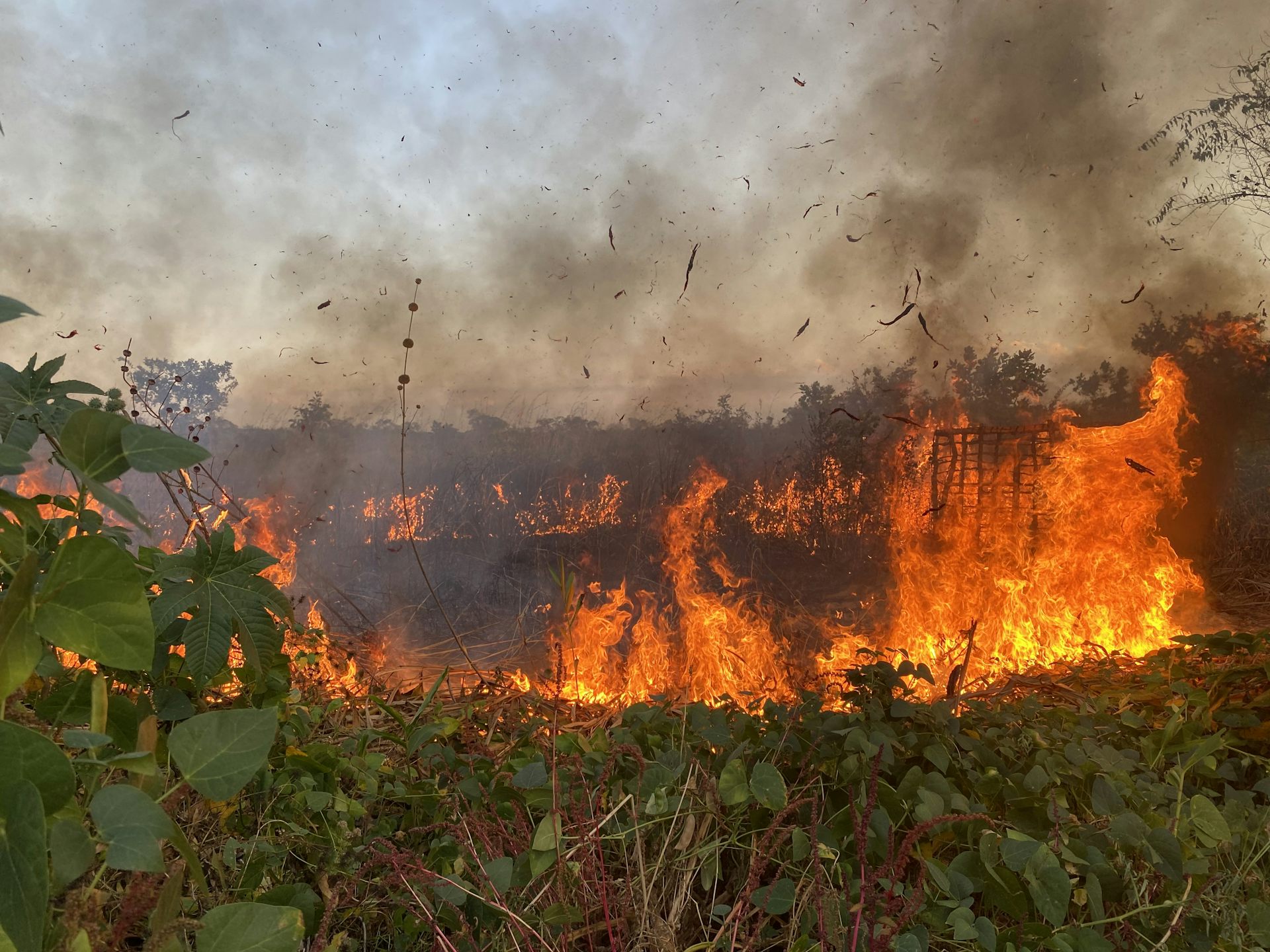
As a team of ecologists, social scientists and political scientists from the University of Edinburgh and the University of Turin, supported by the Okavango Wilderness Project, we have been researching ties between forests and local communities in this region. Fire is one of the main tools communities use to manage the landscape – clearing fields, improving visibility, stimulating fruit growth, and aiding hunting.
作为来自爱丁堡大学和都灵大学的生态学家、社会科学家和政治学家的团队,并得到了奥卡万戈荒野项目的支持,我们一直在研究该地区森林与当地社区之间的联系。火是社区管理景观的主要工具之一——用于清理田地、改善能见度、刺激果实生长以及辅助狩猎。
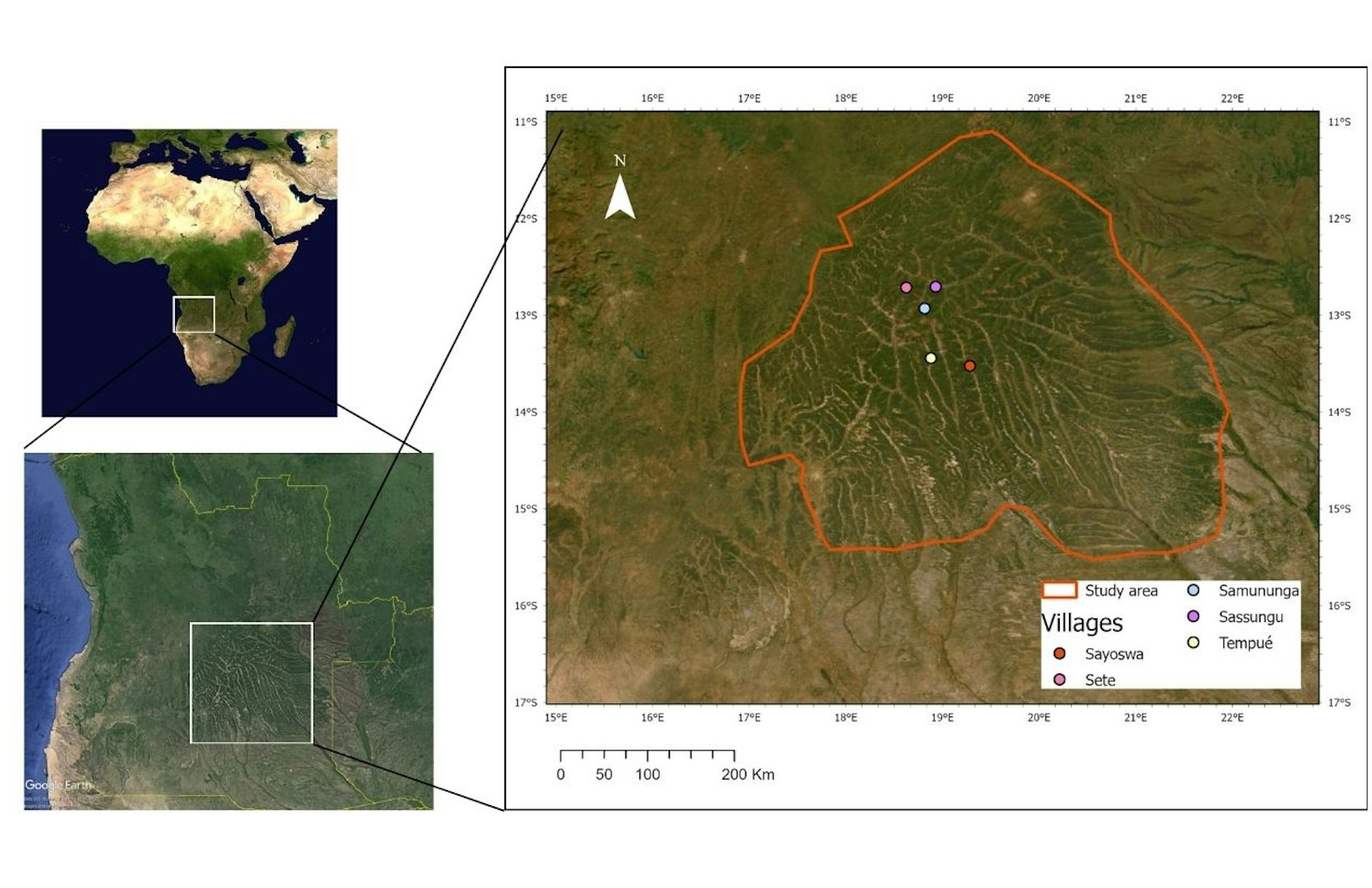
In a recent paper we set out our findings about how civil war had shaped fire regimes (patterns of fire in an ecosystem) in eastern Angola. We combined analysis of satellite data on burned areas and in-depth interviews with 42 elders who lived through the conflict and still live in the area now.
在最近的一篇论文中,我们介绍了关于内战如何影响安哥拉东部火灾制度(生态系统中的火灾模式)的发现。我们将卫星数据对烧毁区域的分析与深度访谈相结合,对象是42位经历过冲突并仍居住在该地区的长者。
We found something that surprised us and that runs counter to what researchers have documented elsewhere. During the war, fire activity was lower than before or after it. In most conflict zones, war has tended to be associated with higher fire activity. This is important since how “normal” fire activity is defined determines how fire is managed.
我们发现了一些令我们惊讶,并且与研究人员在其他地方记录的结论相悖的东西。战争期间,火活动水平低于战前或战后。在大多数冲突地区,战争往往与更高的火活动相关联。这一点非常重要,因为如何定义“正常的”火活动水平决定了火灾的管理方式。
Wartime in Angola’s highlands
安哥拉高地战时经历
Our fieldwork took place in three villages in the Moxico highlands. Dry forests and miombo woodlands grow in the high parts. Lower down there are grasslands and rivers – the headwaters of the Okavango Delta, whose waters sustain ecosystems and communities across southern Africa. This remote area is sparsely populated and the main activities are subsistence farming and honey collection.
我们的实地考察在莫西科(Moxico)高原的三个村庄进行。高海拔地区生长着干森林和米翁博林(miombo woodlands)。低处则是草地和河流——这些是奥卡万戈三角洲(Okavango Delta)的发源地,其水滋养着南部非洲各地的生态系统和社区。这个偏远地区人口稀少,主要活动是自给自足的农业和采蜜。
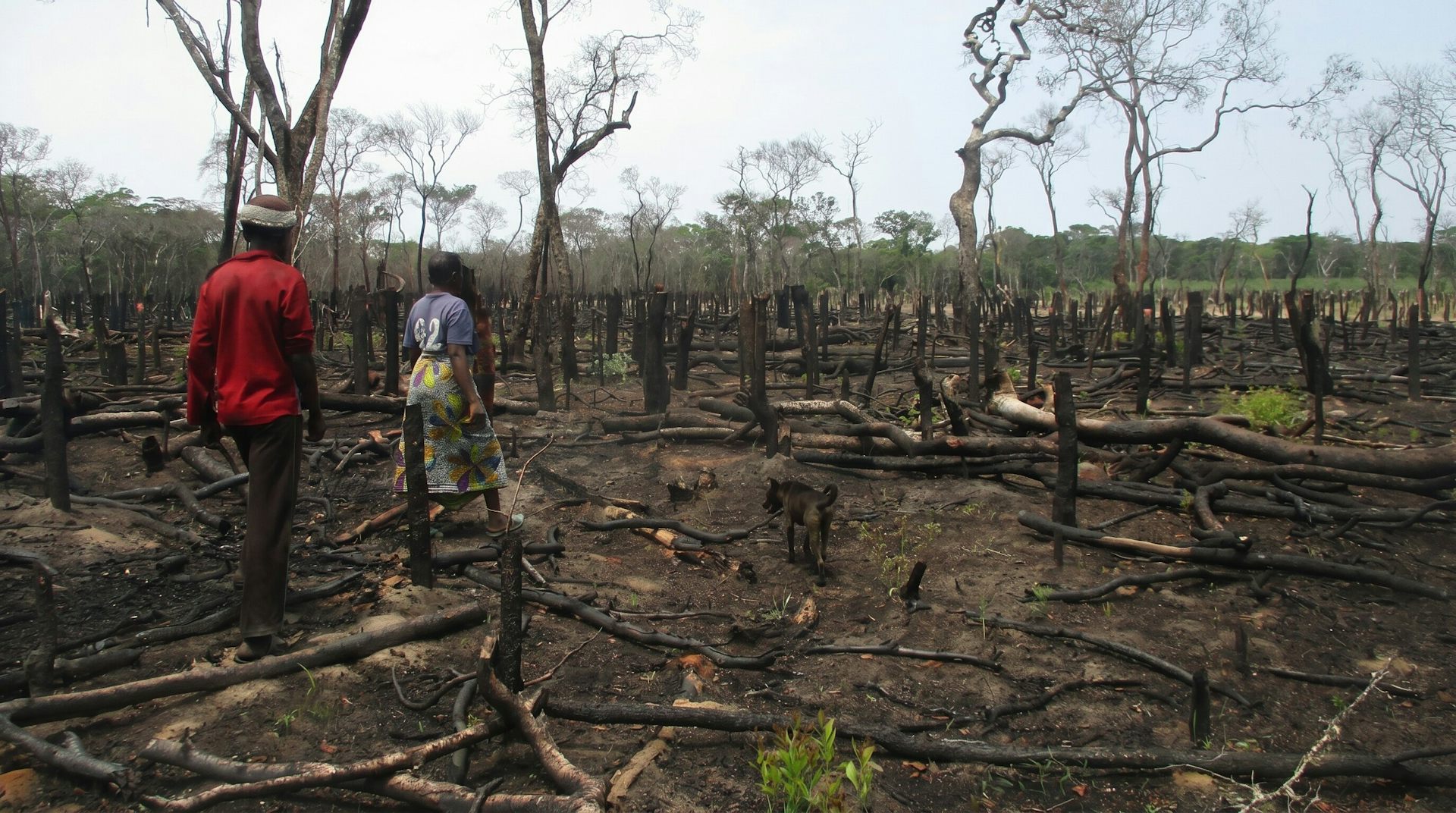
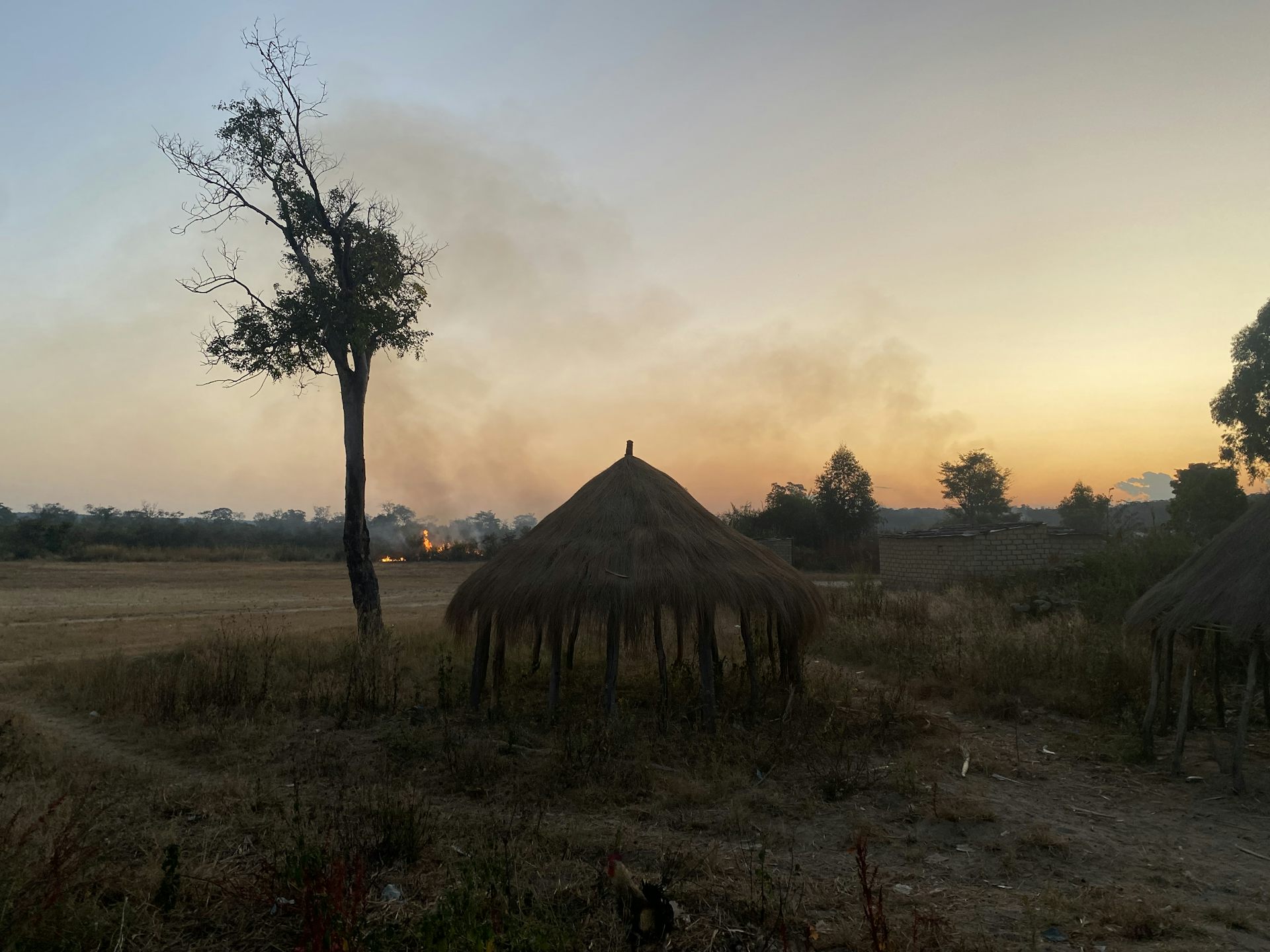
Local people have traditionally used fire to clear their fields and the bush for easier hunting. They use controlled burns in savannas and woodlands to reduce the risk of larger fires reaching homes, and to help keep snakes away from villages. The villagers also use smoke in harvesting honey and firewood for cooking.
当地人传统上使用火来清理农田和灌木丛,以便更容易狩猎。他们在稀树草原和林地中使用控制性燃烧,以降低大型火灾蔓延到居住地的风险,并帮助远离村庄的蛇群。村民们还利用烟雾来采蜜和采集用于烹饪的柴火。
Customary authorities still govern the use of natural resources.
传统当局仍然管理着自然资源的利用。
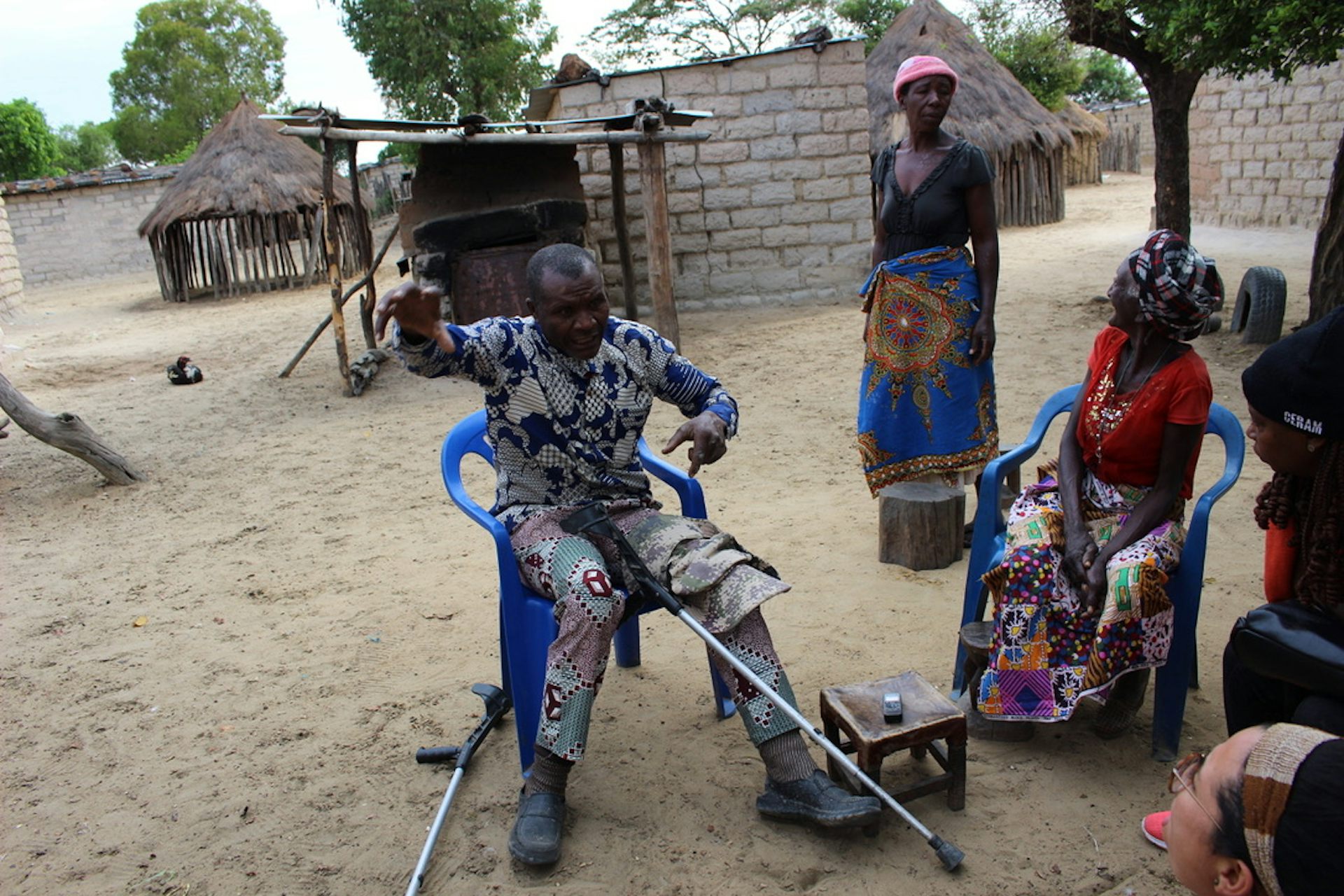
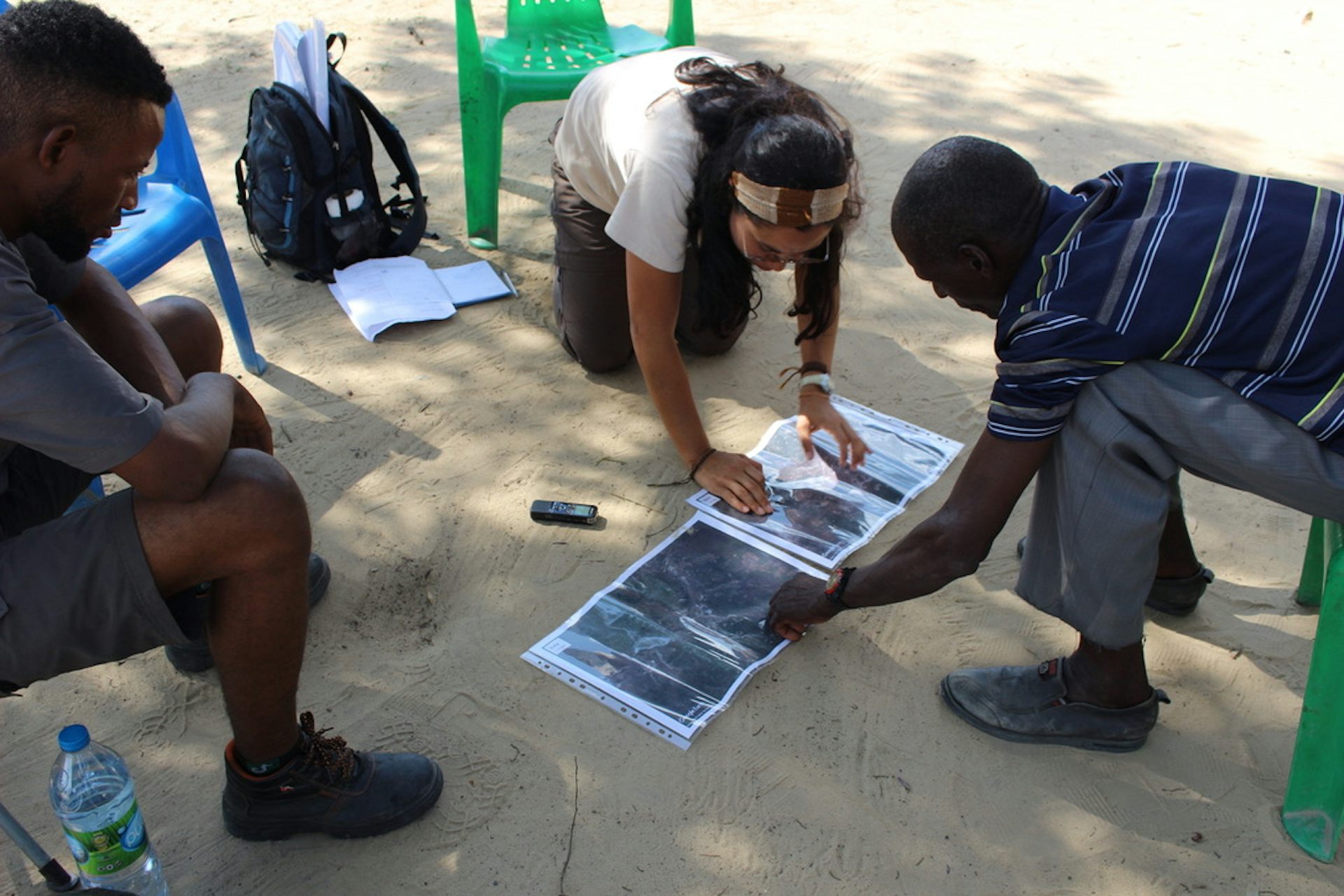
Elders told us fire was used less during the war: people were constantly displaced, relying heavily on woodland products – honey, fruits, mushrooms and wild animals – for survival. A woman said:
长者告诉我们,战争期间使用火焰的情况减少了:人们不断流离失所,为了生存严重依赖林产品——蜂蜜、水果、蘑菇和野生动物。一位妇女说:
During the war, we had to move constantly; you built a house, stayed a month or a year, then moved again.
战时,我们不得不不断迁徙;你建一个房子,待上一个月或一年,然后又搬走了。
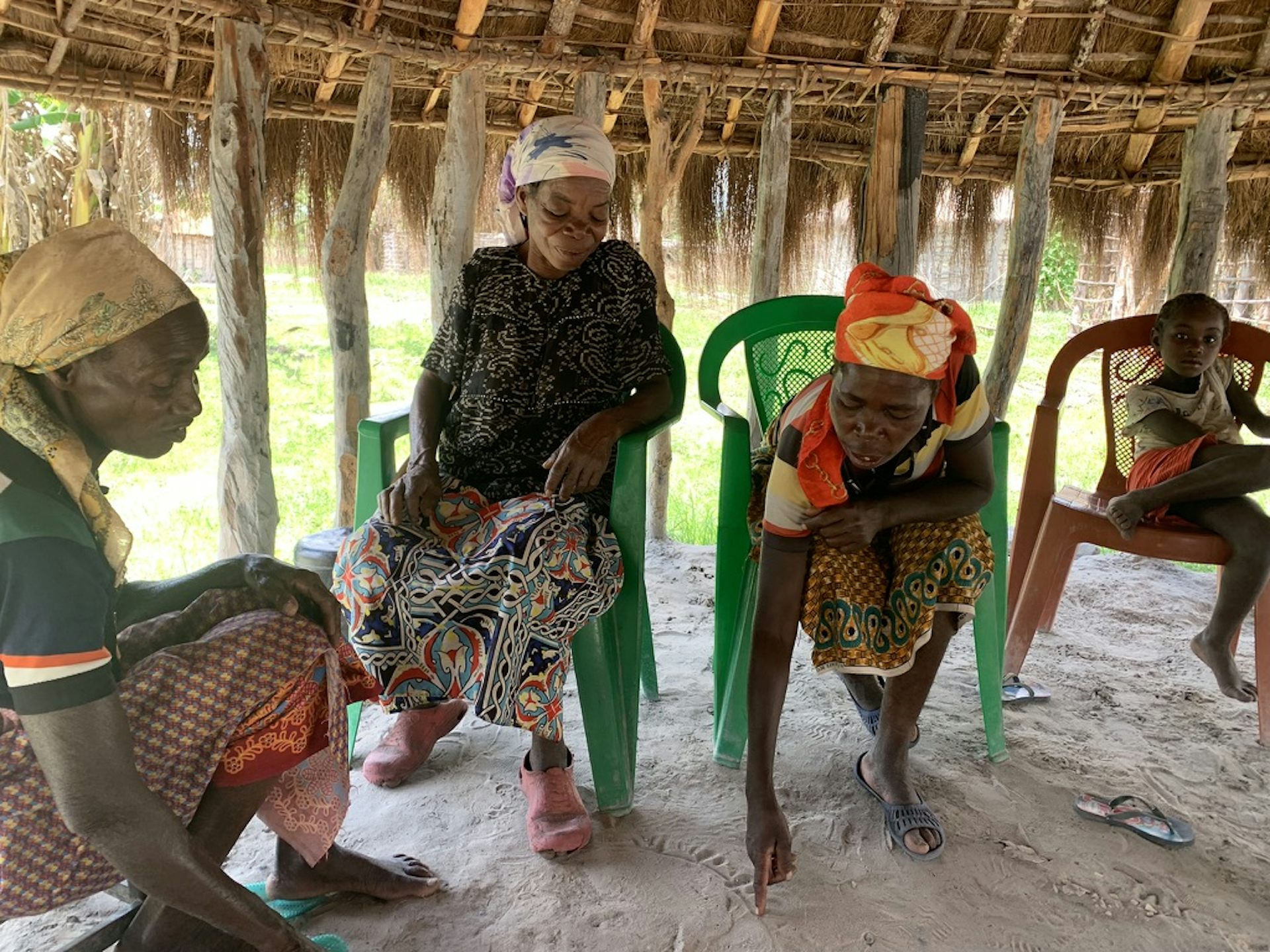
Armed forces strictly regulated the use of fire for cooking or hunting, since it could reveal people’s location; therefore, it was often used at night, when aircraft were not around. Forest cover was needed for safety. Careless use could result in harsh punishment and even death. One respondent told us:
武装部队严格管制使用火焰进行烹饪或狩猎,因为这可能会暴露人们的位置;因此,它经常在夜间使用,那时飞机不会飞过。森林覆盖物是安全所必需的。不当使用可能导致严厉惩罚甚至死亡。一位受访者告诉我们:
If you burned, that was a crime! You would get whipped!
如果你烧火,那就是犯罪!你会被打鞭子!
Respondents said that during the war, forested areas expanded and got denser.
受访者说,战时森林区域扩大并变得更密集了。
Our spatial analyses of burned areas confirmed that fire decreased by an average of 36% during the war compared with the average after the war (2003 to 2018) , with sharper declines in some periods. There was a 46% drop between 1991 and 1992, possibly linked to renewed violence after Unita (one of the parties in the civil war) rejected the Bicesse Accords election results. After the war ended in 2002, burned area rose 60% above the wartime average.
我们对燃烧区域的空间分析证实,与战后平均水平(2003年至2018年)相比,战时的火灾面积平均减少了36%,某些时期的下降更为剧烈。在1991年至1992年间,降幅达46%,这可能与乌尼塔(Unita,内战的各方之一)拒绝比塞塞协议选举结果后爆发的新一轮暴力有关。战后于2002年结束,燃烧面积比战时平均水平增加了60%。
Fire and conflict
火与冲突
The case of eastern Angola shows some interesting patterns which can bring a new perspective to the relationship between fire regimes and armed conflict.
东安哥拉的情况展示了一些有趣的模式,这些模式可以为火灾制度与武装冲突之间的关系带来新的视角。
One is that most research on war and fire documents an increase in fire. This has been seen in Syria, Turkey, Iraq and Ukraine.
首先是,大多数关于战争和火的研究记录了火灾的增加。这在叙利亚、土耳其、伊拉克和乌克兰都得到了体现。
Our study shows the opposite: a marked decrease in fire activity during the conflict, followed by a sharp postwar recovery.
我们的研究显示了相反的情况:冲突期间火活动明显下降,随后是在战后急剧恢复。
This drastic increase was likely driven by returning populations, restored livelihood practices and expanded market connections, all likely exacerbated by natural fuel accumulated during years of suppressed burning.
这种急剧的增加可能由返乡的人口、恢复的生计方式以及扩展的市场联系所驱动,而所有这些因素很可能是由于多年抑制燃烧积累的天然燃料所加剧的。
We read it not as an anomaly but as a return to a peacetime baseline. We suggest that it was the wartime suppression of burning that was exceptional.
我们将其理解为回归和平时期的基线状态,而非异常现象。我们认为,真正例外的是战争期间对燃烧的抑制。
This distinction is important not only for academic debates on human-fire interactions but also for fire governance and policy in the region. Taking the low-burning years of the war period as the baseline fire regime can lead to management strategies that focus on suppression, like banning early controlled burning. These can in turn disrupt fire-dependent livelihoods, overlook longer-term historical patterns, and promote narratives that are not necessarily grounded in local ecological or socioeconomic realities.
这一区别不仅对人类与火的互动学术辩论很重要,对于该地区的火灾治理和政策也至关重要。将战时的低燃年作为基准火灾制度,可能会导致侧重于压制管理的策略,例如禁止早期控制性焚烧。这些措施反过来可能会破坏依赖火资源的生计、忽略更长期的历史模式,并助长那些不一定基于当地生态或社会经济现实的叙事。
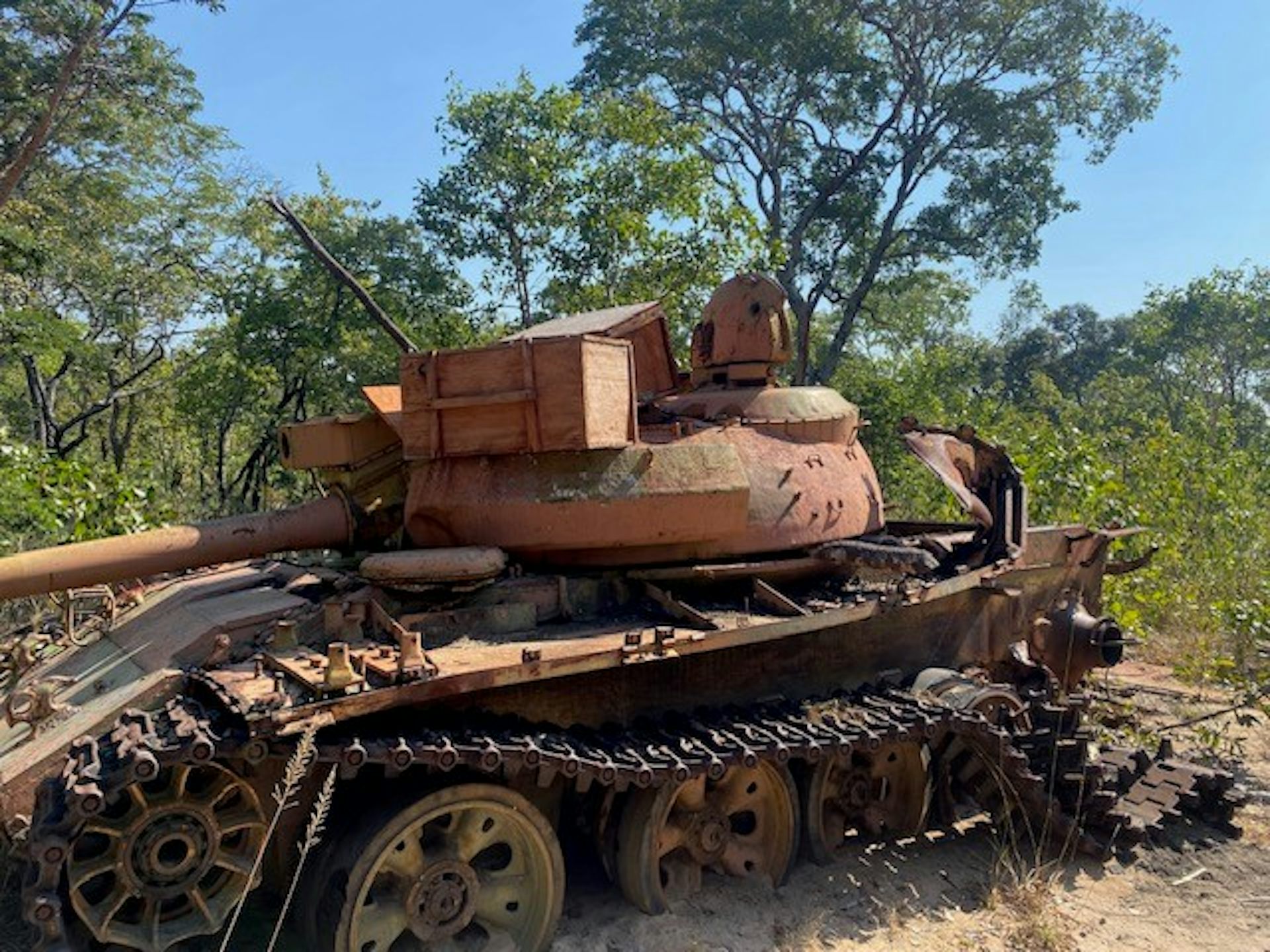
The effects of the war extended well beyond its end in 2002. Before the conflict, fire was managed collectively through long-standing community traditions. Wartime restrictions on burning, together with the disruption caused by the conflict, eroded these practices and the intergenerational knowledge that sustained them. As a result, fire use today is largely shaped by individual decisions rather than coordinated community management.
战争的影响远远超出了2002年的结束。冲突之前,火灾是通过长期存在的社区传统进行集体管理的。战时对燃烧的限制,加上冲突造成的破坏,侵蚀了这些实践以及维持它们的代际知识。因此,如今的用火很大程度上是由个人决策塑造的,而非协调的社区管理。
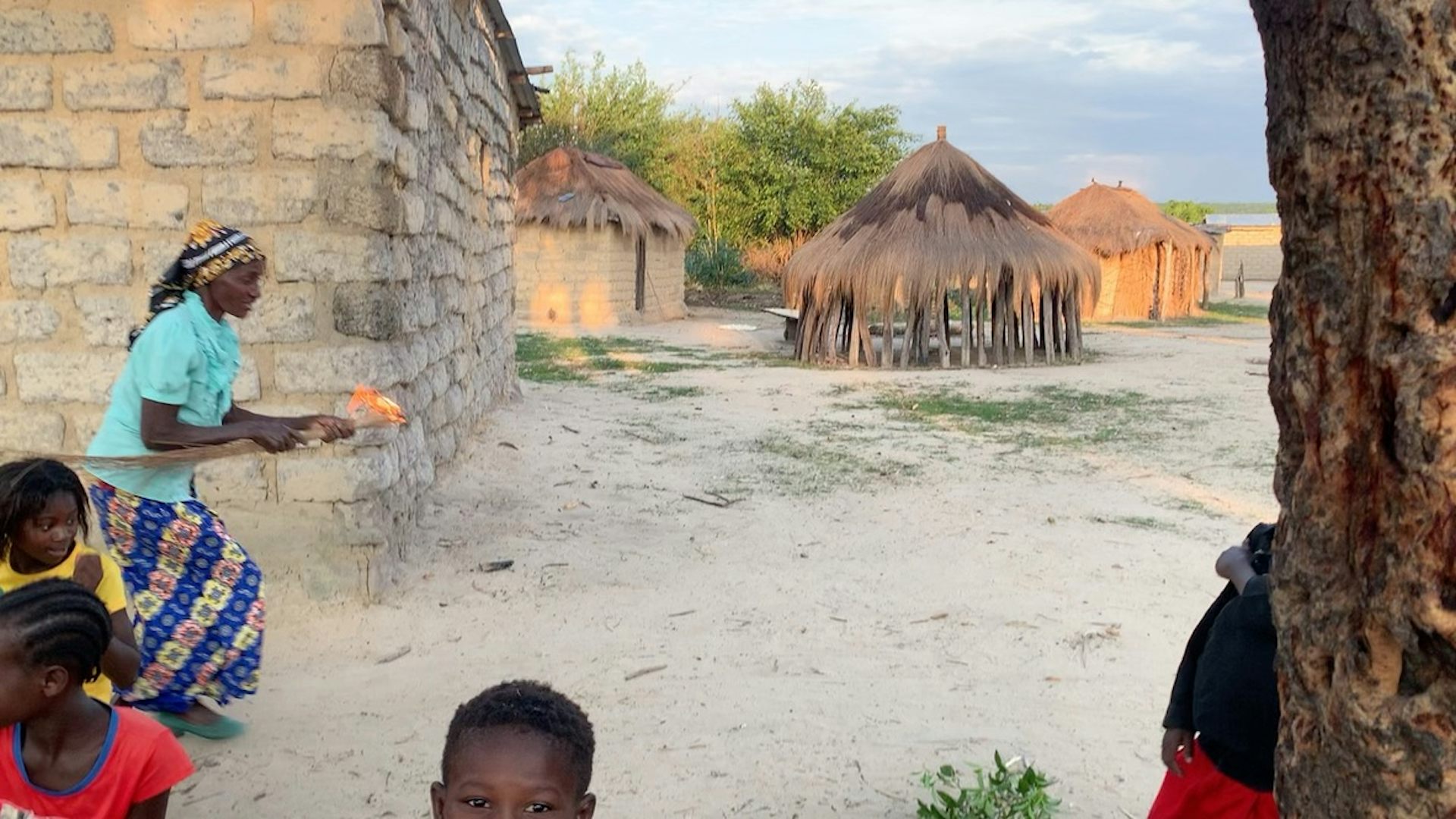
Managing fire in context
情境化火灾管理
This case carries several implications: war can reshape fire regimes in ways current literature has overlooked, and fire itself is still too often framed as a danger or disaster, rather than a crucial tool for rural communities. Managing fire in this landscape calls for approaches that fit local realities, recognising fire as a socio-political process as much as an environmental one, and placing local livelihoods at the centre of governance.
本案例具有几层意义:战争可以以当前文献忽略的方式重塑火生态系统,而火本身仍然过于常被视为危险或灾难,而非农村社区的关键工具。在这种景观中管理火需要采用符合当地现实的方法,将火视为社会政治过程而非仅仅是环境过程,并将当地生计置于治理的核心。
The highlands of Moxico may represent an extreme case, but they are a reminder that war’s consequences for landscapes and livelihoods can be complex, unexpected and long-lasting – especially for marginalised groups.
莫西科的高地可能是一个极端案例,但它们提醒我们,战争对景观和生计的后果可能是复杂、出乎意料且持久的——尤其是对于边缘群体而言。
Author’s note on photos: before we take pictures with people we always ask for their consent, and we ask if we can share those pictures in different places. We obtain oral consent since most of the people we work with don’t read or write.
关于照片的作者说明:在我们给人们拍照之前,我们会总是征得他们的同意,并且会询问是否可以在不同的地方分享这些照片。由于我们合作的大多数人不会读或写字,所以我们会口头征得同意。
Luisa F. Escobar Alvarado is affiliated with The University of Turin and The National Geographic Okavango Wilderness Project. We thank the support of National Geographic Okavango Wilderness Project, CONAHCYT, Davis Fund at the University of Edinburgh, the Lisima Foundation, the Wild Bird Trust, the Leverhulme Trust (IF-2023-032) , the European Research Council grant FIREPOL (101076495) and NERC Large Grant SECO (NE/T01279X/1) .
Luisa F. Escobar Alvarado隶属于都灵大学和国家地理奥卡万戈荒野项目。我们感谢国家地理奥卡万戈荒野项目、CONAHCYT、爱丁堡大学戴维斯基金、利西马基金会、野鸟信托基金、列弗休姆信托基金(IF-2023-032)、欧洲研究理事会FIREPOL资助项目(101076495)以及NERC大型拨款SECO(NE/T01279X/1)提供的支持。