تواجه أوروبا موجة حر قياسية. ما الذي يجعلها شديدة إلى هذا الحد؟
Europe is battling a record-breaking heatwave. What’s making it so severe?
A climate expert unpacks the potential causes and risks of extreme heat.
يفصّل خبير مناخي الأسباب والمخاطر المحتملة للحرارة الشديدة.
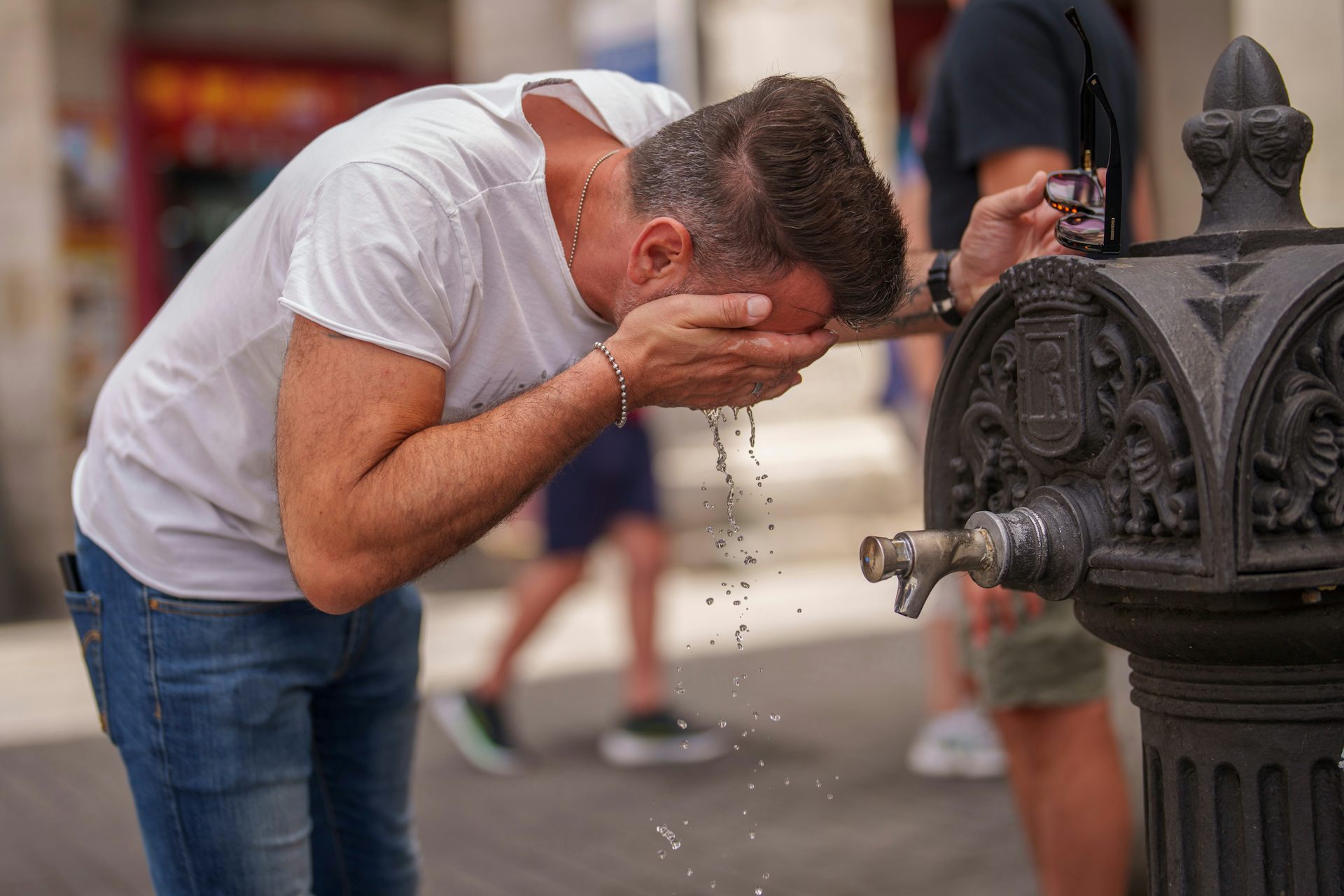
Sweltering temperatures are shattering records across Europe, as the continent battles a deadly heatwave.
تحطم درجات الحرارة اللاهبة للأرقام القياسية في جميع أنحاء أوروبا، بينما يواجه القارة موجة حر مميتة.
On Tuesday and Wednesday, France endured its hottest days in history, with western regions reaching highs of between 39°C and 43°C. Wednesday was the United Kingdom’s warmest June day on record, with the mercury climbing to 36.1°C. And according to early data, Spain, Germany, Austria, the Netherlands and Switzerland have all broken June temperature records at several sites. And the event is not over yet.
في يومي الثلاثاء والأربعاء، شهدت فرنسا أحر أيامها في التاريخ، حيث وصلت المناطق الغربية إلى مستويات تتراوح بين 39 درجة مئوية و 43 درجة مئوية. وكان يوم الأربعاء هو أدفأ يوم في يونيو مسجل للمملكة المتحدة، حيث ارتفعت درجة الحرارة لتصل إلى 36.1 درجة مئوية. ووفقاً للبيانات الأولية، فقد كسرت إسبانيا وألمانيا والنمسا وهولندا وسويسرا جميعها أرقام درجات حرارة شهر يونيو في عدة مواقع. ولم ينتهِ هذا الحدث بعد.
Tragically, lives have already been lost, including dozens of people who have drowned in France in the past week, while trying to cool down in the punishing heat.
ومأساوياً، فُقدت الأرواح بالفعل، بما في ذلك العشرات من الأشخاص الذين غرقوا في فرنسا خلال الأسبوع الماضي، أثناء محاولتهم التبريد من الحرارة القاسية.
But this historic heatwave is not happening in isolation. It comes days after the global sea surface temperature again reached record levels. Meanwhile, Australia’s weather bureau has declared El Niño active, making a hotter, drier year in Australia, Asia and the South Pacific much more likely. And since April, India and Pakistan have been battling a sustained and ultimately deadly heatwave.
لكن موجة الحر التاريخية هذه لا تحدث بمعزل عن شيء. فقد جاءت بعد أيام من وصول متوسط درجة حرارة سطح البحر العالمي إلى مستويات قياسية مرة أخرى. وفي الوقت نفسه، أعلن مكتب الأرصاد الجوية الأسترالي نشاط ظاهرة النينو، مما يجعل عاماً أكثر حرارة وجفافاً في أستراليا وآسيا والمحيط الهادئ الجنوبي أكثر احتمالاً بكثير. ومنذ أبريل، تخوض الهند وباكستان معركة ضد موجة حر مستمرة ومميتة في نهاية المطاف.
So what’s driving this latest heatwave? And why is it so severe?
فما الذي يغذي موجة الحر الأخيرة هذه؟ ولماذا هي بهذه الشدة؟
An unusual heatwave
موجة حر غير مألوفة
A heatwave occurs when the average temperature is unusually hot for three or more days in a row. That’s compared to past weather data taken from the same location.
تحدث موجة الحر عندما ترتفع درجة الحرارة المتوسطة بشكل غير عادي لمدة ثلاثة أيام أو أكثر على التوالي. ويتم ذلك مقارنةً ببيانات الطقس السابقة المسجلة من نفس الموقع.
But scientists are losing sleep over the current European heatwave, for two main reasons.
لكن العلماء يفقدون النوم بسبب موجة الحر الأوروبية الحالية، وذلك لسببين رئيسيين.
1. Timing
1. التوقيت
In Europe, the hottest time of year comes in mid- to late July, about a month after the summer solstice. However, recent research suggests days of intense heat stress are now starting to arrive in June. Since 1950, only one other major heatwave has arrived earlier than the current heatwave, which is unfolding weeks before the peak of the European summer.
في أوروبا، يأتي أشد وقت في العام في منتصف إلى أواخر شهر يوليو، أي بعد حوالي شهر من الانقلاب الصيفي. ومع ذلك، تشير الأبحاث الحديثة إلى أن أيام الإجهاد الحراري الشديد بدأت تصل الآن في شهر يونيو. ومنذ عام 1950، لم تصل موجة حر كبرى أخرى قبل الموجة الحالية إلا مرة واحدة، وهي تتكشف قبل أسابيع من ذروة الصيف الأوروبي.
Current evidence shows climate change is making heatwaves more frequent and intense. One study examined the heatwave that hit southeast England in June 2025. It found that without the effect of human-made greenhouse gas emissions, such a heatwave would only happen once every 50 years. But when the researchers accounted for the temperature increase of 1.3°C caused by human-induced climate change, this became at least once every five years.
تُظهر الأدلة الحالية أن تغير المناخ يجعل موجات الحر أكثر تكراراً وشدة. درست إحدى الدراسات موجة الحر التي ضربت جنوب شرق إنجلترا في يونيو 2025. ووجدت الدراسة أنه بدون تأثير انبعاثات غازات الدفيئة البشرية، فإن مثل هذه الموجة لن تحدث إلا مرة كل 50 عاماً. ولكن عندما أخذ الباحثون في الحسبان ارتفاع درجة الحرارة بمقدار 1.3 درجة مئوية الناتج عن تغير المناخ الناجم عن الإنسان، أصبح ذلك يحدث مرة واحدة على الأقل كل خمس سنوات.
2. Severity
2. الشدة
In a world without climate change, this extreme heatwave would rarely if ever happen so early in the year. And it also would not be toppling temperature records, and by such staggering amounts.
في عالم خالٍ من تغير المناخ، لن تحدث موجة الحر القصوى هذه إلا نادراً جداً إن لم تحدث أبداً في وقت مبكر كهذا من العام. كما أنها لن تسجل أرقاماً قياسية للحرارة، وبمقادير مذهلة كهذه.
Tuesday and Wednesday were France’s hottest days since records began in 1947, with an average temperature of 29.9°C across the country. On Tuesday, 147 French towns hit all-time highs for June, with 41 local weather stations recording figures above 43°C.
كان يومي الثلاثاء والأربعاء هما اليومان الأكثر حرارة في فرنسا منذ بدء تسجيل الأرقام القياسية عام 1947، بمتوسط درجة حرارة بلغ 29.9 درجة مئوية في جميع أنحاء البلاد. وفي يوم الثلاثاء، سجلت 147 بلدة فرنسية أعلى مستوياتها على الإطلاق لشهر يونيو، حيث سجلت 41 محطة طقس محلية قراءات تتجاوز 43 درجة مئوية.
France also slept through its warmest night ever from Tuesday into Wednesday, with a national average temperature of 21.6°C. The overnight heat was enough to make some rivers so warm they could not be safely used to cool nuclear power plants.
كما مرت فرنسا بأبرد ليلة لها على الإطلاق من يوم الثلاثاء إلى الأربعاء، بمتوسط حرارة وطني بلغ 21.6 درجة مئوية. وكانت الحرارة الليلية كافية لجعل بعض الأنهار دافئة جداً بحيث لا يمكن استخدامها بأمان لتبريد محطات الطاقة النووية.
In the same week, Spain also set multiple daytime and nighttime records, with one location enduring three consecutive nights of 30°C or above. Parts of Spain have seen temperatures surpass 45°C.
في نفس الأسبوع، سجلت إسبانيا أيضاً العديد من الأرقام القياسية النهارية والليلية، حيث عاش موقع واحد ثلاث ليالٍ متتالية بلغت 30 درجة مئوية أو أكثر. وشهدت أجزاء من إسبانيا تجاوز درجات الحرارة لـ 45 درجة مئوية.
In western Europe, the heatwave is expected to peak in the middle of this week before shifting east, with forecasts suggesting Poland and Germany will bear the brunt over the weekend.
في أوروبا الغربية، من المتوقع أن تبلغ موجة الحر ذروتها في منتصف هذا الأسبوع قبل أن تتحول شرقاً، مع توقعات تشير إلى أن بولندا وألمانيا ستحملان العبء الأكبر خلال عطلة نهاية الأسبوع.
What caused it?
ما الذي تسبب فيه؟
At the local scale, heatwaves occur when a high-pressure system settles over a region. These systems act as “lids” that trap heat and push it closer to the surface. They also disperse clouds to allow more sunlight to stream in.
على المستوى المحلي، تحدث موجات الحر عندما يستقر نظام ضغط جوي مرتفع فوق منطقة ما. تعمل هذه الأنظمة كـ “أغطية” تحبس الحرارة وتدفعها أقرب إلى السطح. كما أنها تشتت الغيوم للسماح بدخول المزيد من أشعة الشمس.
On a broader scale, climate change from the burning of oil, coal and gas is reshaping how and when heatwaves form. This is because the additional heat trapped in the atmosphere also changes large-scale weather patterns, which typically move east to west, allowing more slow-moving high-pressure systems to form. This in turn increases the risk of heatwaves.
على نطاق أوسع، يغير تغير المناخ الناتج عن حرق النفط والفحم والغاز من كيفية وتوقيت تشكل موجات الحر. ويرجع ذلك إلى أن الحرارة الإضافية المحبوسة في الغلاف الجوي تغير أيضًا أنماط الطقس واسعة النطاق، التي تتحرك عادةً من الشرق إلى الغرب، مما يسمح بتشكل المزيد من أنظمة الضغط المرتفع بطيئة الحركة. وهذا بدوره يزيد من خطر موجات الحر.
Research shows in the five decades between 1950 and 1999, Europe endured five intense heatwaves. Between 2000 and 2021, there were 18 such heatwaves. Add to that the extreme heatwaves of 2022, 2023 and 2025, and this figure rises to more than 20 severe heatwaves in just 25 years. So the evidence is clear – European heatwaves are happening far more often.
تُظهر الأبحاث أنه في العقود الخمسة بين عامي 1950 و 1999، عانت أوروبا من خمس موجات حر شديدة. وبين عامي 2000 و 2021، كانت هناك 18 موجة حر مماثلة. وإضافة إلى ذلك الموجات الحرارة القصوى في أعوام 2022 و 2023 و 2025، يرتفع هذا الرقم إلى أكثر من 20 موجة حر شديدة في 25 عامًا فقط. لذا، فإن الدليل واضح – فموجات الحر الأوروبية تحدث بوتيرة أعلى بكثير.
How are people coping?
كيف يتأقلم الناس؟
This heatwave has already tragically claimed dozens of lives in France, where people have drowned.
لقد أودت موجة الحر هذه بالفعل بحياة العشرات في فرنسا، حيث غرق الناس.
According to the European Climate Risk Assessment, heatwaves already pose a critical health risk to people across southern Europe. And in coming years, communities in southern and western-central Europe will be most at risk of heat-related illness and death.
وفقًا للتقييم الأوروبي لمخاطر المناخ، تشكل موجات الحر بالفعل خطرًا صحيًا حرجًا على الناس في جميع أنحاء جنوب أوروبا. وفي السنوات القادمة، ستكون المجتمعات في جنوب وغرب وسط أوروبا هي الأكثر عرضة للمرض والوفاة المرتبطين بالحرارة.
What makes this heatwave so severe is the combination of extreme temperatures and high humidity, which is completely unlike the typical dry summers experienced in southern Australia.
ما يجعل موجة الحر هذه شديدة للغاية هو مزيج درجات الحرارة القصوى والرطوبة العالية، وهو أمر يختلف تمامًا عن الصيف الجاف المعتاد الذي تشهده أستراليا الجنوبية.
Children and the elderly are most at risk of heat-related illness. Their bodies are less able to evaporate sweat and regulate their internal temperature. For these populations, extreme heat coupled with humidity can be life-threatening.
الأطفال وكبار السن هم الأكثر عرضة للمرض المرتبط بالحرارة. فأجسامهم أقل قدرة على تبخير العرق وتنظيم درجة حرارتها الداخلية. بالنسبة لهذه الفئات السكانية، يمكن أن يكون التعرض للحرارة الشديدة المقترن بالرطوبة مهددًا للحياة.
What about the next southern hemisphere summer?
ماذا عن صيف نصف الكرة الجنوبي القادم؟
Historically, heatwaves in Europe aren’t related to heatwaves in the following southern hemisphere summer.
تاريخياً، لا ترتبط موجات الحر في أوروبا بموجات الحر في صيف نصف الكرة الجنوبي التالي.
However, climate change is increasing the risk of extreme heat in any given year. Combine this with the effects of El Niño, and global average temperatures will be at near-record levels for both 2026 and 2027.
ومع ذلك، فإن تغير المناخ يزيد من خطر ارتفاع درجات الحرارة الشديدة في أي عام معين. وعند دمج هذا مع تأثيرات النينو، ستصل متوسطات درجات الحرارة العالمية إلى مستويات تقترب من الأرقام القياسية لكل من عامي 2026 و 2027.
In our changing climate, the risk of extreme heat – Australia’s deadliest natural hazard – is now a global reality.
في مناخنا المتغير، أصبح خطر ارتفاع درجات الحرارة الشديدة – وهو الخطر الطبيعي الأكثر فتكاً في أستراليا – واقعاً عالمياً الآن.
Andrew B. Watkins is a Climate Councillor with the Climate Council.
أندرو ب. واتكنز هو مستشار المناخ لدى مجلس المناخ.
Read more
-
تعهد نتنياهو بـ “إنهاء المهمة” ضد حزب الله. إنه وعد لا يمكنه الوفاء به.
Netanyahu has pledged to ‘finish the job’ against Hezbollah. It’s a promise he can’t deliver on
-

أفضل ستة تكييفات لشكسبير ليست باللغة الإنجليزية
The six best Shakespeare adaptations that aren’t in English