هل تحافظ عمليات صيد أسماك القرش على سلامة الناس في المحيط؟ إليكم ما يقوله العلم
Do shark culls keep people safe in the ocean? Here’s what the science says
Culls are back on the table after a shark bit a woman at Coogee beach on Saturday.
عادت عمليات الصيد إلى طاولة النقاش بعد أن عض قرش امرأة في شاطئ كوجي يوم السبت.
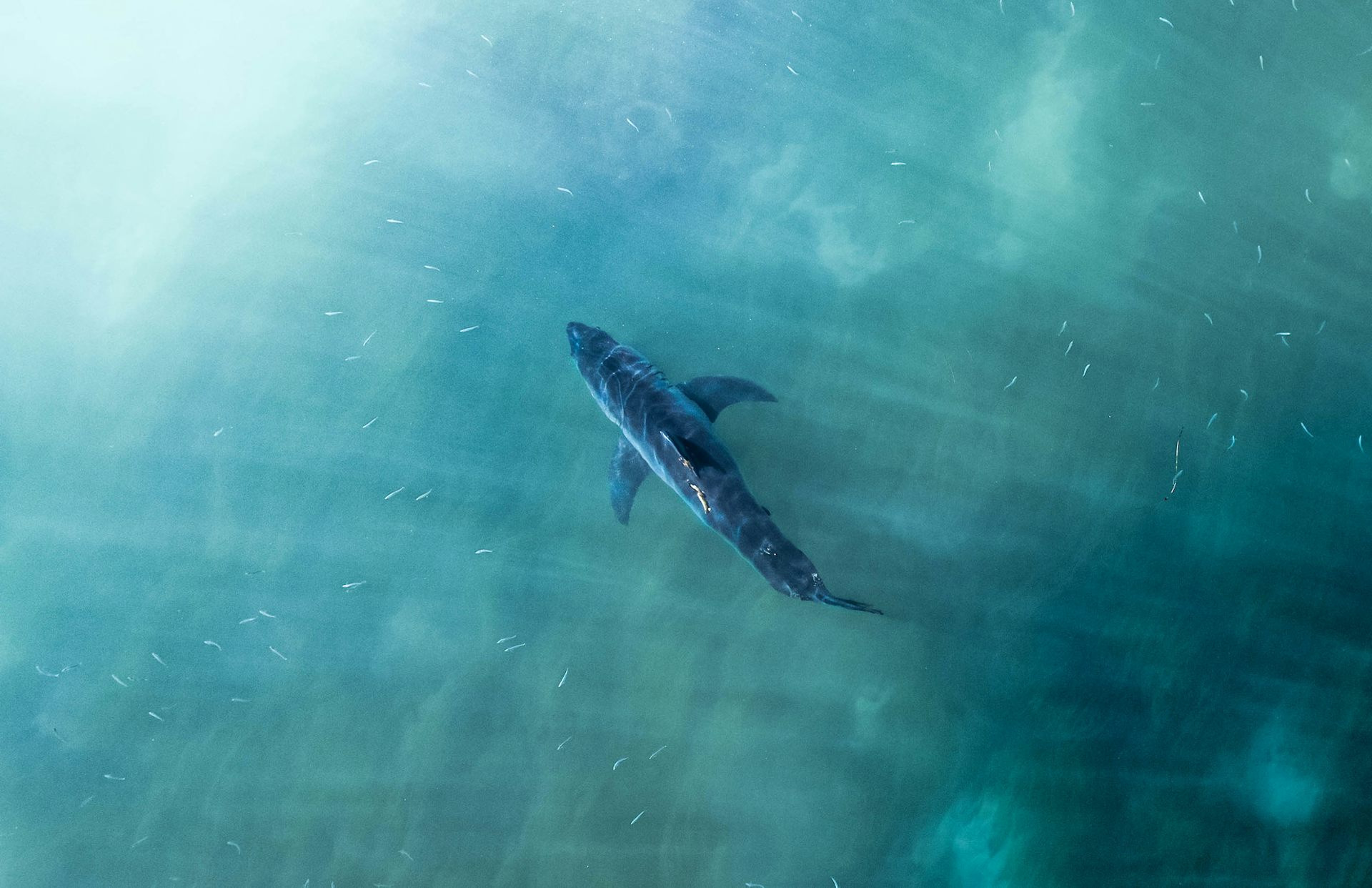
A young mother remains in hospital after being bitten by a shark at Coogee beach in Sydney on Saturday morning. Leah Stewart, 35, was swimming about 30 metres offshore when the shark – believed to be a three to four metre great white shark – struck.
بقيت أم شابة في المستشفى بعد تعرضها لعضة قرش في شاطئ كوجي بسيدني صباح يوم السبت. كانت ليا ستيوارت، البالغة من العمر 35 عاماً، تسبح على بُعد حوالي 30 متراً قبالة الشاطئ عندما هاجم القرش – الذي يُعتقد أنه قرش أبيض عملاق يبلغ طوله ما بين ثلاثة وأربعة أمتار.
In the wake of this tragic incident, there have been renewed calls for a shark cull to be launched. Federal Liberal Party president Tony Abbott, for example, said:
وفي أعقاب هذا الحادث المأساوي، كانت هناك دعوات متجددة لإطلاق حملة إبادة للقرش. فقد قال رئيس حزب الليبرالي الفيدرالي، توني أبوت، على سبيل المثال:
It’s so wrong that we don’t cull sharks after attacks. It’s so wrong that we don’t have a commercial shark fishery given the explosion of shark numbers, and it’s so wrong that we don’t put people before sharks.
“من الخطأ أننا لا نقوم بإبادة أسماك القرش بعد الهجمات. ومن الخطأ أننا لا نمتلك مصايد تجارية للقرش بالنظر إلى التزايد الهائل في أعدادها، ومن الخطأ أننا لا نضع البشر قبل أسماك القرش.”
New South Wales Premier Chris Minns has since said his government is actively considering a cull of bull sharks, in response to a surge in bull shark bites over summer.
ومنذ ذلك الحين، صرّح رئيس ولاية نيو ساوث ويلز، كريس مينز، بأن حكومته تدرس بنشاط إبادة أسماك القرش الثور، وذلك ردًا على الارتفاع في عدد عضات هذه الأسماك خلال فصل الصيف.
So is the number of shark bites really increasing and is it because shark numbers are exploding? What does the research say about the effectiveness of culling? And what other measures could keep ocean users safe?
فهل يزداد عدد عضات أسماك القرش حقاً، وهل يعود ذلك إلى التزايد الهائل في أعدادها؟ وماذا تقول الأبحاث عن فعالية الإبادة؟ وما هي التدابير الأخرى التي يمكن أن تحافظ على سلامة مستخدمي المحيط؟
Rising numbers of shark bites
ارتفاع أعداد عضات القروش
Shark bites have increased in Australia and globally over the past four decades (although they are still very rare) .
لقد زادت حوادث عضات القروش في أستراليا وعلى مستوى العالم على مدى الأربعة عقود الماضية (على الرغم من أنها لا تزال نادرة للغاية) .
The exploding number of sharks is often mentioned to explain this trend.
غالباً ما يُذكر التزايد الهائل في أعداد أسماك القرش لتفسير هذا الاتجاه.
Many species of sharks are threatened globally. But Australia has many protections in place and relatively well-managed fisheries that support the recovery of vulnerable species, such as the great white shark, and which prevent the decline of species which are threatened in other countries, such as the bull shark.
تُهدد العديد من أنواع أسماك القرش عالمياً. لكن لدى أستراليا العديد من إجراءات الحماية ومصايد الأسماك المُدارة بشكل جيد نسبياً، والتي تدعم تعافي الأنواع المعرضة للخطر، مثل قرش المطرقة الأبيض الكبير، وتمنع انحدار الأنواع التي تُهدد في بلدان أخرى، مثل القرش الثور.
But it’s unlikely that the recovery of the great white shark or reduced fishing pressure can alone explain the rise in shark bites.
ولكن من غير المحتمل أن يكون لتعافي قرش المطرقة الأبيض أو خفض ضغط الصيد وحده تفسير ارتفاع حوادث عضات القروش.
Last year colleagues and I published a study on the factors influencing the number of shark bites. We found 40 factors suggested to affect shark-bite risk. These included human population growth, habitat modification and destruction, declining water quality, climate change and anomalous weather patterns, and changes to the distribution and abundance of sharks and their prey.
في العام الماضي، نشرت أنا وزملاء دراسة حول العوامل المؤثرة على عدد عضات القروش. ووجدنا 40 عاملاً يُقترح أنها تؤثر على خطر التعرض لعضة القرش. وشملت هذه العوامل النمو السكاني البشري، وتعديل البيئة وتدميرها، وتدهور جودة المياه، وتغير المناخ وأنماط الطقس الشاذة، والتغيرات في توزيع ووفرة أسماك القرش وفرائسها.
However, the relatively infrequent occurrence of such events reduces our ability to determine which of these factors explain the increase in shark bites the most. It is likely to be due to a combination of these factors.
ومع ذلك، فإن التكرار المنخفض نسبياً لمثل هذه الأحداث يقلل من قدرتنا على تحديد أي من هذه العوامل يفسر زيادة عضات القروش بشكل أكبر. ومن المحتمل أن يكون السبب مزيجاً من هذه العوامل.
Do shark culls work?
هل تنجح عمليات إعدام أسماك القرش؟
There are many ways to reduce the risk of shark bites. Shark culls are the most controversial.
هناك العديد من الطرق لتقليل خطر عضات أسماك القرش. وتُعد عمليات الإعدام هي الأكثر إثارة للجدل.
Some research has suggested culling sharks has reduced the rate of interactions with humans in certain locations. However, other studies have highlighted no changes in bite rates after large culling programs were implemented.
اقترح بعض الأبحاث أن إعدام أسماك القرش قد قلل من معدل التفاعلات مع البشر في مواقع معينة. ومع ذلك، سلطت دراسات أخرى الضوء على عدم وجود تغييرات في معدلات العض بعد تنفيذ برامج الإعدام الكبيرة.
The efficacy of culling varies between species and regions, and the number of sharks needed to be culled is unknown but is likely to be high before it starts affecting shark-bite risk.
تختلف فعالية الإعدام بين الأنواع والمناطق، كما أن عدد أسماك القرش التي يجب إعدامها غير معروف ولكنه من المحتمل أن يكون مرتفعًا قبل أن يبدأ بالتأثير على خطر عضة القرش.
While you could argue that even culling one shark reduces risk, that shark might never have bitten humans, so culling that shark does not impact the number of shark bites. This problem is best illustrated by the shark control program in Hawaii in the 1960s and 1970s, during which 4,668 tiger sharks were killed but there were no resulting changes in the rate of shark bites.
بينما يمكن للمرء أن يجادل بأن حتى إعدام قرش واحد يقلل المخاطر، فمن المحتمل ألا يعض هذا القرش البشر أبدًا، وبالتالي فإن إعدامه لا يؤثر على عدد العضات. وتُوضّح هذه المشكلة بشكل أفضل من خلال برنامج التحكم في أسماك القرش في هاواي في الستينيات والسبعينيات من القرن الماضي، حيث قُتل 4668 قرش النمر ولكن لم يكن هناك أي تغيير ناتج عن ذلك في معدل عضات أسماك القرش.
What about other measures?
ماذا عن التدابير الأخرى؟
Shark nets aim to catch potentially dangerous sharks close to popular swimming areas. However, this method can also kill non-dangerous sharks and a range of other marine animals such as rays, turtles and dolphins. There is also little evidence to show shark nets keep people safe.
تهدف شباك القرش إلى اصطياد أسماك القرش التي قد تكون خطرة بالقرب من مناطق السباحة الشهيرة. ومع ذلك، يمكن لهذه الطريقة أن تقتل أيضًا أسماك قرش غير خطرة ومجموعة من الحيوانات البحرية الأخرى مثل الرايات والسلاحف والدلافين. كما أن هناك أدلة قليلة تُظهر أن شباك القرش تحافظ على سلامة الناس.
There are a range of other area-based mitigation measures that are designed to minimise impact on the marine ecosystem, and for which efficacy has been reviewed. These include using drones to observe sharks, SMART drumlines (which intercept sharks close to shore and allow authorities to tag and then safely relocate them) , and shark listening stations that detect the presence of a tagged shark.
توجد مجموعة من تدابير التخفيف الأخرى القائمة على المناطق، والمصممة لتقليل التأثير على النظام البيئي البحري، وقد تم مراجعة فعاليتها. وتشمل هذه التدابير استخدام الطائرات بدون طيار لمراقبة أسماك القرش، وخطوط الأسطوانات الذكية (SMART drumlines) التي تعترض أسماك القرش بالقرب من الشاطئ وتسمح للسلطات بوضع العلامات عليها ثم نقلها بأمان، ومحطات الاستماع لأسماك القرش التي تكتشف وجود قرش مُعلَّم.
Many studies show that early-warning systems using drones can detect sharks and quickly enable the evacuation of beaches, while SMART drumlines intercept sharks with the capture leading to sharks leaving the area upon release.
تُظهر العديد من الدراسات أن أنظمة الإنذار المبكر باستخدام الطائرات بدون طيار يمكنها اكتشاف أسماك القرش وتسهيل إخلاء الشواطئ بسرعة، بينما تعترض خطوط الأسطوانات الذكية (SMART drumlines) أسماك القرش بالالتقاط الذي يؤدي إلى مغادرة أسماك القرش للمنطقة عند الإطلاق.
So, what now?
فماذا الآن؟
So, what should we use to reduce shark-bite risk? This question should be considered from both an efficacy and ethical perspective.
فما الذي يجب أن نستخدمه لتقليل خطر عضة القرش؟ يجب النظر في هذا السؤال من منظور كل من الفعالية والأخلاق.
Culling might theoretically reduce risk. But we have no idea of how many sharks need to be culled to reduce the number of bites. As the experience of Hawaii shows, culling may see thousands of sharks killed without improvements in public safety. It would also have significant impacts on marine ecosystems.
قد يقلل الصيد النظرياً من المخاطر. لكننا لا نعرف كم عدد أسماك القرش التي يجب إعدامها لتقليل عدد العضات. وكما تُظهر تجربة هاواي، فقد يؤدي الإعدام إلى قتل آلاف أسماك القرش دون تحسين سلامة الجمهور. كما سيكون له تأثير كبير على النظم البيئية البحرية.
It makes far more sense to invest more in non-lethal measures such as drone surveillance, as the evidence shows these measures reduce shark-bite risk and are preferred by the public.
من الأكثر منطقية الاستثمار في التدابير غير المميتة مثل المراقبة بالطائرات بدون طيار، لأن الأدلة تُظهر أن هذه الإجراءات تقلل من خطر عضة القرش ويُفضلها الجمهور.
But all the measures discussed so far are only part of the arsenal available to reduce the risk of shark bites. They can be complemented with personal deterrents, which can reduce the risk of shark bites by 60% (even when sharks are motivated and in a predatory mode) , bite-resistant materials that can reduce the risk of serious injury, and improved first aid training and education.
لكن جميع التدابير التي نوقشت حتى الآن هي جزء فقط من مجموعة الأدوات المتاحة لتقليل خطر عضة القرش. ويمكن استكمالها بالردع الشخصي، الذي يمكن أن يقلل من خطر العضات بنسبة 60% (حتى عندما تكون أسماك القرش متحفزة وفي وضع افتراسي) ، والمواد المقاومة للعض التي يمكن أن تقلل من خطر الإصابة الخطيرة، وتحسين تدريب وتعليم الإسعافات الأولية.
There’s no silver bullet in terms of completely eliminating the risk of shark bites (aside from well-maintained swimming enclosures) , but as shark numbers recover, so could the number of bites without adequate mitigation measures. A combination of area-based measures, personal deterrents, injury-reduction material, and education would be most efficient at reducing risk and the consequences of shark bites, so people can continue to enjoy that coastal lifestyle that Australia is so famous for.
لا يوجد حل سحري للقضاء تماماً على خطر عضة القرش (باستثناء الحواجز المائية المُصانة جيداً) ، ولكن مع تعافي أعداد أسماك القرش، يمكن أن يرتفع عدد العضات أيضاً في غياب تدابير التخفيف الكافية. سيكون الجمع بين التدابير القائمة على المنطقة، والردع الشخصي، والمواد التي تقلل الإصابات، والتثقيف هو الأكثر فعالية لتقليل المخاطر وعواقب عضة القرش، حتى يتمكن الناس من الاستمتاع بأسلوب الحياة الساحلي الذي تشتهر به أستراليا.
The author would like to acknowledge the contribution of Laura Ryan and Nathan Hart from Macquarie University to this article.
يود المؤلف أن يشكر مساهمة لورا رايان وناثان هارت من جامعة ماكواري في هذه المقالة.
Charlie Huveneers has received grants from state governments in South Australia, New South Wales and Queensland to assess the efficacy of shark-bite mitigation measures.
حصل تشارلي هوفينيرز على منح من حكومات الولايات في جنوب أستراليا، ونيو ساوث ويلز، وكوينزلاند لتقييم فعالية تدابير التخفيف من عضة القرش.
Read more
-

على وشك أن تُدرج شركة سبيس إكس (SpaceX) في البورصة وتختبر أحدث نسخة من صاروخها الضخم “ستار شيب” وسط انتقادات حول تأثيره البيئي.
SpaceX is poised to go public and test the latest version of its massive Starship rocket amidst criticism about its environmental impact
-
يقول العلماء إن الجفاف قد يزيد من تفاقم مقاومة المضادات الحيوية
Drought could be making antibiotic resistance worse, scientists say