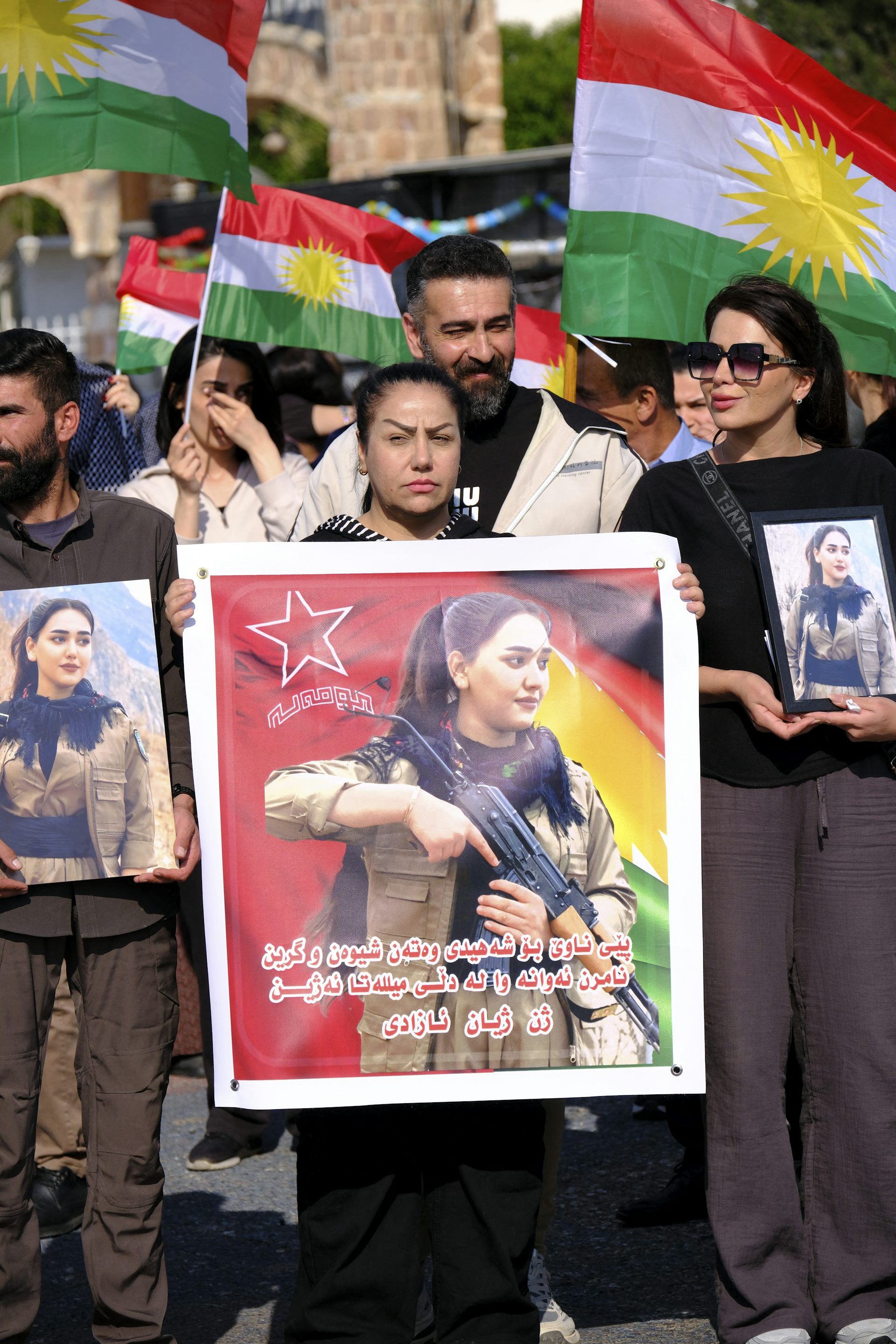
“إنه عار”: الولايات المتحدة تخلت عن الأكراد مجدداً – وفي هذه المرة، يضيف ترامب إليهم الإهانة
‘It’s a disgrace’: the US has abandoned the Kurds again – and this time, Trump is insulting them to boot
The US president is trying to shift the blame for his failures in Iran – and the Kurds are an easy scapegoat.
يحاول الرئيس الأمريكي تحويل اللوم عن إخفاقاته في إيران – ويُعد الأكراد كبش فداء سهل.
The United States and Iran are preparing to finalise a peace deal that would end their war – at least for the time being – as well as Israel’s bombing of Lebanon.
تستعد الولايات المتحدة وإيران لوضع اللمسات الأخيرة على اتفاق سلام ينهي حربها – ولو مؤقتاً – وكذلك قصف إسرائيل للبنان.
Many key details remain to be negotiated, including the future of Iran’s nuclear program. Another issue that remains uncertain – how the deal will impact the Kurdish minority in northern Iran.
لا تزال العديد من التفاصيل الرئيسية بحاجة إلى التفاوض، بما في ذلك مستقبل البرنامج النووي الإيراني. وهناك قضية أخرى لا تزال غير واضحة: كيف سيؤثر الاتفاق على الأقلية الكردية في شمال إيران.
The United States and Israel have failed to achieve the main goal of their war: overthrowing the Islamic regime in Tehran. US President Donald Trump is now under pressure to end the war as quickly as possible – and answer for its failures.
فقد نجحت الولايات المتحدة وإسرائيل في تحقيق الهدف الرئيسي لحربهما: الإطاحة بالنظام الإسلامي في طهران. ويواجه الرئيس الأمريكي دونالد ترامب الآن ضغوطاً لإنهاء الحرب بأسرع ما يمكن – والمساءلة عن إخفاقاتها.
Instead, in recent days, he has reiterated an allegation the US sent weapons to the Kurds in the early days of the war to help overthrow the regime. Trump claims the Kurds kept the weapons for themselves.
بدلاً من ذلك، فقد كرر مؤخراً ادعاء بأن الولايات المتحدة أرسلت الأسلحة إلى الكرد في الأيام الأولى للحرب للمساعدة في الإطاحة بالنظام. ويزعم ترامب أن الكرد احتفظوا بالأسلحة لأنفسهم.
The Kurds let us down […] I think it’s a disgrace, but I’ll remember that, Kurds.
لقد خيّب الكرد ظننا […] أعتقد أنها وصمة عار، لكني سأتذكر ذلك يا كرد.
For the Kurds, this is not surprising. This kind of rhetoric follows a historical trend. Washington has long promised the Kurds support in exchange for their help in Syria and Iraq, only to abandon them later.
بالنسبة للكرد، هذا ليس مفاجئاً. يتبع هذا النوع من الخطاب اتجاهاً تاريخياً. فقد وعدت واشنطن طويلاً الكرد بالدعم مقابل مساعدتهم في سوريا والعراق، لتتخلى عنهم لاحقاً.
Who are the Kurds?
من هم الأكراد؟
The Kurds are the world’s largest ethnic group without sovereignty over their own land.
الأكراد هم أكبر مجموعة عرقية في العالم لا تتمتع بالسيادة على أراضيها الخاصة.
The estimated population of 35-45 million (or higher) is divided among four countries – Iran, Iraq, Syria and Turkey – a legacy of the Sykes-Picot Agreement that carved up the Ottoman Empire in 1916.
يُقدر عدد سكانهم بما يتراوح بين 35 و45 مليون نسمة (أو أكثر) ، وهم مقسمون على أربع دول – إيران والعراق وسوريا وتركيا – وهو إرث لاتفاق سايكس بيكو الذي جزّأ الإمبراطورية العثمانية عام 1916.
In Iran, their population is estimated at between 7-15 million people – one of the country’s largest minority groups. They have long posed a threat to the Iranian regime, with opposition groups having taken up arms and setting up bases in neighbouring Iraq.
في إيران، يُقدر عدد سكانهم بما يتراوح بين 7 و15 مليون شخص – وهي إحدى أكبر الأقليات في البلاد. لطالما شكلوا تهديداً للنظام الإيراني، حيث اتخذت مجموعات المعارضة السلاح وأنشأت قواعد لها في العراق المجاور.
Before the US-Israel-Iran war broke out, six of the opposition groups formed a coalition aimed at ousting the Islamic regime.
قبل اندلاع الحرب الأمريكية الإسرائيلية الإيرانية، شكلت ست مجموعات من المعارضة ائتلافاً يهدف إلى الإطاحة بالنظام الإسلامي.
Their potential role, then, in the future of the region’s political landscape cannot be ignored.
وبالتالي، لا يمكن تجاهل دورهم المحتمل في مستقبل المشهد السياسي للمنطقة.
Were US weapons going to the Kurds?
هل كانت أسلحة الولايات المتحدة متجهة إلى الأكراد؟
In early March, CNN reported the Central Intelligence Agency (CIA) was working to arm the Kurds in Iran to lead a popular uprising against the regime.
في أوائل مارس، أفادت شبكة CNN بأن وكالة المخابرات المركزية (CIA) كانت تعمل على تسليح الأكراد في إيران لقيادة انتفاضة شعبية ضد النظام.
However, Kurdish parties claimed the US had not engaged with them directly, continuing a long-running lack of support for their cause. Trump himself also poured cold water on the plan. This issue is quite sensitive regionally, as any plan to arm Kurds would be opposed by the US’ ally, Turkey.
ومع ذلك، ادعت الأحزاب الكردية أن الولايات المتحدة لم تتواصل معهم بشكل مباشر، مما استمر في نقص الدعم لقضيتهم. كما ألقى ترامب بنفسه بماء بارد على الخطة. هذه القضية حساسة للغاية إقليمياً، حيث سيُعارض أي مخطط لتسليح الأكراد من قبل حليف الولايات المتحدة، تركيا.
Months later, though, Trump publicly accused the Kurds of seizing weapons his administration sent to protesters opposing Iran. He said:
ومع ذلك، بعد أشهر، اتهم ترامب علناً الأكراد بالاستيلاء على أسلحة أرسلتها إدارته للمتظاهرين المعارضين لإيران. وقال:
Yes, the Kurds are tough fighters, but they have endless demands. The Kurds take, take, take.
نعم، الأكراد مقاتلون أقوياء، لكن لديهم مطالب لا تنتهي. الأكراد يأخذون، يأخذون، يأخذون.
The Kurdistan regional government in Iraq categorically denied receiving any weapons from the US, as did Iranian Kurdish parties. In fact, they expressed surprise at Trump’s seemingly irresponsible remarks.
نفت حكومة إقليم كردستان في العراق بشكل قاطع تلقي أي أسلحة من الولايات المتحدة، وكذلك الأحزاب الكردية الإيرانية. بل أعربوا في الواقع عن دهشتهم من تصريحات ترامب التي بدت غير مسؤولة.
US Secretary of State Marco Rubio attempted to contain the situation, explaining Trump’s comments were a general expression of support for the Iranian people and not a confirmation of any secret arms deals.
حاول وزير الخارجية الأمريكي ماركو روبيو احتواء الموقف، موضحاً أن تعليقات ترامب كانت تعبيراً عاماً عن الدعم للشعب الإيراني وليست تأكيداً لأي صفقات أسلحة سرية.
But late last week, Trump made the accusation again in an interview with Fox News, saying he had “disagreed” with the US plan to send weapons to the Kurds in the first place.
ولكن في وقت متأخر من الأسبوع الماضي، كرر ترامب الاتهام مرة أخرى في مقابلة مع “فوكس نيوز”، قائلاً إنه كان قد “اختلف” مع خطة الولايات المتحدة لإرسال الأسلحة إلى الأكراد أصلاً.
So, the question remains: did the US and Kurds have a secret plan, and if so, what happened?
لذا، يبقى السؤال مطروحاً: هل كانت لدى الولايات المتحدة والأكراد خطة سرية، وإذا كان الأمر كذلك، فماذا حدث؟
One possible answer, according to a former Israeli intelligence chief, is that Turkish President Recep Tayyip Erdoğan talked Trump out of it, due to Turkey’s fears of a future independent Kurdish state in the region.
أحد التفسيرات المحتملة، وفقاً لرئيس سابق للمخابرات الإسرائيلية، هو أن الرئيس التركي رجب طيب أردوغان أقنع ترامب بالتراجع عن ذلك، بسبب مخاوف تركيا من دولة كردية مستقلة مستقبلية في المنطقة.
A history of abandonment
تاريخ من التخلي
Henry Kissinger once said, “politics is not charity”. The quote perfectly encapsulates the way the US has historically treated the Kurds.
قال هنري كيسنجر ذات مرة: “السياسة ليست صدقة.” هذه المقولة تجسد تماماً الطريقة التي تعامل بها الولايات المتحدة تاريخياً مع الأكراد.
The Kurds have learned the US – or any power, for that matter – isn’t to be trusted, because politics is inherently unpredictable, with nations often acting in their own interests. Several moments in history illustrate this:
لقد تعلم الأكراد أن الولايات المتحدة – أو أي قوة، على فكرة – لا يمكن الوثوق بها، لأن السياسة بطبيعتها غير متوقعة، وغالباً ما تتصرف الدول وفق مصالحها الخاصة. وتوضح عدة لحظات في التاريخ ذلك:
the global silence in 1988 when Iraqi dictator Saddam Hussein used chemical weapons against the Kurds, killing thousands
الصمت العالمي عام 1988 عندما استخدم الدكتاتور العراقي صدام حسين الأسلحة الكيميائية ضد الأكراد، مما أدى إلى مقتل الآلاف
the indifference the world has shown to the Turkish government’s systematic oppression of the Kurds
اللامبالاة التي أظهرها العالم تجاه القمع المنهجي الذي تمارسه الحكومة التركية على الأكراد
the US abandonment of its commitments to the Kurds in Iraq after the fall of Hussein’s regime in 2003
تخلي الولايات المتحدة عن التزاماتها تجاه الأكراد في العراق بعد سقوط نظام حسين عام 2003
the opposition in the West to a Kurdish independence referendum in 2017
المعارضة الغربية لجائزة استفتاء استقلال كردي في عام 2017
Trump’s decision to withdraw US forces from Kurdish-controlled Syria in 2019, which enabled Turkey to invade with its forces
قرار ترامب بسحب القوات الأمريكية من سوريا التي يسيطر عليها الأكراد في عام 2019، مما مكّن تركيا من الغزو بقواتها
and the negative US stance towards Kurdish forces during the Syrian government’s offensive against them this year.
والموقف السلبي للولايات المتحدة تجاه القوات الكردية خلال هجوم الحكومة السورية عليها هذا العام.
This, along with other similar events, demonstrated, at the very least, an American coldness towards the Kurds.
لقد أظهر كل هذا، إلى أقل تقدير، برودة أمريكية تجاه الأكراد.
In short, America’s relations with Turkey, Syria and Iraq matter more than the Kurds. Even countries without Kurdish populations are influencing the US position on the Kurds, as American interests in the region remain key.
باختصار، علاقات أمريكا مع تركيا وسوريا والعراق أهم من الأكراد. بل إن الدول التي لا تضم تجمعات كردية تؤثر على موقف الولايات المتحدة تجاه الأكراد، لأن المصالح الأمريكية في المنطقة لا تزال محورية.
In this context, some influential figures in the US government see the Kurds as a force to be used when needed. This has hurt Kurdish pride, which partly explains why they did not join the recent war by the US and Israel against the Iranian regime.
في هذا السياق، يرى بعض الشخصيات المؤثرة في الحكومة الأمريكية أن الأكراد قوة يمكن استخدامها عند الحاجة. وقد أضر هذا بالفخر الكردي، وهو ما يفسر جزئياً سبب عدم انضمامهم إلى الحرب الأخيرة التي شنتها الولايات المتحدة وإسرائيل ضد النظام الإيراني.
Setting their own agenda
وضع أجندتهم الخاصة
In a phone conversation with me, a Kurdish official (who preferred not to be named) summed up all of this with great displeasure:
في محادثة هاتفية معي، لخص مسؤول كردي (فضل عدم الكشف عن اسمه) كل هذا باستياء بالغ:
Since 1991, Kurdish parties opposed to Iran have tried to reach out to America without success. Is it wise for the Kurds to fight others’ wars for uncertain rights in a chaotic world where the powerful act freely most of the time?.
منذ عام 1991، حاولت الأحزاب الكردية المعارضة لإيران التواصل مع أمريكا دون نجاح. هل من الحكمة أن يقاتل الأكراد حروب الآخرين من أجل حقوق غير مؤكدة في عالم فوضوي يتصرف فيه القويون بحرية معظم الوقت؟
After decades of disappointment, the Kurds are now prioritising their own goals and their push for self-determination.
بعد عقود من خيبة الأمل، أصبح الكرد الآن يعطون الأولوية لأهدافهم الخاصة ودفعهم نحو تقرير المصير.
The authors do not work for, consult, own shares in or receive funding from any company or organisation that would benefit from this article, and have disclosed no relevant affiliations beyond their academic appointment.
لا يعمل المؤلفون لدى أو يستشارون أو يمتلكون حصصاً في أي شركة أو منظمة ولا يتلقون تمويلاً منها يمكن أن يستفيد من هذا المقال، ولم يفصحوا عن أي انتماءات ذات صلة تتجاوز تعيينهم الأكاديمي.
Read more
-
كأس العالم 2026: لماذا لا يكفي نقل المباريات إلى المساء لمعالجة مشكلة الحرارة الشديدة
World Cup 2026: why moving games to evenings isn’t enough to tackle extreme heat problem
-
كيف تستخدم إيران اللوحات الإعلانية كدعاية زمن الحرب – اخترنا 5 لتوضيح معناها
How Iran uses billboards as wartime propaganda – we selected 5 to explain what they mean