أوقفت ألمانيا مشروع طائرة المقاتلة الرائدة FCAS – والتداعيات على الدفاع الأوروبي مقلقة
Germany pulled the plug on flagship FCAS fighter jet – the implications for European defence are worrying
The programme got bogged down by disputes over leadership, workshare and intellectual property.
تعثّر المشروع بسبب الخلافات حول القيادة وتقاسم المهام والملكية الفكرية.
The effective collapse of the Future Combat Air System (FCAS) fighter jet programme is a major setback for European defence cooperation.
إن الانهيار الفعلي لبرنامج مقاتلة نظام القتال الجوي المستقبلي (FCAS) يمثل نكسة كبرى للتعاون الدفاعي الأوروبي.
France, Germany and Spain have spent nearly a decade trying to develop what was intended to become Europe’s premier next-generation combat aircraft, only for the programme to succumb to disputes over leadership, the distribution of work and intellectual property.
لقد أمضت فرنسا وألمانيا وإسبانيا ما يقرب من عقد من الزمان في محاولة تطوير ما كان من المقرر أن يصبح أفضل طائرة قتالية للجيل التالي في أوروبا، ليوقع البرنامج ضحية للخلافات حول القيادة وتوزيع العمل والملكية الفكرية.
Yet Europeans shouldn’t be surprised. The history of European combat aviation is littered with programmes that struggled under the weight of competing national ambitions. In this respect, FCAS looks less like an extraordinary failure than the latest chapter in a recurring story.
ومع ذلك، لا ينبغي أن يتفاجأ الأوروبيون. فالتاريخ الجوي القتالي الأوروبي مليء بالبرامج التي كافحت تحت وطأة الطموحات الوطنية المتنافسة. وفي هذا الصدد، يبدو برنامج FCAS أقل من كونه فشلاً استثنائياً وأكثر شبهاً بالفصل الأخير في قصة متكررة.
The more important question is not why FCAS has run into trouble, but rather what its collapse reveals about Europe’s ability to generate and sustain the military capabilities it will need in a more dangerous world.
السؤال الأكثر أهمية ليس لماذا واجه نظام FCAS المتاعب، بل ما يكشف عنه انهياره بخصوص قدرة أوروبا على توليد واستدامة القدرات العسكرية التي ستحتاجها في عالم أكثر خطورة.
Adversaries are now investing heavily in integrated and layered air defences encompassing long-range missiles, electronic warfare capabilities and increasingly sophisticated sensors. Maintaining the ability to penetrate defended airspace in future conflicts will require a step change in capability.
يستثمر الخصوم الآن بكثافة في أنظمة الدفاع الجوي المتكاملة والمتعددة الطبقات، والتي تشمل الصواريخ بعيدة المدى وقدرات الحرب الإلكترونية وأجهزة الاستشعار المتطورة بشكل متزايد. سيتطلب الحفاظ على القدرة على اختراق المجال الجوي المحمي في النزاعات المستقبلية قفزة نوعية في القدرات.
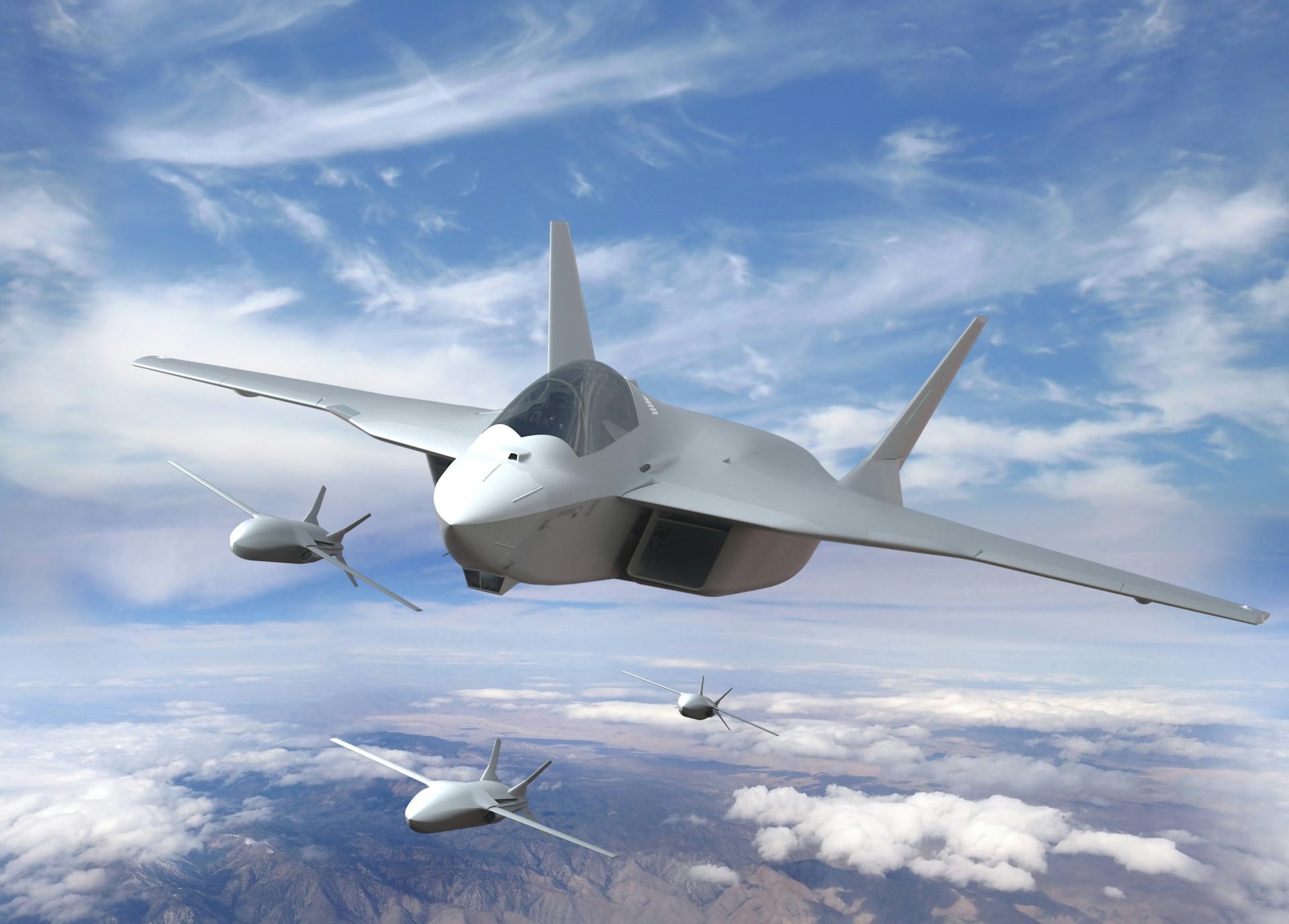
FCAS was conceived as a “sixth-generation” combat system – the latest leap in fighter jet technology – to overcome this contested air environment. At its centre would sit a new combat aircraft, supported by autonomous drones, advanced sensors, electronic warfare systems and a digital network linking everything together from the 2040s.
صُمم نظام FCAS كمنظومة قتالية “للجيل السادس” – وهي أحدث طفرة في تكنولوجيا الطائرات المقاتلة – للتغلب على هذه البيئة الجوية المتنازع عليها. وفي مركزه، ستتواجد طائرة قتالية جديدة، مدعومة بطائرات بدون طيار ذاتية التشغيل وأجهزة استشعار متقدمة وأنظمة حرب إلكترونية وشبكة رقمية تربط كل شيء معاً بدءاً من عقد 2040.
The challenge is that such programmes are becoming extraordinarily expensive to develop. By sharing costs, expertise and industrial capacity, European governments hope to achieve capabilities that would otherwise be beyond their reach.
يتمثل التحدي في أن مثل هذه البرامج أصبحت باهظة التكلفة بشكل استثنائي للتطوير. ومن خلال تقاسم التكاليف والخبرات والقدرة الصناعية، تأمل الحكومات الأوروبية تحقيق قدرات تتجاوز متناولها لولا ذلك التعاون.
Reality check
تدقيق الواقع
Despite the perceived commonalities, the FCAS nations – France and Germany in particular – had very different objectives.
على الرغم من أوجه التشابه المتصورة، كانت لدول برنامج الطائرة المقاتلة الأوروبية (FCAS) – فرنسا وألمانيا بشكل خاص – أهداف مختلفة جداً.
For France, the project was never simply about replacing its Rafale fighter jet. Any successor aircraft would eventually have to support the airborne component of France’s nuclear deterrent, operate from its aircraft carrier, and preserve sovereign industrial capabilities – specifically the ability to independently design and build advanced combat aircraft. The insistence by France on design leadership for FCAS therefore reflected concerns about national autonomy, even if portrayed as industrial obstinacy.
بالنسبة لفرنسا، لم يكن المشروع يقتصر أبداً على مجرد استبدال طائرتها المقاتلة رافال. سيتعين على أي طائرة خليفة في نهاية المطاف دعم المكون الجوي للردع النووي الفرنسي، والعمل من حاملة الطائرات الخاصة بها، والحفاظ على القدرات الصناعية السيادية – وتحديداً القدرة على تصميم وبناء طائرات قتالية متقدمة بشكل مستقل. لذلك، عكس إصرار فرنسا على قيادة التصميم لبرنامج FCAS مخاوف بشأن الاستقلال الوطني، حتى لو تم تصويرها على أنها عناد صناعي.
Meanwhile Germany, represented by the aerospace giant Airbus, had little interest in financing a programme that was likely to concentrate Europe’s most valuable expertise, intellectual property and design authority in Dassault, the French aerospace company, for decades to come.
في غضون ذلك، لم يكن لدى ألمانيا، ممثلة بعملاق الطيران والفضاء إيرباص، اهتمام كبير بتمويل برنامج من المرجح أن يركز أغلى خبرات أوروبا وممتلكاتها الفكرية وسلطة تصميمها في شركة داسو الفرنسية لعقود قادمة.
These tensions are hardly new. In the 1960s, Britain and France attempted to build the Anglo-French Variable Geometry aircraft. But France’s withdrawal in 1967, for similar reasons to FCAS, led to the project’s collapse.
هذه التوترات ليست جديدة على الإطلاق. ففي الستينيات، حاولت بريطانيا وفرنسا بناء طائرة أنجلو-فرنسية ذات هندسة متغيرة. لكن انسحاب فرنسا في عام 1967، لأسباب مماثلة لبرنامج FCAS، أدى إلى انهيار المشروع.
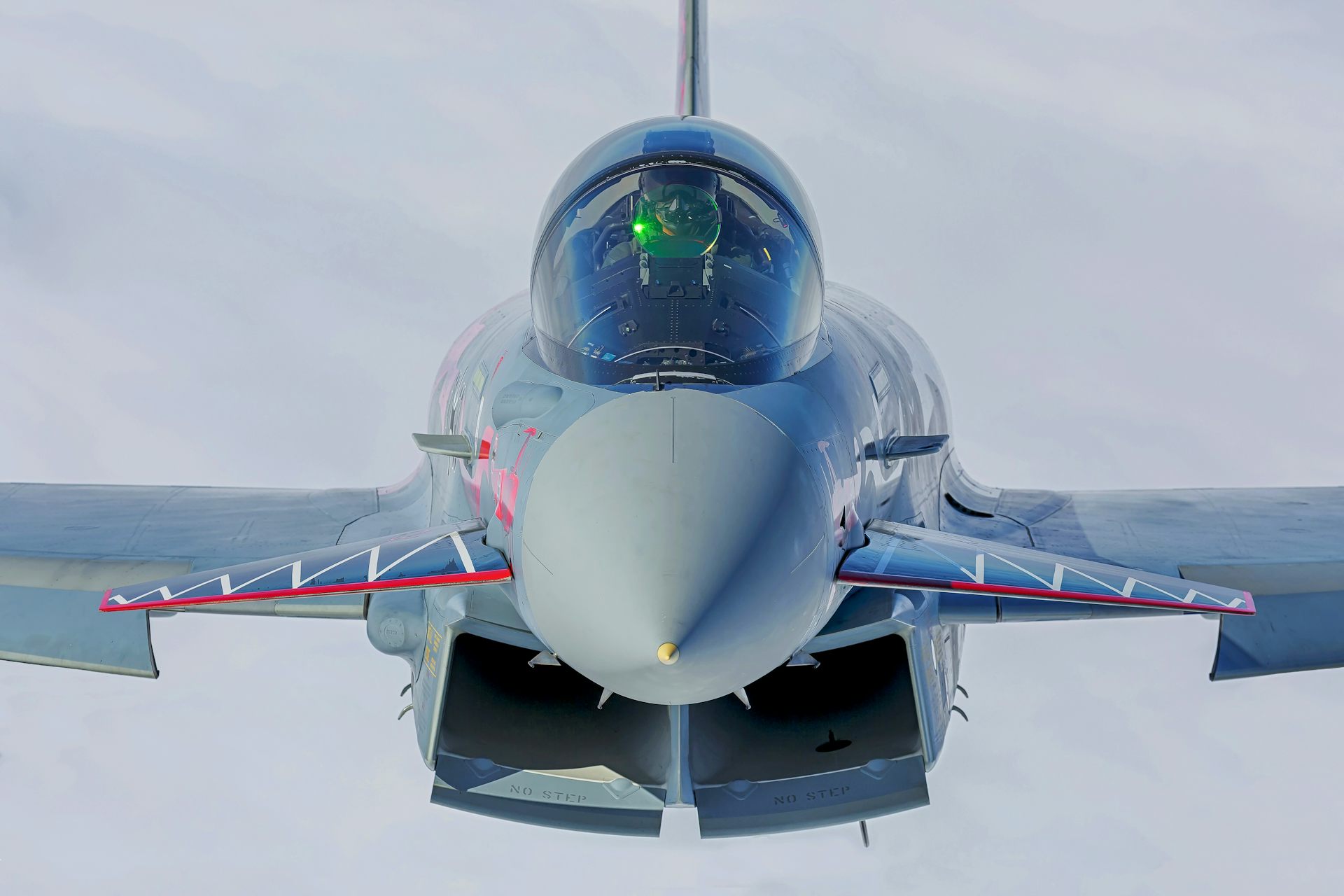
Other joint European projects have succeeded. For instance, the Panavia Tornado. And in the 1980s, the Eurofighter consortium was developed. This time, despite France withdrawing (to produce the Rafale) , the UK, Germany and Italy proceeded (with Spain later joining) with what would become the Eurofighter Typhoon.
نجحت مشاريع أوروبية مشتركة أخرى. على سبيل المثال، طائرة بانافيا تورنادو. وفي الثمانينيات، تم تطوير تكتل يوروفايتر. هذه المرة، وعلى الرغم من انسحاب فرنسا (لتصنيع رافال) ، واصلت المملكة المتحدة وألمانيا وإيطاليا العمل (وانضمت إسبانيا لاحقاً) بما أصبح يُعرف باسم يوروفايتر تايفون.
Reliance on America
الاعتماد على أمريكا
For decades, therefore, European collaborative programmes have been expected to do several things at once: deliver military capability and sustain national industries while strengthening diplomatic relationships or at least not upsetting them.
لذلك، طوال عقود من الزمن، كان من المتوقع أن تقوم البرامج التعاونية الأوروبية بالعديد من الأشياء في وقت واحد: تقديم القدرات العسكرية ودعم الصناعات الوطنية مع تعزيز العلاقات الدبلوماسية أو على الأقل عدم زعزعتها.
That may have been a manageable compromise when Europe’s security was underwritten by the United States and the threat from Russian appeared contained. It is far harder to justify when European governments are warning that the continent must rearm.
ربما كان هذا تنازلاً يمكن التعامل معه عندما كانت أمن أوروبا مضموناً من قبل الولايات المتحدة وبدا التهديد الروسي محصوراً. من الأصعب بكثير تبرير ذلك عندما تحذر الحكومات الأوروبية من ضرورة إعادة تسليح القارة.
The challenge is compounded by the changing relationship between governments and industry. Unlike Airbus, which remains partly state-owned, Dassault is controlled by the family that bears its name.
يتفاقم التحدي بسبب العلاقة المتغيرة بين الحكومات والصناعة. على عكس إيرباص، الذي لا يزال مملوكاً جزئياً للدولة، فإن داسوول تُسيطر عليها العائلة التي تحمل اسمها.
This reflects a broader trend of European governments often exercising less influence over major defence firms than they did during the cold war, when state ownership and greater industrial competition gave them more leverage. This is to say nothing of the tech firms increasingly fundamental to military capability.
يعكس هذا اتجاهاً أوسع للحكومات الأوروبية التي غالباً ما تمارس تأثيراً أقل على شركات الدفاع الكبرى مما كانت عليه خلال الحرب الباردة، عندما منحها الملكية الحكومية والمنافسة الصناعية الأكبر المزيد من النفوذ. وهذا لا يشمل شركات التكنولوجيا التي أصبحت أساسية بشكل متزايد للقدرات العسكرية.
That matters because armed forces are built over decades, not electoral cycles. If European governments struggle to mobilise industry to meet their defence requirements, they may find themselves confronting capability gaps at precisely the moment they are trying to deter aggression.
الأمر مهم لأن القوات المسلحة تُبنى على مدى عقود، وليس دورات انتخابية. إذا كافحت الحكومات الأوروبية لحشد الصناعة لتلبية احتياجاتها الدفاعية، فقد تجد نفسها تواجه فجوات في القدرات في اللحظة التي تحاول فيها ردع العدوان تحديداً.
Germany’s defence minister, Boris Pistorious, has already outlined three alternatives to FCAS. The first and simplest is to buy more F-35s from the US. But this would fall short of Germany’s requirements while also deepening dependence on the US – something European nations are keen to avoid.
لقد حدد وزير دفاع ألمانيا، بوريس بيستوريوس، بالفعل ثلاثة بدائل لـ FCAS. الأول والأبسط هو شراء المزيد من طائرات F-35 من الولايات المتحدة. لكن هذا لن يفي باحتياجات ألمانيا فحسب، بل سيعمق أيضاً الاعتماد على الولايات المتحدة – وهو أمر تحاول الدول الأوروبية تجنبه بشدة.
The second option is to join another collaboration, most likely the UK-Italian-Japanese effort to build a sixth-generation fighter, called the Global Combat Air Programme (GCAP) . Germany’s growing defence budget could provide the project with additional funding and a larger order book. But it would also raise questions about influence.
الخيار الثاني هو الانضمام إلى تعاون آخر، ومن المرجح أن يكون جهد المملكة المتحدة وإيطاليا واليابان لبناء مقاتلة من الجيل السادس، والتي تسمى برنامج القتال الجوي العالمي (GCAP) . يمكن لميزانية الدفاع المتنامية لألمانيا أن توفر للمشروع تمويلاً إضافياً ودفتر طلب أكبر. لكنه سيرفع أيضاً تساؤلات حول النفوذ.
But if Berlin rejected a subordinate role within FCAS, it is unlikely to accept one within GCAP. Existing partners may therefore conclude that the benefits of expansion are outweighed by the risks of delay to a programme targeting entry into service by 2035.
ولكن إذا رفضت برلين دوراً تابعاً ضمن FCAS، فمن غير المرجح أن تقبل به ضمن GCAP. لذلك قد يستنتج الشركاء الحاليون أن فوائد التوسع تفوقها مخاطر التأخير في برنامج يستهدف الخدمة بحلول عام 2035.
The third option is a German-led effort, being discussed through the proposed Team Gen 6 industrial grouping – an Airbus-led alliance of eight defence firms. This would solve industry concerns, preserve German design ambitions and might allow Berlin to build a coalition with other partners, such as Spain and Sweden.
الخيار الثالث هو جهد بقيادة ألمانية، يناقش من خلال المجموعة الصناعية المقترحة “فريق الجيل السادس” (Team Gen 6) – وهو تحالف تقوده إيرباص يضم ثماني شركات دفاعية. سيحل هذا مخاوف الصناعة، ويحافظ على طموحات التصميم الألمانية، وقد يسمح لبرلين بتشكيل ائتلاف مع شركاء آخرين، مثل إسبانيا والسويد.
But it could be prohibitively expensive, risky, and by further fragmenting Europe’s already crowded combat aircraft landscape, reduce the viability of all the existing programmes. France faces similarly difficult choices. It can pursue a national successor to Rafale, preserving control over industrial, nuclear and carrier requirements but accepting substantial costs. Or it could seek a revised collaborative framework.
لكنه قد يكون باهظ التكلفة ومحفوفاً بالمخاطر، ومن خلال المزيد من تجزئة مشهد الطائرات القتالية الأوروبي المزدحم بالفعل، يقلل من جدوى جميع البرامج الحالية. تواجه فرنسا خيارات صعبة مماثلة. يمكنها متابعة خليفة وطني لـ “رافال”، والحفاظ على السيطرة على المتطلبات الصناعية والنووية وحاملة الطائرات ولكن بقبول تكاليف كبيرة. أو يمكنها البحث عن إطار تعاوني منقح.
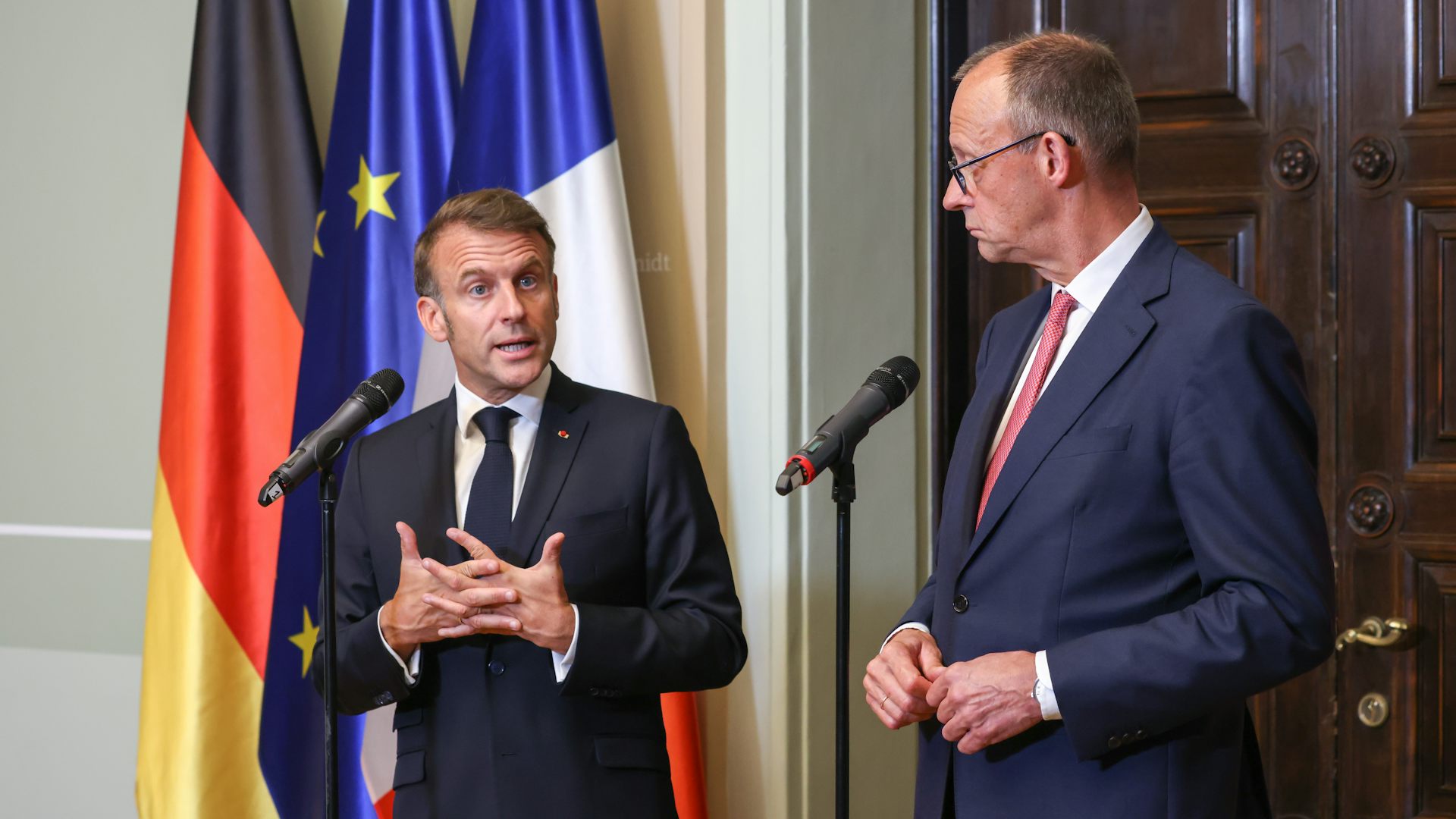
Both French president Emmanuel Macron and Germany’s chancellor Friedrich Merz have made clear that other opportunities for collaboration exist, such as the drones intended to support the FCAS fighter jet, or the main aircraft’s engine.
لقد أوضح كل من الرئيس الفرنسي إيمانويل ماكرون ورئيس وزراء ألمانيا فريتريش ميرز أن هناك فرصاً أخرى للتعاون، مثل الطائرات بدون طيار المخصصة لدعم مقاتلة FCAS، أو محرك الطائرة الرئيسية.
The experience of FCAS is not that Europe cannot cooperate. History shows otherwise, and GCAP may yet again demonstrate that a pragmatic coalition can succeed where a more politically ambitious partnership failed.
إن تجربة FCAS ليست دليلاً على أن أوروبا لا يمكنها التعاون. التاريخ يثبت خلاف ذلك، وقد يثبت برنامج GCAP مرة أخرى أن التحالف البراغماتي يمكن أن ينجح حيث فشل الشراكة الأكثر طموحاً سياسياً.
What FCAS does reveal, however, is a growing mismatch between Europe’s security environment, the way it continues to procure defence equipment and the costs involved. The recent resignation of Britain’s defence secretary, John Healey, amid disputes over defence funding, points to the same problem.
ما تكشفه FCAS، مع ذلك، هو عدم تطابق متزايد بين البيئة الأمنية الأوروبية، والطريقة التي تواصل بها شراء المعدات الدفاعية والتكاليف المتضمنة. يشير الاستقالة الأخيرة لأمين دفاع بريطانيا، جون هيلي، وسط نزاعات حول التمويل الدفاعي، إلى المشكلة نفسها.
European governments increasingly agree on the threats they face, but remain “unwilling” to make the financial and political compromises required to address them. That should concern us all.
تتفق الحكومات الأوروبية بشكل متزايد على التهديدات التي تواجهها، لكنها تظل “غير راغبة” في إجراء التسويات المالية والسياسية المطلوبة لمعالجتها. وهذا يجب أن يقلقنا جميعاً.
Arun Dawson does not work for, consult, own shares in or receive funding from any company or organisation that would benefit from this article, and has disclosed no relevant affiliations beyond their academic appointment.
أو يمتلك حصصاً في أو يتلقى تمويلاً من أي شركة أو منظمة تستفيد من هذه المقالة، ولم يفصح عن أي انتماءات ذات صلة تتجاوز تعيينه الأكاديمي.
Read more
-
ماذا تخبرنا وشوم لاعبي كأس العالم عن حبهم وحياتهم ومعتقداتهم الدينية؟
What the tattoos of World Cup players say about their love, life and religious beliefs
-

يصف كاتب سيرة إرول فلين بأنه أكثر نجم جذاب في عصره – ولكنه عنصري ومغتصب أيضاً.
Errol Flynn’s biographer calls him the greatest heartthrob of his time – but racist and a rapist too