يُظهر تبادل الهجمات بين الولايات المتحدة وإيران مدى تراجع دور الدبلوماسية
US and Iran’s exchange of strikes shows how far diplomacy has changed
The Middle East risks state of permanent confrontation where violence periodically erupts, diplomacy intervenes and neither changes the underlying reality.
ويواجه الشرق الأوسط خطر حالة المواجهة الدائمة حيث يندلع العنف بشكل دوري، وتتدخل الدبلوماسية ولا يغير أي منهما الواقع الأساسي.
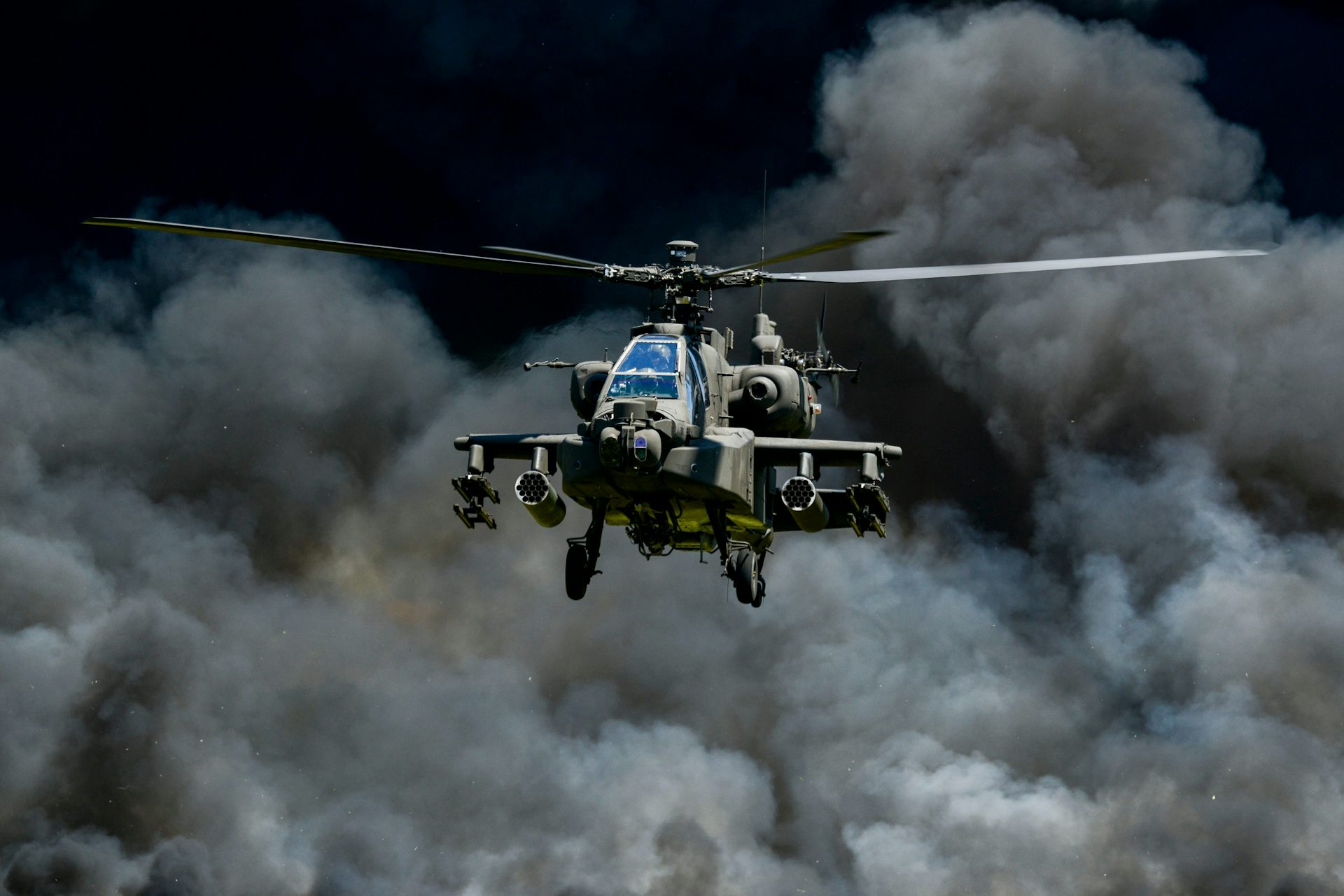
The US military launched strikes against Iran on June 9 in response to the downing of a US Army helicopter near the Strait of Hormuz a day earlier. These strikes, which the US military called “a proportional response to unjustified Iranian aggression”, came after Donald Trump claimed he was in the “final throes of what will be a very, very good deal” to end the war.
شنّلت القوات العسكرية الأمريكية ضربات ضد إيران في 9 يونيو استجابةً لإسقاط مروحية تابعة للجيش الأمريكي بالقرب من مضيق هرمز قبل يوم واحد. وجاءت هذه الضربات، التي وصفها الجيش الأمريكي بأنها “رد متناسب على عدوان إيراني غير مبرر”، بعد أن ادعى دونالد ترامب أنه في “المراحل الأخيرة مما سيكون صفقة جيدة جداً” لإنهاء الحرب.
Iran swiftly carried out retaliatory attacks of its own. The powerful Islamic Revolutionary Guard Corps branch of Iran’s armed forces says it has struck US bases in Bahrain and Jordan. And it has warned of “even more severe attacks” if the US repeats its strikes.
قامت إيران بسرعة بتنفيذ هجمات انتقامية خاصة بها. وتصرح الحرس الثوري الإسلامي، الفرع القوي من القوات المسلحة الإيرانية، بأنه ضرب قواعد أمريكية في البحرين والأردن. وحذرت من “هجمات أكثر شدة” إذا كررت الولايات المتحدة ضرباتها.
This episode took place days after Israel and Iran had briefly returned to direct conflict. Triggered by Israeli operations against Hezbollah in Lebanon, where a ceasefire was supposedly in effect, both sides launched various rounds of tit-for-tat strikes before announcing they would halt hostilities.
وقع هذا التطور بعد أيام قليلة من عودة إسرائيل وإيران إلى صراع مباشر لفترة وجيزة. فبعد أن أطلقت الأطرافتان جولات مختلفة من الضربات المتبادلة، بتحريض من العمليات الإسرائيلية ضد حزب الله في لبنان، حيث كان يفترض وجود وقف لإطلاق النار، قبل أن تعلنا أنهما ستوقفان الأعمال العدائية.
At first glance, these incidents appear contradictory. Diplomacy is supposed to be the alternative to war and ceasefires are supposed to reduce violence. Yet with the US, Israel and Iran once again exchanging attacks, and as military operations continue in Lebanon despite ceasefire arrangements, diplomacy and conflict increasingly seem to be unfolding simultaneously.
للوهلة الأولى، تبدو هذه الحوادث متناقضة. فالدبلوماسية يُفترض أنها البديل للحرب ووقف إطلاق النار من المفترض أن يقلل العنف. ومع ذلك، مع استمرار الولايات المتحدة وإسرائيل وإيران في تبادل الهجمات مرة أخرى، واستمرار العمليات العسكرية في لبنان على الرغم من ترتيبات وقف إطلاق النار، يبدو أن الدبلوماسية والصراع يتكشفان بشكل متزايد ومتزامن.
For decades, policymakers assumed that war and diplomacy were distinct phases of international politics. States negotiated until talks broke down, and fighting followed. Eventually, battlefield realities or international pressure pushed adversaries back to the negotiating table. Diplomacy then functioned as an exit ramp from conflict.
لعقود من الزمن، افترض صانعو السياسات أن الحرب والدبلوماسية هما مرحلتان متميزتان في السياسة الدولية. كانت الدول تتفاوض حتى تنهار المحادثات، ويتبع ذلك القتال. وفي نهاية المطاف، تدفع حقائق ساحة المعركة أو الضغوط الدولية الخصوم إلى طاولة المفاوضات مرة أخرى. وكانت الدبلوماسية حينها تعمل بمثابة مخرج من الصراع.
The aftermath of the 1973 Arab-Israeli war exemplified this model. Sustained diplomatic efforts following the conflict culminated in the 1978 Camp David accords, which laid the groundwork for a definitive peace treaty between Egypt and Israel. This treaty was signed the following year and remains in effect to this day.
جسد ما بعد حرب العرب وإسرائيل عام 1973 هذا النموذج. وتوجت الجهود الدبلوماسية المستمرة بعد النزاع باتفاقيات كامب ديفيد لعام 1978، التي أرست الأساس لمعاهدة سلام نهائية بين مصر وإسرائيل. وقد تم التوقيع على هذه المعاهدة في العام التالي ولا تزال سارية المفعول حتى يومنا هذا.
However, this model is becoming difficult to recognise, with the Middle East nowadays characterised by a different dynamic. Negotiations between warring parties continue during military confrontations, ceasefires coexist with airstrikes and mediators shuttle between capitals even as threats escalate.
ومع ذلك، أصبح من الصعب التعرف على هذا النموذج، حيث يتميز الشرق الأوسط اليوم بديناميكية مختلفة. فالمفاوضات بين الأطراف المتحاربة مستمرة أثناء المواجهات العسكرية، ويتعايش وقف إطلاق النار مع الضربات الجوية، ويتحرك الوسطاء بين العواصم حتى مع تصاعد التهديدات.
The problem is not that diplomacy is failing. Instead, it is that diplomacy is no longer serving its traditional purpose. Rather than ending conflicts, diplomacy is helping to manage them – a distinction that matters because a conflict that is managed is not necessarily a conflict that is resolved.
المشكلة ليست أن الدبلوماسية تفشل. بل هي أن الدبلوماسية لم تعد تخدم غرضها التقليدي. فبدلاً من إنهاء الصراعات، تساعد الدبلوماسية في إدارتها – وهو تمييز مهم لأن الصراع الذي تتم إدارته ليس بالضرورة صراعاً يتم حله.
Managing conflict
إدارة النزاع
The latest escalations between Israel and Iran, and now Iran and the US, illustrate this dilemma. None of these parties appear to want a full-scale regional war, as the costs would be enormous and the consequences unpredictable. Yet each of them is unwilling to abandon what they see as vital security interests.
توضح التصعيدات الأخيرة بين إسرائيل وإيران، والآن بين إيران والولايات المتحدة، هذا المعضلة. لا يبدو أن أيًا من هذه الأطراف يرغب في حرب إقليمية شاملة، لأن التكاليف ستكون هائلة والعواقب غير متوقعة. ومع ذلك، فإن كل طرف يرفض التخلي عما يعتبره مصالح أمنية حيوية.
Israel views Hezbollah’s military capabilities as a major threat and therefore has a strong incentive to weaken the group. Iran, on the other hand, sees defending Hezbollah as critical to its security because the group serves as a key deterrent against Israel and extends Tehran’s regional influence. And the US struck Iran in an attempt to uphold deterrence and signal that attacks on US personnel and assets would carry consequences.
ترى إسرائيل القدرات العسكرية لحزب الله تهديدًا كبيرًا ولذلك لديها دافع قوي لإضعاف المجموعة. أما إيران، من ناحية أخرى، فترى أن الدفاع عن حزب الله أمر بالغ الأهمية لأمنها لأن المجموعة تعمل كرادع رئيسي ضد إسرائيل وتوسع النفوذ الإقليمي لطهران. وضربت الولايات المتحدة إيران في محاولة للحفاظ على الردع والإشارة إلى أن الهجمات على أفراد وأصول أمريكيين ستترتب عليها عواقب.
The result of this is a cycle of calibrated escalation. Military force is used not to secure decisive victory but to signal resolve to adversaries, reassure allies and domestic audiences, and persuade opposing leaders that the costs of further escalation outweigh the potential benefits. Diplomacy, meanwhile, works not to eliminate the underlying dispute but to prevent escalation from spiralling beyond control.
النتيجة هي دورة من التصعيد المُحكَم. لا يُستخدم القوة العسكرية لتأمين نصر حاسم، بل للإشارة إلى الإصرار تجاه الخصوم، وطمأنة الحلفاء والجمهور المحلي، وإقناع القادة المعارضين بأن تكلفة المزيد من التصعيد تفوق الفوائد المحتملة. وفي الوقت نفسه، لا تعمل الدبلوماسية على إلغاء النزاع الأساسي، بل تمنع تصاعده إلى ما وراء السيطرة.
This creates a dangerous equilibrium. When diplomacy functions primarily as a mechanism for crisis management, leaders face less pressure to make the difficult compromises that lasting peace requires. Negotiations can continue indefinitely while violence persists, ceasefires become pauses rather than settlements and conflict becomes chronic.
يخلق هذا توازنًا دقيقًا ومحفوفًا بالمخاطر. عندما تعمل الدبلوماسية بشكل أساسي كآلية لإدارة الأزمات، يواجه القادة ضغطًا أقل للقيام بالتسويات الصعبة التي يتطلبها السلام الدائم. يمكن أن تستمر المفاوضات إلى أجل غير مسمى بينما يستمر العنف، وتصبح الهدنات فترات توقف وليست تسويات، ويتحول النزاع إلى حالة مزمنة.
The old distinction between war and peace is becoming blurred in the Middle East. Rival powers do not move neatly from diplomacy to conflict and back again. Instead, they are operating permanently in the space between the two. This should concern policymakers.
يصبح التمييز القديم بين الحرب والسلام ضبابيًا في الشرق الأوسط. لا تتحرك القوى المتنافسة بسلاسة من الدبلوماسية إلى الصراع والعكس. بل إنها تعمل بشكل دائم في المساحة الفاصلة بين الاثنين. وهذا يجب أن يقلق صانعي السياسات.
Much of contemporary diplomacy remains based on assumptions that no longer fully apply. Negotiations are often treated as evidence of deescalation, while ceasefires are assumed to signal progress towards peace. Yet neither necessarily tells us much about whether a conflict is actually moving closer to resolution.
لا يزال جزء كبير من الدبلوماسية المعاصرة يعتمد على افتراضات لم تعد تنطبق بالكامل. غالبًا ما تُعامل المفاوضات كدليل على خفض التصعيد، بينما يُفترض أن الهدنات تشير إلى التقدم نحو السلام. ومع ذلك، فإن أياً منهما لا يخبرنا بالضرورة بالكثير حول ما إذا كان النزاع يقترب بالفعل من الحل.
The latest exchanges between the US and Iran, as well as Iran and Israel, therefore raise a troubling possibility. The greatest danger may not be that the Middle East slides back into a wider war. It may be that it settles into a condition of permanent confrontation in which violence periodically erupts, diplomacy periodically intervenes and neither fundamentally changes the underlying reality.
لذلك، تثير التبادلات الأخيرة بين الولايات المتحدة وإيران، وكذلك بين إيران وإسرائيل، احتمالاً مقلقًا. قد لا يكون الخطر الأكبر هو أن ينزلق الشرق الأوسط إلى حرب أوسع. بل قد يكون أنه يستقر في حالة مواجهة دائمة يثور فيها العنف بشكل دوري، وتتدخل الدبلوماسية بشكل دوري، ولا يغير أي منهما الواقع الأساسي جوهريًا.
For decades, the central challenge of international politics has been how to move from war to peace. The challenge emerging today is different, with negotiators grappling with the much more difficult task of ending a conflict when war and peace are happening at the same time.
لعقود من الزمن، كان التحدي المركزي للسياسة الدولية هو كيفية الانتقال من الحرب إلى السلام. أما التحدي الذي يبرز اليوم فهو مختلف، حيث يتصارع المفاوضون مع المهمة الأصعب بكثير المتمثلة في إنهاء النزاع عندما تحدث الحرب والسلام في نفس الوقت.
The authors do not work for, consult, own shares in or receive funding from any company or organisation that would benefit from this article, and have disclosed no relevant affiliations beyond their academic appointment.
لا يعمل المؤلفون لدى أو يستشارون أو يملكون حصصًا في أي شركة أو منظمة ولا يتلقون تمويلاً منها يمكن أن يستفيد من هذا المقال، ولم يفصحوا عن أي انتماءات ذات صلة تتجاوز تعيينهم الأكاديمي.
Read more
-
أمريكا في عام ٢٥٠: البريطانيون الذين دعموا حرب الاستقلال
America at 250: the Britons who supported the War of Independence
-
إن تأثيرات التخويف لحرب ترامب على حرية التعبير تتجاوز أسوار الحرم الجامعي بكثير – وهذه هي النقطة.
Chilling effects of Trump’s war on free speech extend far beyond campus walls – and that’s the point