أصبحت حرب أوكرانيا الآن أطول من الحرب العالمية الأولى – لكن التشابهات مقلقة
Ukraine war now longer than the first world war – but the similarities are unsettling
Russia’s war in Ukraine has passed another grim milestone.
مرّت حرب روسيا في أوكرانيا بعلامة فارقة قاتمة أخرى.
The war in Ukraine has now exceeded the first world war in duration. And while the comparison between these two conflicts is imperfect, it is becoming difficult to ignore.
لقد تجاوزت الحرب في أوكرانيا الآن مدة الحرب العالمية الأولى. وعلى الرغم من أن المقارنة بين هذين الصراعين غير مثالية، إلا أنه بات من الصعب تجاهلها.
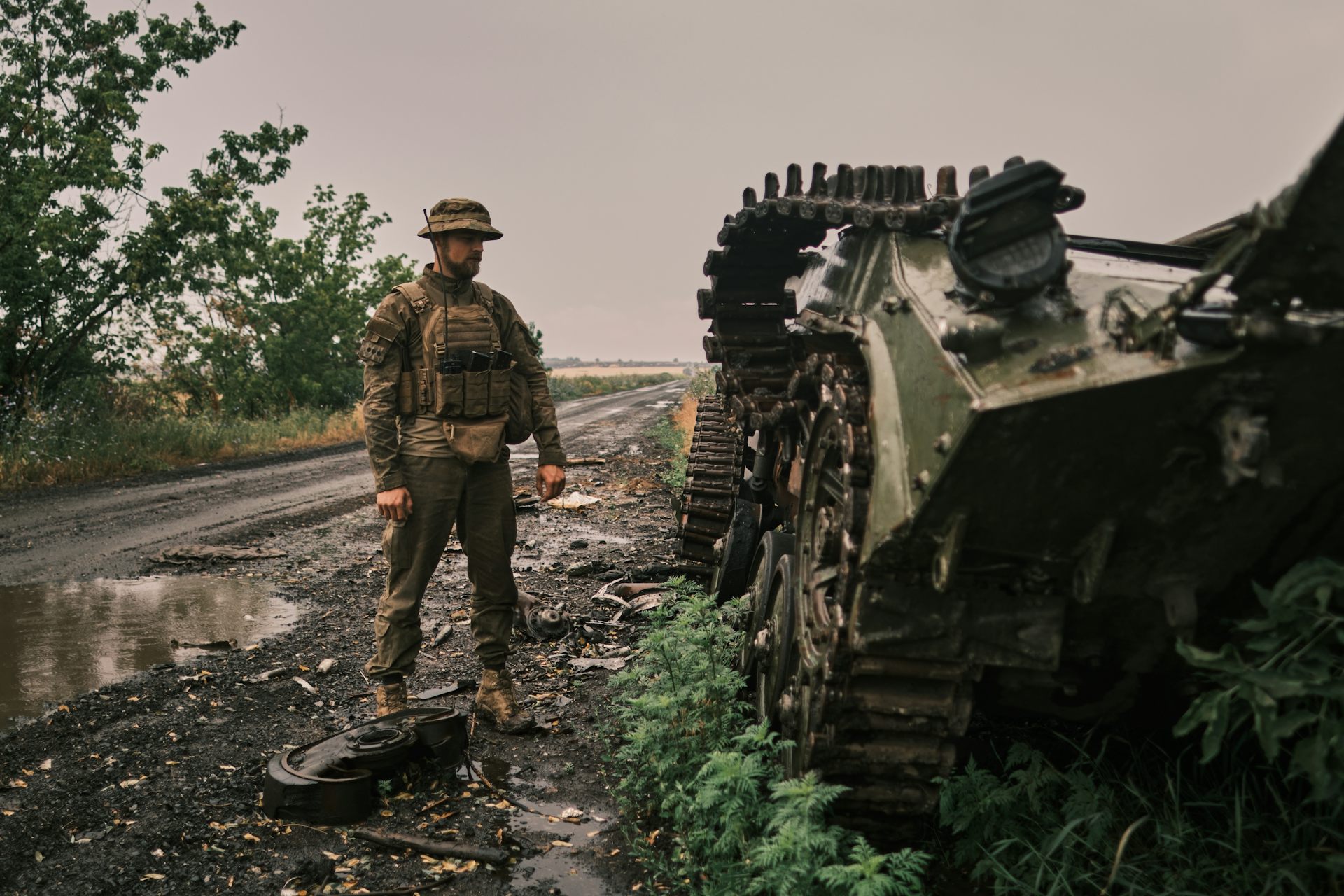
Some of the similarities are obvious. At the tactical level, the conflict in Ukraine has witnessed the return of artillery as the dominant arm of battle.
بعض أوجه التشابه واضحة. فعلى المستوى التكتيكي، شهد النزاع في أوكرانيا عودة المدفعية كسلاح القتال المهيمن.
During much of the first year of the war, artillery was responsible for the vast majority of casualties. Although drones have since transformed the battlefield, artillery remains indispensable to both sides.
خلال جزء كبير من السنة الأولى للحرب، كانت المدفعية مسؤولة عن الغالبية العظمى من الخسائر البشرية. وعلى الرغم من أن الطائرات المسيرة قد غيرت ساحة المعركة منذ ذلك الحين، تظل المدفعية لا غنى عنها لكلا الجانبين.
Equally striking has been the return of extensive trench systems. Not since the Iran-Iraq war, which was fought between 1980 and 1988, has a major interstate conflict depended so heavily upon field fortifications and prepared positions such as trenches, concrete obstacles and belts of barbed wire.
وكان عودة أنظمة الخنادق الواسعة لافتة للنظر بنفس القدر. فلم يعتمد صراع دولي كبير بهذا الشكل على التحصينات الميدانية والمواقع المحصنة مثل الخنادق والعوائق الخرسانية وأحزمة الأسلاك الشائكة منذ حرب إيران والعراق، التي دارت بين عامي 1980 و 1988.
Large-scale manoeuvre has given way to attritional combat measured in hundreds of metres rather than tens of kilometres.
لقد حل القتال الاستنزافي الذي يُقاس بمئات الأمتار محل المناورات واسعة النطاق التي كانت تُقاس بعشرات الكيلومترات.
Yet the deeper similarities lie not in trenches or artillery, but in the underlying logic of the war itself. Like the first world war, the conflict in Ukraine has become a contest of endurance: manpower, industrial capacity, economic resilience and political will.
ومع ذلك، فإن أوجه التشابه الأعمق لا تكمن في الخنادق أو المدفعية، بل في المنطق الأساسي للحرب نفسها. فمثل الحرب العالمية الأولى، أصبح الصراع في أوكرانيا مسابقة قدرة على التحمل: القوى العاملة، والقدرة الصناعية، والمرونة الاقتصادية، والإرادة السياسية.
These factors, rather than any individual weapons system, are likely to determine its eventual outcome. Of these, the most important is manpower.
من المرجح أن تحدد هذه العوامل، بدلاً من أي نظام أسلحة فردي، نتيجتها النهائية. ومن بين هذه العوامل، الأهم هو القوى العاملة.
Broadly comparable losses
خسائر قابلة للمقارنة بشكل عام
During the first world war, British, French and German governments routinely published casualty lists. The public knew that victories often came at immense cost.
خلال الحرب العالمية الأولى، كانت حكومات بريطانيا وفرنسا وألمانيا تنشر بانتظام قوائم الخسائر البشرية. كان الجمهور يعلم أن الانتصارات غالبًا ما تأتي بتكلفة باهظة.
Military leaders understood that the key question was not simply how many casualties the enemy had suffered, but whether their own societies could continue to bear comparable losses for longer than the opponent.
أدرك القادة العسكريون أن السؤال الأساسي لم يكن ببساطة كم عدد الخسائر التي تكبدها العدو، بل ما إذا كانت مجتمعاتهم قادرة على تحمل خسائر مماثلة لفترة أطول من خصومهم.
Battles such as Verdun and the Somme in 1916 and Passchendaele (also known as the Third Battle of Ypres) in 1917 generally produced losses that were severe for both sides. This was well understood on the home front.
الحروب والمعارك مثل فردان والسوم في عام 1916 وباسشنديل (المعروفة أيضًا باسم المعركة الثالثة لإيبريس) في عام 1917، أنتجت عمومًا خسائر فادحة لكلا الجانبين. وكان هذا الأمر مفهومًا جيدًا على الجبهة الداخلية.
Yet in the Ukraine war, we are regularly invited to believe that Russia sustains several times the number of dead than is suffered by Ukraine. In a particularly unlikely example, Ukraine’s president, Volodymyr Zelensky, claimed that 47 Russians were dying for every Ukrainian earlier in 2026.
ومع ذلك، ففي حرب أوكرانيا، ندعى بانتظام إلى الاعتقاد بأن روسيا تتكبد أضعاف عدد القتلى التي تتعرض لها أوكرانيا. وفي مثال غير مرجح بشكل خاص، ادعى الرئيس الأوكراني فولوديمير زيلينسكي أن 47 روسيًا يموتون مقابل كل أوكرياني في وقت سابق من عام 2026.
About a year ago, I was having dinner at a London club with a well-connected former Ukrainian government official whom I have known for some time. Our conversation turned to casualties.
منذ حوالي عام، كنت أتناول العشاء في نادٍ بلندن مع مسؤول حكومي أوكراني سابق ذي علاقات واسعة ومعروف منذ فترة. تحولت محادثتنا إلى موضوع الخسائر البشرية.
I asked them: “Tell me, no bullshit: what is the real casualty ratio?” My companion paused before replying quietly: “Same as the Russians.” Surprised, I asked for the source. “The General Staff,” they replied.
قلت له: “أخبرني، بدون هراء: ما هي نسبة الخسائر الحقيقية؟” توقف رفيقي قبل أن يجيب بهدوء: “نفس الأمر بالنسبة للروس.” تفاجأت وسألت عن المصدر. فأجاب: “الأركان العامة.”
The General Staff of the Armed Forces of Ukraine is the senior military command headquarters of Ukraine’s armed forces – the body responsible for planning, directing and coordinating military operations at the highest level.
تُعد أركان القوات المسلحة الأوكرانية هي المقر القيادي العسكري الأعلى للقوات المسلحة الأوكرانية – وهي الهيئة المسؤولة عن تخطيط وتوجيه وتنسيق العمليات العسكرية على أعلى مستوى.
This is an anecdote, but publicly available evidence tends to support this assertion. Sources such as the New York Times have also confirmed that casualties on both sides are similar, with Russia sustaining more, but not multiple times more. Russia, of course, has a far larger population than Ukraine.
هذه حكاية، لكن الأدلة المتاحة للجمهور تميل إلى دعم هذا التأكيد. وقد أكدت مصادر مثل نيويورك تايمز أن الخسائر في كلا الجانبين متشابهة، حيث تتكبد روسيا خسائر أكبر، ولكن ليس أضعافًا مضاعفة. وبالطبع، يمتلك روسيا عدد سكان أكبر بكثير من أوكرانيا.
The precise casualty figures remain contested and are likely to remain so until long after the war ends. What matters for present purposes, however, is that the available evidence points towards a war of broadly comparable losses rather than one in which either side enjoys an overwhelming advantage in manpower attrition.
لا تزال أرقام الخسائر الدقيقة محل نزاع ومن المرجح أن تبقى كذلك حتى وقت طويل بعد انتهاء الحرب. لكن ما يهم للأغراض الحالية هو أن الأدلة المتوفرة تشير إلى حرب ذات خسائر قابلة للمقارنة بشكل عام، بدلاً من كونها حربًا يتمتع فيها أي من الجانبين بميزة ساحقة في التناقص البشري.
Even if these figures are broadly correct, Ukraine has held the line against a much larger adversary for over four years now and has shown extraordinary resilience in the face of invasion. Its capacity for innovation has repeatedly surprised observers.
حتى لو كانت هذه الأرقام صحيحة بشكل عام، فقد صمدت أوكرانيا على خطوطها ضد خصم أكبر بكثير لأكثر من أربع سنوات وأظهرت مرونة استثنائية في مواجهة الغزو. وقد فاجأت قدرتها على الابتكار المراقبين مرارًا وتكرارًا.
New drones, autonomous systems and precision-strike technologies are often presented as solutions to the country’s growing manpower difficulties. Some commentators even suggest that robotic systems may compensate for shortages of personnel.
غالبًا ما يتم تقديم الطائرات المسيّرة الجديدة والأنظمة المستقلة وتقنيات الضرب الدقيق كحلول لصعوبات القوى العاملة المتزايدة في البلاد. بل ويقترح بعض المعلقين أن الأنظمة الروبوتية قد تعوض نقص الأفراد.
The difficulty with this argument is that war is an interactive contest. Almost every significant Ukrainian innovation has been met by a Russian adaptation and vice versa. The result has been a continuing cycle of measure and countermeasure rather than a decisive technological breakthrough by either side.
تكمن الصعوبة في هذه الحجة في أن الحرب هي منافسة تفاعلية. فقد واجه كل ابتكار أوكراني مهم تقريبًا بتكييف روسي والعكس صحيح. وكانت النتيجة دورة مستمرة من الإجراء المضاد والمقايضة بدلاً من اختراق تكنولوجي حاسم من أي من الجانبين.
Technology matters enormously, but it rarely abolishes the need for manpower. Artillery, tanks, aircraft and machine guns transformed warfare between 1914 and 1918, yet none removed the requirement to occupy and defend ground with soldiers.
تعد التكنولوجيا أمرًا بالغ الأهمية، لكنها نادرًا ما تلغي الحاجة إلى القوى العاملة. لقد غيرت المدفعية والدبابات والطائرات والبنادق الرشاشة طبيعة الحرب بين عامي 1914 و 1918، ومع ذلك لم يزيل أي منها متطلبات احتلال الأرض والدفاع عنها بالجنود.
The same remains true today. As military doctrine has long recognised, drones, missiles and aircraft can destroy, disrupt and delay, but ground can only be taken and held by troops.
لا يزال الأمر كذلك اليوم. وكما أقرّت العقيدة العسكرية منذ فترة طويلة، يمكن للطائرات المسيّرة والصواريخ والطائرات أن تدمر وتعطّل وتؤخر، لكن الأرض لا يمكن الاستيلاء عليها والاحتفاظ بها إلا بواسطة القوات.
There are other echoes of 1918. The small infiltration and assault groups employed by both sides in Ukraine’s drone-saturated battlefields bear a striking resemblance to the German stormtroopers who achieved remarkable successes during the Spring Offensive of 1918.
هناك أصداء أخرى لعام 1918. إن مجموعات التسلل والهجوم الصغيرة التي تستخدمها الجانبان في ساحات المعارك المشبعة بالطائرات المسيّرة في أوكرانيا تحمل تشابهًا صارخًا مع “الجنود الهجوميين” الألمان الذين حققوا نجاحات ملحوظة خلال هجوم الربيع عام 1918.
As so often in warfare, however, innovation did not confer a lasting advantage. The British and French adapted, developed countermeasures and eventually improved upon many of the new tactics themselves.
ومع ذلك، وكما يحدث غالبًا في الحرب، لم يمنح الابتكار ميزة دائمة. فقد تكيّف البريطانيون والفرنسيون وطوروا إجراءات مضادة وفي نهاية المطاف حسّنوا العديد من التكتيكات الجديدة بأنفسهم.
What transformed the strategic balance in the first world war was not tactical innovation or a decisive technological breakthrough, but the arrival of the US Army and Marine Corps. More than 2 million American soldiers ultimately served in Europe, and their battlefield presence convinced Germany that time was no longer on its side.
لم يكن ما غيّر التوازن الاستراتيجي في الحرب العالمية الأولى هو الابتكار التكتيكي أو الاختراق التكنولوجي الحاسم، بل كان وصول الجيش الأمريكي وفيلق مشاة البحرية. وقد خدم أكثر من مليوني جندي أمريكي في نهاية المطاف في أوروبا، وأقنع وجودهم في ساحة المعركة ألمانيا بأن الوقت لم يعد في صالحها.
Ukraine faces no such prospect today. For all the discussion of technological revolution, the war in Ukraine remains a contest of human endurance – just like the first world war.
لا تواجه أوكرانيا مثل هذا المنظور اليوم. فعلى الرغم من كل النقاش حول الثورة التكنولوجية، تظل الحرب في أوكرانيا صراعاً للتحمّل البشري – تماماً مثل الحرب العالمية الأولى.
Frank Ledwidge does not work for, consult, own shares in or receive funding from any company or organisation that would benefit from this article, and has disclosed no relevant affiliations beyond their academic appointment.
فرانك ليدويج لا يعمل لدى، ولا يقدم استشارات لـ، ولا يمتلك أسهم في، أو يتلقى تمويلاً من أي شركة أو منظمة قد تستفيد من هذه المقالة، ولم يفصح عن أي انتماءات ذات صلة تتجاوز منصبه الأكاديمي.
Read more
-

إذا كان الذكاء الاصطناعي يستطيع الترجمة فورياً، فلماذا نتعلم لغة أخرى؟
If AI can translate instantly, why learn another language?
-
قد يتعثر آرسنال مجددًا في الدوري الإنجليزي الممتاز. إليك 4 حلول نفسية
Arsenal might be choking again in England’s Premier League. Here are 4 psychological fixes