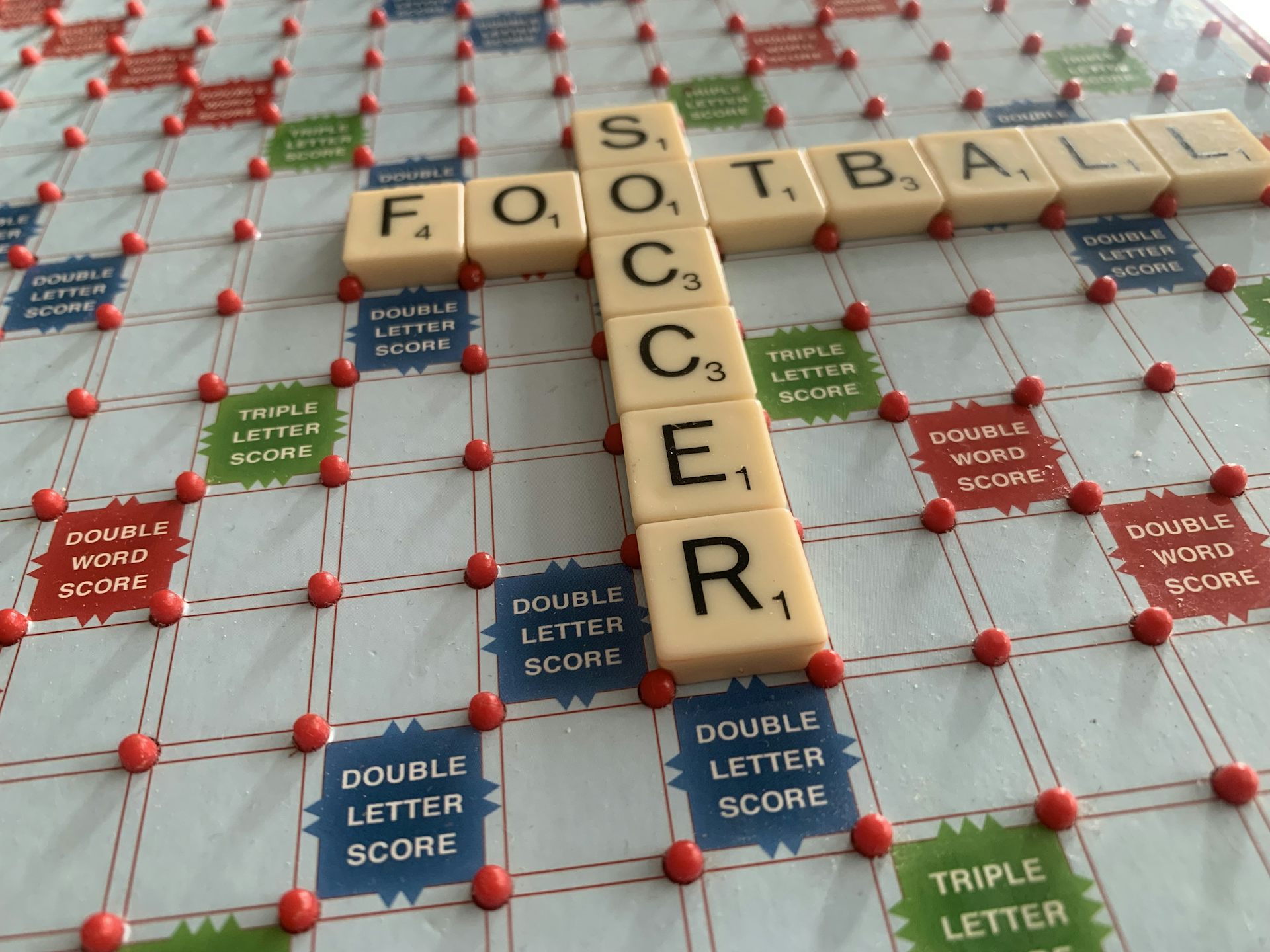
“Soccer” é um termo ótimo para o belo jogo – não deixe que nenhum snob de ‘football’ ou presidente lhe diga o contrário nesta Copa do Mundo.
‘Soccer’ is a fine term for the beautiful game – don’t let any ‘football’ snob or president tell you otherwise this World Cup
‘Soccer’ originated as a slang term in the 1880s and continues to be used around the world today. So why are some people squeamish about the term?
“Soccer” se originou como um termo de gíria na década de 1880 e continua sendo usado em todo o mundo hoje. Então, por que algumas pessoas são tão sensíveis em relação ao termo?
At the 2026 World Cup draw, FIFA Peace Prize recipient and U.S. President Donald Trump announced that the game should really be called “football.”
No sorteio da Copa do Mundo de 2026, o vencedor do Prêmio da Paz da FIFA e o presidente dos EUA, Donald Trump, anunciou que o jogo deveria ser realmente chamado de “football”.
“There’s no question about it. We have to come up with another name for the NFL. It really doesn’t make any sense,” said Trump, an apparently new convert to the round-ball game.
“Não há questionamento sobre isso. Temos que inventar outro nome para a NFL. Isso realmente não faz sentido”, disse Trump, um convertido aparentemente novo para o jogo de bola redonda.
He isn’t alone. The word “soccer” is, in some parts of the world, shunned by some fans.
Ele não está sozinho. A palavra “soccer” é, em algumas partes do mundo, rejeitada por alguns fãs.
Indeed, as a scholar of the sport who teaches a course called Soccer and Global Politics, I am bombarded with comments that the word “soccer” does not make any sense, and that people who use that term obviously know nothing about the beautiful game.
De fato, como acadêmico do esporte que ministra um curso chamado Soccer and Global Politics, sou bombardeado com comentários de que a palavra “soccer” não faz sentido, e que as pessoas que usam esse termo obviamente não sabem nada sobre o belo jogo.
To me, this disparagement of the word “soccer” is not only petty and tiresome – it is also incorrect. It ignores the roots of the sport and the development of the language of the game.
Para mim, esse desmerecimento da palavra “soccer” não é apenas mesquinho e cansativo – é também incorreto. Ele ignora as raízes do esporte e o desenvolvimento da linguagem do jogo.
Rather than making the word taboo, the football ecosystem should embrace it. To understand why, let’s go back to the beginning.
Em vez de tornar a palavra tabu, o ecossistema do futebol deveria abraçá-la. Para entender o porquê, vamos voltar ao começo.
Associated to ‘assoc’ and then ‘soccer’
Associado a ‘assoc’ e depois ‘soccer’
The game has been around in various forms for centuries, but it began to be codified in the mid-19th century.
O jogo existe em várias formas há séculos, mas começou a ser codificado em meados do século XIX.
“Association Football” was coined in 1863 to distinguish the game from rugby football, which, somewhat ironically, is played largely with the ball in hand.
“Association Football” foi cunhado em 1863 para distinguir o jogo do rugby football, que, ironicamente, é jogado em grande parte com a bola na mão.
British university students created their own slang at the time by abbreviating words and adding “-er” to them. Thus, “rugby” became “rugger” and “association football” was shortened to “assoc” and slanged to “soccer.”
Estudantes universitários britânicos criaram seu próprio gíria na época abreviando palavras e adicionando “-er” a elas. Assim, “rugby” virou “rugger” e “association football” foi encurtado para “assoc” e gíria para “soccer.”
And this term “soccer” was freely and proudly used in the British press and in public for nearly a century, until the 1980s.
E este termo “soccer” foi usado livre e orgulhosamente na imprensa britânica e em público por quase um século, até os anos 1980.
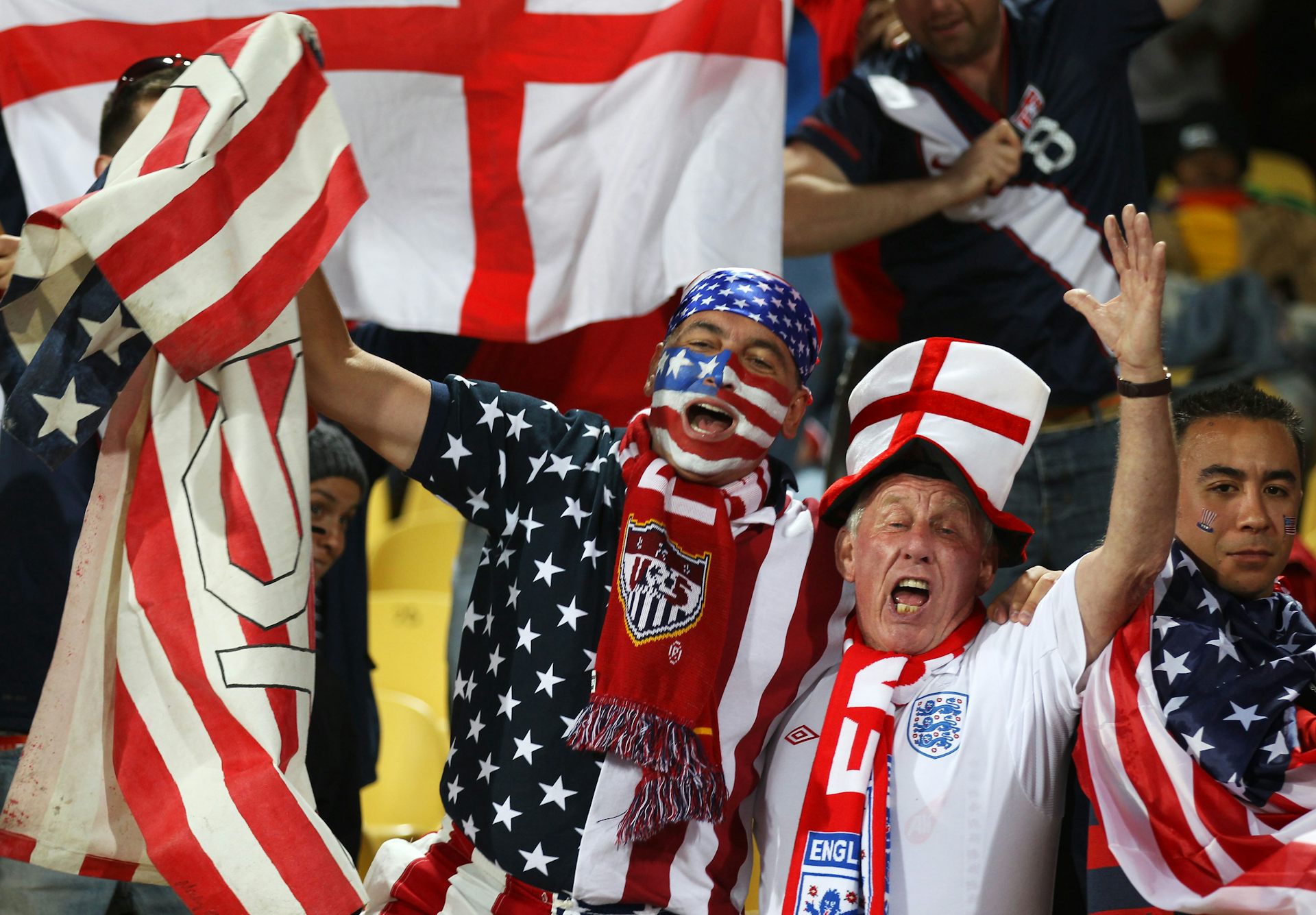
In countries with other established codes of football – American football, Australian rules football and Gaelic football in Ireland – “soccer” became the dominant term. But British fans began abandoning the word in the 1980s, largely as a response to the embrace of the term in the States. And now, in the U.K. especially – but also among fans in the U.S. and Canada who present as “true” fans of the game – there are attempts to shame those who use the very term that the British invented and proudly used.
Em países com outros códigos estabelecidos de futebol – futebol americano, futebol australiano e futebol gaélico na Irlanda – “soccer” tornou-se o termo dominante. Mas os fãs britânicos começaram a abandonar a palavra nos anos 1980, em grande parte como resposta à adoção do termo nos Estados Unidos. E agora, no Reino Unido especialmente – mas também entre os fãs nos EUA e Canadá que se apresentam como fãs “verdadeiros” do jogo – há tentativas de envergonhar aqueles que usam o próprio termo que os britânicos inventaram e usaram com orgulho.
And that’s a pity. After all, using the word “soccer” has benefits. The British press continues to use “soccer” and “football” interchangeably to avoid repetitive writing. The shorter word is useful for tabloid editors when creating tight headlines. And using both words does not reveal that a person is ignorant but rather cosmopolitan.
E isso é uma pena. Afinal, usar a palavra “soccer” tem benefícios. A imprensa britânica continua a usar “soccer” e “football” de forma intercambiável para evitar escrita repetitiva. A palavra mais curta é útil para editores de tabloides ao criar manchetes concisas. E usar ambas as palavras não revela que uma pessoa é ignorante, mas sim cosmopolita.
The widespread use of “soccer” in Britain is still evident in the ongoing success of authoritative magazine World Soccer, founded in London in 1960; the TV show “Soccer AM,” which ran every Saturday from 1994 to 2023; the annual British charity match Soccer Aid; and Sky Sports’ “Soccer Saturday.” All document the enduring legacy of the term in Britain, despite the naysayers.
O uso generalizado de “soccer” na Grã-Bretanha ainda é evidente no sucesso contínuo da revista de referência World Soccer, fundada em Londres em 1960; do programa de TV “Soccer AM”, que foi ao ar todo sábado de 1994 a 2023; do torneio beneficente anual britânico Soccer Aid; e do “Soccer Saturday” da Sky Sports. Todos documentam o legado duradouro do termo na Grã-Bretanha, apesar dos céticos.
A shared vernacular
Um vernáculo compartilhado
The beautiful game is also a universal one with a language shared by some 4 billion people.
O belo jogo é também um universal com uma linguagem compartilhada por cerca de 4 bilhões de pessoas.
Language evolves, and fans today equally understand “football,” “soccer,” “calcio,” “futebol” or “fútbol.”
A linguagem evolui, e os fãs hoje entendem igualmente “football”, “soccer”, “calcio”, “futebol” ou “fútbol”.
Embracing all the variations of the beautiful game enriches the conversation. It illustrates the sport’s globalization and universal language, a shared vernacular that cuts across identities.
Abraçar todas as variações do belo jogo enriquece a conversa. Isso ilustra a globalização e a linguagem universal do esporte, um vernáculo compartilhado que transcende identidades.
And besides, nobody wants the war that would ensue if American football fans were forced to find another name!
E, além disso, ninguém quer a guerra que eclodiria se os fãs de futebol americano fossem forçados a encontrar outro nome!
Kirk Bowman does not work for, consult, own shares in or receive funding from any company or organization that would benefit from this article, and has disclosed no relevant affiliations beyond their academic appointment.
Kirk Bowman não trabalha, não é consultor, não possui ações nem recebe financiamento de nenhuma empresa ou organização que se beneficiaria deste artigo, e não divulgou afiliações relevantes além de seu cargo acadêmico.
Read more
-
Quando David Attenborough completa 100 anos, quatro especialistas exploram seu legado, da ciência à arte de contar histórias
As David Attenborough turns 100, four experts explore his legacy, from science to storytelling
-
“Ar fresco muito necessário”: 5 resultados do primeiro cúpula mundial sobre o fim dos combustíveis fósseis
‘Much-needed fresh air’: 5 outcomes from the world’s first summit on ending fossil fuels