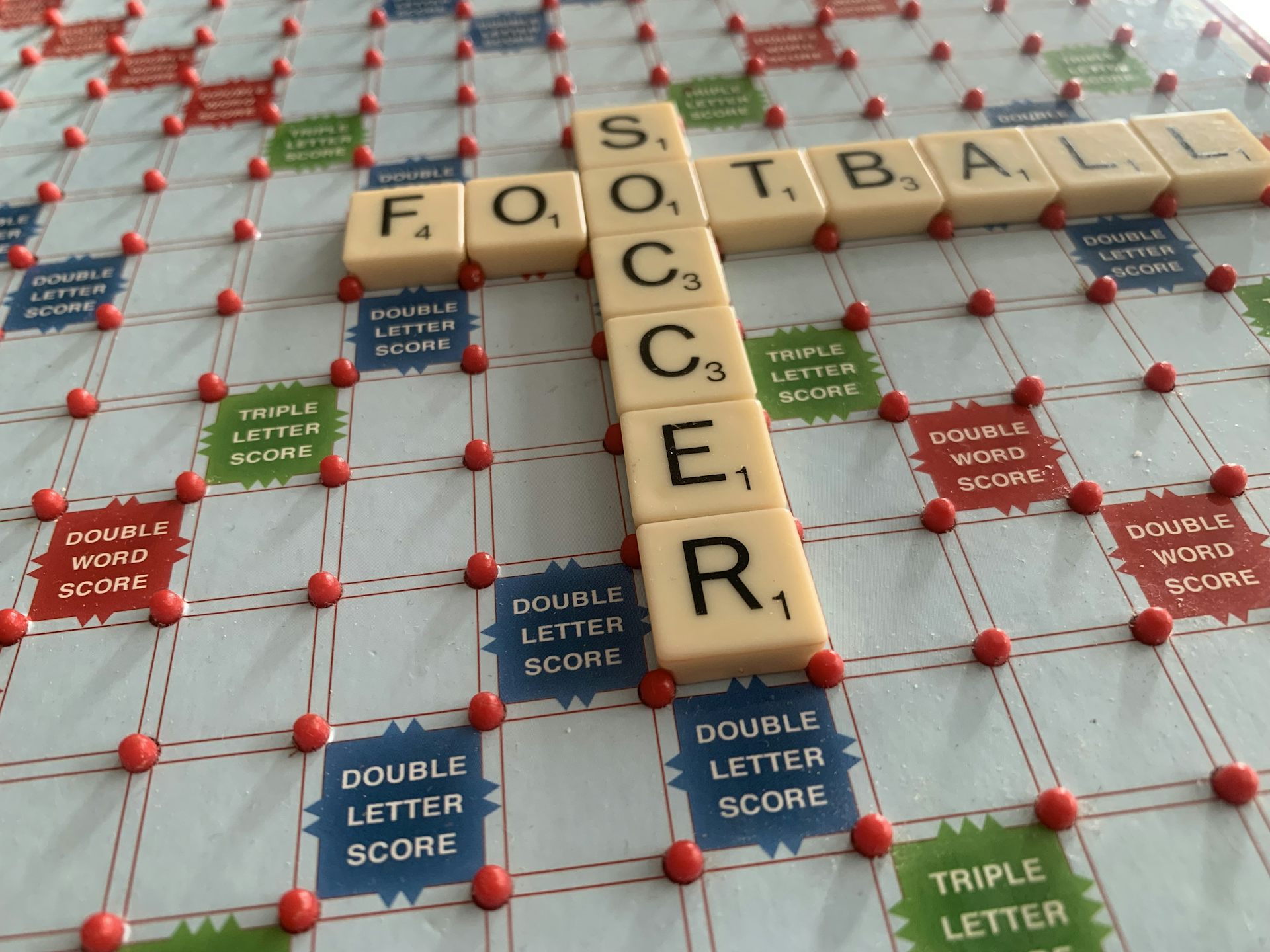
‘Soccer’ es un término excelente para el hermoso juego; no dejes que ningún snob de ‘football’ o presidente te diga lo contrario en esta Copa Mundial.
‘Soccer’ is a fine term for the beautiful game – don’t let any ‘football’ snob or president tell you otherwise this World Cup
‘Soccer’ originated as a slang term in the 1880s and continues to be used around the world today. So why are some people squeamish about the term?
‘Soccer’ se originó como un término de jerga en la década de 1880 y continúa usándose en todo el mundo hoy en día. Entonces, ¿por qué algunas personas son reacias ante el término?
At the 2026 World Cup draw, FIFA Peace Prize recipient and U.S. President Donald Trump announced that the game should really be called “football.”
En el sorteo de la Copa Mundial de 2026, el ganador del Premio Mundial de la Paz de la FIFA y el presidente de EE. UU., Donald Trump, anunció que el juego debería llamarse realmente «football» (fútbol) .
“There’s no question about it. We have to come up with another name for the NFL. It really doesn’t make any sense,” said Trump, an apparently new convert to the round-ball game.
«No hay duda al respecto. Tenemos que encontrar otro nombre para la NFL. Realmente no tiene ningún sentido», dijo Trump, un aparente nuevo convertido al juego de balón redondo.
He isn’t alone. The word “soccer” is, in some parts of the world, shunned by some fans.
No está solo. La palabra «soccer» es, en algunas partes del mundo, rechazada por algunos aficionados.
Indeed, as a scholar of the sport who teaches a course called Soccer and Global Politics, I am bombarded with comments that the word “soccer” does not make any sense, and that people who use that term obviously know nothing about the beautiful game.
De hecho, como académico del deporte que imparte un curso llamado «Soccer and Global Politics» (Fútbol y Política Global) , soy bombardeado con comentarios de que la palabra «soccer» no tiene ningún sentido, y que las personas que usan ese término obviamente no saben nada sobre el hermoso juego.
To me, this disparagement of the word “soccer” is not only petty and tiresome – it is also incorrect. It ignores the roots of the sport and the development of the language of the game.
Para mí, este menosprecio por la palabra «soccer» no solo es mezquino y tedioso, sino que también es incorrecto. Ignora las raíces del deporte y el desarrollo del lenguaje del juego.
Rather than making the word taboo, the football ecosystem should embrace it. To understand why, let’s go back to the beginning.
En lugar de hacer que la palabra sea tabú, el ecosistema del fútbol debería abrazarla. Para entender por qué, volvamos al principio.
Associated to ‘assoc’ and then ‘soccer’
Asociado a ‘assoc’ y luego ‘soccer’
The game has been around in various forms for centuries, but it began to be codified in the mid-19th century.
El juego ha existido en varias formas durante siglos, pero comenzó a codificarse a mediados del siglo XIX.
“Association Football” was coined in 1863 to distinguish the game from rugby football, which, somewhat ironically, is played largely with the ball in hand.
El “Association Football” se acuñó en 1863 para distinguir el juego del rugby football, que, irónicamente, se juega en gran parte con el balón en la mano.
British university students created their own slang at the time by abbreviating words and adding “-er” to them. Thus, “rugby” became “rugger” and “association football” was shortened to “assoc” and slanged to “soccer.”
Los estudiantes universitarios británicos crearon su propia jerga en ese momento acortando palabras y añadiéndoles “-er”. Así, “rugby” se convirtió en “rugger” y “association football” se acortó a “assoc” y se convirtió en jerga a “soccer”.
And this term “soccer” was freely and proudly used in the British press and in public for nearly a century, until the 1980s.
Y este término “soccer” fue utilizado libre y orgullosamente en la prensa británica y en público durante casi un siglo, hasta la década de 1980.
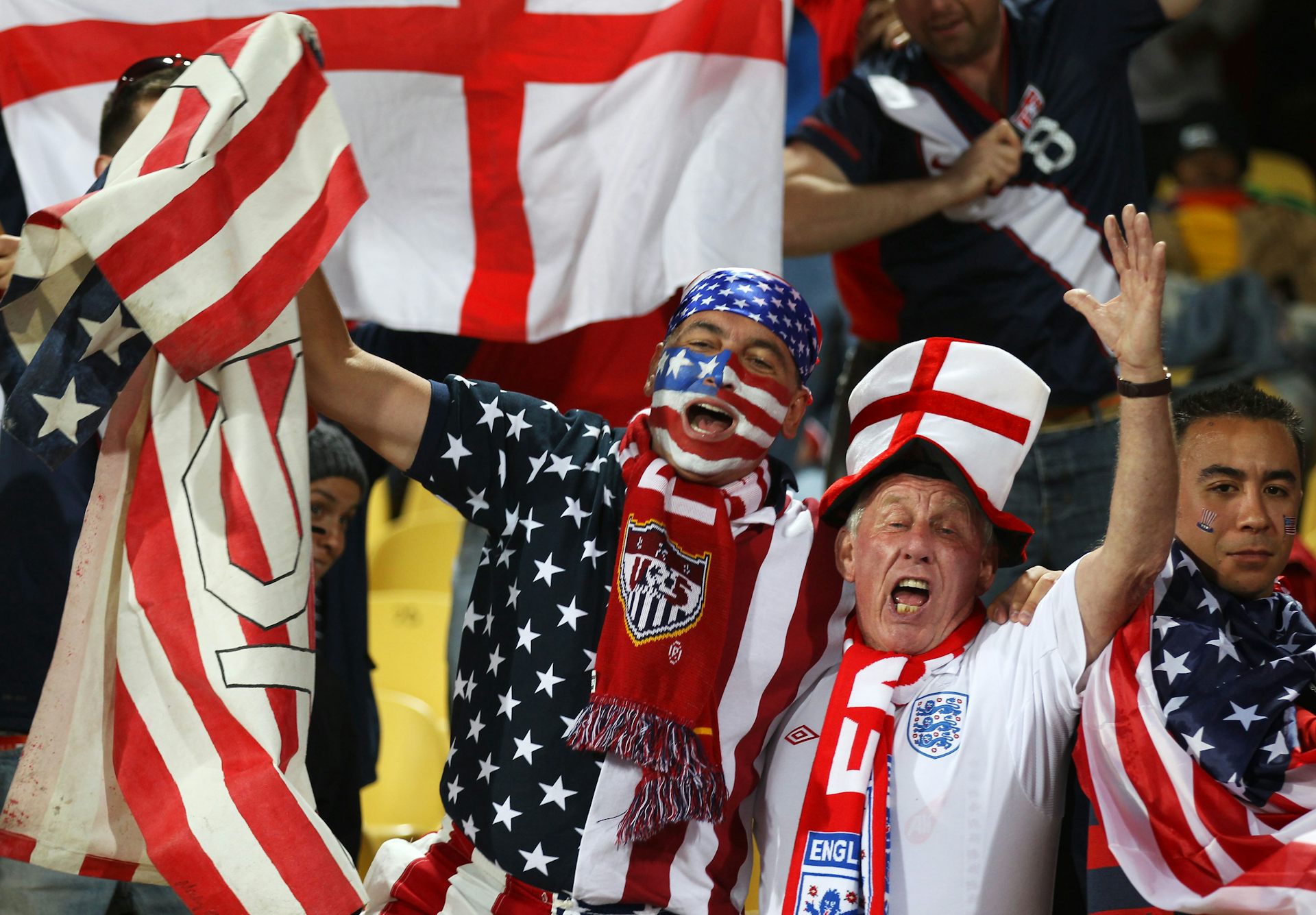
In countries with other established codes of football – American football, Australian rules football and Gaelic football in Ireland – “soccer” became the dominant term. But British fans began abandoning the word in the 1980s, largely as a response to the embrace of the term in the States. And now, in the U.K. especially – but also among fans in the U.S. and Canada who present as “true” fans of the game – there are attempts to shame those who use the very term that the British invented and proudly used.
En países con otros códigos de fútbol establecidos –fútbol americano, fútbol australiano y fútbol gaélico en Irlanda–, “soccer” se convirtió en el término dominante. Pero los aficionados británicos comenzaron a abandonar la palabra en la década de 1980, en gran parte como respuesta a la adopción del término en los Estados Unidos. Y ahora, especialmente en el Reino Unido –pero también entre los aficionados en EE. UU. y Canadá que se presentan como aficionados “verdaderos” del juego–, hay intentos de avergonzar a quienes usan el mismo término que los británicos inventaron y usaron con orgullo.
And that’s a pity. After all, using the word “soccer” has benefits. The British press continues to use “soccer” and “football” interchangeably to avoid repetitive writing. The shorter word is useful for tabloid editors when creating tight headlines. And using both words does not reveal that a person is ignorant but rather cosmopolitan.
Y eso es una lástima. Después de todo, usar la palabra “soccer” tiene beneficios. La prensa británica continúa usando “soccer” y “football” de forma intercambiable para evitar la repetición. La palabra más corta es útil para los editores de tabloides al crear titulares concisos. Y usar ambas palabras no revela que una persona sea ignorante, sino más bien cosmopolita.
The widespread use of “soccer” in Britain is still evident in the ongoing success of authoritative magazine World Soccer, founded in London in 1960; the TV show “Soccer AM,” which ran every Saturday from 1994 to 2023; the annual British charity match Soccer Aid; and Sky Sports’ “Soccer Saturday.” All document the enduring legacy of the term in Britain, despite the naysayers.
El uso generalizado de “soccer” en Gran Bretaña sigue siendo evidente en el continuo éxito de la revista de autoridad World Soccer, fundada en Londres en 1960; el programa de televisión “Soccer AM”, que se emitió cada sábado de 1994 a 2023; el partido benéfico anual británico Soccer Aid; y “Soccer Saturday” de Sky Sports. Todos documentan el perdurable legado del término en Gran Bretaña, a pesar de los escépticos.
A shared vernacular
Un vernáculo compartido
The beautiful game is also a universal one with a language shared by some 4 billion people.
El hermoso juego también es universal, con un lenguaje compartido por unos 4 mil millones de personas.
Language evolves, and fans today equally understand “football,” “soccer,” “calcio,” “futebol” or “fútbol.”
El lenguaje evoluciona, y los aficionados hoy entienden por igual «football», «soccer», «calcio», «futebol» o «fútbol.»
Embracing all the variations of the beautiful game enriches the conversation. It illustrates the sport’s globalization and universal language, a shared vernacular that cuts across identities.
Abrazar todas las variaciones del hermoso juego enriquece la conversación. Ilustra la globalización y el lenguaje universal del deporte, un vernáculo compartido que trasciende identidades.
And besides, nobody wants the war that would ensue if American football fans were forced to find another name!
Y además, nadie quiere la guerra que se desataría si a los aficionados al fútbol americano se les obligara a encontrar otro nombre.
Kirk Bowman does not work for, consult, own shares in or receive funding from any company or organization that would benefit from this article, and has disclosed no relevant affiliations beyond their academic appointment.
Kirk Bowman no trabaja para, asesora, posee acciones de, ni recibe financiación de ninguna empresa u organización que se beneficiaría de este artículo, y no ha revelado afiliaciones relevantes más allá de su nombramiento académico.
Read more
-
El éxito de Cabo Verde en la Copa Mundial refleja una nación que ha desafiado repetidamente las probabilidades.
Cape Verde’s World Cup success reflects a nation that has repeatedly defied the odds
-

Pedro Sánchez: cómo una serie de acusaciones de corrupción podría convertir al Partido Socialista español en una amenaza para su propia coalición
Pedro Sánchez: how a string of corruption allegations could make Spain’s Socialist party a threat to its own coalition