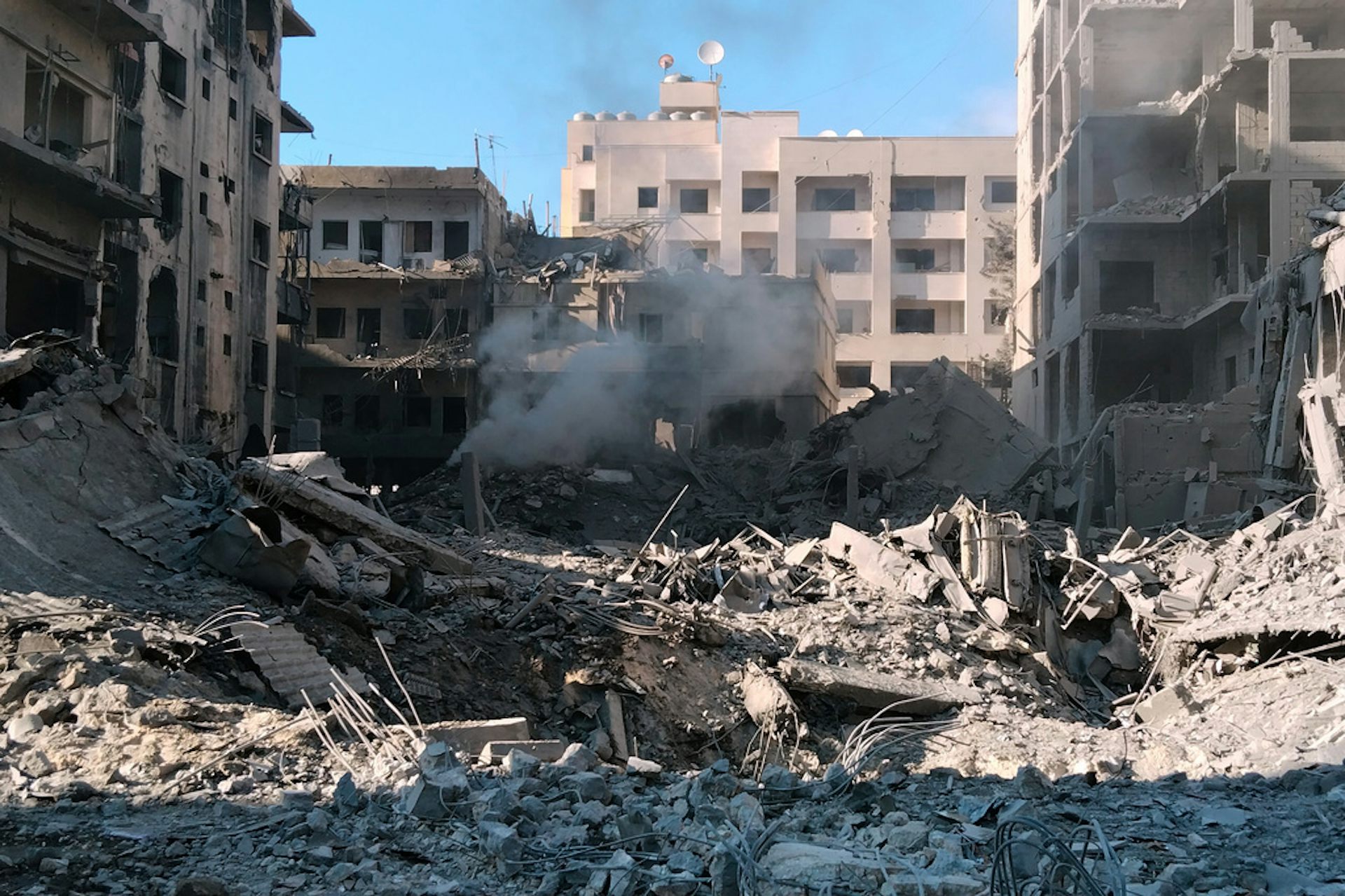
Sob a sombra da guerra com o Irã, a renovada campanha de Israel no Líbano corre o risco de repetir lições fracassadas – e ocupações – do passado
In Iran war’s shadow, Israel’s renewed Lebanon campaign risks repeating failed lessons – and occupations – of the past
Unable to defeat Iran, Israel shifts its focus to Lebanon, fearing U.S. negotiations with Tehran could limit operations against Hezbollah.
Incapaz de derrotar o Irã, Israel muda o foco para o Líbano, temendo que negociações dos EUA com Teerã possam limitar as operações contra o Hezbollah.
Going into the war in Iran, the Israeli government seemingly had two intertwined goals: to bring down the Islamic Republic and rid Israel of its Hezbollah problem.
Ao entrar na guerra no Irã, o governo israelense aparentemente tinha dois objetivos interligados: derrubar a República Islâmica e livrar Israel do problema do Hezbollah.
The logic went that the Lebanese Shiite group – which has posed a persistent threat to Israel for 44 years – would finally succumb if stripped of its Iranian benefactor. After all, Israeli attempts to destroy Hezbollah through direct military action had not been effective, nor had internationally supported disarmament efforts.
A lógica era que o grupo xiita libanês – que representa uma ameaça persistente a Israel há 44 anos – finalmente sucumbiria se fosse privado de seu benfeitor iraniano. Afinal, as tentativas israelenses de destruir o Hezbollah por meio de ação militar direta não foram eficazes, nem os esforços de desarmamento apoiados internacionalmente.
But as the United States and Iran continue to negotiate over an agreement that might put an end to their war, the Israeli-Lebanese front remains as active as ever. Israel has increased strikes and incursions deeper into Lebanon, while Hezbollah is targeting the Israeli military deployed in southern Lebanon and the civilian population in northern Israel.
Mas enquanto os Estados Unidos e o Irã continuam a negociar um acordo que pode pôr fim à sua guerra, a frente israelense-libanesa permanece tão ativa quanto antes. Israel aumentou os ataques e incursões mais profundas no Líbano, enquanto o Hezbollah está visando o exército israelense implantado no sul do Líbano e a população civil no norte de Israel.
Worse, from the Israeli government’s perspective, is that Iran has found a way of turning its survival and newfound leverage over the Strait of Hormuz into protecting Hezbollah. Tehran is currently conditioning a potential deal with Washington on a complete halt of Israeli hostilities in Lebanon – a move clearly designed to safeguard the political and military standing of Hezbollah, its primary proxy.
Pior, do ponto de vista do governo israelense, é que o Irã encontrou uma maneira de transformar sua sobrevivência e o novo poder de barganha sobre o Estreito de Ormuz em proteção ao Hezbollah. Teerã está atualmente condicionando um potencial acordo com Washington a uma paralisação completa das hostilidades israelenses no Líbano – uma manobra claramente desenhada para salvaguardar a posição política e militar do Hezbollah, seu principal proxy.
Since full-scale war returned to Lebanon on March 2, 2026, it has had a massive humanitarian cost. As of June 1, over a million Lebanese have been displaced and more than 3,300 killed since the beginning of March. On the Israeli side, 24 soldiers and 4 civilians have been killed in the same time period.
Desde que a guerra em grande escala retornou ao Líbano em 2 de março de 2026, ela teve um custo humanitário massivo. Em 1º de junho, mais de um milhão de libaneses foram deslocados e mais de 3.300 mortos desde o início de março. Do lado israelense, 24 soldados e 4 civis foram mortos no mesmo período.
Israel seeks to decouple its Lebanon front from the wider regional conflict, aiming to maintain its military campaign against the Shiite organization independently of broader U.S. negotiations with Iran. But whether it will able to do this is uncertain. The Trump administration has largely excluded Israel from the specifics of its Iranian dialogue while attempting to restrict Israeli operations in Lebanon to strikes in the country’s south and the Bekaa Valley and prohibiting attacks on state infrastructure. The ordering of attacks on Lebanon’s capital, Beirut, by Israeli Prime Minister Benjamin Netanyahu on June 1 lays bare the limits to U.S. pressure.
Israel busca desvincular sua frente no Líbano do conflito regional mais amplo, visando manter sua campanha militar contra a organização xiita independentemente das negociações mais amplas dos EUA com o Irã. Mas se será capaz de fazer isso é incerto. A administração Trump excluiu em grande parte Israel dos detalhes de seu diálogo com o Irã, ao mesmo tempo que tenta restringir as operações israelenses no Líbano a ataques no sul do país e no Vale do Bekaa, e proibindo ataques à infraestrutura estatal. A ordem de ataques contra a capital do Líbano, Beirute, pelo primeiro-ministro israelense Benjamin Netanyahu em 1º de junho, expõe os limites da pressão dos EUA.
And ultimately, the resolution of this conflict rests upon how President Donald Trump chooses to navigate Iranian demands concerning the future of Lebanon.
E, em última análise, a resolução deste conflito depende de como o presidente Donald Trump escolher navegar pelas exigências iranianas sobre o futuro do Líbano.
As a historian of Israel and Lebanon, I have studied cycles of violence between these parties since 1982, and have noted recurring patterns in which Hezbollah has emerged emboldened, maintaining its dominance over Lebanese society as an Iranian proxy. Contrary to Israeli hopes, Iran’s patronage of Hezbollah has not been ended by the Iran war. And to confound issues, continued Israeli occupation of Lebanese land could grant Hezbollah the necessary justification to sustain its narrative of resistance at the cost of the broader Lebanese population.
Como historiador de Israel e do Líbano, estudei ciclos de violência entre essas partes desde 1982 e notei padrões recorrentes nos quais o Hezbollah emergiu fortalecido, mantendo seu domínio sobre a sociedade libanesa como um proxy iraniano. Contrariando as esperanças israelenses, o patrocínio do Irã ao Hezbollah não foi encerrado pela guerra com o Irã. E para complicar os assuntos, a ocupação contínua de terras libanesas por Israel poderia conceder ao Hezbollah a justificativa necessária para sustentar sua narrativa de resistência ao custo da população libanesa mais ampla.
A wounded but not dead Hezbollah
Um Hezbollah ferido, mas não morto
While significantly weakened as a result of more than two and a half years of war with Israel, Hezbollah continues to wield considerable power in Lebanon.
Embora significativamente enfraquecido após mais de dois anos e meio de guerra com Israel, o Hezbollah continua a exercer um poder considerável no Líbano.
After a ceasefire in November 2024 – following the full-scale war in September-October of that year – ostensibly stopped fighting, a new Lebanese president was elected and a new government was established in February 2025.
Após um cessar-fogo em novembro de 2024 – após a guerra em grande escala em setembro-outubro daquele ano – que supostamente parou os combates, um novo presidente libanês foi eleito e um novo governo foi estabelecido em fevereiro de 2025.
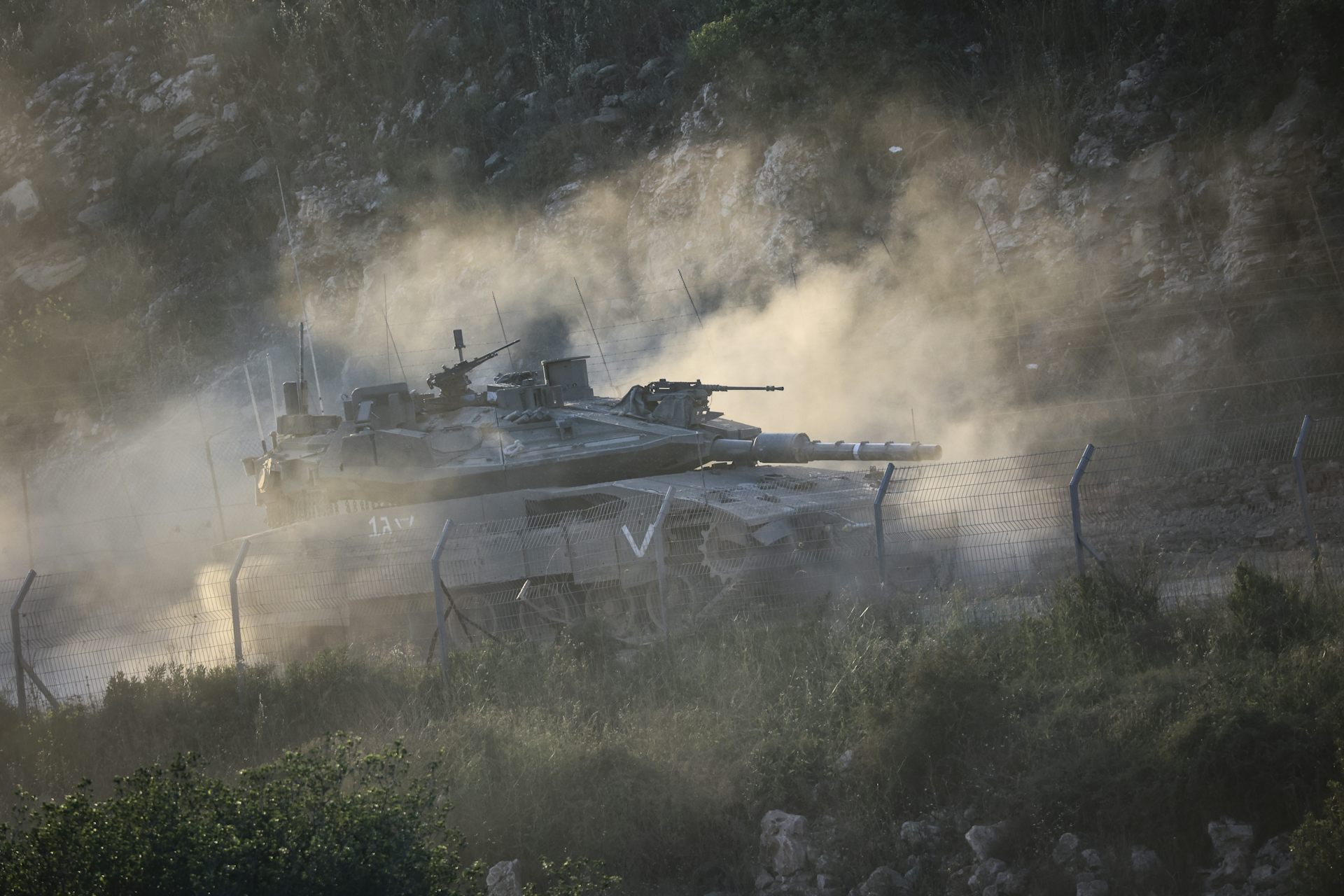
That ended a three-year political deadlock generated by Hezbollah’s effective veto power over successive Lebanese governments since 2008. Even since the formation of a government in 2025, however, the Lebanese state has been unable to effectively make progress in disarming Hezbollah as stipulated in the November 2024, armistice agreement that ended that previous round of fighting.
Isso pôs fim a um impasse político de três anos gerado pelo poder de veto efetivo do Hezbollah sobre sucessivos governos libaneses desde 2008. No entanto, desde a formação de um governo em 2025, o estado libanês não conseguiu progredir efetivamente no desarmamento do Hezbollah, conforme estipulado no acordo de armistício de novembro de 2024, que encerrou aquela rodada anterior de combates.
Instead, Iran invested significant efforts to prop up its Lebanese proxy. Tehran even sent senior officers of its Revolutionary Guard soon after the November 2024 ceasefire to assume the command of the Shiite organization, which lost many of its leaders at the hands of Israeli assassinations and targeted strikes.
Em vez disso, o Irã investiu esforços significativos para sustentar seu proxy libanês. Teerã até enviou oficiais seniores de sua Guarda Revolucionária pouco depois do cessar-fogo de novembro de 2024 para assumir o comando da organização xiita, que perdeu muitos de seus líderes às mãos de assassinatos e ataques direcionados israelenses.
These efforts are paying off for Tehran now, as seen through Hezbollah’s ability to challenge Israel militarily.
Esses esforços estão dando frutos para Teerã agora, como visto pela capacidade do Hezbollah de desafiar Israel militarmente.
With the beginning of this most recent war in March, the Lebanese prime minister banned Hezbollah’s operations, while the president condemned the group for dragging Lebanon into a conflict that most Lebanese rejected.
Com o início desta guerra mais recente em março, o primeiro-ministro libanês proibiu as operações do Hezbollah, enquanto o presidente condenou o grupo por arrastar o Líbano para um conflito que a maioria dos libaneses rejeitou.
But, as in the past, the government has been unable to effectively rein in Hezbollah. A telling case came on March 24, 2026, when Lebanon’s Foreign Ministry declared the Iranian ambassador a persona non grata, ordering him to leave the country.
Mas, como no passado, o governo não conseguiu conter o Hezbollah de forma eficaz. Um caso revelador ocorreu em 24 de março de 2026, quando o Ministério das Relações Exteriores do Líbano declarou o embaixador iraniano persona non grata, ordenando sua saída do país.
Iran and Hezbollah defied the order and the ambassador refused to leave the embassy in Beirut.
Irã e Hezbollah desobedeceram a ordem e o embaixador se recusou a deixar a embaixada em Beirute.
This example also suggests that the hopes for revitalized state capacities after the current Lebanese government came to power in February 2025 – the first government since 2008 not controlled by Hezbollah – may have been premature.
Este exemplo também sugere que as esperanças de capacidades estatais revitalizadas após o atual governo libanês assumir o poder em fevereiro de 2025 – o primeiro governo desde 2008 não controlado pelo Hezbollah – podem ter sido prematuras.
Gaza via Lebanon
Gaza via Líbano
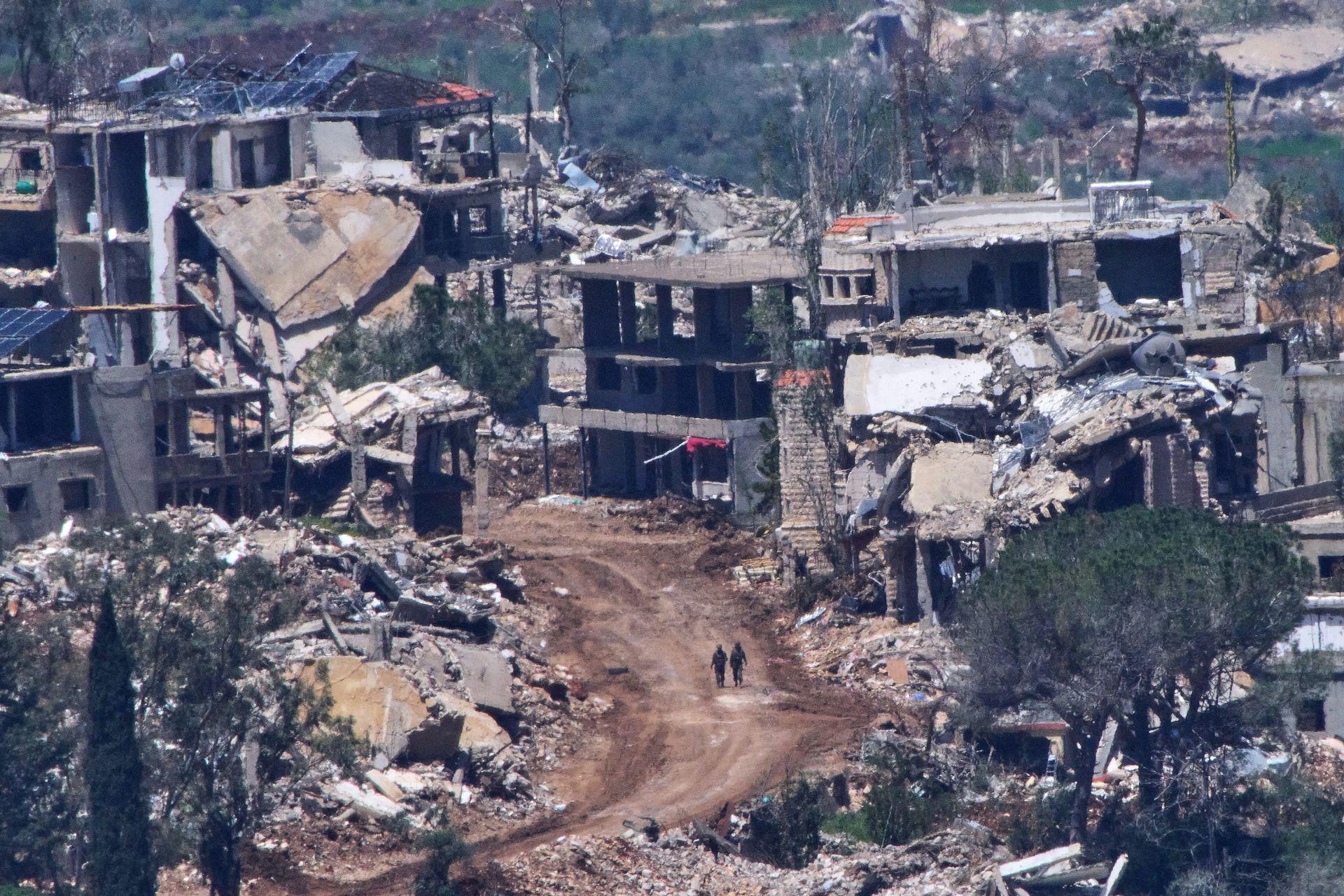
Employing what some have called a “Gaza model” in Lebanon, Israel has effectively created a new security zone in south Lebanon by occupying Lebanese territory, razing to the ground whole villages that Hezbollah had used for military purposes and clearing out most of the population from the area.
Utilizando o que alguns chamaram de um “modelo Gaza” no Líbano, Israel criou efetivamente uma nova zona de segurança no sul do Líbano ao ocupar território libanês, arrasar ao chão aldeias inteiras que o Hezbollah havia usado para fins militares e limpar a maior parte da população da área.
But Israel has occupied south Lebanon in the past: first in March 1978, during the Litani operation, and then again from 1982 to 2000. The failure of these occupations should raise alarms in Israel. Neither resulted in lasting security improvements and instead left indelible, traumatic scars on Israel’s collective consciousness, creating the image of Lebanon as a quagmire into which Israel has been repeatedly drawn.
Mas Israel já ocupou o sul do Líbano no passado: primeiro em março de 1978, durante a operação Litani, e depois novamente de 1982 a 2000. O fracasso dessas ocupações deveria levantar alarmes em Israel. Nenhuma delas resultou em melhorias de segurança duradouras e, em vez disso, deixou cicatrizes traumáticas e indelével na consciência coletiva de Israel, criando a imagem do Líbano como um pântano para o qual Israel foi repetidamente atraído.
The government of Netanyahu is now leading the country into another potential quagmire in Lebanon.
O governo de Netanyahu está agora levando o país a outro potencial pântano no Líbano.
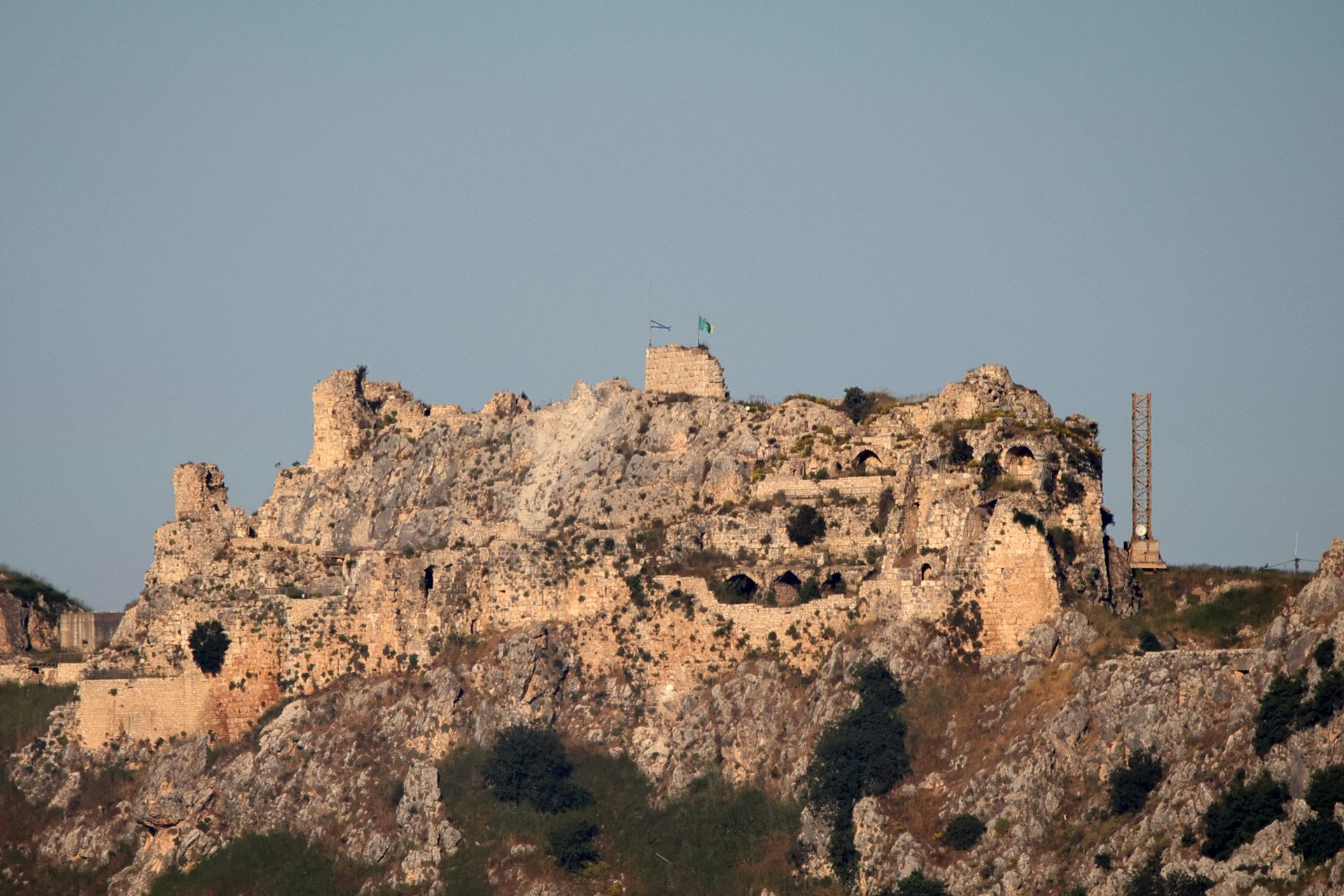
The news about the Israel Defense Forces’ occupation of the Beaufort castle in south Lebanon on May 31 should bring grim memories for Israelis. That castle remains entrenched in the collective memory of Israel’s occupation of south Lebanon in 1982-2000 as a symbol of its failure. Netanyahu, however, packaged Israel’s occupation as a sign of strength, stating that “we have returned stronger than ever.” History suggests otherwise.
A notícia sobre a ocupação das Forças de Defesa de Israel do castelo de Beaufort no sul do Líbano em 31 de maio deve trazer memórias sombrias para os israelenses. Esse castelo permanece enraizado na memória coletiva da ocupação de Israel no sul do Líbano em 1982-2000 como um símbolo de seu fracasso. Netanyahu, no entanto, enquadrou a ocupação de Israel como um sinal de força, afirmando que “voltamos mais fortes do que nunca”. A história sugere o contrário.
History repeats itself
A história se repete
Netanyahu is driven in large part by Israeli domestic affairs.
Netanyahu é impulsionado em grande parte pelos assuntos internos israelenses.
A majority of Israelis support the continuation of the war against Hezbollah. Moreover, with national elections scheduled for October 2026, Netanyahu needs to show some success in at least one of the multiple military fronts he has intentionally kept open since the Hamas attack on Oct. 7, 2023.
A maioria dos israelenses apoia a continuação da guerra contra o Hezbollah. Além disso, com eleições nacionais agendadas para outubro de 2026, Netanyahu precisa mostrar algum sucesso em pelo menos uma das múltiplas frentes militares que ele manteve intencionalmente abertas desde o ataque do Hamas em 7 de outubro de 2023.
With Netanyahu seemingly failing to achieve his aims in Iran, Lebanon and Hezbollah provide him with an opportunity to keep a state of emergency in Israel, which he needs for his own political survival.
Com Netanyahu aparentemente falhando em alcançar seus objetivos no Irã, Líbano e Hezbollah, estes lhe proporcionam uma oportunidade de manter um estado de emergência em Israel, o que ele precisa para sua própria sobrevivência política.
But failure in Iran makes achieving Netanyahu’s goal in Lebanon that much harder. The government in Tehran seems to have found significant leverage over the U.S. and Israel. And under these conditions, Tehran would not give up on Hezbollah, which remains its most important regional asset.
Mas o fracasso no Irã torna muito mais difícil alcançar o objetivo de Netanyahu no Líbano. O governo de Teerã parece ter encontrado alavancas significativas sobre os EUA e Israel. E sob estas condições, Teerã não abriria mão do Hezbollah, que continua sendo seu ativo regional mais importante.
Diplomacy is the only way out of this imbroglio. And while it would not likely lead to the disarming of Hezbollah and to the Israel’s full withdrawal from south Lebanon, it remains the only constructive way forward.
A diplomacia é a única saída para este imbróglio. E embora provavelmente não leve ao desarmamento do Hezbollah e à retirada total de Israel do sul do Líbano, continua sendo o único caminho construtivo a seguir.
At the behest of the Trump administration, Israeli and Lebanese ambassadors met to discuss a diplomatic understanding between two countries that have never had official relations. And on May 30, military representatives of the two countries met in Washington, D.C.
A pedido da administração Trump, embaixadores israelenses e libaneses se reuniram para discutir um entendimento diplomático entre dois países que nunca tiveram relações oficiais. E em 30 de maio, representantes militares dos dois países se reuniram em Washington, D.C.
For the first time since 1983, the Lebanese government has agreed to negotiate directly with Israel over a long-term political agreement, including the possibility of finally demarcating their shared borders. Hezbollah, as expected, has vehemently opposed these negotiations.
Pela primeira vez desde 1983, o governo libanês concordou em negociar diretamente com Israel sobre um acordo político de longo prazo, incluindo a possibilidade de demarcar finalmente suas fronteiras compartilhadas. O Hezbollah, como esperado, se opôs veementemente a estas negociações.
What we are seeing currently unfolding in Lebanon is another testament to the failure of the Israeli-U.S. war against Iran. Yet a war that began with lofty promises of a new Middle East may end up with a worse version of the old Middle East – an emboldened Islamic Republic, a new Israeli occupation of south Lebanon and a Hezbollah, while weaker than before, still entrenched as an armed militia outside of Lebanese state control and working in concert with Iran.
O que estamos vendo se desenrolar atualmente no Líbano é mais um testemunho do fracasso da guerra israelense-americana contra o Irã. No entanto, uma guerra que começou com altas promessas de um novo Oriente Médio pode acabar com uma versão pior do antigo Oriente Médio – uma República Islâmica encorajada, uma nova ocupação israelense do sul do Líbano e um Hezbollah, embora mais fraco do que antes, ainda enraizado como uma milícia armada fora do controle estatal libanês e trabalhando em concerto com o Irã.
Asher Kaufman does not work for, consult, own shares in or receive funding from any company or organization that would benefit from this article, and has disclosed no relevant affiliations beyond their academic appointment.
Asher Kaufman não trabalha, não consulta, não possui ações nem recebe financiamento de nenhuma empresa ou organização que se beneficiaria deste artigo, e não divulgou afiliações relevantes além de seu cargo acadêmico.
Read more
-

Por que os bancos do mundo estão tão preocupados com o mais recente modelo de IA da Anthropic
Why the world’s banks are so worried about Anthropic’s latest AI model
-
Netanyahu prometeu “terminar o trabalho” contra o Hezbollah. É uma promessa que ele não pode cumprir
Netanyahu has pledged to ‘finish the job’ against Hezbollah. It’s a promise he can’t deliver on