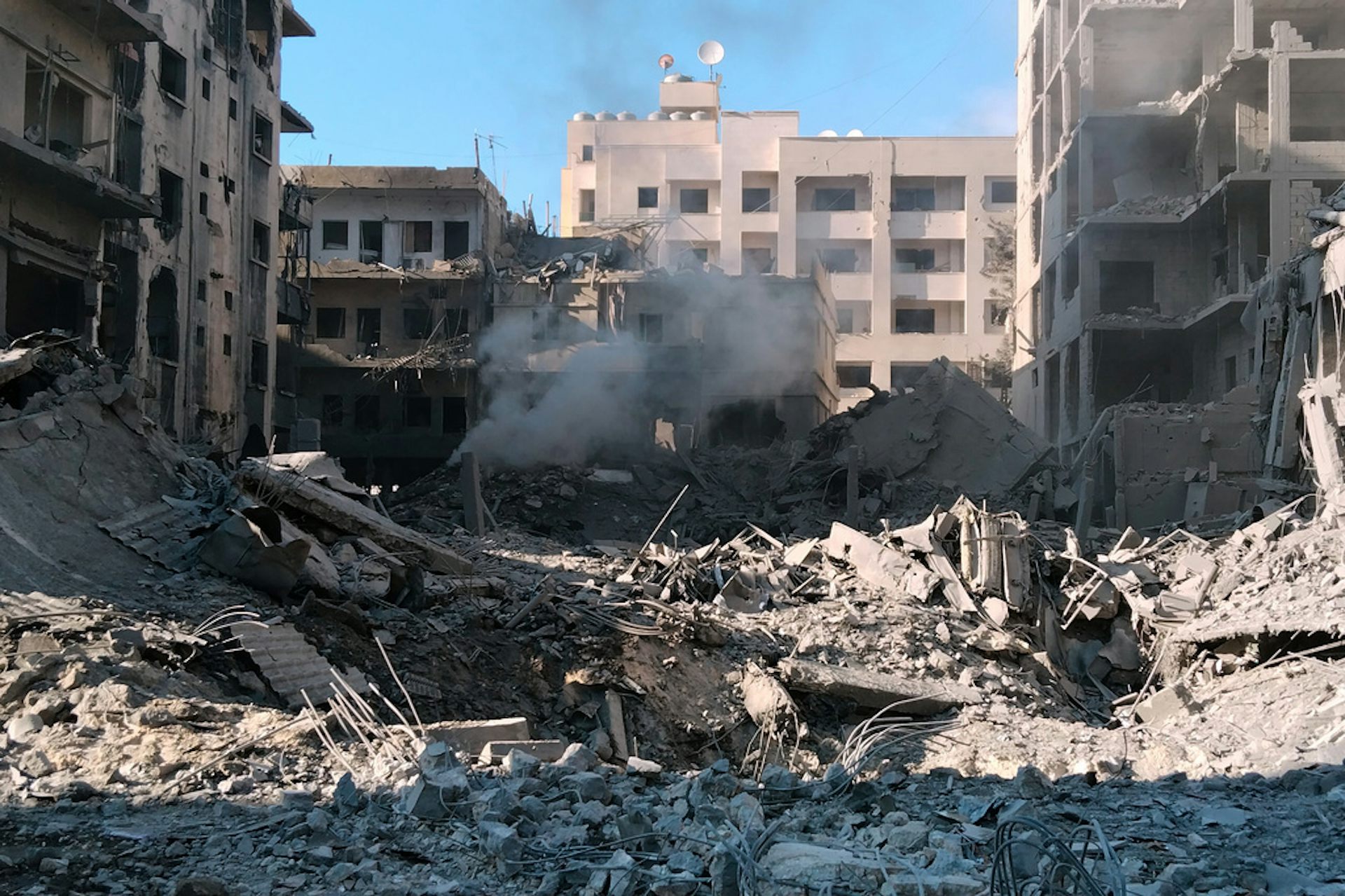
Trong bóng tối chiến tranh Iran, chiến dịch Lebanon mới của Israel có nguy cơ lặp lại những bài học thất bại – và các cuộc chiếm đóng – của quá khứ
In Iran war’s shadow, Israel’s renewed Lebanon campaign risks repeating failed lessons – and occupations – of the past
Unable to defeat Iran, Israel shifts its focus to Lebanon, fearing U.S. negotiations with Tehran could limit operations against Hezbollah.
Không thể đánh bại Iran, Israel chuyển trọng tâm sang Lebanon, lo sợ rằng các cuộc đàm phán của Mỹ với Tehran có thể hạn chế các hoạt động chống lại Hezbollah.
Going into the war in Iran, the Israeli government seemingly had two intertwined goals: to bring down the Islamic Republic and rid Israel of its Hezbollah problem.
Khi tham chiến ở Iran, chính phủ Israel dường như có hai mục tiêu đan xen: lật đổ Cộng hòa Hồi giáo và giải quyết vấn đề Hezbollah của Israel.
The logic went that the Lebanese Shiite group – which has posed a persistent threat to Israel for 44 years – would finally succumb if stripped of its Iranian benefactor. After all, Israeli attempts to destroy Hezbollah through direct military action had not been effective, nor had internationally supported disarmament efforts.
Lý luận cho rằng nhóm Shiite Lebanon – vốn đã gây ra mối đe dọa dai dẳng cho Israel trong 44 năm – cuối cùng sẽ sụp đổ nếu bị tước đi nguồn hỗ trợ từ Iran. Xét cho cùng, các nỗ lực của Israel nhằm tiêu diệt Hezbollah bằng hành động quân sự trực tiếp cũng như các nỗ lực giải giáp được quốc tế hỗ trợ đều không hiệu quả.
But as the United States and Iran continue to negotiate over an agreement that might put an end to their war, the Israeli-Lebanese front remains as active as ever. Israel has increased strikes and incursions deeper into Lebanon, while Hezbollah is targeting the Israeli military deployed in southern Lebanon and the civilian population in northern Israel.
Nhưng khi Hoa Kỳ và Iran tiếp tục đàm phán về một thỏa thuận có thể chấm dứt cuộc chiến của họ, mặt trận Israel-Lebanon vẫn hoạt động mạnh mẽ như trước. Israel đã tăng cường các cuộc không kích và xâm nhập sâu hơn vào Lebanon, trong khi Hezbollah nhắm mục tiêu vào quân đội Israel đóng tại miền nam Lebanon và dân thường ở miền bắc Israel.
Worse, from the Israeli government’s perspective, is that Iran has found a way of turning its survival and newfound leverage over the Strait of Hormuz into protecting Hezbollah. Tehran is currently conditioning a potential deal with Washington on a complete halt of Israeli hostilities in Lebanon – a move clearly designed to safeguard the political and military standing of Hezbollah, its primary proxy.
Tệ hơn, theo quan điểm của chính phủ Israel, là Iran đã tìm cách biến sự tồn tại và đòn bẩy mới có được của mình tại Eo biển Hormuz thành việc bảo vệ Hezbollah. Hiện tại, Tehran đang điều kiện hóa một thỏa thuận tiềm năng với Washington dựa trên việc ngừng hoàn toàn các hành động thù địch của Israel ở Lebanon – một động thái rõ ràng được thiết kế để bảo vệ vị thế chính trị và quân sự của Hezbollah, đại diện ủy nhiệm chính của họ.
Since full-scale war returned to Lebanon on March 2, 2026, it has had a massive humanitarian cost. As of June 1, over a million Lebanese have been displaced and more than 3,300 killed since the beginning of March. On the Israeli side, 24 soldiers and 4 civilians have been killed in the same time period.
Kể từ khi cuộc chiến quy mô lớn trở lại Lebanon vào ngày 2 tháng 3 năm 2026, nó đã gây ra chi phí nhân đạo khổng lồ. Tính đến ngày 1 tháng 6, hơn một triệu người Lebanon đã bị di dời và hơn 3.300 người thiệt mạng kể từ đầu tháng Ba. Về phía Israel, 24 binh sĩ và 4 dân thường đã thiệt mạng trong cùng khoảng thời gian này.
Israel seeks to decouple its Lebanon front from the wider regional conflict, aiming to maintain its military campaign against the Shiite organization independently of broader U.S. negotiations with Iran. But whether it will able to do this is uncertain. The Trump administration has largely excluded Israel from the specifics of its Iranian dialogue while attempting to restrict Israeli operations in Lebanon to strikes in the country’s south and the Bekaa Valley and prohibiting attacks on state infrastructure. The ordering of attacks on Lebanon’s capital, Beirut, by Israeli Prime Minister Benjamin Netanyahu on June 1 lays bare the limits to U.S. pressure.
Israel tìm cách tách mặt trận Lebanon khỏi xung đột khu vực rộng lớn hơn, nhằm duy trì chiến dịch quân sự chống lại tổ chức Shiite này độc lập với các cuộc đàm phán rộng hơn của Mỹ với Iran. Nhưng liệu họ có thể làm được điều này hay không vẫn còn là điều không chắc chắn. Chính quyền Trump phần lớn đã loại trừ Israel khỏi các chi tiết trong đối thoại với Iran, đồng thời cố gắng hạn chế các hoạt động của Israel ở Lebanon chỉ giới hạn ở các cuộc không kích ở miền nam và Thung lũng Bekaa của đất nước và cấm tấn công cơ sở hạ tầng nhà nước. Việc Thủ tướng Israel Benjamin Netanyahu ra lệnh tấn công thủ đô Beirut của Lebanon vào ngày 1 tháng 6 đã làm lộ giới hạn của áp lực từ Mỹ.
And ultimately, the resolution of this conflict rests upon how President Donald Trump chooses to navigate Iranian demands concerning the future of Lebanon.
Và cuối cùng, việc giải quyết cuộc xung đột này phụ thuộc vào cách Tổng thống Donald Trump chọn điều hướng các yêu cầu của Iran liên quan đến tương lai của Lebanon.
As a historian of Israel and Lebanon, I have studied cycles of violence between these parties since 1982, and have noted recurring patterns in which Hezbollah has emerged emboldened, maintaining its dominance over Lebanese society as an Iranian proxy. Contrary to Israeli hopes, Iran’s patronage of Hezbollah has not been ended by the Iran war. And to confound issues, continued Israeli occupation of Lebanese land could grant Hezbollah the necessary justification to sustain its narrative of resistance at the cost of the broader Lebanese population.
Là một nhà sử học về Israel và Lebanon, tôi đã nghiên cứu các chu kỳ bạo lực giữa các bên này kể từ năm 1982, và nhận thấy các mô hình lặp lại trong đó Hezbollah trỗi dậy mạnh mẽ hơn, duy trì sự thống trị của mình đối với xã hội Lebanon với tư cách là đại diện ủy nhiệm của Iran. Trái ngược với hy vọng của Israel, sự bảo trợ của Iran đối với Hezbollah đã không kết thúc bởi cuộc chiến Iran. Và để làm phức tạp thêm vấn đề, việc Israel tiếp tục chiếm đóng đất Lebanon có thể mang lại cho Hezbollah sự biện minh cần thiết để duy trì luận điệu kháng chiến của mình với cái giá là toàn bộ người dân Lebanon.
A wounded but not dead Hezbollah
Hezbollah bị thương nhưng chưa chết
While significantly weakened as a result of more than two and a half years of war with Israel, Hezbollah continues to wield considerable power in Lebanon.
Mặc dù bị suy yếu đáng kể sau hơn hai năm rưỡi chiến tranh với Israel, Hezbollah vẫn tiếp tục nắm giữ quyền lực đáng kể ở Lebanon.
After a ceasefire in November 2024 – following the full-scale war in September-October of that year – ostensibly stopped fighting, a new Lebanese president was elected and a new government was established in February 2025.
Sau lệnh ngừng bắn vào tháng 11 năm 2024 – sau cuộc chiến quy mô lớn vào tháng 9-tháng 10 năm đó – và bề ngoài đã chấm dứt giao tranh, một tổng thống Lebanon mới đã được bầu và một chính phủ mới đã được thành lập vào tháng 2 năm 2025.
That ended a three-year political deadlock generated by Hezbollah’s effective veto power over successive Lebanese governments since 2008. Even since the formation of a government in 2025, however, the Lebanese state has been unable to effectively make progress in disarming Hezbollah as stipulated in the November 2024, armistice agreement that ended that previous round of fighting.
Điều đó đã chấm dứt bế tắc chính trị ba năm do quyền phủ quyết hiệu quả của Hezbollah đối với các chính phủ Lebanon liên tiếp kể từ năm 2008. Tuy nhiên, ngay cả kể từ khi thành lập chính phủ vào năm 2025, nhà nước Lebanon vẫn không thể tiến hành hiệu quả việc giải vũ trang cho Hezbollah như đã quy định trong thỏa thuận ngừng bắn tháng 11 năm 2024, thỏa thuận đã chấm dứt vòng giao tranh trước đó.
Instead, Iran invested significant efforts to prop up its Lebanese proxy. Tehran even sent senior officers of its Revolutionary Guard soon after the November 2024 ceasefire to assume the command of the Shiite organization, which lost many of its leaders at the hands of Israeli assassinations and targeted strikes.
Thay vào đó, Iran đã đầu tư những nỗ lực đáng kể để chống lưng cho lực lượng ủy nhiệm của mình ở Lebanon. Tehran thậm chí còn cử các sĩ quan cấp cao của Vệ binh Cách mạng đến chỉ huy tổ chức Shiite này ngay sau lệnh ngừng bắn tháng 11 năm 2024, tổ chức này đã mất nhiều lãnh đạo do các vụ ám sát và cuộc tấn công có chủ đích của Israel.
These efforts are paying off for Tehran now, as seen through Hezbollah’s ability to challenge Israel militarily.
Những nỗ lực này đang mang lại lợi ích cho Tehran, thể hiện qua khả năng thách thức Israel về mặt quân sự của Hezbollah.
With the beginning of this most recent war in March, the Lebanese prime minister banned Hezbollah’s operations, while the president condemned the group for dragging Lebanon into a conflict that most Lebanese rejected.
Với sự khởi đầu của cuộc chiến gần đây nhất này vào tháng 3, thủ tướng Lebanon đã cấm các hoạt động của Hezbollah, trong khi tổng thống lên án nhóm này vì đã kéo Lebanon vào một cuộc xung đột mà hầu hết người Lebanon phản đối.
But, as in the past, the government has been unable to effectively rein in Hezbollah. A telling case came on March 24, 2026, when Lebanon’s Foreign Ministry declared the Iranian ambassador a persona non grata, ordering him to leave the country.
Nhưng, như trong quá khứ, chính phủ đã không thể kiềm chế hiệu quả Hezbollah. Một trường hợp điển hình xảy ra vào ngày 24 tháng 3 năm 2026, khi Bộ Ngoại giao Lebanon tuyên bố đại sứ Iran là người không được chào đón (persona non grata) , yêu cầu ông rời khỏi đất nước.
Iran and Hezbollah defied the order and the ambassador refused to leave the embassy in Beirut.
Iran và Hezbollah đã bất chấp lệnh cấm và đại sứ từ chối rời khỏi đại sứ quán ở Beirut.
This example also suggests that the hopes for revitalized state capacities after the current Lebanese government came to power in February 2025 – the first government since 2008 not controlled by Hezbollah – may have been premature.
Ví dụ này cũng cho thấy rằng hy vọng về khả năng phục hồi của nhà nước sau khi chính phủ Lebanon hiện tại lên nắm quyền vào tháng 2 năm 2025 – chính phủ đầu tiên kể từ năm 2008 không bị Hezbollah kiểm soát – có thể là quá sớm.
Gaza via Lebanon
Gaza qua Lebanon
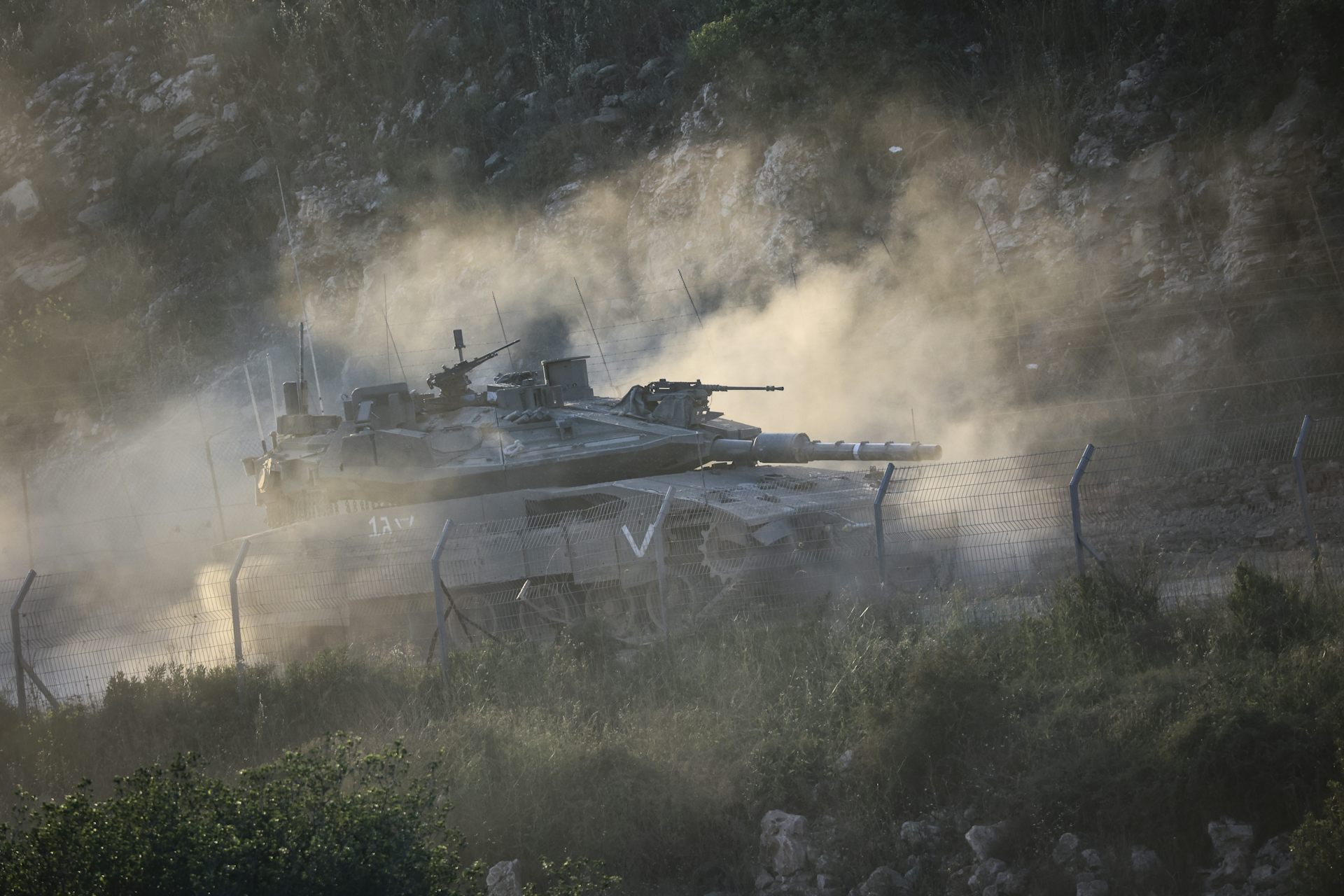
Employing what some have called a “Gaza model” in Lebanon, Israel has effectively created a new security zone in south Lebanon by occupying Lebanese territory, razing to the ground whole villages that Hezbollah had used for military purposes and clearing out most of the population from the area.
Tận dụng cái mà một số người gọi là “mô hình Gaza” ở Lebanon, Israel đã thiết lập một khu vực an ninh mới ở miền nam Lebanon bằng cách chiếm đóng lãnh thổ Lebanon, san bằng hoàn toàn các ngôi làng mà Hezbollah từng sử dụng cho mục đích quân sự và di dời phần lớn dân cư khỏi khu vực này.
But Israel has occupied south Lebanon in the past: first in March 1978, during the Litani operation, and then again from 1982 to 2000. The failure of these occupations should raise alarms in Israel. Neither resulted in lasting security improvements and instead left indelible, traumatic scars on Israel’s collective consciousness, creating the image of Lebanon as a quagmire into which Israel has been repeatedly drawn.
Nhưng Israel đã từng chiếm đóng miền nam Lebanon trong quá khứ: lần đầu là vào tháng 3 năm 1978, trong chiến dịch Litani, và sau đó là từ năm 1982 đến năm 2000. Sự thất bại của những cuộc chiếm đóng này lẽ ra phải khiến Israel phải cảnh giác. Cả hai lần đều không mang lại những cải thiện an ninh lâu dài mà thay vào đó để lại những vết sẹo đau thương không thể xóa nhòa trên ý thức tập thể của Israel, tạo nên hình ảnh Lebanon là một vũng lầy mà Israel liên tục bị cuốn vào.
The government of Netanyahu is now leading the country into another potential quagmire in Lebanon.
Chính phủ Netanyahu hiện đang dẫn dắt đất nước vào một vũng lầy tiềm tàng khác ở Lebanon.
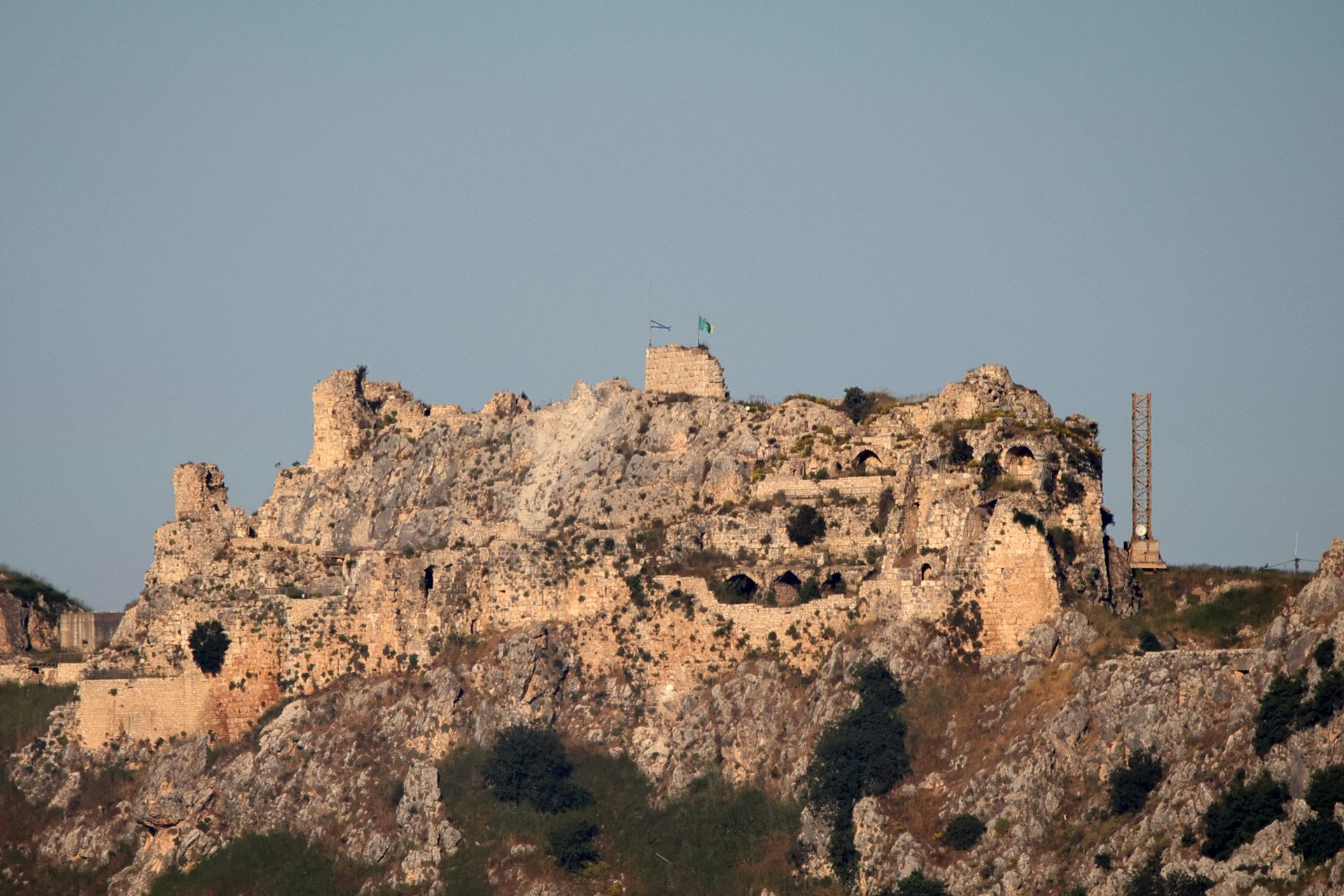
The news about the Israel Defense Forces’ occupation of the Beaufort castle in south Lebanon on May 31 should bring grim memories for Israelis. That castle remains entrenched in the collective memory of Israel’s occupation of south Lebanon in 1982-2000 as a symbol of its failure. Netanyahu, however, packaged Israel’s occupation as a sign of strength, stating that “we have returned stronger than ever.” History suggests otherwise.
Tin tức về việc Lực lượng Phòng vệ Israel chiếm đóng lâu đài Beaufort ở miền nam Lebanon vào ngày 31 tháng 5 lẽ ra phải gợi lên những ký ức ảm đạm cho người Israel. Lâu đài đó vẫn còn ăn sâu trong ký ức tập thể về cuộc chiếm đóng miền nam Lebanon của Israel giai đoạn 1982-2000 như một biểu tượng của sự thất bại. Tuy nhiên, Netanyahu lại trình bày cuộc chiếm đóng của Israel như một dấu hiệu của sức mạnh, tuyên bố rằng “chúng ta đã trở lại mạnh mẽ hơn bao giờ hết.” Lịch sử lại gợi ý điều ngược lại.
History repeats itself
Lịch sử lặp lại
Netanyahu is driven in large part by Israeli domestic affairs.
Netanyahu phần lớn bị chi phối bởi các vấn đề nội bộ của Israel.
A majority of Israelis support the continuation of the war against Hezbollah. Moreover, with national elections scheduled for October 2026, Netanyahu needs to show some success in at least one of the multiple military fronts he has intentionally kept open since the Hamas attack on Oct. 7, 2023.
Phần lớn người Israel ủng hộ việc tiếp tục cuộc chiến chống Hezbollah. Hơn nữa, với cuộc bầu cử quốc gia dự kiến vào tháng 10 năm 2026, Netanyahu cần phải thể hiện thành công ở ít nhất một trong nhiều mặt trận quân sự mà ông đã cố tình duy trì kể từ cuộc tấn công của Hamas vào ngày 7 tháng 10 năm 2023.
With Netanyahu seemingly failing to achieve his aims in Iran, Lebanon and Hezbollah provide him with an opportunity to keep a state of emergency in Israel, which he needs for his own political survival.
Với việc Netanyahu dường như thất bại trong việc đạt được mục tiêu của mình ở Iran, Lebanon và Hezbollah đã mang lại cho ông cơ hội duy trì tình trạng khẩn cấp ở Israel, điều mà ông cần cho sự sống còn chính trị của mình.
But failure in Iran makes achieving Netanyahu’s goal in Lebanon that much harder. The government in Tehran seems to have found significant leverage over the U.S. and Israel. And under these conditions, Tehran would not give up on Hezbollah, which remains its most important regional asset.
Nhưng thất bại ở Iran khiến việc đạt được mục tiêu của Netanyahu ở Lebanon trở nên khó khăn hơn rất nhiều. Chính phủ Tehran dường như đã tìm thấy đòn bẩy đáng kể đối với Mỹ và Israel. Và trong những điều kiện này, Tehran sẽ không từ bỏ Hezbollah, vốn vẫn là tài sản khu vực quan trọng nhất của họ.
Diplomacy is the only way out of this imbroglio. And while it would not likely lead to the disarming of Hezbollah and to the Israel’s full withdrawal from south Lebanon, it remains the only constructive way forward.
Ngoại giao là con đường duy nhất thoát khỏi tình thế khó khăn này. Và mặc dù nó khó có thể dẫn đến việc giải giáp Hezbollah và sự rút quân hoàn toàn của Israel khỏi miền nam Lebanon, nhưng nó vẫn là con đường tiến lên mang tính xây dựng duy nhất.
At the behest of the Trump administration, Israeli and Lebanese ambassadors met to discuss a diplomatic understanding between two countries that have never had official relations. And on May 30, military representatives of the two countries met in Washington, D.C.
Theo yêu cầu của chính quyền Trump, các đại sứ Israel và Lebanon đã gặp nhau để thảo luận về một thỏa thuận ngoại giao giữa hai quốc gia chưa từng có quan hệ chính thức. Và vào ngày 30 tháng 5, các đại diện quân sự của hai nước đã gặp nhau tại Washington, D.C.
For the first time since 1983, the Lebanese government has agreed to negotiate directly with Israel over a long-term political agreement, including the possibility of finally demarcating their shared borders. Hezbollah, as expected, has vehemently opposed these negotiations.
Lần đầu tiên kể từ năm 1983, chính phủ Lebanon đã đồng ý đàm phán trực tiếp với Israel về một thỏa thuận chính trị dài hạn, bao gồm cả khả năng phân định biên giới chung của họ. Hezbollah, như dự đoán, đã kịch liệt phản đối các cuộc đàm phán này.
What we are seeing currently unfolding in Lebanon is another testament to the failure of the Israeli-U.S. war against Iran. Yet a war that began with lofty promises of a new Middle East may end up with a worse version of the old Middle East – an emboldened Islamic Republic, a new Israeli occupation of south Lebanon and a Hezbollah, while weaker than before, still entrenched as an armed militia outside of Lebanese state control and working in concert with Iran.
Những gì chúng ta đang chứng kiến diễn ra ở Lebanon là một minh chứng khác cho sự thất bại của cuộc chiến Israel-Mỹ chống lại Iran. Tuy nhiên, một cuộc chiến bắt đầu bằng những lời hứa cao đẹp về một Trung Đông mới có thể kết thúc bằng một phiên bản tồi tệ hơn của Trung Đông cũ – một Cộng hòa Hồi giáo mạnh mẽ hơn, một cuộc chiếm đóng mới của Israel ở miền nam Lebanon và một Hezbollah, dù yếu hơn trước, vẫn ăn sâu như một lực lượng dân quân vũ trang ngoài tầm kiểm soát của nhà nước Lebanon và hoạt động phối hợp với Iran.
Asher Kaufman does not work for, consult, own shares in or receive funding from any company or organization that would benefit from this article, and has disclosed no relevant affiliations beyond their academic appointment.
Asher Kaufman không làm việc cho, tư vấn, sở hữu cổ phần hoặc nhận tài trợ từ bất kỳ công ty hoặc tổ chức nào được hưởng lợi từ bài viết này, và đã không tiết lộ bất kỳ mối liên hệ nào liên quan ngoài vị trí học thuật của mình.
Read more
-

Bơ hay bơ thực vật? Một nhà khoa học thực phẩm mô tả những khác biệt hóa học tinh tế của chúng và cách chúng có thể ảnh hưởng đến các món nướng của bạn
Butter or margarine? A food scientist describes their subtle chemical deviations and how they can affect your baked goods
-
Ted Turner không chỉ cách mạng hóa truyền hình – ông đã thay đổi cách chúng ta nhìn nhận thế giới.
Ted Turner didn’t just revolutionize television − he changed the way we see our world