
杰夫·贝索斯说,没有押韵的诗歌很容易——但这并没有那么简单
Jeff Bezos says poetry without rhyming is easy – but it…
Contrary to popular belief, poetry doesn’t have to rhyme – and rhyme is not a marker of quality, or ease. Some of the world’s most famous poetry proves it.
与普遍认知相反,诗歌不必押韵,押韵也不是衡量质量或难度的标准。世界上一些最著名的诗歌证明了这一点。
When Jeff Bezos defended major layoffs at The Washington Post last week, he reached for poetry. Pressed on why he would not simply subsidise the paper, he argued payment was a “signal” of relevance: “If people won’t pay for our product, we’re not doing, it’s not a good enough product […] It would be like poetry without rhyming. It’s too easy.”
当杰夫·贝索斯上周为《华盛顿邮报》的大规模裁员辩护时,他引用了诗歌。当被问及为何不简单地为该报纸提供补贴时,他辩称付费是“相关性”的“信号”:“如果人们不为我们的产品付费,说明我们做得不够好,产品不够好……这就好比没有押韵的诗歌。这太容易了。”
The analogy was mocked almost immediately. A former Washington Post literary critic imagined Poetry magazine rejecting T.S. Eliot’s The Waste Land for insufficient rhyme. Others responded in the form the occasion seemed to invite:
这个比喻几乎立刻遭到了嘲笑。一位前《华盛顿邮报》文学评论家想象《诗歌》杂志拒绝了T.S.艾略特的《荒原》,理由是押韵不够。其他人则以场合所允许的形式回应:
Roses are red Violets are blue Bezos sucks And his takes do too.
玫瑰是红的 紫罗兰是蓝的 贝索斯很烂 他的观点也一样。
But the mockery missed the more interesting point. Bezos was not really talking about rhyme. He was talking about constraint: the idea that without some external pressure – rhyme in poetry, profitability in journalism – the work becomes too easy, too loose, too self-satisfied.
但这种嘲笑忽略了更重要的点。贝索斯真正谈论的并非押韵。他谈论的是约束:一种想法,即如果没有某种外部压力——诗歌中的押韵,新闻业中的盈利能力——作品就会变得过于轻松、过于松散、过于自满。
Poetry was never identical with rhyme
诗歌从未等同于押韵
Rhyme is one of the most recognisable features of English verse. It gives pleasure because it returns: a sound goes out and comes back altered. Because it is so easy to hear, rhyme can look like proof of effort. We hear the rule. We hear the poem obeying it. That is exactly why it becomes such a tempting stand-in for seriousness.
押韵是英语诗歌最显著的特征之一。它带来愉悦感,因为它回响:一个声音发出后,以改变的形式回归。因为它如此容易听到,押韵看起来就像是努力的证明。我们听到了规则。我们听到了诗歌遵守规则。这正是它成为一种诱人、替代严肃性的原因。
In Middle English, “rime” could mean not only rhyme, but metre or verse more generally; so the terms blurred early on. But poetry was never identical with rhyme.
在中古英语中,“rime”不仅可以指押韵,还可以指更普遍的格律或诗歌;因此,这些术语很早就开始模糊了。但诗歌从未等同于押韵。
Old English verse, including Beowulf, was organised by patterns of stressed syllables, pauses within the line (caesura) and alliteration, rather than rhyme. Rhyme became increasingly important in English later, especially under French influence after the Norman Conquest. Because it is memorable, teachable and easy to hear, it gradually came to stand in for poetry itself.
古英语诗歌,包括《贝奥武夫》,的组织结构是基于重读音节的模式、行内的停顿(caesura)和头韵,而非押韵。后来,押韵在英语中变得越来越重要,特别是在诺曼征服后受到法国影响之后。因为它令人难忘、易于教授且容易听到,它逐渐开始替代诗歌本身。
But rhyme is not poetry. Nor is end rhyme the only way poetry makes pattern or music. Some of the most important poetry in English does not rely on it at all.
但押韵不是诗歌。末尾押韵也不是诗歌形成模式或音乐的唯一方式。英语中一些最重要的诗歌根本不依赖于它。
Why rhyme isn’t necessary
韵律为何并非必需
John Milton wrote Paradise Lost without rhyme, and defended the decision explicitly, arguing rhyme was “no necessary adjunct or true ornament of poem or good verse”.
约翰·米尔顿(John Milton)创作《失乐园》时没有使用韵律,并明确为这一决定辩护,认为韵律“并非诗歌或优美诗句所必需的附属物或真正的装饰”。
What matters here is not mere hostility to rhyme, but the sense that rhyme can tempt a poet into polish before thought has finished its work. He goes further, dismissing rhyme as the “jingling sound of like endings” and even as the “troublesome and modern bondage of riming”.
这里重要的是的并非仅仅是厌恶韵律,而是韵律可能会诱使诗人过早地进行修饰,甚至在思想尚未完成工作之前就将其定型。他更进一步,将韵律斥为“相似结尾的叮当声”,甚至称其为“烦人且现代的押韵束缚”。
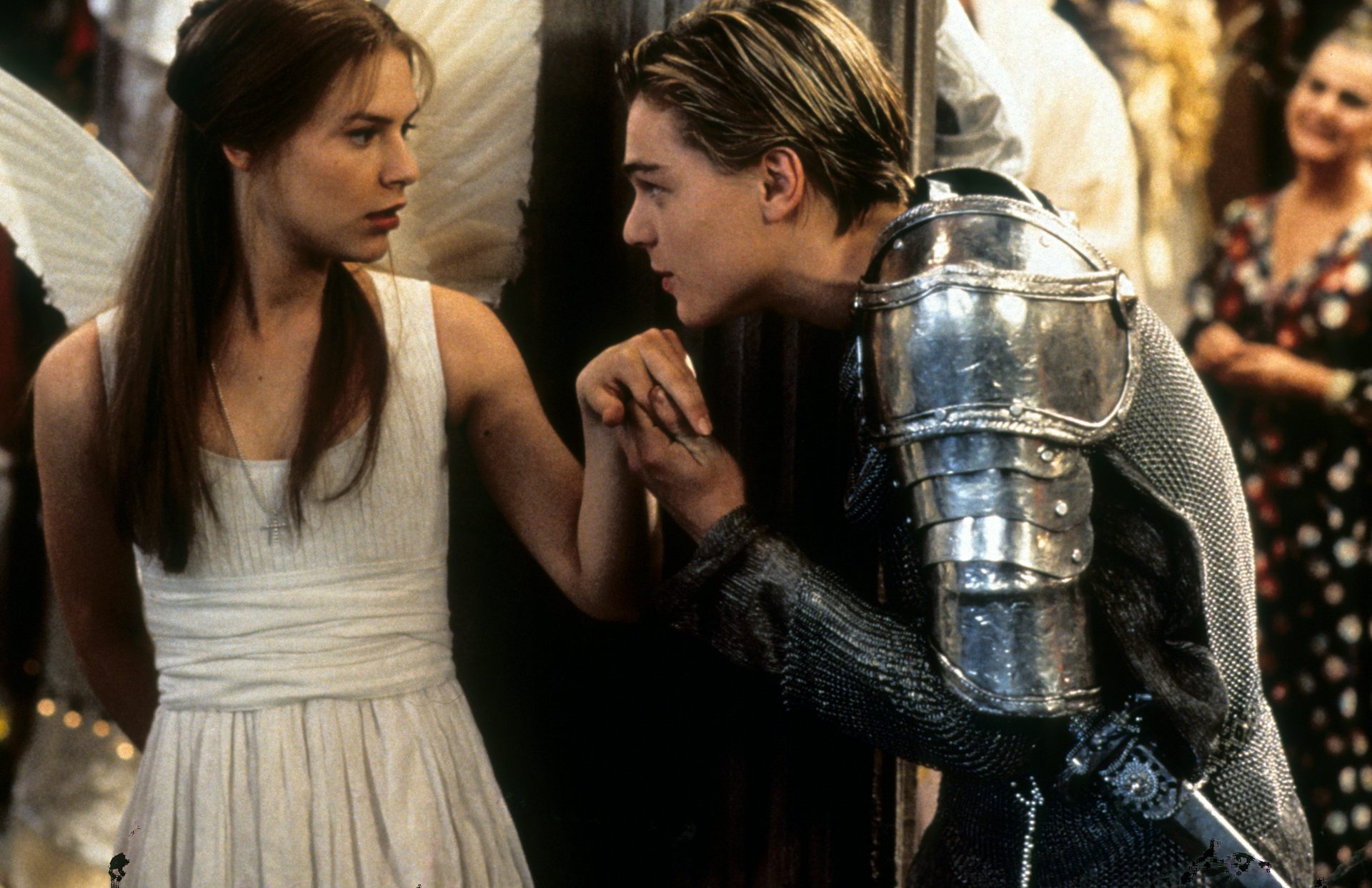
Shakespeare’s drama offers the clearest proof: it is built largely in blank verse, where the line is shaped by rhythm and the movement of the sentence rather than rhyme, as when Romeo first sees Juliet:
莎士比亚的戏剧提供了最清晰的证明:它很大程度上采用的是散文诗(blank verse),其中诗句的形态是由节奏和句子的流动性塑造的,而非韵律,例如罗密欧第一次看到朱丽叶时:
But soft, what light through yonder window breaks? It is the East, and Juliet is the sun. Arise, fair sun, and kill the envious moon.
But soft, what light through yonder window breaks? It is the East, and Juliet is the sun. Arise, fair sun, and kill the envious moon.
But at its best, rhyme surprises
但在最佳状态下,押韵令人惊喜
Much modern poetry also does without regular rhyme. Free verse is poetry that does not rely on regular rhyme or a fixed metre – a regular pattern of stressed and unstressed syllables – and it has always suffered from its name. “Free” makes it sound as though the poet has simply slipped the leash of form.
许多现代诗歌也无需押韵。自由诗歌是指不依赖常规押韵或固定格律(即重音和非重音音节的常规模式)的诗歌,它一直以来都受制于其名称。“自由”听起来仿佛诗人只是挣脱了形式的束缚。
But, as T.S. Eliot wrote in Reflections on Vers Libre, there is “no freedom in art”: removing rhyme does not remove structure, but throws other patterns into relief. Rhythm, word order, line, repetition and the movement of thought become more exposed. Free verse is not failed rhymed verse. Its discipline is simply less immediately audible.
但正如T.S.艾略特在《论自由诗》中所写,艺术中“没有自由”:去除押韵并不会去除结构,而是将其他模式凸显出来。节奏、词序、行文、重复和思维的流动变得更加明显。自由诗歌并非押韵失败的诗歌。它的纪律性只是不那么容易听觉化。
At its best, rhyme is a genuine source of pleasure and ingenuity. It does more than repeat: it surprises. Lord Byron’s Don Juan is full of rhymes that arrive not as dutiful closure, but as comic swerves or little flashes of intelligence.
在最佳状态下,押韵是乐趣和创造力的真正来源。它所做的远不止重复:它令人惊喜。拜伦的《唐璜》充满了押韵,这些押韵并非作为例行公事的收尾,而是作为滑稽的转折或智慧的闪光点。
Byron addresses the “lords of ladies intellectual” and snaps the stanza shut with “have they not hen-peck’d you all?”. Emily Dickinson, in another key, makes the point just as sharply: in “Because I could not stop for Death”, the poem’s slant rhymes show that rhyme does not have to mean tidy closure; it can work through near-match, disturbance and eerie precision instead.
拜伦向“女士们的知识分子领主”讲话,并用“难道他们没有把你们都吓坏了吗?”结束了诗节。艾米莉·狄金森则在另一个层面提出了同样尖锐的观点:《因为我不能为死亡停留》一诗中的半韵表明,押韵不一定意味着整洁的收尾;它也可以通过近似匹配、扰动和诡异的精确性来发挥作用。
Eminem’s famous answer to the claim that nothing rhymes with “orange” works by stretching sound across syllables and making the ear hear a likeness it did not expect: “four-inch” and “door hinge”.
艾米内姆对“没有东西能押韵‘橙子’(orange)”这一说法的著名回应,是通过将声音拉伸到音节上,让耳朵听到一个意想不到的相似之处:“四英寸”和“门铰链”。
That is one of rhyme’s oldest pleasures: not just recurrence, but discovery. Rhyme can be brilliant in exactly this way. It can also be merely mechanical. Bad rhyme is easy. Good rhyme is not. Its presence alone proves less than Bezos thinks.
这正是押韵最古老的乐趣之一:不只是重复,更是发现。押韵可以以这种方式非常出色。它也可能仅仅是机械性的。糟糕的押韵很容易。好的押韵则不然。仅凭它的存在,其证明力远不如贝佐斯所想的。
Rhyme is audible. Profit is measurable. Both look objective, but neither proves very much. A poem can rhyme and still fail; a newspaper can make money and still be trivial. The mistake is to confuse what is easiest to hear or count with what matters most.
押韵是可听见的。利润是可衡量的。两者看起来都很客观,但两者都没有证明太多。一首诗可以押韵但仍然失败;一份报纸可以赚钱但仍然是平庸的。错误在于将最容易听见或计算的东西,与最重要的事情混淆了。
Bronwyn Lea does not work for, consult, own shares in or receive funding from any company or organisation that would benefit from this article, and has disclosed no relevant affiliations beyond their academic appointment.
Bronwyn Lea不为任何会从本文中受益的公司或组织工作、咨询、拥有股份或接受资金,并且除了其学术任命之外,未披露任何相关隶属关系。