
Qué revela una lista de supervivientes de la Peste Negra sobre la forma en que la gente se recuperó de la plaga
What a list of Black Death survivors reveals about the way people recovered from plague
Despite the deadliness of the disease, it was possible to recover from plague, and medieval chroniclers mention the possibility – however unlikely – of survival.
A pesar de la mortandad de la enfermedad, era posible recuperarse de la peste, y los cronistas medievales mencionan la posibilidad – por muy improbable que fuera – de supervivencia.
In our research in the British Library’s medieval collections, we have identified a previously unnoticed document that provides fresh insights into the survivors of the outbreak of plague known as the Black Death (1346–53) .
En nuestra investigación en las colecciones medievales de la Biblioteca Británica, hemos identificado un documento previamente no notado que proporciona nuevas perspectivas sobre los supervivientes del brote de la peste conocido como la Peste Negra (1346–53) .
The document – a scrap of parchment inserted into an account of the Ramsey Abbey manor of Warboys in Huntingdonshire – records how much time peasants were absent from work when struck down by the plague. It also reveals the names of those who survived and how long their employers believed recovery could take.
El documento –un trozo de pergamino insertado en un registro del señorío de Ramsey Abbey en Warboys, Huntingdonshire– registra cuánto tiempo estuvieron los campesinos ausentes del trabajo cuando fueron alcanzados por la peste. También revela los nombres de aquellos que sobrevivieron y cuánto tiempo creían sus empleadores que tardaría la recuperación.
In our recent paper with Barney Sloane we shed new light on a group of 22 tenants who probably contracted plague, languished on their sickbeds for several weeks, and then recovered.
En nuestro artículo reciente con Barney Sloane, arrojamos nueva luz sobre un grupo de 22 inquilinos que probablemente contrajeron la peste, languidecieron en sus camas de enfermo durante varias semanas y luego se recuperaron.
As one of the deadliest pandemics in recorded history, it has been estimated that between a third and two-thirds of the population of medieval Europe died during the Black Death.
Como una de las pandemias más mortales en la historia registrada, se ha estimado que entre un tercio y dos tercios de la población de Europa medieval murió durante la Peste Negra.
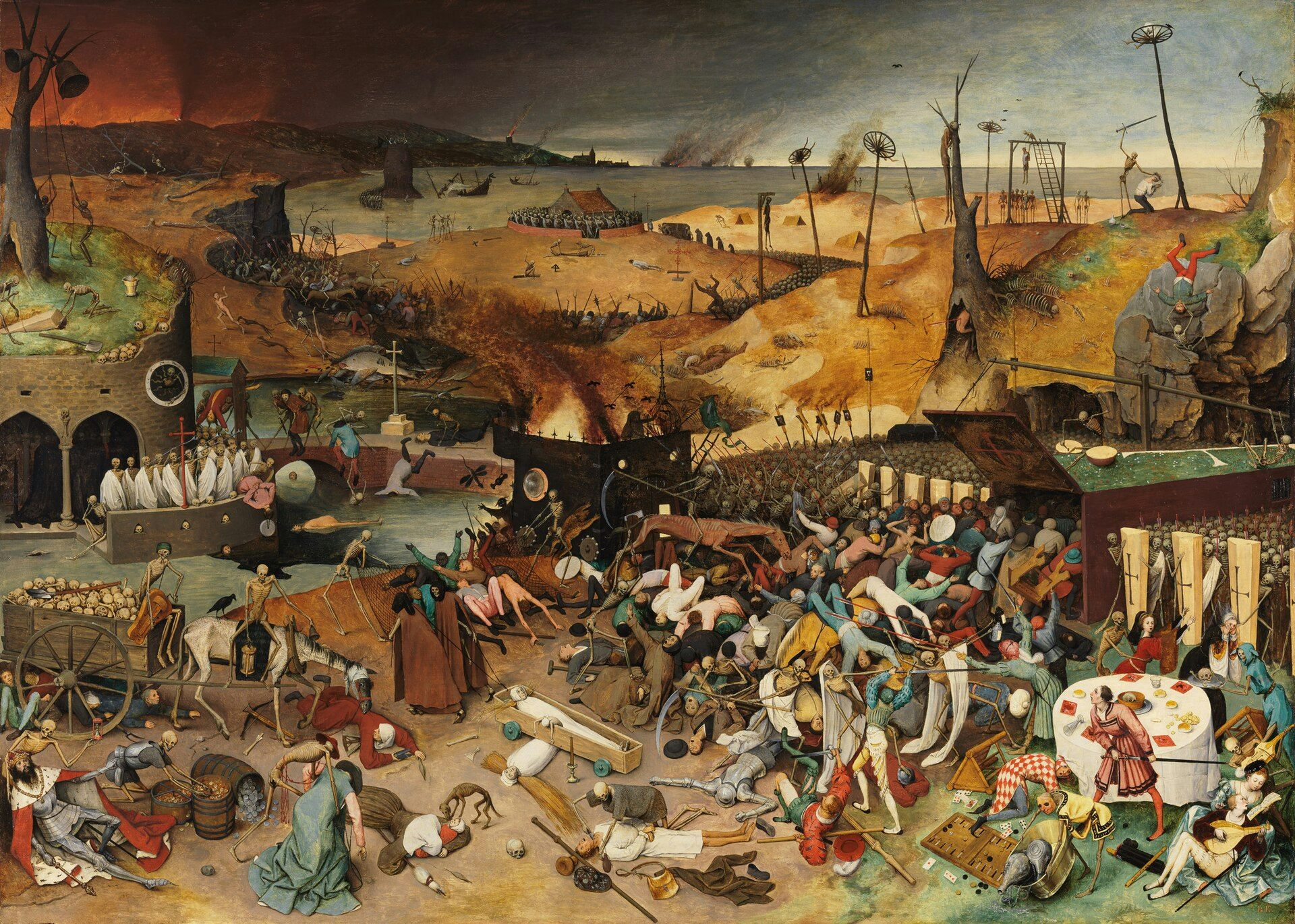
Given the sheer scale, many historians have focused on discovering details about those who died. Yet this has left the histories of those who contracted plague and recovered largely untold.
Dada la magnitud, muchos historiadores se han centrado en descubrir detalles sobre aquellos que murieron. Sin embargo, esto ha dejado las historias de aquellos que contrajeron la peste y se recuperaron en gran parte sin contar.
Despite the deadliness of the disease, it was possible to recover from plague, and medieval chroniclers mention the possibility – however unlikely – of survival. For example, Geoffrey le Baker, a clerk of Swinbrook in Oxfordshire, wrote in the following decade that he thought recovery depended on people’s symptoms:
A pesar de la letalidad de la enfermedad, era posible recuperarse de la peste, y los cronistas medievales mencionan la posibilidad –por muy improbable que sea– de supervivencia. Por ejemplo, Geoffrey le Baker, un escribano de Swinbrook en Oxfordshire, escribió en la década siguiente que pensaba que la recuperación dependía de los síntomas de las personas:
People who one day had been full of happiness, on the next were found dead. Some were tormented by boils which broke out suddenly in various parts of the body, and were so hard and dry that when they were lanced hardly any liquid flowed out. Many of these people escaped, by lancing the boils or by long suffering. Other victims had little black pustules scattered over the skin of the whole body. Of these people very few, indeed hardly any, recovered life and health.
Las personas que un día estaban llenas de felicidad, al siguiente se encontraban muertas. Algunos estaban atormentados por granos que brotaron repentinamente en varias partes del cuerpo, y eran tan duros y secos que cuando se les pinchaba apenas salía líquido. Muchos de estas personas escaparon, al pinchar los granos o por el largo sufrimiento. Otras víctimas tenían pequeñas pústulas negras esparcidas por toda la piel del cuerpo. De estas personas, muy pocas, de hecho casi ninguna, recuperaron la vida y la salud.
But who recovered? Why did so many succumb to the disease when others survived? And just how long was this “long suffering”? Unfortunately, there is remarkably little documentary evidence because most medieval sources record information about mortality rather than ill health.
¿Pero quién se recuperó? ¿Por qué sucumbieron tantas personas a la enfermedad cuando otras sobrevivieron? ¿Y cuánto tiempo fue este “largo sufrimiento”? Desafortunadamente, hay muy poca evidencia documental porque la mayoría de las fuentes medievales registran información sobre la mortalidad en lugar de la enfermedad.
Unique list of plague survivors
Lista única de supervivientes de la peste
A unique inclusion in the account of the manor of Warboys details a group of people who fell ill between the end of April and the start of August 1349. The monks of Ramsey Abbey wrote a list of their tenants who had fallen sufficiently sick that they could not work on the lord’s lands and detailed the length of time that they were absent.
Una inclusión única en el relato del señorío de Warboys detalla un grupo de personas que enfermaron entre finales de abril y principios de agosto de 1349. Los monjes del Monasterio de Ramsey escribieron una lista de sus inquilinos que se habían enfermado lo suficiente como para no poder trabajar en las tierras del señor y detallaron el tiempo que estuvieron ausentes.
People were clearly affected differently by their experience of plague.
Las personas se vieron afectadas de manera diferente por su experiencia de la peste.
The quickest recovery was that of Henry Broun who missed just a single week of work. By contrast, John Derworth and Agnes Mold had much more protracted illnesses and were both absent for nine weeks.
La recuperación más rápida fue la de Henry Broun, que se perdió solo una semana de trabajo. Por el contrario, John Derworth y Agnes Mold tuvieron enfermedades mucho más prolongadas y ambos estuvieron ausentes durante nueve semanas.
The average length of illness was between three and four weeks, with three-quarters of people returning to work in under a month. The speed of their recoveries is all the more surprising given that they were entitled to up to a year and a day of sick leave from work.
La duración promedio de la enfermedad fue de entre tres y cuatro semanas, y tres cuartas partes de las personas regresaron al trabajo en menos de un mes. La rapidez de sus recuperaciones es aún más sorprendente dado que tenían derecho a hasta un año y un día de permiso por enfermedad laboral.
This list of survivors includes a preponderance of tenants who occupied larger holdings on the manor. It has long been debated by historians and archaeologists whether the plague killed indiscriminately, with no regard to status, sex or age, or whether the poor and elderly were more vulnerable.
Esta lista de supervivientes incluye una preponderancia de inquilinos que ocupaban propiedades más grandes en el señorío. Historiadores y arqueólogos han debatido durante mucho tiempo si la peste mató indiscriminadamente, sin tener en cuenta el estatus, el sexo o la edad, o si los pobres y ancianos eran más vulnerables.
The survival of so many wealthier tenants could indicate that their higher living standards enabled them to recover more readily than their poorer neighbours, perhaps because they were able to stave off secondary infections and complications. We should not read any significance into the fact that 19 out of the 22 people were men: this reflects the gender bias of manorial landholding rather than any sex-selectivity of plague.
La supervivencia de tantos inquilinos más ricos podría indicar que sus mayores estándares de vida les permitieron recuperarse más fácilmente que a sus vecinos más pobres, quizás porque pudieron evitar infecciones y complicaciones secundarias. No debemos interpretar ninguna significación del hecho de que 19 de las 22 personas fueran hombres: esto refleja el sesgo de género de la tenencia de tierras señoriales en lugar de cualquier selectividad por sexo de la peste.
Although 22 people may not seem like many, in a regular year during the 1340s, only two or three absences were recorded during the summer months. It, therefore, represents a tenfold increase in regular illnesses on the manor. Put another way, these sick tenants were absent for 91 weeks’ worth of labour services during just a 13-week period.
Aunque 22 personas puede no parecer muchas, en un año normal durante la década de 1340, solo se registraron dos o tres ausencias durante los meses de verano. Por lo tanto, representa un aumento de diez veces en las enfermedades habituales en el señorío. Dicho de otra manera, estos inquilinos enfermos estuvieron ausentes durante 91 semanas de servicios laborales durante solo un período de 13 semanas.
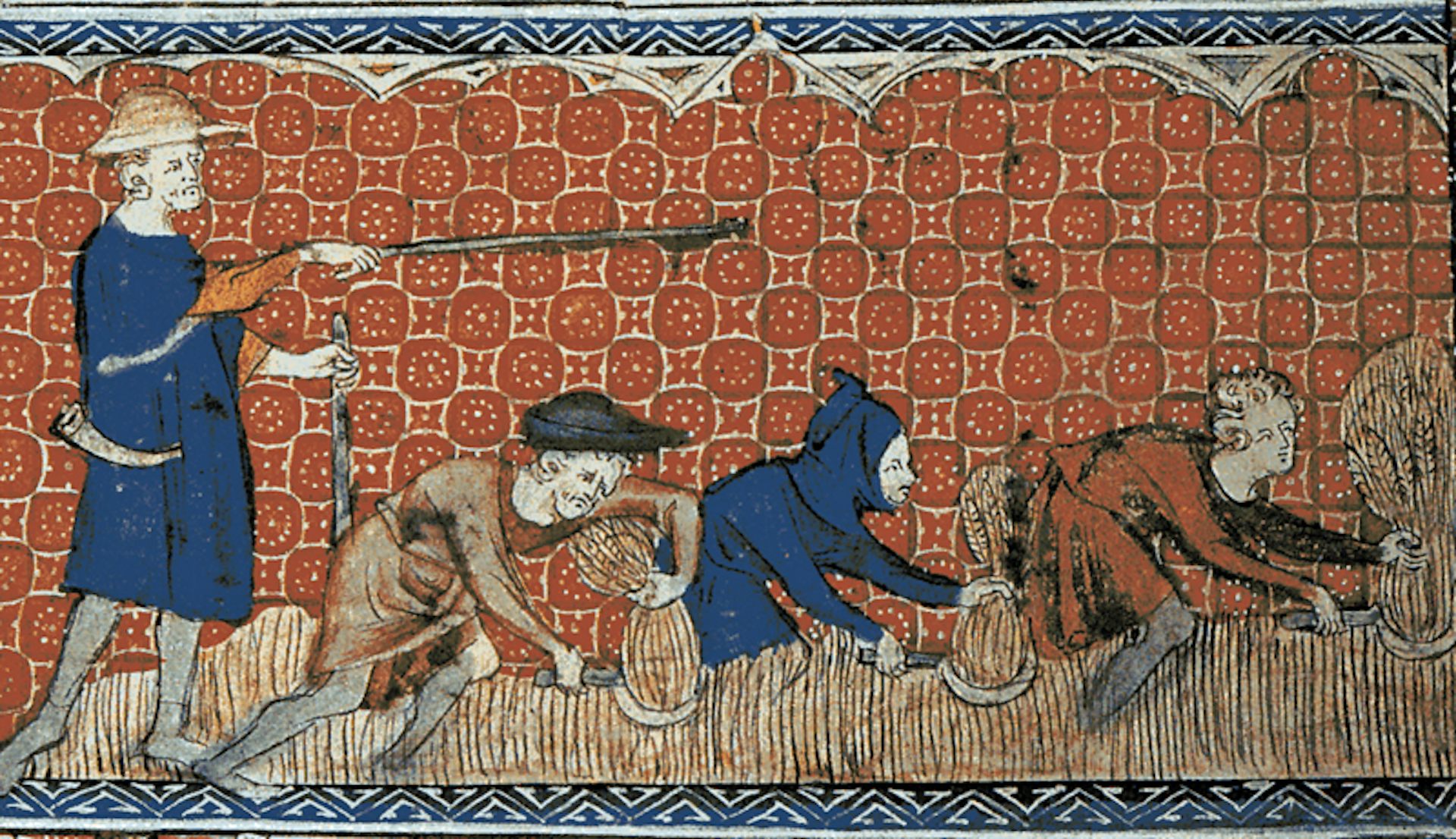
Our understanding of the impact of the Black Death has been influenced by the appalling scale of death. Yet it is only when we add those who fell ill and recovered back into the picture that we can truly understand the seismic shock the pandemic had on society. The dead, dying and sick must have considerably outnumbered the living in villages and cities across Europe.
Nuestra comprensión del impacto de la Peste Negra ha sido influenciada por la espantosa escala de la muerte. Sin embargo, es solo cuando añadimos a quienes se enfermaron y se recuperaron de nuevo a la imagen que podemos comprender verdaderamente el impacto sísmico que la pandemia tuvo en la sociedad. Los muertos, los moribundos y los enfermos deben haber superado considerablemente a los vivos en los pueblos y ciudades de toda Europa.
The consequences of this can be seen in medieval accounts and chronicles, one of which records that “there was so great a shortage of servants and labourers that there was no one who knew what needed to be done”. As a result of this combination of high mortality, unprecedented illness and abysmal weather, the two harvests of 1349 and 1350 have been described as the worst experienced in medieval England, worse even than those that caused the great famine of 1315-17.
Las consecuencias de esto se pueden ver en los relatos y crónicas medievales, una de las cuales registra que “hubo tanta escasez de sirvientes y trabajadores que nadie sabía lo que se debía hacer”. Como resultado de esta combinación de alta mortalidad, enfermedad sin precedentes y clima pésimo, las dos cosechas de 1349 y 1350 han sido descritas como las peores experimentadas en Inglaterra medieval, peor incluso que las que causaron la gran hambruna de 1315-17.
This archival discovery allows us to write the history of sickness and recovery back into the Black Death, demonstrating that recovery was possible even during one of the worst pandemics in recorded history.
Este descubrimiento archivístico nos permite escribir la historia de la enfermedad y la recuperación dentro de la Peste Negra, demostrando que la recuperación fue posible incluso durante una de las peores pandemias registradas en la historia.
This new evidence reveals the remarkable resilience of medieval peasants. Many of them lay languishing on their sickbeds, exhibiting buboes (the painful, swollen and inflamed lymph nodes on the groin and neck that were typical of the Black Death) , vomiting blood and wracked by fevers and not only survived but returned to work in just a few short weeks.
Esta nueva evidencia revela la notable resiliencia de los campesinos medievales. Muchos de ellos yacían languideciendo en sus camas enfermas, exhibiendo bubones (los ganglios linfáticos dolorosos, hinchados e inflamados en la ingle y el cuello que eran típicos de la Peste Negra) , vomitando sangre y sufriendo fiebres, y no solo sobrevivieron, sino que regresaron al trabajo en solo unas pocas semanas.
Research for this article was conducted thanks to funding from a Leverhulme Trust research project grant, ‘Modelling the Black Death and Social Connectivity in Medieval England’.
La investigación para este artículo se llevó a cabo gracias a la financiación de una subvención del proyecto de investigación de Leverhulme Trust, ‘Modelado de la Peste Negra y Conexión Social en Inglaterra Medieval’.
Dr Grace Owen is a postdoctoral research associate on the Leverhulme-Trust funded project, ‘Modelling the Black Death and Social Connectivity in Medieval England’.
La Dra. Grace Owen es asociada de investigación postdoctoral en el proyecto financiado por Leverhulme-Trust, ‘Modelado de la Peste Negra y Conexión Social en Inglaterra Medieval’.
Read more
-
Chicas en bandas: dos íconos del rock de los 90 sobre el romance, la implacabilidad y los hombres aburridos
Girls in bands: two 90s rock icons on romance, ruthlessness and boring men
-

‘El poder ejecutivo está sujeto a pesos y contrapesos’: por qué el rey Carlos citó la Carta Magna en el Congreso de EE. UU.
‘Executive power is subject to checks and balances’: why King Charles cited Magna Carta in the US Congress