Las compositoras y productoras negras de Motown fueron las arquitectas invisibles detrás del gigante de la música pop.
Motown’s Black women songwriters and producers were the invisible architects behind the pop music juggernaut
Few people probably know the female songwriters featured in this article, yet Motown relied heavily upon their contributions to cement its place in music history.
Probablemente pocas personas conocen a las compositoras femeninas presentadas en este artículo, sin embargo, Motown dependió en gran medida de sus contribuciones para cimentar su lugar en la historia de la música.
During the 1960s, in a country divided by racial strife, the music of Berry Gordy Jr.’s Motown Records helped bring people together.
Durante la década de 1960, en un país dividido por conflictos raciales, la música de Motown Records de Berry Gordy Jr. ayudó a unir a la gente.
Motown was noted for star performers like Mary Wells, The Miracles, The Supremes, The Temptations, Martha Reeves and the Vandellas, Marvin Gaye and Stevie Wonder. But, behind the scenes, a talented group of lesser known women were driving the hits in Hitsville U.S.A.
Motown era conocida por estrellas como Mary Wells, The Miracles, The Supremes, The Temptations, Martha Reeves and the Vandellas, Marvin Gaye y Stevie Wonder. Pero, tras bambalinas, un talentoso grupo de mujeres menos conocidas impulsaban los éxitos en Hitsville, EE. UU.
I’m a scholar of popular culture and author of the biography “It’s No Wonder: The Life and Times of Motown’s Legendary Songwriter Sylvia Moy.” Researching my book inspired me to find other women who contributed to the Detroit label’s era of chart dominance and helped change the music industry, despite going largely unrecognized for their efforts.
Soy académica de cultura popular y autora de la biografía “It’s No Wonder: The Life and Times of Motown’s Legendary Songwriter Sylvia Moy.” Investigar mi libro me inspiró a encontrar otras mujeres que contribuyeron a la era de dominio de las listas de éxitos de la disquera de Detroit y ayudaron a cambiar la industria musical, a pesar de que sus esfuerzos pasaron en gran parte desapercibidos.
I listened to Motown growing up, but it wasn’t until 2021, while sitting at home during the pandemic, that I discovered Moy’s history as the lyricist for Stevie Wonder and how she helped revive his early career.
Escuché Motown cuando crecía, pero no fue hasta 2021, mientras estaba en casa durante la pandemia, que descubrí la historia de Moy como letrista de Stevie Wonder y cómo ayudó a revivir su carrera temprana.
Because Moy died in 2017, I wasn’t able to speak with her for the book. Instead I researched her life by reading countless interviews she gave, along with talking to her former colleagues at Motown, family and ethnomusicologists, who are scholars that study music through the lens of culture.
Debido a que Moy murió en 2017, no pude hablar con ella para el libro. En su lugar, investigué su vida leyendo innumerables entrevistas que dio, además de hablar con sus antiguos colegas de Motown, familiares y etnomusicólogos, quienes son académicos que estudian la música a través del lente de la cultura.
Architect of the early sound
Arquitecta del sonido inicial
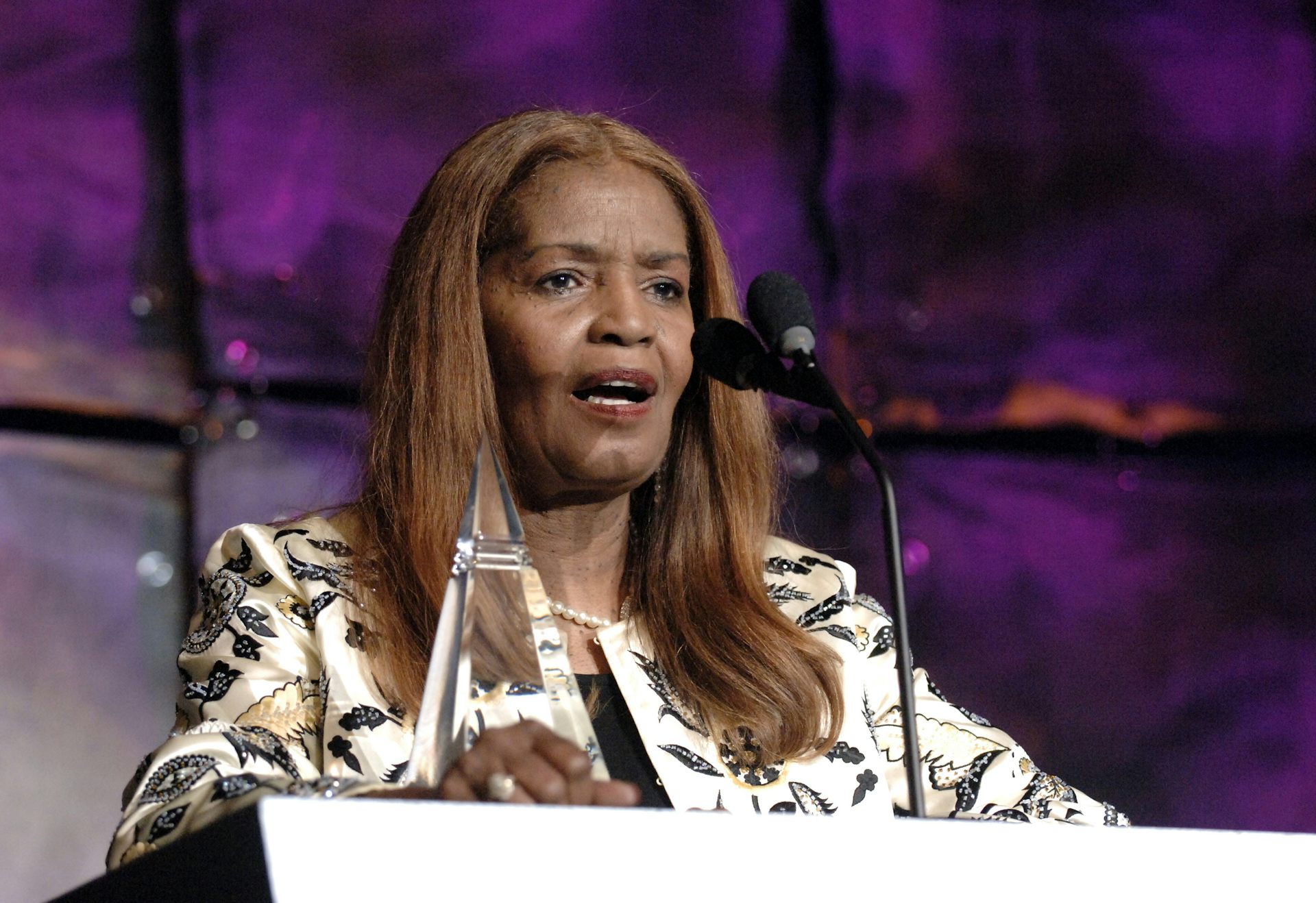
When Gordy was organizing his company, Janie Bradford was one of the original five founding members who arrived in 1958. She was the label’s first secretary and its first female songwriter after co-writing, with Gordy, the song “Money (That’s What I Want) .” That song was released on Tamla Records in 1959 and performed by Barrett Strong. When Motown was incorporated the following year, the song became the label’s first hit record on the R&B chart and Billboard Hot 100.
Cuando Gordy estaba organizando su compañía, Janie Bradford fue uno de los cinco miembros fundadores originales que llegaron en 1958. Fue la primera secretaria del sello y la primera compositora femenina después de coescribir, con Gordy, la canción “Money (That’s What I Want) .” Esa canción fue lanzada en Tamla Records en 1959 y interpretada por Barrett Strong. Cuando Motown se incorporó al año siguiente, la canción se convirtió en el primer éxito del sello en las listas de R&B y Billboard Hot 100.
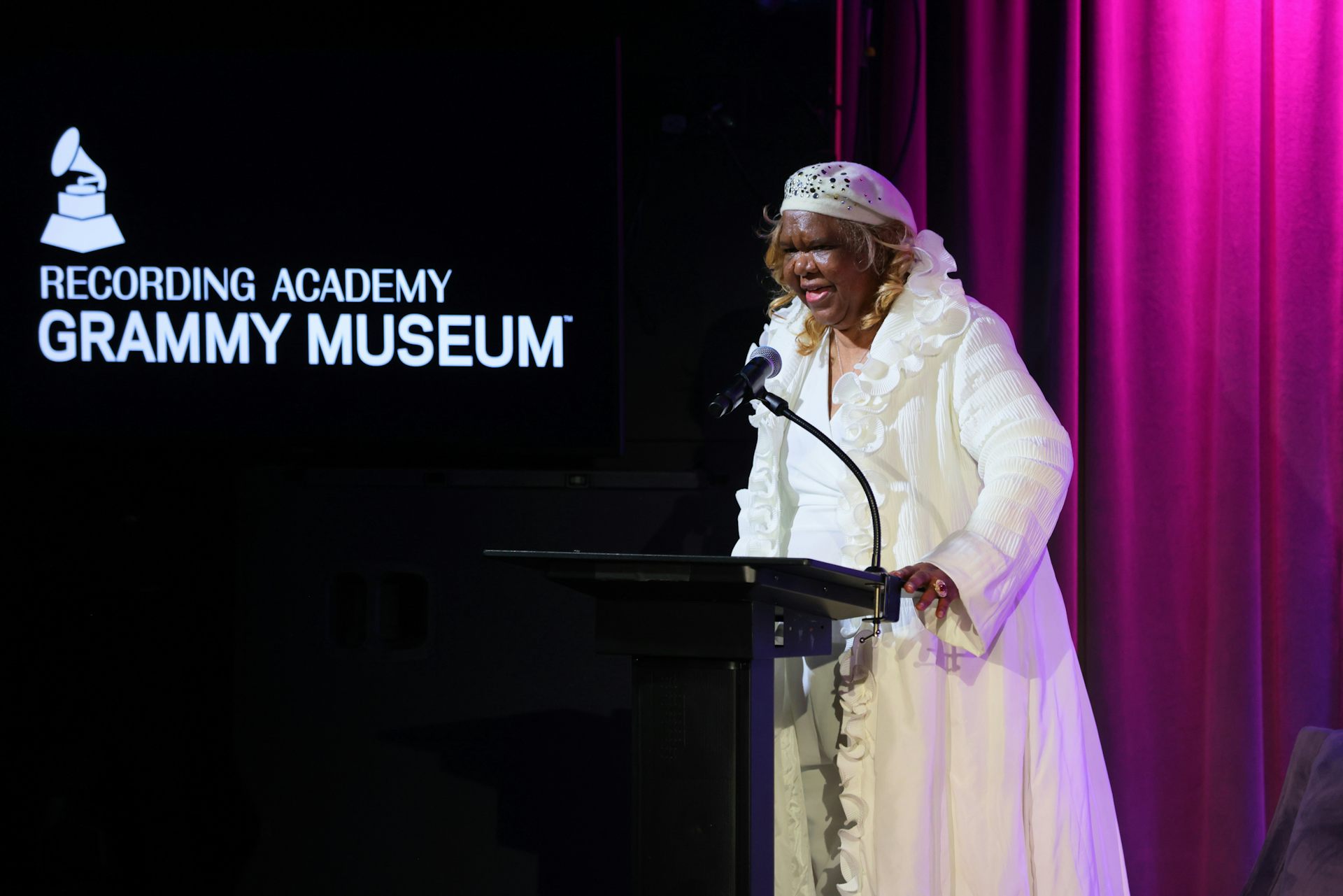
Later, Bradford co-wrote “Contract on Love” for Wonder and “Too Busy Thinking About My Baby,” first recorded by The Temptations and later, Marvin Gaye. Bradford, who later became Motown’s director of writer’s relations, teamed up with pianist Richard “Popcorn” Wylie in the early 1960s to form Janard, a small production company.
Más tarde, Bradford coescribió “Contract on Love” para Wonder y “Too Busy Thinking About My Baby,” grabada primero por The Temptations y luego por Marvin Gaye. Bradford, quien más tarde se convirtió en la directora de relaciones con escritores de Motown, se asoció con el pianista Richard “Popcorn” Wylie a principios de los años 60 para formar Janard, una pequeña compañía de producción.
Bradford’s collection of poetry is what captured Gordy’s attention, so he encouraged her to be a songwriter. Her witty lyrics told stories about situations that most anyone could relate to – namely, money and love – blended with up-tempo, thumping beats.
La colección de poesía de Bradford fue lo que capturó la atención de Gordy, por lo que lo animó a que fuera compositora. Sus ingeniosas letras contaban historias sobre situaciones con las que casi cualquiera podía identificarse —es decir, el dinero y el amor— mezcladas con ritmos pulsantes y rápidos.
Laying the foundation as a producer
Laying the foundation as a producer
Another key figure who paved the way with the Motown sound was Raynoma Gordy Singleton, who was married to Berry Gordy Jr. from 1960 to 1964. She organized Motown during its beginnings by completing the necessary paperwork to incorporate the business. Known as “Miss Ray” to some and “Mother Motown” to others, she located the legendary house at 2648 West Grand Boulevard that became the Motown headquarters and, decades later, the Motown Museum.
Otra figura clave que allanó el camino con el sonido Motown fue Raynoma Gordy Singleton, quien estuvo casada con Berry Gordy Jr. de 1960 a 1964. Ella organizó Motown durante sus inicios completando la documentación necesaria para incorporar el negocio. Conocida como “Miss Ray” para algunos y “Mother Motown” para otros, localizó la legendaria casa en el 2648 West Grand Boulevard que se convirtió en la sede de Motown y, décadas más tarde, en el Motown Museum.
In her role as the label’s first executive vice president, she established a tape library. A piano virtuoso and singer, the Cass Technical High School graduate wrote that she was able to play all string and wind instruments. As a result, she became the company’s first female arranger and producer by putting together its first backup vocal group, the Rayber Voices, in 1958.
En su papel como primera vicepresidenta ejecutiva del sello, estableció una biblioteca de cintas. Pianista virtuosa y cantante, la graduada de la Escuela Técnica Cass escribió que fue capaz de tocar todos los instrumentos de cuerda y viento. Como resultado, se convirtió en la primera arreglista y productora de la compañía al formar su primer grupo de coros de apoyo, las Rayber Voices, en 1958.
“Producing records was where the action was controlled – and where the money was to be made,” she wrote in her memoir, “The Untold Story: Berry, Me, and Motown,” which aimed to reclaim her place in the Motown echelon.
“Producir discos era donde se controlaba la acción, y donde se hacía el dinero”, escribió en sus memorias, “The Untold Story: Berry, Me, and Motown”, obra que buscaba reclamar su lugar en el escalafón de Motown.
During the 1960s, women weren’t considered producers because of broader biases and norms in the male-dominated music industry. Even so, Miss Ray got credit for producing Jimmy Ruffin’s song “Don’t Feel Sorry for Me” in 1961.
Durante la década de 1960, a las mujeres no se las consideraba productoras debido a sesgos y normas más amplias en la industria musical dominada por hombres. Aun así, Miss Ray recibió crédito por producir la canción “Don’t Feel Sorry for Me” de Jimmy Ruffin en 1961.
Earning a producer’s credit was a sign of legitimacy. Most producers received a songwriting credit and determined who received credit in the liner notes for their contribution to the recording.
Obtener el crédito de productora era un signo de legitimidad. La mayoría de los productores recibían un crédito de compositor y determinaban quién recibía crédito en las notas del álbum por su contribución a la grabación.
While women mostly worked in administrative roles at Motown, there still weren’t any female full-time, in-house songwriters and producers. Like the rest of the music industry back then, Motown’s internal structure was patriarchal with those positions.
Aunque las mujeres trabajaban principalmente en roles administrativos en Motown, aún no había compositoras y productoras internas a tiempo completo. Al igual que el resto de la industria musical en ese momento, la estructura interna de Motown era patriarcal en esos puestos.
The first certified female songwriter and producer
La primera compositora y productora profesional
Yet this imbalanced gender dynamic at Motown didn’t stop Sylvia Moy.
Sin embargo, esta dinámica de género desequilibrada en Motown no detuvo a Sylvia Moy.
There hadn’t been any women producers behind significant, popular songs at Motown until Moy arrived, according to interviews I conducted for her biography.
Según entrevistas que realicé para su biografía, no había mujeres productoras detrás de canciones populares y significativas en Motown hasta que llegó Moy.
Motown was at its peak in 1964. Demand for new songs was intense. When the label’s executives realized how skillfully the two audition songs Moy performed were composed, they decided that her future was in songwriting instead of singing.
Motown estaba en su apogeo en 1964. La demanda de nuevas canciones era intensa. Cuando los ejecutivos del sello se dieron cuenta de lo hábilmente compuestas eran las dos canciones de audición que Moy interpretó, decidieron que su futuro estaba en la composición de canciones en lugar de cantar.
Discovered by William “Mickey” Stevenson and Marvin Gaye, Moy was hired as the first female in-house songwriter, competing with eminent colleagues like Smokey Robinson, Norman Whitfield and the songwriting trio Holland-Dozier-Holland who wrote 10 of the Supremes’ chart-topping singles. Moy made more history in 1965 after co-writing and co-producing Stevie Wonder’s “Uptight (Everything’s Alright) .”
Descubierta por William “Mickey” Stevenson y Marvin Gaye, Moy fue contratada como la primera compositora interna femenina, compitiendo con colegas eminentes como Smokey Robinson, Norman Whitfield y el trío de compositores Holland-Dozier-Holland, quienes escribieron 10 de los sencillos más exitosos de The Supremes. Moy hizo más historia en 1965 después de coescribir y coproducir “Uptight (Everything’s Alright) ” de Stevie Wonder.
While she received the songwriting credit and helped revive the teenaged Wonder’s career, Moy wasn’t given the producer’s credit, unlike her two male counterparts, Stevenson and Henry “Hank” Cosby.
Aunque recibió el crédito de compositora y ayudó a revivir la carrera del joven Wonder, a Moy no se le otorgó el crédito de productora, a diferencia de sus dos contrapartes masculinos, Stevenson y Henry “Hank” Cosby.
A lack of recognition stymied Moy’s career opportunities. If a songwriter or producer wasn’t credited, their value could not be validated or established, which made it harder for them to find work at other record labels.
La falta de reconocimiento obstaculizó las oportunidades profesionales de Moy. Si a una compositora o productora no se le daba crédito, su valor no podía validarse ni establecerse, lo que le dificultaba encontrar trabajo en otros sellos discográficos.
According to my research, Moy revealed that she never got producer credit for any of her work while at Motown. This is why her legacy was buried for so long.
Según mi investigación, Moy reveló que nunca recibió crédito de productora por nada de su trabajo mientras estuvo en Motown. Por eso su legado estuvo enterrado durante tanto tiempo.
Other tunes she wrote for Wonder were “I Was Made to Love Her,” “My Cherie Amour” and “With A Child’s Heart,” co-written with Vicki Basemore. Moy also wrote Marvin Gaye and Kim Weston’s “It Takes Two” and The Isley Brothers’ “This Old Heart of Mine (Is Weak For You) .” Though songwriter Eddie Holland told me he gave her a co-writing credit for “This Old Heart of Mine,” Moy’s name was not listed on the record, only Holland-Dozier-Holland.
Otras canciones que escribió para Wonder fueron “I Was Made to Love Her”, “My Cherie Amour” y “With A Child’s Heart”, coescritas con Vicki Basemore. Moy también escribió “It Takes Two” de Marvin Gaye y Kim Weston, y “This Old Heart of Mine (Is Weak For You) ” de The Isley Brothers. Aunque el compositor Eddie Holland me dijo que le dio un crédito de coautoría por “This Old Heart of Mine”, el nombre de Moy no figuró en el disco, solo Holland-Dozier-Holland.
Interviews I conducted with Moy’s family members and research from an ethnomusicologist suggest she was even an uncredited co-writer for Wonder’s “Signed, Sealed, Delivered (I’m Yours) ,” his first song as a solo producer, and The Temptations’ “Ain’t Too Proud to Beg.”
Entrevistas que realicé con los familiares de Moy y la investigación de un etnomusicólogo sugieren que incluso fue una coautora no acreditada de “Signed, Sealed, Delivered (I’m Yours) ” de Wonder, su primera canción como productor en solitario, y de “Ain’t Too Proud to Beg” de The Temptations.
However, Holland denied this claim in an interview with me, though he also admitted that the song’s late co-writer and producer, Norman Whitfield, presented him with the lyrics, and he wasn’t sure where they came from.
Sin embargo, Holland negó esta afirmación en una entrevista conmigo, aunque también admitió que el coautor y productor tardío de la canción, Norman Whitfield, se lo presentó las letras, y que él no estaba seguro de dónde provenían.
Full credit along with creative control
Crédito total junto con control creativo
In 1968, Valerie Simpson became Motown’s first female songwriter to also receive a producer credit. This possibly happened because her songwriting partner was her husband, Nickolas Ashford.
En 1968, Valerie Simpson se convirtió en la primera compositora de Motown en recibir también un crédito de productora. Esto pudo haber sucedido porque su compañera de composición fue su esposo, Nickolas Ashford.
Other famous female songwriters like Carole King, Ellie Greenwich and Cynthia Weil also had a prominent husband in the music industry. Sylvia Moy did not, which made what she did unprecedented.
Otras compositoras famosas como Carole King, Ellie Greenwich y Cynthia Weil también tuvieron un esposo prominente en la industria musical. Sylvia Moy no lo tuvo, lo que hizo que lo que ella hizo fuera sin precedentes.
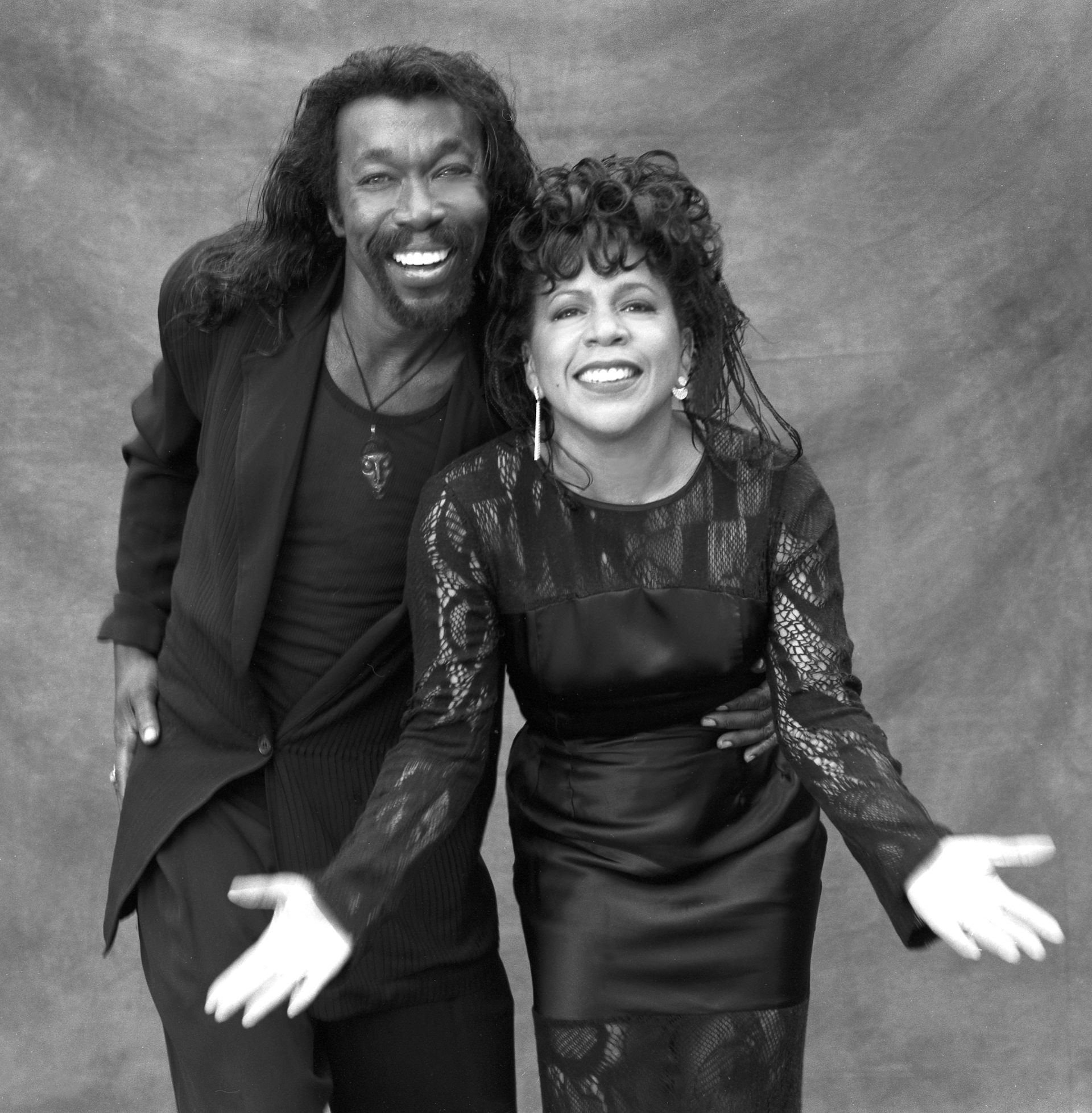
Simpson told Billboard in 2023 that the credit was difficult to attain because so few women were producers back then. It finally happened with the Tammi Terrell and Marvin Gaye song “Ain’t Nothing Like The Real Thing,” with Simpson getting credit for co-writing, co-producing and performing background vocals along with Ashford.
Simpson dijo a Billboard en 2023 que el crédito era difícil de obtener porque había muy pocas mujeres productoras en aquel entonces. Finalmente sucedió con la canción de Tammi Terrell y Marvin Gaye, “Ain’t Nothing Like The Real Thing”, con Simpson recibiendo crédito por coescribir, coproducir y realizar coros junto con Ashford.
This was their third hit tune by Terrell and Gaye, who also recorded “Ain’t No Mountain High Enough” and “Your Precious Love,” in 1967. The following year, they had another hit with “You’re All I Need to Get By,” which Ashford and Simpson also co-wrote, co-produced and did background vocals on.
Esta fue su tercera canción exitosa de Terrell y Gaye, quienes también grabaron “Ain’t No Mountain High Enough” y “Your Precious Love”, en 1967. El año siguiente, tuvieron otro éxito con “You’re All I Need to Get By”, que Ashford y Simpson también coescribieron, coprodujeron y en el que realizaron coros.
Simpson became the first Black woman to be inducted into the Songwriters Hall of Fame in 2002. Moy became the second in 2006.
Simpson se convirtió en la primera mujer negra en ser incluida en el Salón de la Fama de los Compositores en 2002. Moy fue la segunda en 2006.
Though female songwriters and producers continue the fight for inclusion in the recording studio, the doors were opened by the tenacious women of Motown. It is because of them that future generations of female creatives know what is possible.
Aunque las compositoras y productoras continúan la lucha por la inclusión en el estudio de grabación, las puertas fueron abiertas por las tenaces mujeres de Motown. Es gracias a ellas que las futuras generaciones de creativas saben lo que es posible.
Margena A. Christian does not work for, consult, own shares in or receive funding from any company or organization that would benefit from this article, and has disclosed no relevant affiliations beyond their academic appointment.
Margena A. Christian no trabaja para, asesora, posee acciones de, ni recibe financiación de ninguna empresa u organización que se beneficiaría de este artículo, y no ha revelado afiliaciones relevantes más allá de su nombramiento académico.
Read more
-

¿Tiene razón Richard Dawkins sobre Claude? No. Pero no es de extrañar que los chatbots de IA nos hagan sentir que son conscientes.
Is Richard Dawkins right about Claude? No. But it’s not surprising AI chatbots feel conscious to us
-

Gaza: seis meses de alto el fuego han dejado el territorio en ruinas y con poca visión para el futuro de su gente
Gaza: six months of ceasefire have left the territory in rubble and little vision for the future of its people