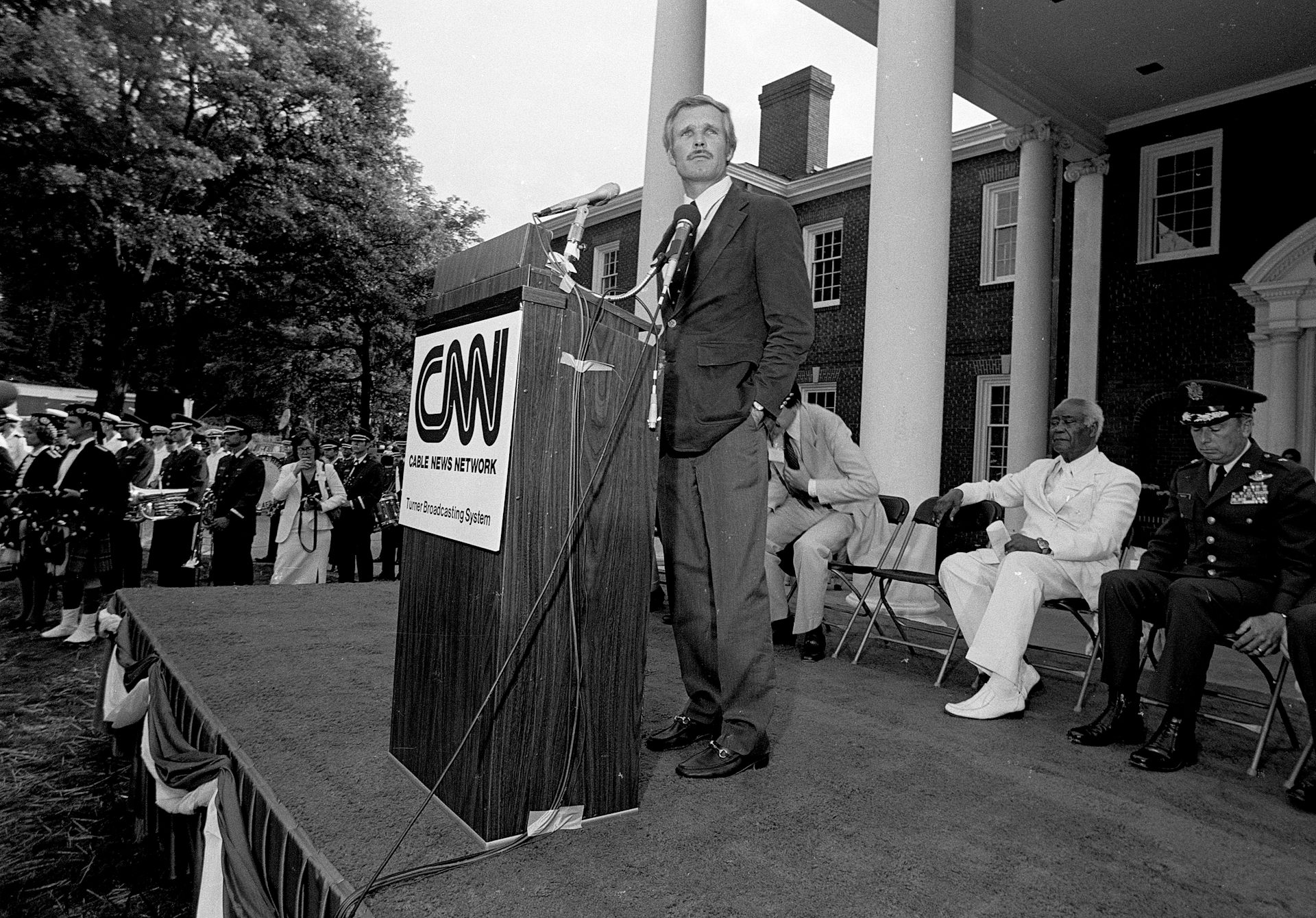
لم يقتصر تيد ترنر على إحداث ثورة في التلفزيون، بل غيّر طريقة رؤيتنا لعالمنا.
Ted Turner didn’t just revolutionize television − he changed the way we see our world
The profusion of video access to anywhere on earth, at any time of day or night, was unimaginable before Turner’s work to make CNN conceivable and then real.
كانت وفرة الوصول المرئي إلى أي مكان على وجه الأرض، في أي وقت من اليوم أو الليل، أمرًا لا يمكن تصوره قبل عمل ترنر الذي جعل شبكة CNN قابلة للتصور ثم واقعاً.
Ted Turner, who died on April 6, 2026, was bright, shrewd and, most of all, lucky. The cable TV visionary proved to be in the right place, at the right time, to change television and video news forever.
كان تيد ترنر، الذي توفي في 6 أبريل 2026، رجلاً لامعاً، وفطناً، والأهم من ذلك، محظوظاً. أثبت صاحب الرؤية في تلفزيون الكابل أنه في المكان المناسب، وفي الوقت المناسب، ليغير التلفزيون والأخبار المرئية إلى الأبد.
Most of his big gambles, on things such as the MGM studio and library, which led to the creation of the Turner Classic Movies channel, paid off handsomely.
لقد حققت معظم مغامراته الكبرى، المتعلقة بأشياء مثل استوديو ومكتبة MGM، والتي أدت إلى إنشاء قناة “Turner Classic Movies”، نتائج باهرة.
But Turner will be remembered mostly for the creation and development of the Cable News Network – CNN – which launched in 1980 and made our knowledge of distant events instantaneous and our world more comprehensible. In this sense, Turner’s legacy extends beyond television. He changed our conception not only of journalism but also of our world.
لكن سيُذكر ترنر في الغالب بإنشاء وتطوير شبكة الأخبار السلكية – CNN – التي أُطلقت عام 1980 وجعلت معرفتنا بالأحداث البعيدة فورية وعالمنا أكثر قابلية للفهم. بهذا المعنى، يتجاوز إرث ترنر التلفزيون. لقد غيّر مفهومنا ليس فقط للصحافة بل لعالمنا أيضاً.
Turner’s obituaries note his record-setting philanthropy, his impressive conservation efforts and his campaign to make the world safer by securing post-Soviet Union era nuclear weaponry. Over the course of his 87 years, Turner proved an outstanding yachtsman, an active and involved sports team owner and a quotable maverick in the business world.
تذكر سيرته الذاتية أعماله الخيرية القياسية، وجهوده المثيرة للإعجاب في مجال الحفاظ على البيئة، وحملته لجعل العالم أكثر أماناً من خلال تأمين الأسلحة النووية في حقبة ما بعد الاتحاد السوفيتي. على مدى سنواته الـ 87، أثبت ترنر أنه يخت خيالي بارع، وصاحب فريق رياضي نشط ومشارك، وشخصية مستقلة ومثيرة للحديث في عالم الأعمال.
Yet as a scholar of broadcast history – and a former CNN employee – I think Turner’s ultimate legacy is a bit more atmospheric than measurable.
ومع ذلك، بصفتي باحثاً في تاريخ البث – وموظفاً سابقاً في CNN – أعتقد أن الإرث الأسمى لترنر أكثر جوّية من أن يكون قابلاً للقياس.
He changed the media ecology in profound and lasting ways. CNN’s arrival disrupted an established media environment, in which broadcast journalism routines and audience viewing habits had become standardized by the ABC, CBS and NBC TV networks.
لقد غيّر البيئة الإعلامية بطرق عميقة ودائمة. أدى وصول CNN إلى تعطيل بيئة إعلامية راسخة، كانت فيها روتينات الصحافة المذاعة وعادات المشاهدة الجماهيرية قد أصبحت موحدة من قبل شبكات ABC وCBS وNBC التلفزيونية.
The ramshackle early CNN, with its farcical “world headquarters” housed in a former Atlanta-area country club, was derided as the “Chicken Noodle Network” by veteran network journalists. But by the mid-1980s it had established profitability, and by 1991, with the collapse of the Soviet Union and the Gulf War, it assumed a singular position in America’s – and the world’s – information environment.
كانت شبكة CNN المبكرة، التي كانت أشبه بالبناء المتهالك، ومقرها “الرئيسي العالمي” الساخر في نادٍ ريفي سابق بمنطقة أتلانتا، تُسخر منها من قبل الصحفيين المخضرمين في الشبكات، ووُصفت بـ “شبكة الدجاج والمعكرونة.” ولكن بحلول منتصف الثمانينات، كانت قد حققت الربحية، وبحلول عام 1991، مع انهيار الاتحاد السوفيتي وحرب الخليج، احتلت موقعاً فريداً في البيئة المعلوماتية الأمريكية – والعالمية.
CNN had matured to respectability, and Turner was recognized as a visionary by Time magazine, which named him 1991’s Man of the Year. His idea had blossomed into a new arena for global information sharing, and his cable network fully competed with the established broadcast channels on big stories throughout the 1990s.
نضجت شبكة CNN لتكتسب الاحترام، واعتُرف بترنر كشخص صاحب رؤية من قبل مجلة تايم، التي أطلقته لقب “رجل العام” لعام 1991. وقد تفتحت فكرته لتصبح ساحة جديدة لمشاركة المعلومات العالمية، وتنافست شبكته السلكية بالكامل مع قنوات البث الراسخة في تغطية القصص الكبرى طوال التسعينيات.
Right place, right time, right team
المكان المناسب، والوقت المناسب، والفريق المناسب
Turner’s cable TV news revolution required significant collaboration. The fulfillment of his vision needed luck, inherited money, innovative new technologies, supportive partners and even federal regulatory intervention.
تطلبت ثورة الأخبار التلفزيونية عبر الكابل التي قادها تيرنر تعاوناً كبيراً. وقد تطلب تحقيق رؤيته الحظ، والأموال الموروثة، والتقنيات الجديدة المبتكرة، والشركاء الداعمين، وحتى التدخل التنظيمي الفيدرالي.
For example, had Newton Minow’s Federal Communications Commission not pushed Congress to pass the All-Channel Receiver Act of 1962, American TV manufacturers would likely never have placed the UHF dial on their sets. That UHF dial made additional local TV competition possible by allowing more stations to broadcast.
على سبيل المثال، لولا أن لجنة الاتصالات الفيدرالية التابعة لنيوتن مينو ضغطت على الكونغرس لإقرار قانون جهاز الاستقبال لجميع القنوات عام 1962، لما أدرج مصنعو التلفزيون الأمريكيون قرص الترددات العالية جداً (UHF) على أجهزتهم على الأرجح. وقد جعل قرص الترددات العالية جداً هذا المنافسة المحلية الإضافية للتلفزيون ممكنة من خلال السماح بتبث المزيد من المحطات.
In 1970, Turner purchased UHF Channel 17 in Atlanta, which he named WTGC for “Turner Communications Group,” and UHF Channel 36 in Charlotte, North Carolina, which he named WRET for “Robert Edward Turner,” and began building his broadcasting empire.
في عام 1970، اشترى تيرنر القناة 17 ذات التردد العالي جداً في أتلانتا، وأطلق عليها اسم WTGC لمجموعة “تيرنر للاتصالات”، والقناة 36 ذات التردد العالي جداً في شارلوت، كارولينا الشمالية، وأطلق عليها اسم WRET لـ “روبرت إدوارد تيرنر”، وبدأ في بناء إمبراطوريته الإذاعية.
By the mid-1970s, the cost of satellite distribution to cable system operators had decreased to such an extent that Turner realized – and seized – an opportunity to nationally distribute his local station. He worked with satellite and cable system operators, building early relationships that would prove beneficial to everyone in the cable industry as it developed over the 1980s and’90s.
بحلول منتصف السبعينيات، انخفضت تكلفة التوزيع عبر الأقمار الصناعية لمشغلي أنظمة الكابل إلى درجة جعلت تيرنر يدرك – ويستغل – فرصة توزيع محطته المحلية على المستوى الوطني. وقد عمل مع مشغلي الأقمار الصناعية وأنظمة الكابل، وبنى علاقات مبكرة أثبتت أنها مفيدة للجميع في صناعة الكابل مع تطورها خلال الثمانينيات والتسعينيات.
In 1979 and 1980, he used these relationships to build the first 24-hour TV network, but it was his internal hires that made the original channel function. To launch CNN, Turner hired veterans of the TV news business, including Robert Wussler, who had previously been president of CBS Sports and the CBS Television Network. And he hired Reese Schonfeld, who had previously founded the Independent Television News Association, a national syndicator of pooled local TV programming.
في عامي 1979 و 1980، استخدم هذه العلاقات لبناء أول شبكة تلفزيونية تعمل على مدار 24 ساعة، لكن موظفيه الداخليين هم من جعلوا القناة الأصلية تعمل. لإطلاق شبكة CNN، وظف تيرنر مخضرمين في مجال أخبار التلفزيون، بمن فيهم روبرت ووسلر، الذي كان سابقاً رئيساً لقسم رياضة CBS وشبكة تلفزيون CBS. كما وظف ريس شونفيلد، الذي أسس سابقاً جمعية الأخبار التلفزيونية المستقلة، وهي جهة وطنية لتجميع برامج التلفزيون المحلية.
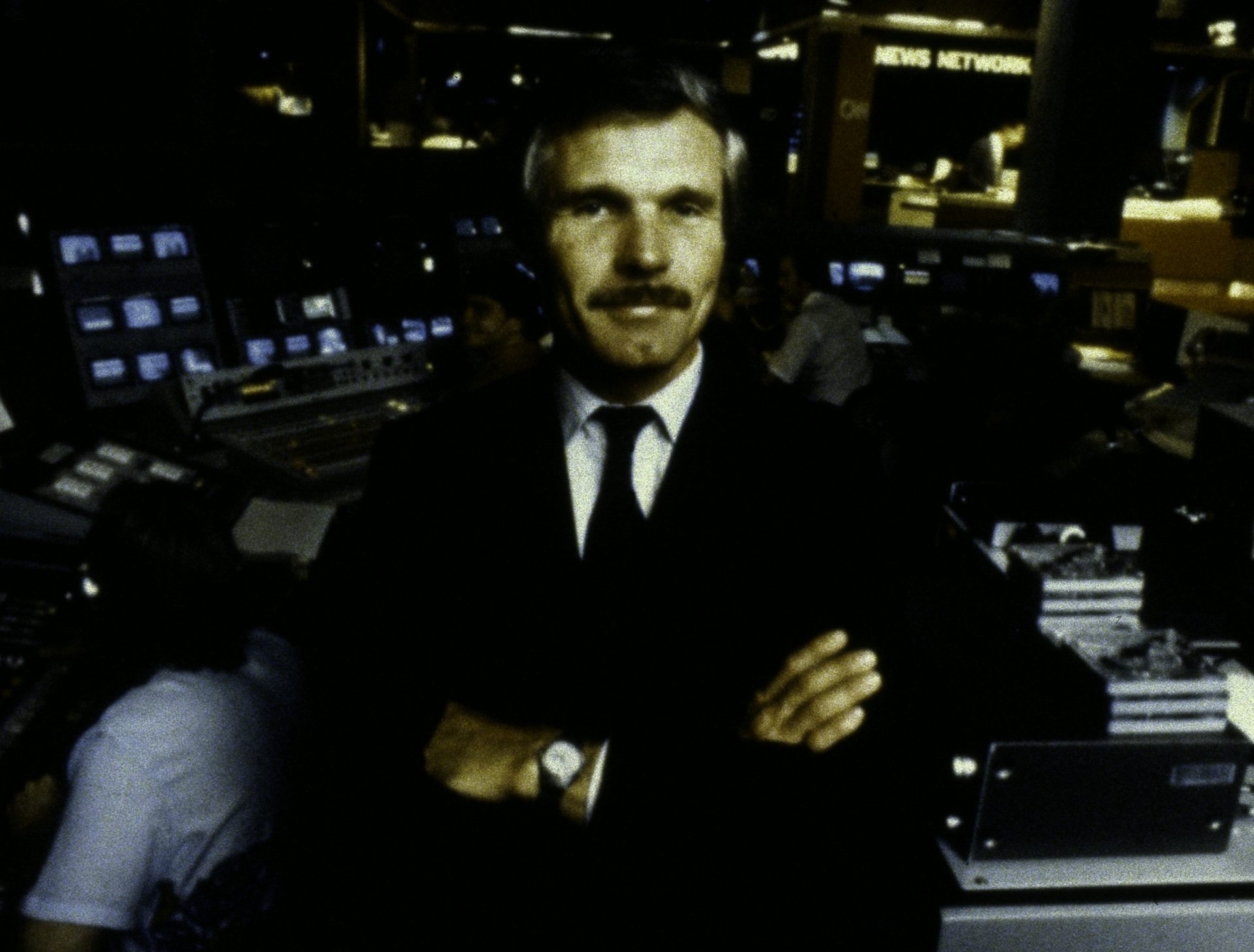
It was Turner’s vision, investments and established partnerships that made CNN possible. But the creation of the network proved a team effort requiring managerial competence and veteran television production experience.
كانت رؤية تيرنر واستثماراته وشراكاته الراسخة هي ما جعل شبكة CNN ممكنة. لكن إنشاء الشبكة أثبت أنه جهد جماعي يتطلب الكفاءة الإدارية والخبرة المتميزة في إنتاج التلفزيون.
CNN’s success was never assured. The channel continually lost money in its initial years. But the idea of 24-hour TV news being delivered to paying subscribers, through their cable system operators, proved so valuable that as early as 1981, two CBS executives secretly jetted to Atlanta to meet with Turner and Wussler about purchasing the network.
لم يكن نجاح شبكة CNN مضموناً أبداً. فقد خسرت القناة باستمرار الأموال في سنواتها الأولى. لكن فكرة تقديم الأخبار التلفزيونية على مدار 24 ساعة للمشتركين الدافعين، من خلال مشغلي أنظمة الكابل الخاصة بهم، أثبتت أنها ذات قيمة كبيرة لدرجة أنه في وقت مبكر من عام 1981، سافر مسؤولا تنفيذيان من CBS سراً إلى أتلانتا للقاء تيرنر ووسلر بشأن شراء الشبكة.
“I’ll sell you CNN,” he told them. But the deal floundered when the CBS executives would not accept anything less than 51% ownership – and control – of the channel. “You want control? You don’t buy control of Ted Turner’s companies,” he explained. “Forty-nine percent or less.”
قال لهم: “سأبيع لكم CNN”. لكن الصفقة تعثرت عندما رفض مسؤولا CBS قبول أي شيء يقل عن 51% من الملكية – والسيطرة – على القناة. وأوضح: “هل تريدون السيطرة؟ لا تشتري السيطرة على شركات تيد تيرنر”. “أو أقل من تسعة وأربعين بالمائة”.
Only four years later, Turner would turn the tables and attempt to take over CBS.
بعد أربع سنوات فقط، قلب تيرنر الطاولة وحاول الاستيلاء على CBS.
Turner came very close to living long enough to see CBS and CNN under a single ownership. CBS’ parent company, Paramount Skydance, is closing in on the purchase of Warner Bros. Discovery, the corporation that owns CNN.
اقترب تيرنر جداً من العيش طويلاً بما يكفي لرؤية شبكتي CBS و CNN تحت ملكية واحدة. وتقترب الشركة الأم لـ CBS، باراماونت سكاي دانس، من شراء وارنر براذرز ديسكفري، وهي الشركة المالكة لشبكة CNN.
Yet today, these two once hugely profitable news operations have been subsumed within massive multinational corporations, with their legacy brand equity providing as much value to their ownership as their journalism. Turner had long bemoaned the managerial fate of his cable news channel, which he sold to Warner Bros. in 1996.
ومع ذلك، اليوم، تم دمج عمليتي الأخبار هاتين، اللتين كانتا مربحتين للغاية في وقت ما، ضمن شركات متعددة الجنسيات ضخمة، حيث يوفر رصيد علامتهما التجارية التراثي قيمة لمالكيه تضاهي قيمة صحافيتهما. وقد أعرب تيرنر طويلاً عن أسفه لمصير إدارة قناته الإخبارية الكابلية، التي باعها لشركة وارنر براذرز في عام 1996.
Success invites criticism, establishes a legacy
النجاح يجلب النقد، ويؤسس إرثاً
Turner is one of the few figures in American media history who left a clearly identifiable legacy. There was a media world that existed before CNN and the one that came after. CNN’s success gave rise to competitors such as MSNBC, Fox News and others.
يُعد تيرنر أحد الشخصيات القليلة في تاريخ الإعلام الأمريكي التي تركت إرثاً يمكن التعرف عليه بوضوح. لقد كان هناك عالم إعلامي موجود قبل شبكة CNN وعالم آخر ظهر بعدها. وقد أدى نجاح شبكة CNN إلى ظهور منافسين مثل MSNBC وFox News وغيرهما.
These channels simultaneously differentiated themselves from CNN while constantly measuring themselves against their older rival. But Turner’s original vision was distinct from the panel programs and punditry that’s now replaced original reporting from around the world.
وقد ميزت هذه القنوات نفسها عن CNN في الوقت نفسه، بينما كانت تقيس نفسها باستمرار مقابل منافسها الأقدم. لكن رؤية تيرنر الأصلية كانت مختلفة عن البرامج الحوارية والتحليلات التي حلت محل التقارير الصحفية الأصلية من جميع أنحاء العالم.
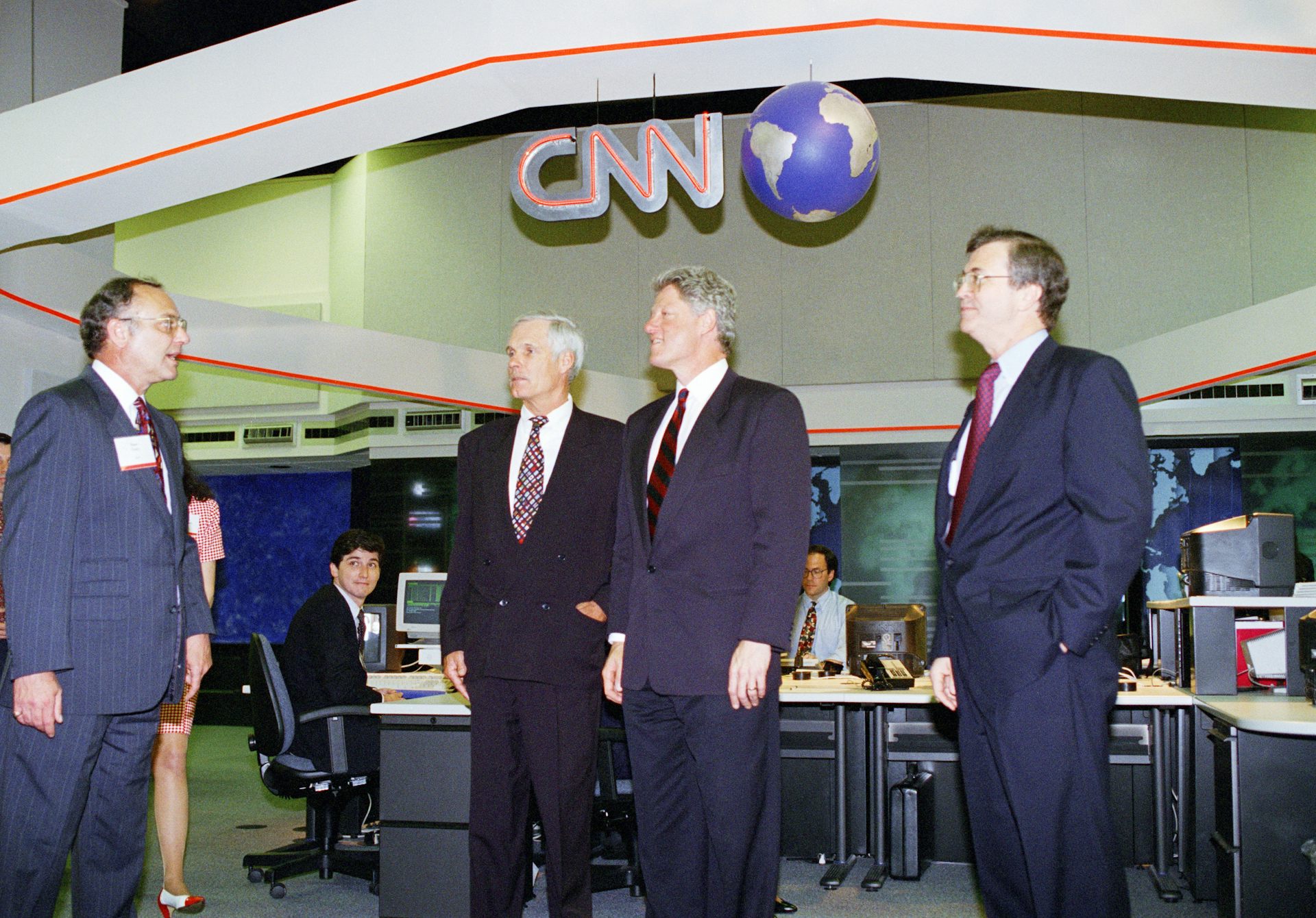
Turner wanted to own and operate a global news organization where the news would always be the star, and where, like the classic wire services, professional reporting would be instant and accurate. And he wanted to make a fortune while doing it.
أراد تيرنر امتلاك وتشغيل مؤسسة إخبارية عالمية تكون فيها الأخبار هي النجم دائماً، وحيث يكون التغطية الصحفية، مثل وكالات الأنباء الكلاسيكية، فورية ودقيقة. وأراد أن يحقق ثروة أثناء القيام بذلك.
When he finally succeeded, critics began to complain about what journalist and academic Tom Rosenstiel called “The Myth of CNN” in a cover story in The New Republic in 1994. Scholars bemoaned CNN for its privileging good visuals over context and depth. They argued that its foreign coverage failed to maintain sufficient independence from the U.S. government.
عندما نجح أخيراً، بدأ النقاد بالشكوى مما أسماه الصحفي والأكاديمي توم روزنستييل “أسطورة CNN” في مقال غلاف في صحيفة “ذا نيو ريبابليك” عام 1994. حزن الأكاديميون على شبكة CNN لتفضيلها المرئيات الجيدة على السياق والعمق. وجادلوا بأن تغطيتها الأجنبية فشلت في الحفاظ على استقلال كافٍ عن حكومة الولايات المتحدة.
Dictators and terrorists around the world learned to exploit CNN to get their messages across to the American public. In this sense, CNN’s neutrality, once a source of respect and credibility, could also undermine it by making the channel easily exploitable.
تعلم الديكتاتوريون والإرهابيون في جميع أنحاء العالم استغلال شبكة CNN لإيصال رسائلهم إلى الجمهور الأمريكي. وبهذا المعنى، فإن حيادية CNN، التي كانت يوماً مصدراً للاحترام والمصداقية، يمكن أن تقوضها أيضاً بجعل القناة عرضة للاستغلال بسهولة.
Billions of people around the world now take for granted the profusion of news access to anywhere on earth, at any time of day or night. That world was unimaginable before Turner’s work to make CNN conceivable and then real.
يأخذ مليارات الأشخاص حول العالم الآن كأمر مسلّم به وفرة الوصول إلى الأخبار من أي مكان على وجه الأرض، في أي وقت من اليوم أو الليل. كان هذا العالم لا يمكن تصوره قبل عمل تيرنر لجعل شبكة CNN ممكنة ثم واقعية.
His legacy is not simply a series of cable channels but an entirely new way of thinking about information retrieval and access. Think about that the next time you scroll past video clips from London, Tokyo, Beirut or Mexico City, or check out breaking news videos from Ukraine or Tehran. And thank Ted for making such a world possible.
إرثه ليس مجرد سلسلة من القنوات الكبلية، بل هو طريقة جديدة تماماً للتفكير في استرجاع المعلومات والوصول إليها. فكر في ذلك في المرة القادمة التي تمر فيها بتصوير فيديو من لندن أو طوكيو أو بيروت أو مكسيك سيتي، أو عندما تطلع على مقاطع فيديو للأخبار العاجلة من أوكرانيا أو طهران. واشكر تيد لجعل مثل هذا العالم ممكناً.
Michael J. Socolow does not work for, consult, own shares in or receive funding from any company or organization that would benefit from this article, and has disclosed no relevant affiliations beyond their academic appointment.
مايكل ج. سيكولو لا يعمل لدى، أو يشارك في استشارات، أو يمتلك حصصاً في، أو يتلقى تمويلاً من أي شركة أو منظمة قد تستفيد من هذه المقالة، ولم يفصح عن أي انتماءات ذات صلة تتجاوز تعيينه الأكاديمي.
Read more
-

أزمة وظائف الشباب تغذي احتجاجات حزب جانتا الصرصار في الهند
The youth jobs crisis fuelling India’s Cockroach Janta Party protests
-

هل تحافظ عمليات صيد أسماك القرش على سلامة الناس في المحيط؟ إليكم ما يقوله العلم
Do shark culls keep people safe in the ocean? Here’s what the science says