摄影记忆是个神话——研究真正揭示了关于记忆的真相
Photographic memory is a myth – here’s what research re…
Hollywood loves a character who has the perfect total recall of a photographic memory. But this idea is a fantasy. It’s not how memory works – for good reason.
好莱坞喜欢那些拥有完美照相记忆的角色的设定。但这个想法只是虚构。它根本不是记忆的运作方式——而且原因可不小。
Hollywood loves a superpower. Not all involve capes or cosmic rays. Some are cognitive: characters who can remember everything. In movies and on TV, viewers repeatedly encounter those with extraordinary minds who glance once at a page, a room or a face – and later recreate every detail with surgical precision.
好莱坞喜欢超能力。并非所有都涉及斗篷或宇宙射线。有些是认知上的:能记住一切的角色。在电影和电视中,观众反复遇到那些拥有非凡心智的人,他们只需看一眼书页、房间或一张脸——随后就能以外科手术般的精确度重现每一个细节。
You see it everywhere: “Suits,” “Sherlock” and “The Girl with the Dragon Tattoo.” Even in children’s literature there’s fifth grader Cam Jansen, who activates her photolike memory by saying “Click!”
你随处可见:在《西装》、“福尔摩斯”和《龙之纹身女孩》中。即使在儿童文学中也有五年级的卡姆·詹森,她通过说“咔嚓!”来激活她照片般的记忆。
Most recently, it appeared in the television series “The Pitt,” set in a hospital emergency department. When the digital patient board suddenly went offline, medical student Joy Kwon saved the day by effortlessly reciting from memory every lost detail – names, rooms, doctors, conditions, vitals. It’s a gripping moment. The stakes are high, recall is perfect, and the implication is clear: Some people have minds that function like high-resolution cameras.
最近,它出现在电视剧《皮特》中,该剧背景设定在一所医院急诊科。当电子病患板突然离线时,医学生乔伊·权通过轻松地回忆起所有丢失的细节——姓名、房间、医生、病症、生命体征——挽救了局面。这是一个扣人心弦的时刻。风险很高,记忆完美,其暗示是明确的:有些人拥有像高分辨率相机一样运作的头脑。
The idea of photographic memory is simple and powerful: Experience is captured objectively, stored completely and retrieved perfectly. See it once, keep it forever.
“照相记忆”的想法简单而有力:经验被客观地捕捉,完整地存储,完美地提取。看一次,永远记住。
There’s just one problem. There’s no scientific evidence it exists.
但只有一个问题。缺乏科学证据证明它存在。
Your memory doesn’t record, it reconstructs
你的记忆不是记录,而是重构
As a memory researcher, I understand that belief in photographic memory is common and the idea is compelling. But it is simply wrong.
作为一名记忆研究者,我理解“照相机记忆”的信念很普遍,这个想法也很有吸引力。但它根本是错误的。
Human memory does not work like a recording device. It’s a reconstructive process even among those with the most extraordinary skills. When you recall an event, memory doesn’t just hand you your experiences the same way every time. It’s never a matter of simply accessing, retrieving and playing back a static record of a stored slice of the past.
人类的记忆不像录音设备。即使对于那些拥有最非凡技能的人来说,它也是一个重构过程。当你回忆一个事件时,记忆不会每次都以相同的方式将你的经历呈现给你。它从来都不是简单地访问、检索和播放存储的过去片段的静态记录。
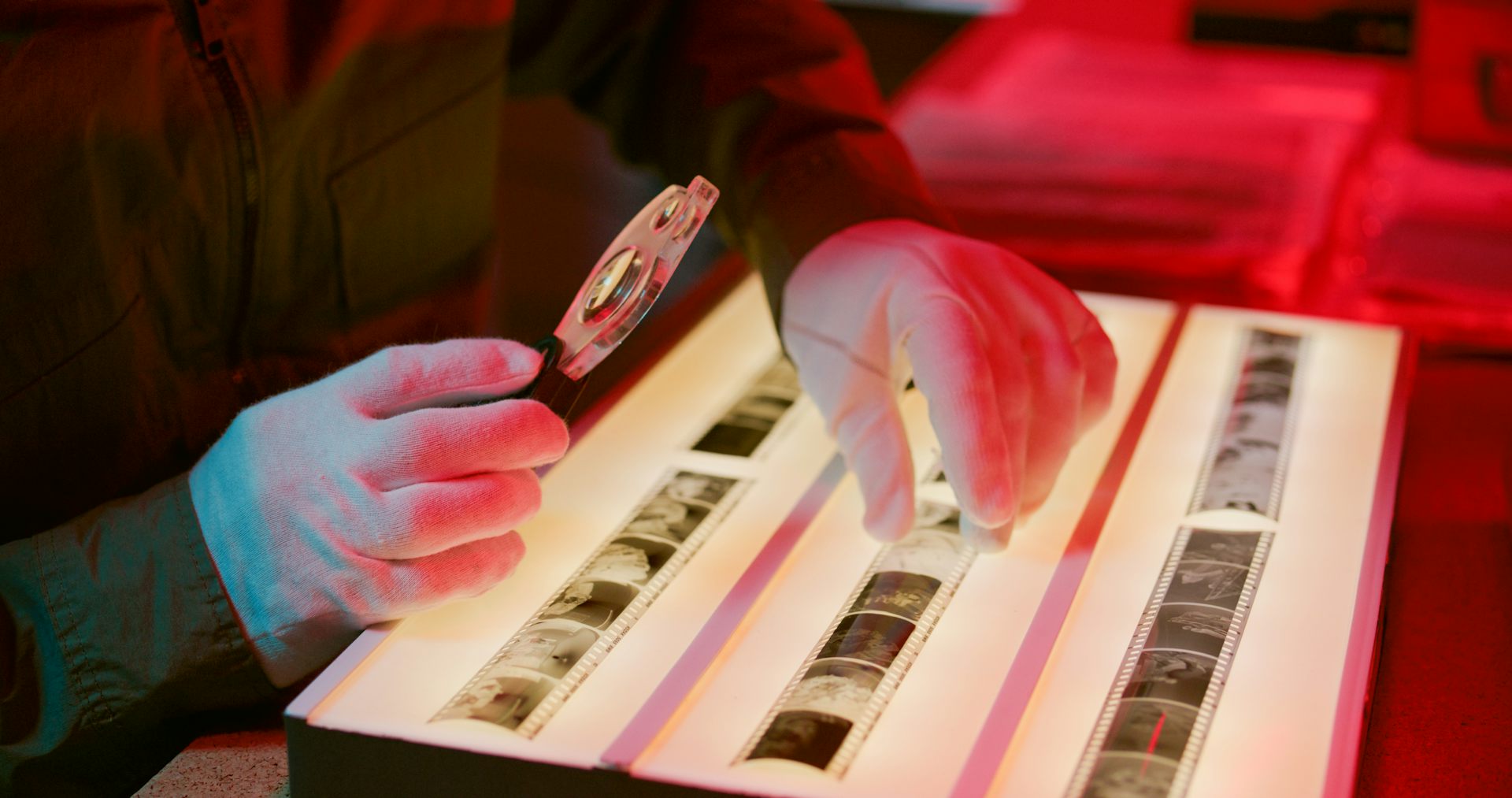
Rather, you reconstruct the past by piecing together the remnants of experience available to you in the moment of recollection. It’s a process shaped by a range of factors, including the search cues you use; your present knowledge, attitudes and goals; and your current state of mind or mood.
相反,你是在回忆的当下,通过拼凑可用的经验残片来重构过去的。这是一个受多种因素影响的过程,包括你使用的搜索线索;你当前的知识、态度和目标;以及你当前的心情或情绪状态。
Because each of these factors is dynamic and changing, you’ll remember the past differently today – if ever so slightly – from how you remembered it yesterday, and differently from how you’ll remember it tomorrow. What you remember is not only incomplete but also inexact.
因为这些因素都是动态且不断变化的,所以你今天对过去的记忆,即使只是极其微小地,也会与你昨天回忆的方式不同,也会与你明天回忆的方式不同。你所记住的不仅是不完整的,而且是不准确的。
A closer look at extraordinary memory
深入了解超常记忆
Some people, such as memory competition champions, do have extraordinary memories. They can memorize thousands of digits or entire decks of cards in minutes. Their feats are real, but they don’t come from a memory that takes mental snapshots.
有些人,例如记忆比赛冠军,确实拥有超常的记忆力。他们可以在几分钟内记住数千个数字或整副扑克牌。他们的壮举是真实的,但它们并非源于能够进行“心智快照”的记忆。
Instead, these people rely on strategies – mental frameworks built through thousands of hours of deliberate practice to scaffold their memory in specific domains. Without these strategies and in other aspects of life, their recall looks pretty much like everyone else’s. Experts’ performance reflects better methods, not different machinery.
相反,这些人依赖的是策略——这些策略是通过数千小时的刻意练习构建的心理框架,用于在特定领域构建他们的记忆。如果没有这些策略,在生活的其他方面,他们的回忆能力看起来和常人没什么不同。专家们的表现反映的是更好的方法,而不是不同的“机器”。
In the scientific literature, the ability that comes closest to photographic memory is eidetic imagery: a form of visual mental imagery in which people claim they can briefly continue to “see” pictures they carefully studied and that are then removed from view.
在科学文献中,最接近“照相记忆”的能力是“心象记忆”(eidetic imagery):这是一种视觉心智意象形式,人们声称他们可以短暂地“看到”自己仔细学习过的、然后从视野中移除的图片。
This ability is rare, is seen mostly in children, and usually disappears by adolescence. Even at its peak, however, it falls short of the Hollywood ideal. Eidetic images fade quickly and are not perfectly accurate. They can include distortions and even details that were not seen.
这种能力很少见,主要出现在儿童身上,并且通常在青春期就会消失。然而,即使在巅峰时期,它也达不到好莱坞式的理想标准。心象图像会迅速褪色,并且并不完美准确。它们可能会包含扭曲,甚至包含从未见过的细节。
It’s exactly what you’d expect from a reconstructive memory system – and exactly what you would not expect from a literal recording.
这正是你从一个重构性记忆系统所期望的——而这恰恰是你不会从一次字面记录中期望到的。
Forgetting is a feature and not a flaw
遗忘是一种功能,而非缺陷
The myth about photographic memories feeds into the idea that your memory has failed if you can’t remember – that if your memory worked right, it would operate like a camera. When you can’t retrieve information or you lose it entirely, it can feel like something has gone wrong.
关于“照相机式记忆”的迷思,让人误以为如果记不住,就是记忆出了问题——仿佛如果记忆正常运作,它应该像一台照相机一样。当你无法提取信息或完全遗忘时,会让人感觉好像出了什么差错。
In reality, forgetting is functional. Without it, we’d never get by.
实际上,遗忘是具有功能的。没有它,我们根本无法生存。
For instance, people use their memories of the past to forecast the future. Perfect memory would be a liability. Forgetting washes out the details of specific episodes and retains the gist so you can apply past experiences to novel situations, not just those that exactly match what happened before.
例如,人们利用对过去的记忆来预测未来。完美的记忆反而会成为一种负担。遗忘会冲淡特定事件的细节,只保留核心要点,这样你就能将过去的经验应用到新的情境中,而不仅仅是那些与之前发生的事情完全吻合的场景。
Forgetting also guards your emotional health. The dulling of memories for negative events, like say an embarrassing episode, makes it easier for you to move on than if you reexperienced all the details in full force every time the event came to mind.
遗忘也保护着你的情绪健康。对于负面事件的记忆,比如一次尴尬的经历,记忆的淡化让你比每次想起细节时重新经历所有细节要容易得多,从而更容易释怀。
Forgetting protects your sense of self as well. Memories of your past form the foundation of your identity. To help maintain a stable self-concept, people selectively modify or even forget those memories that challenge their views of themselves.
遗忘也保护着你的自我认知。过去的记忆构成了你的身份基础。为了帮助维持稳定的自我概念,人们会选择性地修改甚至遗忘那些挑战自己观点的记忆。
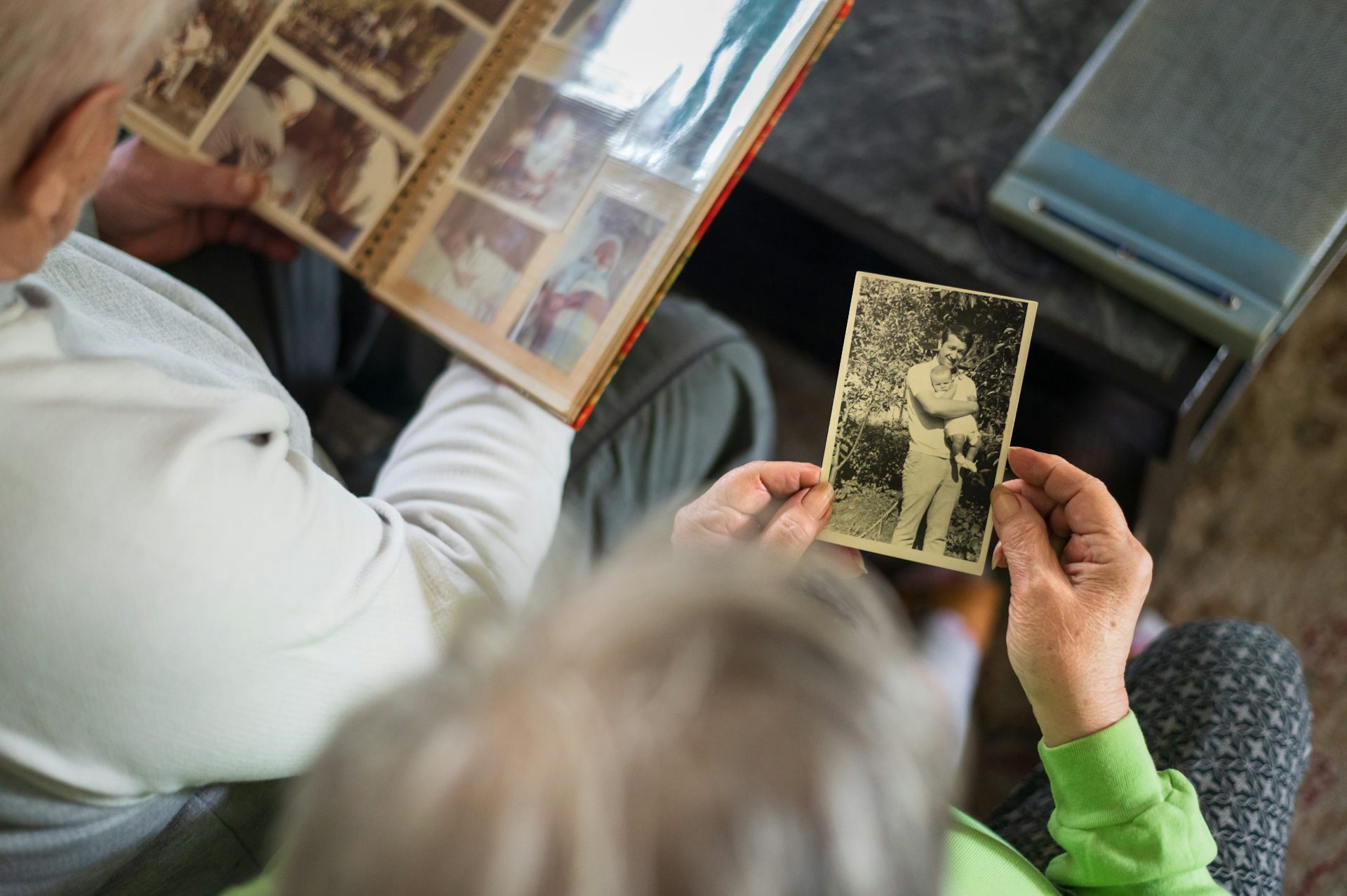
The rare individuals who come closest to having near-perfect memory often reveal the downsides. People with highly superior autobiographical memory can remember nearly every day of their lives in vivid detail. If you ask one of these people to recall what they did on Nov. 24, 1999, they likely can tell you.
那些最接近完美记忆的罕见个体,往往也会暴露其缺点。具有极高自传体记忆的人可以清晰地回忆起他们生命中几乎每一天的细节。如果你让这些人回忆1999年11月24日他们做了什么,他们很可能会告诉你。
Their extraordinary ability seems to come from a habitual, even compulsive, reflection on their past and a focus on anchoring memories to dates. However, this skill is limited to autobiographical events, and they are prone to various kinds of memory distortions and errors just like everyone else.
他们非凡的能力似乎来源于对过去的习惯性、甚至是强迫性的反思,以及将记忆锚定到日期上的专注。然而,这种技能仅限于自传体事件,而且他们和其他人一样,容易遭受各种记忆扭曲和错误。
While this ability might sound like an advantage, many people with highly superior autobiographical memory describe it as exhausting. They struggle to move past negative experiences because their memories make them seem as sharp as ever.
虽然这种能力听起来像是一种优势,但许多具有极高自传体记忆的人描述它是一种令人筋疲力尽的体验。他们难以走出负面经历,因为他们的记忆让他们看起来总是那么清晰锐利。
Accurate – and empowering – view of memory
对记忆准确且赋能的理解
Beliefs about “perfect memory” shape how people judge students, eyewitnesses, patients and even themselves. They influence legal decisions, educational practices and unrealistic expectations about what human minds can – and should – do.
人们关于“完美记忆”的信念影响着他们如何评判学生、目击证人、病人,甚至评判自己。这些信念影响着法律决策、教育实践,以及对人类心智能做——也应该做——什么的不切实际的期望。
Letting go of the camera metaphor could be a step toward better understanding how memory works. The brain is not a roll of film, it’s a storyteller – one that edits, interprets and reshapes the past in light of the present.
摆脱“照相机”的比喻,可能是更好地理解记忆运作方式的一步。大脑不是一卷胶片,它是一个讲故事的人——一个根据现在来编辑、解释和重塑过去的叙述者。
And that’s not a limitation. It’s a superpower.
而这并非一种局限。它是一种超能力。
Gabrielle Principe does not work for, consult, own shares in or receive funding from any company or organization that would benefit from this article, and has disclosed no relevant affiliations beyond their academic appointment.
Gabrielle Principe 不受任何从本文中受益的公司或组织的雇佣、咨询、拥有股份或资金支持,并且除了其学术任职之外,未披露任何相关隶属关系。