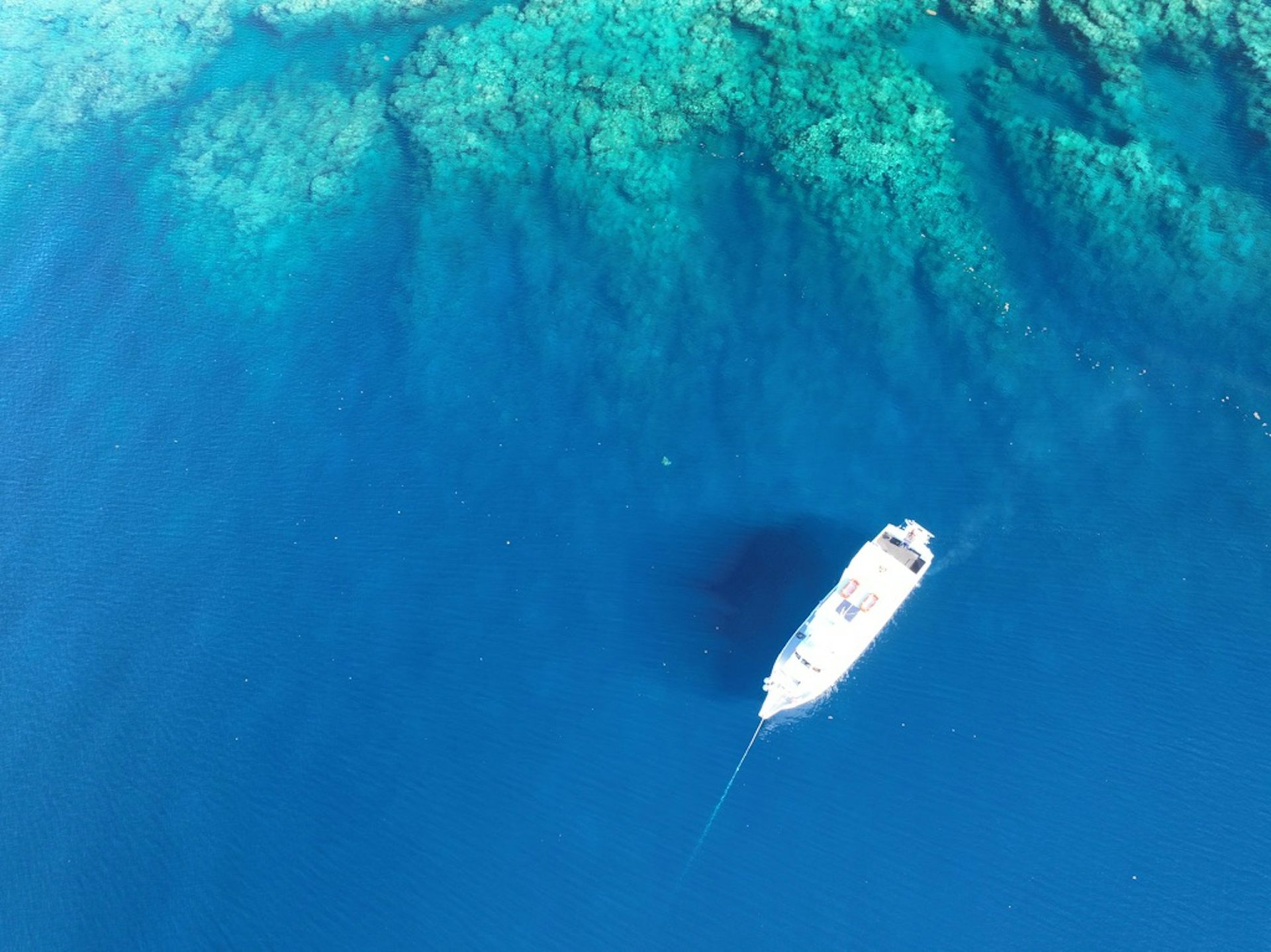
تسببت موجة حر بحرية ضخمة في انهيار الشعاب المرجانية في منطقة الكاريبي بشكل أسرع بكثير مما كان متوقعاً – بحث جديد
Massive marine heatwave caused Caribbean coral reefs to collapse much faster than predicted – new research
Coral reefs underpin tourism and small fisheries, but are under threat from rising ocean temperatures.
تشكل الشعاب المرجانية أساساً للسياحة ومصايد الأسماك الصغيرة، لكنها مهددة بارتفاع درجات حرارة المحيط.
For decades, coral reefs throughout the Caribbean have been suffering from disease, pollution, overfishing and rising sea temperatures, yet most have continued to grow – until now.
لعقود من الزمن، عانت الشعاب المرجانية في جميع أنحاء منطقة الكاريبي من الأمراض والتلوث والصيد الجائر وارتفاع درجات حرارة البحر، ومع ذلك استمرت معظمها في النمو – حتى الآن.
In 2023 and 2024, surface temperatures climbed to record highs in the world’s oceans, and a marine heatwave of unprecedented length and intensity spread across the tropics. Satellites from the US National Oceanic and Atmospheric Administration detected heat stress that could cause corals to bleach across more than 80% of the planet’s reef areas.
في عامي 2023 و 2024، ارتفعت درجات حرارة السطح إلى مستويات قياسية في محيطات العالم، وانتشرت موجة حر بحرية ذات طول وشدة غير مسبوقين عبر المناطق الاستوائية.
During these periods of extreme stress, corals expel the symbiotic algae that give them their colour and most of their food – turning them stark white and leaving them vulnerable to starvation, diseases and eventually death.
خلال فترات الإجهاد الشديد هذه، تطرد الشعاب المرجانية الطحالب التكافلية التي تمنحها لونها ومعظم غذائها – مما يحولها إلى اللون الأبيض الناصع ويجعلها عرضة للمجاعة والأمراض وفي النهاية الموت.
Across the North Atlantic, including the Caribbean, the heat stayed for months, with heat stress two-to-three times higher than reefs had ever experienced. Heat stress, the phenomena of high temperatures putting fragile ecosystems under pressure, can permanently alter their ability to function.
عبر شمال الأطلسي، بما في ذلك الكاريبي، استمرت الحرارة لأشهر، حيث كان الإجهاد الحراري أعلى بمقدار اثنين إلى ثلاثة أضعاف مما مرت به الشعاب المرجانية من قبل. يمكن أن يؤدي الإجهاد الحراري، وهي ظاهرة وضع درجات الحرارة المرتفعة النظم البيئية الهشة تحت الضغط، إلى تغيير قدرتها على العمل بشكل دائم.
This triggered what is now recognised as the fourth global coral bleaching event, the most severe one that has been documented.
وقد أثار هذا ما يُعرف الآن بالحدث العالمي الرابع لابيضاض الشعاب المرجانية، وهو الأشد خطورة الذي تم توثيقه.
Coral reefs are among the most productive ecosystems on Earth, and their importance to people is fundamental. They feed hundreds of millions through small-scale fisheries, underpin tourism across the Caribbean, and serve as natural breakwaters that protect the coast from storms and reduce flooding events.
تعد الشعاب المرجانية من أكثر النظم البيئية إنتاجية على وجه الأرض، وأهميتها للبشر أساسية. فهي تطعم مئات الملايين من خلال مصايد الأسماك الصغيرة، وتدعم السياحة في جميع أنحاء الكاريبي، وتعمل كحواجز طبيعية تحمي السواحل من العواصف وتقلل من أحداث الفيضانات.
Caribbean reefs are eroding fast
تتآكل الشعاب المرجانية الكاريبية بسرعة
In a new study, we found that across the Caribbean, the 2023 marine heatwave – combined with a deadly disease known as stony coral tissue loss disease – has pushed reefs over a threshold scientists thought was a decade or more away. They are now eroding faster than corals can rebuild them.
في دراسة جديدة، وجدنا أنه في جميع أنحاء منطقة الكاريبي، دفعت موجة الحر البحرية لعام 2023 – بالاقتران مع مرض مميت يُعرف باسم مرض فقدان أنسجة المرجان الحجري – الشعاب المرجانية إلى ما وراء عتبة كان العلماء يعتقدون أنها تبعد بعقد من الزمان أو أكثر. وهي تتآكل الآن بشكل أسرع مما يمكن للمرجان إعادة بنائه.
We studied reefs in the Mexican Caribbean and the Gulf of Mexico, comparing data collected before the heatwave (2018–2022) with surveys after it (2023–24) . At each reef, we counted live corals and organisms that break down the reef, like parrotfish and sea urchins. From those counts, we estimated how much reef-building (carbonate production) and reef-breaking (bioerosion) was happening, then calculated the net result – whether the reef was gaining or losing material.
درسنا الشعاب المرجانية في الكاريبي المكسيكي وخليج المكسيك، وقارنا البيانات التي جُمعت قبل موجة الحر (2018-2022) بالمسوحات التي أجريت بعدها (2023-24) . وفي كل شعاب مرجانية، قمنا بعدّ الشعاب المرجانية الحية والكائنات التي تحطّم الشعاب، مثل سمك الببغاء وقنافذ البحر. ومن هذه الأعداد، قدرنا كمية بناء الشعاب المرجانية (إنتاج الكربونات) والتآكل البيولوجي للشعاب المرجانية، ثم حسبنا النتيجة الصافية – ما إذا كانت الشعاب المرجانية تكتسب المادة أم تفقدها.
The results were stark: between 70% and 75% of our Caribbean sites had tipped from net growth into net erosion. They are now losing calcium carbonate faster than corals can add it. The threshold that earlier models had suggested might be crossed over during the next decade or so has already arrived.
كانت النتائج صادمة: فقد تحولت ما بين 70% و 75% من مواقعنا في الكاريبي من نمو صافٍ إلى تآكل صافٍ. وهي الآن تفقد كربونات الكالسيوم بشكل أسرع مما يمكن للمرجان إضافته. إن العتبة التي أشارت إليها النماذج السابقة بأنها قد تُعبر خلال العقد القادم تقريباً قد وصلت بالفعل.
This shift was driven by the loss of fast‑growing, branching and plate‑forming corals, especially the Acropora species, which have very high growth rates and disproportionately contribute to reef building.
كان هذا التحول مدفوعاً بفقدان الشعاب المرجانية سريعة النمو والمتفرعة والمُشكِّلة للصفائح، وخاصة أنواع الأكروبورا، التي تتمتع بمعدلات نمو عالية جداً وتساهم بشكل غير متناسب في بناء الشعاب المرجانية.
One of our most unsettling findings is that the Caribbean reef sites that still had high coral cover and high carbonate production before the disease and heatwave were the ones that lost the most. Some lost up to 8 kilograms of calcium carbonate per square metre per year.
أحد أكثر النتائج إثارة للقلق هو أن مواقع الشعاب المرجانية في الكاريبي التي كانت لا تزال تتمتع بتغطية عالية للمرجان وإنتاج كربونات مرتفع قبل المرض وموجة الحر هي التي فقدت أكثر. فقدت بعضها ما يصل إلى 8 كيلوغرامات من كربونات الكالسيوم لكل متر مربع في السنة.
A tale of two seas
حكاية بحرين
Our survey also revealed a striking contrast. While Caribbean reefs collapsed, reefs in the Gulf of Mexico largely held their ground. The great majority of Gulf sites remained net positive after the heatwave.
كشف مسحنا أيضًا عن تباين لافت. فبينما انهارت الشعاب المرجانية في منطقة الكاريبي، حافظت الشعاب في خليج المكسيك إلى حد كبير على مكانتها. وبقيت الغالبية العظمى من المواقع في الخليج إيجابية صافية بعد موجة الحر.
The difference comes down to which corals are pre-eminent in each region. In the Gulf of Mexico, reefs are dominated by slow-growing, mound-shaped corals. They grow more slowly, but they are tougher when the heat kicks in. They bleached during the heatwave but mostly survived, keeping the reef’s carbonate budget positive.
يعود هذا الاختلاف إلى أنواع الشعاب المرجانية السائدة في كل منطقة. ففي خليج المكسيك، تهيمن على الشعاب المرجانية أنواع بطيئة النمو وشكلها كتلي. فهي تنمو ببطء أكبر، لكنها أكثر تحملاً عندما تشتد الحرارة. لقد تعرضت لابيضاض خلال موجة الحر، لكنها نجت في الغالب، وحافظت على الميزانية الكربوناتية للشعاب إيجابية.
This is the balance between the constructing and eroding processes. When more is added than removed, the coral reef can grow. When that balance flips, the reef stops growing and may even erode.
هذا هو التوازن بين العمليات البنائية والتآكلية. عندما يتم إضافة المزيد أكثر مما يتم إزالته، يمكن أن تنمو الشعاب المرجانية. وعندما ينقلب هذا التوازن، تتوقف الشعاب عن النمو وقد تتآكل حتى.
Moreover, sites in the Gulf of Mexico have not yet been affected by stony coral tissue loss disease, which preferentially kills the same massive, long-lived species that are keeping Gulf reefs alive. By the time the heat arrived, large parts of the Caribbean had already lost their most resilient corals because of the disease outbreak. What it started, the heatwave finished.
علاوة على ذلك، لم تتأثر المواقع في خليج المكسيك بعد بمرض فقدان أنسجة المرجان الحجري، الذي يقتل بشكل تفضيلي نفس الأنواع الضخمة وطويلة العمر التي تبقي شعاب الخليج على قيد الحياة. وبحلول الوقت الذي وصلت فيه الحرارة، كانت أجزاء كبيرة من الكاريبي قد فقدت بالفعل أكثر أنواعها مرونة بسبب تفشي المرض. ما بدأته الحرارة، أنهتْه موجة الحر.
Why reef erosion matters
أهمية تآكل الشعاب المرجانية
All the benefits reefs provide rely on a delicate balance between reef construction and erosion.
تعتمد جميع الفوائد التي توفرها الشعاب المرجانية على توازن دقيق بين بناء الشعاب وتآكلها.
Tropical reefs are essentially vast limestone structures, built slowly over centuries as corals deposit calcium carbonate skeletons. At the same time, waves and various reef organisms like parrotfish, sea urchins and boring sponges chip away at them.
الشعاب المرجانية الاستوائية هي في الأساس هياكل ضخمة من الحجر الجيري، تُبنى ببطء على مدى قرون مع ترسب الشعاب المرجانية لهياكل كربونات الكالسيوم. وفي الوقت نفسه، تتآكل بفعل الأمواج والكائنات الحية المختلفة في الشعاب المرجانية مثل أسماك الببغاء ونجوم البحر والإسفنج الثاقب.
An eroding, flattening reef begins to lose its capacity to provide benefits to other species, and people.
تبدأ الشعاب المرجانية المتآكلة والمُسطَّحة بفقدان قدرتها على توفير الفوائد للأنواع الأخرى والبشر.
We did not expect to be documenting the moment at which a major region of the ocean crossed from growing to eroding. The fact that it happened this quickly, and at some of the most iconic and well-studied reefs in the Caribbean, suggests the timelines scientists have been using may be too optimistic.
لم نتوقع أن نوثق اللحظة التي تحولت فيها منطقة رئيسية من المحيط من النمو إلى التآكل. إن حقيقة حدوث ذلك بهذه السرعة، وفي بعض الشعاب المرجانية الأكثر شهرة ودراسة في منطقة الكاريبي، تشير إلى أن الجداول الزمنية التي استخدمها العلماء قد تكون متفائلة للغاية.
Our findings may also force a rethink of how to approach coral restoration. Programmes across the Caribbean have invested heavily in replanting fast-growing branching species of coral, such as Acropora, because they rebuild structural complexity quickly. The 2023–24 heatwave wiped out many of these restored populations, along with wild ones.
قد تجبرنا نتائجنا أيضًا على إعادة التفكير في كيفية التعامل مع استعادة الشعاب المرجانية. لقد استثمرت البرامج في جميع أنحاء منطقة الكاريبي بكثافة في إعادة زراعة أنواع الشعاب المرجانية المتفرعة سريعة النمو، مثل الأكروبورا (Acropora) ، لأنها تعيد بناء التعقيد الهيكلي بسرعة. وقد قضت موجة الحر في عامي 2023-2024 على العديد من هذه التجمعات المستعادة، بالإضافة إلى التجمعات البرية.
Restoration will have to diversify. Exploring approaches such as moving heat-tolerant genes between populations (assisted gene flow) and breeding corals that survive heat better (selective breeding) might be a promising path.
سيتعين على جهود الاستعادة أن تتنوع. قد يمثل استكشاف مقاربات مثل نقل الجينات المتحملة للحرارة بين التجمعات السكانية (التدفق الجيني المساعد) وتربية الشعاب المرجانية التي تنجو من الحرارة بشكل أفضل (التربية الانتقائية) مسارًا واعدًا.
But restoration alone will not be enough. Reversing the decline requires rapid cuts in greenhouse gas emissions to slow the frequency and intensity of marine heatwaves, alongside serious local action on pollution, nutrient runoff, sedimentation and disease – the stressors that weaken corals before the heat arrives.
لكن الاستعادة وحدها لن تكون كافية. يتطلب عكس التدهور تخفيضات سريعة في انبعاثات غازات الاحتباس الحراري لإبطاء وتيرة وشدة موجات الحر البحرية، إلى جانب إجراءات محلية جادة بشأن التلوث، والجريان السطحي للمغذيات، والترسيب، والأمراض – وهي الضغوط التي تضعف الشعاب المرجانية قبل وصول الحرارة.
Chris Perry receives funding from the UK Natural Environment Research Council.
يتلقى كريس بيري التمويل من مجلس البحوث البيئية الطبيعية في المملكة المتحدة.
Lorenzo Alvarez-Filip does not work for, consult, own shares in or receive funding from any company or organisation that would benefit from this article, and has disclosed no relevant affiliations beyond their academic appointment.
لا يعمل لورينزو ألفاريز-فيليب أو يشارك في استشارة أو يمتلك حصصًا أو يتلقى تمويلاً من أي شركة أو منظمة تستفيد من هذه المقالة، ولم يفصح عن أي انتماءات ذات صلة تتجاوز منصبه الأكاديمي.
Read more
-
لست مضطراً لأن تكون “راكب دراجات” لتركيب دراجة. إليك كيفية البدء من جديد
You don’t have to be a ‘cyclist’ to ride a bike. Here’s how to start again
-
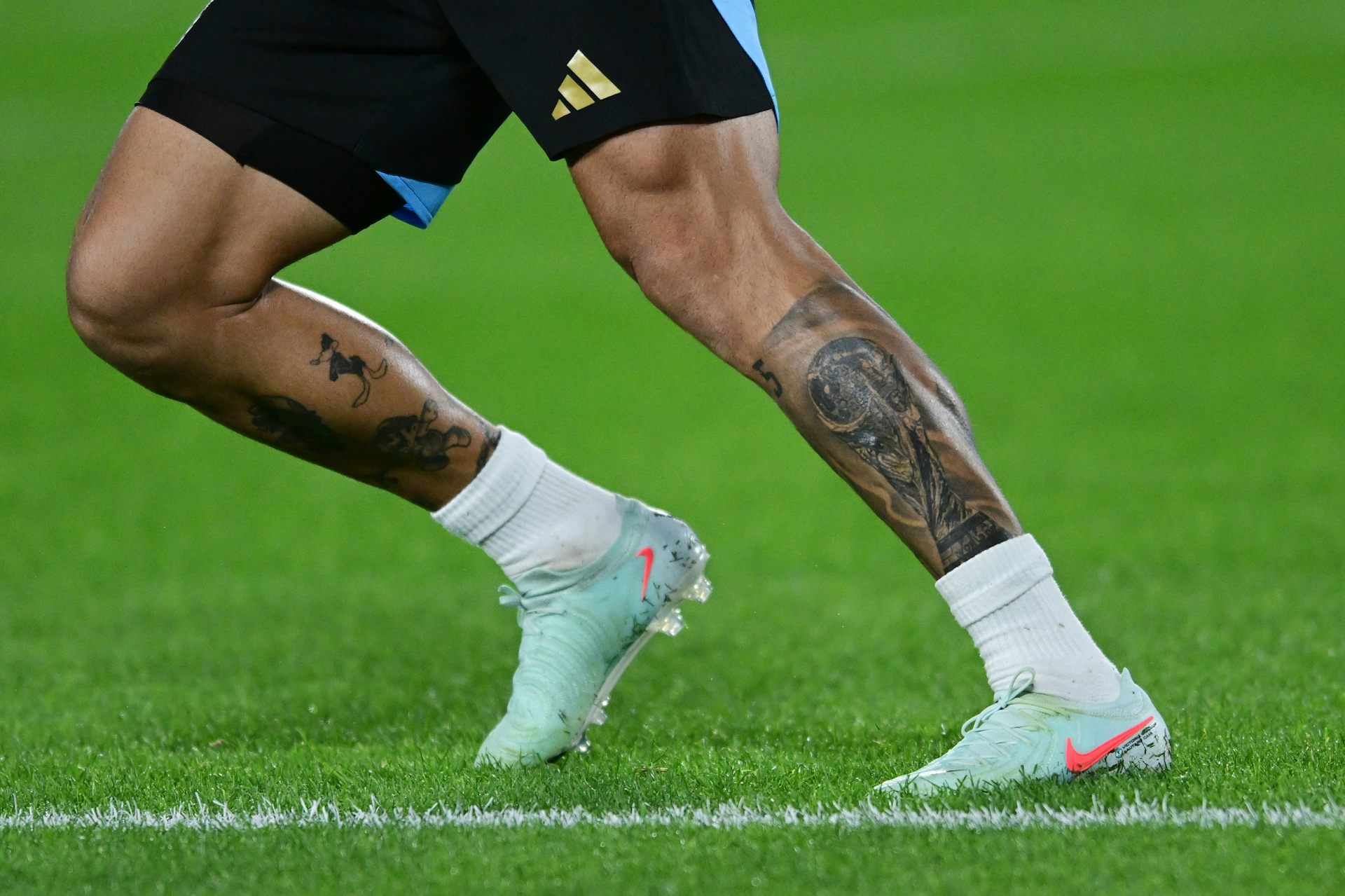
ماذا تخبرنا وشوم لاعبي كأس العالم عن حبهم وحياتهم ومعتقداتهم الدينية؟
What the tattoos of World Cup players say about their love, life and religious beliefs