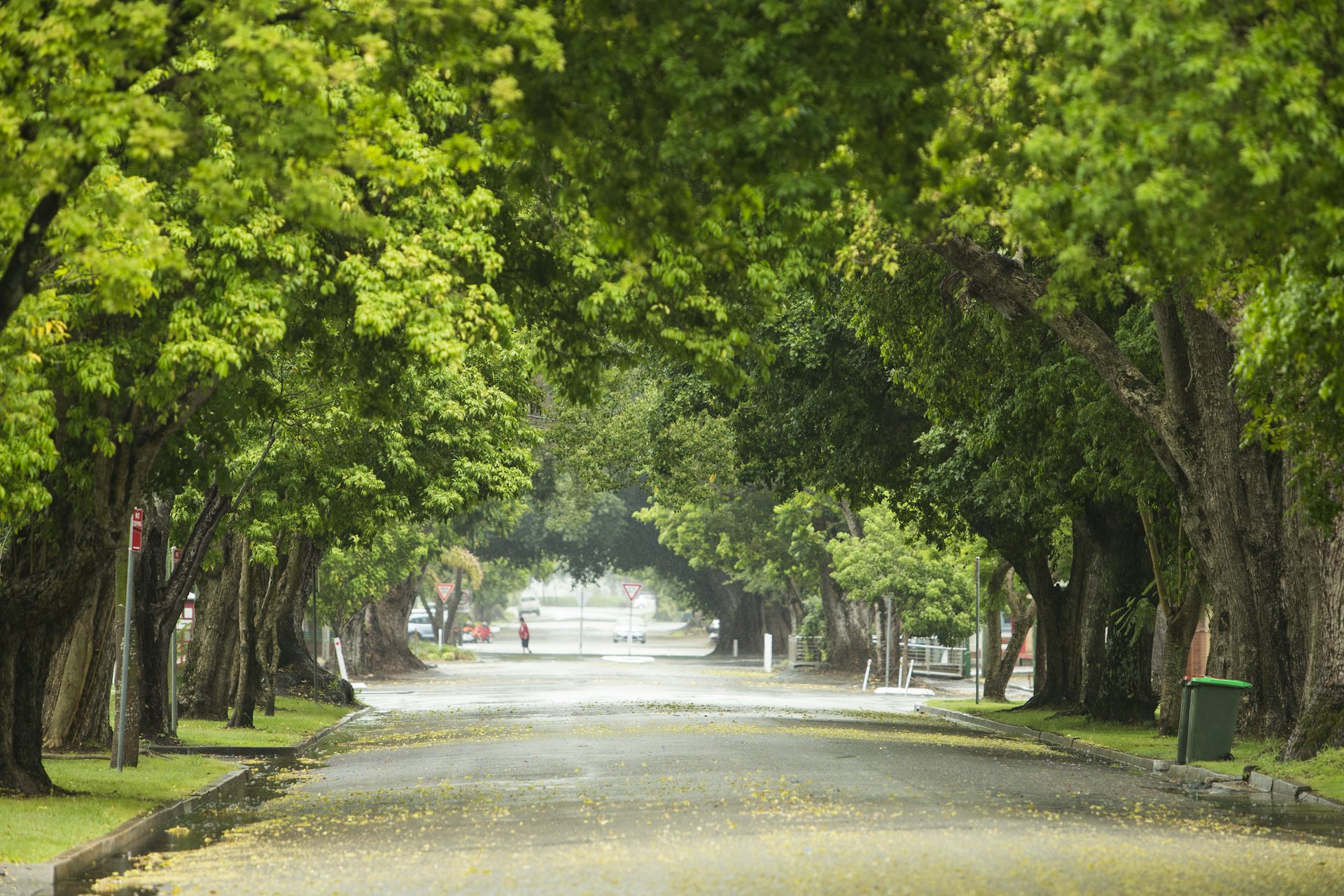
تبرّد الأشجار الحضرية مدن العالم أكثر مما كنا نظن – لكن لا يمكننا الاعتماد عليها وحدها.
Urban trees cool the world’s cities more than we thought – but we can’t rely on them alone
Cities around the world rely on trees to keep temperatures lower. New research shows trees are remarkably effective – but can’t do it all
تعتمد مدن حول العالم على الأشجار للحفاظ على انخفاض درجات الحرارة. وتُظهر أبحاث جديدة أن الأشجار فعالة بشكل ملحوظ – لكنها لا تستطيع فعل كل شيء.
Cities and towns are usually 1–3°C hotter than the surrounding countryside, because asphalt, concrete and brick absorb heat from the sun and radiate it slowly. Some cities can be as much as 7°C hotter. This effect is known as the urban heat island.
المدن والبلدات تكون عادةً أكثر سخونة بمقدار 1-3 درجات مئوية من الريف المحيط، لأن الأسفلت والخرسانة والطوب يمتصون الحرارة من الشمس ويشعونها ببطء. ويمكن أن تكون بعض المدن أكثر سخونة بما يصل إلى 7 درجات مئوية. يُعرف هذا التأثير باسم “جزيرة الحرارة الحضرية.”
This can be dangerous, especially in hot countries. In very hot conditions, dehydration and heat exhaustion become real risks. If it gets too hot, it can be lethal.
يمكن أن يكون هذا خطيراً، خاصة في البلدان الحارة. في الظروف شديدة الحرارة، يصبح الجفاف والإجهاد الحراري مخاطر حقيقية. وإذا أصبح الجو حاراً جداً، فقد يكون قاتلاً.
There’s one simple antidote: urban trees. Authorities around the world have planted more trees to counteract the heat.
هناك ترياق بسيط واحد: الأشجار الحضرية. وقد قامت السلطات في جميع أنحاء العالم بزراعة المزيد من الأشجار لمواجهة الحرارة.
But how effective is this? How much hotter would our cities be without trees?
ولكن ما مدى فعالية ذلك؟ وكم ستكون مدننا أكثر سخونة بدون الأشجار؟
To find out, we analysed data from nearly 9,000 cities around the world, home to about 3.6 billion people. As our new research shows, trees almost halve how much heat is trapped by the urban heat island effect.
لمعرفة ذلك، قمنا بتحليل بيانات من ما يقرب من 9000 مدينة حول العالم، التي يقطنها حوالي 3.6 مليار نسمة. وكما تُظهر أبحاثنا الجديدة، فإن الأشجار تقلل تقريباً إلى النصف كمية الحرارة التي تحجزها ظاهرة جزيرة الحرارة الحضرية.
This cooling is welcome. But it is far from even. Wealthier, suburban and humid cities have more trees on average.
هذا التبريد أمر مرحب به. ولكنه بعيد عن التساوي. فالمدن الأكثر ثراءً، والضواحي، والمناطق الرطبة لديها المزيد من الأشجار في المتوسط.
Why focus on trees?
لماذا نركز على الأشجار؟
Trees act like natural air conditioners. They shade the ground and stop asphalt and buildings from heating up in the first place. They also cool the air by releasing water vapour from their leaves in a process called transpiration, lowering surrounding temperatures. They can make a noticeable temperature difference, especially on sizzling summer days.
تعمل الأشجار كمكيفات هواء طبيعية. فهي تظلل الأرض وتمنع الأسفلت والمباني من ارتفاع درجة الحرارة في المقام الأول. كما أنها تبرد الهواء عن طريق إطلاق بخار الماء من أوراقها في عملية تسمى النتح، مما يخفض درجات الحرارة المحيطة. ويمكنها إحداث فرق ملحوظ في درجة الحرارة، خاصة في أيام الصيف الحارة.
Trees offer a simple way to counteract urban heat. This matters. More than half the world’s population (55%) now live in urban areas according to the United Nations. By 2050, that figure is expected to rise to 68%. Cities are facing a hotter future, as climate change drives more intense and more frequent heatwaves. The urban heat island effect makes cities hotter still.
توفر الأشجار طريقة بسيطة لمكافحة الحرارة الحضرية. وهذا أمر مهم. وفقاً للأمم المتحدة، يعيش الآن أكثر من نصف سكان العالم (55%) في المناطق الحضرية. وبحلول عام 2050، من المتوقع أن يرتفع هذا الرقم إلى 68%. تواجه المدن مستقبلاً أكثر حرارة، حيث يتسبب تغير المناخ في موجات حر أكثر شدة وتكراراً. ويجعل تأثير “الجزر الحرارية الحضرية” المدن أكثر سخونة.
What did we do?
ماذا فعلنا؟
We wanted to know the answer to a simple question: how much hotter would cities be without trees?
أردنا أن نعرف إجابة سؤال بسيط: ما مدى ارتفاع حرارة المدن بدون الأشجار؟
To find out, we analysed global datasets of air temperature and fine-scale tree cover across almost 9,000 cities. Then we modelled a “what if” scenario, where all tree cover was removed, and compared it to current conditions.
ولمعرفة ذلك، قمنا بتحليل مجموعات بيانات عالمية لدرجة حرارة الهواء وتغطية الأشجار على نطاق دقيق في ما يقرب من 9000 مدينة. ثم قمنا بنمذجة سيناريو “ماذا لو” حيث أُزيلت جميع التغطيات الشجرية، وقارناه بالظروف الحالية.
This allowed us to estimate the real-world cooling effect trees provide for air temperature, which is the main way we perceive heat.
وقد سمح لنا هذا بتقدير التأثير التبريدي الذي توفره الأشجار لدرجة حرارة الهواء في العالم الحقيقي، وهي الطريقة الرئيسية التي ندرك بها الحرارة.
Most previous global studies have used surface temperatures, often from satellite data. But surfaces like roads and rooftops can become much hotter than the surrounding air above them, especially in direct sunlight. That can give an overestimate of how much cooling trees provide. Air temperature, by contrast, better reflects what people actually feel, making it a more reliable measure of heat.
استخدمت معظم الدراسات العالمية السابقة درجات حرارة السطح، وغالباً ما كانت من بيانات الأقمار الصناعية. لكن الأسطح مثل الطرق والأسطح السكنية يمكن أن تصبح أكثر حرارة بكثير من الهواء المحيط بها، خاصة في ضوء الشمس المباشر. وهذا قد يعطي تقديراً مبالغاً فيه لكمية التبريد التي توفرها الأشجار. أما درجة حرارة الهواء، على النقيض، فتعكس بشكل أفضل ما يشعر به الناس فعلياً، مما يجعلها مقياساً أكثر موثوقية للحرارة.
So what effect do trees really have?
فما هو التأثير الحقيقي للأشجار؟
The effect was much larger than we had anticipated.
كان التأثير أكبر بكثير مما توقعنا.
Globally, trees cut the urban heat island effect by almost 50%. Since the average urban heat island effect typically adds around 1–3°C, this translates into cooling of roughly 0.5–1.5°C in many cities.
على مستوى العالم، تقلل الأشجار من تأثير الجزر الحرارية الحضرية بنسبة تقارب 50%. ونظرًا لأن متوسط تأثير الجزر الحرارية الحضرية يضيف عادةً حوالي 1-3 درجات مئوية، فإن هذا يُترجم إلى تبريد يبلغ حوالي 0.5-1.5 درجة مئوية في العديد من المدن.
For more than 200 million people, trees reduce local air temperatures by at least 0.5°C, enough to make a meaningful difference during extreme heat.
بالنسبة لأكثر من 200 مليون شخص، تقلل الأشجار من درجات حرارة الهواء المحلية بمقدار 0.5 درجة مئوية على الأقل، وهو ما يكفي لإحداث فرق جوهري أثناء موجات الحر الشديدة.
Cooling can vary a lot from place to place.
يمكن أن يختلف التبريد بشكل كبير من مكان إلى آخر.
In hot, dry cities such as Phoenix in the United States, differences in tree cover can create clear differences in air temperatures. In more temperate cities like Lisbon in Portugal or Gothenburg in Sweden, the overall cooling is still significant, but generally smaller and more consistent across the city.
في المدن الحارة والجافة مثل فينيكس بالولايات المتحدة، يمكن أن تخلق الاختلافات في غطاء الأشجار فروقًا واضحة في درجات حرارة الهواء. وفي المدن الأكثر اعتدالاً مثل لشبونة في البرتغال أو غوتنبرغ في السويد، لا يزال التبريد الإجمالي كبيرًا، ولكنه عمومًا أصغر وأكثر اتساقًا في جميع أنحاء المدينة.
Trees are not evenly distributed
الأشجار ليست موزعة بالتساوي
A city’s trees are not spread evenly. They’re often concentrated in wealthier neighbourhoods and suburban areas. Cities in cooler or more humid climates tend to have more.
لا تتوزع أشجار المدن بالتساوي. بل غالباً ما تتركز في الأحياء الأكثر ثراءً والمناطق الضواحي. وتميل المدن ذات المناخ الأبرد أو الأكثر رطوبة إلى أن تحتوي على عدد أكبر منها.
Trees are scarcer in lower-income cities or in rapidly growing regions. This inequality is also visible in many cities. Leafy suburbs are usually several degrees cooler than nearby neighbourhoods with little vegetation.
تكون الأشجار أكثر ندرة في المدن ذات الدخل المنخفض أو في المناطق سريعة النمو. ويمكن ملاحظة هذا التفاوت أيضاً في العديد من المدن. وعادة ما تكون الضواحي الخضراء أبرد ببضع درجات من الأحياء المجاورة التي تحتوي على القليل من الغطاء النباتي.
There’s a strong link with wealth. In the United States, lower-income areas average 15% fewer trees than wealthier areas – and are 1.5°C hotter. This means the people who need free cooling from trees the most are often the least likely to receive it.
هناك ارتباط قوي بالثروة. ففي الولايات المتحدة، تبلغ المناطق ذات الدخل المنخفض في المتوسط نسبة أشجار أقل بنسبة 15% من المناطق الأكثر ثراءً – وهي أيضاً أكثر سخونة بمقدار 1.5 درجة مئوية. وهذا يعني أن الأشخاص الأكثر حاجة للتبريد الطبيعي من الأشجار هم غالباً الأقل احتمالاً لتلقيه.
Planting more trees isn’t enough
زراعة المزيد من الأشجار لا يكفي
Planting trees is often promoted as a simple solution to city heat. Trees are visible, relatively low cost and come with other benefits such as cleaner air and better mental health.
غالباً ما يتم الترويج لزراعة الأشجار كحل بسيط لحرارة المدن. فالأشجار مرئية، ومنخفضة التكلفة نسبياً، وتأتي مع فوائد أخرى مثل الهواء الأنقى وتحسين الصحة العقلية.
It’s no wonder authorities look to urban trees as a way to counteract the heat from escalating climate change. When you stand under a tree on a sweltering day, the cooling feels immediate and powerful.
ليس من المستغرب أن تتجه السلطات إلى الأشجار الحضرية كوسيلة لمواجهة الحرارة الناتجة عن تغير المناخ المتصاعد. عندما تقف تحت شجرة في يوم شديد الحرارة، يكون التبريد فورياً وقوياً.
But our study shows their effect is more limited in the face of climate change. The world’s current urban trees would, we estimate, offset just 10% of the extra heat expected by mid-century under moderate climate change scenarios. With ambitious planting, this could rise to around 20%.
لكن دراستنا تظهر أن تأثيرها أكثر محدودية في مواجهة تغير المناخ. تشير تقديراتنا إلى أن الأشجار الحضرية الحالية في العالم لن تعوض سوى 10% من الحرارة الإضافية المتوقعة بحلول منتصف القرن في ظل سيناريوهات تغير المناخ المعتدلة. ومع الزراعة الطموحة، يمكن أن يرتفع هذا إلى حوالي 20%.
While important, it’s not enough. A large majority of the extra heat will go unaddressed.
على الرغم من أهميتها، إلا أنها ليست كافية. وسيظل الجزء الأكبر من الحرارة الإضافية دون معالجة.
What else can be done?
ماذا يمكن فعله غير ذلك؟
If the world’s cities are to cope with rising temperatures, trees have to be seen as part of a broader strategy – not the whole answer.
إذا كانت مدن العالم ستتكيف مع ارتفاع درجات الحرارة، فيجب النظر إلى الأشجار كجزء من استراتيجية أوسع – وليس الحل الكامل.
Clever urban design can cut heat by using reflective materials, increasing green spaces and improving airflow between buildings. Green roofs and shaded streets can also make a difference.
يمكن للتصميم الحضري الذكي خفض الحرارة باستخدام المواد العاكسة، وزيادة المساحات الخضراء، وتحسين تدفق الهواء بين المباني. كما يمكن للأسطح الخضراء والشوارع المظللة أن تحدث فرقاً.
New tree plantings should target hotter neighbourhoods with less existing tree canopy, as these will deliver the greatest benefits.
يجب أن تستهدف زراعة الأشجار الجديدة الأحياء الأكثر حرارة ذات الغطاء الشجري الأقل، لأنها ستحقق أكبر الفوائد.
Of course, these measures don’t replace the need to tackle climate change directly by cutting greenhouse gas emissions.
بالطبع، لا تحل هذه الإجراءات محل الحاجة إلى التصدي بتغير المناخ بشكل مباشر عن طريق خفض انبعاثات غازات الدفيئة.
Using trees wisely
استخدام الأشجار بحكمة
Billions of trees grow in the world’s cities. They are hugely valuable, acting to cool cities, support biodiversity and making urban areas more liveable.
تنمو مليارات الأشجار في مدن العالم. وهي ذات قيمة هائلة، حيث تعمل على تبريد المدن، ودعم التنوع البيولوجي، وجعل المناطق الحضرية أكثر قابلية للعيش.
The challenge for city residents and authorities is to use trees wisely. Plant them where they’re needed most and combine them with other methods of reducing heat. Trees are remarkable. But they can’t do it all.
يتمثل التحدي أمام سكان المدن والسلطات في استخدام الأشجار بحكمة. يجب زراعتها حيثما تكون هناك حاجة إليها، ودمجها مع طرق أخرى لخفض الحرارة. الأشجار رائعة. لكنها لا تستطيع فعل كل شيء.
Rob McDonald works for The Nature Conservancy, an environmental nonprofit.
يعمل روب ماكدونالد لدى “الحفاظ على الطبيعة” (The Nature Conservancy) ، وهي منظمة غير ربحية بيئية.
Tirthankar Chakraborty has received funding from DOE, NASA, and NIH to study urban environments, including impacts of vegetation on urban heat.
حصل تيرثانكار تشاكربورتي على تمويل من وزارة الطاقة الأمريكية (DOE) ، ووكالة ناسا (NASA) ، والمعهد الوطني للصحة (NIH) لدراسة البيئات الحضرية، بما في ذلك تأثيرات الغطاء النباتي على الحرارة الحضرية.
Manuel Esperon-Rodriguez does not work for, consult, own shares in or receive funding from any company or organisation that would benefit from this article, and has disclosed no relevant affiliations beyond their academic appointment.
لا يعمل مانويل إسبورون-رودريغيز لدى، ولا يستشير، ولا يمتلك حصصاً في، ولا يتلقى تمويلاً من أي شركة أو منظمة قد تستفيد من هذه المقالة، ولم يفصح عن أي انتماءات ذات صلة تتجاوز منصبه الأكاديمي.
Read more
-
تستولي القوات الإسرائيلية على قلعة بوفورت اللبنانية، وهو موقع يعود للعصر الصليبي وكان يوماً في حوزة فرسان الهيكل
Israeli forces capture Lebanon’s Beaufort Castle, a Crusade-era site once held by the Knights Templar
-
الكشف عن الإبادة الجماعية المنسية في ناميبيا عبر علم الآثار الجنائي
Unearthing Namibia’s forgotten genocide through forensic archaeology