合成生物学曾承诺重写生命——随着其先驱J.克雷格·文特尔的逝世,科学家们离目标还有多远?
Synthetic biology promised to rewrite life – with the d…
Advances in genetic engineering have enabled researchers to seek ways to program new life. But has synthetic biology actually changed medicine and the environment, nearly two decades on?
基因工程的进步使研究人员能够寻找编程新生命的方法。但近二十年来,合成生物学是否真正改变了医学和环境?
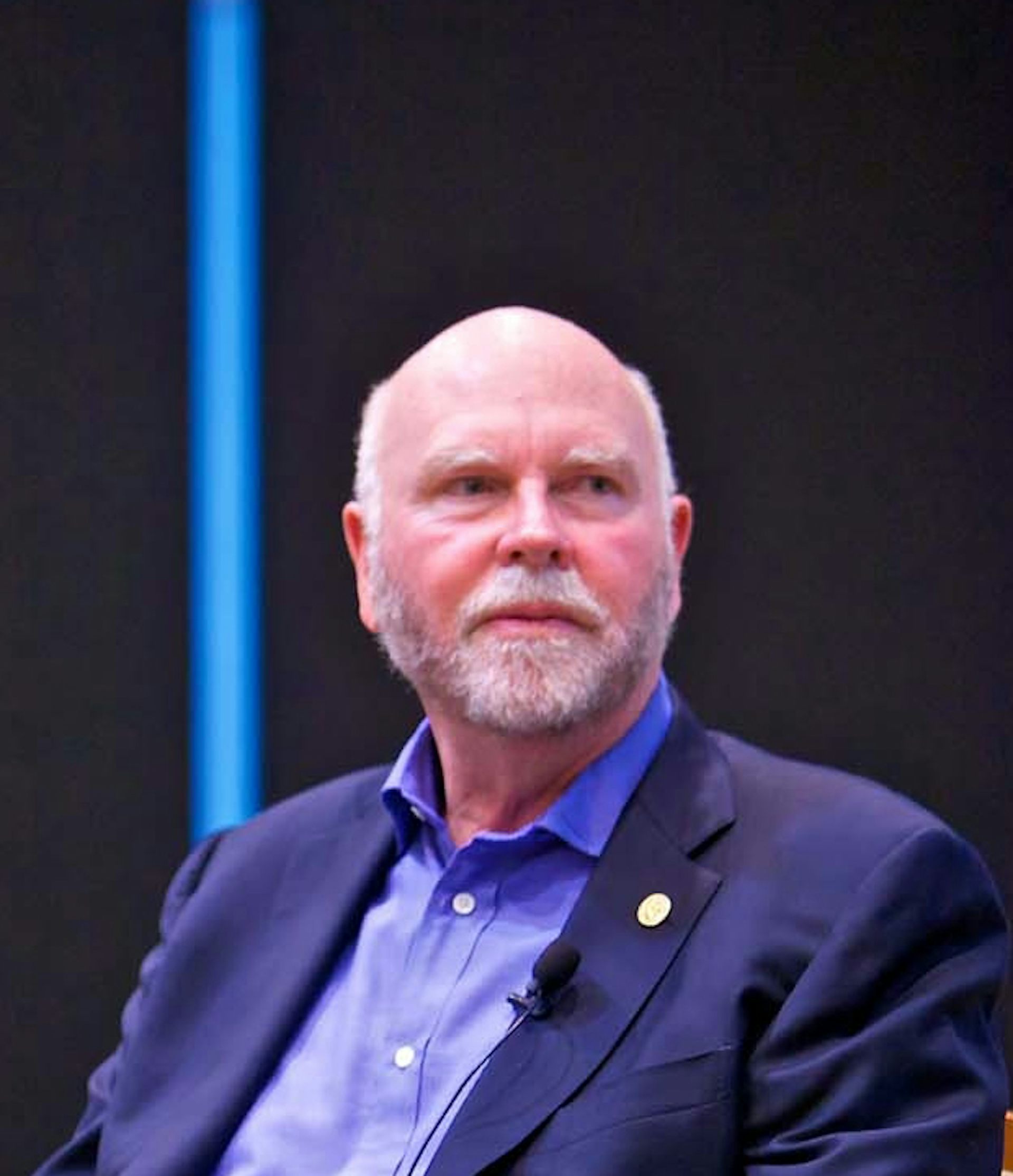
When scientist J. Craig Venter and his team announced in 2010 that they had created the first cell controlled by a fully synthetic genome, it marked a turning point in how scientists think about life.
当科学家杰·克雷格·文特和他的团队于2010年宣布他们创造了第一个由全合成基因组控制的细胞时,这标志着科学家们思考生命方式的一个转折点。
For the first time, DNA – the molecule that carries the instructions for life – had been written on a computer, assembled in a laboratory and used to control a living cell. The achievement suggested something profound: Life might not only be understood but designed.
首次,DNA——携带生命指令的分子——被写入计算机,在实验室中组装,并用于控制活细胞。这项成就暗示了一个深刻的观点:生命不仅可以被理解,还可以被设计。
A biologist widely recognized for his groundbreaking contributions to genomics, including leading efforts to sequence the first draft of the human genome, Venter and his team’s successful creation of the first synthetic bacterial cell is considered pivotal to the field of synthetic biology.
文特和他的团队成功创造出第一个合成细菌细胞,这被认为是合成生物学领域的关键里程碑。文特是一位生物学家,因其在基因组学领域的开创性贡献而广受认可,其中包括领导测序人类基因组初稿的努力。
By combining biology and engineering, synthetic biology seeks to design and build new biological systems or redesign existing ones for useful purposes. Rather than only observing how life works, scientists use tools such as DNA synthesis and genetic engineering to “program” cells to perform specific tasks, such as producing vaccines, developing sustainable fuels or detecting environmental toxins.
合成生物学通过结合生物学和工程学,旨在设计和构建新的生物系统,或为有用目的重新设计现有系统。科学家们不再仅仅观察生命如何运作,而是利用DNA合成和基因工程等工具来“编程”细胞,使其执行特定任务,例如生产疫苗、开发可持续燃料或检测环境毒素。
But how far has the field gone since Venter’s original synthetic bacterial cell?
但是,自文特最初的合成细菌细胞以来,该领域发展到了何种程度?
As a biochemist who uses genomics in my teaching and research, I am interested in understanding what this shift in biology means and how far it has actually taken scientific innovation. Following Venter’s death on April 29, 2026, it is worth revisiting that moment and asking whether synthetic biology has delivered on its promise.
作为一名在教学和研究中使用基因组学的生物化学家,我对理解生物学上的这种转变意味着什么,以及它实际推动了多大的科学创新,非常感兴趣。继文特于2026年4月29日去世后,回顾那个时刻,并探讨合成生物学是否兑现了其承诺,是值得的。
What is synthetic biology?
什么是合成生物学?
For much of the 20th century, biology focused on decoding life.
在20世纪的大部分时间里,生物学专注于解码生命。
The discovery of DNA’s structure in 1953 revealed how genetic information is stored. Decades later, the Human Genome Project that Venter helped accelerate mapped the full set of human genes.
1953年发现DNA的结构揭示了遗传信息是如何存储的。几十年后,Venter加速推进的人类基因组计划绘制了全套人类基因图谱。
But Venter and others pushed the field further: If DNA could be read like code, could it also be written?
但Venter和其他人将该领域推向了更远:如果DNA可以像代码一样被读取,它是否也可以被书写?
This idea underpins synthetic biology, which aims to design and construct biological systems rather than simply study them. Instead of modifying one gene at a time, researchers began exploring whether entire genomes could be built and inserted into cells.
这个想法构成了合成生物学的基础,它旨在设计和构建生物系统,而不仅仅是研究它们。研究人员开始探索是否可以将整个基因组构建并插入到细胞中,而不是一次修改一个基因。
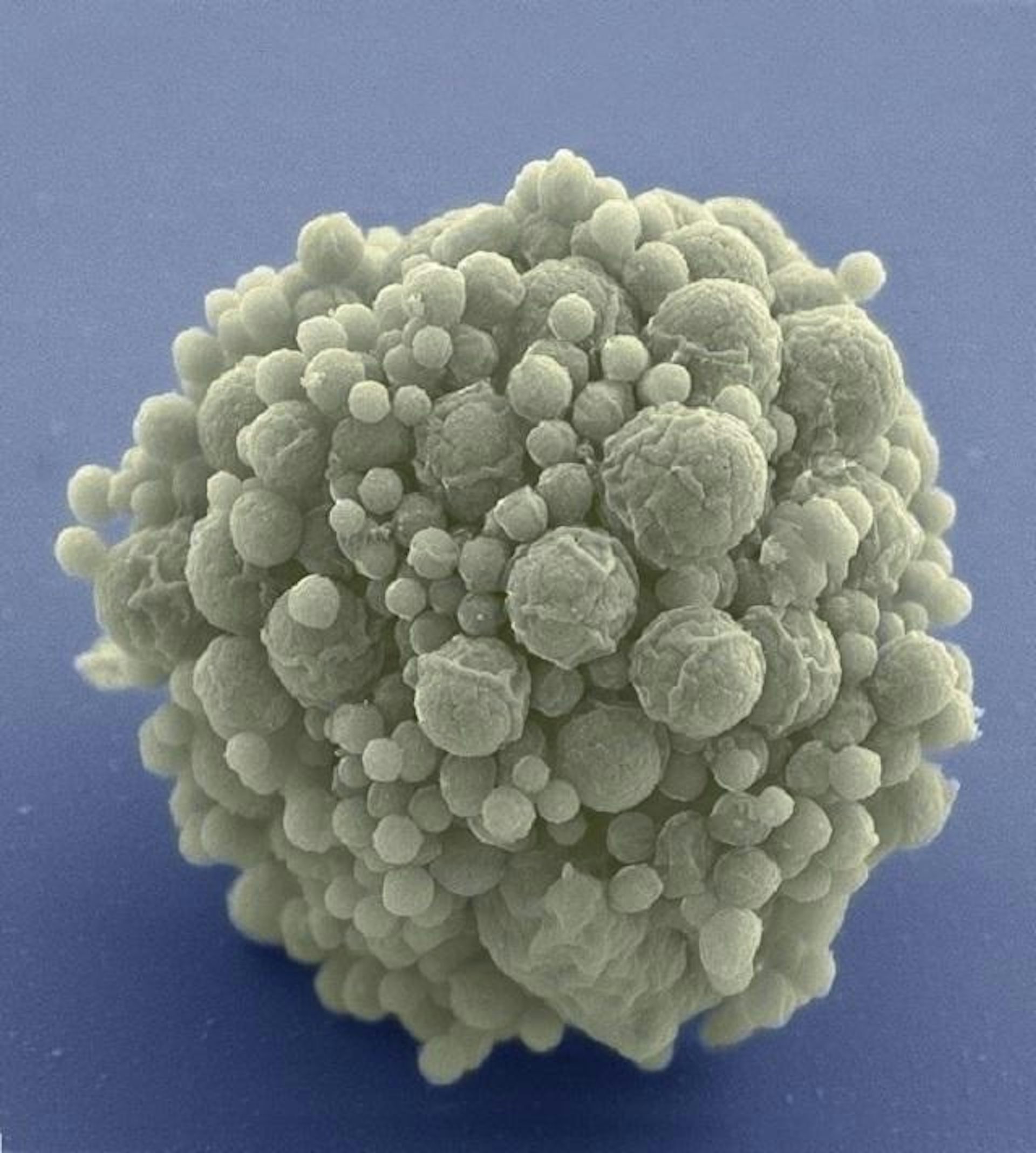
In 2010, Venter’s team demonstrated that this was possible. They constructed a bacterial genome and used it to take control of a living cell. While the cell itself was not built entirely from scratch, their work showed that the instructions for life could be engineered.
2010年,Venter的团队证明了这是可能的。他们构建了一个细菌基因组,并用它来控制一个活细胞。虽然细胞本身并非完全从零开始构建,但他们的工作表明生命指令是可以被工程化的。
In other words, synthetic biologists were moving from reading life to rewriting it entirely.
换句话说,合成生物学家正从“阅读生命”转向“彻底重写生命”。
Big promises and bold expectations
巨大的前景和大胆的期望
Synthetic biology has already led to a range of promising outcomes across medicine, energy and environmental science.
合成生物学已经在医学、能源和环境科学等领域带来了诸多可期的成果。
Researchers have engineered microbes to produce lifesaving drugs such as artemisinin, an antimalarial compound, and to manufacture sustainable biofuels that could reduce reliance on fossil fuels. In addition, researchers are using synthetic biology to design organisms capable of detecting and breaking down environmental pollutants, offering new tools for bioremediation.
研究人员已经改造了微生物,使其能够生产青蒿素等救命药物(一种抗疟疾化合物),并制造可持续生物燃料,从而减少对化石燃料的依赖。此外,研究人员还利用合成生物学设计能够检测和分解环境污染物的生物体,为生物修复提供了新的工具。
At the heart of these ideas was a powerful analogy: If biology could be treated like software, then designing organisms might one day resemble writing code.
这些想法的核心是一个强有力的类比:如果生物学可以像软件一样被对待,那么设计生物体有一天可能会类似于编写代码。
This vision attracted significant investment and policy attention. The U.S. Government Accountability Office has highlighted synthetic biology’s potential to address challenges in multiple industries while also raising important ethical and safety considerations. For example, synthetic biology techniques could be used to develop biological weapons and could unintentionally harm ecosystems and human health.
这一愿景吸引了大量的投资和政策关注。美国政府问责局强调了合成生物学在解决多个行业挑战的潜力,同时也提出了重要的伦理和安全考量。例如,合成生物学技术可能被用于开发生物武器,并可能无意中损害生态系统和人类健康。
Progress slower than expected
进展慢于预期
Despite this progress, synthetic biology has not fully realized its early ambitions. One major reason is the complexity of living systems.
尽管取得了这些进展,合成生物学尚未完全实现其早期的雄心。一个主要原因是生命系统的复杂性。
Early approaches to synthetic biology treated cells as modular systems, where components could be predictably exchanged. In practice, biological systems are highly interconnected. Gene interactions are difficult to predict, and results observed in controlled laboratory conditions do not always scale to real-world environments.
合成生物学的早期方法将细胞视为模块化系统,认为其组件可以可预测地交换。然而,在实践中,生物系统是高度互联的。基因相互作用难以预测,在受控实验室条件下观察到的结果并不总能推广到现实环境。
This challenge has been particularly evident in areas such as biofuels, where translating laboratory successes into industrial-scale production has proved difficult.
这一挑战在生物燃料等领域尤为明显,因为将实验室的成功转化为工业规模的生产过程非常困难。
There are also more fundamental limitations. Scientists still cannot construct a fully living organism from nonliving components alone. Even Venter’s synthetic cell depended on an existing biological system to function.
此外,还存在更根本的局限性。科学家们仍然无法仅从非生命组件构建出完全有生命的生物体。即使是文特(Venter)的合成细胞,也依赖于现有的生物系统才能发挥作用。
As a result, the goal of creating life entirely from scratch remains out of reach for now.
因此,从零开始创造生命的目标目前仍然遥不可及。
New questions and emerging risks
新问题和新兴风险
As technology has advanced, it has also raised new ethical and security concerns. The same tools used to design beneficial organisms could potentially be misused.
随着技术的进步,也引发了新的伦理和安全担忧。用于设计有益生物的工具,可能被滥用。
Synthetic biology is widely recognized as a dual-use field, where advances in gene editing, DNA synthesis and bioengineering may enable not only medical and environmental innovations but also the creation or modification of harmful organisms.
合成生物学被广泛认为是双重用途领域,其中基因编辑、DNA合成和生物工程的进步不仅可能带来医疗和环境创新,还可能用于创造或改造有害生物。
The increasing accessibility of these technologies further lowers barriers to misuse, making biosecurity threats more distributed and difficult to control. At the same time, governance frameworks often struggle to keep pace with rapid technological developments, leaving gaps in oversight and international coordination.
这些技术的日益普及进一步降低了滥用的门槛,使得生物安全威胁更加分散和难以控制。与此同时,治理框架往往难以跟上快速的技术发展,留下了监管和国际协调的空白。
Beyond immediate risks, broader questions remain about how far humans should go in redesigning life and what unintended consequences such changes could have for ecosystems. Engineered organisms may introduce risks such as genetic contamination and ecosystem disruption, which would harm biodiversity and ecosystem services.
除了直接的风险外,关于人类在重新设计生命方面应走多远,以及此类改变对生态系统可能产生何种意外后果,仍然存在更广泛的问题。工程化生物体可能会引入基因污染和生态系统破坏等风险,从而损害生物多样性和生态系统服务。
These concerns are likely to become more pressing as the technology behind synthetic biology continues to develop, particularly as emerging tools such as artificial intelligence accelerate the design of new biological systems.
随着合成生物学背后的技术持续发展,特别是像人工智能这样的新兴工具加速了新型生物系统的设计,这些担忧可能会变得更加紧迫。
Venter’s legacy
凡特(Venter)的遗产
The implications of the idea that life could be engineered rather than just observed is still unfolding.
“生命可以被设计而非仅仅被观察”这一想法的意义仍在展开。
Synthetic biology has not yet delivered a world of fully programmable organisms solving global challenges. But it has changed expectations, both within science and beyond, about what might be possible in biological design.
合成生物学尚未带来一个能解决全球挑战的、完全可编程的生物体世界。但它改变了科学界乃至整个社会对生物学设计可能性的期望。
In that sense, the impact of synthetic biology is already clear: It has altered not just how scientists study life but how society imagines its future.
从这个意义上说,合成生物学的影响已经显而易见:它不仅改变了科学家研究生命的方式,也改变了社会想象其未来的方式。
Venter’s legacy includes the questions he made unavoidable: how far scientists should go in designing life, who gets to decide, and what responsibilities come with that power. The answers remain unsettled. But the trajectory seems to be that science is learning, cautiously and imperfectly, to author life.
凡特的遗产包括了他提出的那些无法回避的问题:科学家在设计生命时应该走多远?谁有权决定?以及这种权力伴随的责任是什么?答案仍未定论。但目前的趋势似乎是,科学正在学习,以谨慎和不完美的方式,来“撰写”生命。
André O. Hudson receives funding from the National Institutes of Health and the National Science Foundation
安德烈·O·哈德森(André O. Hudson)获得美国国立卫生研究院和美国国家科学基金会的资助