أوكرانيا تُقَابِل تأثير الحرب في إيران بمهاجمة منشآت الطاقة الروسية
Ukraine is countering the impact of the war in Iran by attacking Russian energy facilities
Increased and effective Ukrainian attacks on Russia’s energy infrastructure have prevented Russia from effectively exploiting higher oil prices.
منعت الهجمات الأوكرانية المتزايدة والفعالة على البنية التحتية للطاقة الروسية روسيا من استغلال ارتفاع أسعار النفط بشكل فعال.
Many analysts feared the war in Iran waged by the United States and Israel would have disastrous consequences for Ukraine.
خشى العديد من المحللين أن للحرب في إيران، التي شنتها الولايات المتحدة وإسرائيل، عواقب وخيمة على أوكرانيا.
A range of issues resulting from the conflict have in fact hurt Ukraine. But the biggest consequence of the war, both globally and for Ukraine, has been its impact on oil.
في الواقع، أضرت مجموعة من القضايا الناتجة عن الصراع بأوكرانيا. لكن أكبر عواقب الحرب، على الصعيدين العالمي وأوكرانيا، كان تأثيرها على النفط.
Money, and the economy more broadly, are known as the sinews of war. In Russia, oil revenues are the sinews that power the Russian economy and the country’s military more broadly.
يُعرف المال، والاقتصاد بشكل عام، بأنه شرايين الحرب. وفي روسيا، تُعد إيرادات النفط هي الشرايين التي تغذي الاقتصاد الروسي والقوات المسلحة في البلاد بشكل أوسع.
The war in the Middle East, as expected, disrupted global oil supplies and caused a significant uptick in the price of oil. The U.S. lifted restrictions on countries like India that buy Russian oil to alleviate pressure on key allies. In many respects, this chain of events has been the perfect storm to advance Russian interests.
أدت الحرب في الشرق الأوسط، كما كان متوقعاً، إلى تعطيل إمدادات النفط العالمية وتسببت في ارتفاع كبير في أسعار النفط. ورفعت الولايات المتحدة القيود عن دول مثل الهند التي تشتري النفط الروسي لتخفيف الضغط عن الحلفاء الرئيسيين. وفي جوانب عديدة، كانت سلسلة الأحداث هذه بمثابة العاصفة المثالية لتعزيز المصالح الروسية.
Ukraine fights back
أوكرانيا تقاوم
But even though shifting international attention is to Ukraine’s disadvantage, a key aspect of warfare is that all participants generally play a role in its outcome.
ولكن على الرغم من أن تحويل الاهتمام الدولي يمثل ضرراً لأوكرانيا، فإن جانباً رئيسياً من الحرب هو أن جميع المشاركين يلعبون عموماً دوراً في نتيجتها.
Ukraine, rather than idling, has increased its targeting of Russia’s energy infrastructure during the war in Iran.
أوكرانيا، بدلاً من التوقف، زادت من استهدافها للبنية التحتية للطاقة الروسية خلال الحرب في إيران.
Ukrainian officials, in fact, were quite explicit about this approach after Donald Trump once again lifted sanctions on Russian oil, striking Russian oil refineries within hours of the president’s announcement.
في الواقع، كان المسؤولون الأوكرانيون واضحين جداً بشأن هذا النهج بعد أن رفع دونالد ترامب العقوبات على النفط الروسي مرة أخرى، مستهدفين مصافي النفط الروسية في غضون ساعات من إعلان الرئيس.
The Ukrainian attacks have prevented Russia from effectively exploiting higher oil prices — and its own war effort in Ukraine is facing a sustained challenge as well.
منعت الهجمات الأوكرانية روسيا من استغلال ارتفاع أسعار النفط بفعالية- كما أن جهودها الحربية الخاصة في أوكرانيا تواجه تحدياً مستمراً أيضاً.
Surviving the winter
النجاة من الشتاء
Both Russia and Ukraine have long sought to undermine the each other by attacking infrastructure. Russia, in particular, has become noteworthy for attacking civilian infrastructure in an effort to break the will of the Ukrainian people.
لطالما سعت كل من روسيا وأوكرانيا إلى تقويض بعضهما البعض عبر مهاجمة البنية التحتية. وأصبحت روسيا، على وجه الخصوص، محط اهتمام لمهاجمتها للبنية التحتية المدنية في محاولة لكسر إرادة الشعب الأوكراني.
The winter typically marks an escalation in this Russian strategy; this past winter was no exception. The cold weather, combined with declining U.S. support for Ukraine, meant Russia’s infrastructure attacks were particularly devastating.
عادةً ما يمثل الشتاء تصعيداً في هذه الاستراتيجية الروسية؛ ولم يكن شتاء العام الماضي استثناءً. وقد أدى الطقس البارد، بالإضافة إلى تراجع الدعم الأمريكي لأوكرانيا، إلى أن تكون هجمات روسيا على البنية التحتية مدمرة بشكل خاص.
But the damage has given Ukraine an opportunity, allowing it to determine what attacks create the biggest challenges for its repair and reconstruction teams.
لكن هذا الضرر منح أوكرانيا فرصة، مما سمح لها بتحديد أي الهجمات تشكل أكبر التحديات لفرقها المسؤولة عن الإصلاح وإعادة البناء.
These lessons are now being weaponized against Russia. After determining what Russian attacks most damaged its own energy infrastructure, Ukraine is returning the favour via its strikes on Russia.
ويتم الآن تسليح هذه الدروس ضد روسيا. فبعد تحديد الهجمات الروسية التي ألحقت أكبر الضرر ببنيتها التحتية للطاقة، ترد أوكرانيا الجميل عبر ضرباتها على روسيا.
Ukrainian innovations
الابتكارات الأوكرانية
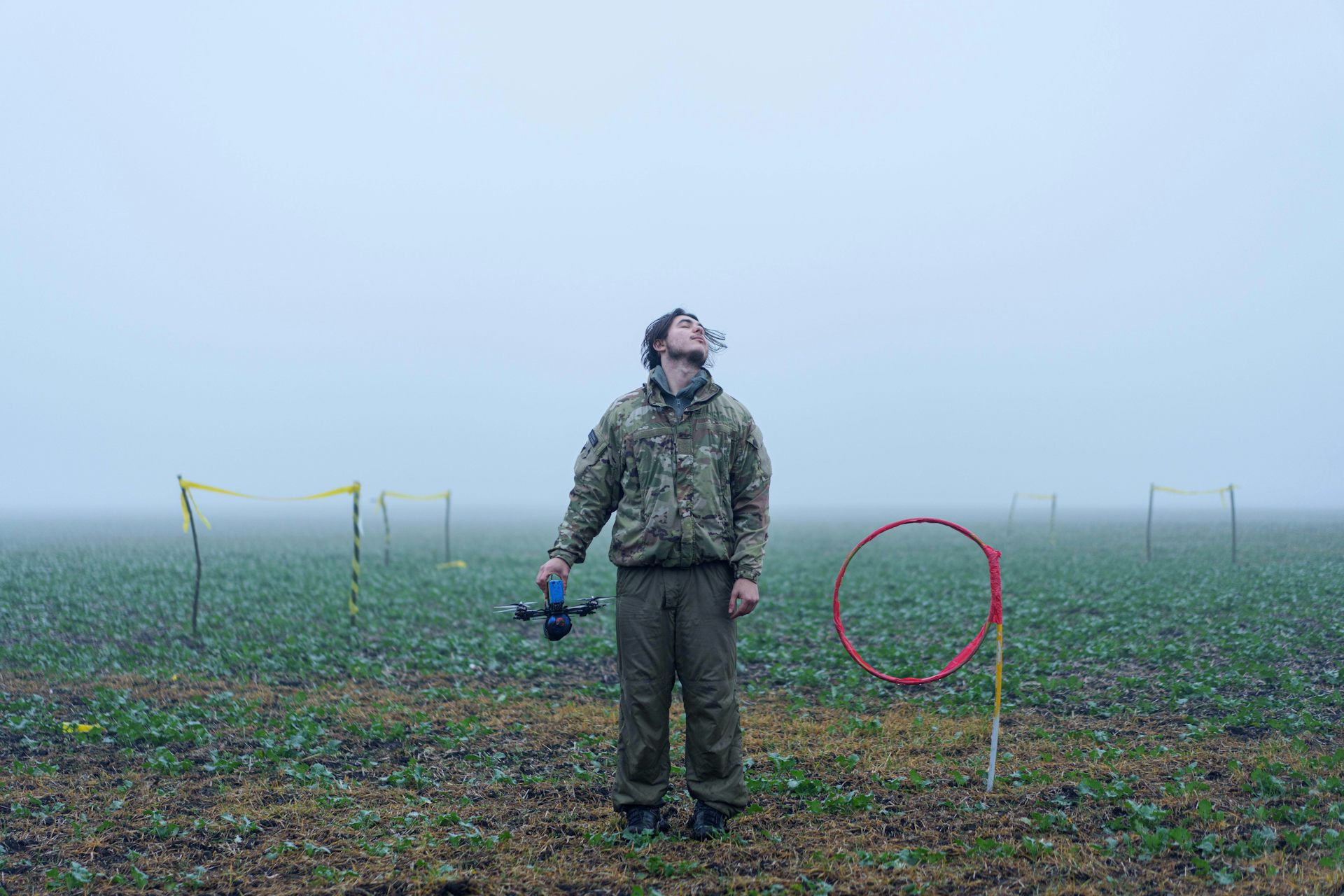
The Russia-Ukraine war has exposed numerous innovations and developments in terms of war-fighting technology — especially drones.
كشفت الحرب الروسية الأوكرانية عن العديد من الابتكارات والتطورات من حيث تكنولوجيا القتال — وخاصة الطائرات المسيرة.
Both Ukraine and Russia have improved drone technology, but Ukraine is at the forefront of drone technology development — so much so western countries like the United Kingdom and Germany are approaching Ukraine’s government to acquire it.
لقد حسّنت كل من أوكرانيا وروسيا تكنولوجيا الطائرات المسيرة، لكن أوكرانيا في طليعة تطوير هذه التكنولوجيا — لدرجة أن دولاً غربية مثل المملكة المتحدة وألمانيا تقترب من حكومة أوكرانيا للحصول عليها.
Tech evangelists have oversold the efficacy of drones in direct combat operations. But Ukraine has developed drone technology to make up for shortages of artillery ammunition.
أفرط المبشرون بالتكنولوجيا في تقدير فعالية الطائرات المسيرة في عمليات القتال المباشر. لكن أوكرانيا طورت تكنولوجيا الطائرات المسيرة لتعويض نقص الذخيرة المدفعية.
Drones may have limited impact at the battlefront due to drone countermeasures, but their long range makes them highly effective against softer targets — like Russia’s energy infrastructure.
قد يكون للطائرات المسيرة تأثير محدود في خط المواجهة بسبب تدابير مكافحة الطائرات المسيرة، لكن مداها الطويل يجعلها فعالة للغاية ضد الأهداف الأسهل — مثل البنية التحتية للطاقة الروسية.
Ukrainian response
الرد الأوكراني
Just as Ukraine began to increased its attacks against Russian oil infrastructure, the U.S. and Israel launched their war in Iran. The lessons Ukraine has learned from Russia’s strikes on its own energy infrastructure over the years suddenly became all the more critical.
بمجرد أن بدأت أوكرانيا بزيادة هجماتها على البنية التحتية النفطية الروسية، أطلقت الولايات المتحدة وإسرائيل حربها في إيران. وأصبحت الدروس التي تعلمتها أوكرانيا من ضربات روسيا على بنيتها التحتية للطاقة على مر السنين أكثر أهمية من أي وقت مضى.
The rising price of oil, as well as an absence of international attention because of the Middle East conflict, created a scenario that many feared would provide Russia with a free hand in Ukraine.
أدى ارتفاع أسعار النفط، بالإضافة إلى غياب الاهتمام الدولي بسبب الصراع في الشرق الأوسط، إلى خلق سيناريو خشي الكثيرون أن يمنح روسيا حرية التصرف في أوكرانيا.
Russia, after all, already possesses significant material advantages over Ukraine. But it faces a major challenge: the morale of both Ukrainians and Russians.
فروسيا، في نهاية المطاف، تمتلك بالفعل مزايا مادية كبيرة على أوكرانيا. لكنها تواجه تحديًا كبيرًا: معنويات كل من الأوكرانيين والروس.
For the Ukrainians, the war against Russia is existential. In Russia’s case, despite Putin’s efforts to label the war a necessity, it’s more a threat to his government than to the Russian people.
بالنسبة للأوكرانيين، فإن الحرب ضد روسيا هي مسألة وجودية. أما في حالة روسيا، فعلى الرغم من جهود بوتين لتصوير الحرب على أنها ضرورة، إلا أنها تمثل تهديدًا لحكومته أكثر مما تمثله تهديدًا للشعب الروسي.
The importance of the economy
أهمية الاقتصاد
The health of a nation’s economy is critical to the success of any country at war. For Russia, the economy is even more vital because of the Ukraine war’s aforementioned weakness in purpose. With a strong economy, the Russian government is better able to sell the war both abroad and domestically.
إن صحة اقتصاد الأمة أمر بالغ الأهمية لنجاح أي بلد في حالة حرب. وبالنسبة لروسيا، فإن الاقتصاد أكثر حيوية بسبب الضعف المذكور في الغرض من حرب أوكرانيا. ومع اقتصاد قوي، تكون الحكومة الروسية أكثر قدرة على “بيع” الحرب سواء في الخارج أو في الداخل.
Putin has tried to offset the cost of the war on the Russian people by outsourcing the conflict, including using Iranian drones and North Korean soldiers.
حاول بوتين تعويض تكلفة الحرب على الشعب الروسي عن طريق “تعهيد” الصراع، بما في ذلك استخدام الطائرات المسيرة الإيرانية والجنود الكوريين الشماليين.
Russia has also recruited soldiers globally with the promise of wealth, particularly from the Global South.
كما قامت روسيا بتجنيد جنود عالمياً بوعد الثراء، خاصة من الجنوب العالمي.
This type of outsourcing minimizes the direct impact on the Russian people. But it also requires money.
يقلل هذا النوع من التعهيد من التأثير المباشر على الشعب الروسي. ولكنه يتطلب أيضاً المال.
Impact of Ukrainian attacks
تأثير الهجمات الأوكرانية
Ukraine has proven remarkably effective at targeting Russia’s energy infrastructure. Using cheap drones, as well as domestically developed missiles, Ukraine’s campaign against Russian energy is bearing fruit.
أثبتت أوكرانيا فعاليتها بشكل ملحوظ في استهداف البنية التحتية للطاقة الروسية. فمن خلال استخدام الطائرات المسيرة الرخيصة، بالإضافة إلى الصواريخ المطورة محلياً، فإن حملة أوكرانيا ضد الطاقة الروسية تؤتي ثمارها.
Ukrainian strikes initially reached a scale where more than 40 per cent of Russia’s oil industry was disrupted. This took place as Russia’s budget deficit had already exceeded its forecast for 2026.
في البداية، وصلت الضربات الأوكرانية إلى مستوى أدى إلى تعطيل أكثر من 40 في المائة من صناعة النفط الروسية. وقد حدث ذلك في الوقت الذي كان فيه عجز الميزانية الروسية قد تجاوز بالفعل توقعاته لعام 2026.
Ukraine’s strikes have been so successful that allied countries have requested Ukrainians roll them back due to the ongoing war in Iran. Ukraine’s Volodymyr Zelenskyy, however, has rejected such appeals.
كانت ضربات أوكرانيا ناجحة لدرجة أن الدول الحليفة طلبت من الأوكرانيين التراجع عنها بسبب الحرب المستمرة في إيران. ومع ذلك، رفض فولوديمير زيلينسكي، رئيس أوكرانيا، مثل هذه المناشدات.
Ukraine needs outside support to keep fighting, but international backing has not proven decisive. Continuing to undermine the Russian economy, however, has the potential to yield decisive results.
تحتاج أوكرانيا إلى دعم خارجي لمواصلة القتال، لكن الدعم الدولي لم يثبت أنه حاسم. ومع ذلك، فإن الاستمرار في تقويض الاقتصاد الروسي يحمل إمكانية تحقيق نتائج حاسمة.
James Horncastle does not work for, consult, own shares in or receive funding from any company or organisation that would benefit from this article, and has disclosed no relevant affiliations beyond their academic appointment.
جيمس هورنكاثل لا يعمل لدى، ولا يستشير، ولا يمتلك حصصاً في، ولا يتلقى تمويلاً من أي شركة أو منظمة قد تستفيد من هذه المقالة، ولم يكشف عن أي انتماءات ذات صلة تتجاوز منصبه الأكاديمي.
Read more
-

في عصر الذكاء الاصطناعي، أصبح الإنتاج الإبداعي البشري ترفاً
In the age of AI, human creative output is becoming a luxury
-

هل صورة ترامب المزعومة “ليوحنا” كانت تجديفاً؟ خبير ديني يشرح
Was Trump’s so-called ‘Jesus’ image blasphemy? A religious expert explains