هل صورة ترامب المزعومة “ليوحنا” كانت تجديفاً؟ خبير ديني يشرح
Was Trump’s so-called ‘Jesus’ image blasphemy? A religious expert explains
Donald Trump’s AI image of himself looking like Jesus has been widely derided as blasphemous. But what exactly is blasphemy?
تعرضت صورة ترامب بالذكاء الاصطناعي له وهو يشبه المسيح للسخرية الواسعة باعتبارها تجديفاً. ولكن ما هو التجديف بالضبط؟
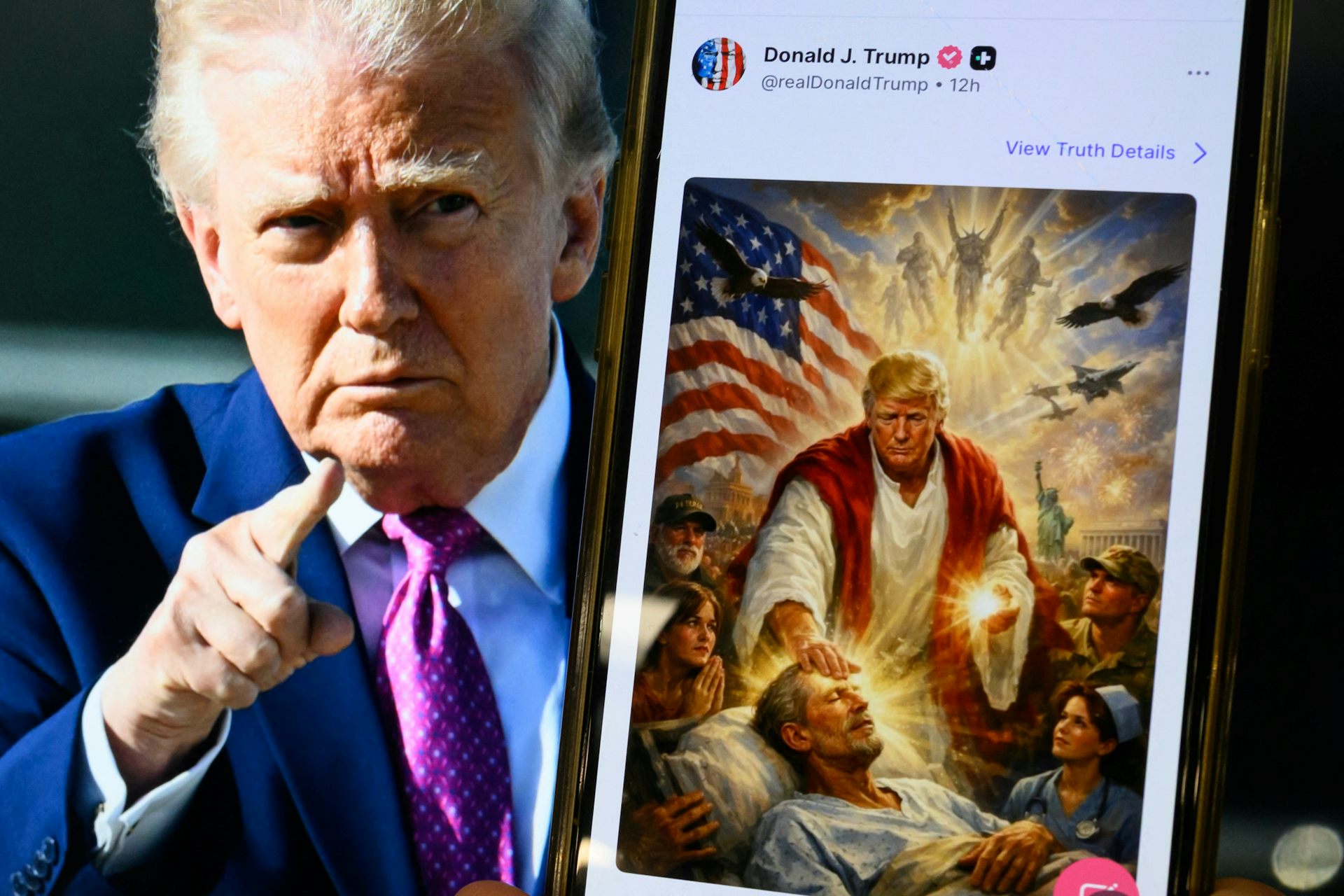
This week, Donald Trump posted an AI image of himself dressed in white robes, placing a glowing hand over an ill or deceased man in a hospital bed, as if to heal or resurrect him. The image, posted on Truth Social, was widely taken as him presenting himself as a Messianic Jesus figure.
هذا الأسبوع، نشر دونالد ترامب صورة بالذكاء الاصطناعي له وهو يرتدي أردية بيضاء، ويضع يداً متوهجة على رجل مريض أو متوفى في سرير المستشفى، وكأنه يشفي أو يحييه. وقد اعتُبرت الصورة، التي نُشرت على “تروث سوشيال”، على نطاق واسع أنه يقدم نفسه كشخصية مسيحية مسيانية.
Sometime the next morning, he deleted the post. “I thought it was me as a doctor,” he explained to reporters, according to Time magazine. Jesus? “Only the fake news could come up with that one.”
في وقت ما من صباح اليوم التالي، قام بحذف المنشور. وأوضح لصحفيين، وفقاً لمجلة تايم، قائلاً: “اعتقدت أنها أنا كطبيب.” هل يسوع؟ “فقط الأخبار الكاذبة يمكن أن تفكر في هذا الأمر.”
But the post was widely interpreted as blasphemous – including by conservative Catholic group CatholicVote.org.
لكن المنشور فُسِّر على نطاق واسع على أنه تجديف – بما في ذلك من قبل مجموعة الكاثوليك المحافظين CatholicVote.org.
“I don’t know if the President thought he was being funny or if he is under the influence of some substance or what possible explanation he could have for this OUTRAGEOUS blasphemy,” declared Megan Basham, a prominent conservative Protestant Christian writer, on X. “But he needs to take this down immediately and ask for forgiveness from the American people and then from God.”
أعلنت ميغان باشام، الكاتبة المسيحية البروتستانتية المحافظة البارزة، على منصة X: “لا أعرف ما إذا كان الرئيس يعتقد أنه يمزح، أو ما إذا كان تحت تأثير مادة ما، أو ما هو التفسير الممكن لهذا التجديف الفاضح”، مضيفة: “لكنه بحاجة إلى إزالة هذا فوراً وطلب المغفرة من الشعب الأمريكي ومن ثم من الله”.
“I was very grateful to see how many conservative Christians immediately denounced the blasphemous Jesus/Trump image,” said pastor Doug Wilson, who recently led a prayer service at the Pentagon and founded the network of churches War Secretary Pete Hegseth belongs to.
قال القس دوغ ويلسون: “كنت ممتناً جداً لرؤية عدد المسيحيين المحافظين الذين نددوا فوراً بصورة المسيح/ترامب التجديفية”، وهو القس الذي قاد مؤخراً خدمة صلاة في البنتاغون وأسس شبكة الكنائس التي ينتمي إليها وزير الحرب بيت هيجست.
What is blasphemy?
ما هي التجديف؟
Within the Christian tradition, blasphemy has historically been an unstable, shifting idea. But, simply put, it means speech, thought or action that shows contempt for – or mockery of – God and sacred matters.
ضمن التقليد المسيحي، كان التجديف تاريخياً فكرة غير مستقرة ومتغيرة. ولكن، ببساطة، يعني الكلام أو الفكر أو الفعل الذي يظهر احتقاراً – أو سخرية من – الله والأمور المقدسة.
Judaism and Christianity’s concept of blasphemy came from the injunction in the Old Testament not to revile God. Within the Old Testament, it was treated as a crime, punishable by death: “One who blasphemes the name of the Lord shall be put to death; the whole congregation shall stone the blasphemer.”
جاء مفهوم التجديف في اليهودية والمسيحية من النهي الوارد في العهد القديم عن سب الله. ففي العهد القديم، عُومل الأمر كجريمة، يعاقب عليها بالإعدام: “من يسب اسم الرب يُقتل؛ وتُحجَر الجماعة كلها المُجدِّف.”
The New Testament expanded the concept to include the rejection of Jesus. Eventually, cursing, reproaching, challenging, mocking, rejecting or denying Jesus became blasphemous.
وسّع العهد الجديد المفهوم ليشمل رفض يسوع. وفي نهاية المطاف، أصبح لعن يسوع أو توبيخه أو تحديه أو السخرية منه أو إنكاره تجديفاً.
More particularly, posing as Jesus or asserting powers that belong only to him was considered blasphemous in medieval times. The “Christs” that emerged were treated harshly, as dangerous heretics. This is where Trump’s presentation of himself as Jesus would undoubtedly be considered blasphemous.
وعلى وجه الخصوص، كان الادعاء بأن المرء هو يسوع أو تأكيد قوى لا تخصه إلا اعتبر تجديفاً في العصور الوسطى. وتم التعامل مع “المسيحين” الذين ظهروا بقسوة، باعتبارهم هرطقات خطيرة. وهنا، فإن تقديم ترامب لنفسه على أنه يسوع سيُعتبر بلا شك تجديفاً.
Broadly, anything said or done that offended believers could be construed as blasphemous. Catholics at the time of the Reformation in the 16th century tended to brand those who offended them as heretics.
وبشكل عام، يمكن اعتبار أي شيء يُقال أو يُفعل ويُسيء إلى المؤمنين على أنه تجديف. وميل الكاثوليك في وقت الإصلاح الديني في القرن السادس عشر إلى وصف من يسيئون إليهم بالهرطقة.
Protestants generally preferred the term blasphemy for anything they disliked or disagreed with. For example, 16th century theologian Martin Luther – a seminal figure in the Protestant Reformation – condemned as blasphemous not only Catholics, but also Jews and Muslims.
عموماً، فضل البروتستانت مصطلح التجديف لأي شيء لا يعجبهم أو لا يتفقون معه. على سبيل المثال، أدان عالم اللاهوت مارتن لوثر في القرن السادس عشر – وهو شخصية محورية في الإصلاح البروتستانتي – الكاثوليك، وكذلك اليهود والمسلمين، باعتبارهم تجديفاً.
Blasphemy as sin or crime
التجديف كخطيئة أو جريمة
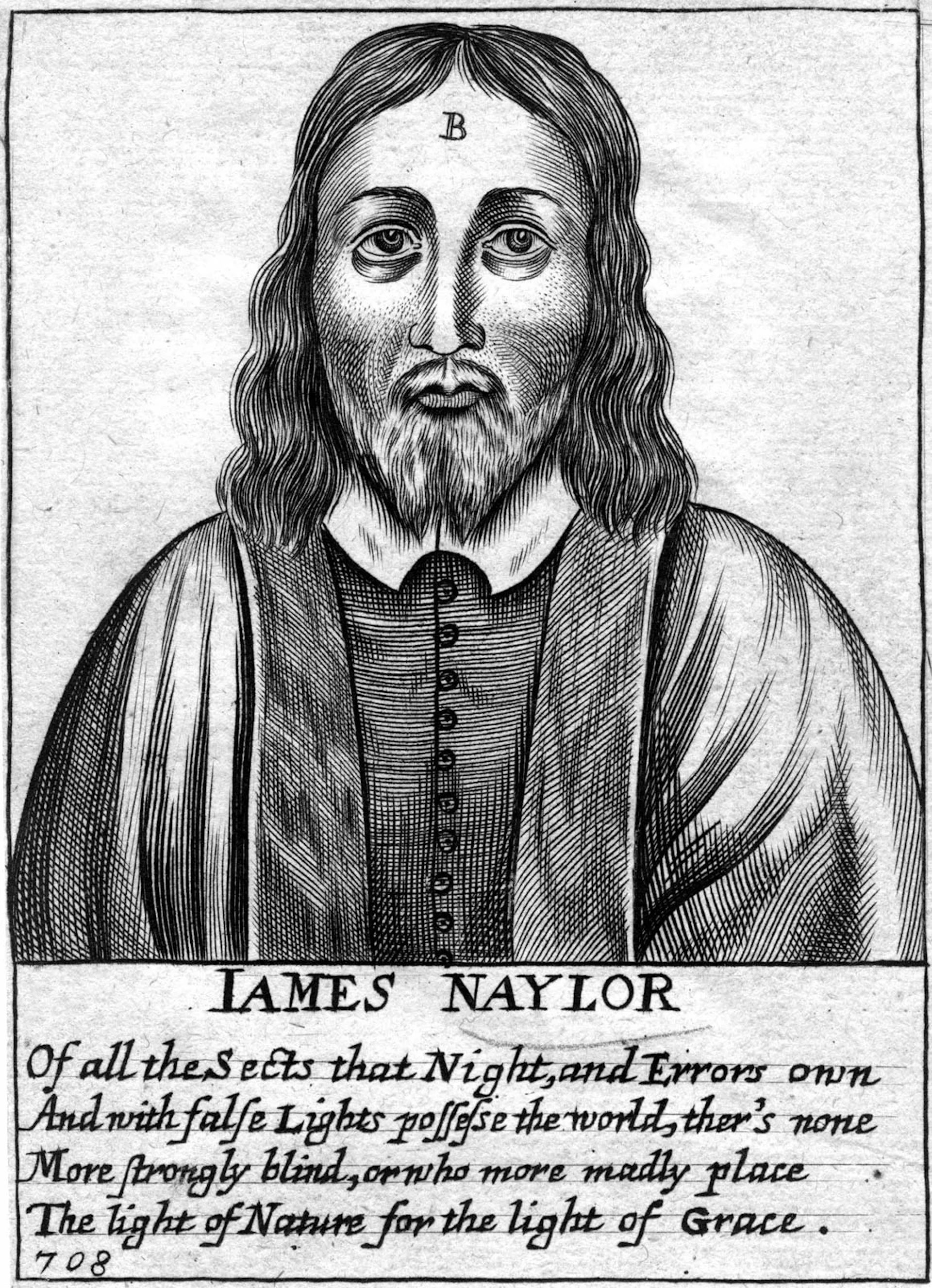
From the 17th century onwards, blasphemy became not so much an offence against God as one against society. Within the unstable societies of early modern Europe, blasphemy was viewed as socially and politically subversive and prosecuted as such. The Quaker James Naylor was imprisoned in 1656 for reenacting Jesus’s entry into Jerusalem on Palm Sunday.
من القرن السابع عشر فصاعداً، لم يعد التجديف جريمة ضد الإله بقدر ما أصبح جريمة ضد المجتمع. ففي المجتمعات غير المستقرة لأوروبا في العصور الحديثة المبكرة، كان يُنظر إلى التجديف على أنه عمل هدام اجتماعياً وسياسياً ويتم مقاضاته على هذا الأساس. وسُجن الكويكر جيمس نايلر عام 1656 لتجسيده دخول يسوع إلى القدس في أحد الشعانين.
Early in the 17th century, blasphemy crossed to the United States. Virginia’s first law code specified death for blaspheming the divine Trinity.
في أوائل القرن السابع عشر، انتقل التجديف إلى الولايات المتحدة. وقد حدد أول قانون في فيرجينيا الموت لمن يتجدفون ضد الثالوث الإلهي.
Despite the first amendment to the US constitution, protecting free speech, blasphemy laws were regularly enacted. The US Supreme Court didn’t rule that laws against blasphemy infringed the right to free speech until after World War II. Several states still have blasphemy on their books.
على الرغم من التعديل الأول للدستور الأمريكي، الذي يحمي حرية التعبير، فقد تم سن قوانين التجديف بانتظام. ولم تقرر المحكمة العليا الأمريكية أن القوانين ضد التجديف تنتهك الحق في حرية التعبير إلا بعد الحرب العالمية الثانية. ولا تزال العديد من الولايات تحتفظ بقوانين التجديف في سجلاتها.
England’s Blasphemy Act of 1697, which criminalised the denial of the Holy Trinity, the truth of Christianity, or the divine authority of the Bible, carried over into the colonies of Australia and New Zealand.
قانون التجديف الإنجليزي لعام 1697، الذي جرّم إنكار الثالوث المقدس، أو حقيقة المسيحية، أو السلطة الإلهية للكتاب المقدس، انتقل إلى مستعمرات أستراليا ونيوزيلندا.
Blasphemy is no longer an offence under Australian federal law, though laws governing it vary across the states: it’s still in the criminal code of many of them. New Zealand’s criminal code deals with “blasphemous libel” as part of “crimes against religion, morality and public welfare”.
لم يعد التجديف جريمة بموجب القانون الفيدرالي الأسترالي، على الرغم من أن القوانين التي تحكمه تختلف عبر الولايات: ولا يزال موجوداً في القانون الجنائي للعديد منها. ويتعامل القانون الجنائي في نيوزيلندا مع “التشهير التجديفي” كجزء من “الجرائم ضد الدين والأخلاق والرفاه العام.”
Is there blasphemy in Islam?
هل هناك تجديف في الإسلام؟
Within Islam, there is no exact equivalent to “blasphemy”. But the idea of the “word of infidelity” is analogous to it. In practice, it amounts to mockery of God, the prophet, or the Islamic tradition generally.
ضمن الإسلام، لا يوجد ما يعادل “التجديف” تماماً. لكن فكرة “كلمة الكفر” تماثل ذلك. عملياً، يوازي ذلك السخرية من الله، أو النبي، أو التقاليد الإسلامية بشكل عام.
So, when Trump mockingly declared “Praise be to Allah” in a recent post, he was guilty of blasphemy in Muslim eyes. Conservative commentator Dinesh D’Souza compared it to the Old Testament account of the prophet Elijah, who mocked the prophets of Baal in 1 Kings 18.
لذلك، عندما أعلن ترامب بسخرية “الحمد لله” في منشور حديث، فقد ارتكب التجديف في نظر المسلمين. وقارن المعلق المحافظ دينيش دوزا ذلك بحكاية النبي إيليا في العهد القديم، الذي سخر من أنبياء بعل في سفر الملوك الأول 18.
The Islamic advocacy group Council on American-Islamic Relations called it “disturbing” and “offensive to Muslims”.
وصفته مجموعة المناصرة الإسلامية، مجلس العلاقات الإسلامية الأمريكية، بأنه “مقلق” و”مسيء للمسلمين.”
Laws against blasphemy are actively enforced in many modern Islamic states.
يتم تطبيق القوانين ضد التجديف بنشاط في العديد من الدول الإسلامية الحديثة.
Does blasphemy matter?
هل التجديف يهم؟
It is not blasphemous to speak or publish opinions that are hostile to Christianity, Judaism or Islam – or for that matter, any religion. What matters is not so much the substance of criticism as the manner in which it is made.
ليس من التجديف التعبير عن آراء معادية للمسيحية أو اليهودية أو الإسلام – أو لأي دين على الإطلاق. ما يهم ليس جوهر النقد بقدر ما يهم هي الطريقة التي يتم بها.
We should only worry when criticism becomes a form of “religious hate speech”. The question we should ask is about intent. In a secular society, where we do identify ill intent, we may wish to think about “blasphemy” as a matter of public morality, not theology.
يجب أن نقلق فقط عندما يصبح النقد شكلاً من أشكال “خطاب الكراهية الديني.” السؤال الذي يجب أن نطرحه هو حول النية. في مجتمع علماني، حيث يمكننا تحديد النية السيئة، قد نرغب في التفكير في “التجديف” كمسألة أخلاق عامة، وليس لاهوتية.
So, what about Donald Trump’s post? Does it matter?
إذًا، ماذا عن منشور دونالد ترامب؟ هل يهم؟
If we consider “blasphemy” to include the mocking of religion, there is little doubt that Trump’s mockery of Islam is blasphemous. If we believe his deleted Truth Social post was intended to suggest he is Jesus – or in some sense divine – then Christians are entitled to consider him blasphemous.
إذا اعتبرنا أن “التجديف” يشمل السخرية من الدين، فليس هناك شك في أن سخرية ترامب من الإسلام هي تجديف. وإذا كنا نعتقد أن منشوره المحذوف على “تروث سوشيال” كان يهدف إلى التلميح إلى أنه يسوع – أو إلهي بمعنى ما – فإن المسيحيين يحق لهم اعتباره تجديفًا.
That said, from a secular perspective, it is more self-indulgent foolishness than hate speech – but nonetheless, extremely inappropriate for a US president.
ومع ذلك، من منظور علماني، هو أقرب إلى الحماقة المفرطة في الترف أكثر من كونه خطاب كراهية – ولكنه يظل غير لائق للغاية لرئيس أمريكي.
Philip C. Almond does not work for, consult, own shares in or receive funding from any company or organisation that would benefit from this article, and has disclosed no relevant affiliations beyond their academic appointment.
لا يعمل فيليب سي. ألموند لدى، أو يستشير، أو يمتلك أسهمًا في، أو يتلقى تمويلاً من أي شركة أو منظمة تستفيد من هذه المقالة، ولم يفصح عن أي انتماءات ذات صلة تتجاوز منصبه الأكاديمي.
Read more
-
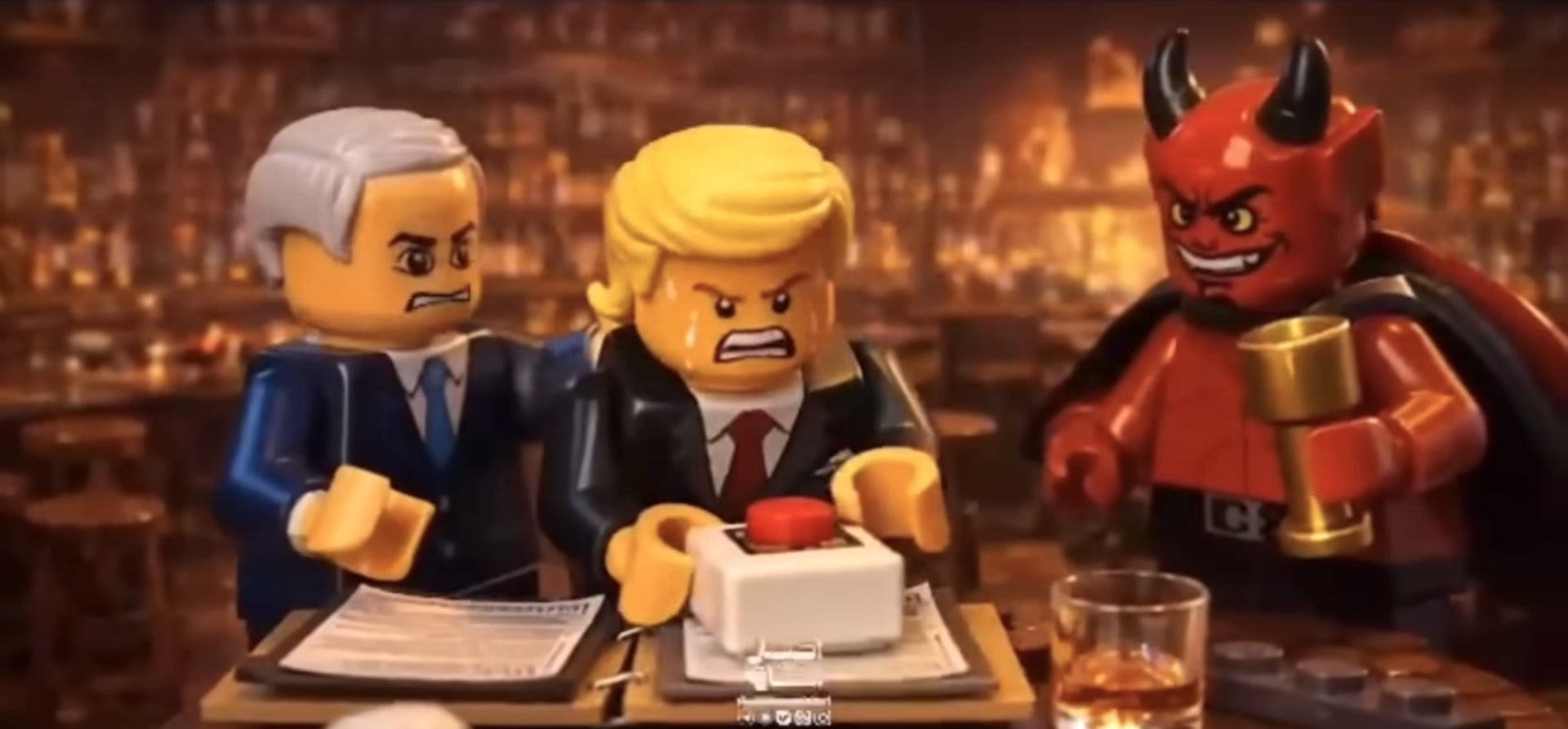
حروب الدعاية الرخيصة: كيف (ولماذا) تغمر الولايات المتحدة وإيران المنطقة بالضجيج الفيروسي الناتج عن الذكاء الاصطناعي
Slopaganda wars: how (and why) the US and Iran are flooding the zone with viral AI-generated noise
-
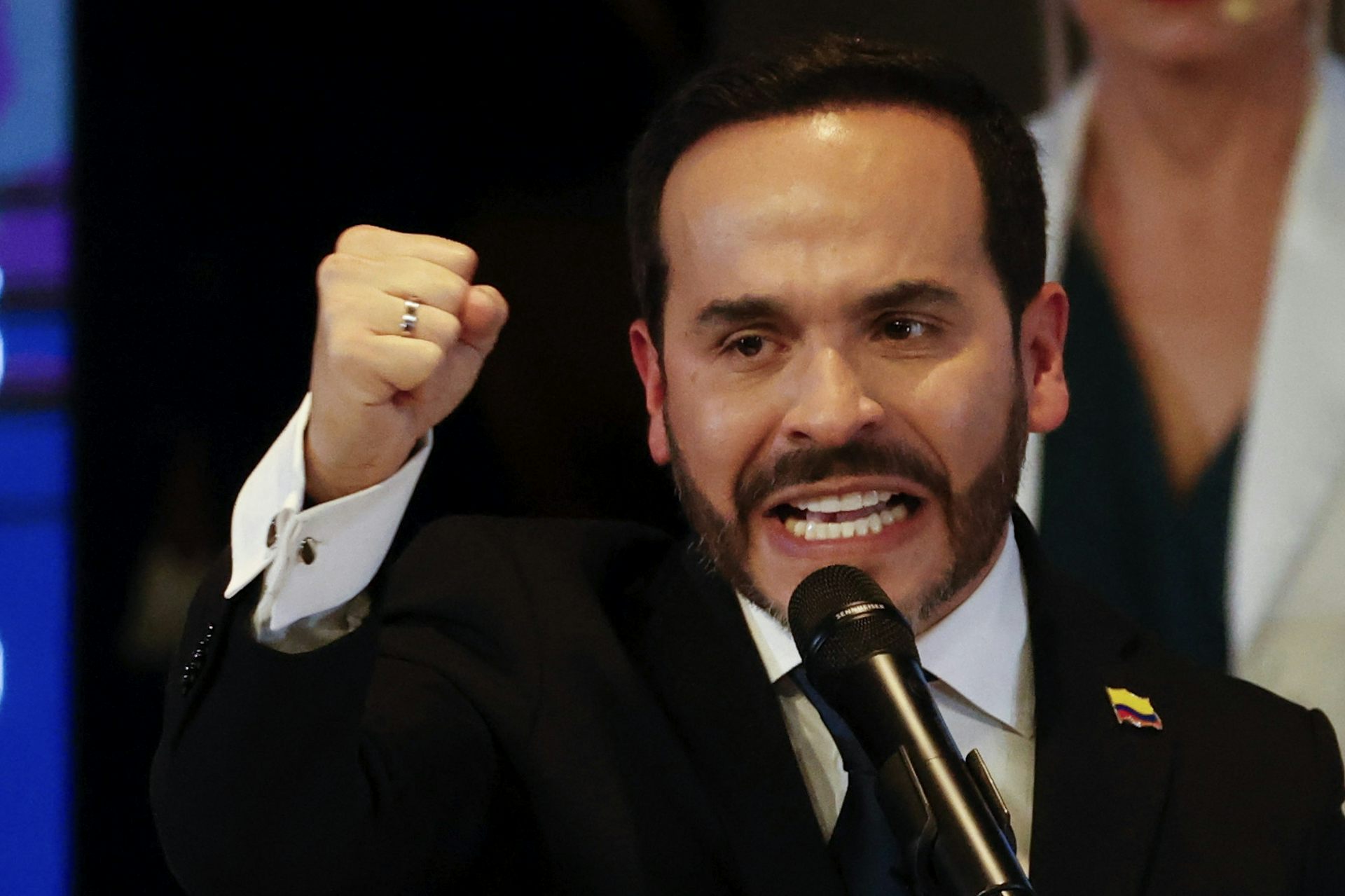
الرئيس الكولومبي الجديد “إل تيغري” يعد بقبضة من حديد – لكن هذا قد لا يحل العنف الذي ورثه
Colombia’s new president ‘El Tigre’ promises an iron fist – but that may not solve the violence he has inherited