要让船只再次通过霍尔木兹海峡,需要付出什么代价?
What will it take to get ships going through the Strait…
The ceasefire between the US, Israel and Iran has done little so far to getting shipping through the vital waterway. It’s going to take more than just words to fix.
美国、以色列和伊朗之间的停火迄今为止对恢复这条重要水道的航运帮助甚微。要解决这个问题,需要的不仅仅是口头承诺。
Wednesday’s ceasefire announcement by President Donald Trump, linked to Iran reopening the Strait of Hormuz, prompted immediate optimism shipping would quickly resume. It didn’t.
唐纳德·特朗普总统周三宣布的停火令,与伊朗重新开放霍尔木兹海峡有关,引发了立即的乐观情绪,认为航运将迅速恢复。但事实并非如此。
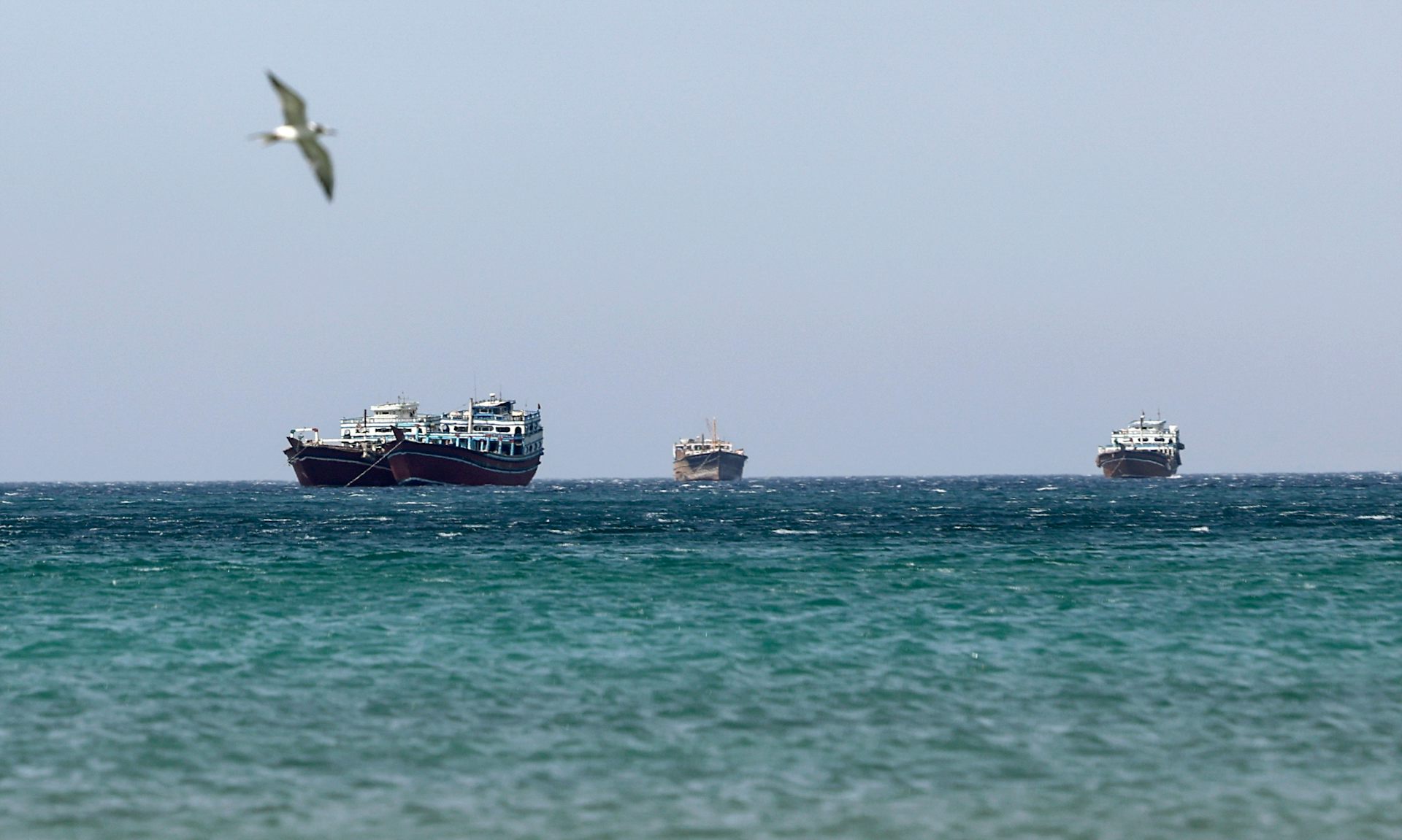
The following morning, traffic remained minimal. A handful of vessels, largely linked to Iran, made the transit. But most of the ships waiting in the Gulf stayed put. Iran announced shortly afterwards that it would effectively close the strait because of Israel’s attacks on Lebanon.
第二天早上,船只流量仍然很少。只有少数几艘船只,大多与伊朗有关,完成了过境。但大多数停留在海湾的船只都没有动。伊朗随后宣布,由于以色列对黎巴嫩的袭击,它将有效地关闭该海峡。
The reality is the strait was never closed. Framing the issue as “open” or “closed” misses the point.
现实是,该海峡从未真正关闭。将这个问题定性为“开放”或“关闭”,都是说不着道。
Ships are not being physically blocked. They are being deterred.
船只并非被物理性地阻拦。它们是被威慑住了。
Over recent weeks, Iran has demonstrated both the capability and intent to target commercial shipping. Attacks and credible threats against vessels have driven daily transits down from around 130 to just a handful. Until that risk changes, ships will not return in meaningful numbers.
近几周来,伊朗展示了针对商业航运的能力和意图。针对船只的袭击和可信威胁已导致每日过境量从约130艘下降到仅剩少数几艘。在风险改变之前,船只不会以有意义的数量返回。
So what can be done to turn this around?
那么,可以做些什么来扭转局面呢?
Both walking and talking
言行不一
The ceasefire declarations have added to the uncertainty rather than resolved it.
停火声明非但没有消除不确定性,反而加剧了不确定性。
Washington has asserted that the strait is open.
华盛顿坚称该海峡是开放的。
Tehran’s messaging has been more ambiguous, including references to requiring vessels to inform Iranian authorities before transiting.
德黑兰的表态更为模糊,包括要求船只在通过前通知伊朗当局的说法。
Some interpret this as a precursor to attempts to exert control over the waterway through a toll.
一些人将其解读为试图通过征收过路费来控制该水道的先兆。
This ambiguity matters. Shipping is a commercial activity driven by risk calculations. Operators and crews will not move on the basis of political statements, particularly when recent experience suggests those statements may not hold.
这种模糊性至关重要。航运是一项由风险计算驱动的商业活动。操作人员和船员不会仅仅根据政治声明行动,特别是当近期经验表明这些声明可能无法兑现时。
The importance of reassurance
重申信任的重要性
In practice, restoring traffic through the strait will likely occur in two phases.
实践中,恢复海峡的交通流量可能会分两个阶段进行。
The first is reducing the threat. That can occur through military means, diplomacy, or a combination of both, but it must materially degrade Iran’s ability and willingness to target shipping.
第一阶段是降低威胁。这可以通过军事手段、外交手段或两者的结合来实现,但必须实质性地削弱伊朗针对航运的能力和意愿。
The second is reassurance.
第二阶段是重申信任。
Even if Iran’s attacks on civilian shipping stop as a result of the ceasefire, shipping will not immediately return. Confidence has been shaken and will take time to rebuild.
即使由于停火协议,伊朗对民用船只的攻击停止了,航运也不会立即恢复。信心已经动摇,需要时间重建。
A credible reassurance effort would include limited naval escorts, at least initially. It’s notable the US did not move immediately to demonstrate confidence in the ceasefire by escorting US flagged and crewed commercial vessels out of the Gulf.
可信的重申信任努力应包括有限的海上护航,至少初期如此。值得注意的是,美国没有立即采取护送美国船旗和船员的商船离开海湾的行动,以展示对停火协议的信心。
That would have sent a clear signal to industry, helped restore confidence in transits and undercut subsequent Iranian claims that ships require approval from its armed forces.
那样会向业界发出明确信号,有助于恢复对过境运输的信心,并削弱伊朗后续声称船只需要其武装部队批准的说法。
Given Iran’s interest in maintaining the ceasefire, it would have been unlikely to challenge ships under US naval protection. The US hesitation has instead created space for Iran to entrench its position, pushing vessels closer to its coastline and reinforcing its ability to shape how the strait is used.
考虑到伊朗维护停火协议的利益,它不太可能挑战处于美国海军保护下的船只。美国的犹豫反而为伊朗创造了巩固其地位的空间,使其将船只推向更靠近其海岸线,并加强了其塑造海峡使用方式的能力。
An effective reassurance campaign would also involve a broader international presence to provide surveillance, information-sharing and rapid response capability. The international community should move quickly to establish this. Its very establishment would help restore confidence in transits.
有效的重申信任行动还应涉及更广泛的国际参与,提供监视、信息共享和快速反应能力。国际社会应迅速行动建立这一机制。其建立本身就能帮助恢复过境运输的信心。
We have seen this model before. The International Maritime Security Construct, established in 2019 following Iranian attacks in the Gulf of Oman, focused on transparency, coordination and reassurance rather than large-scale convoy operations.
我们以前见过这种模式。国际海事安全构筑(International Maritime Security Construct)于2019年建立,旨在应对伊朗在阿曼湾的袭击,其重点是透明度、协调和重申信任,而非大规模护航行动。
I served as the construct’s Director of Plans in 2020. A similar, but more effective, approach is likely to be required again. It is not a silver bullet, but reassurance is layered, and this would at least provide the clarity and communication shippers need.
我曾在2020年担任该构筑的计划主任。可能需要再次采用类似但更有效的方针。它并非灵丹妙药,但重申信任是多层次的,这至少能为船运人提供所需的清晰度和沟通。
Diplomacy will also matter. Clear, coordinated messaging from the international community, backed by explicit economic consequences for any renewed attacks on merchant shipping, will be essential to rebuilding confidence.
外交也会发挥作用。国际社会清晰、协调的信息传递,以及对任何重新攻击商船行为的明确经济后果支持,对于重建信心至关重要。
The question of tolls
关于过路费的问题
There has also been speculation about whether Iran might seek to impose a toll on vessels transiting the strait.
人们还猜测伊朗是否可能会试图对穿越该海峡的船只征收过路费。
The legal position here is clear. The Strait of Hormuz is an international strait under the United Nations Convention on the Law of the Sea. Ships enjoy the right of transit passage through the strait. Charging vessels for passage would cut directly against that principle and set a dangerous precedent for other strategic waterways.
这里的法律立场是明确的。霍尔木兹海峡是《联合国海洋法公约》规定的国际海峡。船只享有通过海峡的过境权。对船只收取过路费将直接违反这一原则,并为其他战略水道树立危险的先例。
There are early signs Iran is testing the boundaries. Reports of radio calls warning vessels they require approval to transit, and suggestions that ships should notify Iranian authorities before transiting, point to an attempt to exert greater control over the strait.
有早期迹象表明伊朗正在试探底线。关于无线电呼叫警告船只需要获得通行许可的报道,以及建议船只在穿越前通知伊朗当局的说法,都表明了其试图加强对该海峡控制的企图。
That should be resisted.
这应该遭到抵制。
Allowing a toll, or even limited restrictions, to take hold in the Strait of Hormuz would have far-reaching consequences, undermining the central principle of maritime trade: freedom of navigation. Regardless of Donald Trump’s flippant comments, the international community is unlikely to accept any enduring Iranian toll system.
允许在霍尔木兹海峡实施过路费,甚至有限的限制,都将产生深远的影响,破坏海上贸易的核心原则:航行自由。无论唐纳德·特朗普发表了何种轻浮的评论,国际社会都不太可能接受任何持久的伊朗过路费制度。
If Iran attempts to pursue one, it should face clear economic consequences, including sanctions.
如果伊朗试图推行,它应该面临明确的经济后果,包括制裁。
Questions remain about whether mines have been laid in or near the strait. Even the suggestion adds to uncertainty and reinforces the need for a coordinated international response, including transparent assessments of the threat environment.
关于海峡内或附近是否埋设了水雷,仍存在疑问。即使只是这种猜测,也加剧了不确定性,并强调了需要协调一致的国际应对,包括对威胁环境进行透明的评估。
A clear, public assessment from the international community on whether the strait has in fact been mined would go a long way. It should be an early priority for any coalition effort.
国际社会就该海峡是否确实埋设了水雷,提供清晰的公开评估,将大有裨益。这应该成为任何联盟努力的早期优先事项。
The bottom line
核心观点
Ultimately, shipping will return to the Strait of Hormuz not when it is declared open, but when it is assessed to be safe enough.
最终,航运将返回霍尔木兹海峡,不是因为它被宣布开放,而是因为它被评估为足够安全。
That will require a sustained period without attacks, a visible international effort to secure the waterway, and clear signalling that the rules governing international straits will be upheld.
这需要一个持续没有攻击的时期、国际社会可见的保障水道的努力,以及明确的信号,表明国际海峡的规则将得到维护。
Until then, the ships will wait.
在此之前,船只将等待。
Jennifer Parker does not work for, consult, own shares in or receive funding from any company or organisation that would benefit from this article, and has disclosed no relevant affiliations beyond their academic appointment.
Jennifer Parker不为任何从本文中受益的公司或组织工作、提供咨询、拥有股份或接受资金,并且除了其学术职位外,未披露任何相关任职关系。