芬尼安:Kneecap 挑衅新专辑标题背后的反爱尔兰历史
Fenian: the anti-Irish history behind Kneecap’s defiant…
The term Fenian can’t be untangled from a dark history of anti-Irish racism. That’s why Kneecap chose it.
“芬尼安”这个词无法脱离反爱尔兰种族主义的黑暗历史。这就是 Kneecap 选择它的原因。
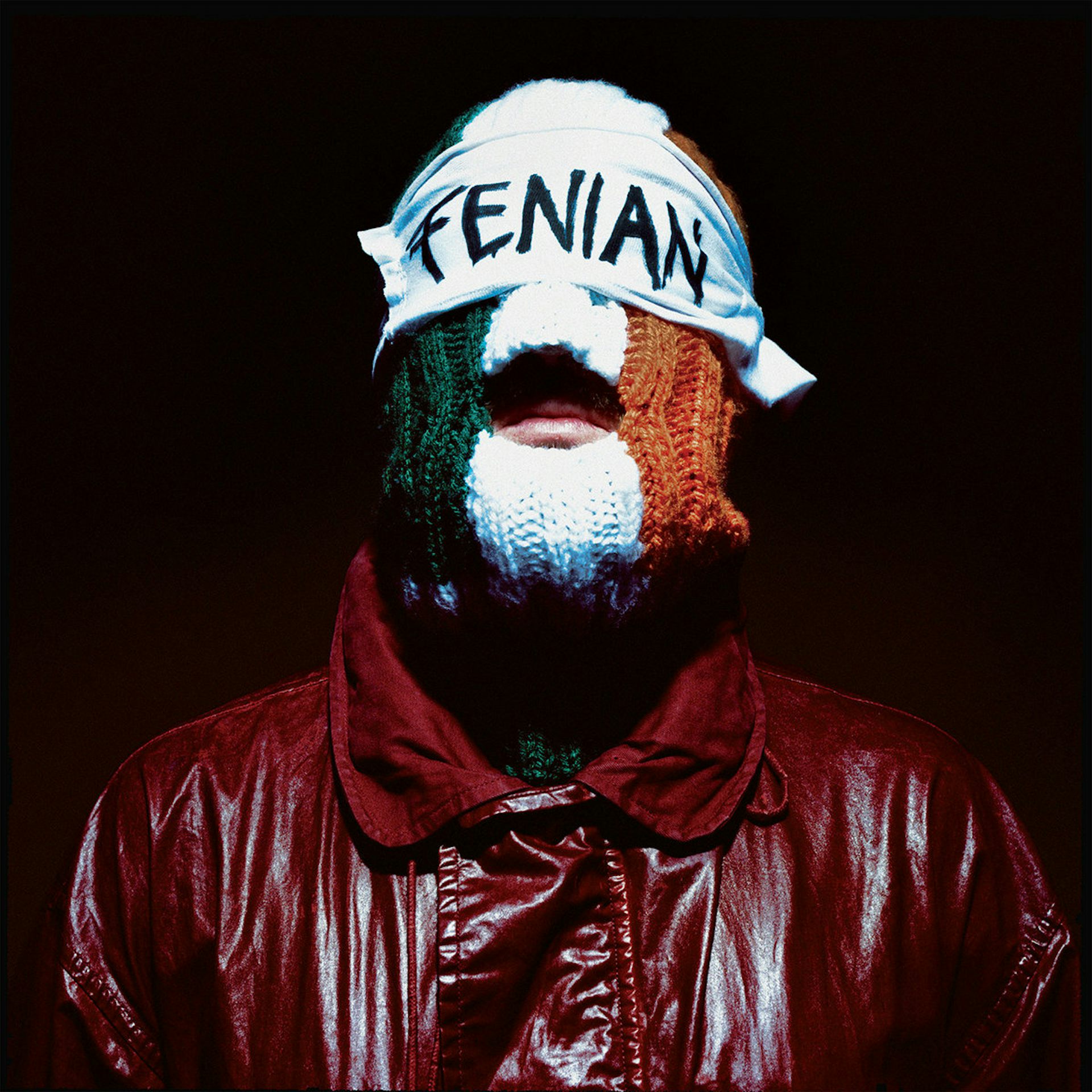
Irish hip-hop group Kneecap recently released their latest album, called “Fenian”.
爱尔兰嘻哈团体 Kneecap 最近发行了他们的最新专辑,名为“Fenian”。
A proud reclamation of a painful derogatory slur, Fenian is a word that connects Irish people to a history in which they were sometimes seen as less than human.
“Fenian”是一个痛苦的贬义词,但它被骄傲地重新夺回,这个词将爱尔兰人与一段他们曾被视为低于人类的历史联系起来。
A title packed with meaning
一个充满意义的标题
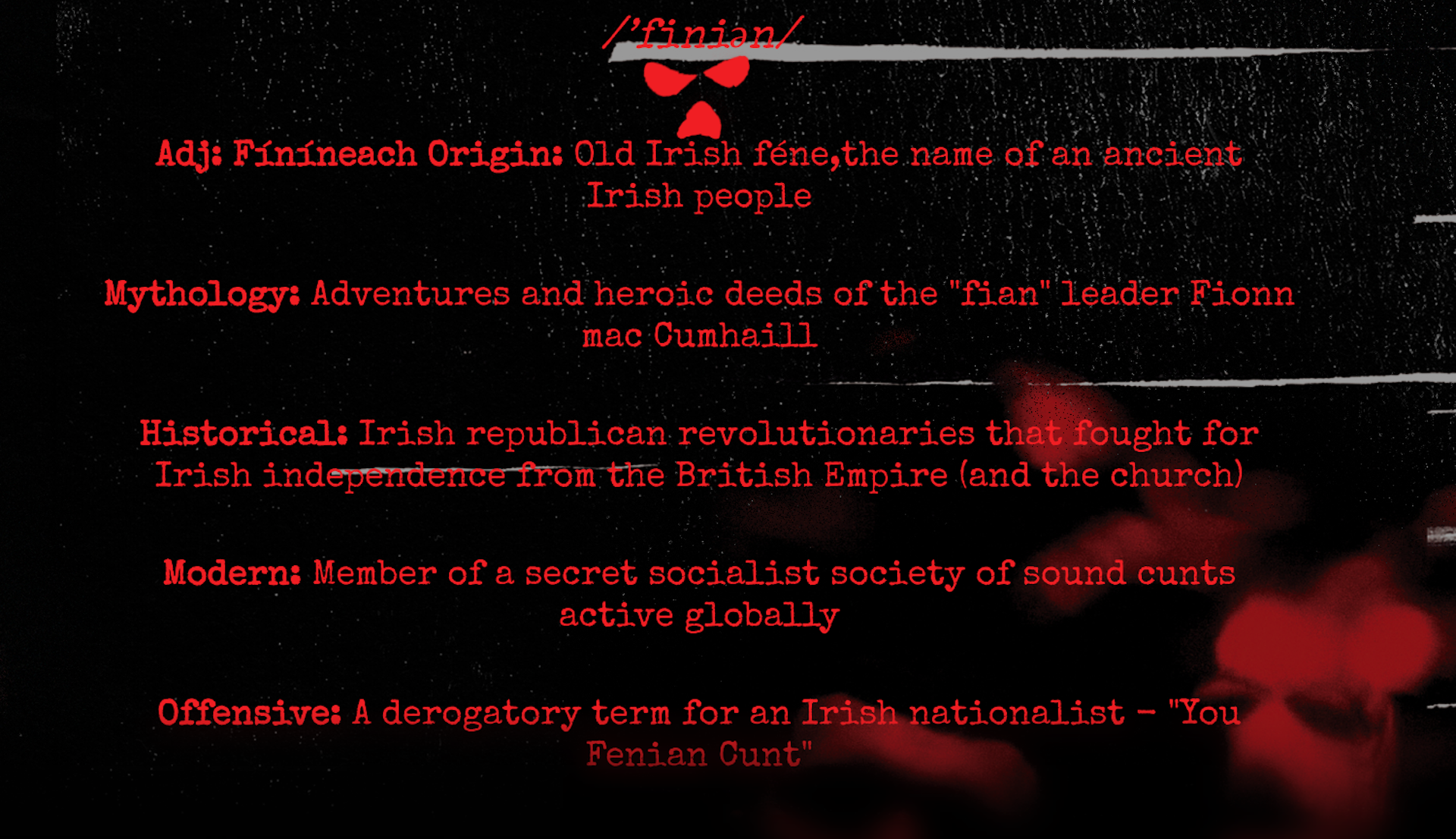
The word originally comes from “Fianna”, which is linked to an ancient Irish mythology. The Fianna were small groups of male Irish warriors led by the legendary hero, Fionn mac Cumhaill.
这个词最初来源于“Fianna”,与古代爱尔兰神话相关。Fianna 是由传奇英雄 Fionn mac Cumhaill 带领的一群爱尔兰男性战士。
Today, however, the term is more commonly known for its association with Irish nationalism.
然而,如今这个词更常与爱尔兰民族主义联系在一起。
Since at least the 17th century, Irish people have endured religious and cultural oppression under British rule – which largely targeted the Irish Catholic population.
从至少17世纪以来,爱尔兰人民在英国统治下遭受了宗教和文化上的压迫——这些压迫主要针对爱尔兰天主教徒。
In the 19th century, various nationalist groups fought for Irish independence, sometimes violently. This included the Irish Republican Brotherhood, whose members were called Fenians.
在19世纪,各种民族主义团体为爱尔兰独立而战,有时甚至诉诸暴力。其中包括爱尔兰共和兄弟会,其成员被称为“芬尼安人”(Fenians)。
The word’s meaning eventually expanded to become a derogatory term for supporters of Irish independence.
这个词的含义最终扩大,成为一个贬义词,用来指代爱尔兰独立的支持者。
Anti-Irish stereotyping
反爱尔兰刻板印象
But there’s more to this word than just its political significance. It is also entwined with a history of anti-Irish racism, also known as “hibernophobia”.
但这个词汇的意义不仅仅在于其政治重要性。它还与爱尔兰反种族主义的历史交织在一起,这种现象也被称为“爱尔兰恐惧症”(hibernophobia)。
In the 19th century, interest in human evolution led to a pseudo-scientific theory called social Darwinism.
在19世纪,对人类进化的兴趣催生了一种名为“社会达尔文主义”的伪科学理论。
This discredited theory claimed all human “types” could be placed along a hierarchy of evolution. White Europeans were at the top, as the most “evolved”. This twisted logic was used to justify the subjugation of people in colonised territories worldwide, including Australia.
这一已被证伪的理论声称所有人类“类型”都可以沿着进化的等级划分。白欧洲人处于顶端,被认为是“进化”程度最高的。这种扭曲的逻辑被用来为全球殖民地(包括澳大利亚)人民的奴役辩护。
Irish Catholic people were given a position in this hierarchy – towards the bottom. Historians argue the designation of Irish Catholic people as a backwards “race” was used to rationalise their oppression. If they were an inherently “savage” people, then they were unfit to run their own government.
爱尔兰天主教徒在这个等级体系中被赋予了一个位置——处于靠下端。历史学家认为,将爱尔兰天主教徒指定为“落后种族”,是为了合理化对他们的压迫。如果他们本质上是“野蛮”的民族,那么他们就不适合管理自己的政府。
Fenians supposedly embodied the worst elements of the Irish character: stupidity, violence and brutishness. From this viewpoint, Fenian violence became seen as an expression of a supposedly inherent Irish character – not as a response to the British rule in Ireland.
人民军(Fenians)据称体现了爱尔兰人性格中最糟糕的元素:愚蠢、暴力和野蛮。从这个角度来看,人民军的暴力行为被视为爱尔兰人所谓的固有性格的体现——而不是对英国在爱尔兰统治的回应。
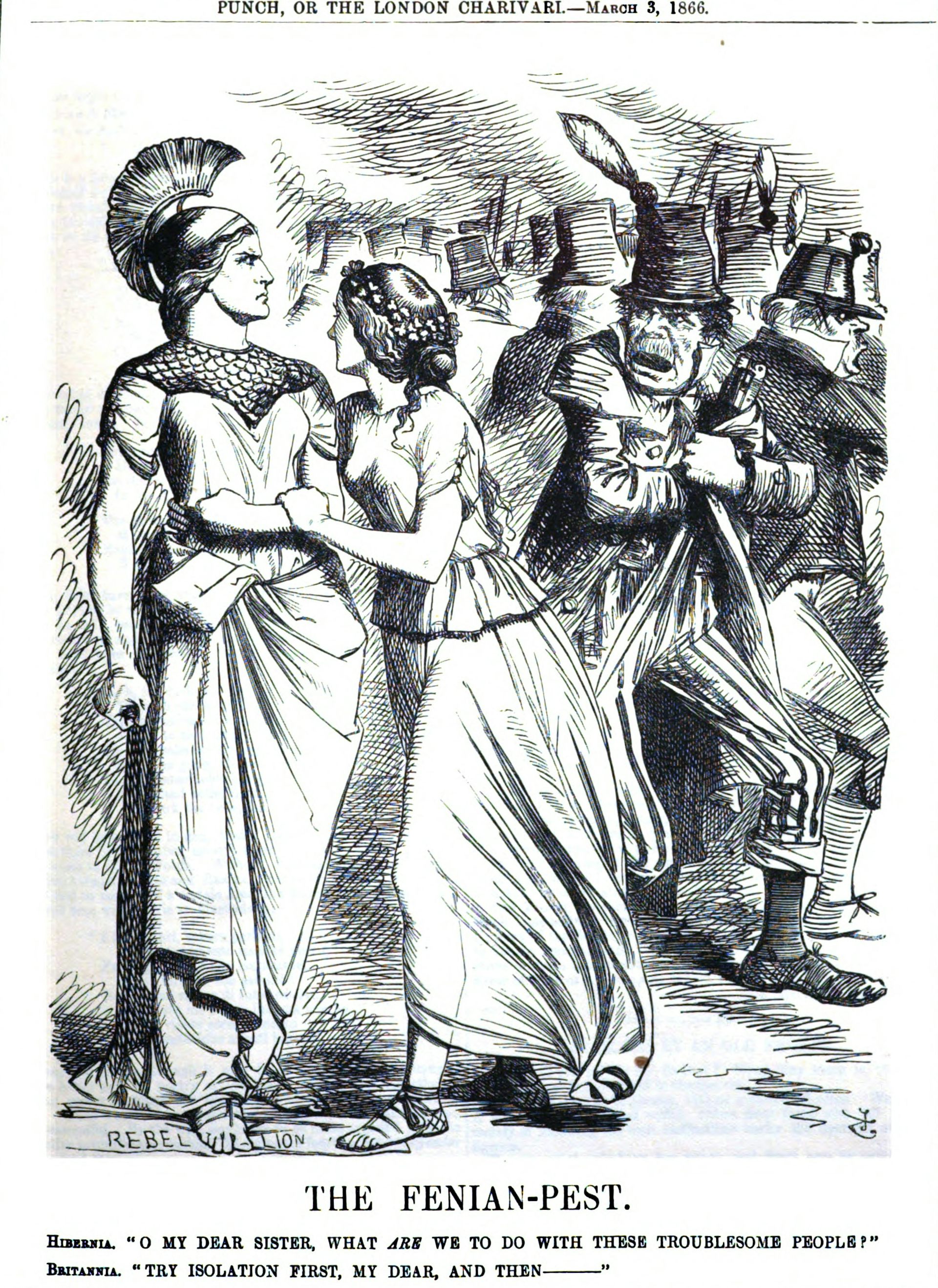
Cartoons were published that dehumanised Fenians and drew on centuries of anti-Irish stereotyping. Fenians were drawn as “terrorists” with exaggerated facial features, making them look like chimpanzees.
出版了将人民军非人化的漫画,这些漫画借鉴了几个世纪的反爱尔兰刻板印象。人民军被描绘成具有夸张面部特征的“恐怖分子”,看起来像黑猩猩。
In one typical example from 1866, a thuggish, simianised Fenian man menaces a beautiful feminised version of “Britannia”. Anti-Irish cartoons were even published in Australia.
在1866年一个典型的例子中,一个粗鲁、被拟人化为猿猴形象的人民军成员威胁着一个美丽的、被女性化的“不列颠尼亚”。反爱尔兰漫画甚至在澳大利亚也发表过。
This history of anti-Irish racism still normalises anti-Irish jokes today.
这种反爱尔兰种族主义的历史至今仍在使反爱尔兰的笑话正常化。
Who are Kneecap?
Kneecap 是什么?
Kneecap is a rap and hip-hop trio from Northern Ireland.
Kneecap 是一个来自北爱尔兰的说唱和嘻哈三人组合。
The group shot to fame following the release of their 2024 semi-autobiographical film. Their music is gritty, rude and defiantly anti-colonial – belonging to a long line of Irish activists fighting to get “Brits out” of Ireland.
该组合因其2024年半自传电影的发布而走红。他们的音乐粗犷、粗俗,充满反殖民精神——属于长期以来为“驱逐英国人”离开爱尔兰的爱尔兰活动家谱系。
Kneecap want to bring Irish people together, regardless of religion, and reunite Northern Ireland with the Republic of Ireland. The six counties of Northern Ireland were separated from the rest of Ireland in the 1921 Partition. They remain part of the United Kingdom.
Kneecap 希望将爱尔兰人团结起来,无论宗教信仰如何,并使北爱尔兰与爱尔兰共和国重新统一。北爱尔兰的六个郡于1921年分割,与爱尔兰其他地区分离。它们至今仍属于英国。
Kneecap rap in English and Irish, and have been credited for revitalising the Irish language. Irish only achieved official language status in Northern Ireland in 2022, after being suppressed for much of the 20th century.
Kneecap 用英语和爱尔兰语说唱,并因振兴爱尔兰语而受到认可。爱尔兰语直到20世纪大部分时间被压制后,才在2022年获得北爱尔兰的官方语言地位。
The chorus in Kneecap’s latest title song, also called Fenian, features a crowd jubilantly chanting “F-E-N-I-A-N”. The messaging is clear: they accept the label. In fact, they celebrate it.
Kneecap最新单曲(也被称为 Fenian)的副歌部分,展示了人群欢快地齐声呼喊“F-E-N-I-A-N”。信息传达得很清楚:他们接受这个标签。事实上,他们庆祝它。
The track was written as one of the band members, Mo Chara, faced charges of terrorism brought against him by the British government. In November 2024, Mo Chara allegedly committed a terrorist act by waving a Hezbollah flag at a London concert.
这首歌的创作背景是乐队成员之一 Mo Chara 面临英国政府提出的恐怖主义指控。据称,2024年11月,Mo Chara 在伦敦的一场音乐会上挥舞了真主党旗帜,犯下了恐怖主义行为。
Kneecap is outspoken in its support for the Palestinian people, connecting the group to a longer history of Irish nationalists advocating for other colonised peoples.
Kneecap 公开支持巴勒斯坦人民,这使该组合与爱尔兰民族主义者长期以来为其他被殖民人民发声的历史联系起来。
The charges were dismissed. As Mo Chara observed in a recent interview, he’s not “the first Irish person to be called a terrorist”.
指控已被驳回。正如 Mo Chara 在最近的一次采访中所观察到的,他不是“第一个被称为恐怖主义的爱尔兰人”。
Who can use ‘Fenian’?
谁可以使用“Fenian”?
Although Kneecap celebrate being called “Fenians”, this word can still be understood as a cultural slur.
尽管Kneecap乐队庆祝被称为“Fenians”,但这个词仍然可以被理解为一种文化侮辱。
Recently, the band claimed it was forced to “censor” its album posters by blanking out the word Fenian. London transport authorities allegedly refused to publish the uncensored version.
最近,该乐队声称,他们被迫通过涂黑“Fenian”一词来“审查”他们的专辑海报。伦敦交通当局据称拒绝发布未经过滤的版本。
Kneecap knows the power and the pain of this label, and they use it with intention. With a sense of tongue in cheek, they explain their use of the term refers to members of “a secret socialist society of sound cunts”. But they also acknowledge it can be weaponised as a derogatory slur. Context is everything.
Kneecap了解这个标签的力量和痛苦,并有意识地使用它。他们带着一丝戏谑解释说,他们使用这个词指的是“一个秘密的社会主义声音群体”的成员。但他们也承认,它可能被用作贬损性的侮辱。语境决定一切。
“Fenian” can’t be untangled from a painful history of anti-Irish racism, which arguably lingers today.
“Fenian”无法脱离一段痛苦的反爱尔兰种族主义历史,而这种历史在今天可以说仍然存在。
It is appropriate for Kneecap to reclaim the word as a statement of cultural defiance. They use it as an empowering rejection of stigma. But it is problematic for others to use it without thinking of its deeper meaning.
让Kneecap乐队将这个词重新定义为文化反抗的宣言是合适的。他们用它来有力地拒绝污名化。但其他人若不深思其深层含义而使用它,则是有问题的。
Ciara Smart does not work for, consult, own shares in or receive funding from any company or organisation that would benefit from this article, and has disclosed no relevant affiliations beyond their academic appointment.
Ciara Smart不为任何从本文中受益的公司或组织工作、提供咨询、拥有股份或接受资金,并且除了其学术职位外,未披露任何相关隶属关系。