经历恐龙之杀星体末日的感受:逐幕记
What it would have been like to experience the dinosaur…
A week after the asteroid impact, rotting vegetation, smoke and sulphur create a stinky planet. Plant and animal survivors succumb to the corrosive acid rain.
撞击一周后,腐烂的植被、烟雾和硫磺创造了一个臭烘烘的星球。植物和动物的幸存者被腐蚀性的酸雨吞噬。
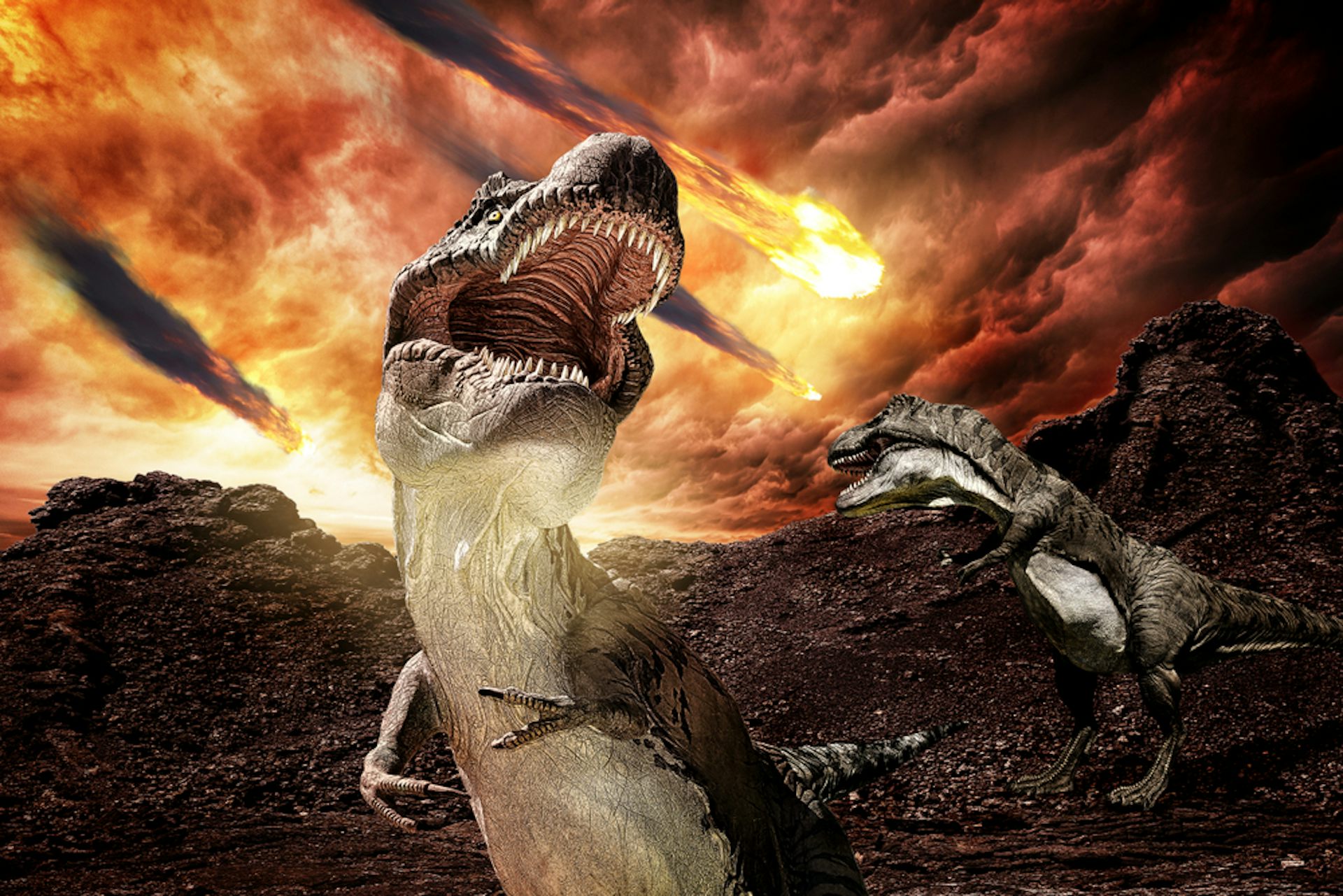
A great Tyrannosaurus rex strides through the conifer trees of her territory, sniffing the air. She picks up the scent from the carcass of a dead horned dinosaur, Triceratops, that she was feeding on yesterday. She walks over and strips off some more shreds of meat, but the smell is foul even for her.
一头巨大的霸王龙穿过针叶树,在自己的领地中嗅着空气。她从昨天吃掉的一只角龙(Triceratops)的尸体上捕捉到了气味。她走过去,剥下更多的肉,但那气味对她来说仍然是难闻的。
She goes down to the lake to drink and small crocodiles and turtles scuttle into the water. But she hardly sees them. Of more interest is an armoured dinosaur, Ankylosaurus, lurking nearby. However, she knows this dinosaur won’t be an easy kill and she isn’t desperate enough for food to risk a fight. Little does she know there are bigger dangers ahead. She looks up and sees a bright light racing downwards accompanied by faint crackling and sizzling noises.
她走到湖边喝水,一些小鳄鱼和乌龟游进了水里。但她几乎没有看到它们。更引人注目的是,一只装甲恐龙(Ankylosaurus)潜伏在附近。然而,她知道这只恐龙不会是易于杀死的,她对食物的需求也不足以冒着战斗的风险。她并不知道前方还有更大的危险。她抬头望去,看到一道明亮的光芒向下追逐着,伴随着微弱的噼啪声和嘶嘶声。
Our T. rex has excellent hearing for low frequency sounds and she is disturbed by the vibrations she can feel. But her upset only lasts for a moment. In a flash, she has been burnt to a crisp and her world changed forever.
我们这头霸王龙对低频声音有极佳的听觉,她被能感受到的振动所惊扰。但她的不安只持续了一瞬间。在一闪而逝中,她被烧得焦黑,她的世界永远地改变了。
This all happened 66 million years ago, when a huge asteroid famously hit the Earth in the area of what is now the Caribbean. At the end of the Cretaceous period, sea levels were 100–200 metres higher than today, so the shores of the Caribbean lay far inland over eastern Mexico and the southern United States. The impact happened entirely within these waters.
这一切发生在6600万年前,当时一颗巨大的陨石以著名的方式撞击了地球,撞击点位于现在的加勒比海地区。在白垩纪末期,海平面比今天高出100至200米,因此加勒比海的海岸线位于墨西哥东部和美国南部内陆深处。这次撞击完全发生在这些水域之内。
The event triggered instant changes to our planet and its atmosphere and led to the extinction of the dinosaurs and about half Earth’s other species. But what would it have been like to experience such a gargantuan impact? What would you have seen, heard or smelled? And how would you have died – or survived?
这一事件瞬间改变了我们的星球及其大气层,导致恐龙和其他大约一半的地球物种灭绝。但经历如此巨大的冲击会是什么感觉?你会看到、听到或闻到什么?你将如何死亡——或者生存下来?
The Insights section is committed to high-quality longform journalism. Our editors work with academics from many different backgrounds who are tackling a wide range of societal and scientific challenges.
“洞察”(Insights)部分致力于高质量的深度报道。我们的编辑们与来自不同背景的学者合作,共同应对各种社会和科学挑战。
As experts on meteoritics and palaeontology, respectively, we’ve created a detailed timeline, based on decades of research, to take you right there. So let’s start by travelling back in time to the very last day of the Cretaceous.
作为陨石学和古生物学的专家,我们基于数十年的研究创建了一个详细的时间线,带您直达那里。所以,让我们从回到白垩纪的最后一天开始吧。
T-minus one day
T-minus 一天
All is calm and the Cretaceous day proceeds as usual. In what will soon be ground zero, it is pleasantly warm, about 26°C, and wet. It often is. For about a week, the asteroid has been visible only at night. Because the giant rock is heading straight towards Earth, it looks like a motionless star. There is no dramatic tail; this is a rocky asteroid rather than a comet.
一切都很平静,白垩纪的日子如常进行着。在即将成为零点的地方,天气宜人,大约26°C,并且潮湿。这很常见。大约一周时间,这颗小行星只在夜间可见。由于这块巨石正朝着地球直奔而来,它看起来像一颗静止的恒星。它没有戏剧性的尾巴;它是一颗岩石小行星,而不是彗星。
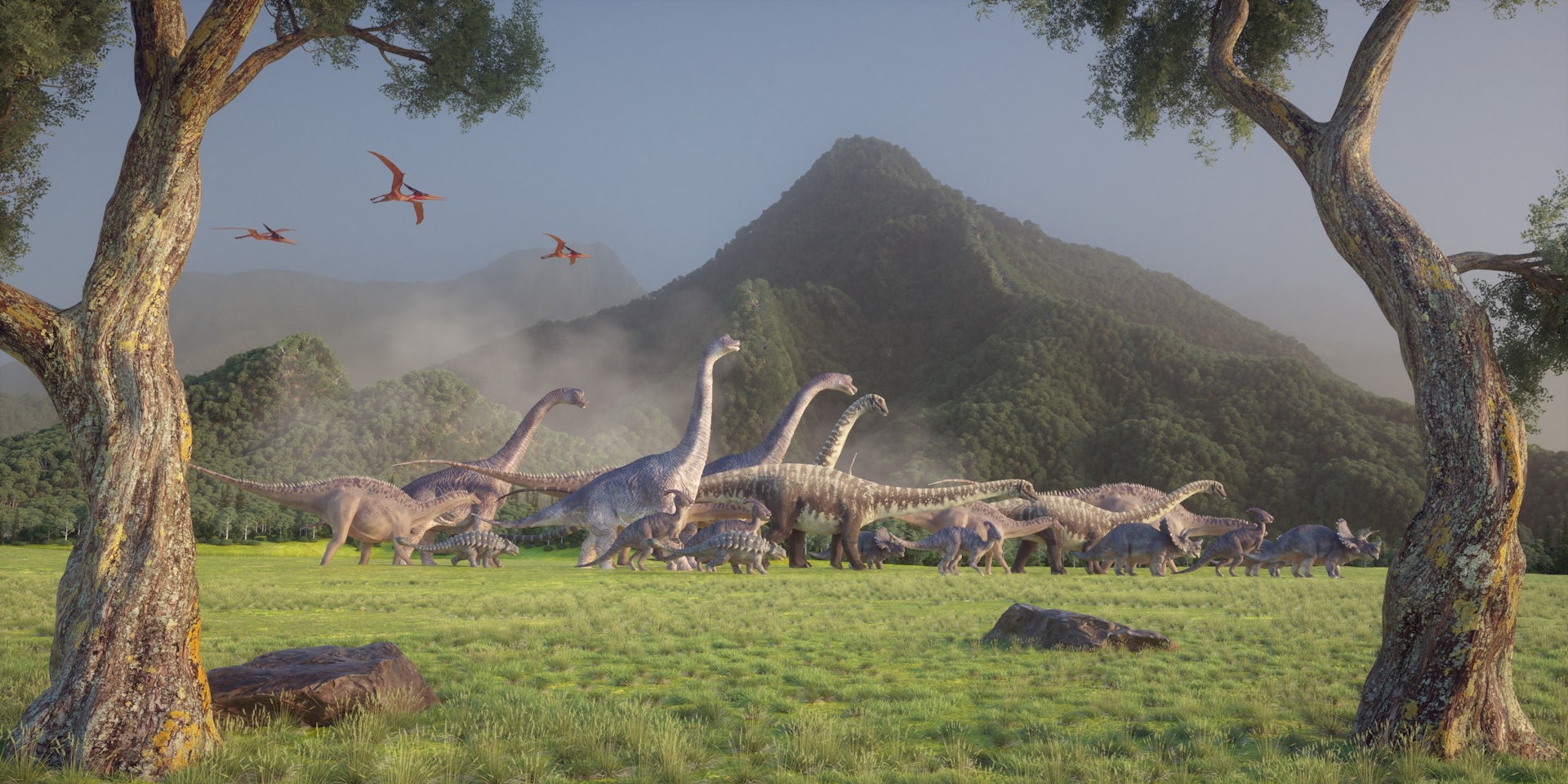
In the last 24 hours, the light becomes visible during the daytime. But it still looks like a star or planet, getting brighter in the final few hours before impact.
在过去的24小时里,光线在白天变得可见。但它仍然看起来像一颗恒星或行星,在撞击前的最后几个小时里变得更亮。
T equals 0: the impact
T 等于 0:撞击
If you were close by, you would first have experienced a brief light and sound show. Minutes to seconds before the impact, you’d have seen the bright fireball, and its accompanying crackling or fizzing noises. This sizzling sound is a result of the photo-acoustic effect: the intense light of the fireball warms the ground, which then heats the air above it, causing pressure waves, or sound.
如果你在附近,你首先会经历一场短暂的光和声音表演。在撞击发生前的几分钟到几秒内,你将看到明亮的火球及其伴随的噼啪声或嘶嘶声。这种嘶嘶声是光声效应的结果:火球的强烈光芒会加热地面,进而加热其上方的空气,产生压力波,即声音。
Next, a deafening sonic boom, which occurs because the asteroid is travelling faster than the speed of sound. But the asteroid is so huge, perhaps 10km in diameter, that it almost certainly hits the ground before any living creature near the impact zone has time to run for cover.
接下来,会发生震耳欲聋的声爆,这是因为小行星以超过音速的速度飞行。但该小行星非常巨大,直径可能达 10 公里,几乎可以肯定它会在任何靠近撞击区的生物逃跑之前就撞击到地面。
The asteroid’s enormous energy forms a crater through a series of processes that together take only a few seconds. As the asteroid collides with the surface, its kinetic (movement) energy is instantly transferred to the surface as a combination of kinetic, thermal (heat) and seismic energy (released during earthquakes) . This results in a series of shock waves that heat and compress both the asteroid and its target.
小行星巨大的能量通过一系列过程在短短几秒内形成了陨石坑。当小行星与地表碰撞时,其动能(运动)会立即以动能、热能(热量)和地震能(地震中释放的能量)的组合形式传递给地表。这导致了一系列冲击波,加热并压缩小行星及其目标。
As the shock waves propagate, rocks fracture, break up and are ejected, producing a bowl-shaped depression, or transient cavity, about ten seconds after impact. The heat and compression also melt and vaporise large volumes of material, including the asteroid itself, releasing a fountain of incandescent vapour (its temperature is more than 10,000 K, or 9726.85°C) .
随着冲击波的传播,岩石破碎、分解并被抛射,大约在撞击后十秒,形成一个碗状的凹陷,即瞬态空腔。热量和压缩还会熔化和蒸发大量的物质,包括小行星本身,释放出火光蒸汽(其温度超过 10,000 K,或 9726.85°C)。
Over the next few seconds, the cavity increases in size to many times the diameter of the original asteroid. Simulations suggest that around 20 seconds after impact, the transient cavity is at least 30km deep – deeper than the deepest depth currently known on Earth, the 11km Challenger Deep valley, part of the Pacific Ocean’s Marianas Trench. The rim of the crater is over 20km high – more than twice the height of 8,900m Mount Everest.
在接下来的几秒内,空腔的体积扩大到原始小行星直径的数倍。模拟表明,撞击后大约 20 秒,瞬态空腔的深度至少有 30 公里——比目前已知地球上最深之处,太平洋马里亚纳海沟的 11 公里挑战者深渊还要深。陨石坑的边缘高出 20 公里——是 8,900 米珠穆朗玛峰高度的两倍多。
But this enormous feature lasts for less than a minute before it starts to collapse. Within three minutes of the impact, the centre of the crater has rebounded to form a peak several kilometres high. The peak only lasts about two minutes before collapsing back into the crater.
但这个巨大的特征持续不到一分钟就开始坍塌。在撞击后的三分钟内,陨石坑的中心反弹形成一个数公里高的山峰。这个山峰只持续大约两分钟就坍塌回陨石坑中。
Whether a dinosaur or a dung beetle, if you were near the transient cavity you would have been incinerated instantly by the blast. But even if you were up to 2,000km from the epicentre, you’d likely have been killed quickly by the thermal radiation and supersonic winds now spreading out from the impact site.
无论是恐龙还是粪金龟,如果你在瞬态空腔附近,你都会被爆炸瞬间烧死。但即使你距离震中 2,000 公里,你也会很快被从撞击点扩散出的热辐射和超音速风所杀死。
T-plus 5 minutes
T加5分钟
Five minutes after the impact, the winds have “eased” to those of a category 5 hurricane, flattening everything within about 1,500km of the impact. Destroying everything, that is, which has not already been burnt. Atmospheric temperatures in the region rise to over 500K (226.85°C) . This would feel like being inside an oven – causing burns, heatstroke and death. Wood and plant matter ignite, creating fires everywhere.
撞击后五分钟,风已“减弱”为五级飓风的强度,将撞击点周围约1,500公里的所有事物压平。即所有尚未燃烧的物体都被摧毁了。该地区的空气温度上升到500K(226.85°C)以上。这会让人感觉像在烤箱里——导致灼伤、中暑和死亡。木材和植物物质着火,在各地制造了火灾。
Because the asteroid struck the sea, the atmosphere is also filled with super-heated steam, making the hurricane-force winds even deadlier.
由于小行星撞击了海洋,大气中也充满了超高温蒸汽,使得飓风般的强风更加致命。
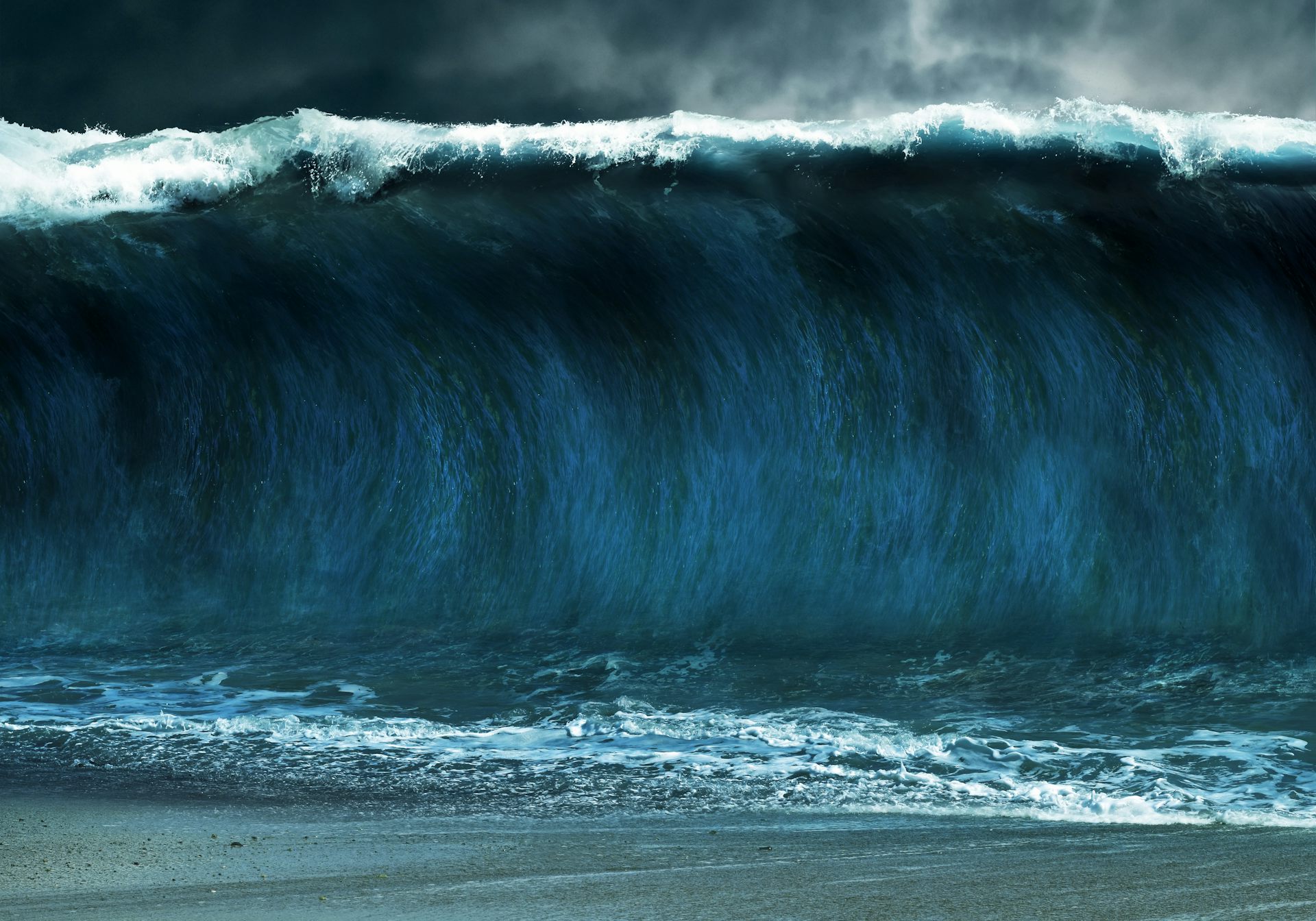
Next come the tidal waves, triggered by the vast quantities of displaced rock and water. These 100-metre megatsunamis first strike the shores of what is now the Gulf of Mexico, engulfing the land before depositing huge amounts of debris as they retreat.
接下来是潮汐波,由大量被位移的岩石和水引发。这些100米高的巨型海啸首先冲击了现在的墨西哥湾海岸,淹没了陆地,然后在退去时沉积了大量的碎片。
By now, the crater has almost reached its final dimensions – 180km across and 20km deep. But making an enormous hole in the ground isn’t the only outcome of the impact. All the rock and vapour displaced during the collision has to go somewhere. Several locations in Northern America show that metre-sized blocks of debris from the impact were thrown distances of hundreds of kilometres.
此时,撞击坑几乎达到了最终的尺寸——横跨180公里,深20公里。但给地面开出一个巨大的洞并非撞击的唯一结果。碰撞过程中位移的所有岩石和蒸汽都必须去某个地方。北美一些地区显示,撞击产生的尺寸为米级的碎片被抛射了数百公里的距离。
So if you were 2,000km to 3,000km from the epicentre and survived the first few seconds, you’d most likely die from overheating, earthquakes, hurricanes, fires, tsunami-driven floods or being hit by impact melt.
因此,如果你在震中2,000公里到3,000公里外,并在最初的几秒钟内幸存下来,你很可能会死于过热、地震、飓风、火灾、海啸引发的洪水或被撞击熔融物击中。
But what is happening much further away? In the first five minutes after impact, dinosaurs roaming the Cretaceous forests of what are now China or New Zealand are so far undisturbed.
但更远的地方发生了什么?在撞击后的五分钟内,漫游在现今中国或新西兰的白垩纪森林中的恐龙仍然安然无事。
But it won’t be long before that changes.
但这不会持续太久。
T-plus one hour
T加一小时
Shockwaves on land and sea are only minor inconveniences compared with the fire that is still radiating down from the sky. Some of the impact energy has been transferred into the atmosphere, heating the air and dust to incandescence.
陆地和海洋上的冲击波只是与仍然从天空中辐射下来的火焰相比微不足道的麻烦。部分撞击能量被转移到大气中,加热了空气和尘埃,使其发光。
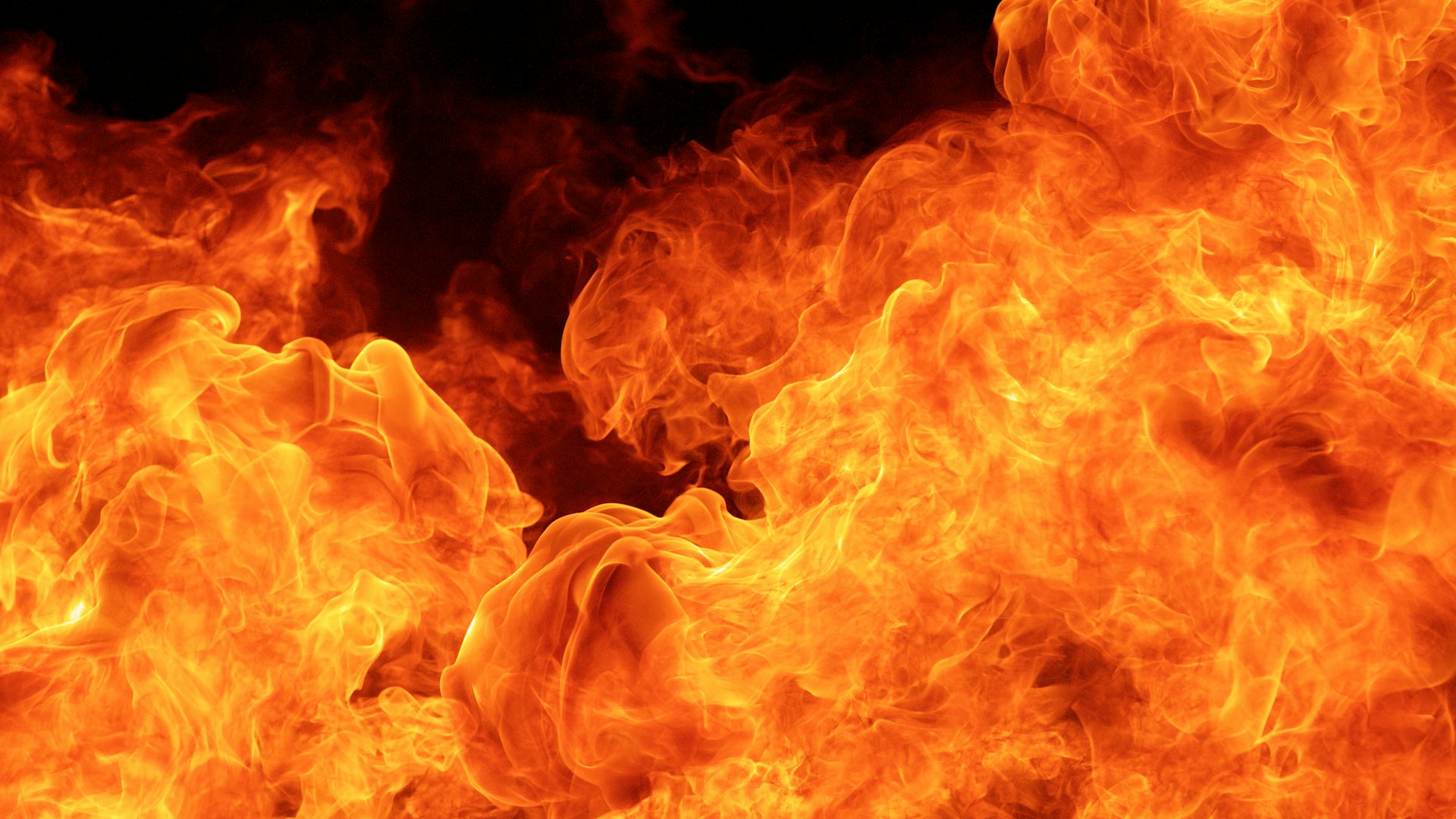
An hour after impact, a belt of dust has circled the globe. Deposits of solidified molten droplets (impact spherules) and mineral grains have been found in numerous locations from New Zealand in the south to Denmark in the north. In these locations, you would not have been aware of the tsunamis around the Americas or the wildfires, but the skies would certainly have begun to darken.
撞击一小时后,一道尘埃带环绕着地球。在从南部的新西兰到北部的丹麦的众多地点,发现了凝固的熔融液滴(撞击球粒)和矿物颗粒。在这些地方,你不会意识到美洲周围的巨浪或野火,但天空肯定已经开始变暗了。
T-plus one day
T加一天
By now, huge tsunamis are moving east across the Atlantic and west across the Pacific, entering the Indian Ocean from both sides.
到目前为止,巨大的海啸正在大西洋东向和太平洋西向移动,从两侧进入印度洋。
They are still around 50m high – causing death and destruction across many coasts around the world. By comparison, the 2004 Boxing Day tsunami reached heights of up to 30 metres. Tsunamis kill fishes and marine life that are washed high on the shore and then dumped, just as they kill coastal trees and drown land animals. But the tsunamis gradually fade away and probably don’t wipe out any entire species – at least on their own.
它们的高度仍然在50米左右——在世界许多海岸造成了死亡和破坏。相比之下,2004年圣诞节海啸的最高高度达到了30米。海啸会杀死被冲到岸边并被倾倒的鱼类和海洋生物,就像它们杀死沿海树木和淹死陆地动物一样。但海啸逐渐消退,可能不会抹去任何整个物种——至少就它们自身而言。
The hurricane force winds have also died down, but tropical storm strength winds are whipping up debris and causing further chaos and destruction across the tsunami-affected areas. The burning sky is also triggering wildfires across the globe – which, in turn, carry ever more soot into the atmosphere. The sooty signature of these wildfires has been found deposited as carbon particles in sediments from the K-Pg boundary – a 66-million-year-old thin clay layer.
飓风级别的风力也已经减弱,但热带风暴强度的风正在卷起碎片,并在海啸受影响的地区造成进一步的混乱和破坏。燃烧的天空也在全球范围内引发了野火——而这些野火又将越来越多的烟灰带入大气层。这些野火的烟灰特征被发现沉积在K-Pg边界的沉积物中——这是一层660万年前的薄粘土层。
Further away, in what is modern Europe and Asia, the skies continue to fill up with dust and soot, as they do everywhere. Temperatures start to drop as sunlight is blocked. Trees and plants in general, including phytoplankton, close down as if for winter, unable to photosynthesise. Any animals that rely on warm conditions ultimately hunker down and die.
更远的地方,在现代的欧洲和亚洲,天空继续被尘土和烟灰填满,就像在任何地方一样。由于阳光被阻挡,气温开始下降。树木和植物,包括浮游植物,像准备过冬一样关闭,无法进行光合作用。任何依赖温暖条件的动物最终都会蜷缩并死亡。
T-plus one week
T加一周
It’s getting darker and darker. Simulations of solar radiation reaching the Earth’s surface following the impact indicate that, after about a week, the solar flux (the amount of heat and light per a certain area) is just one thousandth of that prior to the impact. This is caused by particles of dust and soot in the atmosphere.
越来越暗。模拟显示,撞击后大约一周的时间里,到达地球表面的太阳辐射量(太阳通量,即单位面积的能量和光量)仅为撞击前的十分之一。这是由大气中的尘埃和烟灰颗粒引起的。
The continued decrease in light levels is accompanied by a global drop in surface temperatures of at least 5°C. This means that most of the dinosaurs and other large flying and swimming reptiles probably die from freezing within the course of this first week (smaller reptiles with slower metabolisms or more flexible diets could survive longer) . Cooling temperatures and cloud cover also lead to rain. But not just any rain. Storms of acid rain fall across the Earth.
光线水平的持续下降伴随着全球地表温度至少下降了5°C。这意味着大多数恐龙和其他大型飞翔和游泳的爬行动物可能在这一周内因冰冻而死亡(代谢更慢或饮食更灵活的较小爬行动物可能能生存得更久)。冷却的温度和云层也导致了降雨。但这并非普通的雨水。酸雨的暴风雨席卷了地球。
Two separate mechanisms generate acid rain. The first is down to the geology of the impact region. The asteroid happened to hit an area of sediments rich in sulphur, which vaporised and caused sulphur oxides (acidic and pungent gas compounds composed of sulphur and oxygen) to be part of the plume of plasma blasted into the atmosphere. Second, the energy of the collision was sufficient to turn nitrogen and oxygen into nitrogen oxides – highly reactive gases that can form smog.
两种不同的机制产生了酸雨。第一种是源于撞击区域的地质。小行星恰好撞击了一片富含硫的沉积物区域,这些物质蒸发,导致硫氧化物(由硫和氧组成的酸性、刺激性的气体化合物)成为被喷射到大气中的等离子体羽流的一部分。第二种是碰撞的能量足以将氮和氧转化为氮氧化物——这些是高度活泼的气体,可以形成烟雾。
The dropping temperature ultimately allows water vapour to condense into drops, and the sulphur and nitrogen oxides dissolve to form sulphuric and nitric acids. This is sufficient to generate a rapid drop in pH. Early models suggest that the pH of the rain might be as low as 1 – the same acidity as battery acid.
下降的温度最终允许水蒸气凝结成水滴,硫和氮氧化物溶解形成硫酸和硝酸。这足以导致pH值急剧下降。早期模型表明,雨水的pH值可能低至1——与电池酸的酸度相同。
At this point, Earth is not a great place to be. Rotting vegetation, choking smoke and sulphur aerosols combine to make the planet stink. Plants and animals on land and in shallow seas that have survived the darkness and cold succumb to the corrosive acid rain and ocean acidification. Acid rain also kills trees by leaching nutrients such as calcium, magnesium and potassium from the soil. Shallow marine shellfish, crustaceans and corals also die as acid seawater destroys their skeletons.
此时,地球并非一个好去处。腐烂的植被、令人窒息的烟雾和硫气气溶胶相结合,使这个星球散发出刺鼻的气味。在黑暗和寒冷中幸存下来的陆地和浅海中的植物和动物,最终被腐蚀性的酸雨和海洋酸化所吞噬。酸雨还会通过从土壤中浸出钙、镁和钾等营养物质来杀死树木。浅海的贝类、甲壳类动物和珊瑚也因酸性海水破坏了它们的骨骼而死亡。
T-plus one year
T一年后
Winds die down, wildfires are extinguished and the oceans are once again calm. It might appear that the asteroid collision is just a scar on the ocean floor. But its effects are still destructive. The atmosphere is still filled with dust and the Sun hasn’t shone for a year. Temperatures have continued to drop, with the average surface temperature now 15°C lower than before the impact. Winter has come.
风平浪静,野火熄灭,海洋再次平静。可能看起来,这次小行星撞击只是海底的一道伤疤。但它的影响仍然是破坏性的。大气仍然充满了尘土,太阳已经一年没有照耀。气温持续下降,平均地表温度现在比撞击前低了15°C。冬天来了。
Any dinosaurs or marine reptiles that survived the first week of freezing conditions would have died very soon after. A year after the impact, only rotted skeletons of these behemoths remain. Here and there, smaller animals like mammals the size of rats and insects would be nestling in crevices, barely surviving on their reserves and decaying plants.
任何在冰冻条件下最初一周幸存下来的恐龙或海洋爬行动物,都会很快死亡。一年后,这些巨兽只剩下腐烂的骨骸。在一些地方,像老鼠和昆虫大小的哺乳动物等较小的动物会栖息在缝隙中,仅靠储备和腐烂的植物勉强生存。
Indeed, it has not been a good year for life on Earth: over 50% of plants have died out because of the cold and lack of sunlight. And similar losses have occurred among terrestrial animals and species in the acidified, shallow sea waters.
事实上,对地球生命来说,这一年并不好:超过50%的植物因寒冷和缺乏阳光而灭绝了。在酸化、浅海水中,陆地动物和物种也发生了类似的损失。
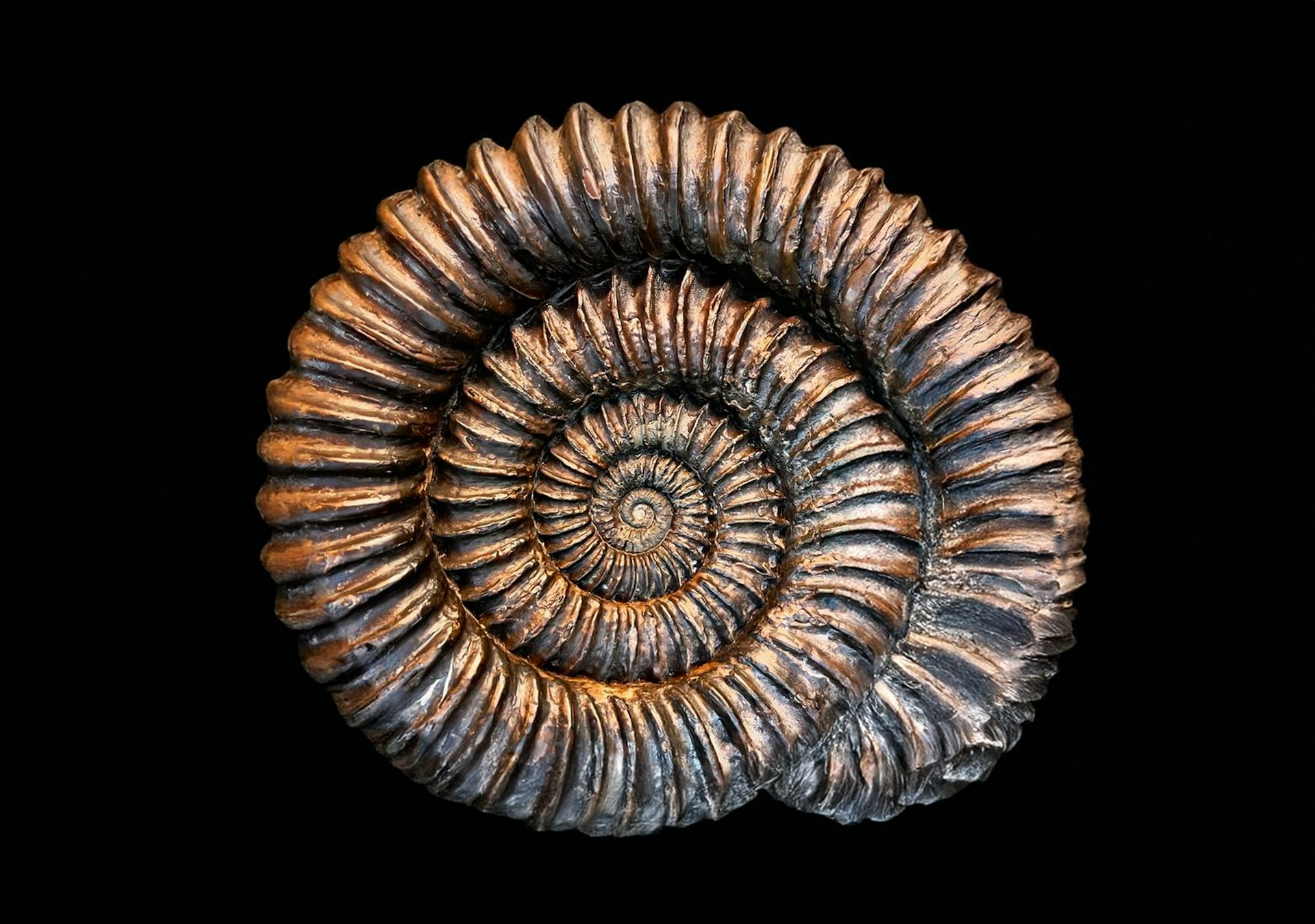
While most plant groups and many of the modern groups of insects, fishes, reptiles, birds and mammals recover reasonably rapidly, things don’t look great for other species. Dinosaurs and pterosaurs living on land are extinct, as are many marine reptiles, ammonites, belemnites and rudist bivalves in the oceans. Ammonites and belemnites are high in their food chains, and so suffer not only from the cold and acidification but also from the loss of abundant food resources, such as smaller marine organisms.
尽管大多数植物群以及许多现代昆虫、鱼类、爬行动物、鸟类和哺乳动物的群体恢复得相当迅速,但其他物种的状况并不乐观。生活在陆地上的恐龙和翼龙已经灭绝,许多海洋爬行动物、菊石、贝LEMNITES 和鲁迪石两栖腹足类在海洋中也已经消失。菊石和贝LEMNITES 在食物链中处于高位,因此它们不仅遭受寒冷和酸化的影响,还遭受了大量食物资源(如较小的海洋生物)的丧失。
T-plus ten years
T加十年
The Earth is still in the grip of a fierce winter. Although most of the sulphur has rained out of the atmosphere, dust and soot particles remain. The average surface temperature is still about 5°C lower than before the impact. The main oceans have not frozen, but inland lakes and rivers around the world are iced over.
地球仍处于严酷的冬季的掌控之中。尽管大部分硫已从大气中降落,但尘土和烟灰颗粒仍然存在。平均地表温度仍比撞击前低约5°C。主要的海洋没有冻结,但世界各地的内陆湖泊和河流被冰封。
Clearly, there were no humans about at this time – there weren’t even any larger mammals. But given the only species that survived were those that could burrow or live below water, it is unlikely that you could have survived this long.
显然,当时几乎没有人类存在——甚至没有更大的哺乳动物。但考虑到幸存的唯一物种是那些能够挖掘或生活在水下的物种,你不太可能能活这么久。
Surviving plant and animal groups such as turtles, smaller crocodiles, lizards, snakes, some ground-dwelling birds and small mammals repopulate the Earth at this point. But they are forced back to limited areas of relative safety a long way from the impact site. These areas are now receiving sufficient sunlight for plants and phytoplankton to photosynthesise again. As leaves and seeds provide the basis for the food chains on land and in the sea, life begins to rebuild.
幸存的植物和动物群体,如乌龟、较小的鳄鱼、蜥蜴、蛇、一些陆地鸟类和小哺乳动物,在此时重新繁殖了地球。但它们被迫回到远离撞击点的有限安全区域。这些区域现在接收到足够的阳光,使植物和浮游植物能够再次进行光合作用。由于叶子和种子为陆地和海洋上的食物链提供了基础,生命开始重建。
Eventually, life returns to the devastated landscapes, but ecosystems are very different and the dinosaurs are no more.
最终,生命回归到被破坏的景观中,但生态系统截然不同,恐龙已经消失。
T-plus 66 million years
距今6600万年
Today, 66 million years after the impact, the scars of the collision are hidden within geological strata – and scientists have started deciphering them. It was in 1980 that researchers first reported evidence of the impact. In their classic paper, Luis Alvarez, a Nobel-prize-winning physicist, and co-authors, described a sudden enrichment in the element iridium in a specific clay layer in Denmark and in Italy.
今天,在撞击发生6600万年后,碰撞的伤痕隐藏在地质层中——科学家们已经开始解读它们。1980年,研究人员首次报告了撞击的证据。在他们经典的论文中,诺贝尔奖得主物理学家路易斯·阿尔瓦雷斯及其合著者描述了丹麦和意大利的特定粘土层中铱元素的突然富集。
Iridium is rare in surface rocks because most of it was sequestered in Earth’s core when the planet first formed. However, iridium is found in meteorites, and Alvarez and colleagues inferred that the rate of accumulation of the metal in the sediments was so high that it could only have been produced by impact of a gigantic meteorite.
由于大部分铱元素在地球形成之初被封存在地球核心中,因此它在地表岩石中非常稀有。然而,铱元素存在于陨石中,阿尔瓦雷斯及其同事推断,该金属在沉积物中的积累速率非常高,只能由一个巨大陨石的撞击产生。
Because the scientists had only observed the iridium spike in two locations, the impact hypothesis was rejected by many scientists at the time. However, through the 1980s, iridium spikes were identified in clay layers at more and more locations – in muds laid down on land, in lakes, in the sea.
由于科学家们只在两个地点观察到了铱元素的激增,当时许多科学家拒绝了撞击假说。然而,在20世纪80年代,铱元素的激增在更多地点被发现——在陆地上沉积的泥土中,在湖泊中,在海洋中。
Support for an impact hypothesis strengthened when a crater of the correct age was found in 1991. The crater is buried beneath younger rocks, but clearly visible in geophysical surveys, lying half on land in the Yucatán Peninsula of Mexico, and half offshore. Since 1990, evidence for the impact has increased, not least when scientists discovered that there was indeed a sharp cooling event at the end of the Cretaceous.
当1991年发现了一个正确年龄的陨石坑时,对撞击假说的支持得到了加强。该陨石坑埋藏在较年轻的岩石之下,但在地球物理勘测中清晰可见,位于墨西哥的尤卡坦半岛上半在陆地,一半在海上。自1990年以来,撞击的证据不断增加,尤其是在科学家们发现白垩纪末确实发生了剧烈的冷却事件时。
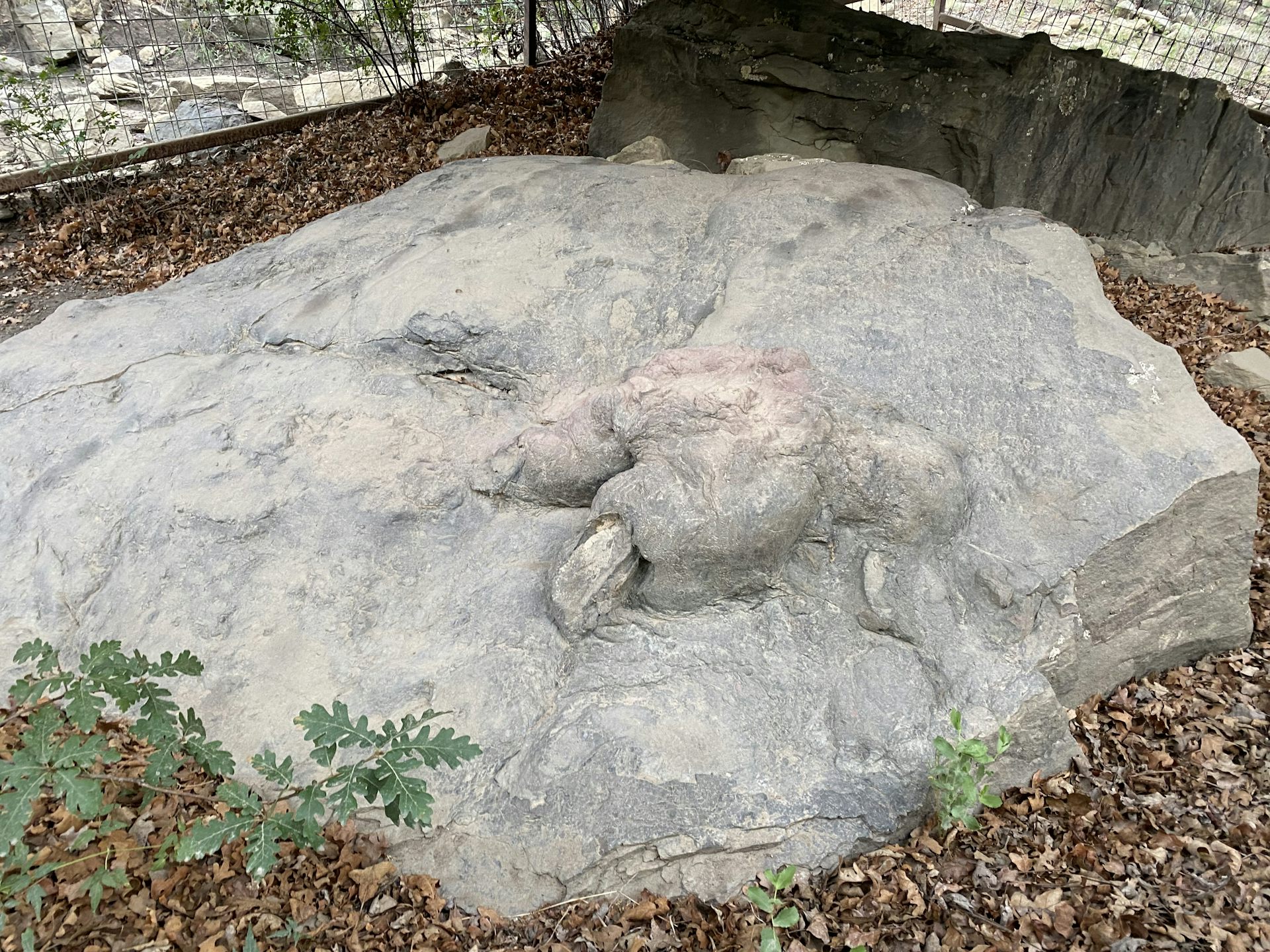
In total, it is estimated that half the species of plants and animals alive at the end of the Cretaceous disappeared. It was once thought that surviving groups such as many plants, insects, molluscs, lizards, birds and mammals somehow escaped unscathed. But detailed study shows that this is not the case – they were all hit hard.
总而言之,估计在白垩纪末存活的植物和动物物种的一半消失了。曾有人认为,幸存的群体,如许多植物、昆虫、软体动物、蜥蜴、鸟类和哺乳动物,不知何故都毫发无损地逃脱了灾难。但详细研究表明,事实并非如此——它们都遭受了严重的打击。
But, by chance or luck, enough individuals and species were able to survive the cold and absence of food, or were in parts of the world where the effects were less extreme. As the world returned to normal, they had the opportunity to expand rapidly into their old niches, but also to occupy the space vacated by extinct groups. In fact, one important consequence of the extinction of the dinosaurs, apex predators in their heyday, was the successful spread and evolution of mammals.
但由于偶然或运气,足够多的个体和物种能够幸免于寒冷和食物的缺乏,或者生活在影响较小的世界地区。当世界恢复正常时,它们有机会迅速扩展到原来的生态位,同时也占据了已灭绝群体的空缺。事实上,恐龙灭绝(它们鼎盛时是顶级捕食者)的一个重要后果是哺乳动物的成功传播和演化。
When Alvarez and colleagues first described the drop in temperature following the impact, they called it a “nuclear winter”, reflecting the political climate of the early 1980s. Now we might be more inclined to describe the effects as a global climate change – similar events are currently resulting from increased carbon dioxide in the atmosphere (flooding, temperature fluctuations) .
当阿尔瓦雷斯及其同事首次描述撞击后的温度下降时,他们称之为“核冬天”,反映了20世纪80年代的政治气候。现在我们可能更倾向于将这些影响描述为全球气候变化——目前大气中二氧化碳的增加正在导致类似事件(洪水、温度波动)。
It is salutary to think that without the asteroid collision, primates might never have reached the level we are at today. But it is equally salutary to consider that modern humans are causing some of the same changes to the atmosphere that ultimately killed our reptilian forbears and may one day also lead to our own demise.
思考没有小行星撞击,灵长类动物可能永远不会达到我们今天的水平,这令人欣慰。但同样令人欣慰的是,现代人类正在造成大气中发生与最终杀死我们爬行动物祖先的相同变化,并可能有一天也导致我们自身的灭亡。
For you: more from our Insights series:
为您推荐:更多来自我们的洞察系列:
‘It ain’t no unicorn’: meet the researchers who’ve interviewed 130 Bigfoot hunters
‘没有独角兽’:认识采访了130名大脚怪猎人的研究人员
The truth about child IQ: research shows it fluctuates and may be an unreliable predictor of future success
关于儿童智商的真相:研究表明它有波动,可能无法可靠地预测未来的成功
Is time a fundamental part of reality? A quiet revolution in physics suggests not
时间是现实的根本部分吗?物理学中的一场安静的革命表明不是
Underground data fortresses: the nuclear bunkers, mines and mountains being transformed to protect our ‘new gold’ from attack
地下数据堡垒:核掩体、矿山和山脉正在被改造,以保护我们的“新黄金”免受攻击
Inside Porton Down: what I learned during three years at the UK’s most secretive chemical weapons laboratory
在波顿下:我在英国最秘密的化学武器实验室工作三年的经历
To hear about new Insights articles, join the hundreds of thousands of people who value The Conversation’s evidence-based news. Subscribe to our newsletter.
要了解新的洞察文章,加入数百万重视《对话》循证新闻的人。订阅我们的新闻通讯。
Monica Grady receives funding from the Leverhulme Trust for an Emeritus Fellowship and from the STFC. She is affiliated with The Open University, Liverpool Hope University and the Natural History Museum, London.
莫妮卡·格雷迪(Monica Grady)从利弗赫尔姆信托(Leverhulme Trust)获得荣誉会士奖学金以及英国科学基金(STFC)的资助。她与利物浦大学、利物浦希望大学和伦敦自然历史博物馆有关联。
Michael J. Benton does not work for, consult, own shares in or receive funding from any company or organisation that would benefit from this article, and has disclosed no relevant affiliations beyond their academic appointment.
迈克尔·J·本顿不为、不咨询、不拥有任何受益于本文的公司或组织,也不从任何此类实体获得资金,并且除了学术职位之外,未披露任何相关隶属关系。
Read more
-
身体在经历创伤后是否真的会“记仇”?关于“被压抑记忆”这一已被证伪的理论是如何卷土重来的
Does the body really ‘keep the score’ after trauma? How…