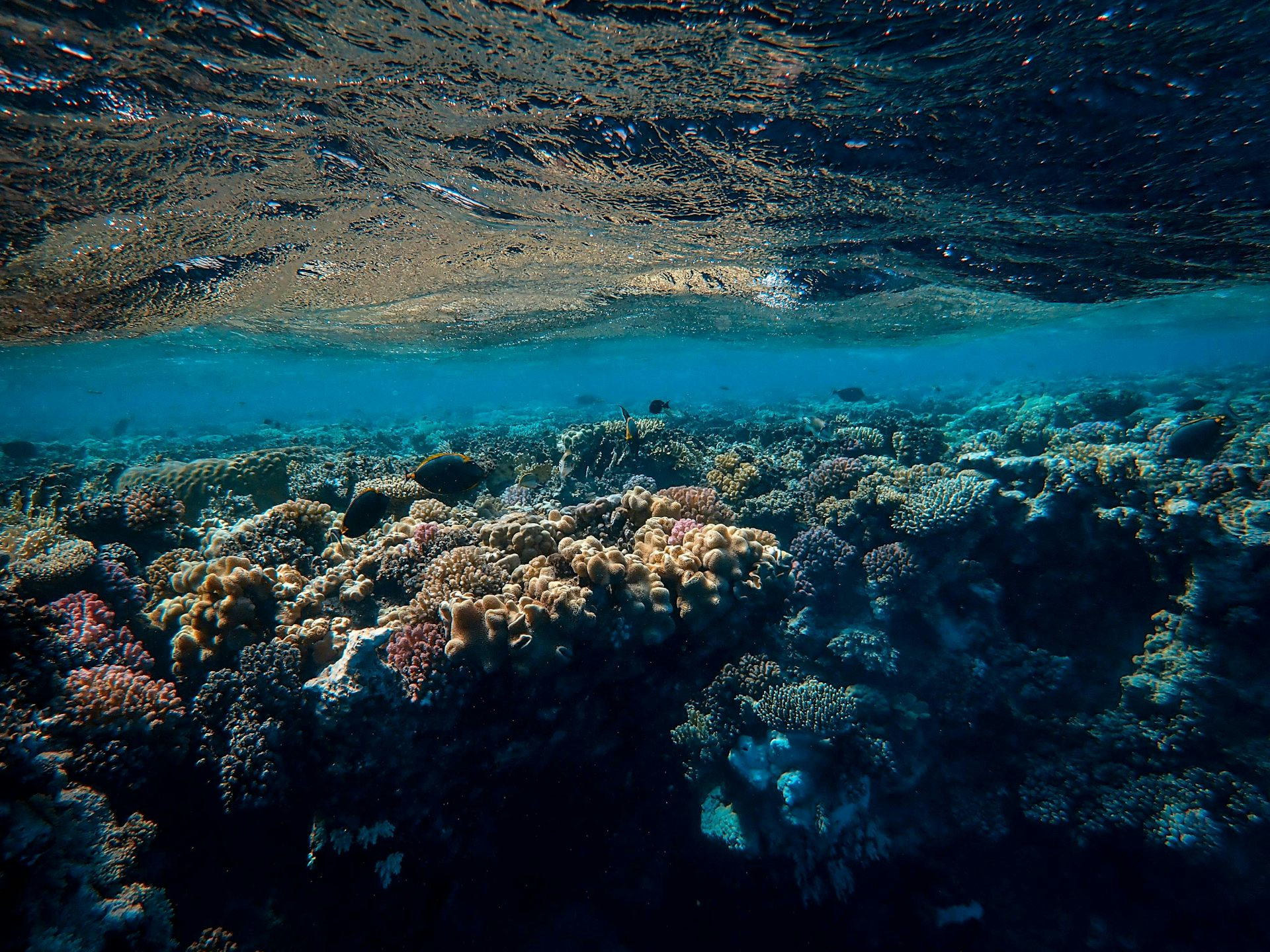
珊瑚礁跨越广阔大洋秘密相连——这对它们的生存至关重要
Coral reefs are secretly connected across vast oceans –…
Connectivity isn’t a nice-to-have for coral reefs – it’s their lifeline. And now scientists know which reefs serve as vital ‘stepping stones’ for coral larvae.
连通性对珊瑚礁来说不是可有可无的——它是它们的生命线。现在科学家们已经知道哪些珊瑚礁充当着对珊瑚幼虫至关重要的“跳板”。
Lord Howe Island lies in the middle of the ocean, about 700 kilometres northeast of Sydney. It’s covered in lush forest and fringed by the world’s most southerly coral reef ecosystem.
劳德岛位于海洋中央,距离悉尼东北约700公里。它覆盖着茂密的森林,并环绕着世界上最南端的珊瑚礁生态系统。
This reef system isn’t as famous as its northern neighbour, the Great Barrier Reef. Our new research in the Journal of Applied Ecology, shows it plays an outsized role in keeping vast coral regions across the Pacific connected – and alive.
这个珊瑚礁系统不像其北部的邻居——大堡礁那样出名。我们在《应用生态学杂志》上的新研究表明,它在保持太平洋各地广阔珊瑚区域的连接和生存方面发挥着巨大的作用。
A small number of other reefs in the region serve a similar function. Knowing which reefs matter most for recovery and adaptation to ocean warming – and protecting them now – could make the difference between regional reef collapse and long-term resilience.
该地区还有少量其他珊瑚礁发挥着类似的功能。了解哪些珊瑚礁对恢复和适应海洋变暖至关重要——并现在就保护它们——可以决定区域性珊瑚礁崩溃与长期韧性之间的区别。
Tiny coral babies in a vast ocean
广阔海洋中的微小珊瑚幼体
Coral reefs are in global decline, but this loss is not just about dying corals – it’s about breaking the natural connections that allow reefs to recover after marine heatwaves, cyclones and other threats.
珊瑚礁正面临全球衰退,但这种损失不仅仅是珊瑚的死亡——更是破坏了珊瑚礁在经历海洋热浪、气旋和其他威胁后恢复所需的自然连接。
Right now, climate change is rapidly reducing the ability of coral larvae to travel between reefs, shrinking their chances of survival by undercutting recovery.
目前,气候变化正在迅速降低珊瑚幼虫在不同珊瑚礁之间移动的能力,通过削弱恢复力来缩小它们的生存几率。
These tiny coral babies can sometimes spend many weeks in the surface waters of the open ocean, carried by currents across hundreds or even thousands of kilometres before settling and beginning to grow.
这些微小的珊瑚幼体有时会在开阔海域的表层水域度过数周,被洋流携带横跨数百甚至数千公里,然后才会定居并开始生长。
The movement of larvae provides a constant source of replenishment for reefs, both near and far away, which is especially important when reefs are damaged.
幼体的移动为珊瑚礁提供了持续的补充来源,无论是在附近还是遥远的地方,这一点在珊瑚礁受损时尤为重要。
Without this constant replenishment, some damaged reefs simply cannot recover. Connectivity isn’t a nice-to-have for coral reefs. It’s their lifeline.
没有这种持续的补充,一些受损的珊瑚礁根本无法恢复。连接性对珊瑚礁来说不是可有可无的。它是它们的生命线。
Tracking dispersal across 850 reefs
追踪跨越850个珊瑚礁的扩散
Our study used ocean circulation models to simulate the trajectories of coral larvae across the southwestern Pacific Ocean from 2011 to 2024, tracking the movement of larvae across 850 reefs.
我们的研究利用海洋环流模型,模拟了2011年至2024年间珊瑚幼体在西南太平洋的迁移轨迹,追踪了幼体在850个珊瑚礁上的移动。
These reefs spanned the Great Barrier Reef, New Caledonia, the Coral Sea and Lord Howe Island.
这些珊瑚礁涵盖了大堡礁、新喀里多尼亚、珊瑚海和洛德岛。
We traced how two key coral growth forms (fast-growing branching corals and slower-growing massive corals) move between reefs under current conditions and under projected global climate warming scenarios of 1°C, 2.5°C and 4°C above pre-industrial temperatures.
我们追踪了两种主要的珊瑚生长形态(快速生长的分枝珊瑚和生长较慢的块状珊瑚)在当前条件下以及在预测的全球气候变暖情景(高于工业化前温度的1°C、2.5°C和4°C)下在珊瑚礁之间的迁移情况。
We then examined how corals moved between different types of reef, including reefs that were naturally resistant to heat stress, those that recover quickly after disturbance, and those that stay cooler because of local water currents and upwelling that naturally reduce water temperature around the reef.
随后,我们研究了珊瑚如何迁移到不同类型的珊瑚礁之间,包括那些天然具有抗热应激能力的珊瑚礁、那些在受到干扰后能快速恢复的珊瑚礁,以及那些由于局部水流和上升流(自然降低了珊瑚礁周围水温)而保持较凉爽的珊瑚礁。
This allowed us to ask not just which reefs are connected, but which kinds of reefs are sending and receiving different types of larvae.
这使我们不仅能够了解哪些珊瑚礁是相互连接的,还能了解哪些类型的珊瑚礁正在发送和接收不同类型的幼体。
A fragile network
一个脆弱的网络
We found that only a handful of reefs act as genuine hubs — places where larvae both arrive from distant sources and depart to “seed” reefs far away. Lose these stepping stones, and the entire network begins to fragment.
我们发现只有少数几个珊瑚礁充当真正的中心枢纽——这些地方既是来自遥远来源的幼体到达地,也是“播种”远方珊瑚礁的出发地。失去这些垫脚石,整个网络就会开始碎片化。
The Coral Sea reefs emerged as crucial bridges in this network, linking the southern Great Barrier Reef with New Caledonia and beyond. But perhaps the most striking finding involves Lord Howe Island.
珊瑚海的珊瑚礁在这个网络中发挥了至关重要的桥梁作用,连接了南部大堡礁、新喀里多尼亚乃至更远的地方。但也许最引人注目的发现与霍尔岛有关。
Our modelling identified Lord Howe as a potential refugium: a place where corals may be able to persist even as warming intensifies, potentially owing to its more temperate, southerly position.
我们的模型将霍尔岛确定为一个潜在的避难所:一个即使在变暖加剧的情况下,珊瑚也能持续存在的地点,这可能归功于其更温和、更靠南的地理位置。
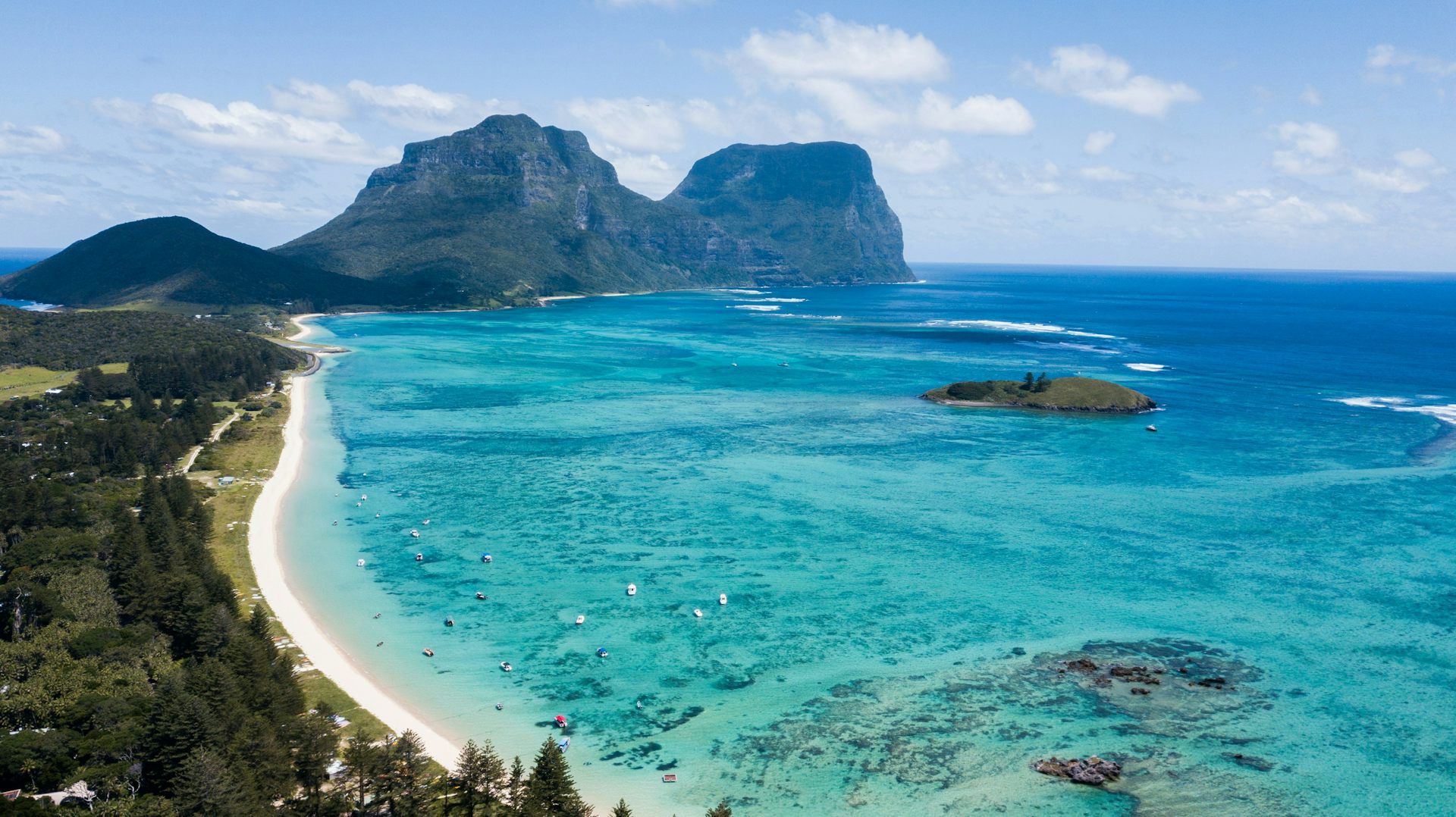
Yet its very isolation – what makes it a likely survivor – also means it has limited natural connectivity with surrounding reefs.
然而,正是它的孤立——这使其成为一个可能的幸存者——也意味着它与周围珊瑚礁的自然连接性有限。
This situation therefore cuts both ways: while isolation helps protect its coral from extreme heat stress, it also means the reef relies less on new larvae that others could need for recovery. It therefore also means Lord Howe needs protection – not just for itself, but for the entire regional reef system that may one day depend on it.
因此,这种情况是双刃剑:虽然孤立有助于保护其珊瑚免受极端热应激,但也意味着该珊瑚礁对其他珊瑚礁在恢复过程中可能需要的新的幼体依赖较少。因此,这也意味着霍尔岛需要保护——不仅是保护它自身,也是保护整个可能有一天依赖它的区域珊瑚礁系统。
Another important finding is that the reefs most resistant to heat stress (those classified as naturally resistant) tended to export larvae to a relatively smaller number of reefs within the wider network.
另一个重要的发现是,对热应激最具有抵抗力的珊瑚礁(被归类为自然抵抗型)倾向于向更小数量的珊瑚礁输出幼体,这些珊瑚礁位于更广阔的网络内。
But there are techniques that enable the intentional movement of larvae from heat-tolerant reefs to more vulnerable locations. These include assisted gene flow, in which scientists deliberately move warm-adapted adult corals or their offspring to reefs that are more vulnerable to heat stress, helping to spread heat-tolerant genes more quickly across reef networks.
但也有一些技术能够实现幼体从耐热珊瑚礁到更脆弱地点的有目的移动。其中包括辅助基因流,即科学家有意识地将适应温暖环境的成体珊瑚或其后代转移到更容易受到热应激的珊瑚礁,从而帮助更快速地将耐热基因传播到珊瑚礁网络中。
Protecting our marine superhighways
保护我们的海洋超级走廊
Our results make clear that marine protected areas should not be managed as isolated reserves but as an interconnected network, with transboundary cooperation between Australia and Pacific Island nations.
我们的研究结果清楚地表明,海洋保护区不应被管理为孤立的保护区,而应作为一个相互连接的网络,需要澳大利亚与太平洋岛国之间进行跨境合作。
The larval corridors linking the southern Great Barrier Reef, New Caledonia and Lord Howe Island do not fall within national boundaries. Neither can our conservation response.
连接南部大堡礁、新喀里多尼亚和洛德豪岛的幼体走廊不属于任何国家的管辖范围。我们的保护行动也无法例外。
Reefs are already fighting against warming oceans. The waters of the Lord Howe Rise and South Tasman Sea, the vast oceanic region between Australia and New Zealand through which these larval corridors flow, are under threat from industrial fishing.
珊瑚礁已经在与变暖的海洋作斗争。洛德豪海隆和南塔斯马海的水域——这是澳大利亚和新西兰之间广阔的海洋区域,幼体走廊正是流经此地的——正受到工业捕捞的威胁。
Industrial fishing, pollution and climate change are pushing these ecosystems to the brink, with longlines intersecting surface waters. This cumulative pressure across these newly identified larval transport superhighways adds yet another layer of pressure onto these already stressed ecosystems.
工业捕捞、污染和气候变化正将这些生态系统推向崩溃边缘,长线渔具与海面交织。这种跨越这些新识别的幼体运输超级走廊的累积压力,给这些本已承受压力的生态系统又增加了额外的负担。
Our research adds a new and crucial dimension to high seas protection. Our region sits directly across the larval corridors that connect and sustain coral reef systems. Protecting this ocean is not just about what lives here. It is about what passes through – fundamental for migratory and connected populations.
我们的研究为公海保护增加了一个全新且至关重要的维度。我们的地区正好横跨着连接和维持珊瑚礁系统的幼体走廊。保护这片海洋,不仅仅关乎这里生活着什么。它关乎流经此地的生命——这对迁徙和连接的种群至关重要。
The least we can do is protect the superhighways through which their future flows – invisibly, at the ocean surface, some larvae no bigger than a grain of rice, carrying the genetic potential to rebuild what we stand to lose.
我们能做的最少,就是保护它们未来的流动走廊——这些走廊是无形的,在海面上,一些幼体甚至比一粒米还小,却承载着重建我们即将失去之物的遗传潜力。
Kate Quigley receives funding from the Australian Research Council and Minderoo Foundation. She is also Principal Research Scientist at Minderoo Founation.
凯特·奎格利(Kate Quigley)获得了澳大利亚研究理事会和明德鲁基金会的资助。她也是明德鲁基金会的首席研究科学家。
Elise Thérèse Gisèle Dehont does not work for, consult, own shares in or receive funding from any company or organisation that would benefit from this article, and has disclosed no relevant affiliations beyond their academic appointment.
伊莉斯·特蕾泽·吉泽尔·德翁(Elise Thérèse Gisèle Dehont)不为任何受益于本文的公司或组织工作、提供咨询、拥有股份或接受资金,并且除了其学术任命外,未披露任何相关隶属关系。