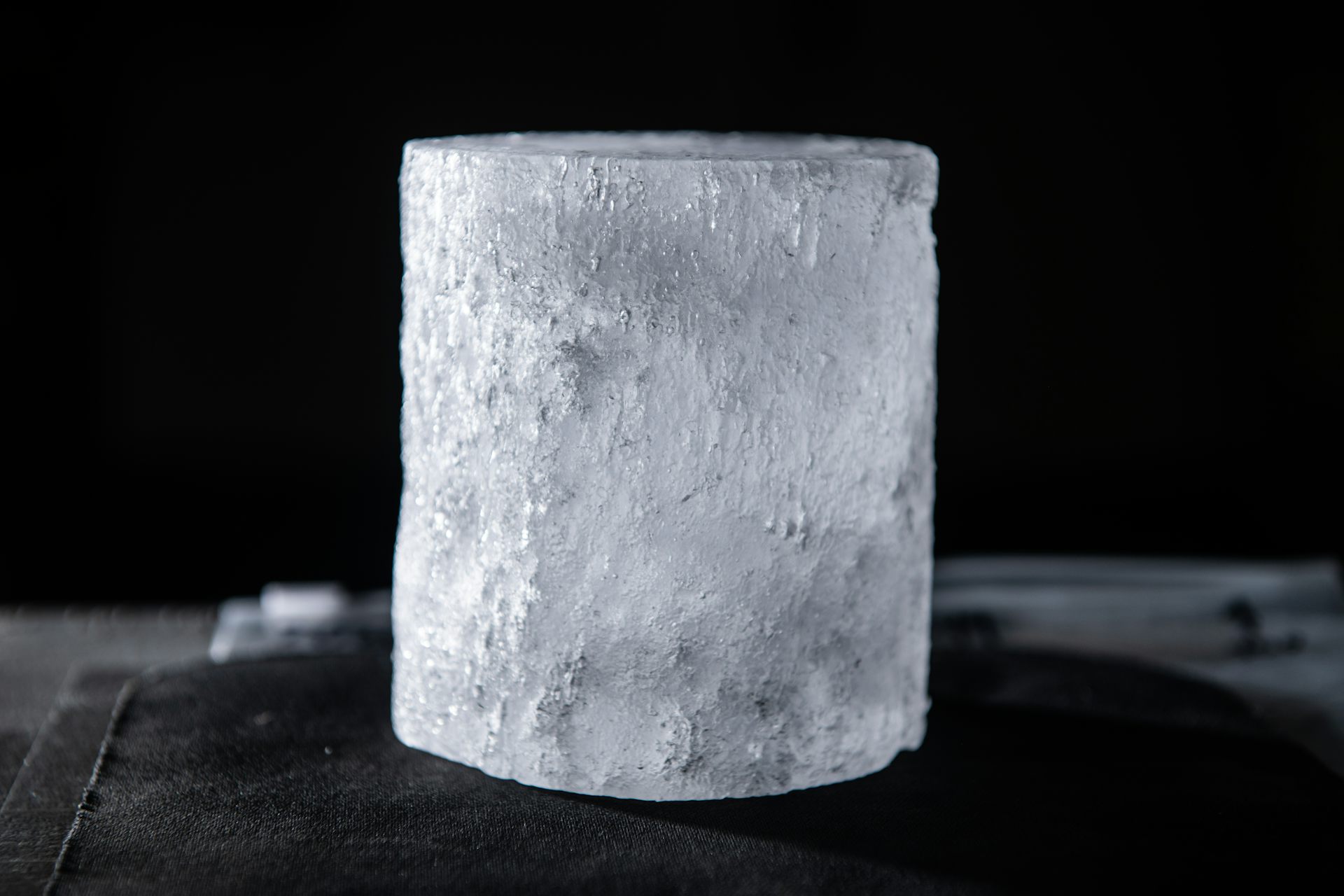
星尘被困在南极冰中揭示了太阳系过去数万年的历史
Stardust trapped in Antarctic ice reveals tens of thous…
We can study the cosmos by tracing debris from exploding stars right here on Earth.
我们可以通过追踪爆炸恒星的碎片,就在地球上研究宇宙。
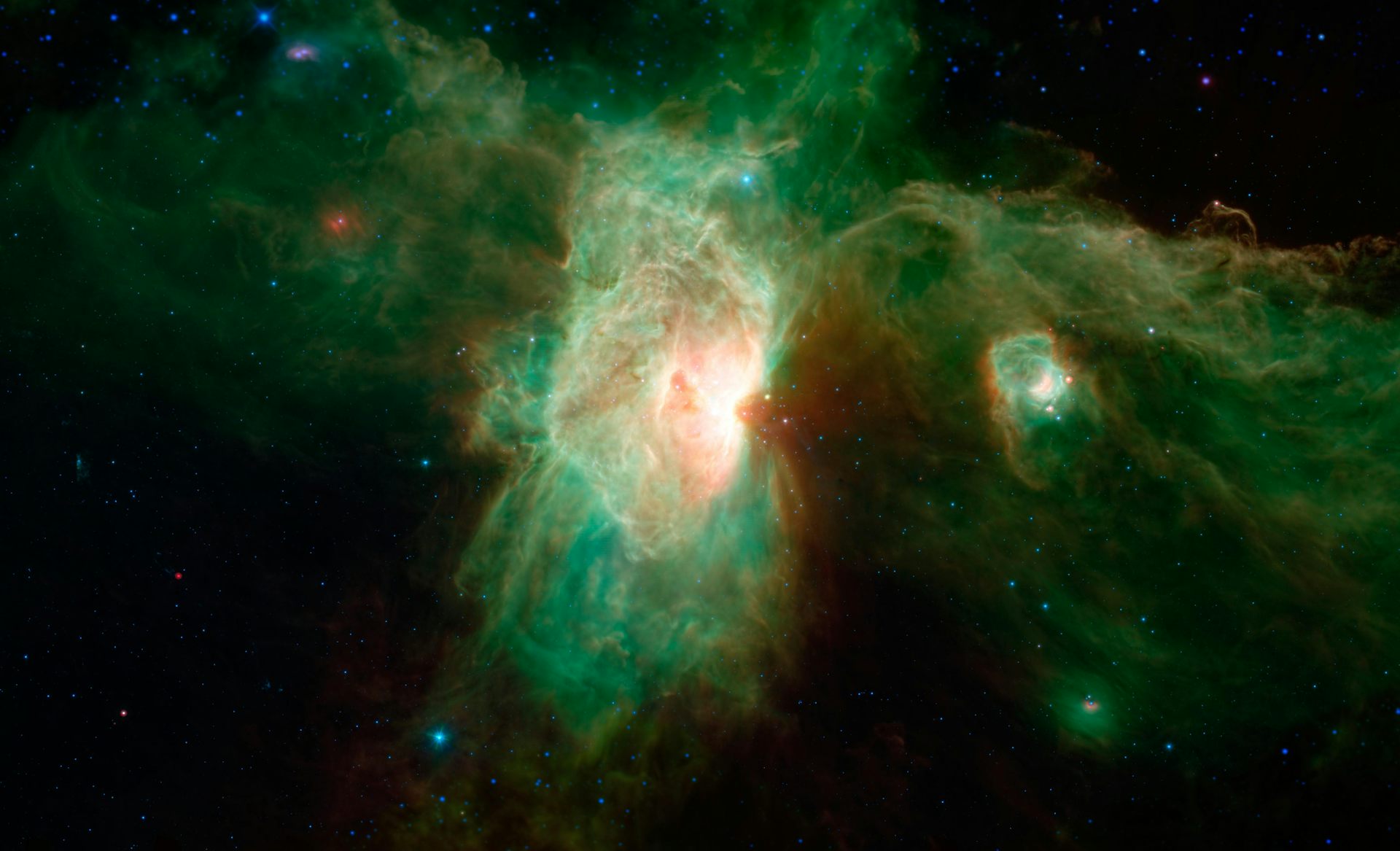
When you think of outer space, you’re likely picturing stars, planets and moons. But much of space is filled with clouds of gas, plasma and stardust – known as interstellar clouds.
当你想到外太空时,你可能想象的是恒星、行星和卫星。但太空的大部分被气体、等离子体和星尘的云所充满——这些被称为星际云。
In the local parts of our galaxy alone there’s a complex of roughly 15 individual interstellar clouds. The Solar System is currently traversing one of them, aptly named the Local Interstellar Cloud. The origin and history of these clouds are believed to be tightly connected to the birth and death of stars. But we can see their imprints right here on Earth, in a place you might not expect – Antarctic ice.
仅在我们银河系的局部区域就存在大约15个独立的星际云。太阳系目前正在穿越其中一个,它被恰当地命名为局部星际云。这些云的起源和历史被认为与恒星的诞生和死亡紧密相连。但我们可以在地球上看到它们的印记,在一个你可能不期望的地方——南极冰。
My colleagues and I have been studying stardust trapped in old Antarctic snow and ice to trace the history of our solar neighbourhood, including the Solar System itself.
我和我的同事们一直在研究被困在古老的南极雪和冰中的星尘,以追溯我们太阳邻域的历史,包括太阳系本身。
In a new study published in Physical Review Letters, we found a subtle clue that reveals our Solar System’s movement through the local interstellar environment over the past 80,000 years.
在一项发表在《物理评论快报》上的新研究中,我们发现了一个微妙的线索,揭示了我们的太阳系在过去8万年间穿越局部星际环境的运动。
Looking down to see the sky
向下望向天空
Astronomy usually looks outward. Telescopes collect light from distant stars and galaxies, allowing us to observe events across vast stretches of space and time. From these observations, we infer how stars live and die, how elements are formed, and how the universe evolves.
天文学通常是向外看的。望远镜收集来自遥远恒星和星系的Light,使我们能够观察到跨越浩瀚的时空中的事件。从这些观测中,我们可以推断出恒星的生命与死亡、元素的形成以及宇宙的演化。
Our approach turns that idea on its head.
我们的方法颠覆了这一想法。
Instead of observing the light coming to us, we study the debris of exploding stars right here on Earth. As cosmic furnaces, stars forge many elements in their cores, from carbon and oxygen to calcium and iron. This includes rare isotopes (variants of chemical elements) such as iron-60.
我们不是观察到达我们的光,而是研究爆炸恒星在地球上的残骸。作为宇宙熔炉,恒星在其核心中锻造了许多元素,从碳和氧到钙和铁。这包括稀有的同位素(化学元素的变体),例如铁-60。
When massive stars explode into supernovae at the end of their life, these elements are ejected into space and become interstellar dust.
当大质量恒星在其生命末期爆炸成超新星时,这些元素被喷射到太空并成为星际尘埃。
Tiny grains of this dust then drift through the galaxy and occasionally find their way to Earth’s surface. Radioactive iron-60, a fingerprint of stellar explosions, is embedded within these grains. By searching for these atoms in geological archives on Earth, we can probe astrophysical events like supernovae long after their light has faded.
这些尘埃的微小颗粒随后漂流经银河系,偶尔会到达地球表面。放射性的铁-60是恒星爆炸的指纹,它嵌入在这些颗粒中。通过在地球上的地质档案中搜索这些原子,我们可以在光芒消逝很久之后,探究超新星等天体物理事件。
This is why Antarctica is so valuable. Its snow accumulates slowly and remains largely undisturbed, forming a layered record that stretches back tens of thousands of years. Each layer captures a snapshot of the material that was present in our cosmic neighbourhood at the time.
这就是为什么南极洲如此有价值。它的雪缓慢积累,并保持着大部分未受干扰的状态,形成了绵延数万年的分层记录。每一层都捕捉了当时在我们宇宙邻域中存在的物质的快照。
Finding stardust in Antarctic ice
在南极冰中寻找星尘
When we studied 500kg of recent snow in Antarctica, we unexpectedly found this rare radioactive isotope. Where did it come from? There was no recent near-Earth supernova.
当我们研究南极500公斤的近期雪时,我们意外发现了这种稀有的放射性同位素。它从哪里来?没有最近的近地超新星爆发。
But our solar neighbourhood is filled with 15 clouds, with the Solar System currently traversing at least one of them. Is the stardust waiting in the clouds to be picked up by Earth? If yes, then the amount of stardust Earth collects should be related to their structure: the denser the clouds, the more iron-60 they contain. This was our educated guess in 2019.
但我们的太阳星系充满了15个云,太阳系目前正穿越其中至少一个。星尘是否在这些云中等待着被地球拾取?如果是,那么地球收集到的星尘量应该与其结构相关:云越密集,它们就包含的铁-60就越多。这是我们2019年的推测。
Soon, other explanations were brought forward. Millions of years ago Earth received large showers of iron-60 from massive supernovae. Is the iron-60 in Antarctic snow the last remnant or an echo of this signal? A rain that became a drizzle?
很快,出现了其他解释。数百万年前,地球从大规模超新星爆发中接收了大量的铁-60。南极雪中的铁-60是这一信号的最后残余还是回声?一场变成了小雨的降雨?
To find out, we analysed a 300kg section of Antarctic ice, dating from 40,000 to 80,000 years ago. The process is painstaking. The ice needs to be melted and chemically treated to isolate tiny amounts of iron, including the iron-60 from the stardust.
为了查明这一点,我们分析了南极300公斤的冰,该冰的年代在40,000到80,000年前。这个过程非常费力。需要将冰融化并进行化学处理,以分离出微量的铁,包括来自星尘的铁-60。
Then, using the sensitive atom counting technique of accelerator mass spectrometry at the Heavy-Ion Accelerator Facility at Australian National University, we counted individual atoms of iron-60.
然后,我们利用澳大利亚国立大学重离子加速器设施中的加速器质谱法这种灵敏的原子计数技术,测量了单个铁-60原子。
The expectation was straightforward: based on previous measurements from surface snow of Antarctica and several thousand-year-old ocean sediments, we anticipated a certain steady level of iron-60 deposition.
预期是明确的:根据南极表层雪和数千年前海洋沉积物的先前测量结果,我们预计铁-60沉积存在一定的稳定水平。
Instead, we found less. Not zero, but noticeably lower than expected.
然而,我们发现的更少。不是零,但明显低于预期。
This result suggests that less interstellar dust was reaching Earth during that period. This is a remarkable change on a comparatively short astrophysical timescale and does not fit the long timescales of the iron-60 deposits that landed here millions of years ago. Instead, we needed to look for a smaller, more local source for the isotope.
这一结果表明,在那个时期,到达地球的星际尘埃更少。在相对较短的天体物理时间尺度上,这是一个显著的变化,它与数百万年前落到这里的铁-60沉积的漫长时间尺度不符。相反,我们需要寻找该同位素的更小、更局部的来源。
A fitting story
一个恰当的故事
Naturally, astronomers are also quite interested in the clouds around the Solar System. Last year, a study reconstructing the history of the clouds arrived at the conclusion that they most likely originated in a stellar explosion. Furthermore, they found the Solar System has been traversing the Local Interstellar Cloud from sometime between 40,000 and 124,000 years ago.
自然地,天文学家对太阳系周围的云也十分感兴趣。去年,一项重建这些云历史的研究得出结论,它们很可能起源于一次恒星爆炸。此外,他们发现太阳系大约在4万到124,000年前一直在穿越星际介质云。
If that’s correct, we would expect that the amount of iron-60 collected on Earth should have changed sometime in the same time period – between 40,000 and 124,000 years ago.
如果这是正确的,我们应该预期在同一时间段——即4万到124,000年前——地球上收集到的铁-60的量也会发生变化。
This is exactly what our results showed in Antarctica.
我们的结果在南极洲显示了这一点。
The story doesn’t fit perfectly, though. If these clouds did originate directly from an exploding star, we would expect way more iron-60 than we actually see in Antarctic ice.
不过,这个故事并不完全吻合。如果这些云直接起源于一颗爆炸的恒星,我们应该看到比南极冰中实际存在的更多的铁-60。
Nevertheless, these clouds are imprinted in Earth’s geological record. If we look deeper and analyse even older ice, we might soon unravel the mystery of these local interstellar clouds, revealing their full history and uncertain origins.
尽管如此,这些云已经印刻在地球的地质记录中。如果我们深入探究并分析更古老的冰层,我们很快就能揭开这些星际云的神秘面纱,揭示它们的完整历史和不确定的起源。
Dominik Koll receives funding from the Australian Institute of Nuclear Science and Engineering (AINSE) .
多米尼克·科尔从澳大利亚核科学与工程研究所(AINSE)获得资助。