太热,太潮湿:为什么印度和巴基斯坦持续的热浪如此危险
Too hot, too humid: why the sustained heatwave in India…
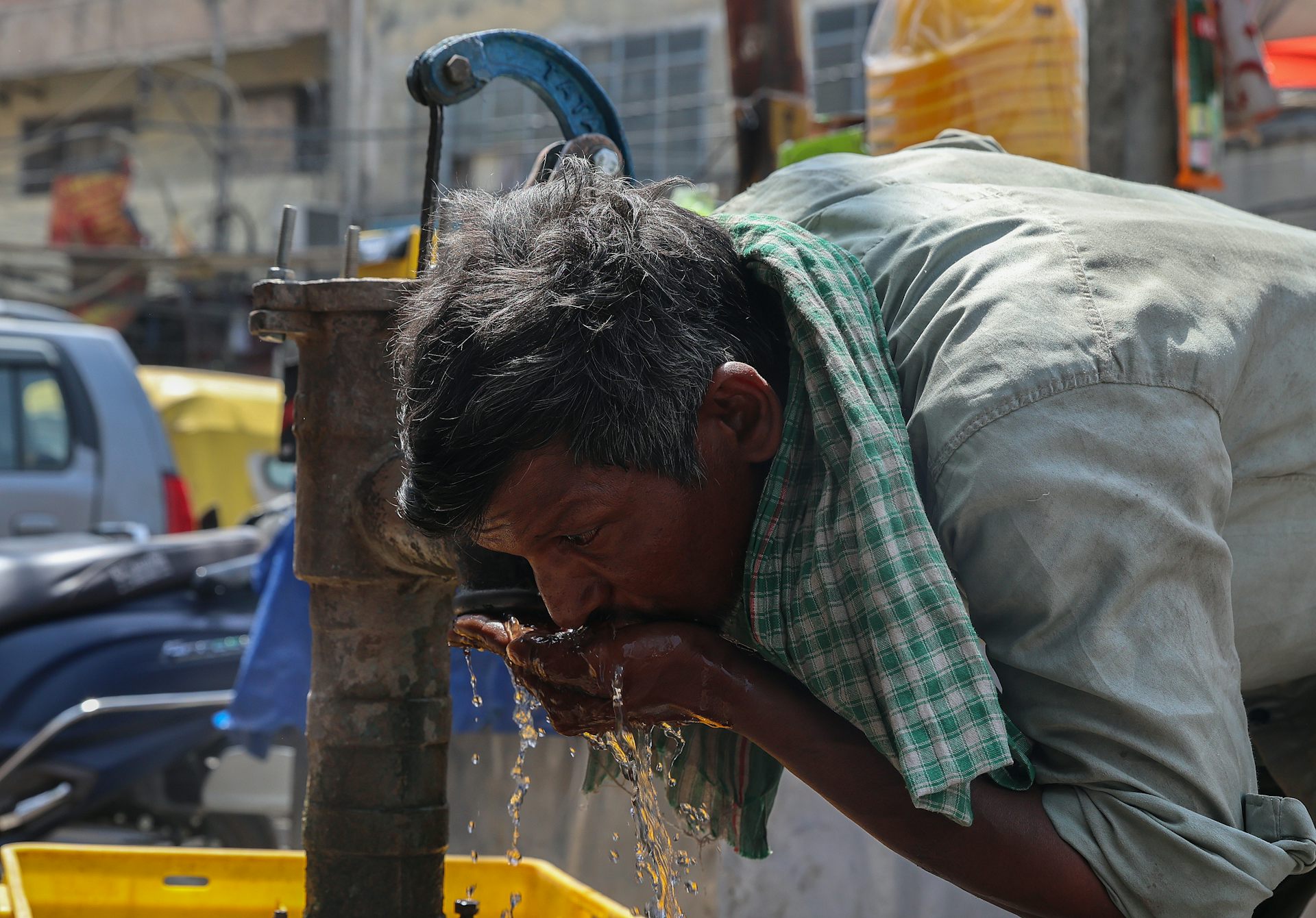
Sustained, sweltering heat is hitting India and Pakistan hard – and humidity is making the situation even more dangerous.
持续的酷热正猛烈冲击着印度和巴基斯坦——而高湿度让局势变得更加危险。
India and Pakistan are no strangers to heat. This time of year is the worst, as heat peaks before the monsoon brings cooler conditions from June.
印度和巴基斯坦对酷热并不陌生。一年中这个时候是最糟糕的,因为酷热在季风带来六月凉爽条件之前达到顶峰。
But this year’s heat is something else. Intense, sustained heat began in mid-April. Daily maximum temperatures have topped 46°C in many locations, with some areas running around 5–8°C above seasonal norms.
但今年的酷热非同一般。强烈的持续酷热始于四月中旬。许多地区的日最高气温已超过46摄氏度,一些地区的温度比季节常态高出约5-8°C。
The unrelenting heat has driven record demand for electricity in India as people turn on air conditioners – and worsened drought conditions affecting more than a million square kilometres across both countries.
持续的酷热导致印度电力需求创纪录,因为人们开启了空调——同时,它也恶化了影响两国超过一百万平方公里的干旱状况。
When extreme heat combines with humidity, it can be lethal. Human bodies cannot cool themselves easily in these conditions. The heatwave has claimed at least 37 lives in India and 10 in Pakistan. These figures are likely to be a major underestimate, as heat-related deaths are systemically undercounted in India.
当极端酷热与湿度结合时,可能会致命。在这些条件下,人体难以自我降温。此次热浪已造成印度至少37人、巴基斯坦至少10人死亡。这些数字可能严重低估了实际情况,因为印度热相关死亡人数存在系统性低估。
Why is it so hot?
为什么这么热?
It’s usually a hot wait for the monsoon. But several factors can line up to make a bad season much worse.
通常这是等待季风的炎热期。但有几个因素的叠加,会让一个糟糕的季节变得更糟。
One reason it’s been so bad this year is due to persistent high-pressure weather systems. When these systems sit in place, they make heatwaves more likely by suppressing cloud formation and reducing the chance of cooling rain. This year, strong high-pressure systems have lingered over parts of India and Pakistan, trapping hot air near the surface and allowing temperatures to build over many days.
今年如此糟糕的一个原因是持续的高压天气系统。当这些系统停留在原地时,它们会通过抑制云的形成和减少凉雨的机会,使热浪更可能发生。今年,强高压系统滞留于印度和巴基斯坦的部分地区,将热空气困在近地表,并使气温在许多天内持续升高。
With less rain, there’s more heat at ground level and soils dry out. Drier soils make things worse, because less heat is used up evaporating moisture in the soil and more goes into heating the land. High pressure systems can often hang around for many days, allowing extreme heat to build up.
雨水越少,地表的热量就越多,土壤也越干燥。干燥的土壤会使情况更糟,因为用于蒸发土壤水分的热量减少了,而更多热量用于加热土地。高压系统往往能持续好几天,让极端高温积聚。
It’s often worst in cities, as concrete and asphalt absorb heat during the day and release it slowly overnight. This means cities stay hotter overnight, boosting health risks for people without access to cooling.
城市通常是最热的,因为混凝土和沥青白天吸收热量,并在夜间缓慢释放。这意味着城市在夜间仍然更热,增加了缺乏降温设施人群的健康风险。
Behind these immediate reasons is the big one: climate change. As the world gets steadily hotter, heatwaves get worse and worse. Estimates from World Weather Attribution suggest the first big heatwave from 15–29 April 2026 was made about three times more likely and about 1°C hotter due to climate change.
在这些直接原因背后,还有一个更大的因素:气候变化。随着世界持续变热,热浪也越来越严重。世界天气归因(World Weather Attribution)的估计表明,由于气候变化,2026年4月15日至4月29日的第一波大热浪发生的可能性增加了约三倍,温度也高了约1°C。
At current global levels of global warming (~1.4°C) , this means the subcontinent faces similar events about once every five years. At present, we’re tracking towards 2.6°C of warming by 2100. At that level of heat, heatwaves like this would hit every 2-3 years and be 2.2°C hotter.
在当前全球变暖水平(约1.4°C)下,这意味着次大陆大约每五年会面临一次类似事件。目前,我们预计到2100年将达到2.6°C的升温。在那个温度水平下,类似的热浪每2-3年就会来一次,并且温度会高出2.2°C。
Humidity makes heat much more lethal
湿度使高温更致命
The number on a thermometer is only part of the danger.
温度计上的数字只是危险的一部分。
Many parts of India and Pakistan are intensely humid. When sustained extreme heat arrives, humidity acts to intensify the threat to health. Humidity levels are worsening in parts of the region.
印度和巴基斯坦的许多地区湿度极高。当持续的极端高温来临,湿度会加剧对健康的威胁。该地区部分地区的湿度水平正在恶化。
That’s because it’s harder to cool down naturally in humid conditions. Human bodies use sweating as the main method of cooling. When these beads of warm water evaporate off the skin, heat is carried away.
这是因为在潮湿的环境中,自然降温更困难。人体主要通过出汗来降温。当这些温水珠从皮肤上蒸发时,热量就被带走了。
Humid air makes sweating a much less effective method of cooling. When the air already holds a lot of moisture, it takes longer for sweat to evaporate. The body can keep getting hotter even as it sweats.
潮湿的空气使出汗降温的效果大大降低。当空气本身已经含有大量水分时,汗液蒸发所需的时间更长。即使出汗,身体体温也可能持续升高。
This is why scientists are increasingly concerned about lethal humidity – when heat and humidity combine to rapidly sicken or kill.
这就是为什么科学家越来越关注致命湿度——即高温和高湿结合,导致人迅速生病或死亡。
Dying like this is deeply unpleasant. It begins with the core body temperature rising. People sweat more to try to shed the heat, but sweating doesn’t work well. If there’s no reprieve, the body temperature can keeps rising past 40°C and heatstroke can set in, damaging the brain and other vital organs. This can be fatal without rapid cooling and urgent care.
这样死亡是非常痛苦的。它始于核心体温的升高。人们会出更多的汗来试图散去热量,但出汗效果不佳。如果没有缓解,体温可能会持续超过40°C,导致中暑,损害大脑和其他重要器官。如果没有快速降温和紧急护理,这可能是致命的。
To gauge the combined danger of heat and humidity, scientists use measures such as the wet-bulb temperature. This reflects how much cooling is possible through sweating.
为了衡量高温和高湿的综合危险性,科学家使用湿球温度等指标。这反映了通过出汗可以实现多少降温。
It used to be thought the limit for human survival was a wet-bulb temperature of 35°C. But new research shows heat and humidity can be lethal across a range of temperature and humidity combinations. For example, for older people who are outdoors, 35°C and 90% humidity is as deadly as 45°C and 30% humidity. These levels have already been reached during heatwaves in Southern Asia in recent years. For instance, even healthy 18-35 year olds are at risk of dying with humidity of 40% and temperatures of 45°C.
过去人们认为人类生存的极限是35°C的湿球温度。但新的研究表明,高温和高湿在各种温度和湿度组合下都可能致命。例如,对于户外的老年人来说,35°C和90%的湿度与45°C和30%的湿度一样致命。近年来,南亚的几次热浪中已经达到了这些水平。例如,即使是健康的18至35岁的年轻人,在湿度为40%、温度为45°C的情况下也面临死亡风险。
It’s likely some areas of the subcontinent have hit those limits at times during this intense period of heat. But we can’t say for sure, as most weather bulletins give air temperatures rather than wet-bulb temperature.
在这段高温时期,次大陆的某些地区可能在某些时候达到了这些极限。但我们不能确定,因为大多数天气预报提供的是气温,而不是湿球温度。
A threat faced unequally
不均衡面临的威胁
The risks of heat and humidity are not faced equally. Wealthier people can turn on the air conditioner and avoid going outdoors.
高温和潮湿的风险并非人人平等。富裕的人可以打开空调,避免外出。
But poorer people in informal settlements can’t escape the heat. Neither can construction workers, farmers, delivery riders and others doing physically demanding work outdoors.
但在非正规住区生活中的贫困人口无法逃离酷热。建筑工人、农民、送货骑手以及其他在户外从事体力劳动的人也一样。
There’s another risk too. The body needs cooler temperatures overnight to recover from intense heat. When the heat continues overnight, there’s no relief.
还有一个风险。人体夜间需要凉爽的温度来从高温中恢复。当高温持续到夜里,就没有缓解。
While cities are hotter than the surrounding areas, rural communities still face threats from heat and humidity. That’s because more work tends to be outdoors, healthcare is often far away and cooling is limited.
虽然城市比周边地区更热,但农村社区仍然面临高温和潮湿的威胁。这是因为更多的工作倾向于在户外进行,医疗保健设施往往遥远,且降温资源有限。
When could relief come?
何时能迎来缓解?
When the monsoon arrives, it usually brings cooler conditions. Cloud cover and widespread rainfall help lower daytime temperatures, though humidity often stays high. The monsoon usually arrives in early June in southern India and covers the whole country by mid-July. In Pakistan, the monsoon typically arrives later, usually beginning in early July. The monsoon often lasts till September.
当季风来临时,它通常会带来凉爽的气候。云层覆盖和广泛的降雨有助于降低白天的气温,尽管湿度往往很高。季风通常在印度南部于六月初到来,并在七月中旬覆盖整个国家。在巴基斯坦,季风通常来得较晚,通常从七月初开始。季风往往持续到九月。
Relief can’t come too soon for the region.
该地区无法太早迎来缓解。
Unfortunately, it won’t be the last threat. But as climate change ramps up, extreme heat and humidity will hit these nations more often – and more severely.
不幸的是,这不会是最后的威胁。但随着气候变化的加剧,极端高温和高湿气将更频繁地——并且更严重地——冲击这些国家。
Oluwafemi E. Adeyeri receives funding from the Australian Research Council.
Oluwafemi E. Adeyeri 获得澳大利亚研究理事会(Australian Research Council)的资助。
Sarah Perkins-Kirkpatrick receives funding from the Australian Research Council and is President of the Australian Meteorological and Oceanographic Society.
Sarah Perkins-Kirkpatrick 获得澳大利亚研究理事会的资助,并且是澳大利亚气象与海洋学会(Australian Meteorological and Oceanographic Society)的主席。
Read more
-

阿耳忒弥斯二号宇航员在再入大气层时将承受3,000°C的高温。一位高超音速专家解释了他们将如何幸存
Artemis II crew will endure 3,000°C on re-entry. A hype…
-

从“脱欧”到“悔欧”(Bregret):十年后,英国退出欧盟的投票结果仍笼罩着苦涩情绪。
From Brexit to ‘Bregret’: ten years later, bitterness s…