什么是创伤?我们谈论得越多,它就越模糊
What is trauma? The more we talk about it, the more it …
Trauma is everywhere in mainstream vocabulary and online, but its meaning has never been hazier. Has the concept been de-stigmatised or diluted? And does it matter?
创伤这个词汇在主流词汇和网络上无处不在,但它的含义从未如此模糊。这个概念是去污名化了,还是被稀释了?但这重要吗?
It’s the word of the decade. “A major signifier of our age.” “The invisible force that shapes our lives.”
这是本十年的词汇。“我们这个时代的主要标志。”“塑造我们生活的无形力量。”
But what is “trauma”? Although it occupies the cultural spotlight, its meaning has never been hazier. Can we bring it into focus?
但“创伤”是什么?尽管它占据了文化焦点,但其含义从未如此模糊。我们能否让它清晰起来?
“Trauma” derives from the ancient Greek for wound. According to the Oxford English Dictionary, this external bodily injury meaning dates back to 1684.
“Trauma”源自古希腊语中的“伤口”。根据牛津英语词典,这种外部身体伤害的含义可以追溯到1684年。
Late in the 19th century, “trauma” acquired a second meaning as psychological injury. In 1894, for example, the US philosopher and psychologist William James wrote of “permanent ‘psychic traumata’”, likening them to “thorns in the spirit”.
在19世纪末,“trauma”获得了第二个含义,即心理创伤。例如,1894年,美国哲学家兼心理学家威廉·詹姆斯写道,谈论“永久的‘精神创伤’”,将其比作“精神上的荆棘”。
A third, figurative meaning emerged in the 1970s. “Trauma” now referred to suffering or adverse events in general. Just as “schizophrenia” and “hysteria” originated as clinical diagnoses and later picked up new, broader senses, trauma expanded and became a metaphor.
第三种比喻意义出现在20世纪70年代。“创伤”开始泛指痛苦或不利事件。正如“精神分裂症”和“歇斯底里”最初是临床诊断,后来采纳了新的、更广泛的意义一样,创伤也扩展并成为了一种隐喻。
Everyone seems to be talking about trauma. Do we know more about it? Or has the meaning changed? In this five-part series, we explore the shifting definition of trauma, why talking about it doesn’t always help, and what else can work.
每个人似乎都在谈论创伤。我们是否了解得更多?还是其含义已经改变了?在这系列五篇文章中,我们将探讨创伤不断变化的定义,为什么谈论它并不总是有帮助,以及还有哪些方法是有效的。
Trauma in psychology and psychiatry
心理学和精神病学中的创伤
In the mental health disciplines, the definition of trauma has followed a winding path. In 1952’s first edition of the Diagnostic and Statistical Manual of Mental Disorders (DSM) , it referred exclusively to physical injury.
在心理健康领域,创伤的定义经历了一条曲折的历程。在1952年版《精神障碍诊断与统计手册》(DSM)的初版中,它仅指身体伤害。
No diagnosis corresponding to the psychological meaning of “trauma” appeared until 1980, when DSM-III introduced post-traumatic stress disorder (PTSD) .
直到1980年,DSM-III引入创伤后应激障碍(PTSD)之前,尚无对应“创伤”心理学意义的诊断。
DSM-III listed an array of PTSD symptoms and a definition of the kind of traumatic events responsible for them. For a diagnosis to be made, the event would have to evoke significant distress in almost everyone and be “outside the range of usual human experience”.
DSM-III列出了一系列PTSD症状,并定义了造成这些症状的创伤事件的类型。要做出诊断,该事件必须引起几乎所有人的巨大痛苦,并且“超出正常人类经验的范围”。
Controversially, later editions of the DSM loosened this criterion. For example, events that were indirectly witnessed – rather than directly experienced – came to be included. Emphasis shifted from an event’s objective severity to the subjective distress it caused. Consequently, a wider range of experiences became traumatic.
争议性的是,DSM的后续版本放宽了这一标准。例如,间接目睹的事件——而非直接经历的事件——也被纳入其中。重点从事件的客观严重性转移到了它引起的主观痛苦上。因此,更广泛的经历被认为是创伤性的。
These changing rules for diagnosing PTSD point to a fundamental ambiguity in the psychiatric meaning of “trauma”. It can refer to a harmful event, as when a catastrophe is described as a trauma. But it can also name the event’s psychological impact, as when a person is said to suffer from trauma.
这些诊断PTSD规则的改变,揭示了“创伤”在精神病学意义上的根本模糊性。它可以指代一个有害的事件,例如将一场灾难描述为创伤。但它也可以指代事件的心理影响,例如说一个人患有创伤。
As a result, “trauma” awkwardly straddles the objective and the subjective, cause and effect.
因此,“创伤”尴尬地横跨了客观与主观、原因与结果。
Concept creep
概念蔓延
The relaxation of the DSM’s definition of a traumatic event is an example of “concept creep” – the gradual broadening of harm-related concepts. Studies have demonstrated this trend in large historical datasets.
DSM对创伤事件定义的放松,就是一个“概念蔓延”的例子——即与伤害相关的概念逐渐扩大。研究已在大型历史数据集上证明了这一趋势。
For example, a study by my research group shows that “trauma” came to be used in a wider range of semantic contexts from 1970 to the late 2010s. That broadening is found in general text, such as news media and fiction, as well as academic articles.
例如,我研究小组的一项研究表明,“创伤”从1970年到2010年代末,开始被用于更广泛的语义语境中。这种扩大趋势不仅出现在新闻媒体和小说等一般文本中,也出现在学术文章中。
“Trauma” is also increasingly used in less emotionally fraught contexts, implying that its connotations have become milder and normalised.
“创伤”也越来越多地用于情感上不那么紧张的语境,这暗示了其内涵已经变得温和化和常态化。
Interestingly, one driver of trauma’s broadening appears to be the growing cultural prominence of the concept. Books now mention it six times more often than they did half a century ago, and in psychology articles the factor is 25. The more we talk about trauma, the more it means.
有趣的是,创伤概念的扩大驱动因素之一似乎是其文化重要性的日益增强。如今,书籍提及它的频率比半个世纪前高出六倍,而在心理学文章中,这一倍数是25倍。我们谈论创伤的次数越多,它就意味着越多的东西。
The everyday uses of ‘trauma’
“创伤”的日常用法
The public has embraced “trauma” and run with it. As a recent review observed, “the definition of trauma is more restricted in clinical psychology and psychiatry than in common parlance”.
公众已经接受了“创伤”的概念并将其广泛应用。正如最近的一篇综述所观察到的,“创伤的定义在临床心理学和精神病学中比在日常用语中更为严格”。
Studies find that people define a wider range of adversities as traumas than the DSM, stretching the concept from so-called “big-T” traumas to relatively “small-t” traumas. For example, they extend it to experiencing poor housing conditions and street harassment.
研究发现,人们将比DSM更广泛的逆境定义为创伤,将这一概念从所谓的“大写T”创伤延伸到相对“小写t”创伤。例如,他们将其延伸到经历不良住房条件和街头骚扰。
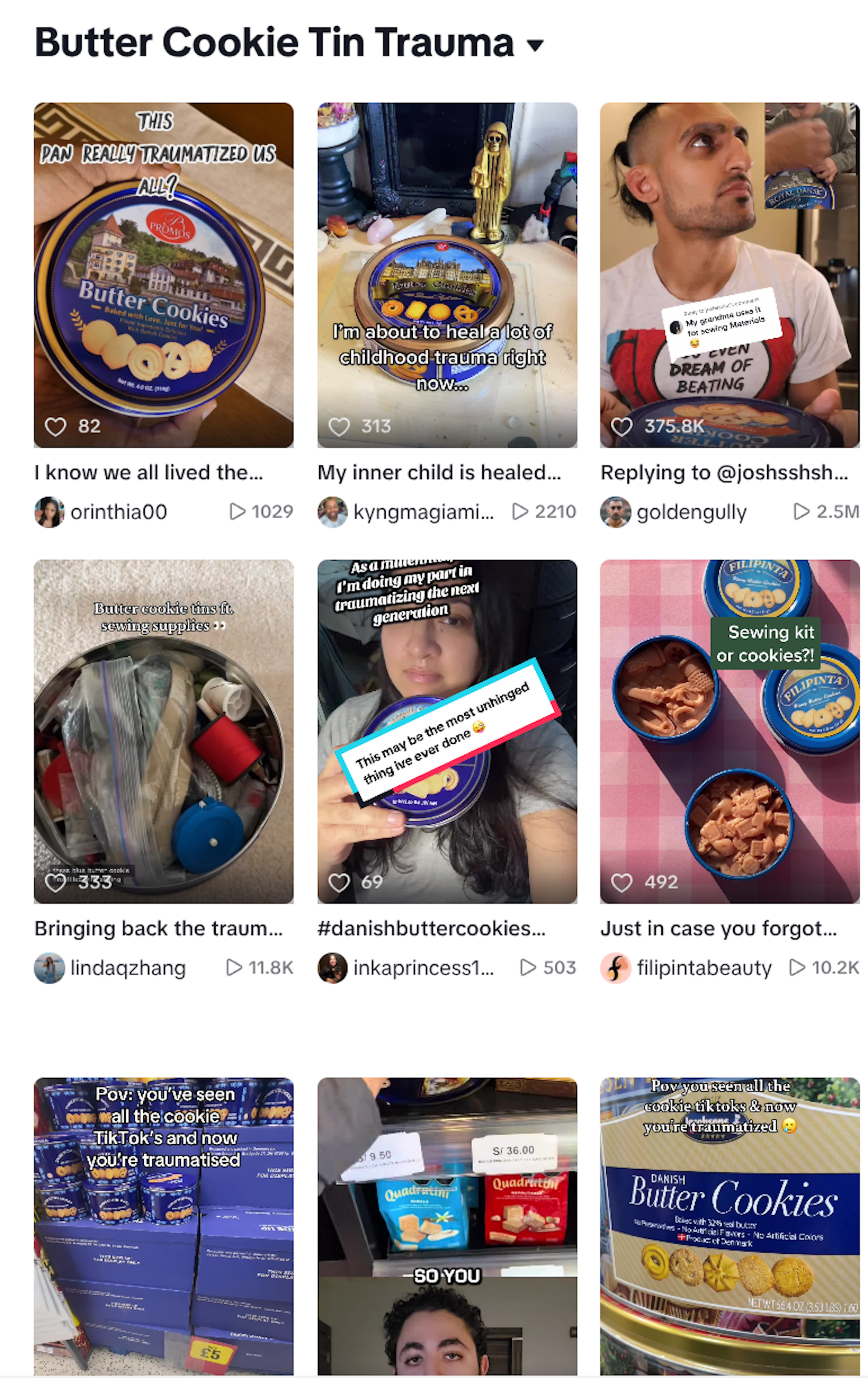
Social media is implicated in these broadened definitions. TikTok videos commonly describe minor embarrassments as traumas (for example, “I sat in chocolate and didn’t realise”) and innocuous experiences, such as mind-wandering, as signs of it.
社交媒体参与了这些拓宽的定义。TikTok视频经常将小小的尴尬描述为创伤(例如,“我坐进巧克力里,没有意识到”),并将走神等无伤大雅的经历视为创伤的迹象。
Some of these uses are tongue-in-cheek and knowing. They poke fun at broad definitions (for example, “trauma is when you open the cookie tin to find sewing materials”) . In the same spirit, participants in a recent Irish study were ambivalent about such definitions, “welcoming trauma’s de-stigmatisation but deploring its potential trivialisation”.
其中一些用法是戏谑且心知肚明的。它们以开玩笑的方式来嘲讽这些宽泛的定义(例如,“当你打开饼干罐发现里面是缝纫材料时,就是创伤”)。秉持同样的精神,近期一项爱尔兰研究的参与者对这类定义持矛盾态度,他们“欢迎创伤的去污名化,但又哀叹其可能被轻视化”。
Benefits and costs of broad definitions
广义定义的益处与成本
This ambivalence points to a backlash against expansive definitions, but that backlash carries risks. Trivialising trauma may be wrong, but people can be harmed by events that are not “big-T” traumatic. Those who have experienced adversity deserve compassion whether or not their experiences meet diagnostic benchmarks.
这种矛盾性指向了对扩大化定义的抵制,但这种抵制也带有风险。轻视创伤可能是错误的,但人们也可能因为并非“大写T”的创伤事件而受到伤害。经历过逆境的人,无论他们的经历是否符合诊断基准,都值得同情。
People who question the concept creep of “trauma” are sometimes accused of lacking compassion, glossing over adversity and policing language. If someone wants to describe their experience as traumatic, who are you to invalidate them?
那些质疑“创伤”概念蔓延的人,有时会被指责缺乏同情心、对逆境视而不见和过度监管语言。如果有人想把自己的经历描述为创伤性的,你有什么资格否定他们?
However, some objections to the inflation of “trauma” are legitimate and grounded in compassionate concern. Holding a broad definition may harm people.
然而,一些反对“创伤”过度膨胀的反对意见是合理的,并且是基于同情心的关切。持有过于宽泛的定义可能会伤害到人们。
One study found that people induced to hold such a definition experienced more distress and intrusive thoughts after viewing a confronting video clip than those induced to hold a narrow one. Another showed that people who held broader trauma concepts were more distressed by an upsetting clip.
一项研究发现,被诱导持有这种定义的参与者,在观看令人不安的视频片段后,所经历的痛苦和侵入性思维比被诱导持有狭窄定义的人更多。另一项研究则表明,持有更广义创伤概念的人,对令人不安的片段感到更痛苦。
Perceiving something to be traumatic may contribute to making it so. Attributing distress to trauma implies that the injury we have suffered is enduring, indelible, overwhelming and identity-defining.
将某事感知为创伤,可能有助于使其如此。将痛苦归因于创伤,暗示了我们所遭受的伤害是持久的、不可磨灭的、压倒性的,并且定义了我们的身份。
For the writer Will Self, trauma has become:
对于作家威尔·塞夫(Will Self)来说,创伤已经成为:
the idea that certain species of experience have the ability to injure us in lasting ways, such that we carry the wound – and, indeed, the experience itself – forever with us, often without our even knowing.
一种观念,即某些类型的经历有能力以持久的方式伤害我们,以至于我们将伤口——乃至经历本身——永远地带着,往往甚至没有察觉到。
Understanding the cause of our suffering in this way – beyond our control, permanent and profoundly impactful – is the opposite of what is likely to promote recovery. It is a pattern associated with depression and hopelessness.
以这种方式理解我们的痛苦——超出我们的控制、永久且影响深远——与促进康复的可能性恰恰相反。这是一种与抑郁和绝望相关的模式。
Another reason to resist the expansion of “trauma” is conceptual clarity. If all adversities become trauma, and all distress is ascribed to it, the concept becomes a blunt instrument. “Big-T” trauma is already widespread – three quarters of Australian adults have experienced such an event, such as a life-threatening car crash or the unexpected death of a loved one – without diluting it with small-t troubles.
抵抗“创伤”扩张的另一个原因是概念清晰度。如果所有逆境都成为创伤,所有痛苦都归因于它,那么这个概念就会变成一个钝器。“大写T”的创伤已经非常普遍——四分之三的澳大利亚成年人经历过此类事件,例如危及生命的车祸或亲人的意外去世——而无需用小困扰来稀释它。
The expansive view of trauma promotes the increasingly popular view that distress can be explained by adverse life experiences alone. The idea we should move from asking what’s wrong with people to what happened to them sounds humane, but it can lead to simplistic trauma determinism.
创伤的扩大化观点助长了一种日益流行的观点,即痛苦可以仅用不利的生活经历来解释。我们应该从询问“人有什么问题”转变为询问“发生了什么事”的想法听起来很人道,但它可能导致简单的创伤决定论。
Life experiences matter, but they’re not all that matters. Only 4% of people who experience a DSM traumatic event develop PTSD, for example. Many biological, psychological and cultural factors play a role in mental ill health, not just traumatic experiences.
生活经历很重要,但它们并非唯一重要的。例如,只有4%经历过DSM创伤事件的人会发展成创伤后应激障碍(PTSD)。许多生物学、心理学和文化因素都会影响精神疾病,而不仅仅是创伤经历。
Questioning the expansion of “trauma” is essential if we are to avoid diluting and misusing the concept. This expansion is driven by benevolent societal trends but it has a downside. At this cultural moment, when “trauma” is everywhere, we need to think clearly and critically about it.
质疑“创伤”的扩张,对我们避免稀释和滥用这个概念至关重要。这种扩张是由善意的社会趋势推动的,但它也有缺点。在当前这个“创伤”无处不在的文化时刻,我们需要对此进行清晰和批判性的思考。
Nick Haslam receives funding from the Australian Research Council.
尼克·哈斯兰(Nick Haslam)接受澳大利亚研究理事会资助。