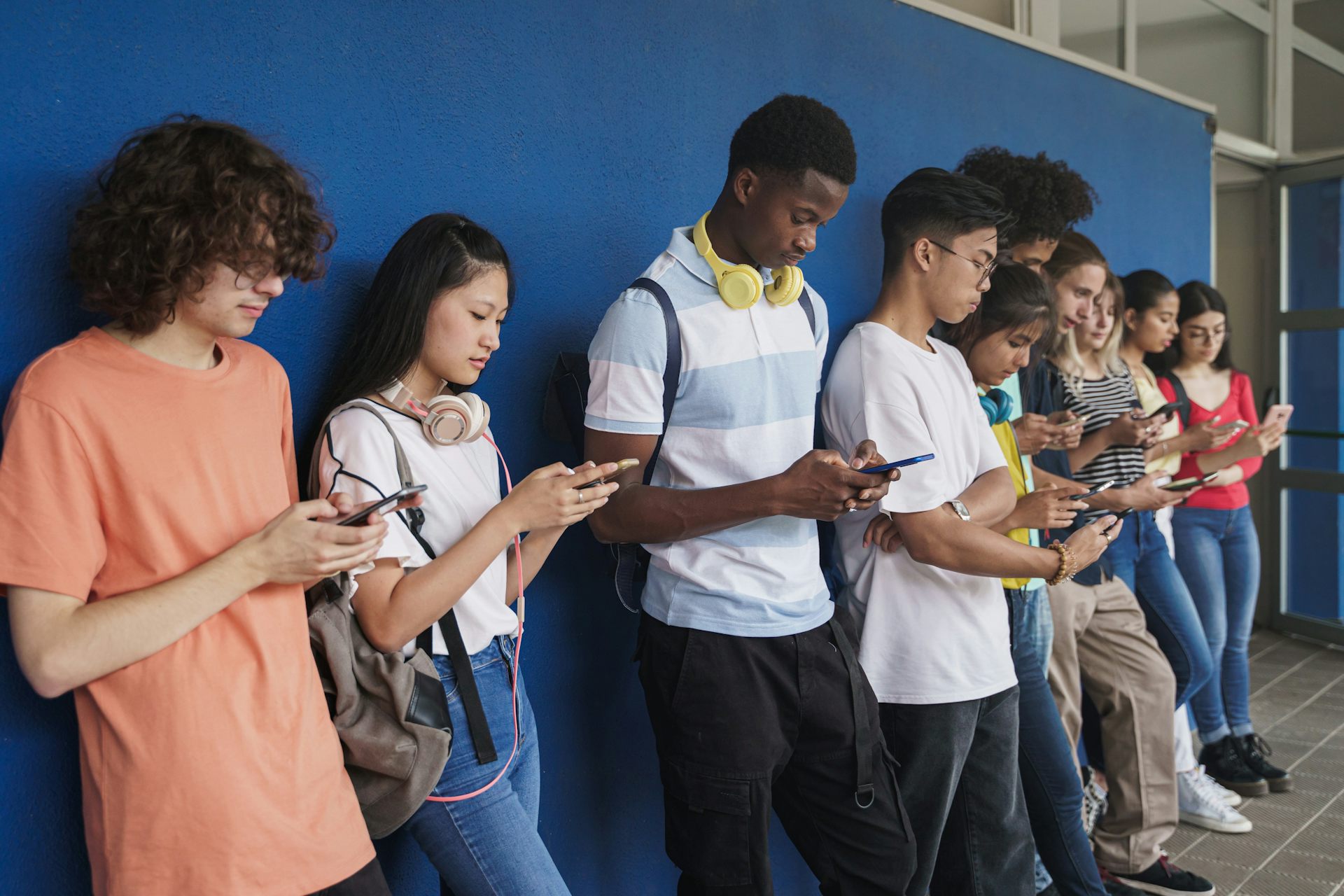
हमारे अध्ययन ने 43 देशों में किशोरों के सोशल मीडिया व्यवहार पर नज़र डाली – वंचित पृष्ठभूमि के लोग अधिक नुकसान का सामना करते हैं
Our study looked at teens’ social media behaviour in 43 countries – those from disadvantaged backgrounds face greater harms
Adolescents’ digital risks are shaped by inequality.
किशोरों के डिजिटल जोखिम असमानता से आकार लेते हैं।
As social media becomes a central part of young people’s lives, concerns are growing about its impact on their mental health. Yet public debates and measures tend to treat adolescents as one homogeneous group. We frequently ignore the fact that social media use does not affect all young people in the same way – nor does it have the same impacts on their wellbeing.
जैसे-जैसे सोशल मीडिया युवाओं के जीवन का एक केंद्रीय हिस्सा बनता जा रहा है, इस बात को लेकर चिंताएं बढ़ रही हैं कि इसका उनके मानसिक स्वास्थ्य पर क्या प्रभाव पड़ रहा है। फिर भी, सार्वजनिक बहसें और उपाय अक्सर किशोरों को एक समरूप समूह के रूप में मानते हैं। हम अक्सर इस तथ्य को नज़रअंदाज़ कर देते हैं कि सोशल मीडिया का उपयोग सभी युवाओं को एक ही तरह से प्रभावित नहीं करता है – न ही यह उनके कल्याण पर समान प्रभाव डालता है।
In a recent chapter of the World Happiness Report 2026, published by the UN Sustainable Development Solutions Network in partnership with the University of Oxford, we have examined how problematic social media use relates to the wellbeing of adolescents from different socioeconomic backgrounds.
विश्व खुशी रिपोर्ट 2026 के एक हालिया अध्याय में, जिसे संयुक्त राष्ट्र सतत विकास समाधान नेटवर्क ने ऑक्सफोर्ड विश्वविद्यालय के साथ साझेदारी में प्रकाशित किया है, हमने यह जांच की है कि समस्याग्रस्त सोशल मीडिया उपयोग विभिन्न सामाजिक-आर्थिक पृष्ठभूमि के किशोरों के कल्याण से कैसे संबंधित है।
We looked at 43 countries spanning six broad regions – Anglo-Celtic, Caucasus-Black Sea, Central-Eastern Europe, Mediterranean, Nordic, and Western Europe – covering mainly European countries and their immediate neighbouring areas.
हमने 43 देशों पर नज़र डाली, जो छह व्यापक क्षेत्रों – एंग्लो-सेल्टिक, काकेशस-ब्लैक सी, मध्य-पूर्वी यूरोप, भूमध्यसागरीय, नॉर्डिक और पश्चिमी यूरोप – तक फैले हुए हैं – जिसमें मुख्य रूप से यूरोपीय देश और उनके आस-पास के क्षेत्र शामिल हैं।
Using data from over 330,000 young people, we found a clear and consistent pattern: higher levels of problematic social media use – that is, compulsive or uncontrolled engagement with social media – are associated with poorer wellbeing.
330,000 से अधिक युवाओं के डेटा का उपयोग करते हुए, हमें एक स्पष्ट और सुसंगत पैटर्न मिला: समस्याग्रस्त सोशल मीडिया उपयोग का उच्च स्तर – यानी, सोशल मीडिया के साथ बाध्यकारी या अनियंत्रित जुड़ाव – खराब कल्याण से जुड़ा हुआ है।
Teenagers who report more problematic use tend to experience more psychological complaints, such as feeling low, nervous, irritable, or having difficulty sleeping. They also have lower life satisfaction, a measure of how positively they evaluate their lives as a whole.
किशोर जो अधिक समस्याग्रस्त उपयोग की सूचना देते हैं, वे कम महसूस करना, घबराहट, चिड़चिड़ापन महसूस करने, या नींद आने में कठिनाई जैसी अधिक मनोवैज्ञानिक शिकायतें अनुभव करते हैं। उनका जीवन संतुष्टि स्तर भी कम होता है, जो इस बात का माप है कि वे अपने जीवन का समग्र रूप से कितना सकारात्मक मूल्यांकन करते हैं।
This pattern appears across all countries in our study, but its strength varies from one country to another. It is particularly pronounced in Anglo-Celtic countries such as the UK and Ireland, while it is comparatively weaker in the Caucasus-Black Sea region.
यह पैटर्न हमारे अध्ययन के सभी देशों में दिखाई देता है, लेकिन इसकी शक्ति एक देश से दूसरे देश में भिन्न होती है। यह विशेष रूप से यूके और आयरलैंड जैसे एंग्लो-सेल्टिक देशों में स्पष्ट है, जबकि यह काकेशस-ब्लैक सी क्षेत्र में तुलनात्मक रूप से कमजोर है।
Socioeconomic background matters
सामाजिक-आर्थिक पृष्ठभूमि मायने रखती है
The story does not end with geography. Globally, teenagers from less advantaged backgrounds tend to be more vulnerable to the negative consequences of problematic social media use than their more advantaged peers.
कहानी केवल भूगोल तक सीमित नहीं है। विश्व स्तर पर, कम सुविधा वाले पृष्ठभूमि के किशोर अपने अधिक सुविधा वाले साथियों की तुलना में समस्याग्रस्त सोशल मीडिया उपयोग के नकारात्मक परिणामों के प्रति अधिक संवेदनशील होते हैं।
This means socioeconomic status – the material and social resources available to a household, such as income and living conditions – actively shapes the risks and opportunities that young people experience as a result of online environments.
इसका मतलब है कि सामाजिक-आर्थिक स्थिति – जो एक परिवार के लिए उपलब्ध भौतिक और सामाजिक संसाधन हैं, जैसे आय और जीवन की स्थिति – ऑनलाइन वातावरण के परिणामस्वरूप युवाओं द्वारा अनुभव किए जाने वाले जोखिमों और अवसरों को सक्रिय रूप से आकार देती है।
Interestingly, these inequalities are especially visible when we look at life satisfaction. Differences between socioeconomic groups are smaller when it comes to psychological complaints, but much clearer and more consistent for how adolescents evaluate their lives overall.
दिलचस्प बात यह है कि ये असमानताएं जीवन संतुष्टि को देखते समय विशेष रूप से दिखाई देती हैं। मनोवैज्ञानिक शिकायतों के मामले में सामाजिक-आर्थिक समूहों के बीच अंतर कम होते हैं, लेकिन किशोरों द्वारा अपने जीवन का समग्र मूल्यांकन करने के तरीके के लिए यह कहीं अधिक स्पष्ट और सुसंगत होता है।
One likely reason is that life satisfaction is more sensitive to social comparisons. Social media exposes young people to constant benchmarks – what others have, do, and achieve – which can amplify differences in perceived opportunities and resources.
एक संभावित कारण यह है कि जीवन संतुष्टि सामाजिक तुलनाओं के प्रति अधिक संवेदनशील होती है। सोशल मीडिया युवाओं को लगातार बेंचमार्क (मानदंड) के संपर्क में लाता है – कि अन्य लोगों के पास क्या है, वे क्या करते हैं, और वे क्या हासिल करते हैं – जो कथित अवसरों और संसाधनों में अंतर को बढ़ा सकता है।
At the same time, these patterns are not identical everywhere. For instance, socioeconomic differences in psychological complaints tend to be modest in most regions including continental European countries such as France, Austria or Belgium, but are more clearly observed in Anglo-Celtic countries such as Scotland and Wales.
साथ ही, ये पैटर्न हर जगह समान नहीं होते हैं। उदाहरण के लिए, मनोवैज्ञानिक शिकायतों में सामाजिक-आर्थिक अंतर अधिकांश क्षेत्रों में मामूली होते हैं, जिसमें फ्रांस, ऑस्ट्रिया या बेल्जियम जैसे महाद्वीपीय यूरोपीय देश शामिल हैं, लेकिन स्कॉटलैंड और वेल्स जैसे एंग्लो-सेल्टिक देशों में ये अधिक स्पष्ट रूप से देखे जाते हैं।
In contrast, socioeconomic gaps in life satisfaction appear across most regions, although they tend to be weaker in Mediterranean countries such as Italy, Cyprus and Greece.
इसके विपरीत, जीवन संतुष्टि में सामाजिक-आर्थिक अंतर अधिकांश क्षेत्रों में दिखाई देते हैं, हालांकि वे इटली, साइप्रस और ग्रीस जैसे भूमध्यसागरीय देशों में कमजोर होते हैं।
A growing problem
एक बढ़ती समस्या
We also examined how these patterns have evolved over time. Between 2018 and 2022, the link between problematic social media use and poor adolescent wellbeing became stronger.
हमने यह भी देखा कि समय के साथ ये पैटर्न कैसे विकसित हुए हैं। 2018 और 2022 के बीच, समस्याग्रस्त सोशल मीडिया उपयोग और खराब किशोर कल्याण के बीच का संबंध मजबूत होता गया।
This suggests that the risks linked to problematic use may have intensified in recent years, possibly reflecting the growing role of digital technologies in young people’s daily lives, particularly during and after the Covid-19 pandemic.
यह बताता है कि समस्याग्रस्त उपयोग से जुड़े जोखिम हाल के वर्षों में बढ़ सकते हैं, जो संभवतः कोविड-19 महामारी के दौरान और बाद में, युवाओं के दैनिक जीवन में डिजिटल तकनीकों की बढ़ती भूमिका को दर्शाता है।
Importantly, this intensification has affected teenagers across socioeconomic groups in broadly similar ways in most regions. In other words, while inequalities remain they have not widened over this period.
महत्वपूर्ण बात यह है कि इस तीव्रता ने अधिकांश क्षेत्रों में विभिन्न सामाजिक-आर्थिक समूहों के किशोरों को मोटे तौर पर समान तरीकों से प्रभावित किया है। दूसरे शब्दों में, हालांकि असमानताएं बनी हुई हैं, लेकिन इस अवधि में वे बढ़ी नहीं हैं।
Leer más: Social media addiction disrupts the sleep, moods and social activities of teens and young adults
और पढ़ें: सोशल मीडिया की लत किशोरों और युवा वयस्कों की नींद, मनोदशा और सामाजिक गतिविधियों को बाधित करती है
No one-size-fits-all solution
कोई एक समाधान जो सबके लिए काम न करे
While public debates about social media and mental health often treat adolescents as a single demographic group, our results show a more complex reality. Problematic social media use is linked to poorer wellbeing across countries, but its effects are shaped by social realities. They vary depending on where young people live and what resources are available to them.
हालांकि सोशल मीडिया और मानसिक स्वास्थ्य पर सार्वजनिक बहस अक्सर किशोरों को एक ही जनसांख्यिकीय समूह के रूप में देखती है, हमारे परिणाम एक अधिक जटिल वास्तविकता दर्शाते हैं। समस्याग्रस्त सोशल मीडिया उपयोग का संबंध विभिन्न देशों में खराब कल्याण से है, लेकिन इसके प्रभाव सामाजिक वास्तविकताओं द्वारा आकार लेते हैं। ये इस बात पर निर्भर करते हैं कि युवा लोग कहाँ रहते हैं और उन्हें कौन से संसाधन उपलब्ध हैं।
Not all teenagers experience the digital world in the same way, and not all are equally equipped to cope with its pressures. Recognising this is essential for designing policies that are not only effective, but also equitable, ensuring that interventions reach those adolescents who are most vulnerable to digital risks.
सभी किशोर डिजिटल दुनिया का एक जैसा अनुभव नहीं करते हैं, और सभी इसके दबावों से निपटने के लिए समान रूप से सुसज्जित नहीं हैं। यह पहचान करना आवश्यक है ताकि ऐसी नीतियां बनाई जा सकें जो न केवल प्रभावी हों, बल्कि न्यायसंगत भी हों, यह सुनिश्चित करते हुए कि हस्तक्षेप उन किशोरों तक पहुँचे जो डिजिटल जोखिमों के प्रति सबसे अधिक संवेदनशील हैं।

A weekly e-mail in English featuring expertise from scholars and researchers. It provides an introduction to the diversity of research coming out of the continent and considers some of the key issues facing European countries. Get the newsletter!
विद्वानों और शोधकर्ताओं की विशेषज्ञता से युक्त एक साप्ताहिक अंग्रेजी ईमेल। यह महाद्वीप से आ रहे शोध की विविधता का परिचय देता है और यूरोपीय देशों के सामने आने वाले कुछ प्रमुख मुद्दों पर विचार करता है। न्यूज़लेटर प्राप्त करें!
Roger Fernandez-Urbano receives funding from the Spanish Government’s Ministry of Science, Innovation and Universities and the State Research Agency through Ramón y Cajal (RYC) grant. Roger is a member of the International Society for Quality-of-Life Studies (ISQOLS) .
रॉजर फर्नांडीज-उर्बानो को स्पेनिश सरकार के विज्ञान, नवाचार और विश्वविद्यालय मंत्रालय और राज्य अनुसंधान एजेंसी से रामोन वाई काहाल (RYC) अनुदान के माध्यम से फंडिंग मिलती है। रोजर इंटरनेशनल सोसाइटी फॉर क्वालिटी-ऑफ-लाइफ स्टडीज (ISQOLS) के सदस्य हैं।
Maria Rubio-Cabañez’s involvement in this research was supported by the DIGINEQ (Digital Time Use, Adolescent Well-Being and Social Inequalities) project (Grant agreement ID: 101089233) , funded by the European Research Council Consolidator Grant.
इस शोध में मारिया रुबियो-काबाñez की भागीदारी को DIGINEQ (डिजिटल समय उपयोग, किशोर कल्याण और सामाजिक असमानताएं) परियोजना (अनुदान समझौता आईडी: 101089233) द्वारा समर्थित किया गया था, जिसे यूरोपीय रिसर्च काउंसिल कंसोलिडेटर ग्रांट द्वारा वित्त पोषित किया गया था।
Pablo Gracia’s involvement in this research was supported by the DIGINEQ (Digital Time Use, Adolescent Well-Being and Social Inequalities) project (Grant agreement ID: 101089233) , funded by the European Research Council Consolidator Grant.
इस शोध में पाब्लो ग्रासिया की भागीदारी को DIGINEQ (डिजिटल समय उपयोग, किशोर कल्याण और सामाजिक असमानताएं) परियोजना (अनुदान समझौता आईडी: 101089233) द्वारा समर्थित किया गया था, जिसे यूरोपीय रिसर्च काउंसिल कंसोलिडेटर ग्रांट द्वारा वित्त पोषित किया गया था।
Read more
-
लोग फिर से पोकेमॉन कार्डों के प्रति इतने जुनूनी (और उन्हें चुरा क्यों रहे हैं)?
Why are people obsessed with (and stealing) Pokemon cards again?
-
अमेरिका ने पूर्व क्यूबा राष्ट्रपति राउल कास्त्रो पर आरोप क्यों लगाए हैं?
Why has the US indicted former Cuban President Raúl Castro?