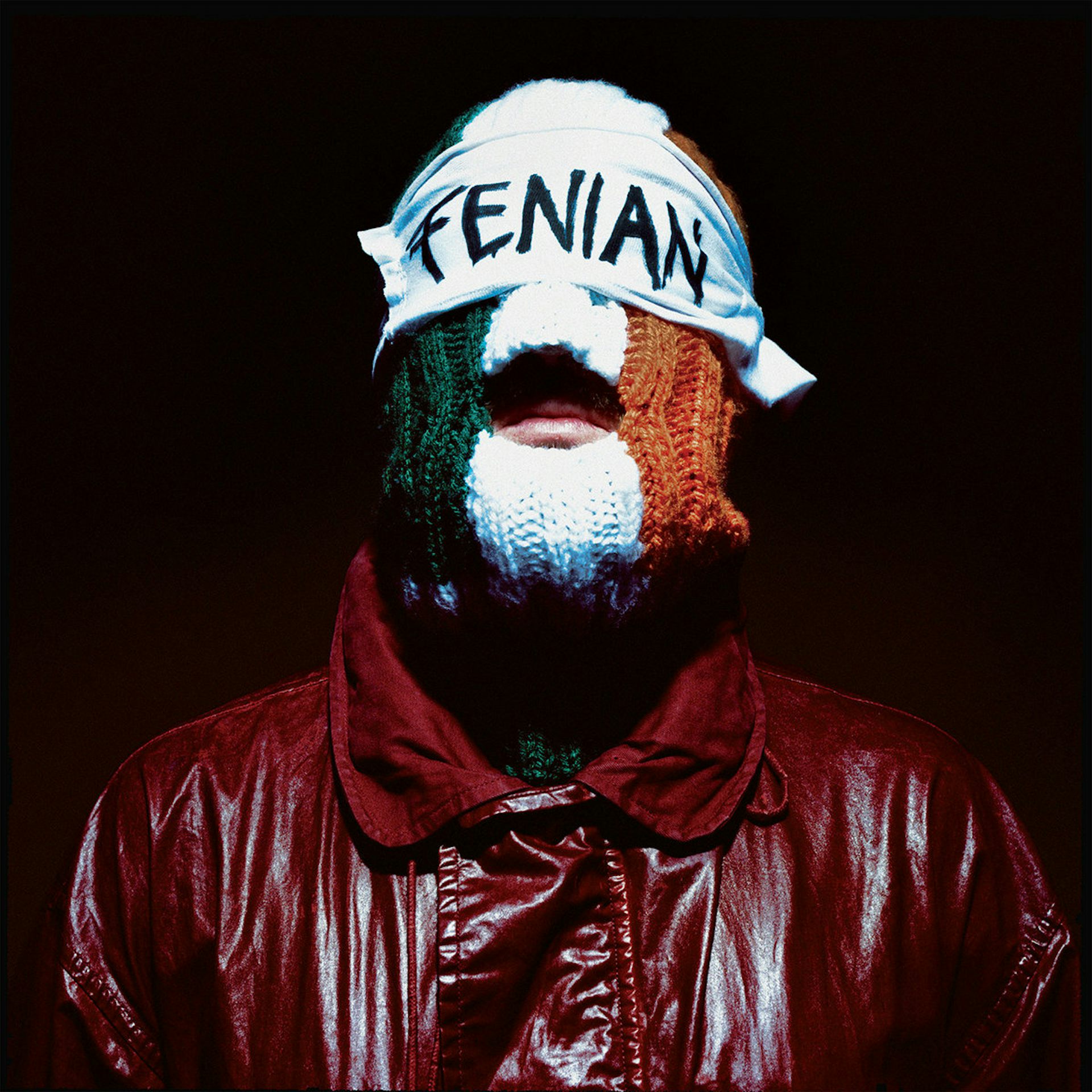
फेनियन: Kneecap के विद्रोही नए एल्बम शीर्षक के पीछे का आयरिश विरोधी इतिहास
Fenian: the anti-Irish history behind Kneecap’s defiant new album title
The term Fenian can’t be untangled from a dark history of anti-Irish racism. That’s why Kneecap chose it.
‘फेनियन’ शब्द को आयरिश विरोधी नस्लवाद के एक अंधेरे इतिहास से अलग नहीं किया जा सकता। इसीलिए Kneecap ने इसे चुना।
Irish hip-hop group Kneecap recently released their latest album, called “Fenian”.
आयरिश हिप-हॉप समूह Kneecap ने हाल ही में अपना नवीनतम एल्बम, जिसका नाम “फेनियन” है, जारी किया है।
A proud reclamation of a painful derogatory slur, Fenian is a word that connects Irish people to a history in which they were sometimes seen as less than human.
एक दर्दनाक अपमानजनक गाली का गर्वित पुनर्ग्रहण, फेनियन एक ऐसा शब्द है जो आयरिश लोगों को एक ऐसे इतिहास से जोड़ता है जिसमें उन्हें कभी-कभी मानव से कम समझा जाता था।
A title packed with meaning
अर्थ से भरा शीर्षक
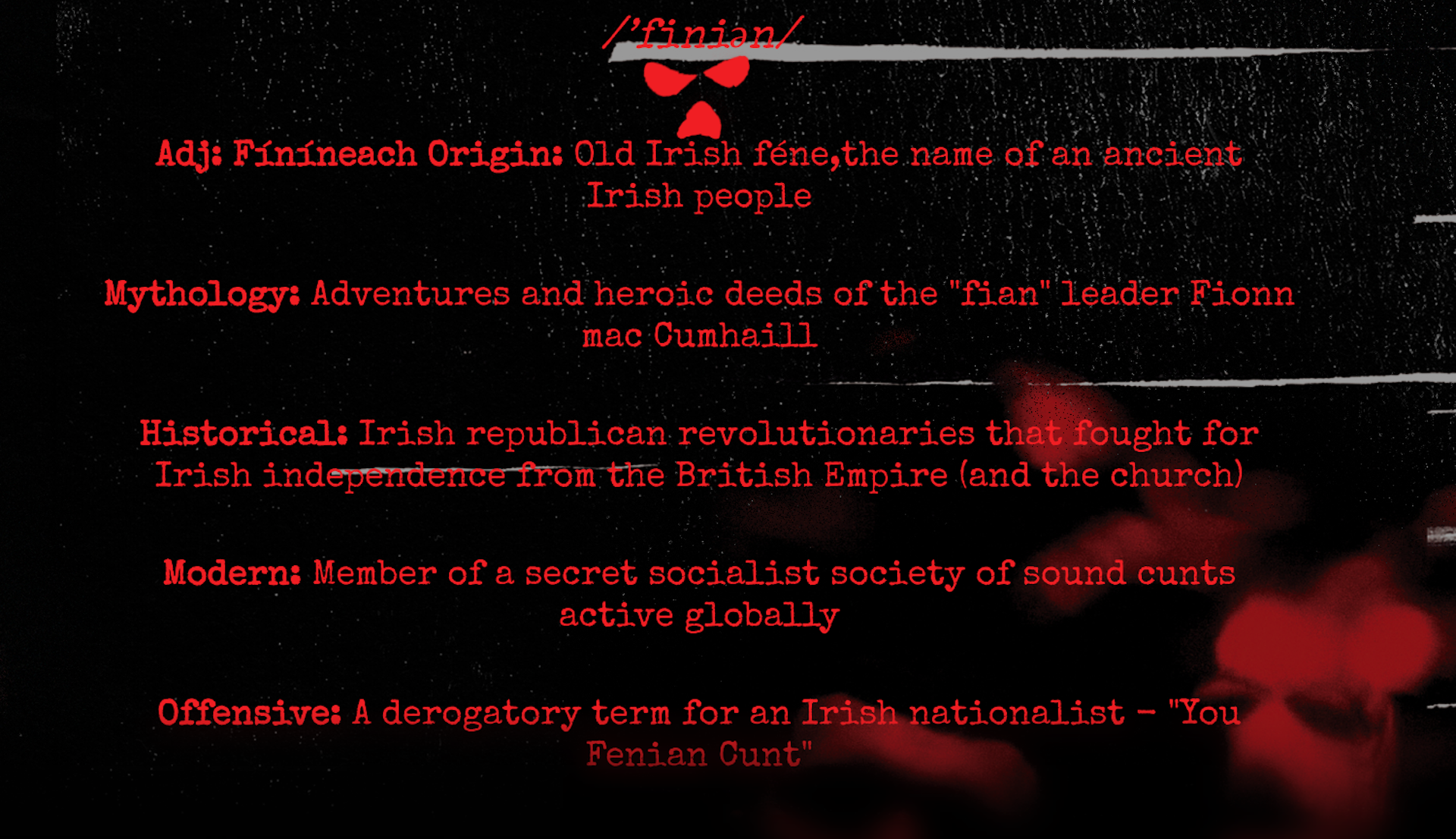
The word originally comes from “Fianna”, which is linked to an ancient Irish mythology. The Fianna were small groups of male Irish warriors led by the legendary hero, Fionn mac Cumhaill.
यह शब्द मूल रूप से “फिएन्ना” (Fianna) से आया है, जो एक प्राचीन आयरिश पौराणिक कथा से जुड़ा है। फिएन्ना पौराणिक नायक, फियन मैक कुम्हाइल (Fionn mac Cumhaill) के नेतृत्व में पुरुष आयरिश योद्धाओं के छोटे समूह थे।
Today, however, the term is more commonly known for its association with Irish nationalism.
हालांकि, आज यह शब्द आयरिश राष्ट्रवाद से अपने जुड़ाव के लिए अधिक जाना जाता है।
Since at least the 17th century, Irish people have endured religious and cultural oppression under British rule – which largely targeted the Irish Catholic population.
कम से कम 17वीं शताब्दी से, आयरिश लोगों ने ब्रिटिश शासन के तहत धार्मिक और सांस्कृतिक उत्पीड़न झेला है – जो मुख्य रूप से आयरिश कैथोलिक आबादी को निशाना बनाता था।
In the 19th century, various nationalist groups fought for Irish independence, sometimes violently. This included the Irish Republican Brotherhood, whose members were called Fenians.
19वीं शताब्दी में, विभिन्न राष्ट्रवादी समूहों ने आयरिश स्वतंत्रता के लिए लड़ाई लड़ी, कभी-कभी हिंसक रूप से भी। इसमें आयरिश रिपब्लिकन ब्रदरहुड (Irish Republican Brotherhood) शामिल था, जिसके सदस्यों को फेनियन (Fenians) कहा जाता था।
The word’s meaning eventually expanded to become a derogatory term for supporters of Irish independence.
समय के साथ, इस शब्द का अर्थ आयरिश स्वतंत्रता के समर्थकों के लिए एक अपमानजनक शब्द बन गया।
Anti-Irish stereotyping
आयरिश विरोधी रूढ़िवादिता
But there’s more to this word than just its political significance. It is also entwined with a history of anti-Irish racism, also known as “hibernophobia”.
लेकिन इस शब्द का महत्व केवल इसके राजनीतिक महत्व तक सीमित नहीं है। यह आयरिश विरोधी नस्लवाद के इतिहास से भी जुड़ा हुआ है, जिसे “हिबरनोफोबिया” भी कहा जाता है।
In the 19th century, interest in human evolution led to a pseudo-scientific theory called social Darwinism.
19वीं शताब्दी में, मानव विकास में रुचि ने सामाजिक डार्विनवाद नामक एक छद्म-वैज्ञानिक सिद्धांत को जन्म दिया।
This discredited theory claimed all human “types” could be placed along a hierarchy of evolution. White Europeans were at the top, as the most “evolved”. This twisted logic was used to justify the subjugation of people in colonised territories worldwide, including Australia.
इस बदनाम सिद्धांत का दावा था कि सभी मानव “प्रकार” विकास के एक पदानुक्रम (hierarchy) पर रखे जा सकते हैं। श्वेत यूरोपीय सबसे “विकसित” होने के कारण शीर्ष पर थे। इस विकृत तर्क का उपयोग ऑस्ट्रेलिया सहित दुनिया भर के उपनिवेशित क्षेत्रों में लोगों के अधीनता को सही ठहराने के लिए किया गया था।
Irish Catholic people were given a position in this hierarchy – towards the bottom. Historians argue the designation of Irish Catholic people as a backwards “race” was used to rationalise their oppression. If they were an inherently “savage” people, then they were unfit to run their own government.
आयरिश कैथोलिक लोगों को इस पदानुक्रम में एक स्थान दिया गया था – निचले सिरे की ओर। इतिहासकार तर्क देते हैं कि आयरिश कैथोलिक लोगों को एक पिछड़े “जाति” के रूप में नामित करना उनके उत्पीड़न को तर्कसंगत बनाने के लिए इस्तेमाल किया गया था। यदि वे स्वाभाविक रूप से “जंगली” लोग थे, तो वे अपनी सरकार चलाने के योग्य नहीं थे।
Fenians supposedly embodied the worst elements of the Irish character: stupidity, violence and brutishness. From this viewpoint, Fenian violence became seen as an expression of a supposedly inherent Irish character – not as a response to the British rule in Ireland.
फेनियन कथित तौर पर आयरिश चरित्र के सबसे बुरे तत्वों का प्रतीक थे: मूर्खता, हिंसा और बर्बरता। इस दृष्टिकोण से, फेनियन हिंसा को आयरलैंड में ब्रिटिश शासन के जवाब के रूप में नहीं, बल्कि एक कथित रूप से अंतर्निहित आयरिश चरित्र की अभिव्यक्ति के रूप में देखा जाने लगा।
Cartoons were published that dehumanised Fenians and drew on centuries of anti-Irish stereotyping. Fenians were drawn as “terrorists” with exaggerated facial features, making them look like chimpanzees.
ऐसे कार्टून प्रकाशित किए गए जिन्होंने फेनियन को अमानवीय बनाया और सदियों की आयरिश विरोधी रूढ़िवादिता पर आधारित थे। फेनियन को अतिरंजित चेहरे की विशेषताओं के साथ “आतंकवादियों” के रूप में चित्रित किया गया, जिससे वे चिंपैंजी जैसे दिखने लगे।
In one typical example from 1866, a thuggish, simianised Fenian man menaces a beautiful feminised version of “Britannia”. Anti-Irish cartoons were even published in Australia.
1866 के एक विशिष्ट उदाहरण में, एक बदमाश, वानर-समान फेनियन व्यक्ति “ब्रिटानिया” के एक सुंदर स्त्री रूप को धमका रहा है। ऑस्ट्रेलिया में भी आयरिश विरोधी कार्टून प्रकाशित किए गए थे।
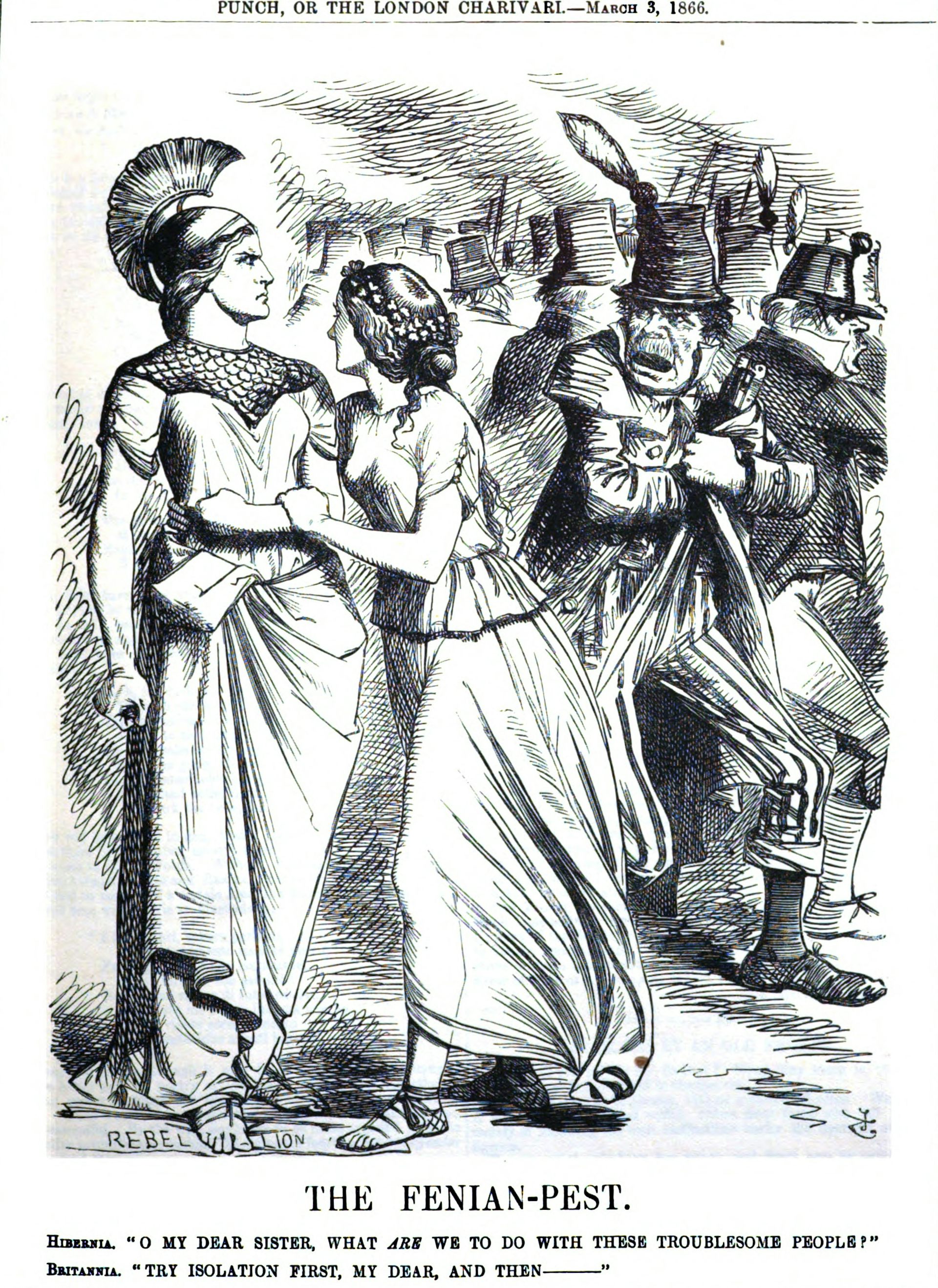
This history of anti-Irish racism still normalises anti-Irish jokes today.
आयरिश विरोधी नस्लवाद का यह इतिहास आज भी आयरिश विरोधी चुटकुलों को सामान्य बनाता है।
Who are Kneecap?
नीककैप कौन हैं?
Kneecap is a rap and hip-hop trio from Northern Ireland.
नीककैप उत्तरी आयरलैंड का एक रैप और हिप-हॉप त्रयो समूह है।
The group shot to fame following the release of their 2024 semi-autobiographical film. Their music is gritty, rude and defiantly anti-colonial – belonging to a long line of Irish activists fighting to get “Brits out” of Ireland.
यह समूह अपने 2024 के अर्ध-स्व-जीवनी फिल्म के रिलीज़ होने के बाद प्रसिद्ध हुआ। उनका संगीत दमदार, रूखा और खुले तौर पर उपनिवेशवाद विरोधी है – यह आयरिश कार्यकर्ताओं की एक लंबी परंपरा से जुड़ा है जो आयरलैंड से “ब्रिटिशों को बाहर” निकालने के लिए लड़ रहे हैं।
Kneecap want to bring Irish people together, regardless of religion, and reunite Northern Ireland with the Republic of Ireland. The six counties of Northern Ireland were separated from the rest of Ireland in the 1921 Partition. They remain part of the United Kingdom.
नीककैप का लक्ष्य धर्म की परवाह किए बिना आयरिश लोगों को एक साथ लाना और उत्तरी आयरलैंड को आयरलैंड गणराज्य के साथ फिर से एकजुट करना है। उत्तरी आयरलैंड के छह काउंटी 1921 के विभाजन में बाकी आयरलैंड से अलग हो गए थे। वे यूनाइटेड किंगडम का हिस्सा बने हुए हैं।
Kneecap rap in English and Irish, and have been credited for revitalising the Irish language. Irish only achieved official language status in Northern Ireland in 2022, after being suppressed for much of the 20th century.
नीककैप अंग्रेजी और आयरिश में रैप करते हैं, और उन्हें आयरिश भाषा को पुनर्जीवित करने का श्रेय दिया गया है। आयरिश भाषा को उत्तरी आयरलैंड में आधिकारिक भाषा का दर्जा 20वीं सदी के अधिकांश समय तक दमन झेलने के बाद 2022 में मिला।
The chorus in Kneecap’s latest title song, also called Fenian, features a crowd jubilantly chanting “F-E-N-I-A-N”. The messaging is clear: they accept the label. In fact, they celebrate it.
नीककैप के नवीनतम शीर्षक गीत, जिसे फेनियन भी कहा जाता है, के कोरस में भीड़ उत्साहपूर्वक “F-E-N-I-A-N” का जाप करती दिखाई देती है। संदेश स्पष्ट है: वे इस लेबल को स्वीकार करते हैं। वास्तव में, वे इसका जश्न मनाते हैं।
The track was written as one of the band members, Mo Chara, faced charges of terrorism brought against him by the British government. In November 2024, Mo Chara allegedly committed a terrorist act by waving a Hezbollah flag at a London concert.
यह ट्रैक तब लिखा गया था जब बैंड के सदस्यों में से एक, मो चारा, पर ब्रिटिश सरकार द्वारा आतंकवाद के आरोप लगाए गए थे। नवंबर 2024 में, मो चारा पर आरोप है कि उन्होंने लंदन के एक कॉन्सर्ट में हिज़्बुल्लाह का झंडा लहराकर आतंकवादी कृत्य किया था।
Kneecap is outspoken in its support for the Palestinian people, connecting the group to a longer history of Irish nationalists advocating for other colonised peoples.
नीककैप फिलिस्तीनी लोगों के समर्थन में मुखर है, जो समूह को अन्य उपनिवेशित लोगों के लिए वकालत करने वाले आयरिश राष्ट्रवादियों के एक लंबे इतिहास से जोड़ता है।
The charges were dismissed. As Mo Chara observed in a recent interview, he’s not “the first Irish person to be called a terrorist”.
आरोप खारिज कर दिए गए। जैसा कि मो चारा ने हाल ही में एक साक्षात्कार में बताया, वह “पहला आयरिश व्यक्ति नहीं है जिसे आतंकवादी कहा गया हो”।
Who can use ‘Fenian’?
‘फेनियन’ का उपयोग कौन कर सकता है?
Although Kneecap celebrate being called “Fenians”, this word can still be understood as a cultural slur.
हालांकि Kneecap को “फेनियन” कहे जाने पर गर्व है, फिर भी इस शब्द को एक सांस्कृतिक अपमान (slur) के रूप में समझा जा सकता है।
Recently, the band claimed it was forced to “censor” its album posters by blanking out the word Fenian. London transport authorities allegedly refused to publish the uncensored version.
हाल ही में, बैंड ने दावा किया कि उन्हें ‘फेनियन’ शब्द को मिटाकर अपने एल्बम पोस्टरों को “सेंसर” करने के लिए मजबूर किया गया था। लंदन परिवहन अधिकारियों ने कथित तौर पर बिना सेंसर किए गए संस्करण को प्रकाशित करने से मना कर दिया।
Kneecap knows the power and the pain of this label, and they use it with intention. With a sense of tongue in cheek, they explain their use of the term refers to members of “a secret socialist society of sound cunts”. But they also acknowledge it can be weaponised as a derogatory slur. Context is everything.
Kneecap इस लेबल की शक्ति और दर्द दोनों को जानते हैं, और वे इसका उपयोग जानबूझकर करते हैं। मज़ाक भरे अंदाज़ में, वे समझाते हैं कि इस शब्द का उपयोग “ध्वनि करने वाले गद्दारों के एक गुप्त समाजवादी समाज” के सदस्यों को संदर्भित करता है। लेकिन वे यह भी स्वीकार करते हैं कि इसका उपयोग एक अपमानजनक गाली के रूप में किया जा सकता है। संदर्भ ही सब कुछ है।
“Fenian” can’t be untangled from a painful history of anti-Irish racism, which arguably lingers today.
“फेनियन” को आयरिश विरोधी नस्लवाद के दर्दनाक इतिहास से अलग नहीं किया जा सकता, जो आज भी कथित तौर पर बना हुआ है।
It is appropriate for Kneecap to reclaim the word as a statement of cultural defiance. They use it as an empowering rejection of stigma. But it is problematic for others to use it without thinking of its deeper meaning.
Kneecap के लिए इस शब्द को सांस्कृतिक प्रतिरोध के बयान के रूप में पुनः प्राप्त करना उचित है। वे इसका उपयोग कलंक के सशक्त अस्वीकरण के रूप में करते हैं। लेकिन दूसरों के लिए इसके गहरे अर्थ के बारे में सोचे बिना इसका उपयोग करना समस्याग्रस्त है।
Ciara Smart does not work for, consult, own shares in or receive funding from any company or organisation that would benefit from this article, and has disclosed no relevant affiliations beyond their academic appointment.
कियारा स्मार्ट किसी भी कंपनी या संगठन के लिए काम नहीं करती हैं, सलाह नहीं देती हैं, उसमें शेयर नहीं रखती हैं, या उससे फंडिंग प्राप्त नहीं करती हैं जिससे इस लेख से लाभ होगा, और उन्होंने अपनी शैक्षणिक नियुक्ति के अलावा कोई प्रासंगिक जुड़ाव नहीं बताया है।
Read more
-

हॉर्मुज जलडमरूमध्य फिर से खुल रहा है, लेकिन वैश्विक शिपिंग को सामान्य होने में महीनों लग सकते हैं।
The Strait of Hormuz is reopening, but global shipping won’t return to normal for months
-
प्रेम, खोज, रोमांच: शी जिनपिंग के भाषणों और चीन की महारणनीति के पीछे की कहानी
Love, quest, adventure: the storytelling behind Xi Jinping’s speeches and China’s grand strategy