क्या ट्रम्प की कथित ‘जीसस’ छवि अपवित्र थी? एक धार्मिक विशेषज्ञ समझाते हैं
Was Trump’s so-called ‘Jesus’ image blasphemy? A religious expert explains
Donald Trump’s AI image of himself looking like Jesus has been widely derided as blasphemous. But what exactly is blasphemy?
डोनाल्ड ट्रम्प की जीसस जैसी दिखने वाली एआई छवि को व्यापक रूप से अपवित्र बताया गया है। लेकिन अपवित्रता वास्तव में क्या है?
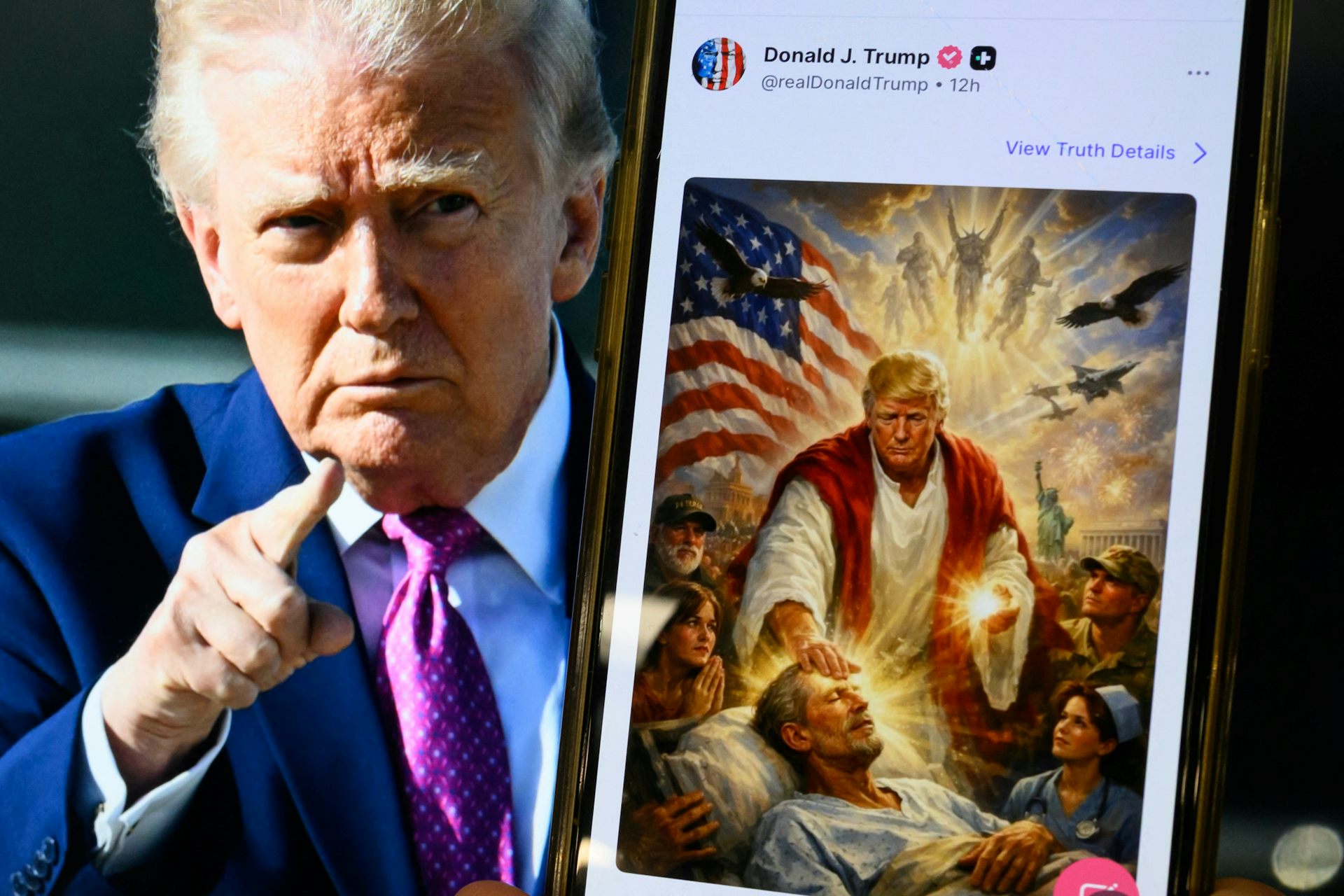
This week, Donald Trump posted an AI image of himself dressed in white robes, placing a glowing hand over an ill or deceased man in a hospital bed, as if to heal or resurrect him. The image, posted on Truth Social, was widely taken as him presenting himself as a Messianic Jesus figure.
इस सप्ताह, डोनाल्ड ट्रम्प ने सफेद लबादे पहने हुए खुद की एक एआई छवि पोस्ट की, जिसमें उन्होंने एक बीमार या मृत व्यक्ति के ऊपर चमकता हाथ रखा हुआ था, मानो उसे ठीक करने या पुनर्जीवित करने के लिए हो। ट्रुथ सोशल पर पोस्ट की गई यह छवि व्यापक रूप से उन्हें एक मसीहा यीशु के रूप में प्रस्तुत करने के रूप में देखी गई।
Sometime the next morning, he deleted the post. “I thought it was me as a doctor,” he explained to reporters, according to Time magazine. Jesus? “Only the fake news could come up with that one.”
अगली सुबह किसी समय, उन्होंने पोस्ट हटा दी। टाइम मैगज़ीन के अनुसार, उन्होंने पत्रकारों को समझाया, “मैंने सोचा कि मैं एक डॉक्टर के रूप में हूँ।” यीशु? “यह केवल फेक न्यूज़ ही सोच सकती है।”
But the post was widely interpreted as blasphemous – including by conservative Catholic group CatholicVote.org.
लेकिन इस पोस्ट की व्यापक रूप से निंदा की गई – जिसमें रूढ़िवादी कैथोलिक समूह CatholicVote.org ने भी शामिल थे।
“I don’t know if the President thought he was being funny or if he is under the influence of some substance or what possible explanation he could have for this OUTRAGEOUS blasphemy,” declared Megan Basham, a prominent conservative Protestant Christian writer, on X. “But he needs to take this down immediately and ask for forgiveness from the American people and then from God.”
मेगन बाशम, एक प्रमुख रूढ़िवादी प्रोटेस्टेंट ईसाई लेखिका ने एक्स पर घोषणा की, “मुझे नहीं पता कि राष्ट्रपति को लगा कि वह मज़ाक कर रहे थे या क्या वह किसी पदार्थ के प्रभाव में हैं या इस भड़काऊ निंदा के लिए उनका क्या संभावित स्पष्टीकरण हो सकता है।” “लेकिन उन्हें इसे तुरंत हटा देना चाहिए और अमेरिकी लोगों से और फिर ईश्वर से माफी मांगनी चाहिए।”
“I was very grateful to see how many conservative Christians immediately denounced the blasphemous Jesus/Trump image,” said pastor Doug Wilson, who recently led a prayer service at the Pentagon and founded the network of churches War Secretary Pete Hegseth belongs to.
पादरी डग विल्सन ने कहा, “मुझे यह देखकर बहुत खुशी हुई कि कितने रूढ़िवादी ईसाइयों ने तुरंत निंदनीय यीशु/ट्रम्प छवि की निंदा की,” जिन्होंने हाल ही में पेंटागन में प्रार्थना सेवा का नेतृत्व किया और चर्चों का वह नेटवर्क स्थापित किया है जिससे युद्ध सचिव पीट हेगसेटह संबंधित हैं।
What is blasphemy?
अपमान क्या है?
Within the Christian tradition, blasphemy has historically been an unstable, shifting idea. But, simply put, it means speech, thought or action that shows contempt for – or mockery of – God and sacred matters.
ईसाई परंपरा के भीतर, अपमान ऐतिहासिक रूप से एक अस्थिर, बदलता हुआ विचार रहा है। लेकिन, सीधे शब्दों में कहें तो, इसका अर्थ है ऐसा भाषण, विचार या कार्य जो ईश्वर और पवित्र मामलों के प्रति घृणा या उपहास दिखाता है।
Judaism and Christianity’s concept of blasphemy came from the injunction in the Old Testament not to revile God. Within the Old Testament, it was treated as a crime, punishable by death: “One who blasphemes the name of the Lord shall be put to death; the whole congregation shall stone the blasphemer.”
यहूदी धर्म और ईसाई धर्म की अपमान की अवधारणा पुराने नियम में ईश्वर का अपमान न करने के निर्देश से आई है। पुराने नियम के भीतर, इसे एक अपराध माना जाता था, जिसके लिए मृत्युदंड दिया जाता था: “जो व्यक्ति प्रभु के नाम का अपमान करेगा, उसे मार डाला जाएगा; पूरी मंडली अपमान करने वाले को पत्थर मारेगी।”
The New Testament expanded the concept to include the rejection of Jesus. Eventually, cursing, reproaching, challenging, mocking, rejecting or denying Jesus became blasphemous.
नए नियम ने इस अवधारणा का विस्तार करते हुए यीशु के अस्वीकार को भी शामिल किया। आखिरकार, यीशु को शाप देना, निंदा करना, चुनौती देना, उपहास करना, अस्वीकार करना या नकारना अपमानजनक हो गया।
More particularly, posing as Jesus or asserting powers that belong only to him was considered blasphemous in medieval times. The “Christs” that emerged were treated harshly, as dangerous heretics. This is where Trump’s presentation of himself as Jesus would undoubtedly be considered blasphemous.
अधिक विशेष रूप से, मध्ययुगीन काल में यीशु के रूप में प्रस्तुत होना या उन शक्तियों का दावा करना जो केवल उन्हीं को प्राप्त हैं, अपमानजनक माना जाता था। जो “मसीह” उभरे, उनका कठोरता से व्यवहार किया गया, उन्हें खतरनाक विधर्मी माना गया। यहीं पर ट्रम्प द्वारा खुद को यीशु के रूप में प्रस्तुत करना निस्संदेह अपमानजनक माना जाएगा।
Broadly, anything said or done that offended believers could be construed as blasphemous. Catholics at the time of the Reformation in the 16th century tended to brand those who offended them as heretics.
व्यापक रूप से, कुछ भी जो कहा या किया गया और जिसने विश्वासियों को ठेस पहुंचाई, उसे अपमानजनक माना जा सकता था। 16वीं शताब्दी में सुधार के समय के कैथोलिकों ने उन लोगों को जो उन्हें ठेस पहुंचाते थे, विधर्मी करार देने की प्रवृत्ति रखी।
Protestants generally preferred the term blasphemy for anything they disliked or disagreed with. For example, 16th century theologian Martin Luther – a seminal figure in the Protestant Reformation – condemned as blasphemous not only Catholics, but also Jews and Muslims.
प्रोटेस्टेंट आम तौर पर किसी भी चीज़ के लिए अपमान शब्द का उपयोग करना पसंद करते थे जिसे वे नापसंद करते थे या जिससे असहमत थे। उदाहरण के लिए, 16वीं शताब्दी के धर्मशास्त्री मार्टिन लूथर – जो प्रोटेस्टेंट सुधार में एक मौलिक व्यक्ति थे – ने न केवल कैथोलिकों, बल्कि यहूदियों और मुसलमानों को भी अपमानजनक घोषित किया।
Blasphemy as sin or crime
निंदा पाप या अपराध के रूप में
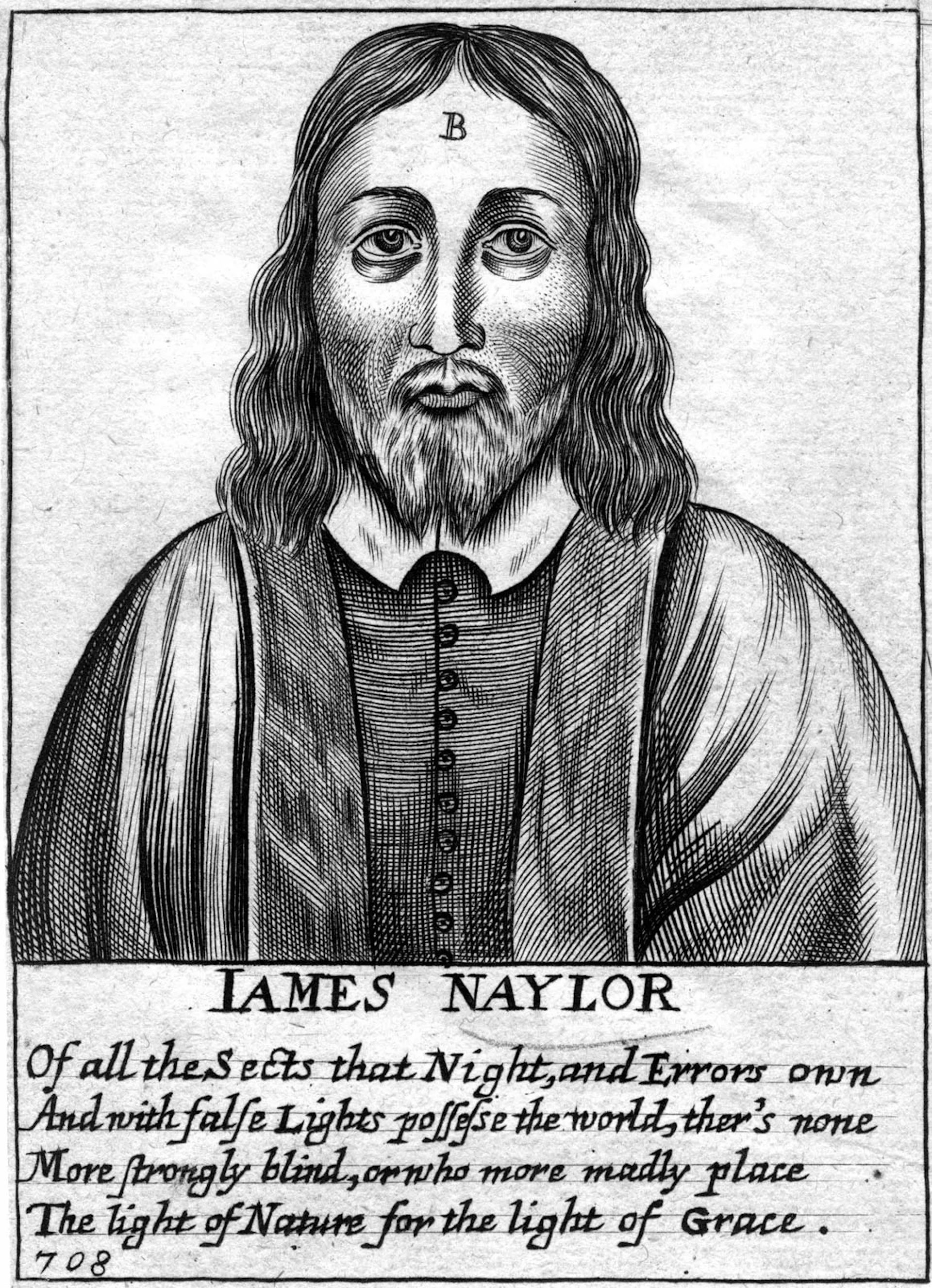
From the 17th century onwards, blasphemy became not so much an offence against God as one against society. Within the unstable societies of early modern Europe, blasphemy was viewed as socially and politically subversive and prosecuted as such. The Quaker James Naylor was imprisoned in 1656 for reenacting Jesus’s entry into Jerusalem on Palm Sunday.
17वीं शताब्दी से लेकर, निंदा (blasphemy) ईश्वर के विरुद्ध अपराध कम और समाज के विरुद्ध अपराध अधिक बन गई। प्रारंभिक आधुनिक यूरोप के अस्थिर समाजों में, निंदा को सामाजिक और राजनीतिक रूप से उपद्रवी माना जाता था और इसी आधार पर मुकदमा चलाया जाता था। क्वैकर जेम्स नेयलर को 1656 में पाम संडे को यरूशलेम में यीशु के प्रवेश का मंचन करने के आरोप में जेल भेजा गया था।
Early in the 17th century, blasphemy crossed to the United States. Virginia’s first law code specified death for blaspheming the divine Trinity.
17वीं शताब्दी की शुरुआत में, निंदा संयुक्त राज्य अमेरिका तक पहुँची। वर्जीनिया के पहले कानून संहिता में दिव्य त्रिमूर्ति का अपमान करने पर मृत्युदंड का प्रावधान था।
Despite the first amendment to the US constitution, protecting free speech, blasphemy laws were regularly enacted. The US Supreme Court didn’t rule that laws against blasphemy infringed the right to free speech until after World War II. Several states still have blasphemy on their books.
अमेरिकी संविधान के पहले संशोधन के बावजूद, जो अभिव्यक्ति की स्वतंत्रता की रक्षा करता है, निंदा कानून नियमित रूप से बनाए जाते रहे। अमेरिकी सुप्रीम कोर्ट ने द्वितीय विश्व युद्ध के बाद तक यह फैसला नहीं दिया कि निंदा के खिलाफ कानून अभिव्यक्ति की स्वतंत्रता का उल्लंघन करते हैं। कई राज्यों में अभी भी निंदा संबंधी कानून मौजूद हैं।
England’s Blasphemy Act of 1697, which criminalised the denial of the Holy Trinity, the truth of Christianity, or the divine authority of the Bible, carried over into the colonies of Australia and New Zealand.
इंग्लैंड का 1697 का निंदा अधिनियम, जिसने पवित्र त्रिमूर्ति, ईसाई धर्म की सच्चाई, या बाइबिल के दिव्य अधिकार से इनकार करना अपराध घोषित किया, ऑस्ट्रेलिया और न्यूजीलैंड के उपनिवेशों में भी लागू रहा।
Blasphemy is no longer an offence under Australian federal law, though laws governing it vary across the states: it’s still in the criminal code of many of them. New Zealand’s criminal code deals with “blasphemous libel” as part of “crimes against religion, morality and public welfare”.
ऑस्ट्रेलियाई संघीय कानून के तहत निंदा अब अपराध नहीं है, हालांकि इसे नियंत्रित करने वाले कानून राज्यों में भिन्न हैं: यह अभी भी उनमें से कई के आपराधिक संहिता में है। न्यूजीलैंड की आपराधिक संहिता “धर्म, नैतिकता और सार्वजनिक कल्याण के विरुद्ध अपराधों” के हिस्से के रूप में “निंदनीय लेख” (blasphemous libel) से निपटती है।
Is there blasphemy in Islam?
क्या इस्लाम में धर्म-निंदा है?
Within Islam, there is no exact equivalent to “blasphemy”. But the idea of the “word of infidelity” is analogous to it. In practice, it amounts to mockery of God, the prophet, or the Islamic tradition generally.
इस्लाम के भीतर, “धर्म-निंदा” का कोई सटीक समकक्ष नहीं है। लेकिन “अविश्वास के शब्द” का विचार इसके समान है। व्यवहार में, यह ईश्वर, पैगंबर, या सामान्य इस्लामी परंपरा का उपहास करने के बराबर है।
So, when Trump mockingly declared “Praise be to Allah” in a recent post, he was guilty of blasphemy in Muslim eyes. Conservative commentator Dinesh D’Souza compared it to the Old Testament account of the prophet Elijah, who mocked the prophets of Baal in 1 Kings 18.
इसलिए, जब ट्रम्प ने हाल ही में एक पोस्ट में मज़ाक उड़ाते हुए “अल्लाह की प्रशंसा हो” घोषित किया, तो वह मुस्लिम नज़रों में धर्म-निंदा का दोषी था। रूढ़िवादी टिप्पणीकार दिनेश डी’सूजा ने इसकी तुलना पुराने नियम में पैगंबर इलियास के वृत्तांत से की, जिन्होंने 1 राजा 18 में बाअल के पैगंबरों का उपहास किया था।
The Islamic advocacy group Council on American-Islamic Relations called it “disturbing” and “offensive to Muslims”.
इस्लामी वकालत समूह काउंसिल ऑन अमेरिकन-इस्लामिक रिलेशंस ने इसे “विचलित करने वाला” और “मुसलमानों के लिए अपमानजनक” बताया।
Laws against blasphemy are actively enforced in many modern Islamic states.
धर्म-निंदा के खिलाफ कानून कई आधुनिक इस्लामी राज्यों में सक्रिय रूप से लागू किए जाते हैं।
Does blasphemy matter?
क्या निंदा (blasphemy) मायने रखती है?
It is not blasphemous to speak or publish opinions that are hostile to Christianity, Judaism or Islam – or for that matter, any religion. What matters is not so much the substance of criticism as the manner in which it is made.
ईसाई धर्म, यहूदी धर्म या इस्लाम के प्रति शत्रुतापूर्ण विचार बोलना या प्रकाशित करना निंदनीय नहीं है – या वास्तव में, किसी भी धर्म के प्रति। जो मायने रखता है वह आलोचना का सार नहीं है, बल्कि वह तरीका है जिससे वह की जाती है।
We should only worry when criticism becomes a form of “religious hate speech”. The question we should ask is about intent. In a secular society, where we do identify ill intent, we may wish to think about “blasphemy” as a matter of public morality, not theology.
हमें केवल तभी चिंतित होना चाहिए जब आलोचना “धार्मिक घृणास्पद भाषण” का रूप ले ले। हमें जो प्रश्न पूछना चाहिए वह इरादे के बारे में है। एक धर्मनिरपेक्ष समाज में, जहाँ हम बुरे इरादे की पहचान करते हैं, हम “निंदा” के बारे में सार्वजनिक नैतिकता के रूप में सोचना चाह सकते हैं, न कि धर्मशास्त्र के रूप में।
So, what about Donald Trump’s post? Does it matter?
तो, डोनाल्ड ट्रम्प की पोस्ट का क्या? क्या यह मायने रखता है?
If we consider “blasphemy” to include the mocking of religion, there is little doubt that Trump’s mockery of Islam is blasphemous. If we believe his deleted Truth Social post was intended to suggest he is Jesus – or in some sense divine – then Christians are entitled to consider him blasphemous.
यदि हम “निंदा” में धर्म का मज़ाक उड़ाना शामिल मानते हैं, तो इसमें कोई संदेह नहीं है कि ट्रम्प का इस्लाम का मज़ाक निंदनीय है। यदि हम मानते हैं कि उनकी हटाई गई ट्रुथ सोशल पोस्ट का इरादा यह सुझाव देना था कि वह यीशु हैं – या किसी अर्थ में दिव्य हैं – तो ईसाई उन्हें निंदनीय मानने के हकदार हैं।
That said, from a secular perspective, it is more self-indulgent foolishness than hate speech – but nonetheless, extremely inappropriate for a US president.
यह कहा जाए, कि एक धर्मनिरपेक्ष दृष्टिकोण से, यह घृणास्पद भाषण से अधिक आत्म-भोगकारी मूर्खता है – लेकिन फिर भी, एक अमेरिकी राष्ट्रपति के लिए यह अत्यंत अनुचित है।
Philip C. Almond does not work for, consult, own shares in or receive funding from any company or organisation that would benefit from this article, and has disclosed no relevant affiliations beyond their academic appointment.
फिलिप सी. आलमंड किसी भी कंपनी या संगठन के लिए काम नहीं करते हैं, न ही वे सलाह देते हैं, न ही उनमें शेयर रखते हैं या उनसे फंडिंग प्राप्त करते हैं जो इस लेख से लाभान्वित हो सकती है, और उन्होंने अपने अकादमिक पद से परे कोई प्रासंगिक जुड़ाव नहीं बताया है।
Read more
-

जैसे ही SpaceX, OpenAI और Anthropic बड़े लॉन्च की योजना बना रहे हैं, क्या इससे AI दिग्गजों को अधिक जवाबदेह बनाएगा?
As SpaceX, OpenAI and Anthropic plan blockbuster launches, will it make AI giants more accountable?
-

लिंकन मेमोरियल रिफ्लेक्टिंग पूल का उपचार ‘नैनोबबल’ से किया जाता है। ये क्या हैं और ये कैसे काम करते हैं?
The Lincoln Memorial Reflecting Pool is treated with ‘nanobubbles’. What are they and how do they work?