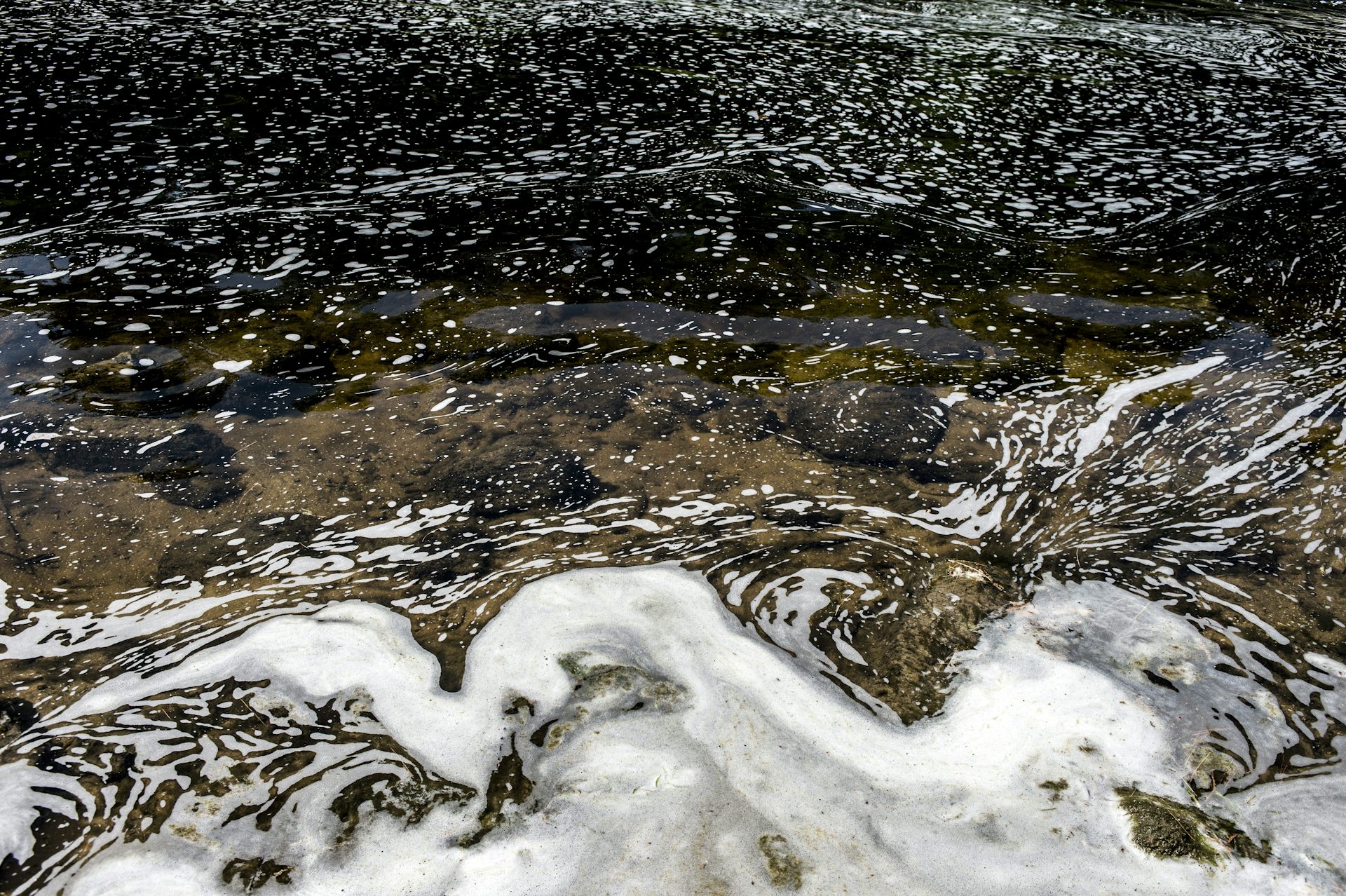
हमने साबित किया कि ये ‘हमेशा रहने वाले रसायन’ तीन दशकों से अधिक समय तक रह सकते हैं
We proved these ‘forever chemicals’ can last longer than three decades
Cancer-linked chemicals can remain hidden in drinking water supplies for decades.
कैंसर से जुड़े रसायन दशकों तक पीने के पानी की आपूर्ति में छिपे रह सकते हैं।
The fresh air, picturesque vistas and pristine bush of the Blue Mountains west of Sydney draw millions of visitors a year.
सिडनी के पश्चिम में स्थित ब्लू माउंटेन की ताज़ी हवा, मनमोहक दृश्य और प्राचीन झाड़ियाँ हर साल लाखों आगंतुकों को आकर्षित करती हैं।
Unfortunately, the Blue Mountains are also the site of a controversial investigation into water contamination with “forever chemicals”, also called PFAS.
दुर्भाग्य से, ब्लू माउंटेन “हमेशा के लिए रसायनों” (forever chemicals) , जिन्हें पीएफएएस (PFAS) भी कहा जाता है, से जल प्रदूषण की एक विवादास्पद जांच का स्थल भी है।
Our recent study investigated long-term PFAS contamination from two incidents, both involving petrol tanker crashes and fires. Both accidents occurred in drinking water catchments, and our study found contamination was present but undetected for 24 and 33 years, respectively. We have searched the international literature and could not find similar examples.
हमारे हालिया अध्ययन ने दो घटनाओं से हुए दीर्घकालिक पीएफएएस प्रदूषण की जांच की, जिनमें दोनों पेट्रोल टैंकर दुर्घटनाएं और आग शामिल थीं। दोनों दुर्घटनाएं पीने के पानी के जल संचयन क्षेत्रों में हुईं, और हमारे अध्ययन में पाया गया कि प्रदूषण क्रमशः 24 और 33 वर्षों तक मौजूद था लेकिन पता नहीं चला। हमने अंतरराष्ट्रीय साहित्य की खोज की और हमें ऐसे कोई समान उदाहरण नहीं मिले।
PFAS (Perfluoroalkyl and polyfluoroalkyl substances) are a broad category of thousands of synthetic chemicals used in numerous consumer and industry products. Exposure to PFAS is associated with a greater risk of several illnesses.
पीएफएएस (पर्फ्लूरोएल्काइल और पॉलीफ्लूरोएल्काइल पदार्थ) हजारों सिंथेटिक रसायनों की एक व्यापक श्रेणी है जिसका उपयोग कई उपभोक्ता और औद्योगिक उत्पादों में किया जाता है। पीएफएएस के संपर्क में आने से कई बीमारियों का अधिक खतरा जुड़ा हुआ है।
Our research shows how vulnerable drinking water supplies are to long-term PFAS contamination. It also shows how contamination can remain hidden due to an absence of PFAS monitoring.
हमारा शोध दिखाता है कि पीने के पानी की आपूर्ति दीर्घकालिक पीएफएएस प्रदूषण के प्रति कितनी संवेदनशील है। यह यह भी दिखाता है कि पीएफएएस निगरानी की अनुपस्थिति के कारण प्रदूषण कैसे छिपा रह सकता है।
Two historical accidents
दो ऐतिहासिक दुर्घटनाएँ
The 1992 petrol tanker accident in the Blue Mountains at Medlow Bath caused PFAS contamination of the local drinking water supply. And 32 years later it forced the closure of two storage reservoirs.
ब्लू माउंटेन में मेडलो बाथ में 1992 की पेट्रोल टैंकर दुर्घटना ने स्थानीय पीने के पानी की आपूर्ति में पीएफएएस (PFAS) संदूषण किया। और 32 साल बाद, इसने दो भंडारण जलाशयों को बंद करने के लिए मजबूर किया।
Despite limited data, we identified the source of contamination as a type of foaming material used globally by firefighters to help extinguish burning fuel fires. This foaming substance was mixed with water using perfluorooctane sulfonate, a type of PFAS.
सीमित डेटा के बावजूद, हमने संदूषण के स्रोत की पहचान एक प्रकार की झाग बनाने वाली सामग्री के रूप में की, जिसका उपयोग अग्निशमन कर्मियों द्वारा दुनिया भर में जलते हुए ईंधन की आग बुझाने में मदद के लिए किया जाता है। इस झागदार पदार्थ को परफ्लूरोऑक्टेन सल्फोनेट (perfluorooctane sulfonate) नामक, एक प्रकार के पीएफएएस का उपयोग करके पानी में मिलाया जाता था।
Firefighters used this substance to form a foam “blanket” and coat burning materials and extinguish liquid fires. The PFAS foams were used for decades before their harmful human health and environmental impacts were understood.
अग्निशमन कर्मियों ने इस पदार्थ का उपयोग एक झागदार “कंबल” बनाने, जलने वाली सामग्री को ढकने और तरल आग बुझाने के लिए किया। पीएफएएस झाग का उपयोग दशकों तक किया गया, इससे पहले कि उनके हानिकारक मानव स्वास्थ्य और पर्यावरणीय प्रभावों को समझा गया।
Nine years after the first petrol tanker accident, another fuel tanker crash and fire linked to PFAS contamination occurred in 2000, near Ourimbah on the NSW Central Coast. The fuel tanker was carrying 40,000 litres of fuel, and the crash and fire were triggered by a collision with a car. This resulted in the tragic death of two people.
पहली पेट्रोल टैंकर दुर्घटना के नौ साल बाद, 2000 में, NSW सेंट्रल कोस्ट पर हमारेम्बा के पास पीएफएएस संदूषण से जुड़ा एक और ईंधन टैंकर दुर्घटना और आग लगी। ईंधन टैंकर 40,000 लीटर ईंधन ले जा रहा था, और दुर्घटना और आग एक कार से टकराने से शुरू हुई। इसके परिणामस्वरूप दो लोगों की दुखद मृत्यु हुई।
Similar to the Medlow Bath accident, news footage showed water and foam were used to control the blaze. It also showed a foamy runoff draining from the accident.
मेडलो बाथ दुर्घटना के समान, समाचार फुटेज में दिखाया गया कि आग को नियंत्रित करने के लिए पानी और झाग का उपयोग किया गया था। इसमें दुर्घटना से बहते हुए झागदार अपवाह (foamy runoff) को भी दिखाया गया।
Why are PFAS a problem?
PFAS समस्या क्यों हैं?
PFAS, often called “forever chemicals”, are a broad category of thousands of synthetic chemicals. They are used in numerous products, such as non-stick cookware, stain-resistant fabrics, takeaway food packaging and even cosmetics.
PFAS, जिन्हें अक्सर “हमेशा के रसायन” (forever chemicals) कहा जाता है, हजारों सिंथेटिक रसायनों की एक व्यापक श्रेणी है। इनका उपयोग कई उत्पादों में किया जाता है, जैसे नॉन-स्टिक बर्तनों का सामान, दाग-प्रतिरोधी कपड़े, बाहर से लाए जाने वाले खाद्य पैकेजिंग और यहां तक कि सौंदर्य प्रसाधनों में भी।
PFAS molecules don’t easily break down, and readily accumulate in tissue of wildlife across the globe. Exposure to small amounts of PFAS sees the chemicals build up in the vital organs of animals and people. Analysis of human autopsy tissue revealed accumulation of PFAS in the brain, lungs, liver, kidney and bones.
PFAS अणु आसानी से टूटते नहीं हैं, और वे विश्व भर के वन्यजीवों के ऊतकों में आसानी से जमा हो जाते हैं। PFAS की छोटी मात्रा के संपर्क में आने से ये रसायन जानवरों और मनुष्यों के महत्वपूर्ण अंगों में जमा होते जाते हैं। मानव ऑटोप्सी ऊतक के विश्लेषण से मस्तिष्क, फेफड़ों, यकृत, गुर्दे और हड्डियों में PFAS के जमाव का पता चला है।
In 2025, an Australian Bureau of Statistics report revealed nearly all Australians have PFAS chemicals accumulating in our bodies.
2025 में, ऑस्ट्रेलियाई ब्यूरो ऑफ स्टैटिस्टिक्स की एक रिपोर्ट में खुलासा हुआ कि लगभग सभी ऑस्ट्रेलियाई लोगों के शरीर में PFAS रसायन जमा हो रहे हैं।
Should we be worried?
क्या हमें चिंतित होना चाहिए?
Exposure to PFAS is associated with a greater risk of several illnesses. These include decreased fertility, higher blood pressure, increased risk of cancer (particularly prostate, kidney and testicular cancers) , liver disease, higher cholesterol and obesity.
पीएफएएस के संपर्क में आने से कई बीमारियों का अधिक जोखिम जुड़ा हुआ है। इनमें कम प्रजनन क्षमता, उच्च रक्तचाप, कैंसर का बढ़ा हुआ जोखिम (विशेष रूप से प्रोस्टेट, किडनी और वृषण कैंसर) , यकृत रोग, उच्च कोलेस्ट्रॉल और मोटापा शामिल हैं।
One of the humans are likely to consume PFAS is through eating foods containing PFAS and in drinking water.
मनुष्यों में से एक PFAS का उपभोग PFAS युक्त खाद्य पदार्थों को खाने और पीने के पानी से करने की संभावना रखते हैं।
The Upper Blue Mountains water supply serves about 40,000 people, and operated by Sydney Water Corporation. It reported that one of the most hazardous forms of PFAS, PFOS, reached 16.4 nanograms per litre in the local drinking water on June 25 2024. This is double the safe amount, according to the recently revised Australian drinking water guidelines.
अपर ब्लू माउंटेन्स जल आपूर्ति लगभग 40,000 लोगों को सेवा प्रदान करती है, और यह सिडनी वॉटर कॉर्पोरेशन द्वारा संचालित है। इसमें रिपोर्ट किया गया कि PFAS के सबसे खतरनाक रूपों में से एक, PFOS, 25 जून 2024 को स्थानीय पीने के पानी में 16.4 नैनोग्राम प्रति लीटर तक पहुँच गया। यह हाल ही में संशोधित ऑस्ट्रेलियाई पीने के पानी के दिशानिर्देशों के अनुसार सुरक्षित मात्रा का दोगुना है।
Discovery of PFAS triggered the closure of two drinking water reservoirs downstream of the Medlow Bath petrol tanker crash and fire. Although a lack of testing data creates uncertainty, it is likely PFAS contamination was undetected in the Blue Mountains drinking water supply for more than 30 years.
पीएफएएस (PFAS) की खोज के कारण मेडलो बाथ पेट्रोल टैंकर दुर्घटना और आग के निचले हिस्से में दो पीने के पानी के जलाशयों को बंद करना पड़ा। हालांकि परीक्षण डेटा की कमी से अनिश्चितता पैदा होती है, लेकिन यह संभावना है कि ब्लू माउंटेंस की पीने के पानी की आपूर्ति में 30 साल से अधिक समय तक पीएफएएस प्रदूषण का पता नहीं चला था।
What our study showed
हमारे अध्ययन में क्या सामने आया
Our study showed contaminated creek water contained 2,000–2,400ng/L of PFOS in October 2025. This is 250–300 times the maximum safe concentration (less than 8ng/L) recommended by the Australian Drinking Water Guidelines.
हमारे अध्ययन में पता चला कि अक्टूबर 2025 में दूषित नाले के पानी में 2,000–2,400ng/L PFOS पाया गया। यह ऑस्ट्रेलियाई पीने के पानी के दिशानिर्देशों द्वारा अनुशंसित अधिकतम सुरक्षित सांद्रता (8ng/L से कम) का 250–300 गुना है।
The Blue Mountains contamination plume extended downstream into Greaves Creek, in the upper Blue Mountains. This creek is part of the UNESCO Blue Mountains World Heritage Area, where PFOS levels exceeded aquatic ecosystem guidelines by 100 times. The safe level of PFOS concentration for protection of freshwater species is 0.23ng/L.
ब्लू माउंटेन का प्रदूषण का फैलाव (contamination plume) निचले ब्लू माउंटेन में ग्रीव्स क्रीक तक फैल गया। यह नाला यूनेस्को ब्लू माउंटेन विश्व धरोहर क्षेत्र का हिस्सा है, जहाँ PFOS का स्तर जलीय पारिस्थितिकी तंत्र के दिशानिर्देशों से 100 गुना अधिक पाया गया। ताजे पानी की प्रजातियों की सुरक्षा के लिए PFOS सांद्रता का सुरक्षित स्तर 0.23ng/L है।
As far as we know, the PFAS contamination identified in this study has not received any remediation to remove contaminated soil or water. Most PFAS contamination across Australia has occurred at sites where PFAS foam was used in repeated fire fighting training activities. Our work shows even single incidents involving PFAS can have long-lasting environmental impacts.
जहाँ तक हमें पता है, इस अध्ययन में पहचाना गया PFAS प्रदूषण दूषित मिट्टी या पानी को हटाने के लिए किसी भी उपचारात्मक कार्रवाई (remediation) का विषय नहीं रहा है। ऑस्ट्रेलिया भर में अधिकांश PFAS प्रदूषण उन स्थानों पर हुआ है जहाँ बार-बार अग्निशमन प्रशिक्षण गतिविधियों में PFAS फोम का उपयोग किया गया था। हमारा काम दिखाता है कि PFAS से जुड़े एकल घटनाक्रम भी लंबे समय तक पर्यावरणीय प्रभाव डाल सकते हैं।
Ian A. Wright has received research funding from industry, local, NSW and Commonwealth Government. He has previously worked for the water industry (Sydney Water) as a scientist and catchment officer.
यान ए. राइट को उद्योग, स्थानीय, एनएसडब्ल्यू और राष्ट्रमंडल सरकार से शोध फंडिंग मिली है। उन्होंने पहले जल उद्योग (सिडनी वाटर) में वैज्ञानिक और कैचमेंट अधिकारी के रूप में काम किया है।
Amy-Marie Gilpin receives funding from the research and development corporation Hort Innovation.
एमी-मैरी गिलपिन को अनुसंधान और विकास निगम हॉर्ट इनोवेशन से फंडिंग मिलती है।
Katherine Warwick receives funding from the water industry (Sydney Water) , WIRES, local and state government bodies.
कैथरीन वारविक को जल उद्योग (सिडनी वाटर) , WIRES, स्थानीय और राज्य सरकारी निकायों से फंडिंग मिलती है।
Read more
-
नक्शे शक्तिशाली राजनीतिक उपकरण हैं जो किसी राष्ट्र के अतीत, वर्तमान और भविष्य को आकार देते हैं – काउंटर मैप्स आम लोगों को अपनी कहानी वापस लेने की अनुमति देते हैं।
Maps are powerful political tools shaping a nation’s past, present and future – counter maps allow everyday people to reclaim the narrative
-

‘फ्रेंच लीव’ से ‘आयरिश विदाई’ तक: क्यों बिना अलविदा कहे पार्टी छोड़ना सही हो सकता है
From ‘French leave’ to ‘Irish goodbyes’: why you may be right to exit a party without saying goodbye