يستقبل ترامب كولومبوس في البيت الأبيض – ويُشعل من جديد حروب تاريخ أمريكا
Trump welcomes Columbus to the White House – and reignites America’s history wars
By resurrecting statues toppled in protests during his first term, Donald Trump wants to reverse attempts to ‘erase history’. But history is never that simple.
من خلال إعادة إحياء التماثيل التي سقطت في الاحتجاجات خلال فترة ولايته الأولى، يريد دونالد ترامب عكس محاولات “محو التاريخ”. لكن التاريخ ليس بهذه البساطة أبدًا.
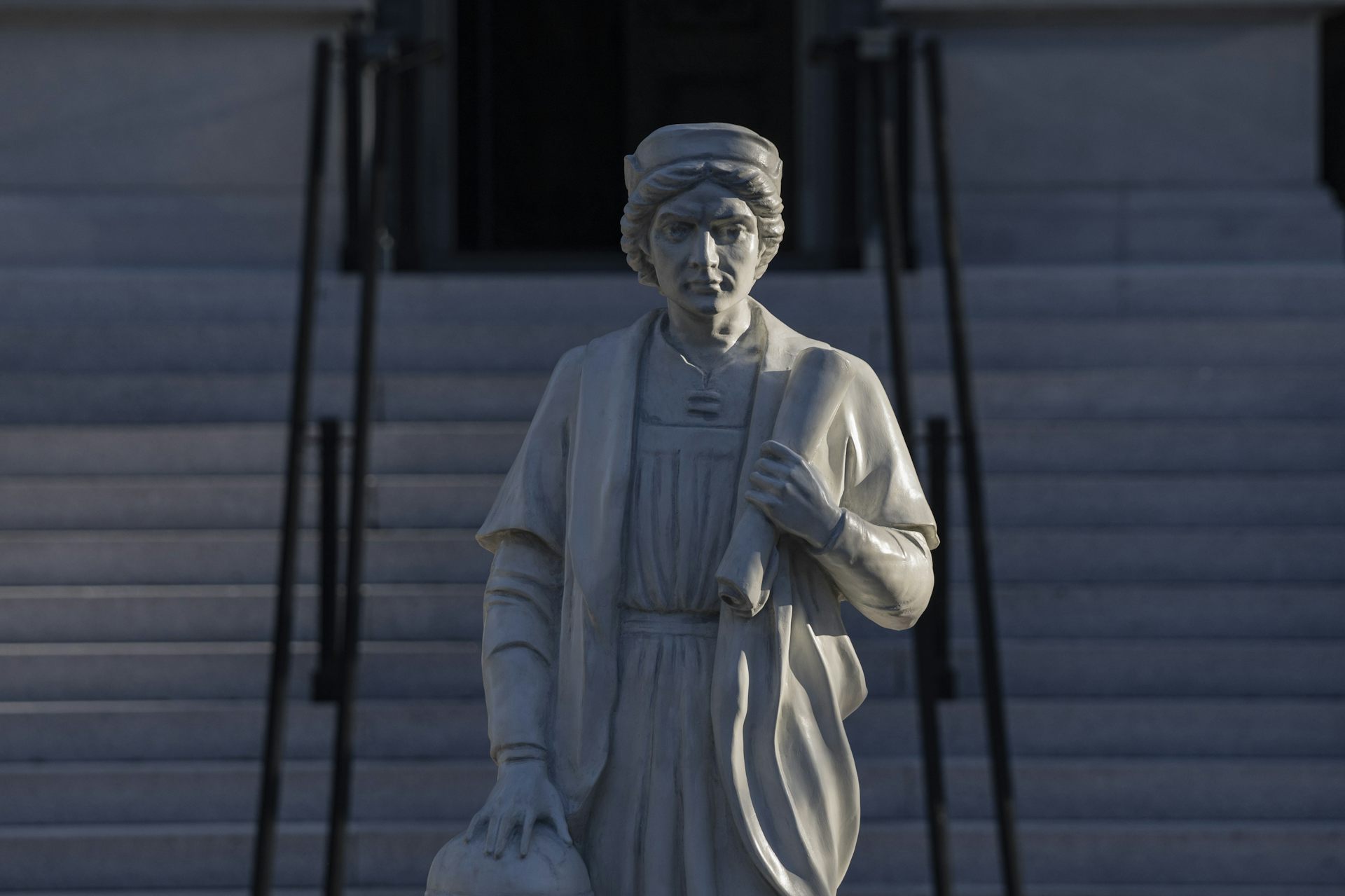
Christopher Columbus is back. At least, a statue of him is back, reinstalled by US President Donald Trump on the White House grounds in late March – part of the president’s stated mission to cancel “cancel culture”.
كريستوفر كولومبوس عاد. على الأقل، تم إعادة نصب تمثال له، من قبل الرئيس الأمريكي دونالد ترامب في أراضي البيت الأبيض في أواخر مارس – كجزء من مهمة الرئيس المعلنة لإلغاء “ثقافة الإلغاء.”
The resurrection of Columbus made good on Trump’s 2025 executive order, “Restoring Truth and Sanity to American History”.
إن إحياء ذكرى كولومبوس يمثل تنفيذًا للأمر التنفيذي لترامب لعام 2025، بعنوان “استعادة الحقيقة والمنطق للتاريخ الأمريكي.”
The statue is in fact a replica of the original thrown into Baltimore Harbor by protesters on Independence Day 2020 during the Black Lives Matter upheavals of the first Trump presidency.
في الواقع، التمثال هو نسخة طبق الأصل من التمثال الأصلي الذي ألقاه المتظاهرون في ميناء بالتيمور في يوم الاستقلال عام 2020، خلال اضطرابات حركة “حياة السود مهمة” في فترة رئاسة ترامب الأولى.
The protests targeted monuments “honoring white supremacists, owners of enslaved people, perpetrators of genocide, and colonizers”. But damaged pieces of the Columbus statue were later salvaged and became a model for the copy.
استهدفت الاحتجاجات النصب التذكارية “التي تكرم المتفوقين البيض، وأصحاب العبيد، ومنفذي الإبادة الجماعية، والمستعمرين.” ولكن تم لاحقًا إنقاذ أجزاء تالفة من تمثال كولومبوس وأصبحت نموذجًا للنسخة.
Trump has since championed Columbus as “the original American hero, a giant of Western civilization, and one of the most gallant and visionary men to ever walk the face of the earth”.
ومنذ ذلك الحين، دافع ترامب عن كولومبوس باعتباره “البطل الأمريكي الأصلي، وعملاق الحضارة الغربية، وأحد أكثر الرجال شجاعة ورؤية الذين ساروا على وجه الأرض على الإطلاق.”
He might have chosen any statue of the explorer and navigator from Genoa who pioneered European colonisation of the Americas. But clearly reinstating one removed by his opponents sends a more powerful message.
ربما كان بإمكانه اختيار أي تمثال للمستكشف والملاح من جنوة الذي كان رائداً للاستعمار الأوروبي للأمريكتين. ولكن من الواضح أن إعادة نصب تمثال أزاله خصومه يرسل رسالة أقوى.
‘Improper partisan ideology’
“الأيديولوجية الحزبية غير الملائمة”
Restoring statues to their original location isn’t simply about undoing their previous removal. It’s designed to reverse what some see as attempts to “erase history”.
إن إعادة تماثيلها إلى موقعها الأصلي لا تتعلق ببساطة إلغاء إزالتها السابقة. بل هي مصممة لعكس ما يراه البعض محاولات لـ “محو التاريخ.”
And it has a long history of its own. Roman emperors once feared being condemned to obscurity through “damnatio memoriae” – having their statues destroyed, coins melted down and names chiselled from the facades of buildings.
ولها تاريخ طويل بحد ذاته. فقد خاف أباطرة روما ذات مرة من أن يُدانوا بالنسيان عبر “damnatio memoriae” – أي تدمير تماثيلهم، وإذابة عملاتهم، ونقش أسماءهم من واجهات المباني.
Trump’s executive order was very much about retaliating against those who want to “perpetuate a false reconstruction of American history, inappropriately minimize the value of certain historical events or figures, or include any other improper partisan ideology”.
كان الأمر التنفيذي لترامب يتعلق بالانتقام من أولئك الذين يريدون “إدامة إعادة بناء زائفة للتاريخ الأمريكي، أو التقليل بشكل غير لائق من قيمة أحداث أو شخصيات تاريخية معينة، أو تضمين أي أيديولوجية حزبية غير ملائمة أخرى.”
Relocating a memorial to a more prominent location – from Baltimore to the White House, for instance – goes one step further. It amplifies the significance of the historical figure and the symbolic restoration of their reputation.
إن نقل نصب تذكاري إلى موقع أكثر بروزاً – من بالتيمور إلى البيت الأبيض، على سبيل المثال – يذهب خطوة أبعد. إنه يضخم أهمية الشخصية التاريخية والاستعادة الرمزية لسمعتها.
But sometimes just restoring a statue to its original site is symbolism enough.
ولكن في بعض الأحيان، مجرد إعادة تمثال إلى موقعه الأصلي يكون رمزية كافية.
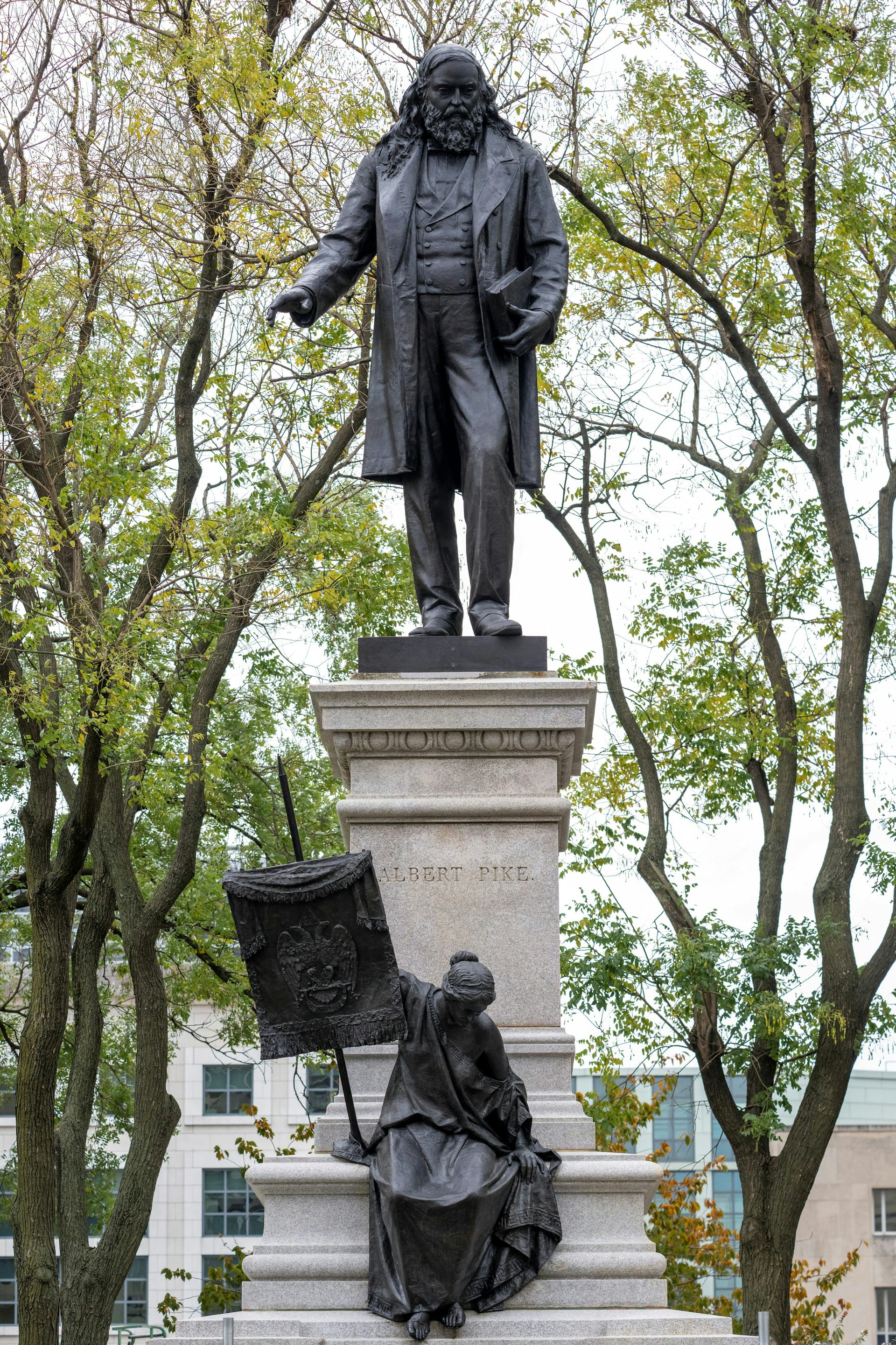
The memorial to Albert Pike, for example, was and is the only outdoor statue of a Confederate general in Washington DC. Pulled down by protesters in 2020 and returned in 2025, its merits have long been debated.
كان النصب التذكاري لألبرت بايك، على سبيل المثال، وأزال حتى الآن، التمثال الخارجي الوحيد لقائد عام في الكونفدرالية في واشنطن العاصمة. وقد نُزِل بواسطة المتظاهرين في عام 2020 وأُعيد في عام 2025، وكانت مزاياه محل نقاش طويل.
Pike was a disgraced figure, accused of misappropriating funds and allowing his troops to desecrate the bodies of Union soldiers. There are also alleged ties to an early version of the Ku Klux Klan.
كان بايك شخصية مُدانة، اتُهم بتوظيف الأموال والسماح لقواته بتدنيس جثث جنود الاتحاد. وهناك أيضاً ارتباطات مزعومة بنسخة مبكرة من كو كلوكس كلان.
In the words of congressional delegate Eleanor Holmes Norton, “Pike represents the worst of the Confederacy and has no claim to be memorialized in the Nation’s capital.”
وبكلمات المندوبة في الكونغرس إليانور هولمز نورتون: “يمثل بايك أسوأ ما في الكونفدرالية وليس له الحق في أن يُخلد في عاصمة الأمة.”
Advocates for the statue’s retention note there is no mention of the Confederacy or depiction of a military uniform, only Pike’s contribution to the American Freemasons.
ويشير المدافعون عن الاحتفاظ بالتمثال إلى عدم وجود أي ذكر للكونفدرالية أو تصوير لزي عسكري، بل فقط مساهمة بايك في الماسونيين الأمريكيين.
But when the statue was pulled down in 2020, Trump certainly took sides: “The DC police are not doing their job as they watched a statue be ripped down and burn. These people should be immediately arrested. A disgrace to our country.”
ولكن عندما أُزيل التمثال في عام 2020، اتخذ ترامب بالتأكيد موقفاً: “شرطة العاصمة لا تؤدي عملها بينما شاهدت تمثالاً يُقتلع ويحترق. يجب اعتقال هؤلاء الأشخاص فوراً. عار على بلادنا.”
‘Woke lemmings’
“الأغنام الواعية”
Of course, history isn’t always simple, as memorialising the American Civil War shows.
بالطبع، التاريخ ليس بسيطًا دائمًا، كما يظهر تخليد ذكرى الحرب الأهلية الأمريكية.
Arlington National Cemetery in Virginia was established in 1864 as a national military cemetery, with a Confederate section dedicated in 1900 as part of the effort to promote reconciliation between the North and South.
أُنشئ مقبرة أرلينغتون الوطنية في فرجينيا عام 1864 كمقبرة عسكرية وطنية، مع تخصيص قسم للمؤيدين للحركة الكونفدرالية في عام 1900 كجزء من جهود تعزيز المصالحة بين الشمال والجنوب.
Its Confederate Memorial (designed by a Confederate veteran) features a female figure representing the South holding symbols of peace. A bronze relief below depicts sanitised images of slavery: a woman caring for white children, and a man following his owner into battle as his servant.
يتميز نصبها التذكاري الكونفدرالي (الذي صممه محارب قديم من الكونفدرالية) بشخصية أنثوية تمثل الجنوب وهي تحمل رموز السلام. ويصور نقش برونزي أسفله صورًا “مُنقّحة” للعبودية: امرأة تعتني بأطفال بيض، ورجل يتبع مالكه إلى المعركة كخادمه.
A biblical quotation below preaches peace: “They have beat their swords into ploughshares and their spears into pruning hooks.”
اقتباس كتابي أسفل النصب يتبشّر بالسلام: “وقد سحقوا سيوفهم إلى محاريث ورماحهم إلى أدوات تقليم.”
But another quote in Latin – “Victrix causa diis placuit sed victa Caton” – references Julius Caesar’s victory in the Roman civil war and casts the South’s defeat as a noble lost cause.
لكن اقتباسًا آخر باللاتينية – “Victrix causa diis placuit sed victa Caton” – يشير إلى انتصار يوليوس قيصر في الحرب الأهلية الرومانية ويصوّر هزيمة الجنوب كقضية نبيلة ضائعة.
The monument was erected in 1914, removed by Congress in 2023, and is scheduled to return in 2027. Secretary of War Pete Hegseth claimed on social media it “never should have been taken down by woke lemmings. Unlike the Left, we don’t believe in erasing American history – we honor it.”
أُقيم النصب التذكاري عام 1914، وأزاله الكونغرس في عام 2023، ومن المقرر أن يعود في عام 2027. وادعى وزير الحرب بيت هيجسيث على وسائل التواصل الاجتماعي أنه “لم يكن ينبغي إزالته من قبل الأغنام الواعية. على عكس اليسار، نحن لا نؤمن بمحو التاريخ الأمريكي – بل نكرّمه.”
Defiant choices
خيارات تحدٍّ
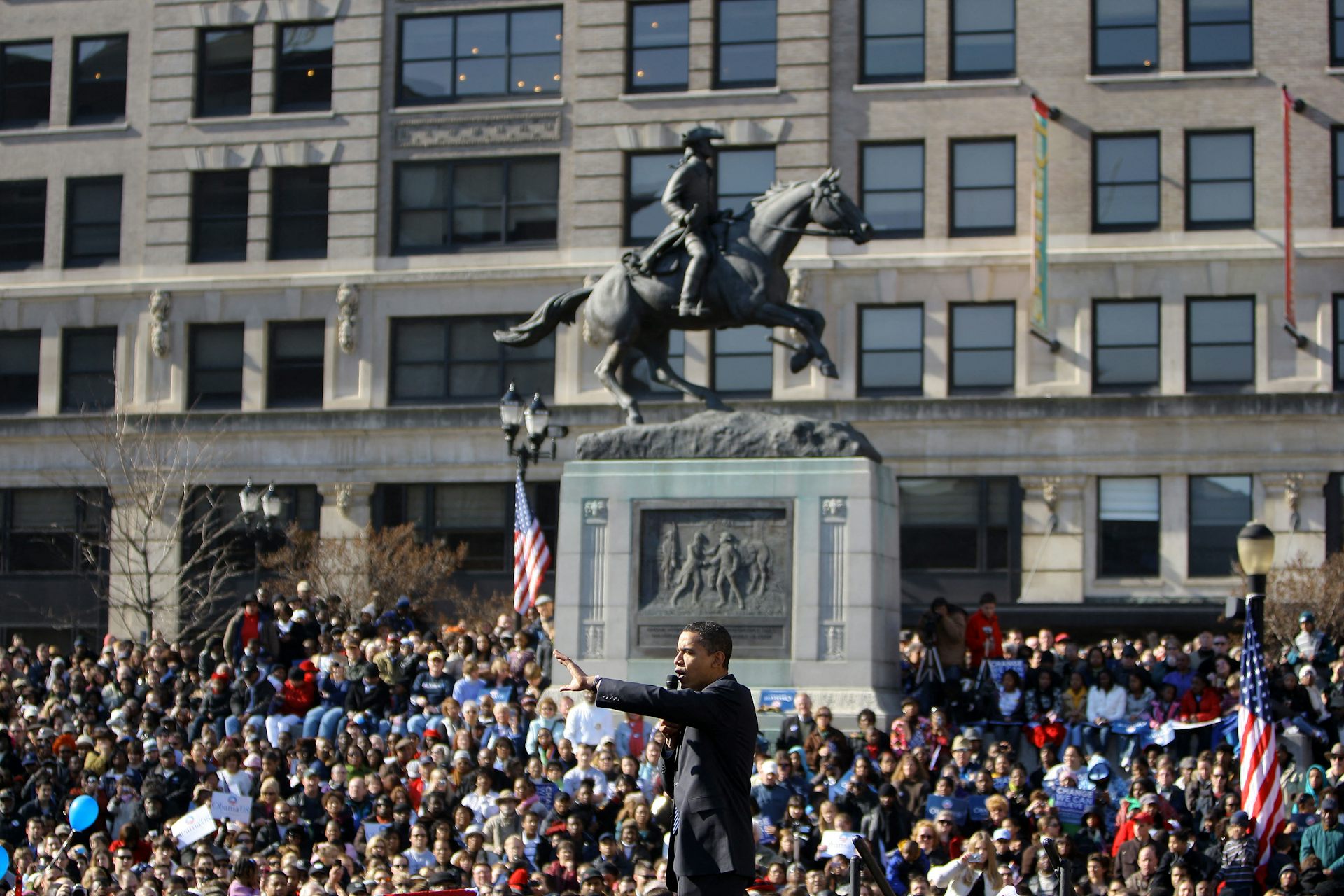
Similarly, an equestrian statue of Founding Father Caesar Rodney – installed in Wilmington, Delaware, in 1923 and removed in 2020 to prevent damage by protesters – highlights these contested readings of history.
وبالمثل، تسلط تمثال فروسي للأب المؤسس سيزر رودني – الذي نُصّب في ويلمنجتون، ديلاوير، عام 1923 وأُزيل في عام 2020 لمنع الأضرار التي يلحقها المتظاهرون – الضوء على هذه القراءات المتنازع عليها للتاريخ.
Rodney is famous for riding all night from Delaware to Philadelphia, through a thunderstorm, to break a deadlock and cast the deciding vote in favour of American independence in 1776.
اشتهر رودني بركوبه طوال الليل من ديلاوير إلى فيلادلفيا، عبر عاصفة رعدية، لكسر الجمود وإلقاء التصويت الحاسم لصالح الاستقلال الأمريكي في عام 1776.
But as well as being a brigadier general and signatory to the Declaration of Independence, he owned 200 slaves on his family’s plantation.
ولكن بالإضافة إلى كونه جنرالاً من الرتبة البتنية وموقّعاً على إعلان الاستقلال، كان يمتلك 200 عبد في مزرعة عائلته.
The statue is now scheduled to reappear for six months, this time in Washington DC, to celebrate America’s 250th anniversary on July 4. It will be installed in Freedom Plaza, named in honour of Martin Luther King Junior.
ومن المقرر الآن أن يعاد ظهور التمثال لمدة ستة أشهر، وهذه المرة في واشنطن العاصمة، للاحتفال بالذكرى السنوية الـ 250 لأمريكا في 4 يوليو. وسيتم تثبيته في ساحة الحرية (Freedom Plaza) ، التي سُميت تكريماً لـ مارتن لوثر كينغ الابن.
Placing the contested statue of a famous slave owner in a space dedicated to a Black civil rights leader is a provocative, if not defiant, choice. And it shows again how powerful symbols and symbolic actions can be.
إن وضع تمثال المالك العبد الشهير المتنازع عليه في مساحة مخصصة لقائد حقوق مدنية أمريكي من أصل أفريقي هو خيار استفزازي، إن لم يكن تحدياً. ويُظهر مرة أخرى مدى قوة الرموز والأفعال الرمزية.
The argument that removing statues also erases history doesn’t hold up to scrutiny. It conflates public visibility and symbolic placement with actual knowledge of the past.
إن الحجة القائلة بأن إزالة التماثيل تمحو التاريخ أيضاً لا تصمد أمام التدقيق. فهي تخلط بين الظهور العام والموقع الرمزي والمعرفة الفعلية بالماضي.
In that sense, reinstalling controversial memorials is, in itself, an attempt to rewrite history by erasing a more recent past and returning to an old, disputed status quo.
وبهذا المعنى، فإن إعادة تثبيت النصب التذكارية المثيرة للجدل هو بحد ذاته محاولة لإعادة كتابة التاريخ عن طريق محو ماضٍ أحدث والعودة إلى وضع قائم قديم ومختلف عليه.
Garritt C. Van Dyk has received funding from the Getty Research Institute.
تلقى غاريت سي. فان دايك تمويلاً من معهد غيتي للأبحاث.
Read more
-
كل ما نستخدمه تقريباً عبر الإنترنت مملوك لعمالقة التكنولوجيا. هناك طريقة أفضل للمضي قدماً.
Nearly everything we use online is owned by big tech. There’s a better way forward
-
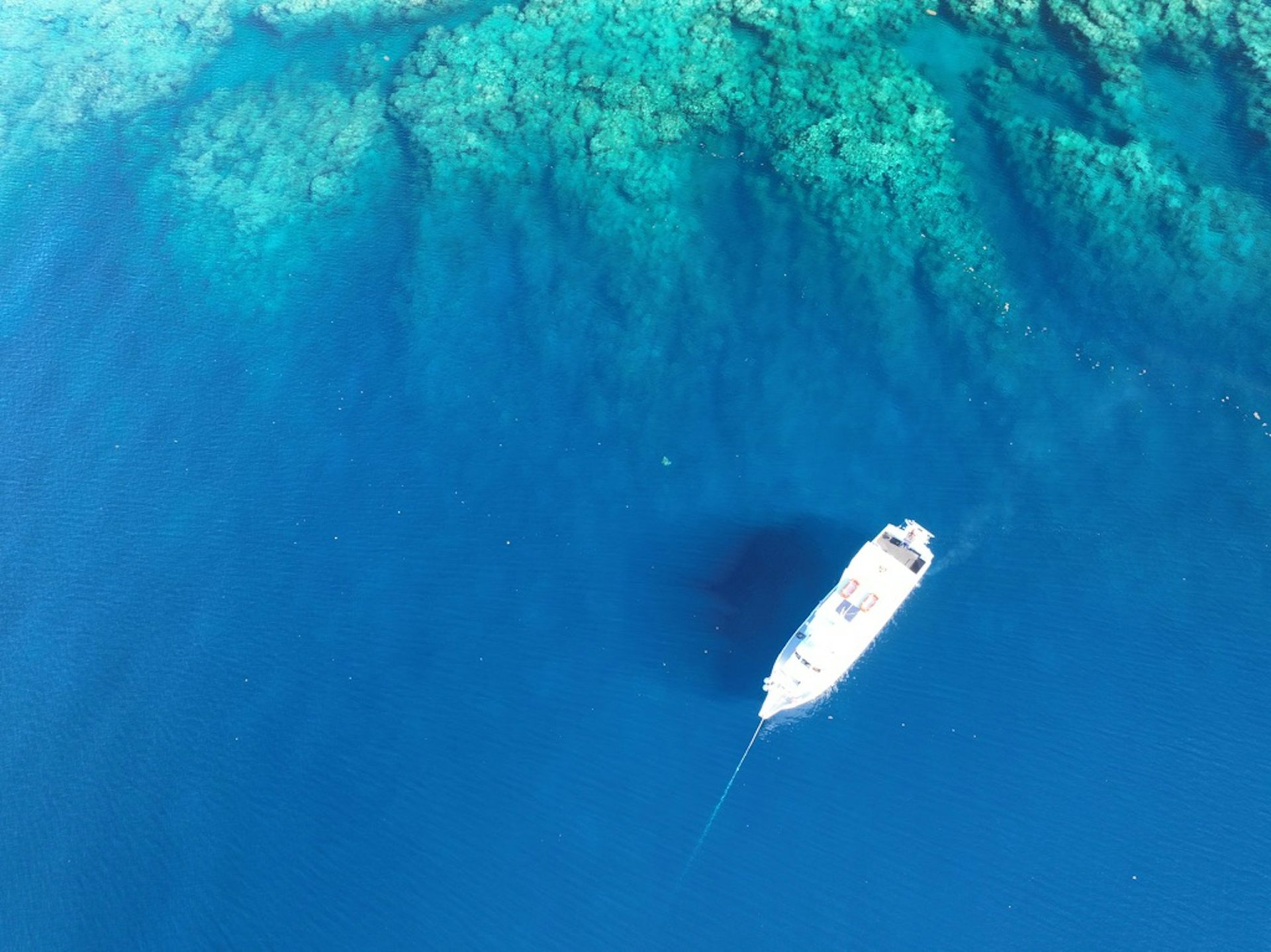
تسببت موجة حر بحرية ضخمة في انهيار الشعاب المرجانية في منطقة الكاريبي بشكل أسرع بكثير مما كان متوقعاً – بحث جديد
Massive marine heatwave caused Caribbean coral reefs to collapse much faster than predicted – new research