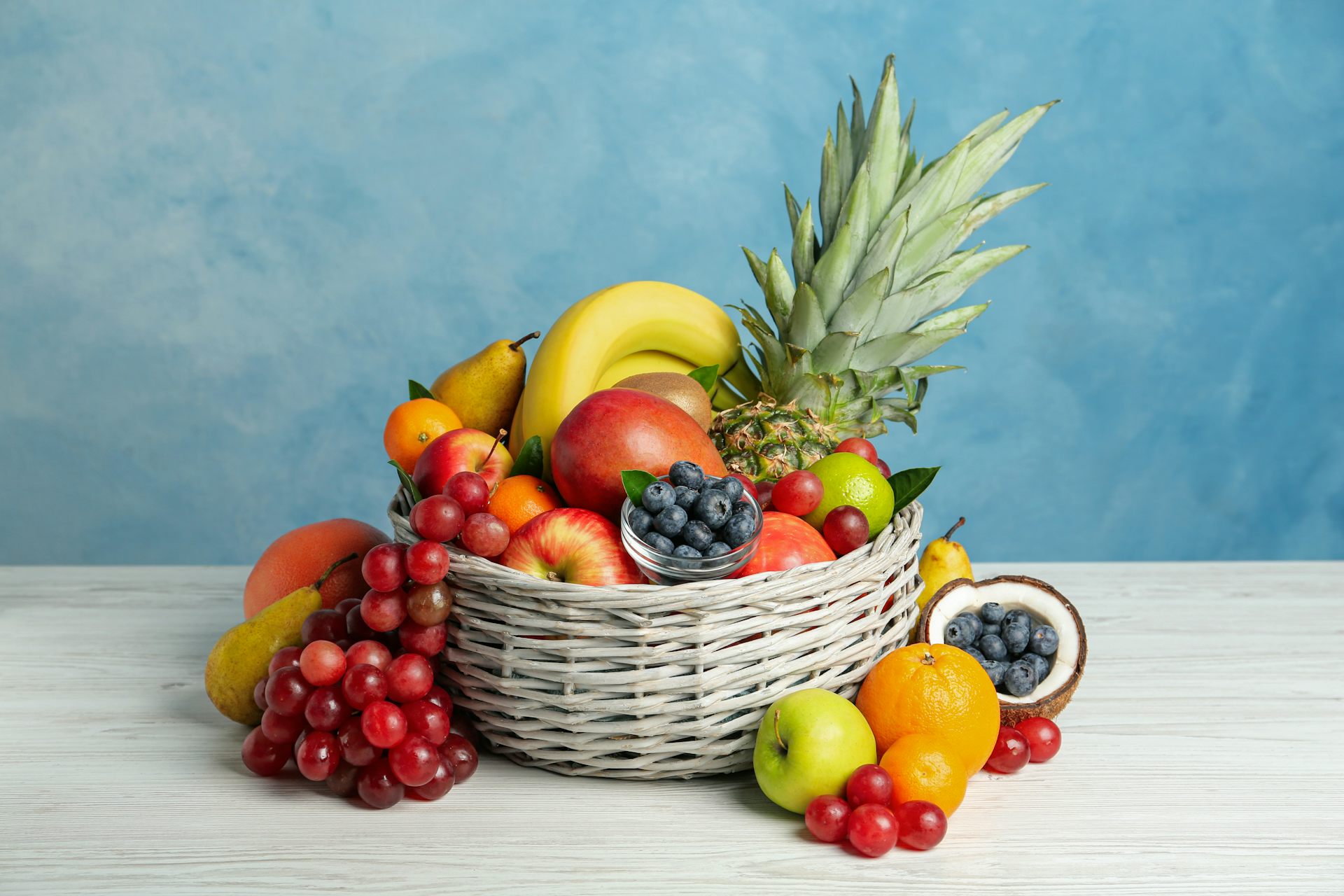
هل تناول الفاكهة مرتبط بسرطان الرئة؟ إليك ما تحتاج معرفته عن تلك الدراسة الجديدة
Eating fruit is linked to lung cancer? Here’s what you need to know about that new study
A small conference study sparked headlines linking fruit to lung cancer. Here’s why the science tells a very different story.
أثارت دراسة صغيرة في مؤتمر عناوين رئيسية تربط بين الفاكهة وسرطان الرئة. وإليك لماذا يروي العلم قصة مختلفة تمامًا.
The idea that fruit and vegetables might cause cancer sounds bizarre. For decades, studies have shown that people who eat more plants tend to live longer, healthier lives, with lower rates of heart disease, stroke and several common cancers.
إن فكرة أن الفواكه والخضروات قد تسبب السرطان تبدو غريبة. فلعقود من الزمن، أظهرت الدراسات أن الأشخاص الذين يتناولون المزيد من النباتات يميلون إلى عيش حياة أطول وأكثر صحة، بمعدلات أقل لأمراض القلب والسكتة الدماغية والعديد من أنواع السرطان الشائعة.
Lung cancer is no exception: in many large studies, higher intakes of fruits and vegetables are linked with lower risks, especially in smokers.
سرطان الرئة لا يمثل استثناءً: فقد ارتبط في العديد من الدراسات الكبيرة تناول كميات أعلى من الفواكه والخضروات بانخفاض المخاطر، خاصة لدى المدخنين.
Against that backdrop, a new suggestion that fruit and veg might be driving lung cancer in young adults is surprising.
على خلفية ذلك، فإن الاقتراح الجديد بأن الفواكه والخضروات قد تكون هي المسببة لسرطان الرئة لدى البالغين الشباب هو أمر مفاجئ.
The story behind this latest wave of anxiety doesn’t come from a definitive, landmark trial. It comes from a brief presentation at a scientific conference, based on 187 people with early‑onset lung cancer.
القصة وراء موجة القلق الأخيرة هذه لا تأتي من تجربة محورية وحاسمة. بل تأتي من عرض موجز في مؤتمر علمي، يستند إلى 187 شخصًا يعانون من سرطان الرئة الذي يظهر في سن مبكرة.
Most had never smoked. When researchers asked about their diets, a lot of them reported eating plenty of fruits, vegetables and whole grains – the sort of pattern most of us would call “healthy”.
لم يدخن معظمهم قط. وعندما سأل الباحثون عن أنظمتهم الغذائية، أفاد الكثير منهم بتناول كميات وافرة من الفواكه والخضروات والحبوب الكاملة – وهو النمط الذي قد يصفه معظمنا بأنه “صحي”.
Instead of measuring pesticides in their food or blood, the team estimated probable pesticide exposure using average residue levels from other sources. From there, they speculated that pesticides on otherwise healthy foods might help explain why some young non‑smokers develop lung cancer.
بدلاً من قياس المبيدات الحشرية في طعامهم أو دمهم، قام الفريق بتقدير التعرض المحتمل للمبيدات باستخدام متوسط مستويات البقايا من مصادر أخرى. ومن هناك، تنبأوا بأن المبيدات الموجودة على الأطعمة السليمة بطريقة أخرى قد تساعد في تفسير سبب إصابة بعض الشباب غير المدخنين بسرطان الرئة.
That is a very long way from proving that fruit and vegetables themselves are harmful. Studies like this are meant to raise questions – “could pesticides be part of the story in young lung cancer?” – not to rewrite dietary advice on their own.
هذا بعيد جداً عن إثبات أن الفواكه والخضروات نفسها ضارة. مثل هذه الدراسات تهدف إلى طرح التساؤلات – “هل يمكن أن تكون المبيدات جزءاً من القصة في سرطان الرئة لدى الشباب؟” – وليس إلى إعادة كتابة النصائح الغذائية بحد ذاتها.
Crucially, this particular study looks backwards from people who already have cancer, rather than following healthy people forwards over time, so it cannot tell us whether their diet played any role in causing the disease. Nor does it show that these patients had higher pesticide exposures than comparable people without cancer. It only shows that they ate foods that, on average, can carry residues.
الأهم من ذلك، أن هذه الدراسة بالذات تنظر إلى الوراء من أشخاص مصابين بالسرطان بالفعل، بدلاً من متابعة الأشخاص الأصحاء إلى الأمام بمرور الوقت، ولذلك لا يمكنها أن تخبرنا ما إذا كان نظامهم الغذائي قد لعب أي دور في التسبب بالمرض. كما أنها لا تظهر أن هؤلاء المرضى تعرضوا لمستويات أعلى من المبيدات مقارنة بالأشخاص المماثلين الذين لا يعانون من السرطان. إنها تظهر فقط أنهم تناولوا أطعمة يمكن أن تحمل، في المتوسط، بقايا.
The bigger picture
الصورة الأكبر
When you zoom out from this single, tiny study to the broader body of evidence, the picture changes from alarming to reassuringly familiar. Large studies have followed tens or hundreds of thousands of people over many years, asked them what they ate, then waited to see who develops lung cancer. Time and again, those eating more fruit and vegetables either do better or, at very worst, no differently from those eating less.
عند الابتعاد عن هذه الدراسة الواحدة الصغيرة إلى مجموعة الأدلة الأوسع، تتغير الصورة من مقلقة إلى مألوفة ومطمئنة. لقد تتبعت الدراسات الكبيرة عشرات أو مئات الآلاف من الأشخاص على مدى سنوات عديدة، وسألتهم عما تناولوه، ثم انتظرت لمعرفة من يصاب بسرطان الرئة. وفي كل مرة، كان أولئك الذين يتناولون المزيد من الفواكه والخضروات إما أن يكونوا أفضل أو، في أسوأ الأحوال، لا يختلفون عن أولئك الذين يتناولون كميات أقل.
Meta‑analyses that combine data from multiple studies find reductions in lung cancer risk with higher fruit intake and benefits from vegetables, too. These are the studies that inform official guidelines. They are not perfect – no nutrition study is – but they are far more informative than a single unpublished study of 187 patients.
تجد التحليلات التلوية التي تجمع البيانات من دراسات متعددة انخفاضًا في خطر الإصابة بسرطان الرئة مع تناول مستويات أعلى من الفواكه وفوائد الخضروات أيضًا. هذه هي الدراسات التي تُثري الإرشادات الرسمية. إنها ليست مثالية – فلا توجد دراسة تغذية مثالية – لكنها أكثر إفادة بكثير من دراسة واحدة غير منشورة لـ 187 مريضًا.
So why do small studies like this latest one sometimes seem to say something different? One reason is simple statistical noise.
فلماذا تبدو الدراسات الصغيرة، مثل هذه الدراسة الأخيرة، وكأنها تقول شيئًا مختلفًا في بعض الأحيان؟ أحد الأسباب هو الضوضاء الإحصائية البسيطة.
With small numbers, chance plays a huge role. If, for whatever reason, the particular group of young adults who turned up to that clinic happened to be unusually health-conscious, then fruit and vegetable intake will look high among people with lung cancer, even if diet has nothing to do with their disease.
مع الأرقام الصغيرة، تلعب الصدفة دورًا كبيرًا. إذا كانت مجموعة البالغين الشباب المعنيين الذين حضروا تلك العيادة، لأي سبب كان، واعين بالصحة بشكل غير عادي، فسيظهر تناول الفواكه والخضروات مرتفعًا بين المصابين بسرطان الرئة، حتى لو لم يكن النظام الغذائي له أي علاقة بمرضهم.
Another issue is what scientists call “confounding”. People who eat more plants often differ in many other ways. They may exercise more, drink less, have different jobs, live in different neighbourhoods, or be more on the ball about seeking medical help.
هناك قضية أخرى هي ما يسميه العلماء “العوامل المربكة” (confounding) . فالأشخاص الذين يتناولون المزيد من النباتات غالبًا ما يختلفون في طرق عديدة أخرى. قد يمارسون المزيد من التمارين، أو يشربون كميات أقل، أو لديهم وظائف مختلفة، أو يعيشون في أحياء مختلفة، أو يكونون أكثر اهتمامًا بطلب المساعدة الطبية.
When you start from patients and look backwards, it is very hard to disentangle these overlapping factors. That is why we place more weight on large, prospective studies that follow people forward in time and can better account for these differences.
عندما تبدأ من المرضى وتنظر إلى الوراء، فمن الصعب جدًا فصل هذه العوامل المتداخلة. ولهذا السبب نولي اهتمامًا أكبر للدراسات الكبيرة والمستقبلية التي تتابع الناس عبر الزمن ويمكنها تفسير هذه الاختلافات بشكل أفضل.
Pesticides
المبيدات الحشرية
Then there is the question of pesticides – the part of the story that understandably unnerves people. It is true that many conventionally grown fruits and vegetables carry measurable pesticide residues, and that people who eat a lot of produce tend to have higher levels of some pesticide breakdown products in their urine.
ثم هناك مسألة المبيدات الحشرية – وهو الجزء من القصة الذي يثير القلق بشكل مفهوم. صحيح أن العديد من الفواكه والخضروات المزروعة بالطرق التقليدية تحمل بقايا قابلة للقياس من المبيدات، وأن الأشخاص الذين يتناولون الكثير من المنتجات الزراعية يميلون إلى أن يكون لديهم مستويات أعلى من بعض نواتج تحلل المبيدات في البول.
It is also true that farm workers who handle pesticides regularly and at high doses have higher rates of certain cancers, including some lung cancers. That tells us pesticides are not benign. But what it does not tell us is that eating sprayed apples or lettuce at normal dietary levels causes lung cancer in the general population.
من الصحيح أيضاً أن عمال المزارع الذين يتعاملون مع المبيدات بانتظام وبجرعات عالية لديهم معدلات أعلى لأنواع معينة من السرطانات، بما في ذلك بعض سرطانات الرئة. هذا يخبرنا بأن المبيدات ليست غير ضارة. لكن ما لا يخبرنا به هو أن تناول التفاح أو الخس المرشوش بمبيدات في مستويات غذائية عادية يسبب سرطان الرئة في عموم السكان.
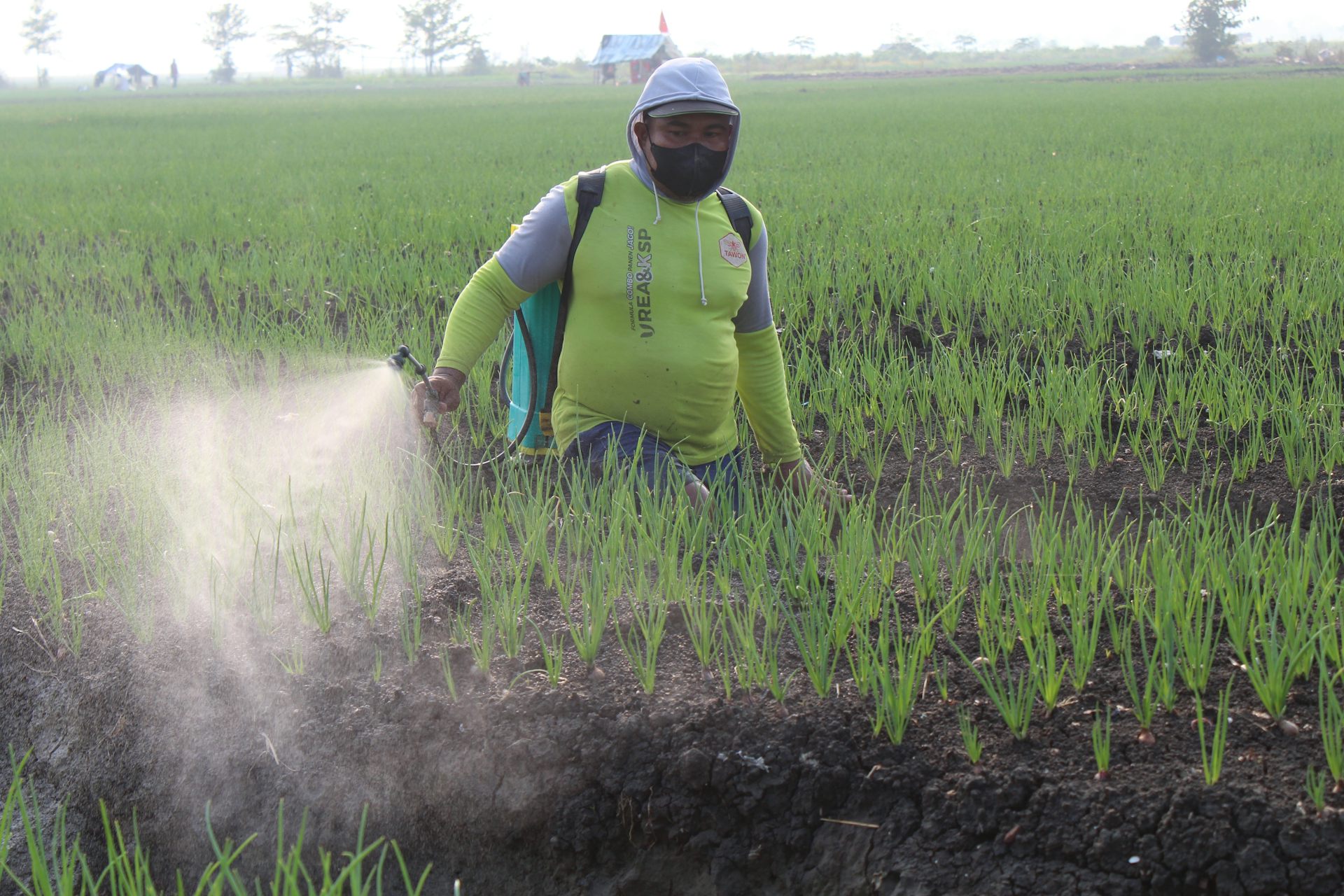
That doesn’t mean we should be complacent: there is an ongoing discussion about cocktails of many different chemicals, about vulnerable groups such as children and pregnant women, and about longer‑term hormone or brain effects that might not show up in crude cancer rates. However, these are arguments for improving how we farm and regulate pesticides, not arguments for abandoning fruit and vegetables.
هذا لا يعني أن علينا أن نكون راضين: هناك نقاش مستمر حول “كوكتيلات” من العديد من المواد الكيميائية المختلفة، وحول الفئات الضعيفة مثل الأطفال والنساء الحوامل، وحول التأثيرات الهرمونية أو الدماغية طويلة الأمد التي قد لا تظهر في معدلات السرطان الخام. ومع ذلك، هذه حجج لتحسين طريقة زراعتنا وتنظيم المبيدات، وليست حججاً للتخلي عن الفواكه والخضروات.
If you are still uneasy about pesticides, there are practical, proportionate things you can do that don’t involve swapping an orange for a packet of crisps. Washing produce under running water helps remove surface residues and soil, and varying the types of fruit and veg you eat means you are not relying heavily on any one item that tends to carry higher residues.
إذا كنت لا تزال قلقاً بشأن المبيدات، فهناك أشياء عملية ومتناسبة يمكنك القيام بها ولا تتضمن استبدال البرتقال بحزمة من رقائق البطاطس. غسل المنتجات تحت الماء الجاري يساعد على إزالة البقايا السطحية والتربة، وتغيير أنواع الفواكه والخضروات التي تتناولها يعني أنك لا تعتمد بشكل كبير على أي عنصر واحد يميل إلى حمل بقايا أعلى.
If your budget allows, choosing organic versions of a few “high‑residue” foods can make sense. But the key point is that these are tweaks at the margins. They don’t change the central message that a diet rich in plant foods is overwhelmingly associated with better health.
إذا سمحت ميزانيتك، فقد يكون اختيار الإصدارات العضوية لبعض الأطعمة “عالية البقايا” منطقياً. لكن النقطة الأساسية هي أن هذه تعديلات هامشية. إنها لا تغير الرسالة المركزية وهي أن النظام الغذائي الغني بالأطعمة النباتية يرتبط بشكل كبير بصحة أفضل.
Perhaps the most important lesson from this episode is about how to read nutrition headlines. Whenever you see “X food causes cancer” or “Y ingredient is the next miracle cure”, it helps to ask a couple of simple questions. How big was the study? Was it in healthy people followed over time, or patients looked at after the fact? Did the researchers actually measure what they are claiming (like pesticide levels) ? And how do the new findings sit alongside decades of existing research?
ربما يكون الدرس الأكثر أهمية من هذه الحلقة هو كيفية قراءة عناوين الأخبار الغذائية. كلما رأيت “الفاكهة س تسبب السرطان” أو “المكون ص هو العلاج المعجزة التالي”، فمن المفيد طرح سؤالين بسيطين. ما مدى ضخامة الدراسة؟ هل كانت في أشخاص أصحاء تمت متابعتهم بمرور الوقت، أم مرضى تم فحصهم بأثر رجعي؟ هل قام الباحثون بالفعل بقياس ما يدّعونه (مثل مستويات المبيدات) ؟ وكيف تتوافق النتائج الجديدة مع عقود من الأبحاث الموجودة؟
In the case of the early-onset lung cancer study, the answers are sobering: it was small, it was retrospective, it used indirect exposure estimates, and its suggestion that fruit and vegetables might be harmful sits awkwardly with a much larger body of work pointing the other way.
في حالة دراسة سرطان الرئة الذي يظهر في سن مبكرة، فإن الإجابات مقلقة: كانت صغيرة، وكانت بأثر رجعي، واستخدمت تقديرات التعرض غير المباشرة، واقتراحها بأن الفواكه والخضروات قد تكون ضارة يتناقض بشكل محرج مع مجموعة عمل أكبر بكثير تشير إلى الاتجاه المعاكس.
None of this means we should ignore the possibility that pesticides contribute in some way to cancers in non‑smokers, or that diet is irrelevant to lung health. But we should be wary of turning one provocative conference talk into a reason to fear the very foods that consistently show up as markers of better health.
لا يعني أي من هذا أن علينا تجاهل احتمال أن تساهم المبيدات بطريقة ما في السرطانات لدى غير المدخنين، أو أن النظام الغذائي غير ذي صلة بصحة الرئة. ولكن يجب أن نكون حذرين من تحويل محاضرة مؤتمر مثيرة للجدل إلى سبب للخوف من الأطعمة التي تظهر باستمرار كمؤشرات لصحة أفضل.
Justin Stebbing does not work for, consult, own shares in or receive funding from any company or organisation that would benefit from this article, and has disclosed no relevant affiliations beyond their academic appointment.
لا يعمل جاستن ستيبينغ لدى، ولا يستشير، ولا يمتلك حصصاً في، أو يتلقى تمويلاً من أي شركة أو منظمة يمكن أن تستفيد من هذه المقالة، ولم يفصح عن أي انتماءات ذات صلة تتجاوز منصبه الأكاديمي.
Read more
-

قد يتعثر آرسنال مجددًا في الدوري الإنجليزي الممتاز. إليك 4 حلول نفسية
Arsenal might be choking again in England’s Premier League. Here are 4 psychological fixes
-

قاض إيلون ماسك شركة OpenAI وخسر. لكن السؤال الجوهري للقضية لا يزال دون إجابة.
Elon Musk sued OpenAI and lost. But the core question of the case remains unanswered