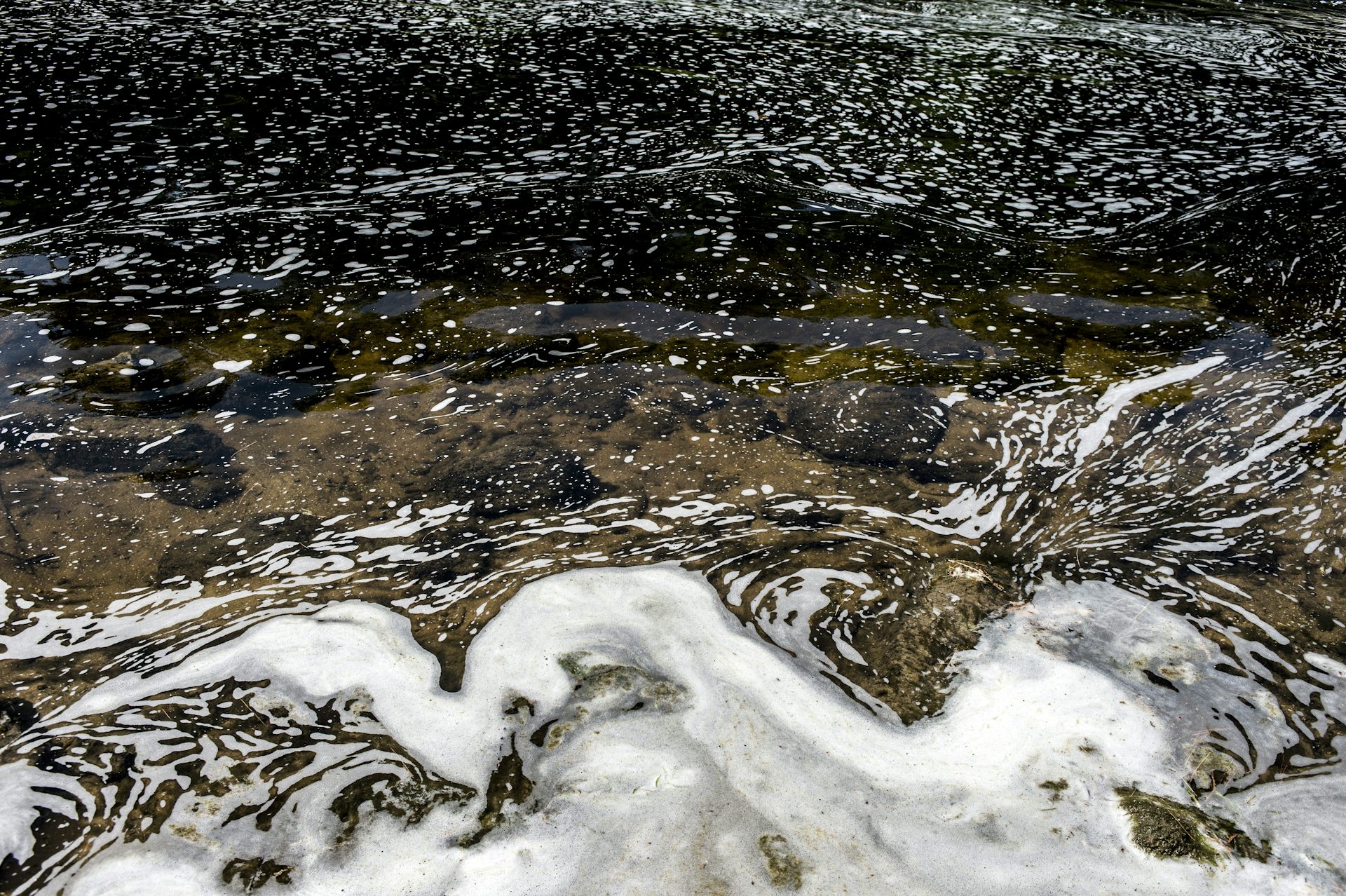
لقد أثبتنا أن هذه “المواد الكيميائية الأبدية” يمكن أن تدوم لأكثر من ثلاثة عقود
We proved these ‘forever chemicals’ can last longer than three decades
Cancer-linked chemicals can remain hidden in drinking water supplies for decades.
يمكن أن تبقى المواد الكيميائية المرتبطة بالسرطان مخبأة في إمدادات مياه الشرب لعقود.
The fresh air, picturesque vistas and pristine bush of the Blue Mountains west of Sydney draw millions of visitors a year.
يجذب الهواء النقي والمناظر الخلابة والغابات البكر في الجبال الزرقاء غرب سيدني ملايين الزوار سنوياً.
Unfortunately, the Blue Mountains are also the site of a controversial investigation into water contamination with “forever chemicals”, also called PFAS.
لسوء الحظ، تعد الجبال الزرقاء أيضاً موقع تحقيق مثير للجدل حول تلوث المياه بـ “المواد الكيميائية الأبدية”، والتي تُعرف أيضاً باسم PFAS.
Our recent study investigated long-term PFAS contamination from two incidents, both involving petrol tanker crashes and fires. Both accidents occurred in drinking water catchments, and our study found contamination was present but undetected for 24 and 33 years, respectively. We have searched the international literature and could not find similar examples.
حققت دراستنا الأخيرة في تلوث PFAS طويل الأمد الناتج عن حادثتين، كلاهما يتعلق بحوادث اصطدام وحرائق ناقلات البترول. وقع كلا الحادثين في مناطق تجميع مياه الشرب، ووجدت دراستنا أن التلوث كان موجوداً ولكنه لم يتم اكتشافه لمدة 24 و 33 عاماً على التوالي. لقد بحثنا في الأدبيات الدولية ولم نتمكن من العثور على أمثلة مماثلة.
PFAS (Perfluoroalkyl and polyfluoroalkyl substances) are a broad category of thousands of synthetic chemicals used in numerous consumer and industry products. Exposure to PFAS is associated with a greater risk of several illnesses.
PFAS (المواد البيرفلوروألكيل والبوليفلوروألكيل) هي فئة واسعة من آلاف المواد الكيميائية الاصطناعية المستخدمة في العديد من المنتجات الاستهلاكية والصناعية. يرتبط التعرض لـ PFAS بخطر أكبر للإصابة بالعديد من الأمراض.
Our research shows how vulnerable drinking water supplies are to long-term PFAS contamination. It also shows how contamination can remain hidden due to an absence of PFAS monitoring.
يوضح بحثنا مدى تعرض إمدادات مياه الشرب للتلوث طويل الأمد بـ PFAS. كما يوضح كيف يمكن أن يظل التلوث خفياً بسبب غياب مراقبة PFAS.
Two historical accidents
حادثان تاريخيان
The 1992 petrol tanker accident in the Blue Mountains at Medlow Bath caused PFAS contamination of the local drinking water supply. And 32 years later it forced the closure of two storage reservoirs.
تسبب حادث ناقلة البترول عام 1992 في جبال بلو (Blue Mountains) في مدلو باث (Medlow Bath) بتلوث إمدادات مياه الشرب المحلية بمركبات PFAS. وبعد 32 عامًا، أجبر ذلك على إغلاق خزانين للتخزين.
Despite limited data, we identified the source of contamination as a type of foaming material used globally by firefighters to help extinguish burning fuel fires. This foaming substance was mixed with water using perfluorooctane sulfonate, a type of PFAS.
على الرغم من البيانات المحدودة، حددنا مصدر التلوث على أنه نوع من المواد الرغوية التي تستخدمها فرق الإطفاء عالميًا للمساعدة في إخماد حرائق الوقود المشتعلة. وقد تم خلط هذه المادة الرغوية بالماء باستخدام بيرفلورو أوكتان سلفونات، وهو نوع من مركبات PFAS.
Firefighters used this substance to form a foam “blanket” and coat burning materials and extinguish liquid fires. The PFAS foams were used for decades before their harmful human health and environmental impacts were understood.
استخدم رجال الإطفاء هذه المادة لتشكيل “بطانية” رغوية وتغطية المواد المشتعلة وإخماد حرائق السوائل. واستُخدمت رغوات PFAS لعقود قبل فهم تأثيراتها الضارة على صحة الإنسان والبيئة.
Nine years after the first petrol tanker accident, another fuel tanker crash and fire linked to PFAS contamination occurred in 2000, near Ourimbah on the NSW Central Coast. The fuel tanker was carrying 40,000 litres of fuel, and the crash and fire were triggered by a collision with a car. This resulted in the tragic death of two people.
بعد تسع سنوات من حادث ناقلة البترول الأول، وقع حادث وحريق آخر لناقلة وقود مرتبط بتلوث PFAS في عام 2000، بالقرب من أوريمبا (Ourimbah) على الساحل المركزي لنيو ساوث ويلز (NSW) . كانت ناقلة الوقود تحمل 40,000 لتر من الوقود، وتسبب الاصطدام بسيارة في الحادث والحريق. وأدى ذلك إلى وفاة شخصين بشكل مأساوي.
Similar to the Medlow Bath accident, news footage showed water and foam were used to control the blaze. It also showed a foamy runoff draining from the accident.
على غرار حادث مدلو باث، أظهرت لقطات إخبارية استخدام الماء والرغوة للسيطرة على الحريق. وأظهرت أيضًا جريانًا رغويًا يتسرب من موقع الحادث.
Why are PFAS a problem?
لماذا تشكل مواد PFAS مشكلة؟
PFAS, often called “forever chemicals”, are a broad category of thousands of synthetic chemicals. They are used in numerous products, such as non-stick cookware, stain-resistant fabrics, takeaway food packaging and even cosmetics.
تُعد مواد PFAS، التي يطلق عليها غالبًا اسم “المواد الكيميائية الأبدية”، فئة واسعة من آلاف المواد الكيميائية الاصطناعية. وتُستخدم هذه المواد في العديد من المنتجات، مثل أواني الطهي غير اللاصقة، والأقمشة المقاومة للبقع، وتغليف الوجبات الجاهزة، وحتى مستحضرات التجميل.
PFAS molecules don’t easily break down, and readily accumulate in tissue of wildlife across the globe. Exposure to small amounts of PFAS sees the chemicals build up in the vital organs of animals and people. Analysis of human autopsy tissue revealed accumulation of PFAS in the brain, lungs, liver, kidney and bones.
لا تتحلل جزيئات PFAS بسهولة، وتتراكم بسرعة في أنسجة الحياة البرية في جميع أنحاء العالم. ويؤدي التعرض لكميات صغيرة من PFAS إلى تراكم هذه المواد الكيميائية في الأعضاء الحيوية للحيوانات والبشر. وكشف تحليل أنسجة تشريح بشري عن تراكم PFAS في الدماغ والرئتين والكبد والكلى والعظام.
In 2025, an Australian Bureau of Statistics report revealed nearly all Australians have PFAS chemicals accumulating in our bodies.
في عام 2025، كشف تقرير صادر عن مكتب الإحصاء الأسترالي أن جميع الأستراليين تقريباً لديهم مواد PFAS متراكمة في أجسامهم.
Should we be worried?
هل يجب أن نقلق؟
Exposure to PFAS is associated with a greater risk of several illnesses. These include decreased fertility, higher blood pressure, increased risk of cancer (particularly prostate, kidney and testicular cancers) , liver disease, higher cholesterol and obesity.
يرتبط التعرض لمادة PFAS بخطر أكبر للإصابة بالعديد من الأمراض. وتشمل هذه الأمراض انخفاض الخصوبة، وارتفاع ضغط الدم، وزيادة خطر الإصابة بالسرطان (خاصة سرطان البروستاتا والكلى والخصية) ، وأمراض الكبد، وارتفاع الكوليسترول، والسمنة.
One of the humans are likely to consume PFAS is through eating foods containing PFAS and in drinking water.
من المحتمل أن يستهلك البشر مادة PFAS عن طريق تناول الأطعمة التي تحتوي على PFAS وفي مياه الشرب.
The Upper Blue Mountains water supply serves about 40,000 people, and operated by Sydney Water Corporation. It reported that one of the most hazardous forms of PFAS, PFOS, reached 16.4 nanograms per litre in the local drinking water on June 25 2024. This is double the safe amount, according to the recently revised Australian drinking water guidelines.
يخدم إمداد المياه في جبال بلو المرتفعة حوالي 40,000 شخص، وتديره مؤسسة سيدني للمياه. وأفادت المؤسسة أن أحد أكثر أشكال PFAS خطورة، وهو PFOS، وصل إلى 16.4 نانوغرام لكل لتر في مياه الشرب المحلية في 25 يونيو 2024. وهذا يمثل ضعف الكمية الآمنة، وفقاً للإرشادات الأسترالية لمياه الشرب التي تم تنقيحها مؤخراً.
Discovery of PFAS triggered the closure of two drinking water reservoirs downstream of the Medlow Bath petrol tanker crash and fire. Although a lack of testing data creates uncertainty, it is likely PFAS contamination was undetected in the Blue Mountains drinking water supply for more than 30 years.
أدى اكتشاف PFAS إلى إغلاق خزانَي مياه الشرب الواقعين في اتجاه مجرى المياه أسفل حادث وحريق ناقلة البترول في ميدلو باث. وعلى الرغم من أن نقص بيانات الاختبار يخلق حالة من عدم اليقين، فمن المحتمل أن تلوث PFAS لم يتم اكتشافه في إمدادات مياه الشرب في جبال بلو لأكثر من 30 عاماً.
What our study showed
ما أظهرته دراستنا
Our study showed contaminated creek water contained 2,000–2,400ng/L of PFOS in October 2025. This is 250–300 times the maximum safe concentration (less than 8ng/L) recommended by the Australian Drinking Water Guidelines.
أظهرت دراستنا أن مياه جدول ملوثة احتوت على 2,000–2,400 نانوغرام/لتر من PFOS في أكتوبر 2025. يمثل هذا 250–300 ضعف أقصى تركيز آمن (أقل من 8 نانوغرام/لتر) الموصى به من قبل إرشادات المياه الصالحة للشرب الأسترالية.
The Blue Mountains contamination plume extended downstream into Greaves Creek, in the upper Blue Mountains. This creek is part of the UNESCO Blue Mountains World Heritage Area, where PFOS levels exceeded aquatic ecosystem guidelines by 100 times. The safe level of PFOS concentration for protection of freshwater species is 0.23ng/L.
امتدت بؤرة التلوث في الجبال الزرقاء إلى مجرى غريفز كريك (Greaves Creek) ، في الجبال الزرقاء العليا. يقع هذا الجدول ضمن موقع التراث العالمي للجبال الزرقاء التابع لليونسكو، حيث تجاوزت مستويات PFOS إرشادات النظام البيئي المائي بمقدار 100 مرة. ويبلغ المستوى الآمن لتركيز PFOS لحماية أنواع المياه العذبة 0.23 نانوغرام/لتر.
As far as we know, the PFAS contamination identified in this study has not received any remediation to remove contaminated soil or water. Most PFAS contamination across Australia has occurred at sites where PFAS foam was used in repeated fire fighting training activities. Our work shows even single incidents involving PFAS can have long-lasting environmental impacts.
على حد علمنا، لم تتلقَ ملوثات PFAS التي تم تحديدها في هذه الدراسة أي معالجة لإزالة التربة أو المياه الملوثة. حدث معظم تلوث PFAS في جميع أنحاء أستراليا في مواقع استُخدمت فيها رغوة PFAS في أنشطة تدريب متكررة لمكافحة الحرائق. ويُظهر عملنا أن الحوادث الفردية التي تنطوي على PFAS يمكن أن يكون لها تأثيرات بيئية طويلة الأمد.
Ian A. Wright has received research funding from industry, local, NSW and Commonwealth Government. He has previously worked for the water industry (Sydney Water) as a scientist and catchment officer.
تلقى إيان أ. رايت تمويلاً بحثياً من الصناعة، والحكومات المحلية وحكومة نيو ساوث ويلز والحكومة الاتحادية. وقد عمل سابقاً في قطاع المياه (مياه سيدني) كعالم وضابط مستجمعات مياه.
Amy-Marie Gilpin receives funding from the research and development corporation Hort Innovation.
تتلقى إيمي-ماري جيلبين تمويلاً من شركة الأبحاث والتطوير “هورت إنوفيشن” (Hort Innovation) .
Katherine Warwick receives funding from the water industry (Sydney Water) , WIRES, local and state government bodies.
تتلقى كاثرين وارويك تمويلاً من قطاع المياه (مياه سيدني) ، ووييريز (WIRES) ، والهيئات الحكومية المحلية والولائية.
Read more
-

‘Park the bus’، و’التساعية الوهمية’، و’كرة القدم الشاملة’: ماذا تعني عبارات كرة القدم الغريبة؟
‘Park the bus’, ‘the false nine’ and ‘total football’: what do soccer’s strange phrases mean?
-

وعدت البيولوجيا التركيبية بإعادة كتابة الحياة – فبعد وفاة رائدها، ج. كريج فينتر، إلى أي مدى وصل العلماء؟
Synthetic biology promised to rewrite life – with the death of its pioneer, J. Craig Venter, how close are scientists?