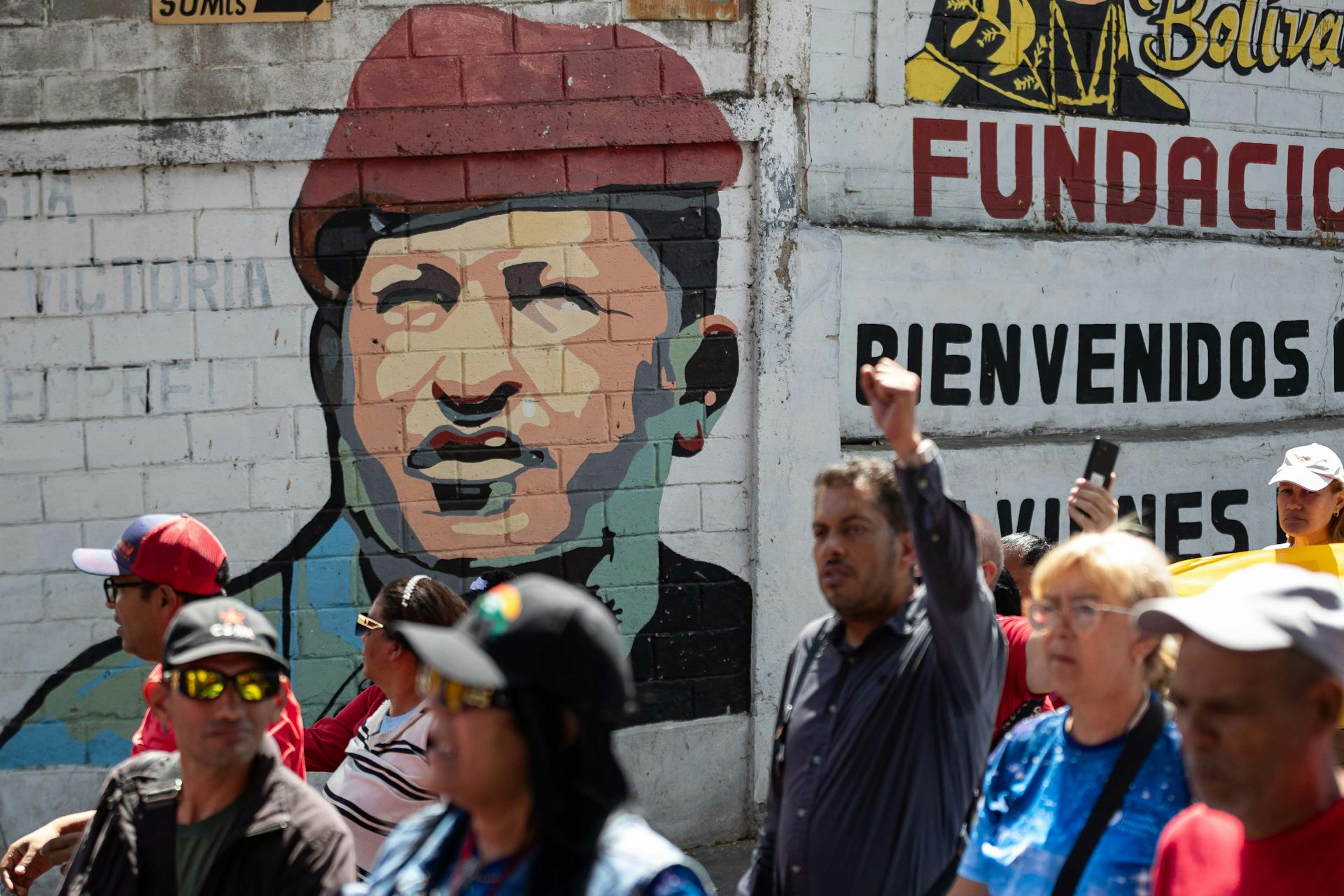
كيف تغيرت فنزويلا – ولم تتغير – منذ استيلاء مادورو
How Venezuela has – and hasn’t – changed since Maduro’s capture
Delcy Rodríguez has maintained tight control of political conditions inside the country, while prioritising economic liberalisation.
حافظت ديلسي رودريغيز على سيطرة مشددة على الظروف السياسية داخل البلاد، مع إعطاء الأولوية للتحرير الاقتصادي.
Four months have passed since US forces captured Venezuela’s sitting president, Nicolás Maduro, and ousted him from power. Maduro’s vice-president, Delcy Rodríguez, quickly moved into the top job and has, under US tutelage, begun a process of reversing her country’s experiment with socialism.
مرت أربعة أشهر منذ أن سيطرت القوات الأمريكية على الرئيس الفنزويلي الحالي نيكولاس مادورو وأزالتته من السلطة. انتقلت نائب الرئيس مادورو، ديلسي رودريغيز، بسرعة إلى المنصب الأعلى وبدأت، تحت إشراف الولايات المتحدة، عملية عكس تجربة بلدها الاشتراكية.
Venezuela’s pivot towards socialism began under the leadership of Hugo Chávez. After entering office in 1999, he initiated a programme of sweeping nationalisations, state-led oil wealth redistribution and increased social spending. Chávez called this process the Bolivarian revolution.
بدأ تحول فنزويلا نحو الاشتراكية تحت قيادة أوغو تشافيز. بعد تولي المنصب في عام 1999، أطلق برنامجاً من التوطينات الوطنية الشاملة، وإعادة توزيع ثروة النفط التي تقودها الدولة، وزيادة الإنفاق الاجتماعي. وصف تشافيز هذه العملية بالثورة البوليفارية.
Maduro replaced Chávez as president after his death in 2013. And from there, his administration oversaw one of the most severe economic declines in modern history while simultaneously dismantling democratic checks and balances.
حل مادورو محل تشافيز كرئيس بعد وفاته في عام 2013. ومن هناك، أشرفت إدارته على أحد أشد الانحدارات الاقتصادية في التاريخ الحديث بينما كانت تعمل في الوقت نفسه على تفكيك الضوابط والتوازنات الديمقراطية.
Ideological revision is a perilous moment for revolutionary regimes. Major policy pivots require cautious steering and, without credible and calibrated leadership, they risk overwhelming insular, authoritarian states.
يُعد التنقيح الأيديولوجي لحظة محفوفة بالمخاطر للأنظمة الثورية. تتطلب التحولات الرئيسية في السياسة توجيهاً حذراً، وبدون قيادة موثوقة ومُعايرة، فإنها تخاطر بإغراق الدول الانعزالية الاستبدادية.
The Soviet Union is perhaps the most illustrative example of this. It collapsed in 1991 under the weight of popular economic grievances mobilised under newfound freedoms of speech and assembly.
قد تكون الاتحاد السوفيتي هو المثال الأكثر توضيحاً لذلك. لقد انهار في عام 1991 تحت وطأة المظالم الاقتصادية الشعبية التي حشدت تحت الحريات الجديدة في التعبير والتجمع.
Keen to avoid a similar fate, the Chinese Communist party studied the Soviet Union’s downfall over the next decade. It concluded that the Soviet miscalculation was simultaneous economic and political opening, and has thus limited regime liberalisation to the economy.
سعت الحزب الشيوعي الصيني لتجنب مصير مماثل، ودراسة سقوط الاتحاد السوفيتي على مدى العقد التالي. وخلص إلى أن سوء التقدير السوفيتي كان انفتاحاً اقتصادياً وسياسياً متزامناً، وبالتالي قيد ليبرالية النظام في الاقتصاد.
In Venezuela, Rodríguez appears to be following China’s approach. She has maintained tight control of political conditions inside the country, while prioritising economic liberalisation.
في فنزويلا، يبدو أن رودريغيز تتبع نهج الصين. لقد حافظت على سيطرة صارمة على الظروف السياسية داخل البلاد، بينما أعطت الأولوية للتحرير الاقتصادي.
Under the acknowledged guidance of US officials, Rodríguez has unravelled some elements of Maduro’s regime. Thirteen of 32 ministerial positions have been reshuffled in an administration that has long been dominated by military figures and interests.
تحت التوجيه المعترف به من المسؤولين الأمريكيين، كشفت رودريغيز عن بعض عناصر نظام مادورو. تم إعادة ترتيب ثلاثة عشر من أصل 32 منصباً وزارياً في إدارة هيمنت عليها منذ فترة طويلة شخصيات ومصالح عسكرية.
However, a number of the key power brokers from the Venezuelan armed forces who maintained the Maduro regime remain in government. This includes the interior minister, Diosdado Cabello, and Vladimir Padrino López, who was dismissed from his role as defence minister in March and appointed as agriculture minister instead.
ومع ذلك، لا يزال عدد من صانعي السلطة الرئيسيين من القوات المسلحة الفنزويلية الذين حافظوا على نظام مادورو في الحكومة. ويشمل ذلك وزير الداخلية، ديوسدادو كابيلو، وفلاديمير بادрино لوبيز، الذي تم فصله من منصبه كوزير للدفاع في مارس وتعيينه وزيراً للزراعة بدلاً من ذلك.
These people have moved into line behind Rodríguez. Successive US presidents have issued sanctions, bounties and arrest warrants against them, as they have against Rodríguez. Hers have now been rescinded, and other prominent Maduro loyalists will be hoping their compliance brings them the same.
لقد تحرك هؤلاء الأشخاص إلى الصفوف خلف رودريغيز. أصدر الرؤساء الأمريكيون المتعاقبون عقوبات ومكافآت وأوامر اعتقال ضدهم، كما فعلوا ضد رودريغيز. وقد تم إلغاء تلك العقوبات الآن، وسيعمل آخرون من الموالين البارزين لمادورو على الأمل في أن يجلب لهم امتثالهم الشيء نفسه.
The entire machinery of state and government remains in the hands of the ruling United Socialist Party of Venezuela (PSUV) . This includes the national assembly, supreme court, national electoral administration, police and military. PSUV governors are in place in 23 of the country’s 24 states.
لا تزال الآلة بأكملها للدولة والحكومة في أيدي الحزب الاشتراكي الموحد الحاكم في فنزويلا (PSUV) . ويشمل ذلك الجمعية الوطنية، والمحكمة العليا، والإدارة الانتخابية الوطنية، والشرطة والجيش. وتوجد حكام PSUV في 23 من أصل 24 ولاية في البلاد.
And despite demands from Venezuelan opposition figures for presidential elections, the Trump administration and Rodríguez have thus far avoided committing to a vote. Progress on granting amnesty to Maduro-era political prisoners has also slowed.
وعلى الرغم من المطالب من شخصيات المعارضة الفنزويلية للانتخابات الرئاسية، فقد تجنبت إدارة ترامب وروديغيز حتى الآن الالتزام بأي تصويت. كما تباطأ التقدم في منح العفو للسجناء السياسيين في عهد مادورو.
While more than 2,200 people were released from prison or had other legal restrictions withdrawn after the passing of an amnesty law in February, the release of political prisoners has reduced to a trickle. Over 400 of these people remain incarcerated, and the amnesty law has been quietly parked for revision.
في حين تم الإفراج عن أكثر من 2200 شخص من السجن أو تم سحب قيود قانونية أخرى بعد مرور قانون العفو في فبراير، فقد انخفض إطلاق سراح السجناء السياسيين إلى مجرد تيار. ولا يزال أكثر من 400 من هؤلاء الأشخاص محتجزين، وقد تم إيقاف قانون العفو بهدوء للمراجعة.
Economic liberalisation
التحرير الاقتصادي
On the economic front, Rodríguez has implemented reforms at a greater pace. New laws and regulations reversing Chávez’s nationalisation drive are reopening key sectors of the economy to private investment. This includes hydrocarbons and mining.
على الصعيد الاقتصادي، نفذ رودريغيز إصلاحات بوتيرة أسرع. إن القوانين واللوائح الجديدة التي تقوّض مسعى تشافيز للتأميم تعيد فتح قطاعات رئيسية من الاقتصاد أمام الاستثمار الخاص. ويشمل ذلك الهيدروكربونات والتعدين.
A recently unveiled Commission for the Evaluation of Public Assets will audit state ownership in other economic areas such as agriculture, manufacturing and infrastructure. A fire sale to the private sector is expected.
ستقوم لجنة التقييم الأخيرة للأصول العامة بالكشف عن ملكية الدولة في مجالات اقتصادية أخرى مثل الزراعة والتصنيع والبنية التحتية. ومن المتوقع حدوث بيع سريع للقطاع الخاص.
The discipline and political dominance of the PSUV machine have been put to good use here, waving through favourable terms and other confidence-building measures for investors. These include providing legal guarantees in what has long been a notoriously unpredictable economic environment, as well as access to international arbitration. Whether these measures encourage investment will become clear in the months ahead.
لقد تم استخدام انضباط وهيمنة آلة حزب PSUV بشكل جيد هنا، من خلال تقديم شروط مواتية وبعض تدابير بناء الثقة للمستثمرين. ويشمل ذلك توفير ضمانات قانونية في ما كان بيئة اقتصادية غير متوقعة بشكل سيئ طويلاً، بالإضافة إلى الوصول إلى التحكيم الدولي. وسيتضح ما إذا كانت هذه الإجراءات تشجع الاستثمار في الأشهر المقبلة.
Rodríguez has also steered Venezuela back into the International Monetary Fund (IMF) , ending a suspension that began in 2019 when the organisation ceased recognising Maduro’s government. Kristalina Georgieva, the IMF’s managing director, reports having “productive” conversations with Rodríguez.
كما قاد رودريغيز فنزويلا مرة أخرى إلى صندوق النقد الدولي (IMF) ، منهياً تعليقاً بدأ في عام 2019 عندما توقف المنظمة عن الاعتراف بحكومة مادورو. وأفادت كريستالينا جورجييفا، المديرة العامة لصندوق النقد الدولي، بأنها أجرت محادثات “منتجة” مع رودريغيز.
The US president, Donald Trump, has praised Rodríguez for doing a “great job”. He has said she is working well with US representatives. But there are many disruptive challenges on the horizon for Rodríguez. In the short-term, there is a very real risk of protests. Venezuela remains in a political limbo with hopes of justice and democracy currently frustrated.
أشاد الرئيس الأمريكي، دونالد ترامب، رودريغيز لعملها “جيد.” وقد قال إنها تعمل بشكل جيد مع الممثلين الأمريكيين. ولكن هناك العديد من التحديات المعرقلة على الأفق بالنسبة لرودريغيز. على المدى القصير، هناك خطر حقيقي للاحتجاجات. ولا تزال فنزويلا في حالة جمود سياسي مع إحباط آمال العدالة والديمقراطية حالياً.
The absence of demonstrations to date owes much to a lack of leadership on the ground. This is likely to change when opposition leader Maria Corina Machado, who the Maduro government barred from competing in the July 2024 presidential election, returns to the country. Machado has said she expects to be back in Venezuela before the end of 2026.
يعود غياب المظاهرات حتى الآن إلى نقص القيادة على الأرض. ومن المرجح أن يتغير هذا عندما تعود زعيمة المعارضة ماريا كورينّا ماشادو، التي منعها حكومة مادورو من المنافسة في الانتخابات الرئاسية في يوليو 2024، إلى البلاد. وقد قالت ماشادو إنها تتوقع العودة إلى فنزويلا قبل نهاية عام 2026.
Many had expected Machado to be delivered into the vacated presidency after Maduro’s capture. But Trump declined to support her as the country’s next leader. Even after she gave Trump her Nobel Peace Prize medal in January – and despite her strong friendship with US secretary of state, Marco Rubio – Machado remains on the periphery of US decision making.
كان الكثيرون يتوقعون أن يتم تسليمها الرئاسة الشاغرة بعد القبض على مادورو. لكن ترامب رفض دعمها كقائد تالٍ للبلاد. وحتى بعد أن منحت ترامب ميدالية نوبل للسلام في يناير – وعلى الرغم من صداقتها القوية مع وزير الخارجية الأمريكي، ماركو روبيو – تظل ماشادو على هامش صنع القرار في الولايات المتحدة.
On a recent tour of Europe, avowed neoliberal Machado did not voice support for the economic changes Rodríguez has introduced. She has instead emphasised the necessity for political reform in Venezuela, while also demanding accountability and justice for the corruption and abuses of previous governments.
في جولة حديثة في أوروبا، لم تعبر ماشادو، التي اعترفت بكونها ليبرالية جديدة، عن دعمها للتغييرات الاقتصادية التي أدخلها رودريغيز. بل شددت بدلاً من ذلك على ضرورة الإصلاح السياسي في فنزويلا، مع المطالبة أيضاً بالمساءلة والعدالة فيما يتعلق بالفساد وسوء معاملة الحكومات السابقة.
Another, more long-term problem relates to the type of political economy that is emerging in Venezuela. The economic changes are designed to spur investor interest in extracting the country’s hydrocarbon and mineral resources.
تتعلق مشكلة أخرى، وأطول أمداً، بنوع الاقتصاد السياسي الناشئ في فنزويلا. تم تصميم التغييرات الاقتصادية لتحفيز اهتمام المستثمرين في استخراج موارد الهيدروكربونات والمعادن من البلاد.
This will merely reestablish Venezuela’s historical dependence on commodity exploitation. Such dependence has been a fundamental factor in Venezuela’s instability since the 1970s and is something the Bolivarian revolution pledged to end.
هذا سيعيد ببساطة تأسيس الاعتماد التاريخي لفنزويلا على استغلال السلع. وقد كان هذا الاعتماد عاملاً أساسياً في عدم استقرار فنزويلا منذ السبعينيات وهو شيء تعهدت الثورة البوليفارية بإنهاءه.
Julia Buxton does not work for, consult, own shares in or receive funding from any company or organisation that would benefit from this article, and has disclosed no relevant affiliations beyond their academic appointment.
جوليا بوكستون لا تعمل لصالح، ولا تستشير، ولا تمتلك أسهم في، ولا تتلقى تمويلاً من أي شركة أو منظمة ستستفيد من هذه المقالة، ولم تكشف عن أي انتماءات ذات صلة بخلاف منصبها الأكاديمي.
Read more
-
بالرغم من أفضل جهودها، لن تتمكن إيران من إغلاق مضيق هرمز. وإليك السبب.
Despite its best efforts, Iran won’t be able to toll the Strait of Hormuz. Here’s why
-
ألغى العلماء أسوأ سيناريو مناخي – لأن العمل يحدث فرقاً
Scientists have scrapped the worst-case climate scenario – because action is making a difference