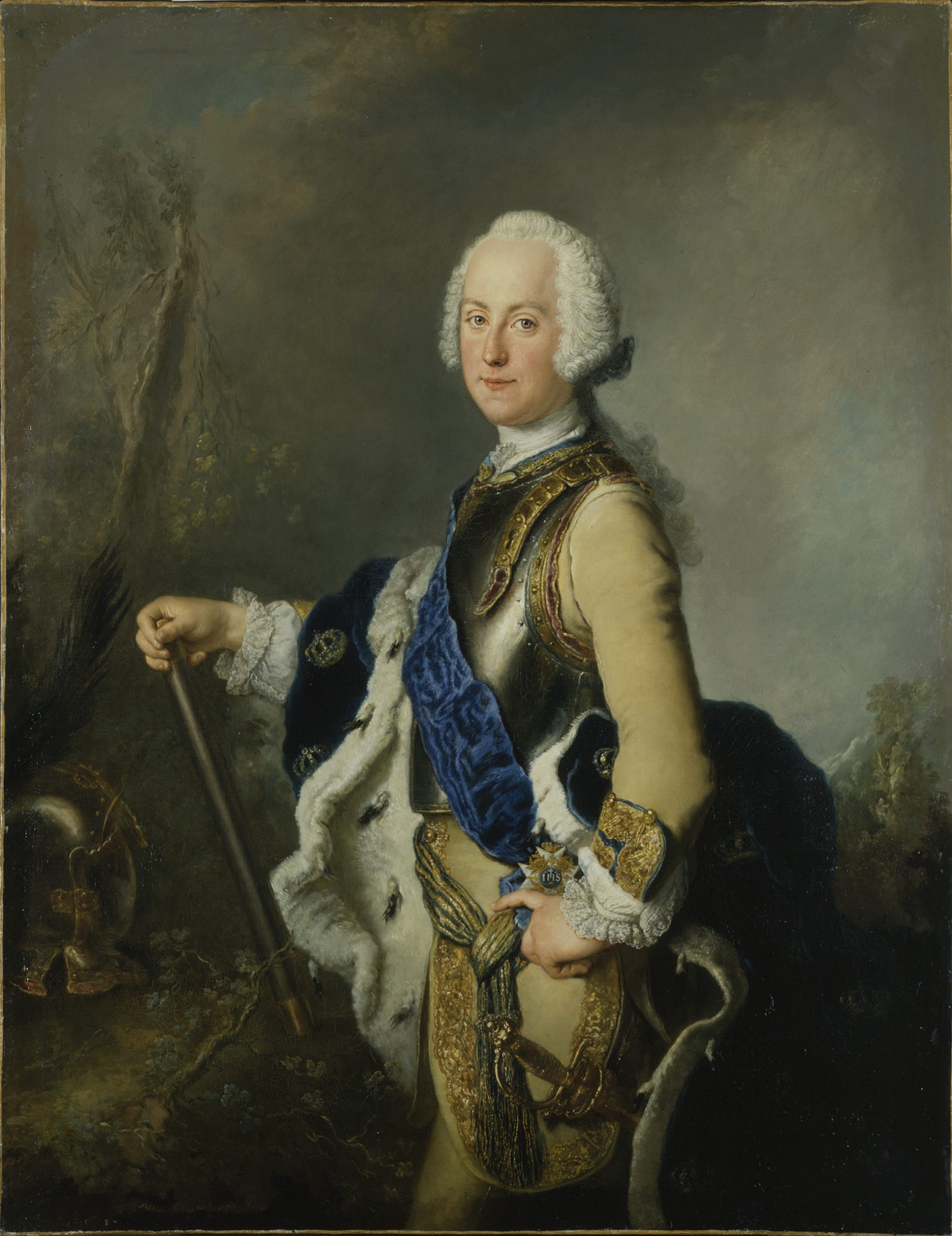
كيف أضراب ملك سويدي عام 1768
How a Swedish king went on strike in 1768
In the shift from absolutism towards representative government, the monarch symbolised impartiality and balance
في التحول من الحكم المطلق نحو الحكومة التمثيلية، رمز الملك للحياد والتوازن
In 1768, towards the end of the period of Swedish history known as Frihetstiden, the Age of Liberty, King Adolf Frederick threatened to abdicate unless an extraordinary session of the Riksdag, the Swedish parliament, was immediately convened. The immediate issue concerned a new financial plan, but the king hoped that the parliamentary session would also lead to constitutional changes to strengthen his power.
في عام 1768، وفي نهاية فترة التاريخ السويدي المعروفة باسم “فترة الحرية” (Frihetstiden) ، هدد الملك أدولف فريدريك بالتنازل عن العرش ما لم تُعقد جلسة استثنائية للريكسداغ (البرلمان السويدي) على الفور. كانت القضية المباشرة تتعلق بخطة مالية جديدة، لكن الملك كان يأمل أن تؤدي الجلسة البرلمانية أيضًا إلى تغييرات دستورية لتعزيز سلطته.
The 16-member strong Council of the Realm, over which the king presided, was given three days to summon the Riksdag. Meanwhile, the king would not partake in any decision-making. In other words, he went on strike.
مُنح مجلس المملكة القوي المكون من 16 عضوًا، والذي ترأسه الملك، ثلاثة أيام لاستدعاء الريكسداغ. وفي غضون ذلك، لن يشارك الملك في أي عملية صنع قرار. بعبارة أخرى، أضرب عن العمل.
As I show in my new book, Monarchy in the Age of Liberty: Royal power and public life in eighteenth-century Sweden, this moment in Swedish political history poses an interesting question: does a monarchy need a monarch? The country at the time was a kingdom, yet it effectively had a republican form of government. In the events that followed the king’s ultimatum, his councillors even attempted to replace him with a signature stamp. It is one of the many paradoxes of this era that such a measure be taken not in opposition to the monarchy but in order to preserve its very essence.
كما أوضح في كتابي الجديد، “الملكية في عصر الحرية: السلطة الملكية والحياة العامة في السويد في القرن الثامن عشر”، تطرح هذه اللحظة في التاريخ السياسي السويدي سؤالاً مثيرًا للاهتمام: هل تحتاج الملكية إلى ملك؟ كانت البلاد آنذاك مملكة، لكنها كانت تتمتع فعليًا بشكل حكم جمهوري. وفي الأحداث التي تلت إنذار الملك، حاول مستشاروه حتى استبداله بختم توقيع. إنه أحد المفارقات العديدة لهذه الحقبة أن يتم اتخاذ مثل هذا الإجراء ليس معارضًا للملكية بل للحفاظ على جوهرها ذاته.
A political revolution
ثورة سياسية
Sweden’s Age of Liberty was ushered in by the death of King Charles XII during the siege of Fredrikshald, in Norway, in 1718. From 1680, Sweden had been ruled as an absolute monarchy. Now, fatigued by 18 years of continuous warfare, the four estates of the Swedish Riksdag decided to curtail the king’s executive powers. As formulated in the Instruments of Government, the Accession Charters and the Royal Elections Acts of 1719 and 1720, the Council of the Realm was now to oversee the monarch’s decision-making, and, in turn, answer to the Riksdag.
جاء عصر الحرية في السويد بوفاة الملك كارل الثاني عشر خلال حصار فريدريكسالد، في النرويج، عام 1718. فمنذ عام 1680، كانت السويد تحكم كملكية مطلقة. والآن، وبعد أن أرهقته ثمانية عشر عاماً من الحرب المستمرة، قررت الطبقات الأربع في ريكسداغ (البرلمان السويدي) تقليص السلطات التنفيذية للملك. وبموجب ما ورد في صكوك الحكم، ووثائق التتويج، وقوانين الانتخاب الملكي لعامي 1719 و 1720، أصبح مجلس الدولة هو المسؤول عن الإشراف على اتخاذ القرارات من قبل الملك، وبالتالي، كان مسؤولاً أمام ريكسداغ.
In Protestant Sweden, social theory was grounded in equal measure in ancient political thinking and Lutheran ideas. Central to this was Martin Luther’s so-called doctrine of the three estates, which held that society was composed of the teaching estate (the clergy) , the defending estate (the nobility) and the nourishing estate (the commoners) and that all three were needed for societal balance and harmony to be achieved.
في السويد البروتستانتية، استند الفكر الاجتماعي إلى مقاييس متساوية في التفكير السياسي القديم والأفكار اللوثرية. وكان جوهر هذا الأمر هو ما يُعرف بـ “عقيدة الطبقات الثلاث” لمارتن لوثر، التي أكدت أن المجتمع يتكون من طبقة التعليم (رجال الدين) ، وطبقة الدفاع (النبلاء) ، وطبقة الإعالة (عامة الشعب) ، وأن جميعها ضرورية لتحقيق التوازن والانسجام المجتمعي.
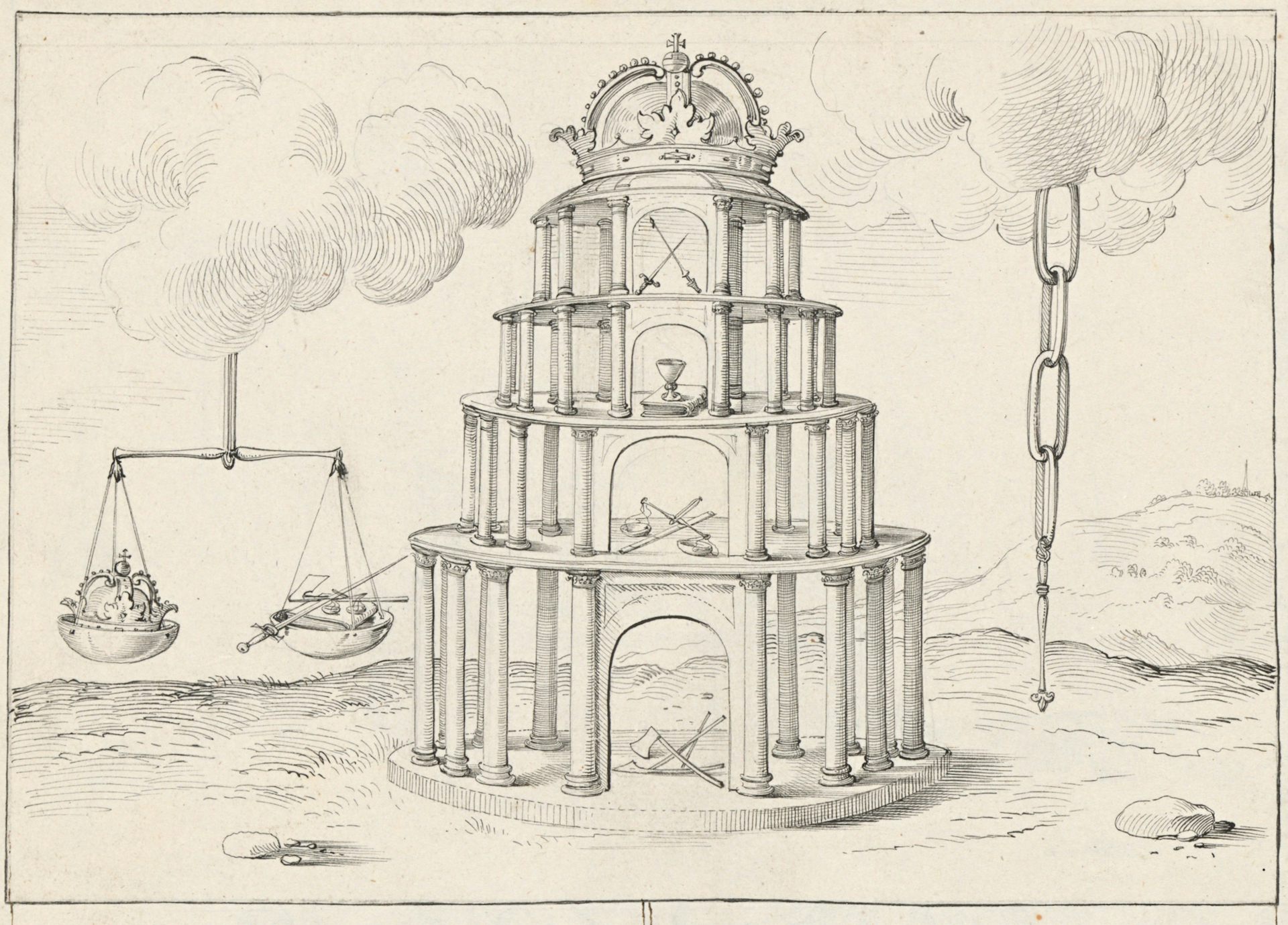
The monarch stood above all laws — it was the essence of his majesty. As such, he was the only figure considered to be free from self-interest and therefore able to maintain this social balance. Thus, despite his practical duties having been made redundant, his symbolic importance was incontrovertible.
كان الملك يقف فوق جميع القوانين- فذلك كان جوهر جلالته. وبناءً على ذلك، كان هو الشخص الوحيد الذي يُعتبر بمنأى عن المصالح الذاتية وبالتالي قادر على الحفاظ على هذا التوازن الاجتماعي. وهكذا، وعلى الرغم من أن واجباته العملية أصبحت زائدة عن الحاجة، إلا أن أهميته الرمزية كانت لا يمكن إنكارها.
Upon the death of Charles XII in 1718, his sister, Ulrika Eleonora, briefly succeeded to the throne before abdicating after just over a year in favour of her husband, Frederick I, who ruled until 1751.
عند وفاة كارل الثاني عشر عام 1718، تولت شقيقته أولريكا إليونورا العرش لفترة وجيزة قبل أن تتنازل عنه بعد أكثر من عام فقط لصالح زوجها فريدريك الأول، الذي حكم حتى عام 1751.
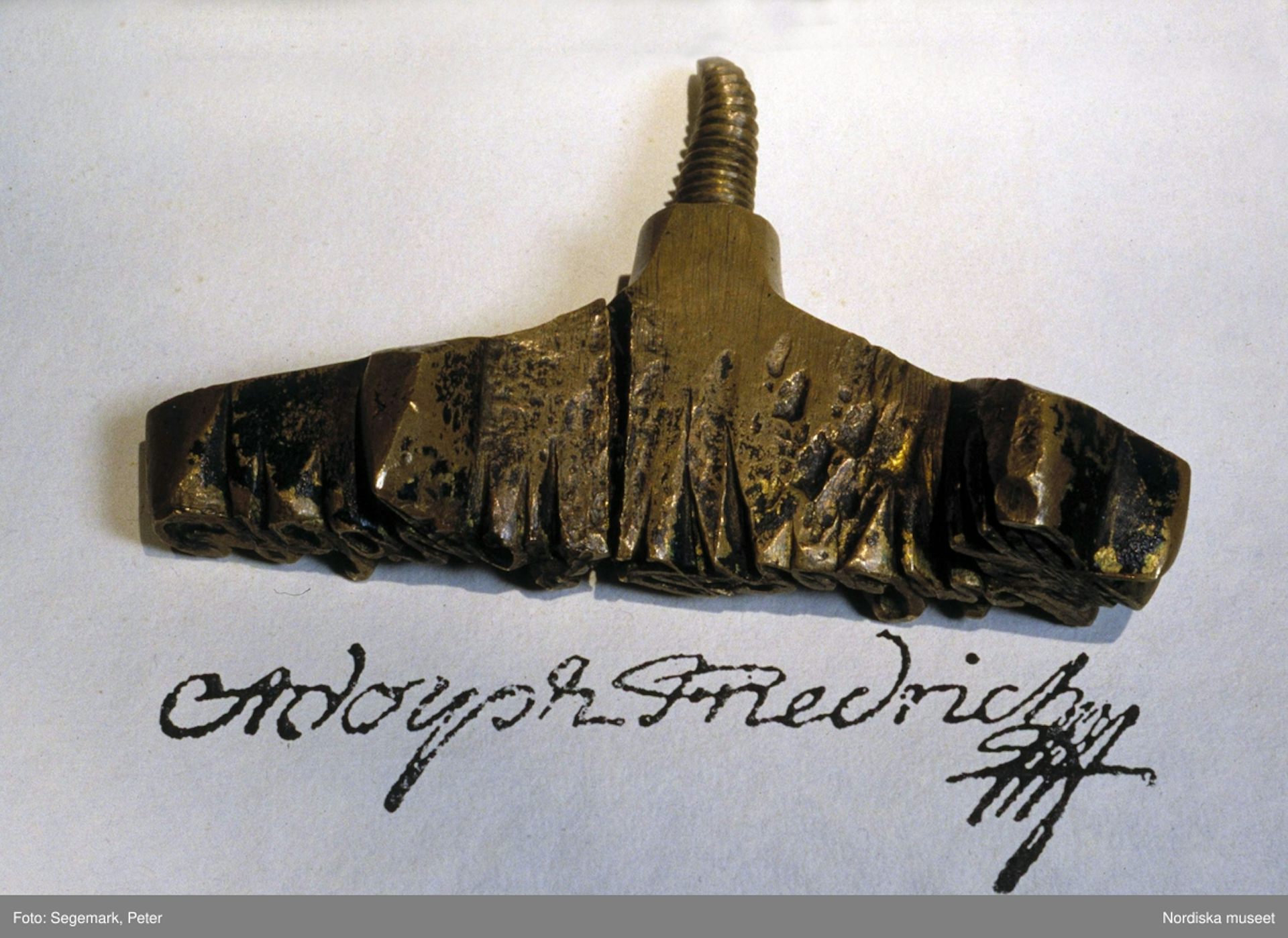
As king, Frederick I soon lost interest in his rather insignificant duties and, drawing inspiration from absolutist France, had a name stamp made. This was ostensibly to save himself the trouble of signing a large number of circulars. But the stamp also came to serve as a political instrument.
بصفته ملكاً، سرعان ما فقد فريدريك الأول الاهتمام بواجباته التي كانت غير مهمة إلى حد ما، واستلهاماً من فرنسا المطلقة، قام بتجهيز ختم باسمه. كان الهدف الظاهري هو أن يوفر على نفسه عناء التوقيع على عدد كبير من المراسيم. لكن الختم سرعان ما أصبح أيضاً أداة سياسية.
In certain circumstances, the council could even issue government decrees without the king’s signature. But the councillors considered this inappropriate as it revealed to the outside world when they were in disagreement with the king. On such occasions, the signature stamp became a practical alternative.
في ظروف معينة، كان بإمكان مجلس الدولة إصدار مراسيم حكومية حتى بدون توقيع الملك. لكن أعضاء المجلس رأوا أن هذا غير لائق لأنه يكشف للعالم الخارجي متى كانوا في خلاف مع الملك. وفي مثل هذه المناسبات، أصبح ختم التوقيع بديلاً عملياً.
The signature stamp also meant the councillors could no longer delay decisions by citing the king’s refusal to sign a document. Unlike the king, the council had to answer to the Riksdag for its actions and be held to parliamentary accountability.
كما عنى ختم التوقيع أنه لم يعد بإمكان الأعضاء تأخير القرارات بالاستناد إلى رفض الملك التوقيع على وثيقة. وعلى عكس الملك، كان على المجلس أن يكون مسؤولاً أمام ريكسداغ عن تصرفاته وأن يخضع للمحاسبة البرلمانية.
In the Swedish public’s imagination, this replacement of the king’s personal signature with a stamp is the ultimate symbol of the monarch’s powerlessness. But how it was actually used demonstrates that the king’s signature was considered indispensable for lending dignity and authority to government decisions.
في خيال الجمهور السويدي، يمثل استبدال التوقيع الشخصي للملك بختم هو الرمز الأقصى لعجز الملك. لكن الطريقة التي تم بها استخدام هذا الختم تظهر أن توقيع الملك كان يُعتبر ضرورياً لمنح القرارات الحكومية الكرامة والسلطة.
Constitutional crisis
أزمة دستورية
The crown’s symbolic importance was most clearly demonstrated by Frederick I’s successor, Adolf Frederick, when he went on strike in 1768. This constitutional crisis was partly a conflict between the two opposing parties, the Caps and the Hats, concerning issues in which the king played only a peripheral role. The parties’ views differed on foreign alliances, economic policy and, increasingly, civil and political rights, but they agreed on the king’s constitutionally restricted position. However, none of them hesitated to use the king as a tool when it suited their own purposes.
كانت الأهمية الرمزية للتاج قد تجلت بشكل أوضح من قبل خليفة فريدريك الأول، أدولف فريدريك، عندما أعلن الإضراب في عام 1768. كانت هذه الأزمة الدستورية صراعاً جزئياً بين الطرفين المتنافسين، “القبعات” و”القلنسوات”، بشأن قضايا لم يلعب فيها الملك سوى دور هامشي. اختلفت آراء الطرفين حول التحالفات الخارجية والسياسة الاقتصادية، وبشكل متزايد، الحقوق المدنية والسياسية، لكنهما اتفقا على موقع الملك المقيد دستورياً. ومع ذلك، لم يتردد أي منهما في استخدام الملك كأداة عندما ناسب أغراضه الخاصة.
The council was controlled by the Caps. In response to the king’s threat, the councillors attempted to govern by means of the signature stamp.
كان المجلس مسيطرًا عليه من قبل “الكابس.” ردًا على تهديد الملك، حاول المستشارون الحكم باستخدام ختم التوقيع.
In return, the central government agencies, which were dominated by Hat sympathisers, refused to comply with any decisions bearing only the king’s duplicated signature. They insisted that the form of government rested on the majesty of the king, the authority of the council and the liberty of the people, that is, their civil and political rights. If any of these elements were missing, the balance was disrupted and the impartiality of government decisions could be called into question.
وبالمقابل، رفضت الأجهزة الحكومية المركزية، التي سيطر عليها مؤيدو هات، الامتثال لأي قرارات تحمل توقيع الملك المكرر فقط. وأصروا على أن شكل الحكم يستند إلى جلالة الملك، وسلطة المجلس، وحرية الشعب، أي حقوقهم المدنية والسياسية. وإذا غاب أي من هذه العناصر، اضطرب التوازن ويمكن التشكيك في حيادية القرارات الحكومية.
The civil servants’ refusal to comply with decisions bearing a stamped signature brought the state apparatus to a standstill. The Riksdag was convened, just as the king had demanded.
أدى امتناع الموظفين المدنيين عن الامتثال للقرارات ذات التوقيع المختوم إلى شلّ جهاز الدولة. عُقد الريكداغ، تماماً كما طالب به الملك.
The outcome was decided by the strong position of the Hats in the government agencies. However, once the extraordinary session of the Riksdag was convened, the king gained no support whatsoever for his constitutional proposals. Even though the signature stamp was taken out of use and the king’s symbolic authority reaffirmed, his actual political influence diminished even further.
لقد تقرر الناتج بفضل الموقع القوي لـ “القباعات” في الوكالات الحكومية. ومع ذلك، عندما عُقدت الجلسة الاستثنائية للريكسداغ، لم يحصل الملك على أي دعم مطلقاً لاقتراحاته الدستورية. وعلى الرغم من سحب ختم التوقيع وتأكيد السلطة الرمزية للملك، إلا أن نفوذه السياسي الفعلي قد تضاءل أكثر.
In my research I show that this episode highlights a typical pattern of the Age of Liberty. The court was supported by the opposition party for only as long as it remained in opposition. As an ally against the government, the monarch was important in shaping opinion and providing influence. For the government, conversely, he was an unpredictable asset.
في بحثي، أُظهر أن هذه الحادثة تسلط الضوء على نمط نموذجي لعصر الحرية. فقد دعم البلاط من قبل الحزب المعارض طالما بقي في المعارضة فقط. وبصفته حليفاً ضد الحكومة، كان الملك مهماً في تشكيل الرأي وتوفير النفوذ. أما بالنسبة للحكومة، فكان على العكس أصلًا غير متوقع.
This observation can also be generalised. In early modern times, power was based on authority from above. By tradition, the monarchy represented a divine order that demanded unconditional submission.
يمكن تعميم هذه الملاحظة أيضًا. ففي العصور الحديثة المبكرة، كانت السلطة تستند إلى سلطة عليا. تقليديًا، مثلت الملكية نظاماً إلهياً يتطلب الخضوع غير المشروط.
As countries such as Sweden and the United Kingdom began to shift away from absolutism and towards a more representative form of government, the monarch continued to symbolise governmental impartiality in spite of sharp partisan divisions. The notion that the people, with their passions and their self-interest, were too unpredictable to rule a state, endured. During this transitional phase, a monarch was needed who symbolically stood above all special interests and treated all his subjects with the same paternal care.
مع بدء دول مثل السويد والمملكة المتحدة بالابتعاد عن النظام المطلق والتوجه نحو شكل أكثر تمثيلاً للحكومة، استمر الملك في تجسيد الحياد الحكومي على الرغم من الانقسامات الحزبية الحادة. ظلت الفكرة القائلة بأن الشعب، بشغفه ومصالحه الذاتية، غير قابل للتنبؤ بالقدر الكافي لحكم الدولة، قائمة. خلال هذه المرحلة الانتقالية، كانت هناك حاجة إلى ملك يقف رمزياً فوق جميع المصالح الخاصة ويعامل جميع رعاياه بنفس الرعاية الأبوية.
Jonas Nordin has received funding for this reserach from Vetenskapsrådet/The Swedish Research Council.
تلقى جوناوس نوردين تمويلاً لإجراء هذا البحث من مجلس البحوث السويدي (Vetenskapsrådet) .
Read more
-

لماذا تتخلص الأسر الأوروبية من هذا الكم الهائل من الطعام – وكيفية الحد من جبل النفايات
Why European households throw away so much food – and how to curb the waste mountain
-

نيكول كيدمان تتدرب لتكون “مرافقة للموت”. ما هي مرافقة الموت؟
Nicole Kidman is training to be a ‘death doula’. What is a death doula?