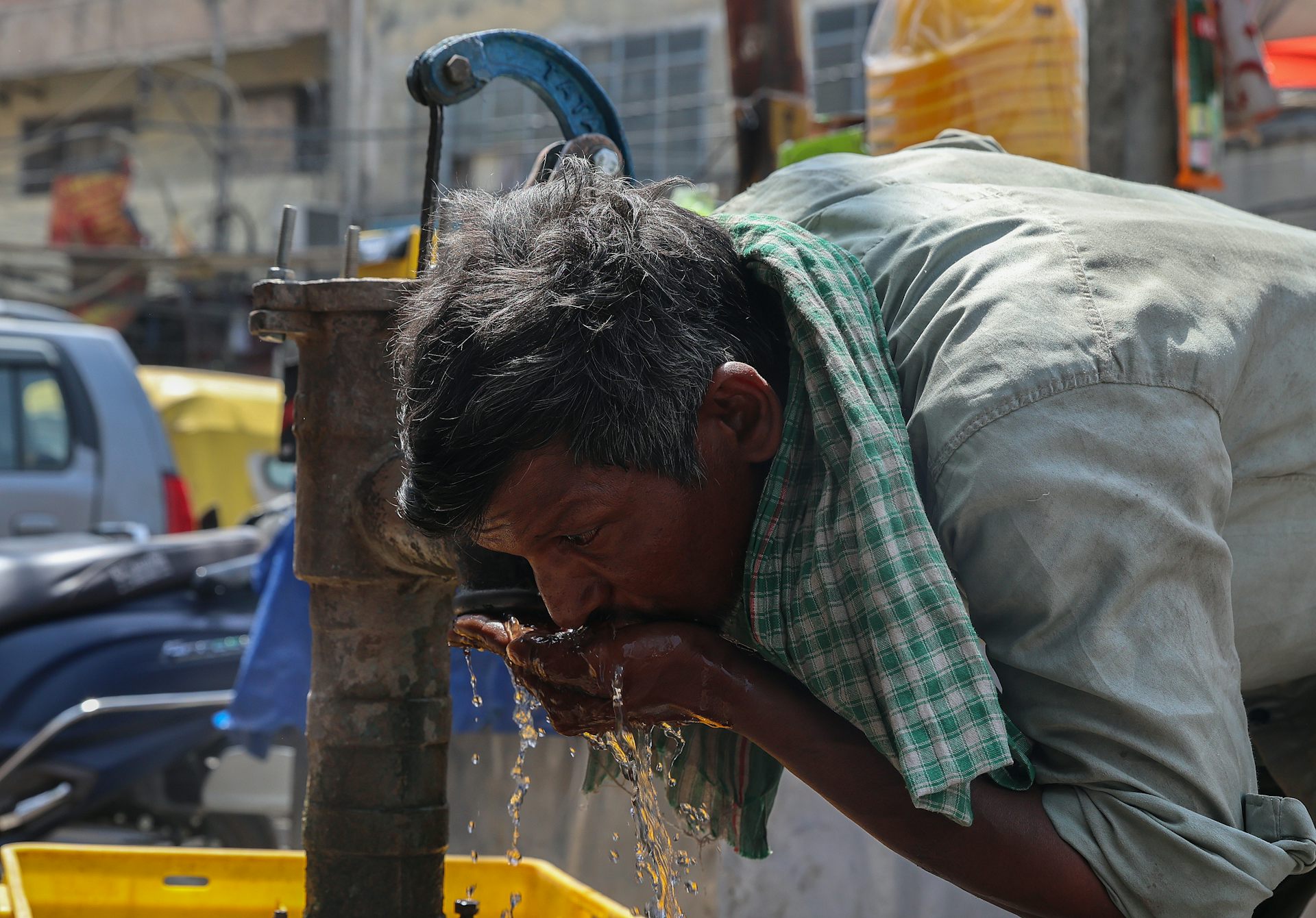
حار جداً ورطب جداً: لماذا تعد موجة الحر المستمرة في الهند وباكستان خطيرة للغاية
Too hot, too humid: why the sustained heatwave in India and Pakistan is so dangerous
Sustained, sweltering heat is hitting India and Pakistan hard – and humidity is making the situation even more dangerous.
تضرب الحرارة المستمرة واللاهبة الهند وباكستان بقوة – وتجعل الرطوبة الوضع أكثر خطورة.
India and Pakistan are no strangers to heat. This time of year is the worst, as heat peaks before the monsoon brings cooler conditions from June.
الهند وباكستان ليستا غريبتين عن الحرارة. يعتبر هذا الوقت من العام هو الأسوأ، حيث تبلغ درجات الحرارة ذروتها قبل أن يجلب الرياح الموسمية ظروفاً أكثر برودة اعتباراً من شهر يونيو.
But this year’s heat is something else. Intense, sustained heat began in mid-April. Daily maximum temperatures have topped 46°C in many locations, with some areas running around 5–8°C above seasonal norms.
لكن حرارة هذا العام شيء آخر. فقد بدأت حرارة شديدة ومستمرة في منتصف أبريل. وتجاوزت درجات الحرارة القصوى اليومية 46 درجة مئوية في العديد من المواقع، حيث سجلت بعض المناطق ارتفاعاً يتراوح بين 5 و 8 درجات مئوية فوق المعدلات الموسمية.
The unrelenting heat has driven record demand for electricity in India as people turn on air conditioners – and worsened drought conditions affecting more than a million square kilometres across both countries.
دفعت الحرارة التي لا ترحم بطلب قياسي للكهرباء في الهند مع تشغيل الناس لمكيفات الهواء – ومفاقمة ظروف الجفاف التي تؤثر على أكثر من مليون كيلومتر مربع في البلدين.
When extreme heat combines with humidity, it can be lethal. Human bodies cannot cool themselves easily in these conditions. The heatwave has claimed at least 37 lives in India and 10 in Pakistan. These figures are likely to be a major underestimate, as heat-related deaths are systemically undercounted in India.
عندما تترافق الحرارة الشديدة مع الرطوبة، يمكن أن تكون قاتلة. لا تستطيع أجسام البشر تبريد نفسها بسهولة في هذه الظروف. وقد أسفرت موجة الحر عن وفاة ما لا يقل عن 37 شخصاً في الهند و 10 أشخاص في باكستان. ومن المحتمل أن تكون هذه الأرقام أقل بكثير من الواقع، حيث يتم احتساب الوفيات المرتبطة بالحرارة بشكل أقل من اللازم على المستوى النظامي في الهند.
Why is it so hot?
لماذا الجو حار جداً؟
It’s usually a hot wait for the monsoon. But several factors can line up to make a bad season much worse.
عادةً ما يكون انتظار الرياح الموسمية حاراً. لكن عدة عوامل يمكن أن تتضافر لتجعل الموسم السيئ أسوأ بكثير.
One reason it’s been so bad this year is due to persistent high-pressure weather systems. When these systems sit in place, they make heatwaves more likely by suppressing cloud formation and reducing the chance of cooling rain. This year, strong high-pressure systems have lingered over parts of India and Pakistan, trapping hot air near the surface and allowing temperatures to build over many days.
أحد الأسباب وراء سوء هذا العام هو أنظمة الطقس ذات الضغط المرتفع والمستمرة. عندما تستقر هذه الأنظمة، فإنها تجعل موجات الحر أكثر احتمالاً عن طريق قمع تكون السحب وتقليل فرصة هطول الأمطار المبردة. هذا العام، استمرت أنظمة الضغط المرتفع القوية فوق أجزاء من الهند وباكستان، محاصرة الهواء الساخن بالقرب من السطح ومسمحة بارتفاع درجات الحرارة على مدى أيام عديدة.
With less rain, there’s more heat at ground level and soils dry out. Drier soils make things worse, because less heat is used up evaporating moisture in the soil and more goes into heating the land. High pressure systems can often hang around for many days, allowing extreme heat to build up.
مع قلة الأمطار، يزداد الحرارة على مستوى الأرض وتجف التربة. تجعل التربة الأكثر جفافاً الأمور أسوأ، لأن كمية أقل من الحرارة تُستخدم في تبخير الرطوبة في التربة، وتذهب المزيد منها إلى تسخين الأرض. يمكن لأنظمة الضغط المرتفع أن تستمر لعدة أيام، مما يسمح بتراكم الحرارة الشديدة.
It’s often worst in cities, as concrete and asphalt absorb heat during the day and release it slowly overnight. This means cities stay hotter overnight, boosting health risks for people without access to cooling.
غالباً ما يكون الوضع أسوأ في المدن، حيث يمتص الخرسانة والأسفلت الحرارة خلال النهار ويطلقونها ببطء خلال الليل. وهذا يعني أن المدن تظل أكثر حرارة ليلاً، مما يزيد من المخاطر الصحية للأشخاص الذين لا يتوفر لهم الوصول إلى التبريد.
Behind these immediate reasons is the big one: climate change. As the world gets steadily hotter, heatwaves get worse and worse. Estimates from World Weather Attribution suggest the first big heatwave from 15–29 April 2026 was made about three times more likely and about 1°C hotter due to climate change.
وراء هذه الأسباب المباشرة يكمن السبب الأكبر: تغير المناخ. مع ارتفاع حرارة العالم بشكل مطرد، تزداد موجات الحر سوءاً. تشير التقديرات الصادرة عن “World Weather Attribution” إلى أن موجة الحر الكبرى الأولى في الفترة من 15 إلى 29 أبريل 2026 كانت أكثر احتمالاً بثلاثة أضعاف وأكثر سخونة بحوالي 1 درجة مئوية بسبب تغير المناخ.
At current global levels of global warming (~1.4°C) , this means the subcontinent faces similar events about once every five years. At present, we’re tracking towards 2.6°C of warming by 2100. At that level of heat, heatwaves like this would hit every 2-3 years and be 2.2°C hotter.
عند المستويات العالمية الحالية للاحترار العالمي (حوالي 1.4 درجة مئوية) ، يعني هذا أن شبه القارة تواجه أحداثاً مماثلة مرة واحدة كل خمس سنوات تقريباً. حالياً، نتجه نحو ارتفاع بمقدار 2.6 درجة مئوية بحلول عام 2100. عند مستوى الحرارة هذا، ستضرب موجات حر كهذه كل 2-3 سنوات وستكون أكثر سخونة بمقدار 2.2 درجة مئوية.
Humidity makes heat much more lethal
الرطوبة تجعل الحرارة أكثر فتكاً بكثير
The number on a thermometer is only part of the danger.
الرقم الموجود على مقياس الحرارة هو جزء فقط من الخطر.
Many parts of India and Pakistan are intensely humid. When sustained extreme heat arrives, humidity acts to intensify the threat to health. Humidity levels are worsening in parts of the region.
أجزاء كثيرة من الهند وباكستان شديدة الرطوبة. وعندما تصل حرارة قصوى مستمرة، تعمل الرطوبة على تكثيف التهديد على الصحة. وتتدهور مستويات الرطوبة في أجزاء من المنطقة.
That’s because it’s harder to cool down naturally in humid conditions. Human bodies use sweating as the main method of cooling. When these beads of warm water evaporate off the skin, heat is carried away.
هذا لأن من الأصعب التبريد بشكل طبيعي في الظروف الرطبة. يستخدم جسم الإنسان التعرق كوسيلة التبريد الرئيسية. وعندما تتبخر قطرات الماء الدافئ هذه عن الجلد، يتم حمل الحرارة بعيداً.
Humid air makes sweating a much less effective method of cooling. When the air already holds a lot of moisture, it takes longer for sweat to evaporate. The body can keep getting hotter even as it sweats.
يجعل الهواء الرطب التعرق طريقة أقل فعالية بكثير للتبريد. عندما يحمل الهواء بالفعل الكثير من الرطوبة، يستغرق العرق وقتاً أطول ليتبخر. ويمكن أن يستمر الجسم في الاحترار حتى أثناء التعرق.
This is why scientists are increasingly concerned about lethal humidity – when heat and humidity combine to rapidly sicken or kill.
ولهذا السبب يزداد قلق العلماء بشأن الرطوبة المميتة – عندما تتحد الحرارة والرطوبة لتسبب المرض أو الموت السريع.
Dying like this is deeply unpleasant. It begins with the core body temperature rising. People sweat more to try to shed the heat, but sweating doesn’t work well. If there’s no reprieve, the body temperature can keeps rising past 40°C and heatstroke can set in, damaging the brain and other vital organs. This can be fatal without rapid cooling and urgent care.
الموت بهذه الطريقة أمر غير مريح للغاية. يبدأ بارتفاع درجة حرارة الجسم الأساسية. يتعرق الناس أكثر محاولين التخلص من الحرارة، لكن التعرق لا يعمل جيداً. وإذا لم يكن هناك راحة، يمكن أن تستمر درجة حرارة الجسم في الارتفاع لتتجاوز 40 درجة مئوية وقد تصاب بضربة الشمس، مما يضر الدماغ والأعضاء الحيوية الأخرى. وقد يكون هذا قاتلاً بدون تبريد سريع ورعاية عاجلة.
To gauge the combined danger of heat and humidity, scientists use measures such as the wet-bulb temperature. This reflects how much cooling is possible through sweating.
لتقدير الخطر المشترك للحرارة والرطوبة، يستخدم العلماء مقاييس مثل درجة حرارة الكرة المبللة. وهذا يعكس مقدار التبريد الممكن من خلال التعرق.
It used to be thought the limit for human survival was a wet-bulb temperature of 35°C. But new research shows heat and humidity can be lethal across a range of temperature and humidity combinations. For example, for older people who are outdoors, 35°C and 90% humidity is as deadly as 45°C and 30% humidity. These levels have already been reached during heatwaves in Southern Asia in recent years. For instance, even healthy 18-35 year olds are at risk of dying with humidity of 40% and temperatures of 45°C.
كان يُعتقد في السابق أن الحد الأقصى لبقاء الإنسان هو درجة حرارة كرة مبللة تبلغ 35 درجة مئوية. لكن الأبحاث الجديدة تظهر أن الحرارة والرطوبة يمكن أن تكون قاتلة عبر نطاق من توليفات درجات الحرارة والرطوبة. على سبيل المثال، بالنسبة لكبار السن في الهواء الطلق، فإن 35 درجة مئوية ورطوبة 90% قاتلة بقدر 45 درجة مئوية ورطوبة 30%. وقد تم الوصول إلى هذه المستويات بالفعل خلال موجات الحر في جنوب آسيا في السنوات الأخيرة. على سبيل المثال، حتى الشباب الأصحاء الذين تتراوح أعمارهم بين 18 و 35 عاماً معرضون لخطر الموت برطوبة 40% ودرجات حرارة 45 درجة مئوية.
It’s likely some areas of the subcontinent have hit those limits at times during this intense period of heat. But we can’t say for sure, as most weather bulletins give air temperatures rather than wet-bulb temperature.
من المحتمل أن تكون بعض مناطق شبه القارة قد وصلت إلى تلك الحدود في أوقات خلال فترة الحرارة الشديدة هذه. لكن لا يمكننا التأكيد، لأن معظم النشرات الجوية تقدم درجات حرارة الهواء بدلاً من درجة حرارة الكرة المبللة.
A threat faced unequally
تهديد يواجه بشكل غير متساوٍ
The risks of heat and humidity are not faced equally. Wealthier people can turn on the air conditioner and avoid going outdoors.
لا تواجه مخاطر الحرارة والرطوبة بشكل متساوٍ. يمكن للأشخاص الأكثر ثراءً تشغيل مكيفات الهواء وتجنب الخروج إلى الهواء الطلق.
But poorer people in informal settlements can’t escape the heat. Neither can construction workers, farmers, delivery riders and others doing physically demanding work outdoors.
لكن الفقراء في المستوطنات العشوائية لا يستطيعون الهروب من الحرارة. ولا يستطيع عمال البناء، والمزارعون، وسائقي التوصيل، وغيرهم ممن يقومون بعمل شاق جسديًا في الهواء الطلق.
There’s another risk too. The body needs cooler temperatures overnight to recover from intense heat. When the heat continues overnight, there’s no relief.
هناك خطر آخر أيضًا. يحتاج الجسم إلى درجات حرارة أكثر برودة ليلاً للتعافي من الحرارة الشديدة. وعندما تستمر الحرارة طوال الليل، فلا يوجد أي راحة.
While cities are hotter than the surrounding areas, rural communities still face threats from heat and humidity. That’s because more work tends to be outdoors, healthcare is often far away and cooling is limited.
على الرغم من أن المدن أكثر حرارة من المناطق المحيطة، إلا أن المجتمعات الريفية لا تزال تواجه تهديدات من الحرارة والرطوبة. ويرجع ذلك إلى أن العمل يميل إلى أن يكون في الهواء الطلق، وغالبًا ما تكون الرعاية الصحية بعيدة، وتكون وسائل التبريد محدودة.
When could relief come?
متى يمكن أن يأتي الارتياح؟
When the monsoon arrives, it usually brings cooler conditions. Cloud cover and widespread rainfall help lower daytime temperatures, though humidity often stays high. The monsoon usually arrives in early June in southern India and covers the whole country by mid-July. In Pakistan, the monsoon typically arrives later, usually beginning in early July. The monsoon often lasts till September.
عندما تصل الرياح الموسمية، فإنها عادة ما تجلب ظروفًا أكثر برودة. تساعد التغطية السحابية وهطول الأمطار الواسع النطاق على خفض درجات الحرارة النهارية، على الرغم من أن الرطوبة غالبًا ما تظل مرتفعة. تصل الرياح الموسمية عادة في أوائل يونيو في جنوب الهند وتغطي البلاد بأكملها بحلول منتصف يوليو. في باكستان، تصل الرياح الموسمية عادة في وقت متأخر، وتبدأ عادة في أوائل يوليو. غالبًا ما تستمر الرياح الموسمية حتى سبتمبر.
Relief can’t come too soon for the region.
لا يمكن أن يأتي الارتياح للمنطقة مبكرًا جدًا.
Unfortunately, it won’t be the last threat. But as climate change ramps up, extreme heat and humidity will hit these nations more often – and more severely.
لسوء الحظ، لن يكون هذا هو التهديد الأخير. ولكن مع تصاعد تغير المناخ، ستضرب هذه الدول موجات الحر والرطوبة الشديدة بشكل أكثر تكرارًا – وبشكل أكثر شدة.
Oluwafemi E. Adeyeri receives funding from the Australian Research Council.
يتلقى أولوفافيمي إي. أدييري تمويلاً من المجلس الأسترالي للبحوث.
Sarah Perkins-Kirkpatrick receives funding from the Australian Research Council and is President of the Australian Meteorological and Oceanographic Society.
تتلقى سارة بيركنز-كيركباتريك تمويلاً من المجلس الأسترالي للبحوث وهي رئيسة الجمعية الأسترالية للأرصاد الجوية والمحيطات.
Read more
-

كانت مواضيع السلام والكرامة الإنسانية محورية بالنسبة للبابا ليو مع بلوغه عامه الأول في منصبه
Themes of peace and human dignity have been central to Pope Leo as he marks his first year in office
-
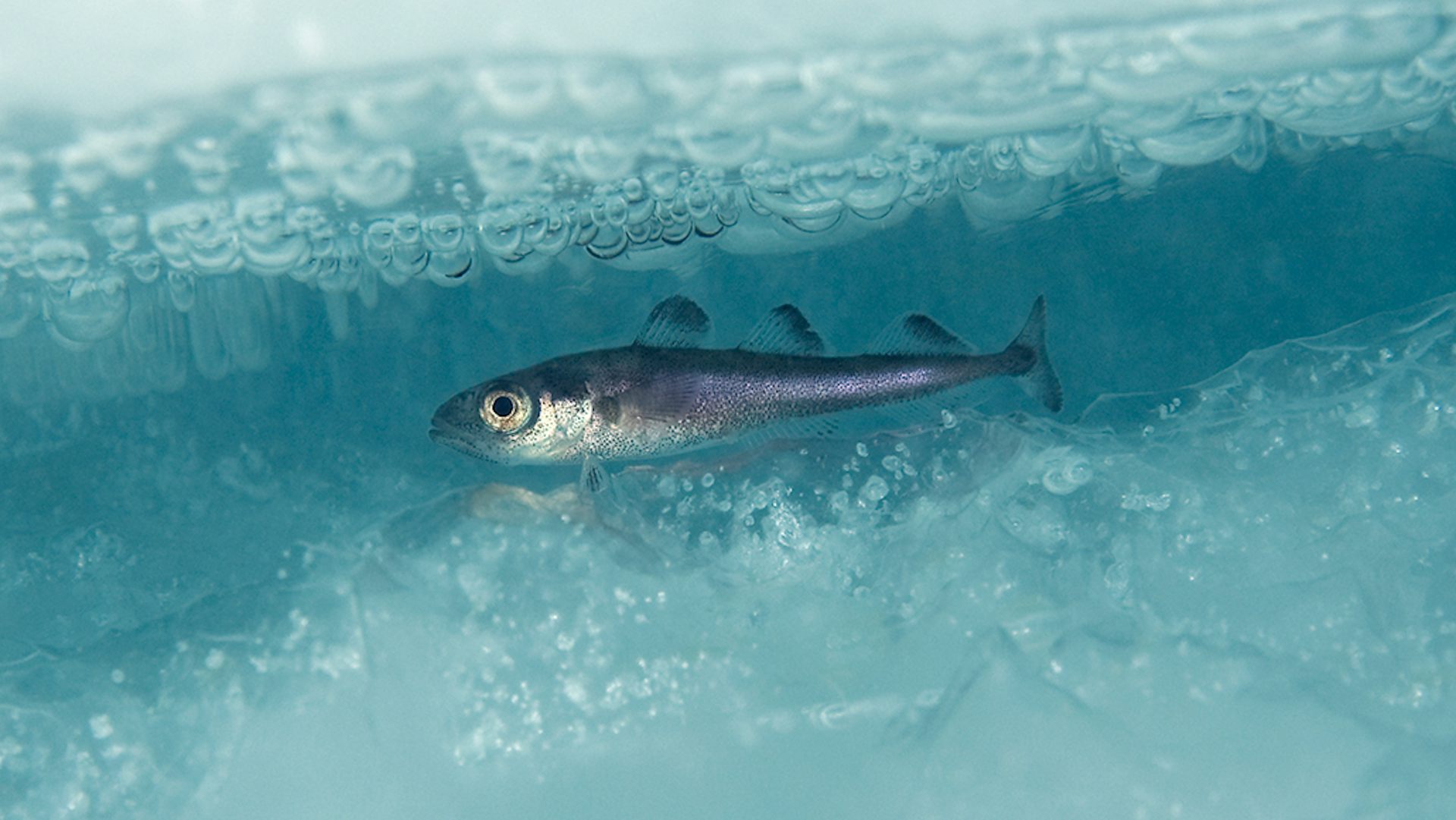
لقد أبقت اتفاقية صيد الأسماك الناجحة في القطب الشمالي روسيا والصين والولايات المتحدة وغيرهما على العمل معًا لمدة 5 سنوات – وقد تكون نموذجاً للدبلوماسية المستقبلية.
This successful Arctic fishing treaty has kept Russia, China, the US and others working together for 5 years – it could be a model for future diplomacy