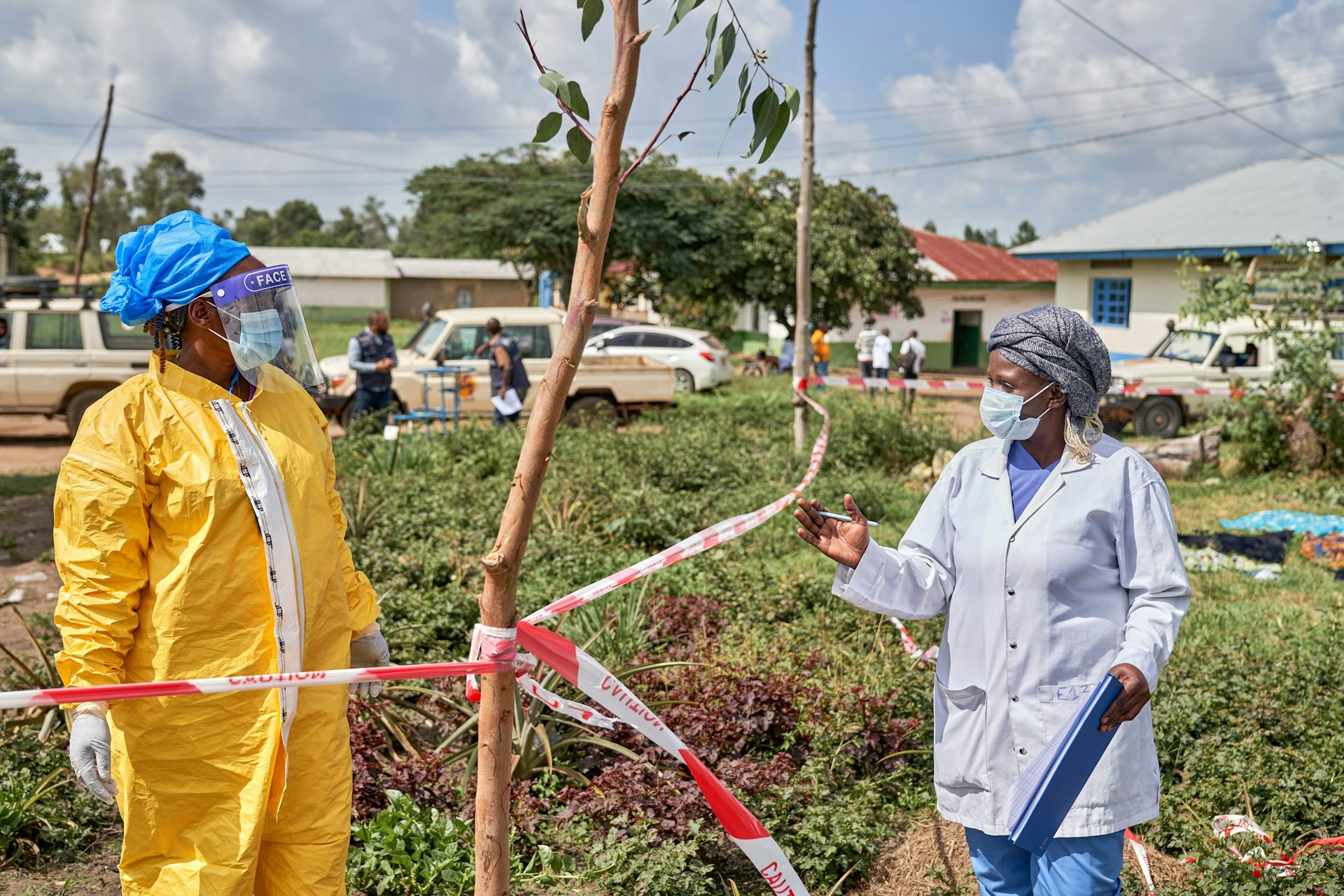
تتسابق السلطات الصحية لاحتواء إيبولا في جمهورية الكونغو الديمقراطية وأوغندا. وإليك ما يجعل الأمر صعباً للغاية.
Health authorities are racing to contain Ebola in the DRC and Uganda. Here’s what’s making it so challenging
Case numbers have steadily increased since the outbreak was confirmed on May 15.
تزايدت أعداد الحالات بثبات منذ تأكيد التفشي في 15 مايو.
The Democratic Republic of Congo (DRC) is grappling with a rising Ebola epidemic, with almost 600 cases detected so far and more than 130 deaths.
تواجه جمهورية الكونغو الديمقراطية (ج.ك.د) وباء إيبولا متصاعد، حيث تم اكتشاف ما يقرب من 600 حالة حتى الآن وأكثر من 130 حالة وفاة.
Ebola is a rare virus that initially causes a fever, fatigue, muscle pain, then vomiting and diarrhoea. It can then progress to the hemorrhagic stage, with internal bleeding – which presents as blood in vomit and faeces – as well as bleeding as from parts of the body including the nose, gums, vagina and needle punctures.
إيبولا هو فيروس نادر يسبب في البداية الحمى، والتعب، وآلام العضلات، ثم القيء والإسهال. ويمكن أن يتطور بعد ذلك إلى المرحلة النزفية، مع نزيف داخلي – والذي يظهر على شكل دم في القيء والبراز – بالإضافة إلى النزيف من أجزاء الجسم بما في ذلك الأنف، واللثة، والمهبل، وثقوب الإبر.
Ebola primarily spreads through contact with bodily fluids such as blood, faeces and vomit. It can be contracted from contaminated surfaces or contact with bodies of those who have died, but can also spread by other routes including without contact.
ينتشر الإيبولا بشكل أساسي عبر ملامسة سوائل الجسم مثل الدم والبراز والقيء. ويمكن أن يُكتسب من الأسطح الملوثة أو ملامسة جثث المتوفين، ولكنه يمكن أن ينتشر أيضاً عبر طرق أخرى بما في ذلك دون ملامسة.
This current outbreak, caused by the rare Bundibugyo strain, was first confirmed as Ebola on May 15. It was already estimated to have 246 cases at the time of this confirmation.
تم تأكيد تفشي المرض الحالي، الذي سببه سلالة بونديبوغيو النادرة، كإيبولا لأول مرة في الخامس عشر من مايو. وقد قُدِّر بالفعل أن يبلغ عدد الحالات 246 حالة في وقت هذا التأكيد.
As surveillance efforts stepped up, it became clear the outbreak was more than double that size, with spread to Uganda.
مع تكثيف جهود الرصد، اتضح أن تفشي المرض كان أكثر من ضعف ذلك الحجم، مع انتشاره إلى أوغندا.
So what are health authorities doing to get the virus under control and why is it such a challenge?
فماذا تفعل السلطات الصحية للسيطرة على الفيروس، ولماذا يمثل ذلك تحديًا كبيرًا؟
And what can health authorities in Africa, as well as the rest of the world, learn from previous outbreaks?
وما الذي يمكن أن تتعلمه السلطات الصحية في أفريقيا، وكذلك بقية العالم، من التفشيات السابقة؟
How did so many people get sick so quickly?
كيف مرض الكثير من الناس بهذه السرعة؟
Ebola has a long incubation period of two to three weeks or longer. This means the number of infected people has likely been growing since at least March or April.
لإيبولا فترة حضانة طويلة تتراوح بين أسبوعين إلى ثلاثة أسابيع أو أكثر. وهذا يعني أن عدد المصابين ربما كان يتزايد منذ مارس أو أبريل على الأقل.
Our epidemic early warning system, Epiwatch, saw signals of unknown illness in the DRC on April 13, with reports of hemorrhagic fever noted even earlier on March 13.
شهد نظامنا للإنذار المبكر للأوبئة، إبيواتش (Epiwatch) ، إشارات لمرض مجهول في جمهورية الكونغو الديمقراطية في 13 أبريل، مع تقارير عن حمى نزفية سُجلت حتى قبل ذلك في 13 مارس.
The delay in diagnosing Ebola may have been due to initial testing targeting the more common Zaire strain of Ebola. Tests must be specific to Bundibugyo.
قد يكون التأخير في تشخيص إيبولا بسبب أن الاختبارات الأولية كانت تستهدف سلالة زايير الأكثر شيوعًا من إيبولا. يجب أن تكون الاختبارات خاصة بـ “بونديبيغيو.”
The DRC is also experiencing other serious outbreaks including mpox and measles, as well as malnutrition and chronic malaria.
تشهد جمهورية الكونغو الديمقراطية أيضًا تفشّيات خطيرة أخرى بما في ذلك مرض جدري القردة والحصبة، بالإضافة إلى سوء التغذية والملاريا المزمنة.
These underlying factors can make epidemics more severe and harder to detect.
يمكن أن تجعل هذه العوامل الأساسية الأوبئة أكثر شدة وأصعب في الكشف.
How big did previous outbreaks get?
ما مدى ضخامة تفشي الأمراض السابقة؟
The worst Ebola epidemic in history was over 28,000 cases in the 2014 West African epidemic. More than 11,000 people died from this Zaire strain, as vaccines were not yet available at the peak of the epidemic.
كان أسوأ وباء إيبولا في التاريخ هو أكثر من 28,000 حالة في وباء غرب إفريقيا عام 2014. وتوفي أكثر من 11,000 شخص بسبب سلالة زائير هذه، حيث لم تكن اللقاحات متاحة بعد في ذروة الوباء.
In the DRC, the last epidemic of 64 cases was in late 2025. The largest epidemic in the DRC was in 2018-2019 with more than 3,000 cases. These were both the Zaire strain.
في جمهورية الكونغو الديمقراطية، كان آخر وباء بـ 64 حالة في أواخر عام 2025. وكان أكبر وباء في جمهورية الكونغو الديمقراطية في الفترة 2018-2019 بأكثر من 3,000 حالة. وكلاهما كان من سلالة زائير.
There have only been two other Bundibugyo outbreaks. The first, in 2007 with 149 cases, was in the Bundibugyo District of western Uganda, near the DRC border. The second, in 2012, was in the DRC, with 57 cases. The current Bundibugyo epidemic is already the largest in history.
لم تكن هناك سوى تفشيعين آخرين في بونديبوغيو. الأول، في عام 2007 بـ 149 حالة، كان في مقاطعة بونديبوغيو بغرب أوغندا، بالقرب من حدود جمهورية الكونغو الديمقراطية. والثاني، في عام 2012، كان في جمهورية الكونغو الديمقراطية، بـ 57 حالة. ويُعد الوباء الحالي في بونديبوغيو بالفعل الأكبر في التاريخ.
While Bundibugyo is not as lethal as the Zaire strain, it can kill 30–50% of infected people. The fatality rate in this epidemic appears close to 30%, with 139 deaths reported from almost 600 cases.
على الرغم من أن بونديبوغيو ليس قاتلاً مثل سلالة زائير، إلا أنه يمكن أن يقتل ما بين 30-50% من المصابين. ويبدو معدل الوفيات في هذا الوباء قريبًا من 30%، مع تسجيل 139 حالة وفاة من ما يقرب من 600 حالة.
Unlike the Zaire strain, for which there are treatments and vaccines, there are no approved drugs or vaccines for the Bundibugyo strain.
على عكس سلالة زائير، التي تتوفر لها علاجات ولقاحات، لا توجد أدوية أو لقاحات معتمدة لسلالة بونديبوغيو.
However, the World Health Organization has sponsored clinical trials of a monoclonal antibody and the antiviral remdesivir, a drug which is also used for COVID.
ومع ذلك، قامت منظمة الصحة العالمية برعاية التجارب السريرية لجسم مضاد وحيد النسيلة ومضاد الفيروسات ريمديسيفير، وهو دواء يستخدم أيضًا في علاج كوفيد.
We may see higher fatality rates unless non-pharmaceutical measures ramp up.
قد نشهد معدلات وفيات أعلى ما لم يتم تعزيز التدابير غير الصيدلانية.
How can it be stopped?
كيف يمكن إيقافه؟
The epidemic can be stopped by coordinated surveillance and containment. This is by identifying cases, isolating them so they cannot infect others, tracing their contacts and quarantining them.
يمكن إيقاف الوباء من خلال المراقبة والاحتواء المنسقين. ويتم ذلك بتحديد الحالات، وعزلها حتى لا تتمكن من إصابة الآخرين، وتتبع مخالطيها، وحجرها.
In 2014, these measures alone controlled the Ebola epidemic at a time when no treatments or vaccines were available. This means health system capacity is the key to epidemic control.
في عام 2014، نجحت هذه الإجراءات وحدها في السيطرة على وباء الإيبولا في وقت لم تتوفر فيه أي علاجات أو لقاحات. وهذا يعني أن قدرة النظام الصحي هي المفتاح للسيطرة على الأوبئة.
There were not enough beds for Ebola patients in the 2014 epidemic, so health authorities built tent hospitals to help bring the epidemic under control. This could be considered if hospitals are overwhelmed.
لم تكن هناك أسرة كافية لمرضى الإيبولا في وباء عام 2014، لذلك بنت السلطات الصحية مستشفيات خيام للمساعدة في السيطرة على الوباء. يمكن النظر في هذا الأمر إذا كانت المستشفيات مثقلة بالأعباء.
The DRC has limited capacity to diagnose Ebola, so it’s important to scale up surveillance and testing. A clinical case definition (such as “fever and bleeding means a probable case”) can be used if testing is not available.
لدى جمهورية الكونغو الديمقراطية قدرة محدودة على تشخيص الإيبولا، لذا من المهم تعزيز المراقبة والاختبار. يمكن استخدام تعريف سريري للحالة (مثل “الحمى والنزيف تعني حالة محتملة”) إذا لم يكن الاختبار متاحاً.
Simple surveillance systems – such as open-source intelligence, where community chatter and local news reports can provide signals of epidemics – can help. So can providing incentives for communities to report suspected cases.
يمكن للأنظمة البسيطة للمراقبة – مثل الاستخبارات مفتوحة المصدر، حيث يمكن أن توفر محادثات المجتمع وتقارير الأخبار المحلية إشارات للأوبئة – أن تساعد. وكذلك توفير الحوافز للمجتمعات للإبلاغ عن الحالات المشتبه بها.
It’s also essential to communicate and work with communities and community leaders from the ground up. In the 2014 epidemic, locals murdered eight Ebola workers who provided health education, showing how important trust and community relationships are.
من الضروري أيضاً التواصل والعمل مع المجتمعات وقادة المجتمع من القاعدة إلى القمة. ففي وباء عام 2014، قام السكان المحليون بقتل ثمانية من العاملين في مجال الإيبولا الذين قدموا التثقيف الصحي، مما يظهر مدى أهمية الثقة والعلاقات المجتمعية.
Health workers, close contacts and funeral attendants need extra precautions
يحتاج العاملون الصحيون، وجهات الاتصال الوثيقة، والمرافقون في الجنازات إلى احتياطات إضافية.
Ebola is predominantly spread by contact with blood and bodily fluids. Those most at risk are close contacts of patients with Ebola, health workers and people attending funerals, which often involves touching the body.
ينتشر الإيبولا بشكل أساسي عن طريق التلامس مع الدم والسوائل الجسدية. والأكثر عرضة للخطر هم جهات الاتصال الوثيقة بالمرضى المصابين بالإيبولا، والعاملون الصحيون، والأشخاص الذين يحضرون الجنازات، الأمر الذي يتضمن غالبًا لمس الجسد.
At least four health workers have been infected, including one American missionary doctor.
أصيب أربعة عاملين صحيين على الأقل، بمن فيهم طبيب مبشر أمريكي.
Given the high fatality rate, health workers should be provided the highest level of personal protection.
نظرًا لمعدل الوفيات المرتفع، يجب تزويد العاملين الصحيين بأعلى مستوى من الحماية الشخصية.
What can other countries do?
ماذا يمكن للبلدان الأخرى أن تفعله؟
Ebola is a concern for all of us, because travel can result in infections occurring in any country. During the 2014 West African epidemic, cases also occurred outside the main affected countries, the largest number in Nigeria.
يمثل الإيبولا مصدر قلق لنا جميعاً، لأن السفر يمكن أن يؤدي إلى تفشي التهابات في أي بلد. وخلال وباء غرب أفريقيا عام 2014، حدثت حالات أيضاً خارج البلدان المتضررة الرئيسية، وكان العدد الأكبر في نيجيريا.
Failure to initially diagnose a case in Texas resulted in four other people becoming infected, including health workers.
أدى الفشل في تشخيص حالة في تكساس في البداية إلى إصابة أربعة أشخاص آخرين، بمن فيهم العاملون في مجال الرعاية الصحية.
Whether facing hantavirus or Ebola, emergency departments need tools to improve their awareness of and ability to prevent hospital outbreaks.
سواء واجهت الأقسام الطبية الطارئة فيروس الهانتا أو الإيبولا، فإنها تحتاج إلى أدوات لتحسين وعيها وقدرتها على منع تفشي الأمراض في المستشفيات.
Busy staff in emergency triage may send someone with a fever back to the waiting room for hours, not realising they have travelled recently and may have a serious infectious disease. In South Korea, a person with the deadly Middle Eastern Respiratory Syndrome (MERS) virus was in the emergency department for many hours, and a huge outbreak resulted.
قد يرسل الموظفون المشغولون في فرز الحالات الطارئة شخصاً يعاني من الحمى إلى غرفة الانتظار لساعات، دون أن يدركوا أنه سافر مؤخراً وقد يكون مصاباً بمرض معدٍ خطير. وفي كوريا الجنوبية، كان شخص مصاب بفيروس متلازمة الشرق الأوسط التنفسية (MERS) المميت في قسم الطوارئ لساعات عديدة، ونتج عن ذلك تفشي كبير.
One useful tool for hospitals is a decision-support system used during triage that prompts staff to ask for a patient’s travel history and provides data on disease outbreaks in the country of travel. This means patients with deadly infections may be isolated before they can infect others.
إحدى الأدوات المفيدة للمستشفيات هي نظام دعم القرار المستخدم أثناء الفرز، والذي يحث الموظفين على السؤال عن تاريخ سفر المريض ويوفر بيانات حول تفشي الأمراض في بلد السفر. وهذا يعني أنه يمكن عزل المرضى المصابين بالتهابات مميتة قبل أن يتمكنوا من إصابة الآخرين.
Another concern is that if the outbreak becomes much larger, there may be survivors who still harbour the virus for many months or longer after recovery. They could continue to infect others after this epidemic is over if they come into contact with bodily fluids such as semen, amniotic fluid or breast milk, as well as fluids from the placenta or eye.
مصدر قلق آخر هو أنه إذا أصبح التفشي أكبر بكثير، فقد يكون هناك ناجون ما زالوا يحملون الفيروس لأشهر عديدة أو أكثر بعد التعافي. ويمكنهم الاستمرار في إصابة الآخرين بعد انتهاء هذا الوباء إذا تعرضوا لسوائل الجسم مثل السائل المنوي أو السائل الأمنيوسي أو حليب الثدي، بالإضافة إلى السوائل القادمة من المشيمة أو العين.
The WHO declaring a public health emergency of international concern helps, as it activates a range of additional measures and resources for outbreak control.
يساعد إعلان منظمة الصحة العالمية حالة طوارئ صحية عامة تثير قلقاً دولياً، لأنه ينشط مجموعة من التدابير والموارد الإضافية للسيطرة على تفشي المرض.
C Raina MacIntyre is the founder of EPIWATCH Global Pty Ltd which tracks global epidemics. She receives funding from NHMRC Investigator Grant 2016907 and NHMRC Centre for Research Excellence GNT2006595.
إن سي راينا ماكاينتاير هي مؤسسة شركة EPIWATCH Global Pty Ltd التي تتتبع الأوبئة العالمية. وتتلقى التمويل من منحة الباحثين التابعة للمجلس الوطني للصحة العامة (NHMRC) رقم 2016907 ومركز التميز البحثي التابع للمجلس الوطني للصحة العامة (NHMRC) رقم GNT2006595.
Ashley Quigley, Mohana Priya Kunasekaran, and Noor Jahan Begum Bari do not work for, consult, own shares in or receive funding from any company or organisation that would benefit from this article, and have disclosed no relevant affiliations beyond their academic appointment.
لا تعمل آشلي كويغلي، وموهانا بريا كناسيكاران، ونور جهان بيغوم باري لدى، أو تستشير، أو تمتلك حصصاً في، أو تتلقى تمويلاً من أي شركة أو منظمة تستفيد من هذه المقالة، ولم يفصحن عن أي انتماءات ذات صلة تتجاوز تعيينهن الأكاديمي.
Read more
-

129,000 سنة من التماسيح: ما نعرفه عن الحيوانات المفترسة العليا القديمة في أستراليا وأوقيانوسيا
129,000 years of crocodiles: what we know about Australasia’s ancient apex predators
-

هل يقوم روبوت الدردشة (Chatbot) بالذكاء الاصطناعي بالتلاعب بك؟ يعيد تشكيل آرائك بخفية؟
Is your AI chatbot manipulating you? Subtly reshaping your opinions?