أفريقيا في كأس العالم: 10 فرق، ومدربون محليون وعمق تكتيكي يفتتحون حقبة جديدة
Africa at the World Cup: 10 teams, local coaches and tactical depth usher in a new era
Africa is finally ready to disrupt the global football status quo.
أفريقيا مستعدة أخيراً لزعزعة الوضع الراهن لكرة القدم العالمية.
The 2026 men’s Fifa World Cup marks a seismic shift in the global football landscape. The decision to expand the final stage of the tournament from 32 teams to 48 has significantly benefited the Confederation of African Football (Caf) .
يمثل كأس العالم لكرة القدم للرجال 2026 تحولاً جذرياً في المشهد الكروي العالمي. وقد استفاد الاتحاد الأفريقي لكرة القدم (الكاف) بشكل كبير من قرار توسيع المرحلة النهائية للبطولة من 32 فريقاً إلى 48 فريقاً.
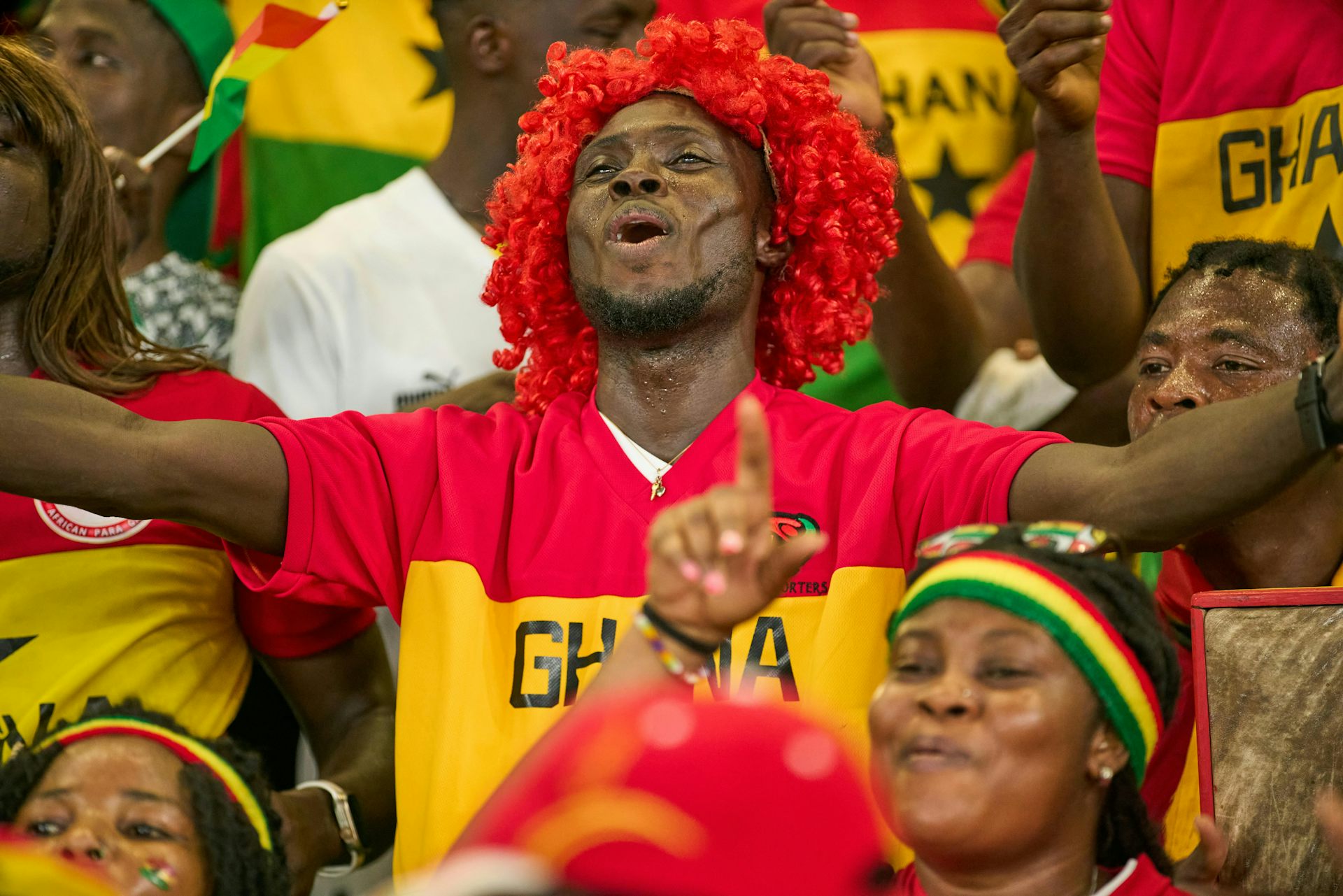
In 2018 and 2022, Africa was represented by five nations; this year, a record 10 teams will take the stage. They are, in order of their Fifa world ranking: Morocco (ranked 8) , Senegal (14) , Algeria (28) , Egypt (29) , Côte d’Ivoire (34) , Tunisia (44) , Democratic Republic of Congo (46) , South Africa (60) , Cape Verde (69) and Ghana (74) .
في عامي 2018 و 2022، مثلت أفريقيا خمسة بلدان؛ أما هذا العام، فسيشارك فيها رقم قياسي يضم 10 فرق. وهي، حسب ترتيبها العالمي في الفيفا: المغرب (المرتبة 8) ، والسنغال (14) ، والجزائر (28) ، ومصر (29) ، وساحل العاج (34) ، وتونس (44) ، وجمهورية الكونغو الديمقراطية (46) ، وجنوب أفريقيا (60) ، وكاب فيردي (69) ، وغانا (74) .
As a sport scientist who has spent decades researching African football, including the continent’s performances at the World Cup, I view this expansion as both a lasting legacy and a justified reward for African football’s sustained advocacy, boardroom activism, and robust on-field execution. It’s not just a numerical increase; it’s a major structural event.
بصفتي عالم رياضة قضيت عقوداً في البحث في كرة القدم الأفريقية، بما في ذلك أداء القارة في كأس العالم، أرى أن هذا التوسع يمثل إرثاً دائماً ومكافأة مبررة للدعم المستمر لكرة القدم الأفريقية، ونشاطها في مجالس الإدارة، وتطبيقها القوي في الملاعب. إنها ليست مجرد زيادة عددية؛ بل هي حدث هيكلي كبير.
The narrative surrounding African football has shifted since the hopeful prophecies made by Brazilian star Pelé in the 20th century. After touring the continent in 1977 and witnessing the tremendous talent and established pipeline to European football, he predicted that an African nation would win the World Cup before the year 2000. He later adjusted his timeline to 2010. In 2026 it is a concrete possibility thanks to African football’s tactical maturity.
لقد تغير السرد المحيط بكرة القدم الأفريقية منذ النبوءات المفعمة بالأمل التي أطلقها النجم البرازيلي بيليه في القرن العشرين. فبعد جولته في القارة عام 1977 ومشاهدته للموهبة الهائلة والمسار الراسخ لكرة القدم الأوروبية، تنبأ بأن دولة أفريقية ستفوز بكأس العالم قبل عام 2000. وقد عدّل لاحقاً إطاره الزمني ليصبح 2010. وفي عام 2026، أصبح هذا احتمالاً ملموساً بفضل النضج التكتيكي لكرة القدم الأفريقية.
Here I consider five trends and challenges facing the 10 African teams as they head to the US, Canada and Mexico to take part, and how the event may play out for them.
هنا، سأتناول خمسة اتجاهات وتحديات تواجه الفرق العشرة الأفريقية وهي تتجه إلى الولايات المتحدة وكندا والمكسيك للمشاركة، وكيف يمكن أن يتكشف هذا الحدث بالنسبة لها.
1. The significance of 10 teams
1. أهمية عشرة فرق
Until now, Africa’s qualification process for the tournament was arguably the most brutal in world football. Strong teams often missed out on the global showpiece due to a system that allowed no room for error. The jump to nine guaranteed spots – plus a tenth secured by Cape Verde through the inter-confederation play-offs – has finally aligned the continent’s representation with its competitive depth.
حتى الآن، كانت عملية تصفيات أفريقيا لكأس العالم هي الأقسى بلا منازع في كرة القدم العالمية. وغالباً ما كانت الفرق القوية تفوّت المشاركة في الحدث العالمي بسبب نظام لا يترك مجالاً للخطأ. إن الانتقال إلى تسع أماكن مضمونة – بالإضافة إلى مكان عاشر ضمنه الرأس الأخضر عبر التصفيات البينية للقارات – قد نجح أخيراً في مواءمة تمثيل القارة مع عمقها التنافسي.
This expansion addresses a long-standing “geopolitical bottleneck”. By doubling its presence, Caf ensures that the World Cup is no longer just a snapshot of African football, but a comprehensive gallery.
ويعالج هذا التوسع “عنق الزجاجة الجيوسياسي” الذي طال أمد وجوده. فمن خلال مضاعفة حضوره، تضمن الكاف أن كأس العالم لم يعد مجرد لقطة عابرة من كرة القدم الأفريقية، بل معرض شامل.
Fans will witness the return of historical giants like South Africa and the DRC alongside perennial contenders like Egypt and Algeria and contemporary favourites like Morocco and Senegal, creating a diverse tactical mosaic.
سيشهد المشجعون عودة عمالقة تاريخيين مثل جنوب أفريقيا وجمهورية الكونغو الديمقراطية إلى جانب المنافسين الخالدين مثل مصر والجزائر، والمفضلين المعاصرين مثل المغرب والسنغال، مما يخلق فسيفساء تكتيكية متنوعة.
2. The ‘Morocco effect’
٢. “تأثير المغرب”
The 2022 World Cup in Qatar was a watershed moment. Morocco’s journey to the semi-finals shattered the “quarter-final ceiling” that had frustrated African ambitions since Cameroon’s 1990 run. This achievement fundamentally altered the performance expectations of the 10 teams heading to North America.
كان كأس العالم 2022 في قطر لحظة فاصلة. فقد حطمت رحلة المغرب إلى نصف النهائي “سقف ربع النهائي” الذي أحبط الطموحات الأفريقية منذ مشاركة الكاميرون عام 1990. غيّر هذا الإنجاز بشكل جوهري توقعات الأداء للفرق العشرة المتجهة إلى أمريكا الشمالية.
No longer are African teams arriving with the primary goal of avoiding embarrassment. There is a palpable sense of entitlement to the late stages of the tournament.
لم تعد الفرق الأفريقية تصل بهدف أساسي هو تجنب الإحراج. بل هناك شعور ملموس بالاستحقاق للمراحل المتأخرة من البطولة.
Morocco enters the tournament not as a “Cinderella story” but as a top-tier seed. This shift from “participant” to “contender” is the single most important development in the African game over the last four years.
يدخل المغرب البطولة ليس كـ “قصة سندريلا” بل كمرشح من الطراز الأول. ويُعد هذا التحول من “مشارك” إلى “منافس” أهم تطور في كرة القدم الأفريقية خلال السنوات الأربع الماضية.
3. Old guard meets a new one
3. لقاء العمالقة القدامى بالوافدين الجدد
The 2026 roster is a fascinating blend of heritage and novelty. The return of South Africa (Bafana Bafana) – after a 16-year hiatus – and DRC (The Leopards) – appearing for the first time since 1974 – adds immense historical weight to the cohort. These are nations with deep footballing cultures that have spent years in the competitive wilderness.
تُشكّل قائمة فرق عام 2026 مزيجاً ساحراً من التراث والحداثة. ويضيف عودة جنوب أفريقيا (بافانا بافانا) – بعد انقطاع دام 16 عاماً – وجمهورية الكونغو الديمقراطية (النمور) – التي تظهر لأول مرة منذ عام 1974 – ثقلاً تاريخياً هائلاً على هذه المجموعة. فهذه دول ذات ثقافات كرة قدم عميقة قضت سنوات في ساحة المنافسة القاسية.
Conversely, the first ever qualification of Cape Verde (The Blue Sharks) represents the “new guard”. A nation with a population of just over 500,000 has outperformed continental powerhouses. Their success is a testament to the efficient scouting of the Lusophone diaspora and a sophisticated tactical identity. Their presence serves as a reminder that, in the modern game, organisational stability and technical clarity can overcome lack of scale.
في المقابل، يمثل التأهل الأول على الإطلاق لـ “الرّافيديف” (القروش الزرقاء) “الجيل الجديد.” فدولة يبلغ عدد سكانها ما يزيد قليلاً عن 500,000، تفوقت على القوى العظمى القارية. ويُعد نجاحها دليلاً على الكشف الفعال في الشتات الناطق بالبرتغالية وعلى هوية تكتيكية متطورة. ويُذكّر وجودها بأن الاستقرار التنظيمي والوضوح التقني يمكن أن يتغلبا على نقص الحجم في اللعبة الحديثة.
4. The rise of the homegrown tactician
4. صعود التكتيكي المحلي
A quiet revolution has also taken place on the touchline. In previous decades, African federations were criticised for a “white-coach-in-a-suitcase” approach – hiring European managers shortly before major tournaments. Today, the trend has reversed.
لقد حدثت ثورة هادئة أيضاً على خط التماس. ففي العقود الماضية، تعرضت الاتحادات الأفريقية للانتقاد بسبب نهج “المدرب الأبيض في الحقيبة” – حيث كانوا يستقدمون مدربين أوروبيين قبل البطولات الكبرى بوقت قصير. أما اليوم، فقد انعكس هذا التوجه.
The success of Walid Regragui (Morocco) and Emerse Faé (Côte d’Ivoire) has validated the “homegrown” model. Eight of the 10 African teams are led by local coaches or members of the diaspora who share a cultural and emotional connection with their squads.
لقد أثبت نجاح وليد الركراكي (المغرب) وإيميرس فاي (ساحل العاج) صحة نموذج “المحلي.” حيث يقود ثمانية من أصل عشرة فرق أفريقية مدربون محليون أو أعضاء من الشتات يشاركون رابطاً ثقافياً وعاطفياً مع فرقهم.
This technical “decolonisation” has led to better man-management and a more authentic tactical expression. These coaches understand the “transnational dynamics” of players who navigate elite European leagues but return to a different set of expectations for their national colours.
وقد أدت هذه “اللامستعمرة” التقنية إلى إدارة أفضل للاعبين وتعبير تكتيكي أكثر أصالة. هؤلاء المدربون يفهمون “الديناميكيات العابرة للحدود” للاعبين الذين يتنقلون في الدوريات الأوروبية النخبوية، لكنهم يعودون إلى مجموعة مختلفة من التوقعات لتمثيل ألوان بلادهم.
5. Navigating the North American vastness
5. اجتياز اتساع أمريكا الشمالية
Of course, there are many challenges. One clear hurdle is logistical. The 2026 World Cup spans four time zones and vastly different climates. The vast distances between Vancouver, Mexico City and Miami will be a test of endurance. African teams, whose administration and organisation have always attracted criticism for ineptitude, will have to step up.
بالطبع، هناك العديد من التحديات. إحدى العقبات الواضحة هي اللوجستية. تستغرق بطولة كأس العالم 2026 أربع مناطق زمنية ومناخات مختلفة تمامًا. ستكون المسافات الشاسعة بين فانكوفر ومكسيك سيتي وميامي اختبارًا للقدرة على التحمل. سيتعين على الفرق الأفريقية، التي لطالما أثار تنظيمها وإدارتها انتقادات بسبب عدم الكفاءة، أن ترتقي بمستواها.
However, there’s a hidden advantage: the diaspora. North America is home to massive African immigrant communities.
ومع ذلك، هناك ميزة خفية: الشتات. تعد أمريكا الشمالية موطنًا لمجتمعات مهاجرة أفريقية ضخمة.
In cities like New York, Toronto, Houston and Atlanta, teams can expect significant “home” support. Despite potential visa and travel barriers for fans coming directly from the continent, the local diaspora has the potential to turn stadiums into vibrant hubs of African football culture.
في مدن مثل نيويورك وتورنتو وهيوستن وأتلانتا، يمكن للفرق أن تتوقع دعمًا “محليًا” كبيرًا. وعلى الرغم من الحواجز المحتملة المتعلقة بالتأشيرات والسفر للجماهير القادمة مباشرة من القارة، فإن الشتات المحلي يمتلك القدرة على تحويل الملاعب إلى مراكز نابضة بالحياة للثقافة الكروية الأفريقية.
What to expect from the teams
ما يمكن توقعه من الفرق
The success of the African cohort will be measured by the opening round. The draw has presented a mix of high-stakes drama and genuine opportunity.
سيُقاس نجاح المجموعة الأفريقية بالجولة الافتتاحية. وقد قدم السحب مزيجًا من الدراما عالية المخاطر والفرص الحقيقية.
South Africa faces a daunting atmospheric test in Group A, opening against co-host Mexico in Mexico City – a fixture that will require immense mental fortitude. Similarly, Senegal and Algeria face early trials against heavyweights France and Argentina respectively, matches that will serve as early benchmarks for Africa’s elite.
تواجه جنوب أفريقيا اختبارًا جويًا شاقًا في المجموعة (أ) ، حيث تبدأ مواجهتها ضد المكسيك المضيفة في مدينة مكسيكو – وهي مباراة تتطلب قوة ذهنية هائلة. وبالمثل، تواجه السنغال والجزائر اختبارات مبكرة ضد عملاقي فرنسا والأرجنتين على التوالي، وهي مباريات ستشكل معايير مبكرة للنخبة الأفريقية.
But the 48-team format offers a wider path to the knockout stages. Egypt, drawn with Belgium, and Morocco, facing Brazil, have the technical depth to navigate their pools even if they drop points to the group favourites. For debutantes like Cape Verde, a group featuring Spain and Uruguay is a mountain to climb, but the chance to progress as one of the best third-placed teams keeps the dream alive.
لكن نظام الـ 48 فريقًا يتيح مسارًا أوسع لمراحل خروج المغلوب. تمتلك مصر، التي سُحبت مع بلجيكا، والمغرب، الذي سيواجه البرازيل، العمق التقني لتجاوز مجموعاته حتى لو خسروا نقاطًا أمام المرشحين الأقوياء في المجموعة. أما بالنسبة للمبتدئين مثل الرأس الأخضر، فالمجموعة التي تضم إسبانيا وأوروغواي هي جبل للتسلق، لكن فرصة التأهل كواحدة من أفضل الفرق في المركز الثالث تبقي الحلم حيًا.
If these 10 teams can maintain the tactical discipline seen in qualification, the 2026 tournament will make Africa a major stakeholder ready to disrupt the status quo.
إذا تمكنت هذه الفرق العشرة من الحفاظ على الانضباط التكتيكي الذي ظهر في التصفيات، فإن بطولة 2026 ستجعل أفريقيا طرفًا فاعلاً رئيسيًا ومستعدًا لزعزعة الوضع الراهن.
Wycliffe W. Njororai Simiyu does not work for, consult, own shares in or receive funding from any company or organisation that would benefit from this article, and has disclosed no relevant affiliations beyond their academic appointment.
لا يعمل وايلكريف و. نجوروراي سيمييو لدى، أو يستشير، أو يمتلك أسهمًا في، أو يتلقى تمويلاً من أي شركة أو منظمة تستفيد من هذه المقالة، ولم يفصح عن أي انتماءات ذات صلة تتجاوز منصبه الأكاديمي.
Read more
-
قاض إيلون ماسك شركة OpenAI وخسر. لكن السؤال الجوهري للقضية لا يزال دون إجابة.
Elon Musk sued OpenAI and lost. But the core question of the case remains unanswered
-

تصل حيازات الذهب للبنك المركزي إلى أعلى مستوى لها منذ 50 عاماً. ما الذي يقف وراء القفزة في الاحتياطيات؟
Central bank gold holdings are at a 50-year high. What’s behind the jump in reserves?