ما الخطأ في خطة الولايات المتحدة وأوغندا لوقف انتشار الإيبولا
What’s wrong with how US and Uganda plan to stop Ebola spreading
Geography may not provide meaningful protection once an outbreak is already underway.
قد لا يوفر علم الجغرافيا حماية ذات مغزى بمجرد أن يكون التفشي قد بدأ بالفعل.
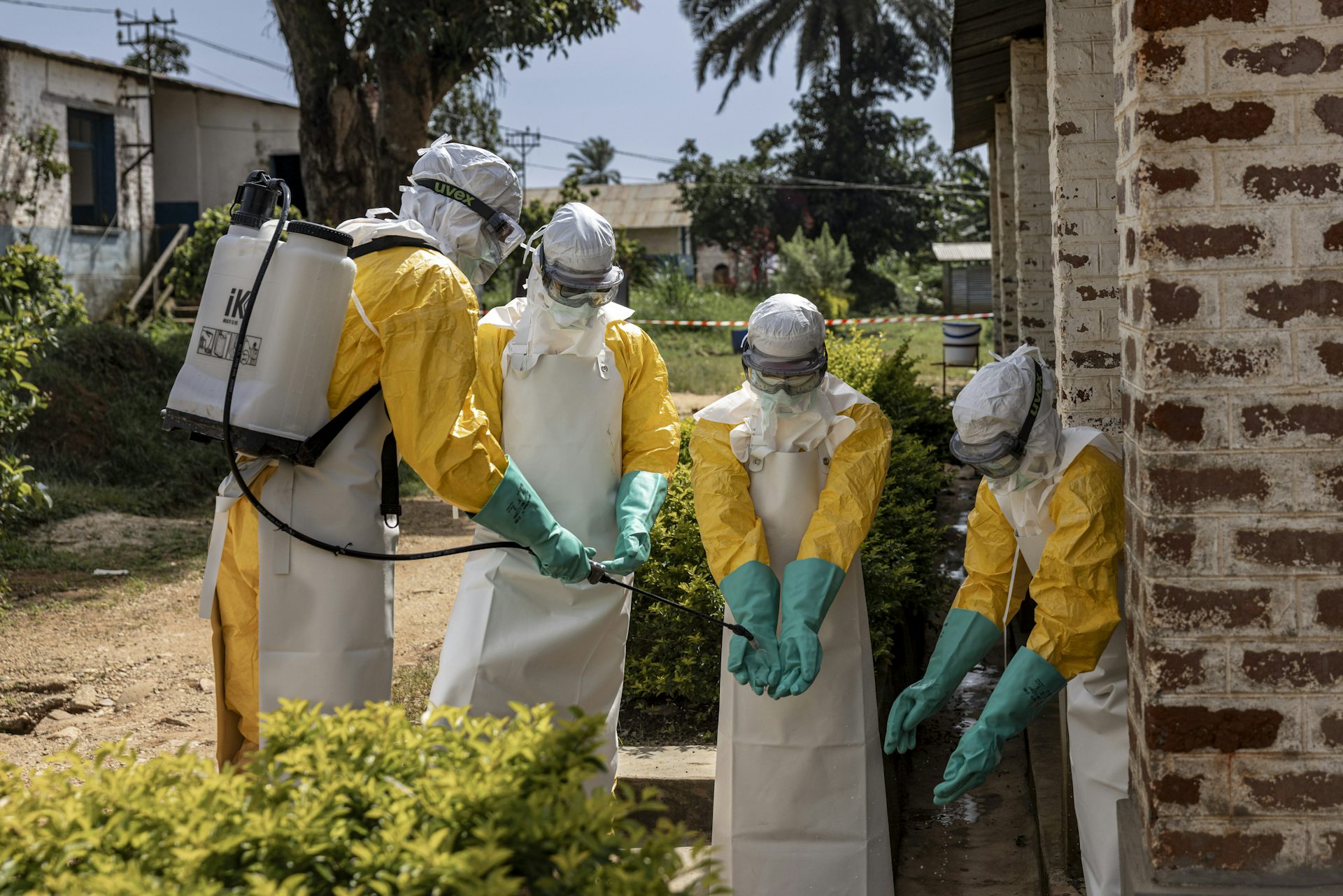
As public health workers in the Democratic Republic of Congo work to rein in a growing outbreak of a rare Ebola virus, other countries are establishing protocols for keeping their own populations safe.
بينما يعمل العاملون في مجال الصحة العامة في جمهورية الكونغو الديمقراطية لكبح تفشي متزايد لفيروس الإيبولا النادر، تقوم دول أخرى بوضع بروتوكولات للحفاظ على سلامة سكانها.
As of May 27, 2026, Congo has reported more than 1,000 suspected and confirmed cases, and more than 250 deaths, according to the U.S. Centers for Disease Control and Prevention. Neighboring Uganda has also reported seven cases and one death. Several Americans who were in the region have been exposed.
اعتباراً من 27 مايو 2026، أبلغت الكونغو عن أكثر من 1000 حالة مشتبه بها ومؤكدة، وأكثر من 250 حالة وفاة، وفقاً لمراكز السيطرة على الأمراض والوقاية منها التابعة للولايات المتحدة. كما أبلغت أوغندا المجاورة عن سبع حالات ووفاة واحدة. وتعرض العديد من الأمريكيين الذين كانوا في المنطقة للإصابة.
Measures such as screening incoming travelers and isolating those who have been exposed, announced by the U.S., Canada and other countries, are scientifically proven ways to effectively address outbreaks.
الإجراءات مثل فحص المسافرين القادمين وعزل المصابين بالتعرض، التي أعلنت عنها الولايات المتحدة وكندا ودول أخرى، هي طرق مثبتة علمياً لمعالجة التفشيات بفعالية.
But recent decisions by two countries stand out because they are not supported by epidemiological evidence – and because they reflect a surprisingly similar way of thinking about outbreak control: On May 27, Uganda closed its border with Congo. Only a narrow set of exceptions apply, mostly for emergency aid workers, and those who cross the border will be subject to health screening and supervised isolation. The following day, the United States announced plans to send exposed Americans from affected countries to a quarantine facility in Kenya, a country with no Ebola cases – though as of May 29, a Kenyan court has blocked the move.
لكن القرارات الأخيرة التي اتخذتها دولتان تبرز لأنها لا تستند إلى أدلة وبائية – ولأنها تعكس طريقة تفكير متشابهة بشكل مدهش حول السيطرة على التفشي: ففي 27 مايو، أغلقت أوغندا حدودها مع الكونغو. ولا تنطبق سوى مجموعة ضيقة من الاستثناءات، معظمها للعاملين في المجال الإغاثي في حالات الطوارئ، وسيخضع العابرون للحدود للفحص الصحي والعزل تحت المراقبة. وفي اليوم التالي، أعلنت الولايات المتحدة عن خطط لإرسال الأمريكيين المعرضين للخطر من البلدان المتضررة إلى منشأة حجر صحي في كينيا، وهي دولة لا توجد بها حالات إيبولا – على الرغم من أن محكمة كينية أوقفت هذه الخطوة اعتباراً من 29 مايو.
These are very different policies, but both rely on a common assumption: that creating geographic distance from a threat provides protection. However, surveillance, isolation and response capacity are often more important. And both the Ugandan and U.S. moves have drawn criticism from public health and medical experts who argue that managing outbreaks depends more on detection and monitoring than distance alone.
هذه سياسات مختلفة جداً، لكن كلتيهما تعتمد على افتراض مشترك: وهو أن خلق مسافة جغرافية عن التهديد يوفر الحماية. ومع ذلك، غالباً ما تكون المراقبة والعزل والقدرة على الاستجابة أكثر أهمية. وقد تعرضت كل من خطوتي أوغندا والولايات المتحدة لانتقادات من خبراء الصحة العامة والطب الذين يجادلون بأن إدارة التفشيات تعتمد أكثر على الكشف والمراقبة من مجرد المسافة.
And both decisions emerge from a long-running debate in public health: whether controlling where people are located is more effective than investing in the systems that identify, monitor and treat disease.
وتنبثق كلتا القرارتين من نقاش مستمر في مجال الصحة العامة: ما إذا كان التحكم في مكان تواجد الناس أكثر فعالية من الاستثمار في الأنظمة التي تحدد الأمراض وتراقبها وتعالجها.
As an epidemiologist studying infectious disease outbreaks, I think a look at the history of border restrictions and closures during epidemics helps explain why scientific consensus usually recommends against them.
بصفتي خبيراً وبائياً يدرس تفشي الأمراض المعدية، أعتقد أن النظر في تاريخ القيود والإغلاقات الحدودية أثناء الأوبئة يساعد في تفسير سبب توصية الإجماع العلمي عادةً بالابتعاد عنها.
Land borders are challenging to ‘close’
حدود اليابسة يصعب “إغلاقها”
The instinct to seal borders during outbreaks goes back centuries. Venice’s 14th-century “quarantino” was one of the earliest organized attempts by a state to regulate movement in the name of collective health. It worked because the unit of control was a ship: a discrete location that could be anchored offshore for a period of time.
تعود غريزة إغلاق الحدود أثناء التفشيات إلى قرون مضت. كان “الحجر الصحي” الذي فرضته البندقية في القرن الرابع عشر أحد أوائل المحاولات المنظمة للدولة لتنظيم الحركة باسم الصحة العامة. وقد نجح ذلك لأن وحدة التحكم كانت سفينة: موقع منفصل يمكن رسوّه قبالة الساحل لفترة من الزمن.
A land border is a fundamentally different problem. As trade networks crossed continents, epidemic control encountered something maritime quarantine never had to solve. You cannot easily anchor people at a land border.
أما حدود اليابسة فهي مشكلة مختلفة جوهريًا. فمع عبور شبكات التجارة للقارات، واجهت السيطرة على الأوبئة شيئًا لم يضطر الحجر البحري أبدًا لحله. لا يمكنك تثبيت الناس بسهولة عند حدود اليابسة.
By the 19th century, repeated cholera outbreaks had made the problem international. European powers responded with waves of uncoordinated border closures and trade restrictions that caused enormous economic damage without reliably stopping transmission.
وبحلول القرن التاسع عشر، جعلت تفشيات الكوليرا المتكررة المشكلة دولية. واستجابت القوى الأوروبية بموجات من إغلاقات الحدود والقيود التجارية غير المنسقة، مما تسبب في أضرار اقتصادية هائلة دون أن يوقف انتقال المرض بشكل موثوق.
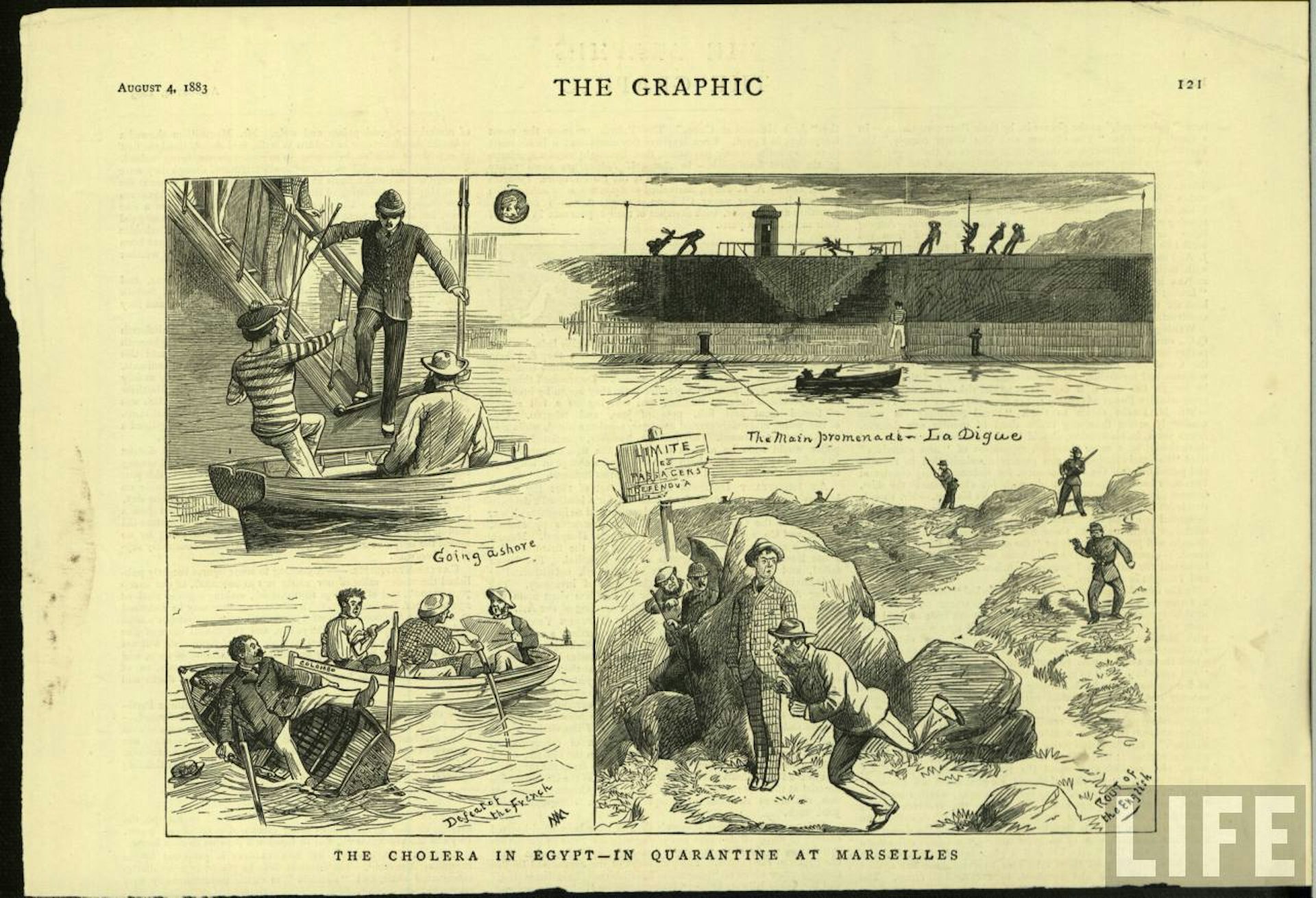
In 1874, governments from around the world met in Vienna for the Fourth International Sanitary Conference to address a problem that sounds remarkably modern: how to control infectious diseases crossing borders without crippling trade and travel. Delegates explicitly rejected border closures and land quarantine as “unworkable and consequently useless.”
في عام 1874، اجتمعت حكومات من جميع أنحاء العالم في فيينا لعقد المؤتمر الصحي الدولي الرابع لمعالجة مشكلة تبدو حديثة بشكل ملحوظ: كيفية السيطرة على الأمراض المعدية التي تعبر الحدود دون شل التجارة والسفر. ورفض المندوبون صراحة إغلاق الحدود والحجر البري باعتباره “غير قابل للتطبيق وبالتالي عديم الفائدة.”
The modern descendant of those 19th-century conferences is a set of global laws called the International Health Regulations. Their core purpose is straightforward: Make it safe for countries to report outbreaks honestly, without fear that doing so will trigger economic punishment or travel bans.
السليل الحديث لتلك المؤتمرات في القرن التاسع عشر هو مجموعة من القوانين العالمية تسمى اللوائح الصحية الدولية. ويتمثل غرضها الأساسي في شيء بسيط: جعل الدول قادرة على الإبلاغ عن التفشيات بصدق، دون الخوف من أن يؤدي ذلك إلى فرض عقوبات اقتصادية أو حظر سفر.
Incentive problem at the heart of global health
مشكلة الحافز في قلب الصحة العالمية
The entire modern global health surveillance system rests on a single premise: Countries need to report outbreaks quickly, without fear of automatic economic punishment for doing so. If declaring an outbreak triggers immediate border closures and travel bans, governments have a powerful incentive to delay reporting.
يعتمد نظام المراقبة العالمي للصحة الحديث بأكمله على فرضية واحدة: تحتاج الدول إلى الإبلاغ عن تفشي الأوبئة بسرعة، دون الخوف من العقاب الاقتصادي التلقائي لعمل ذلك. فإذا أدى الإعلان عن تفشٍ إلى إغلاق فوري للحدود وحظر للسفر، سيكون لدى الحكومات حافز قوي لتأخير الإبلاغ.
This concern is not hypothetical. During the first SARS outbreak in 2003, China’s delays in official reporting, driven in part by concern about economic fallout, contributed directly to the global spread of the disease. This prompted the World Health Organization to publicly accuse a member state of placing the world at risk. The International Health Regulations were most recently revised in 2005 in direct response to that failure.
لا يشكل هذا القلق فرضية. فخلال تفشي متلازمة الالتهاب التنفسي الحاد (SARS) الأول في عام 2003، ساهم تأخر الصين في الإبلاغ الرسمي، مدفوعًا جزئيًا بالقلق بشأن التداعيات الاقتصادية، بشكل مباشر في الانتشار العالمي للمرض. وقد دفع هذا منظمة الصحة العالمية إلى اتهام دولة عضو علنًا بوضع العالم في خطر. وتم تنقيح اللوائح الصحية الدولية مؤخرًا في عام 2005 استجابةً مباشرةً لهذا الإخفاق.
When the WHO declared the current Ebola outbreak a public health emergency of international concern on May 17, it explicitly warned against border closures and travel restrictions, saying that these moves “have no basis in science.” That’s because such actions push movement to informal border crossings that are not monitored and “can also compromise local economies and negatively affect response operations from a security and logistics perspective.”
عندما أعلنت منظمة الصحة العالمية عن تفشي الإيبولا الحالي كحالة طوارئ صحية عامة تثير قلقاً دولياً في 17 مايو، حذرت صراحةً من إغلاق الحدود وقيود السفر، قائلة إن هذه الإجراءات “ليس لها أساس علمي”. ويرجع ذلك إلى أن مثل هذه الإجراءات تدفع الحركة إلى المعابر الحدودية غير الرسمية التي لا تتم مراقبتها و”يمكن أن تعرض الاقتصادات المحلية للخطر وتؤثر سلبًا على عمليات الاستجابة من منظور الأمن واللوجستيات”.
For example, a mother trying to get a sick child to a clinic just across the border may not stop because the formal crossing is shut. The Uganda-Congo border is several hundred miles long and crossed by numerous footpaths beyond formal border posts, which many people use daily to visit family or to trade.
على سبيل المثال، قد لا تتوقف أم تحاول توصيل طفل مريض إلى عيادة تقع عبر الحدود مباشرة. ويبلغ طول الحدود بين أوغندا والكونغو عدة مئات من الأميال، وتمر بها العديد من الممرات المائية التي تتجاوز نقاط الحدود الرسمية، والتي يستخدمها الكثير من الناس يوميًا لزيارة العائلة أو للتجارة.
The public health system loses the ability to test, isolate or trace those interactions. This matters especially for Ebola, which transmits only after symptoms begin – meaning a person who can actually spread the virus is already identifiable through symptom screening, making case detection and isolation far more effective than geographic restriction.
يفقد نظام الصحة العامة القدرة على اختبار أو عزل أو تتبع تلك التفاعلات. وهذا أمر مهم بشكل خاص بالنسبة للإيبولا، الذي ينتقل فقط بعد بدء الأعراض – مما يعني أن الشخص الذي يمكنه بالفعل نشر الفيروس يمكن تحديده بالفعل من خلال فحص الأعراض، مما يجعل الكشف عن الحالات والعزل أكثر فعالية بكثير من التقييد الجغرافي.
The U.S. decision to send exposed Americans to a quarantine facility in Kenya reflects a related instinct – to keep the virus off native soil. But exposure has already occurred, so the public health question is no longer how to prevent entry but how to monitor potentially exposed people safely and effectively. The plan is particularly controversial because it would transfer potentially exposed individuals to a country with no Ebola cases of its own, despite the U.S. already possessing specialized facilities designed for exactly this purpose.
يعكس قرار الولايات المتحدة بإرسال الأمريكيين المعرضين إلى منشأة حجر صحي في كينيا غريزة ذات صلة – وهي إبقاء الفيروس بعيدًا عن الأراضي المحلية. لكن التعرض قد حدث بالفعل، لذا فإن السؤال الصحي العام لم يعد كيفية منع الدخول، بل كيفية مراقبة الأشخاص المعرضين للخطر بأمان وفعالية. وتعد الخطة مثيرة للجدل بشكل خاص لأنها ستنقل الأفراد المعرضين للخطر إلى بلد ليس لديه حالات إيبولا خاصة به، على الرغم من أن الولايات المتحدة تمتلك بالفعل مرافق متخصصة مصممة لهذا الغرض تحديدًا.
The Infectious Diseases Society of America criticized the plan, noting that the United States has already invested heavily in specialized Ebola treatment centers specifically designed to care for patients with highly dangerous infectious diseases. It warned that building and staffing a new unit in Kenya during an active outbreak raises questions about resources, timing and quality of care.
انتقدت جمعية الأمراض المعدية الأمريكية الخطة، مشيرة إلى أن الولايات المتحدة استثمرت بالفعل بكثافة في مراكز علاج متخصصة للإيبولا مصممة خصيصًا لرعاية المرضى المصابين بأمراض معدية خطيرة للغاية. وحذرت من أن بناء وتوظيف وحدة جديدة في كينيا أثناء تفشي المرض يثير تساؤلات حول الموارد والتوقيت وجودة الرعاية.
Border restrictions do not work alone
قيود الحدود لا تعمل بمفردها
Some countries did use border closures effectively during COVID-19 – New Zealand, Australia and Taiwan sharply restricted international travel while pairing those measures with intensive testing, quarantine and contact tracing. But specific circumstances made those cases work: restrictions before the virus began spreading widely in the community, island geography that naturally limited informal crossings, and aggressive internal measures running in parallel.
لقد استخدمت بعض الدول إغلاق الحدود بفعالية خلال جائحة كوفيد-19 – حيث فرضت نيوزيلندا وأستراليا وتايوان قيوداً صارمة على السفر الدولي، مقترنةً تلك الإجراءات باختبارات مكثفة والحجر الصحي وتتبع المخالطين. لكن ظروفاً محددة هي التي جعلت تلك الحالات ناجحة: القيود قبل أن يبدأ الفيروس بالانتشار الواسع في المجتمع، والجغرافيا الجزرية التي حدّت بشكل طبيعي من العبور غير الرسمي، والإجراءات الداخلية القوية التي عملت بالتوازي.
Remove any of those elements and the effectiveness drops sharply. In these examples, the act of closing the border did not work alone. It bought time for setting up the infrastructure for testing and contact tracing.
إذا أزلت أيًا من هذه العناصر، فإن الفعالية تنخفض بشكل حاد. في هذه الأمثلة، لم ينجح إغلاق الحدود بمفرده. بل اشترى وقتاً لإنشاء البنية التحتية للاختبار وتتبع المخالطين.
These circumstances don’t apply to Uganda’s border closing. Researchers estimate the virus had been transmitting for approximately six weeks, and Uganda already has seven confirmed cases. A closure here is not a moat.
هذه الظروف لا تنطبق على إغلاق الحدود في أوغندا. يقدر الباحثون أن الفيروس كان ينتقل لمدة ستة أسابيع تقريباً، ولأوغندا بالفعل سبع حالات مؤكدة. الإغلاق هنا ليس خندقاً.
Governments face real pressure to act visibly during outbreaks, and border restrictions are easier to communicate to a worried public than investments in surveillance infrastructure. Those incentives are understandable.
تواجه الحكومات ضغوطاً حقيقية للتصرف بشكل مرئي أثناء تفشي الأوبئة، وقيود الحدود أسهل في توصيلها للجمهور القلق من الاستثمار في البنية التحتية للمراقبة. هذه الحوافز مفهومة.
But history suggests that outbreaks are controlled less by where people are located than by whether governments can identify cases quickly, trace contacts, isolate infections and maintain public trust. In other words, borders alone do not stop outbreaks. The real work happens inside them.
لكن التاريخ يشير إلى أن تفشي الأمراض يتم السيطرة عليه بدرجة أقل بناءً على مكان تواجد الناس، وأكثر بناءً على قدرة الحكومات على تحديد الحالات بسرعة، وتتبع المخالطين، وعزل الإصابات، والحفاظ على ثقة الجمهور. بعبارة أخرى، الحدود وحدها لا توقف تفشي الأمراض. العمل الحقيقي يحدث في الداخل.
Katrine L. Wallace does not work for, consult, own shares in or receive funding from any company or organization that would benefit from this article, and has disclosed no relevant affiliations beyond their academic appointment.
كاترين إل. والاس لا تعمل لدى، ولا تستشير، ولا تمتلك حصصاً في، ولا تتلقى تمويلاً من أي شركة أو منظمة يمكن أن تستفيد من هذه المقالة، ولم تكشف عن أي انتماءات ذات صلة تتجاوز منصبها الأكاديمي.
Read more
-

ليس لدى روسيا الكثير للاحتفال به في يوم النصر، حيث تجلب أوكرانيا الحرب إلى بوتين.
Russia doesn’t have much to celebrate on Victory Day, as Ukraine brings the war home to Putin