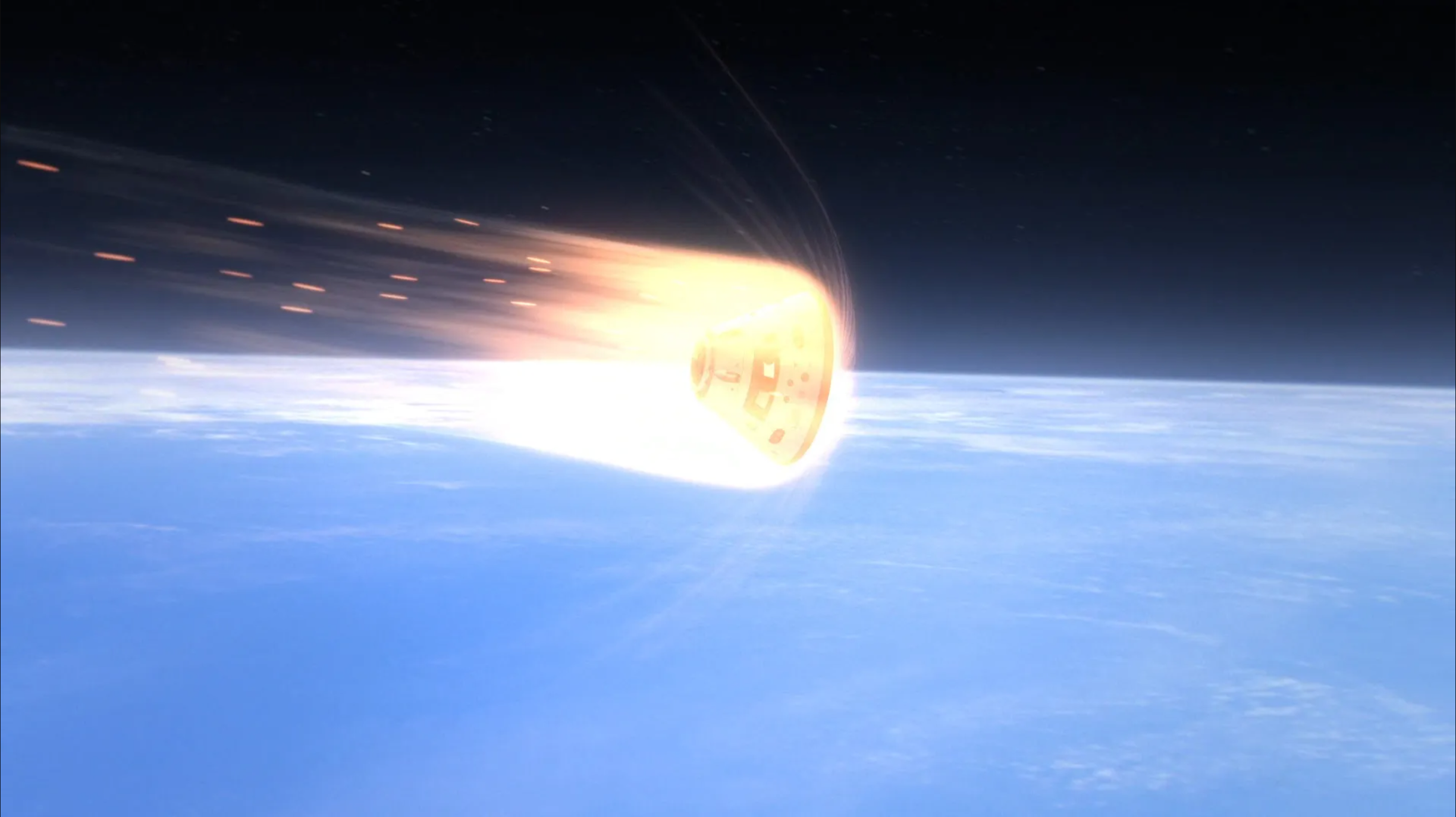
سيتحمل طاقم أرتيميس 2 درجة حرارة 3000 مئوية عند إعادة الدخول. خبير في الأجسام الأسرع من الصوت يشرح كيف سيبقى على قيد الحياة
Artemis II crew will endure 3,000°C on re-entry. A hypersonics expert explains how they will survive
The high-speed, hypersonic and extremely hot re-entry is the last challenge the Artemis II crew will have to endure on their epic 10-day mission.
إن إعادة الدخول عالية السرعة، والأسرع من الصوت، والساخنة للغاية هي التحدي الأخير الذي سيتعين على طاقم أرتيميس 2 تحمله في مهمتهم الملحمية التي تستغرق 10 أيام.
After successfully completing their mission to the Moon, the Artemis II crew is about to return to Earth.
بعد إكمال مهمتهم إلى القمر بنجاح، يستعد طاقم أرتيميس 2 للعودة إلى الأرض.
The four astronauts set a new record for how far humans have travelled from Earth, reaching a maximum distance of 406,771 kilometres from our home planet.
وضع رواد الفضاء الأربعة رقماً قياسياً جديداً للمسافة التي قطعها البشر من الأرض، حيث وصلوا إلى أقصى مسافة تبلغ 406,771 كيلومتراً من كوكبنا الأم.
Their journey back will culminate in a high-speed, hypersonic and extremely hot re-entry into Earth’s atmosphere before their spacecraft splashes down in the Pacific Ocean off the coast of California at roughly 8pm April 10 local time.
ستتوج رحلتهم العودة بدخول جوي عالي السرعة، وفائق السرعة، وساخن للغاية إلى الغلاف الجوي للأرض، قبل أن تهبط مركبتهم الفضائية في المحيط الهادئ قبالة سواحل كاليفورنيا في حوالي الساعة 8 مساءً من يوم 10 أبريل بالتوقيت المحلي.
The re-entry will be the last challenge the crew will have to endure on their epic ten-day mission. It comes with many dangers – but their spacecraft is equipped with an array of technology to keep them safe.
سيكون الدخول الجوي هو التحدي الأخير الذي سيتعين على الطاقم تحمله في مهمتهم الملحمية التي تستغرق عشرة أيام. إنه مصحوب بالعديد من المخاطر – لكن مركبتهم الفضائية مجهزة بمجموعة من التقنيات لإبقائهم آمنين.
A speedy re-entry
إعادة دخول سريعة
The Orion capsule carrying the Artemis II astronauts will be travelling at more than 11 km/s (40,000 km/h) when it reaches Earth’s atmosphere. This is 40 times faster than a passenger jet travels.
ستقوم كبسولة أوريون التي تحمل رواد فضاء أرتميس 2 بالسفر بسرعة تزيد عن 11 كم/ثانية (40,000 كم/ساعة) عندما تصل إلى الغلاف الجوي للأرض. هذه السرعة أسرع بـ 40 مرة من سرعة طائرة ركاب.
If we instead consider kinetic energy, which is the energy an object possesses due to its motion, upon re-entry the Orion capsule will have almost 2,000 times as much kinetic energy per kilogram of vehicle as a passenger jet.
إذا نظرنا بدلاً من ذلك إلى الطاقة الحركية، وهي الطاقة التي يمتلكها الجسم بسبب حركته، فستمتلك كبسولة أوريون عند إعادة الدخول طاقة حركية تبلغ تقريباً 2000 مرة لكل كيلوغرام من مركبة مقارنة بطائرة ركاب.
Like any spacecraft returning home, it will have to slow down and reduce its kinetic energy to almost zero so parachutes can be deployed and it can land safely on Earth.
مثل أي مركبة فضائية تعود إلى موطنها، سيتعين عليها أن تبطئ وتقلل من طاقتها الحركية إلى ما يقرب من الصفر حتى يمكن نشر المظلات وتهبط بأمان على الأرض.
Spacecraft reduce their kinetic energy by performing a controlled re-entry through Earth’s upper atmosphere, where they use aerodynamic drag against the atmosphere as a brake to decelerate.
تقلل المركبات الفضائية من طاقتها الحركية عن طريق إجراء إعادة دخول متحكم بها عبر الغلاف الجوي العلوي للأرض، حيث تستخدم السحب الهوائي ضد الغلاف الجوي كفرامل لتقليل السرعة.
Unlike an aeroplane, which is generally designed to be aerodynamic and minimise drag forces to reduce fuel consumption, re-entering spacecraft do the opposite. They are designed to be as un-aerodynamic as possible to maximise drag and help them slow down.
على عكس الطائرة، المصممة عموماً لتكون انسيابية وتقليل قوى السحب لتقليل استهلاك الوقود، تقوم المركبات الفضائية التي تعيد الدخول بالعكس. فهي مصممة لتكون غير انسيابية قدر الإمكان لزيادة السحب ومساعدتها على التباطؤ.
This deceleration during re-entry can be extremely harsh.
يمكن أن يكون هذا التباطؤ أثناء إعادة الدخول قاسياً للغاية.
Deceleration and acceleration are generally discussed in g-forces – or “g’s” for short. This is the deceleration or acceleration force divided by the standard acceleration we all feel from Earth’s gravity. A Formula One driver will experience over 5 g’s while cornering, which is close to the maximum g-forces a human can sustain without passing out.
تتم مناقشة التباطؤ والتسارع عموماً بوحدات قوة الجاذبية (g-forces) – أو “g’s” للاختصار. وهي قوة التباطؤ أو التسارع مقسومة على التسارع القياسي الذي نشعر به جميعاً من جاذبية الأرض. سيشعر سائق الفورمولا ون بأكثر من 5g أثناء الانعطاف، وهو ما يقترب من الحد الأقصى لقوى الجاذبية التي يمكن للإنسان تحملها دون الإغماء.
Small, uncrewed re-entry capsules such as NASA’s OSIRIS-REx capsule which brought back samples from asteroid Bennu, just barrel into the atmosphere and rapidly decelerate. These entries occur very quickly, in less than a minute. But g-forces in that case can be upwards of 100 – fine for robotic vehicles, but not for humans.
تقوم الكبسولات الصغيرة غير المأهولة لإعادة الدخول، مثل كبسولة OSIRIS-REx التابعة لناسا التي أحضرت عينات من الكويكب بنو، بالاندفاع ببساطة في الغلاف الجوي والتباطؤ بسرعة. تحدث هذه الدخول بسرعة كبيرة، في أقل من دقيقة. لكن قوى الجاذبية في هذه الحالة يمكن أن تصل إلى 100 – وهو أمر جيد للمركبات الروبوتية، ولكنه ليس للبشر.
Crewed vehicles such as NASA’s Orion capsule use lift forces to slow the entry down in time. This lowers the g-forces down to more manageable levels that humans can survive and makes re-entry last for several minutes.
تستخدم المركبات المأهولة، مثل كبسولة أوريون التابعة لناسا، قوى الرفع لإبطاء عملية الدخول في الوقت المناسب. وهذا يخفض قوى الجاذبية إلى مستويات أكثر قابلية للإدارة يمكن للبشر النجاة منها ويجعل إعادة الدخول تستمر لعدة دقائق.
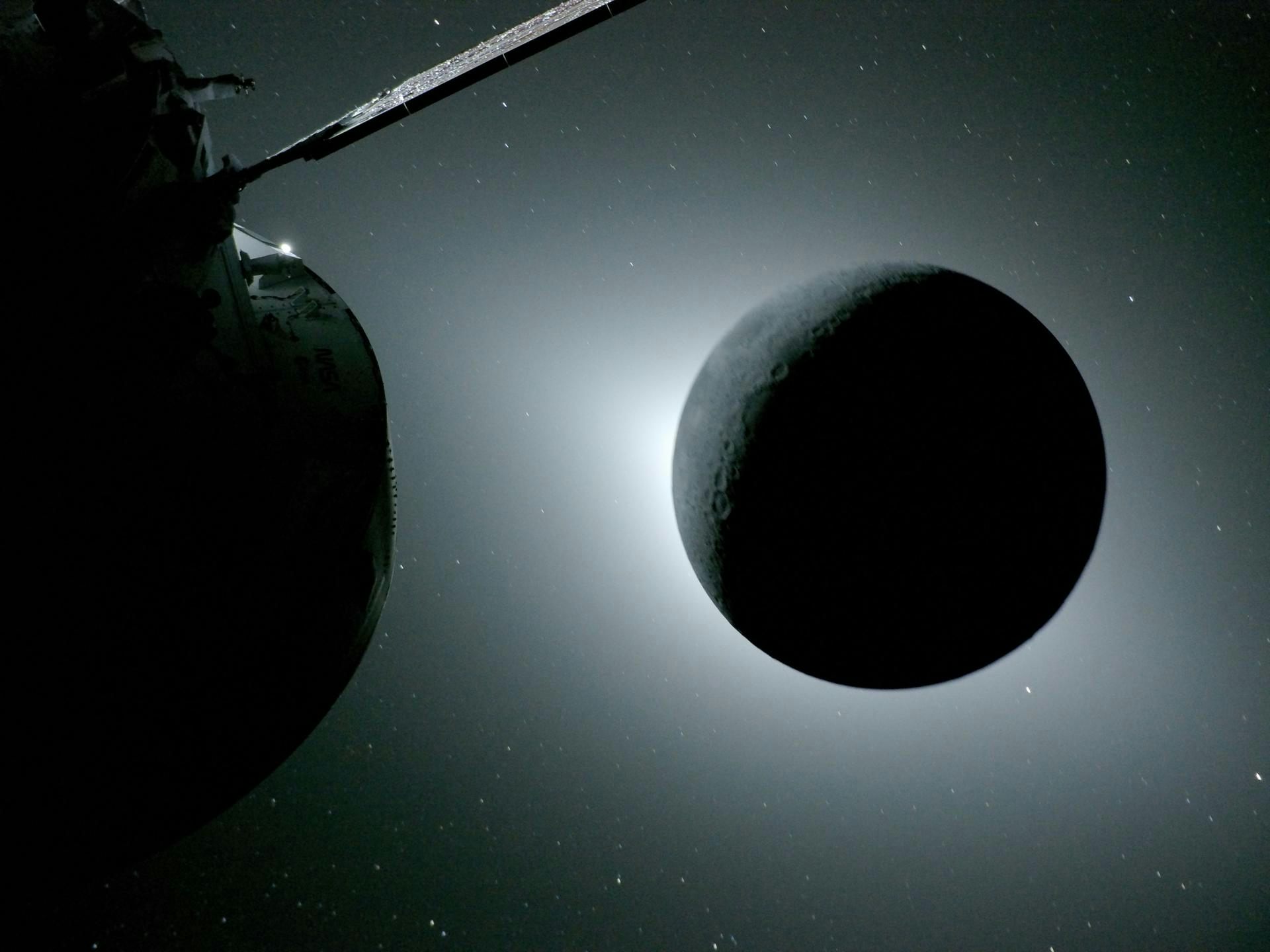
A very hot re-entry
إعادة دخول شديدة الحرارة
The Orion capsule will re-enter the atmosphere moving at more than 30 times the speed of sound.
ستعيد كبسولة أوريون دخول الغلاف الجوي متحركة بسرعة تزيد عن 30 ضعف سرعة الصوت.
A shock wave will envelop the spacecraft, creating air temperatures of 10,000°C or more – about twice the temperature of the surface of the Sun.
سيحيط بمركبة الفضاء موجة صدمة، مما يخلق درجات حرارة هوائية تبلغ 10,000 درجة مئوية أو أكثر – أي ما يقرب من ضعف درجة حرارة سطح الشمس.
The extreme heat turns the air that crosses over the shock wave into an electrically charged plasma. This temporarily blocks radio signals, so the astronauts will be unable to communicate during the harshest parts of their descent.
تحوّل الحرارة الشديدة الهواء الذي يعبر موجة الصدمة إلى بلازما مشحونة كهربائياً. هذا يحجب إشارات الراديو مؤقتاً، لذا لن يتمكن رواد الفضاء من التواصل خلال أصعب مراحل هبوطهم.
Making sure it’s a safe re-entry
التأكد من أن العودة آمنة
Spacecraft survive the extremely harsh re-entry environment through careful design of their trajectories to minimise heating as much as they can.
تنجو المركبات الفضائية من بيئة العودة الغلاف الجوي القاسية للغاية من خلال التصميم الدقيق لمساراتها لتقليل التسخين قدر الإمكان.
The craft also carries a thermal protection system. It’s effectively an insulating blanket which protects the spacecraft and its crew or cargo from the harsh hypersonic flow occurring outside.
تحمل المركبة أيضًا نظام حماية حرارية. وهو في الأساس بطانية عازلة تحمي المركبة الفضائية وطاقمها أو حمولتها من التدفق شبه الصوتي القاسي الذي يحدث في الخارج.
The thermal protection system is tailored precisely for the vehicle and its mission. Materials that can take more heat are put on the surfaces where the environment is expected to be harshest, and thicknesses are precisely adjusted too.
يتم تصميم نظام الحماية الحرارية بدقة للمركبة ومهمتها. يتم وضع المواد التي يمكنها تحمل المزيد من الحرارة على الأسطح التي يُتوقع أن تكون فيها البيئة هي الأقسى، ويتم تعديل السماكات بدقة أيضًا.
These materials are designed to glow red hot and degrade during the entry – but they will survive. The red-hot glow also radiates heat back out to the atmosphere instead of allowing it to be absorbed by the spacecraft.
صُممت هذه المواد لتتوهج باللون الأحمر الساخن وتتدهور أثناء الدخول – لكنها ستصمد. كما أن التوهج الأحمر الساخن يشع الحرارة مرة أخرى إلى الغلاف الجوي بدلاً من السماح بامتصاصها بواسطة المركبة الفضائية.
This precise design is how Artemis is to able to pass through air at 10,000°C while maintaining a maximum heat shield surface temperature of only around 3,000°C.
هذا التصميم الدقيق هو ما يسمح لمركبة أرتيميس بالمرور عبر الهواء عند 10,000 درجة مئوية مع الحفاظ على درجة حرارة سطح درع الحرارة بحد أقصى تبلغ حوالي 3,000 درجة مئوية فقط.
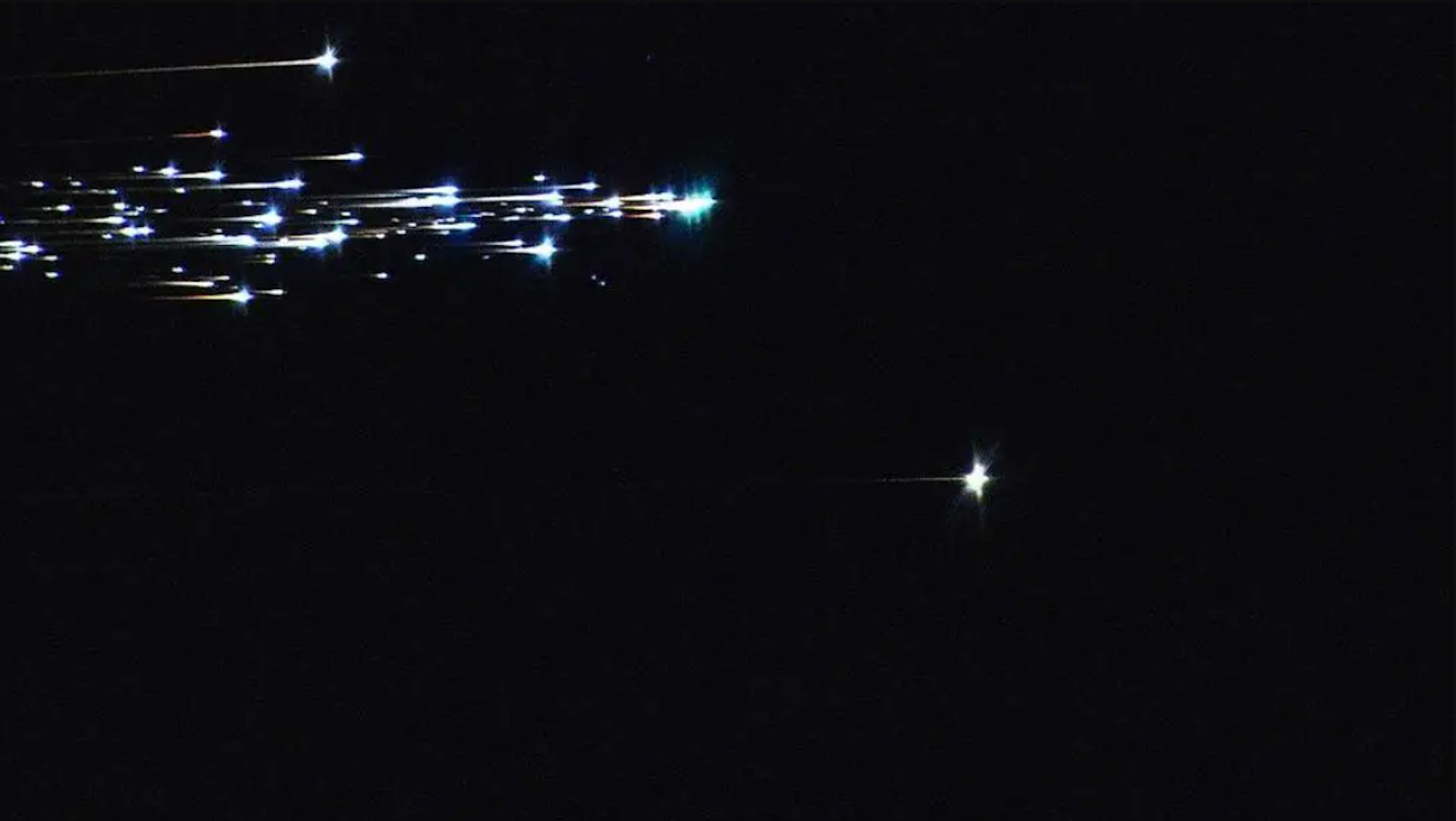
Most spacecraft are protected by materials called ablatives. These are generally made out of carbon fibre and a type of glue known as phenolic resin.
تتم حماية معظم المركبات الفضائية بمواد تسمى المواد المتقشرة (ablatives) . وهي مصنوعة عمومًا من ألياف الكربون ونوع من الغراء يُعرف باسم الراتنج الفينولي.
These ablative heat shields absorb energy and inject a relatively cool gas into the flow along the surface of the vehicle, helping to cool everything down.
تمتص هذه الدروع الحرارية المتقشرة الطاقة وتحقن غازًا باردًا نسبيًا في التدفق على طول سطح المركبة، مما يساعد على تبريد كل شيء.
The ablative heat shield material used on the Orion capsule is called AVCOAT. It is a version of the material which protected the Apollo capsule when it returned from the Moon in the late 1960s and early 1970s.
تسمى المادة الحرارية المتقشرة المستخدمة على كبسولة أوريون بـ AVCOAT. وهي نسخة من المادة التي حميت كبسولة أبولو عندما عادت من القمر في أواخر الستينيات وأوائل السبعينيات.
While the Artemis I mission – an uncrewed test flight – was a great success, the heat shield ablation during re-entry was much larger than expected. Large chunks of material separated from the heat shield in some places.
في حين أن مهمة أرتيميس 1 – وهي رحلة اختبار غير مأهولة – كانت نجاحًا عظيمًا، إلا أن تآكل الدرع الحراري أثناء العودة كان أكبر بكثير مما كان متوقعًا. انفصلت كتل كبيرة من المادة عن الدرع الحراري في بعض الأماكن.
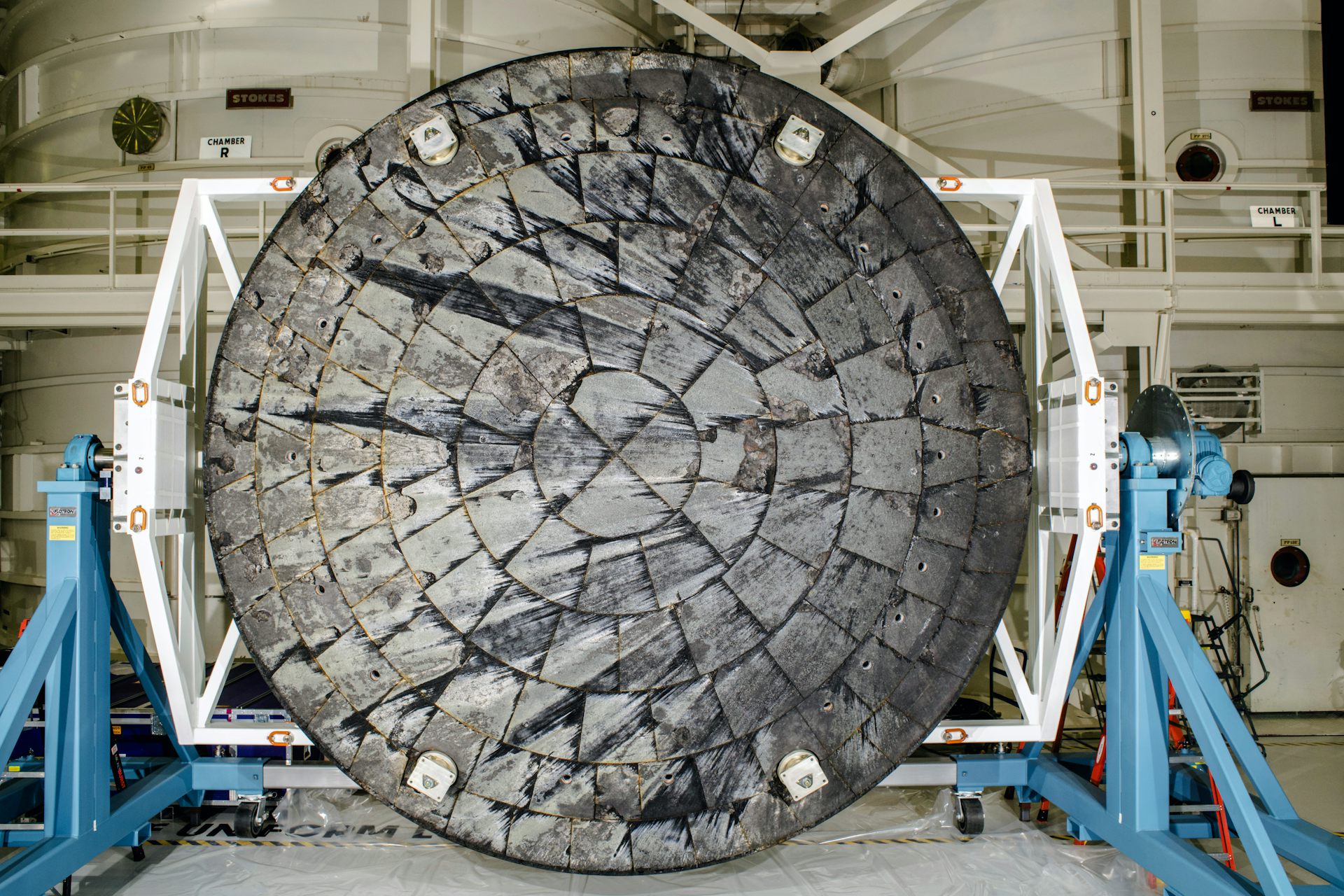
After lengthy inspections and analysis, engineers did decide to go ahead with the same type of heat shield on the Artemis II mission.
بعد عمليات تفتيش وتحليل مطولة، قرر المهندسون المضي قدمًا باستخدام نفس نوع الدرع الحراري في مهمة أرتيميس 2.
They believe Artemis I lost chunks of its heat shield due to a pressure buildup inside the material during the “skip” part of its entry, where the spacecraft exited the atmosphere to cool down before performing a second entry where it landed.
يعتقدون أن أرتيميس 1 فقدت كتلًا من درعها الحراري بسبب تراكم الضغط داخل المادة أثناء جزء “القفز” من دخولها، حيث غادرت المركبة الفضاء الجوي لتبرد قبل إجراء دخول ثانٍ حيث هبطت.
For Artemis II, the engineers have instead decided to modify the trajectory slightly to still use lift, but include a less defined “skip”.
بالنسبة لـ أرتيميس 2، قرر المهندسون بدلاً من ذلك تعديل المسار قليلاً لاستخدام الرفع، ولكن مع تضمين “قفزة” أقل تحديدًا.
It is amazing to see what NASA and the astronauts have achieved on this mission so far. But like many others, I’ll be relieved when I see them welcomed safely home on Earth.
من المدهش رؤية ما حققته ناسا ورواد الفضاء في هذه المهمة حتى الآن. ولكن مثل الكثيرين، سأشعر بالارتياح عندما أراهم يرحب بهم بأمان في الوطن على الأرض.
Chris James receives funding from the Australian Research Council, the Commonwealth Defence Science and Technology Group, the US Office of Naval Research, and the US Air Force Office of Scientific Research.
يتلقى كريس جيمس التمويل من المجلس الأسترالي للبحوث، ومجموعة الدفاع العلمية والتكنولوجية للكومنولث، ومكتب البحوث البحرية الأمريكي، ومكتب البحوث العلمية للقوات الجوية الأمريكية.
Read more
-

الرموز المزيفة لـ QR تؤدي إلى عمليات احتيال سهلة – كن حذراً مما تمسحه في الخارج
Fake QR codes make for easy scams – be careful what you scan out there
-

يصعد الحصار الأمريكي لمضيق هرمز التوترات مع الصين قبل زيارة ترامب إلى بكين
US blockade of Strait of Hormuz ratchets up tensions with China ahead of Trump visit to Beijing