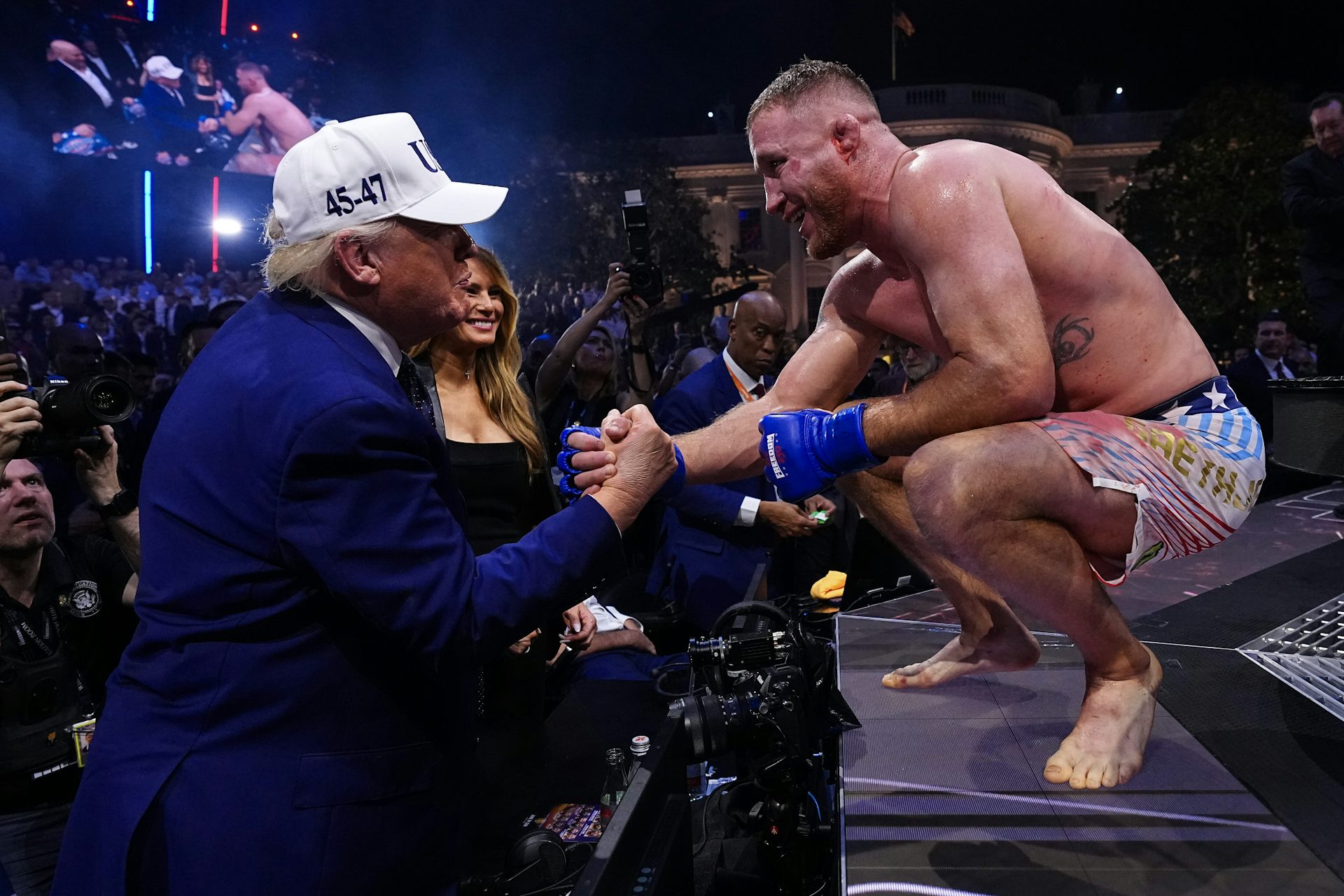
كيف يستخدم القادة السياسيون العروض القتالية ليرمزوا إلى القوة والغاية الوطنية
How political leaders use combat spectacles to symbolize national power and purpose
For both Roman gladiators and modern-day mixed martial arts participants, physical contests become moral dramas about sacrifice and human limits. That has led today’s fighters to right-wing politics.
بالنسبة لكل من المصارعين الرومان والمشاركين في فنون القتال المختلطة الحديثة، تصبح المنافسات الجسدية دراما أخلاقية حول التضحية وحدود الإنسان. وقد قاد ذلك مقاتلي اليوم إلى السياسة اليمينية.
Throughout history, rulers and political movements have used public spectacles of combat to evoke courage, sacrifice, collective strength and national purpose. From Roman gladiator contests to modern mixed martial arts, combat spectacles have served not merely as entertainment but as public rituals through which people experience belonging to something larger than themselves.
على مر التاريخ، استخدم الحكام والحركات السياسية عروض القتال العامة لاستحضار الشجاعة والتضحية والقوة الجماعية والهدف الوطني. فمن مباريات المصارعين الرومان إلى فنون القتال المختلطة الحديثة، لم تكن عروض القتال مجرد ترفيه، بل كانت طقوساً عامة يختبر من خلالها الناس شعورهم بالانتماء لشيء أكبر منهم.
When President Donald Trump proposed staging a UFC championship event on the White House grounds as part of America’s 250th anniversary celebration, many observers treated it as another example of his affinity for spectacle and mixed martial arts, or MMA, a combat sport combining striking and grappling techniques from multiple martial arts disciplines. Yet the symbolism runs deeper than a president’s taste for theatricality and combat sports.
عندما اقترح الرئيس دونالد ترامب إقامة بطولة UFC في أراضي البيت الأبيض كجزء من احتفال الذكرى الـ 250 لأمريكا، تعامل العديد من المراقبين مع الأمر باعتباره مجرد مثال آخر على ميوله نحو العروض وفنون القتال المختلطة (MMA) ، وهو رياضة قتالية تجمع بين تقنيات الضرب والمصارعة من تخصصات فنية متعددة. ومع ذلك، فإن الرمزية أعمق من مجرد ذوق الرئيس للمسرحيات ورياضات القتال.
I’ve spent decades studying why people are willing to fight, sacrifice and even die for causes, and I see such spectacles illuminating an important psychological process known as identity fusion.
لقد قضيت عقوداً في دراسة سبب استعداد الناس للقتال والتضحية وحتى الموت من أجل قضايا ما، وأرى أن مثل هذه العروض تسلط الضوء على عملية نفسية مهمة تُعرف باسم “اندماج الهوية.”
People belong to groups: families, nations, religions, professions, political movements, sports teams. Usually, these identities remain distinct from the personal self.
ينتمي الناس إلى مجموعات: عائلات، أو أمم، أو أديان، أو مهن، أو حركات سياسية، أو فرق رياضية. وعادةً ما تظل هذه الهويات منفصلة عن الذات الشخصية.
Identity fusion occurs when that boundary disappears. People do not just support a group – they experience it as an inseparable part of who they are. The group’s successes and failures become personal; threats to the group are experienced as threats to oneself.
يحدث اندماج الهوية عندما يختفي هذا الحد الفاصل. لا يدعم الناس المجموعة فحسب – بل يختبرونها كجزء لا يتجزأ من هويتهم. وتصبح نجاحات وفشل المجموعة شخصية؛ ويُعاش التهديد بالصورة على أنه تهديد للذات.
The important question isn’t just what happens inside the cage – it’s what such spectacles can do for the audience. Public displays of courage, endurance and sacrifice can strengthen emotional bonds among spectators and deepen identification with the groups, causes or leaders they associate with those displays.
السؤال المهم ليس فقط ما يحدث داخل الحلبة – بل ما يمكن أن تفعله مثل هذه العروض للجمهور. يمكن للعروض العامة للشجاعة والصمود والتضحية أن تعزز الروابط العاطفية بين المتفرجين وتعمق التماهي مع المجموعات أو القضايا أو القادة الذين يربطونهم بتلك العروض.
Research with soldiers and other front-line fighters in Iraq and Afghanistan, supporters of Ukraine, Palestinians in Gaza, Taiwanese concerned about a Chinese invasion, and participants in extremist movements shows that identity fusion predicts willingness to endure hardship, accept risk and make sacrifices for a collective cause.
تُظهر الأبحاث التي أُجريت على الجنود والمقاتلين الآخرين في الخطوط الأمامية في العراق وأفغانستان، ومؤيدي أوكرانيا، والفلسطينيين في غزة، والتايوانيين القلقين من الغزو الصيني، والمشاركين في الحركات المتطرفة، أن اندماج الهوية يتنبأ بالاستعداد لتحمل المشقة وقبول المخاطر وتقديم التضحيات لقضية جماعية.
This process does not necessarily produce violence. It can motivate volunteerism, mutual aid, military service and resistance to oppression.
هذه العملية لا تنتج العنف بالضرورة. بل يمكنها تحفيز العمل التطوعي والمساعدة المتبادلة والخدمة العسكرية ومقاومة القمع.
It helps explain how public rituals that celebrate courage, sacrifice and collective strength can deepen commitment to groups, causes and leaders under conditions that appear irrational from a purely material perspective.
إنها تساعد في تفسير كيف يمكن للطقوس العامة التي تحتفل بالشجاعة والتضحية والقوة الجماعية أن تعمّق الالتزام بالمجموعات والقضايا والقادة في ظل ظروف تبدو غير عقلانية من منظور مادي بحت.
Why shared struggle matters
لماذا تهم المعاناة المشتركة
One of the strongest pathways to identity fusion is shared hardship. People who endure danger, suffering or intense challenges together often emerge with unusually strong bonds.
يُعدّ أحد أقوى المسارات نحو اندماج الهوية هو الشدائد المشتركة. فالأشخاص الذين يتحملون الخطر أو المعاناة أو التحديات الكبيرة معًا غالبًا ما يخرجون بروابط قوية بشكل غير عادي.
Combat sports play into this dynamic. Fighters publicly test themselves against pain, exhaustion, fear and possible defeat. Spectators witness not simply athletic competition but symbolic demonstrations of courage and endurance. The attraction lies partly in how character is being revealed under pressure.
تستغل الرياضات القتالية هذه الديناميكية. حيث يختبر المقاتلون علنًا أنفسهم ضد الألم، والإرهاق، والخوف، والهزيمة المحتملة. ويشاهد المتفرجون ليس مجرد منافسة رياضية بل عروض رمزية للشجاعة والتحمل. ويكمن الجاذبية جزئيًا في الكيفية التي يتم بها الكشف عن الشخصية تحت الضغط.
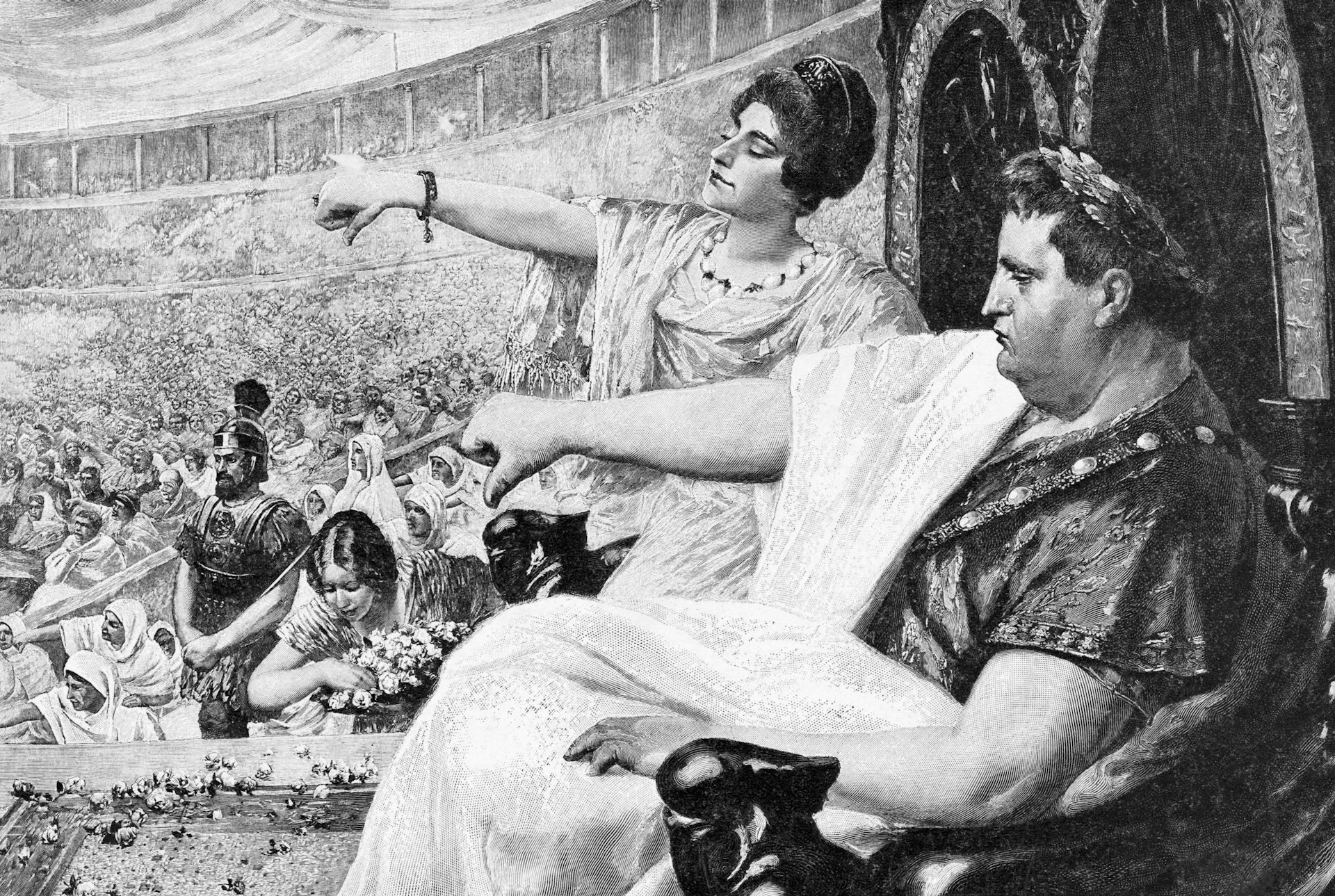
For ancient Romans, gladiators embodied “virtus” – courage, discipline, endurance and willingness to confront death. Their appeal stemmed not merely from violence but from values they represented.
بالنسبة للرومان القدماء، جسّد المصارعون مفهوم “الفيرتوس” (Virtus) – أي الشجاعة والانضباط والقدرة على التحمل والاستعداد لمواجهة الموت. ولم يأت جاذبيتهم من العنف فحسب، بل من القيم التي مثّلوها.
Modern mixed martial arts is often celebrated in similar terms: a proving ground for toughness, resilience and self-mastery.
غالبًا ما يتم الاحتفاء بالفنون القتالية المختلطة الحديثة بمصطلحات مماثلة: ساحة لإثبات الصلابة والمرونة وإتقان الذات.
In both cases, physical contests become moral dramas about sacrifice and human limits.
في كلتا الحالتين، تصبح المسابقات الجسدية دراما أخلاقية حول التضحية والحدود البشرية.
MMA has become politically important
أصبحت الفنون القتالية المختلطة ذات أهمية سياسية
The significance of combat sports extends beyond professional competition.
يتجاوز تأثير الرياضات القتالية حدود المنافسة الاحترافية.
Across Europe and North America, mixed martial arts has become a focal point for segments of the contemporary far right. Organizations known as Active Clubs, now found in countries including the United States, Germany, Sweden, France and Britain, combine physical training with ethnonationalist activism, including recruitment, ideological indoctrination, public demonstrations and transnational networking among ethnic – particularly white – nationalist groups.
في جميع أنحاء أوروبا وأمريكا الشمالية، أصبحت فنون القتال المختلطة نقطة محورية لشرائح من اليمين المتطرف المعاصر. تجمع المنظمات المعروفة باسم “الأندية النشطة” (Active Clubs) ، الموجودة الآن في دول تشمل الولايات المتحدة وألمانيا والسويد وفرنسا وبريطانيا، بين التدريب البدني والنشاط الإثني القومي، بما في ذلك التجنيد والتلقين الأيديولوجي والمظاهرات العامة والتواصل العابر للحدود بين الجماعات القومية العرقية – وخاصة البيضاء.
Gyms provide venues for recruitment and networking, but their deeper significance is psychological. Training and enduring hardship together and testing oneself before peers generates forms of trust and solidarity difficult to reproduce online. Political commitment becomes literal and embodied.
توفر الصالات الرياضية أماكن للتجنيد والتواصل، لكن أهميتها الأعمق نفسية. إن التدريب وتحمل المشقة معًا واختبار الذات أمام الزملاء يولد أشكالاً من الثقة والتضامن يصعب تكرارها عبر الإنترنت. ويصبح الالتزام السياسي حرفيًا ومجسدًا.
This helps explain why mixed martial arts has acquired unusual importance within transnational, ethnonationalist networks. Activists from different countries may possess distinct national identities, yet they recognize one another through a shared culture of physical discipline, masculine camaraderie and readiness for struggle. Combat sports provide a symbolic language that transcends borders, reinforcing a broader civilizational identity.
يساعد هذا في تفسير سبب اكتساب فنون القتال المختلطة أهمية غير عادية ضمن الشبكات العابرة للحدود والقومية العرقية. قد يمتلك النشطاء من بلدان مختلفة هويات وطنية متميزة، لكنهم يتعرفون على بعضهم البعض من خلال ثقافة مشتركة للانضباط البدني والزمالة الذكورية والاستعداد للنضال. توفر الرياضات القتالية لغة رمزية تتجاوز الحدود، وتعزز هوية حضارية أوسع.
In this respect, mixed martial arts performs a role similar to military training camps, revolutionary youth movements and fraternal organizations in earlier eras. It creates bonds simultaneously local and international.
في هذا الصدد، تؤدي فنون القتال المختلطة دورًا مشابهًا للتدريبات العسكرية، وحركات الشباب الثورية، والمنظمات الأخوية في حقب سابقة. إنها تخلق روابط محلية ودولية في آن واحد.
From Nero to the White House
من نيرون إلى البيت الأبيض
The Roman emperor Nero was unusual not because he sponsored gladiatorial games – many emperors did – but because, as historian Thomas Wiedemann observed, he openly identified with the arena’s culture. Rather than maintaining aristocratic distance, Nero linked his public image to the virtues and popularity of spectacle.
لم يكن الإمبراطور الروماني نيرون غريباً لأنه رعى الألعاب المصارعة – فقد فعل العديد من الأباطرة ذلك – بل لأنه، كما لاحظ المؤرخ توماس فيديمان، عرّف نفسه علناً بثقافة الحلبة. فبدلاً من المحافظة على مسافة أرستقراطية، ربط نيرون صورته العامة بالفضائل وشعبية الاستعراضات البصرية.
Something similar occurs whenever political leaders align themselves with combat sports. The significance lies less in the sport itself than in what the spectacle symbolizes. A combat event staged as part of a national celebration transforms athletic competition into a ritual of collective identity and public values.
يحدث شيء مماثل كلما قام القادة السياسيون بمواءمة أنفسهم مع الرياضات القتالية. ولا تكمن الأهمية في الرياضة نفسها بقدر ما تكمن في ما يرمز إليه هذا العرض. إن حدثاً قتالياً يُقام كجزء من احتفال وطني يحوّل المنافسة الرياضية إلى طقس للهوية الجماعية والقيم العامة.
The White House UFC event was especially revealing because it linked a combat spectacle to the commemoration of the American republic’s 250th anniversary and to Trump’s own 80th birthday. Symbolically, it joined nationhood, leadership and martial virtue in a single public performance.
كان حدث UFC في البيت الأبيض كاشفاً بشكل خاص لأنه ربط عرضاً قتالياً بالاحتفال بالذكرى الـ 250 للجمهورية الأمريكية وبعيد ميلاد ترامب الثمانين أيضاً. ورمزياً، جمع بين الهوية الوطنية والقيادة والفضيلة القتالية في أداء عام واحد.
The symbolism also intersects with recent calls by administration officials, including the newly dubbed “secretary of war” Pete Hegseth, to restore a “warrior ethos” to U.S. military and civic life. The warrior becomes not merely a soldier but an ideal citizen: disciplined, courageous, physically formidable and prepared for sacrifice.
يتقاطع هذا الرمزية أيضاً مع الدعوات الأخيرة من مسؤولي الإدارة، بمن فيهم “وزير الحرب” الجديد بيت هيجست، لاستعادة “روح المحارب” للحياة العسكرية والمواطنية الأمريكية. ويصبح المقاتل ليس مجرد جندي بل مواطن مثالي: منضبط، وشجاع، وقوي جسدياً ومستعد للتضحية.
Why spectators experience awe
لماذا يشعر المتفرجون بالرهبة
Mass rallies, military parades, religious pilgrimages, revolutionary festivals and combat spectacles can all produce moments in which individuals feel absorbed into something larger than themselves.
يمكن أن تولّد التجمعات الجماهيرية الكبرى، والعروض العسكرية، والحج الديني، والمهرجانات الثورية، ومشاهد القتال لحظات يشعر فيها الأفراد بأنهم منغمسون في شيء أكبر منهم.
Such experiences do not automatically lead to political extremism. Most do not. But they help explain why people become deeply attached to groups and causes that provide meaning, belonging and a sense of shared destiny.
هذه التجارب لا تؤدي بالضرورة إلى التطرف السياسي. فالأغلبية لا تفعل ذلك. لكنها تساعد في تفسير سبب تعلق الناس بشكل عميق بالجماعات والقضايا التي توفر المعنى والانتماء والشعور بالمصير المشترك.
Spectacular public rituals – especially those involving violence and pain – often evoke what British political philosopher and politician Edmund Burke called “the sublime”: intense experiences of danger, terror and grandeur that transform fear into exaltation before overwhelming power.
غالباً ما تستحضر الطقوس العامة المذهلة – خاصة تلك التي تنطوي على العنف والألم – ما أسماه الفيلسوف والسياسي البريطاني إدموند بيرك “السامي” (the sublime): وهي تجارب مكثفة للخطر والرعب والعظمة تحوّل الخوف إلى نشوة أمام القوة الساحقة.
The attraction of combat spectacles lies not merely in violence or entertainment. Their enduring power comes from transforming individual contests into collective stories of courage, sacrifice, identity and purpose. They reveal a fundamental human desire not only for security and comfort, but also for struggle, significance and belonging – as George Orwell observed in 1940 when reviewing the allure of Hitler’s autobiography, “Mein Kampf.”
لا يكمن جاذبية مشاهد القتال في العنف أو الترفيه فحسب. بل تأتي قوتها المستدامة من تحويل النزاعات الفردية إلى قصص جماعية عن الشجاعة والتضحية والهوية والهدف. إنها تكشف عن رغبة إنسانية أساسية ليس فقط في الأمن والراحة، ولكن أيضاً في الكفاح والأهمية والانتماء – كما لاحظ جورج أورويل عام 1940 عند مراجعته لجاذبية سيرة هتلر الذاتية “المعركة.”
In an age when established political institutions and movements command diminishing loyalty, combat spectacles provide more than excitement. They create communities of feeling and, under the right conditions, powerful engines of political commitment.
في عصر تتضاءل فيه ولاء المؤسسات والحركات السياسية القائمة، توفر مشاهد القتال أكثر من مجرد الإثارة. إنها تخلق مجتمعات شعورية، وتحت الظروف المناسبة، محركات قوية للالتزام السياسي.
Scott Atran previously received funding for related research from the U.S. Department of Defense, the National Science Foundation, the Carnegie Corporation.
حصل سكوت أتران سابقاً على تمويل لإجراء أبحاث ذات صلة من وزارة الدفاع الأمريكية، والمؤسسة الوطنية للعلوم، ومؤسسة كارنيجي.
Read more
-
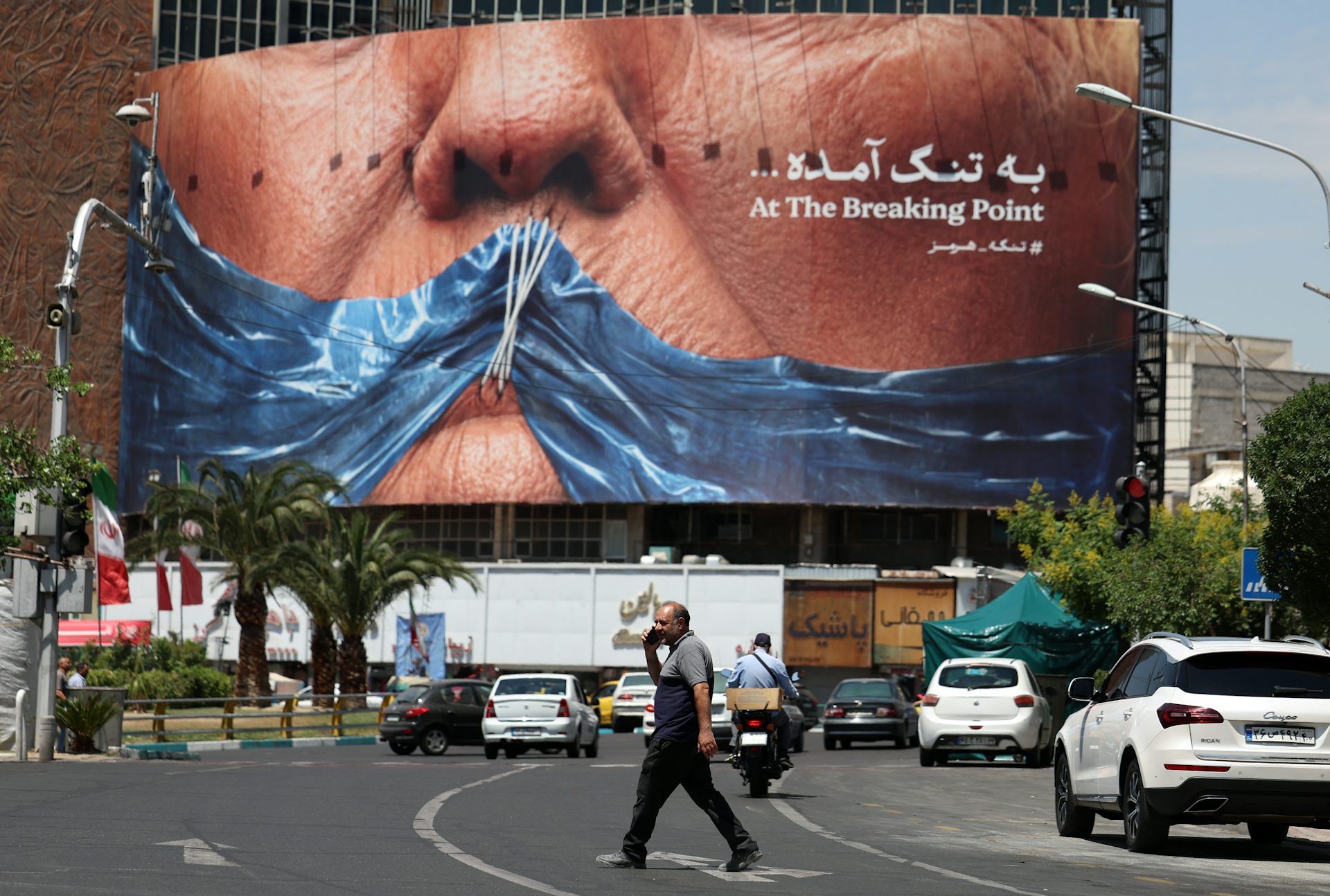
كيف تستخدم إيران اللوحات الإعلانية كدعاية زمن الحرب – اخترنا 5 لتوضيح معناها
How Iran uses billboards as wartime propaganda – we selected 5 to explain what they mean
-
لماذا تقوم المملكة المتحدة بتغيير رئيس وزرائها كل بضع سنوات؟
Why is the UK now changing prime minister every few years?