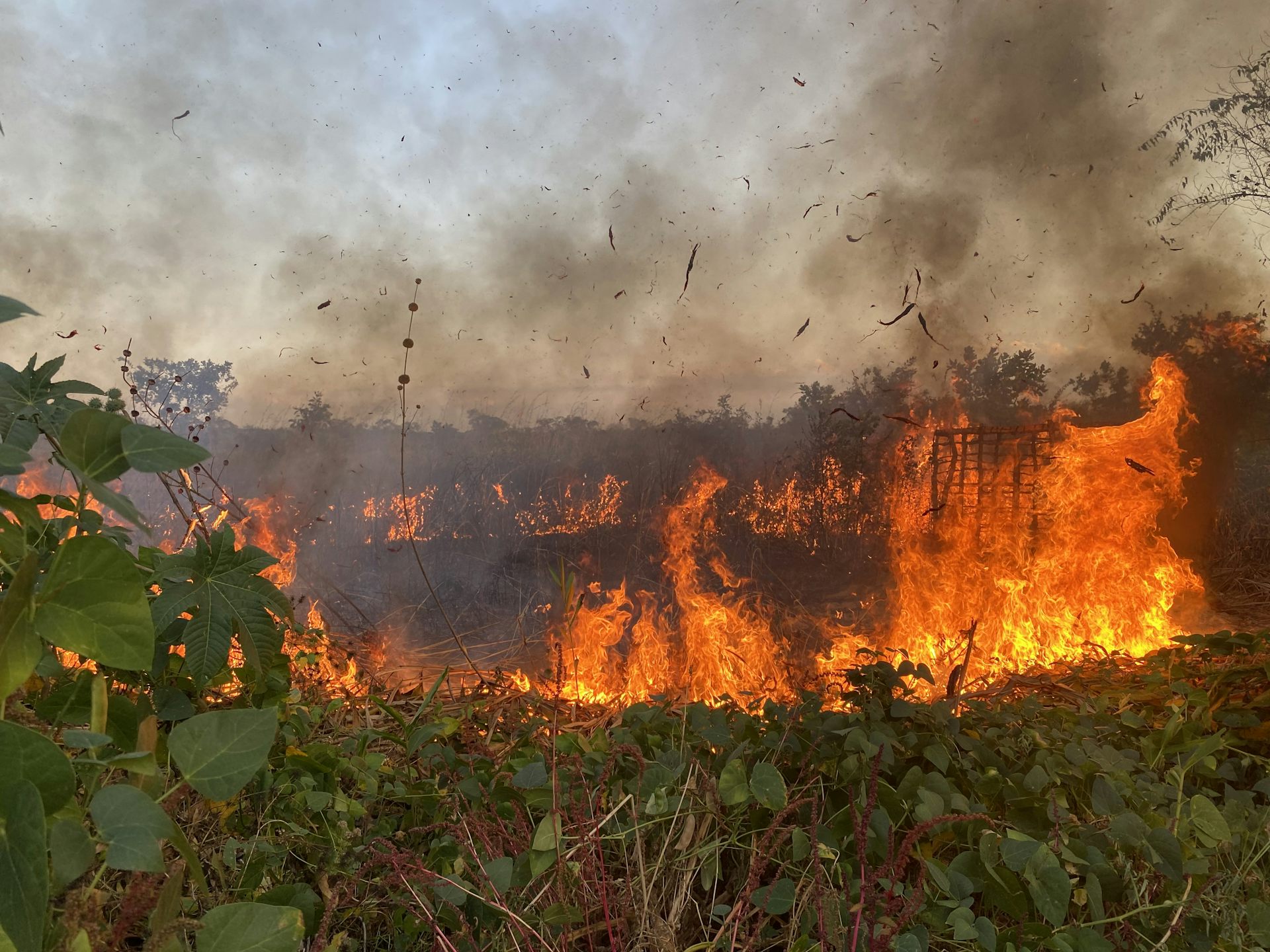
غيّر الصراع الطويل في أنغولا من طريقة استخدام المزارعين للنار – وما أهمية ذلك
Angola’s long war changed the way farmers used fire – why it matters
Understanding how rural communities use fire is the first step in managing it.
إن فهم كيفية استخدام المجتمعات الريفية للنار هو الخطوة الأولى في إدارتها.
Few places in Africa have been as isolated and understudied as eastern Angola, particularly the highlands of the Moxico provinces, a region rich in biodiversity, culture and history. The country’s political past helps explain this isolation. Having achieved independence from Portugal in 1975 after 11 years of war, Angola descended into a civil war that lasted 27 years, one of the longest conflicts in Africa.
لم تكن هناك أماكن في أفريقيا معزولة وأقل دراسة من شرق أنغولا، وخاصة المرتفعات الإقليمية لمقاطعات موكسيكو، وهي منطقة غنية بالتنوع البيولوجي والثقافة والتاريخ. يساعد الماضي السياسي للبلاد على تفسير هذا العزل. فبعد تحقيق الاستقلال عن البرتغال في عام 1975 بعد 11 عامًا من الحرب، انزلق أنغولا إلى حرب أهلية استمرت 27 عامًا، وهي واحدة من أطول الصراعات في أفريقيا.
Since peace was established in 2002, development has concentrated in the capital Luanda, on the west coast. The east of the country has remained deeply marginalised, with limited access to basic services such as healthcare and education. Infrastructure is scarce and portions of the territory still have many landmines.
منذ تأسيس السلام في عام 2002، تركز التنمية في العاصمة لواندا، على الساحل الغربي. وبقي شرق البلاد مهمشًا بعمق، مع محدودية الوصول إلى الخدمات الأساسية مثل الرعاية الصحية والتعليم. البنية التحتية شحيحة وأجزاء من الإقليم لا تزال تحتوي على العديد من الألغام الأرضية.
In these areas the state’s limited presence, likely a legacy of political exclusion and geographic isolation, has allowed communities a good deal of autonomy over land and resources. This has contributed to ecological preservation but hindered social and economic development.
في هذه المناطق، سمح الوجود المحدود للدولة، الذي يُرجّح أنه إرث للإقصاء السياسي والعزلة الجغرافية، للمجتمعات بقدر كبير من الحكم الذاتي على الأراضي والموارد. وقد ساهم هذا في الحفاظ البيئي ولكنه أعاق التنمية الاجتماعية والاقتصادية.
Isolation has also shaped something less visible: the role of fire in human survival and the woodland ecosystem.
لقد شكّل العزل أيضًا شيئًا أقل وضوحًا: دور النار في بقاء الإنسان والنظام البيئي للغابات.
As a team of ecologists, social scientists and political scientists from the University of Edinburgh and the University of Turin, supported by the Okavango Wilderness Project, we have been researching ties between forests and local communities in this region. Fire is one of the main tools communities use to manage the landscape – clearing fields, improving visibility, stimulating fruit growth, and aiding hunting.
بصفتنا فريقاً من علماء البيئة والعلماء الاجتماعيين والعلماء السياسيين من جامعة إدنبرة وجامعة تورين، وبدعم من مشروع أوكافانغو البري، كنا نبحث في الروابط بين الغابات والمجتمعات المحلية في هذه المنطقة. والنار هي إحدى الأدوات الرئيسية التي تستخدمها المجتمعات لإدارة المشهد الطبيعي – وتتضمن ذلك تنظيف الحقول وتحسين الرؤية وتحفيز نمو الفاكهة والمساعدة في الصيد.
In a recent paper we set out our findings about how civil war had shaped fire regimes (patterns of fire in an ecosystem) in eastern Angola. We combined analysis of satellite data on burned areas and in-depth interviews with 42 elders who lived through the conflict and still live in the area now.
في ورقة بحثية حديثة، عرضنا نتائجنا حول كيفية تشكيل الحرب الأهلية لأنظمة النيران (أنماط النار في النظام البيئي) في شرق أنغولا. وجمعنا بين تحليل بيانات الأقمار الصناعية عن المناطق المحترقة والمقابلات المتعمقة مع 42 شيخاً عاشوا خلال الصراع ولا يزالون يعيشون في المنطقة حتى الآن.
We found something that surprised us and that runs counter to what researchers have documented elsewhere. During the war, fire activity was lower than before or after it. In most conflict zones, war has tended to be associated with higher fire activity. This is important since how “normal” fire activity is defined determines how fire is managed.
وجدنا شيئًا فاجأنا ويتعارض مع ما وثقه الباحثون في أماكن أخرى. خلال الحرب، كان نشاط النيران أقل مما كان عليه قبلها أو بعدها. وفي معظم مناطق الصراع، يميل ارتباط الحرب بأنشطة نارية أعلى. وهذا مهم لأن تحديد كيفية تعريف النشاط الناري “الطبيعي” يحدد كيفية إدارة النار.
Wartime in Angola’s highlands
الحروب في مرتفعات أنغولا
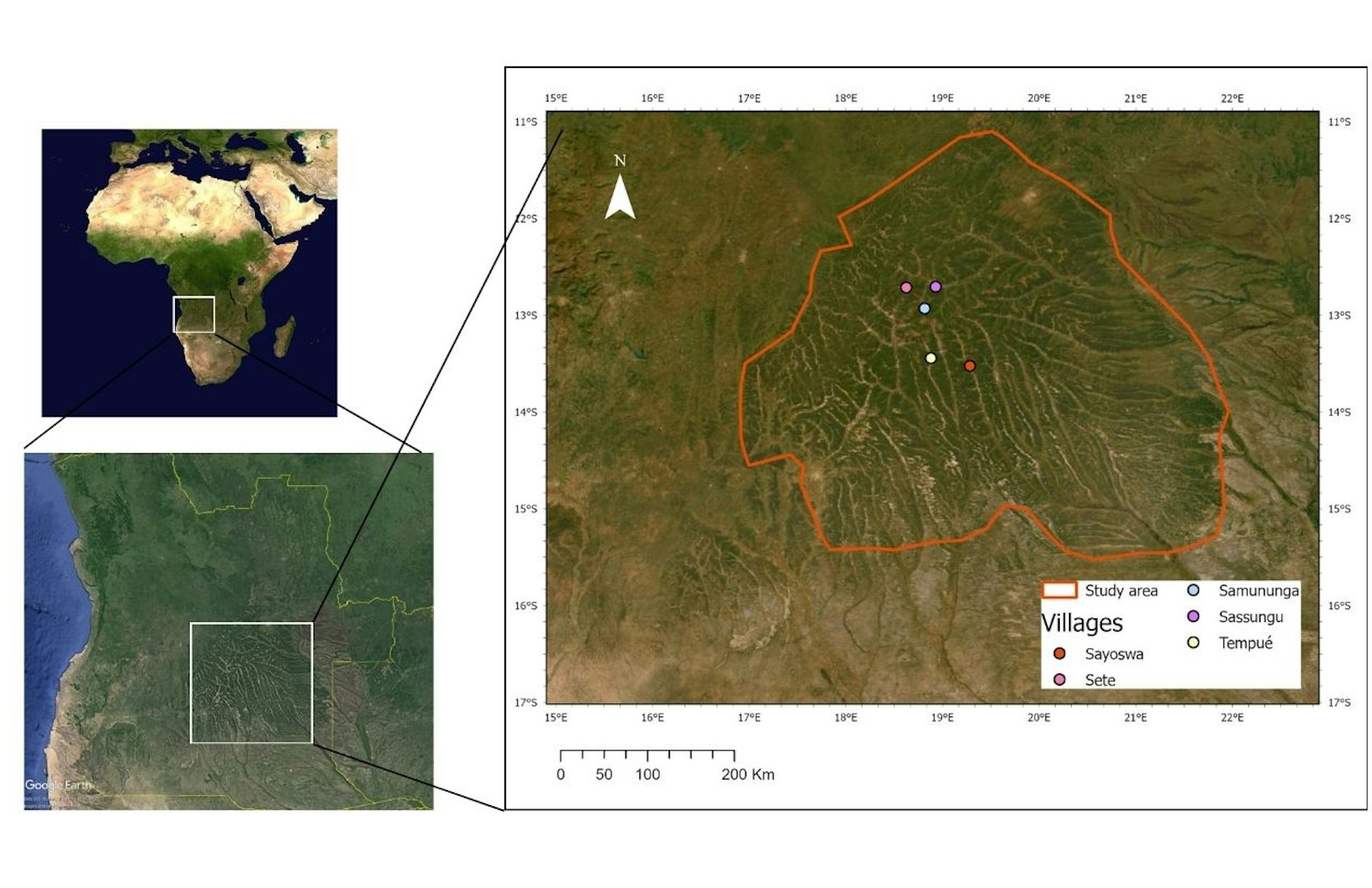
Our fieldwork took place in three villages in the Moxico highlands. Dry forests and miombo woodlands grow in the high parts. Lower down there are grasslands and rivers – the headwaters of the Okavango Delta, whose waters sustain ecosystems and communities across southern Africa. This remote area is sparsely populated and the main activities are subsistence farming and honey collection.
أجري عملنا الميداني في ثلاث قرى في مرتفعات موكسيكو. تنمو الغابات الجافة وأخشاب الميونبو في الأجزاء العليا. وفي الأسفل توجد المراعي والأنهار – وهي منابع دلتا أوكافانغو، التي تدعم مياهها النظم البيئية والمجتمعات في جميع أنحاء جنوب أفريقيا. هذه المنطقة النائية قليلة السكان وتقتصر الأنشطة الرئيسية فيها على الزراعة المعيشية وجمع العسل.
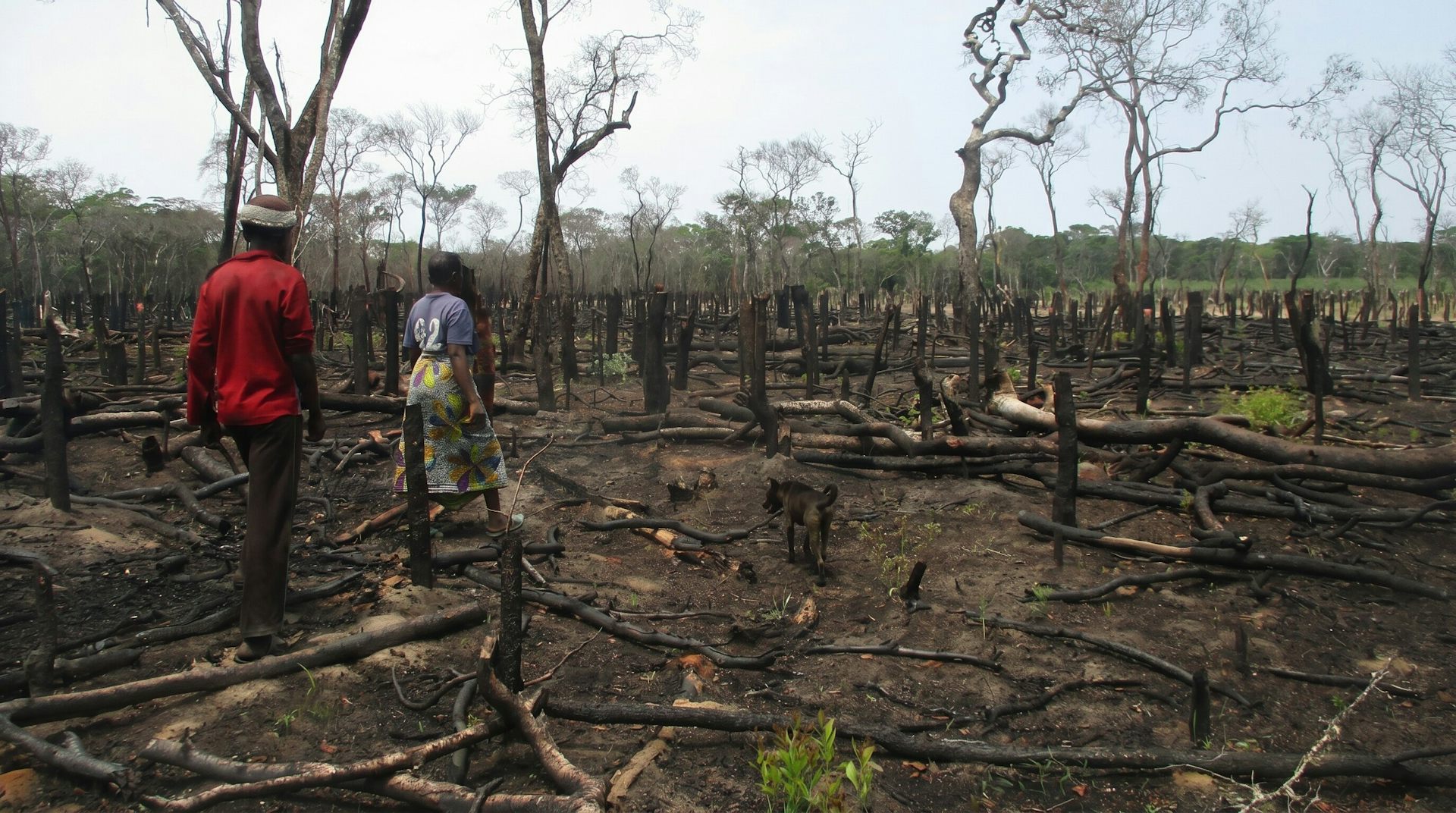
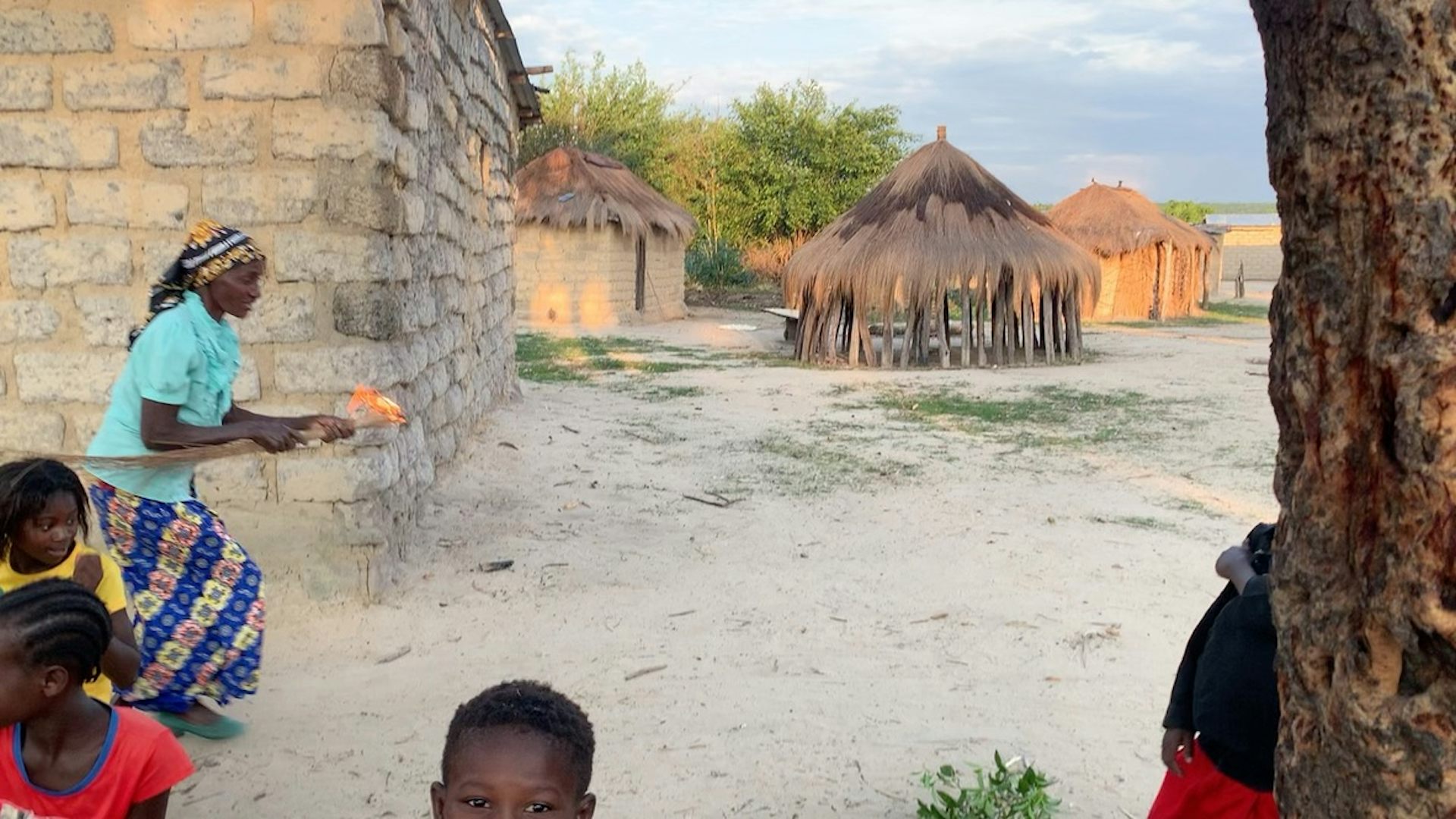
Local people have traditionally used fire to clear their fields and the bush for easier hunting. They use controlled burns in savannas and woodlands to reduce the risk of larger fires reaching homes, and to help keep snakes away from villages. The villagers also use smoke in harvesting honey and firewood for cooking.
اعتاد السكان المحليون تقليديًا استخدام النار لتنظيف حقولهم والشجيرات لتسهيل الصيد. إنهم يستخدمون الاحتراق المتحكم فيه في السافانا والغابات لتقليل خطر وصول حرائق أكبر إلى المنازل، وللمساعدة في إبعاد الثعابين عن القرى. ويستخدم القرويون أيضًا الدخان في حصاد العسل والحطب للطهي.
Customary authorities still govern the use of natural resources.
لا تزال السلطات العرفية تحكم استخدام الموارد الطبيعية.
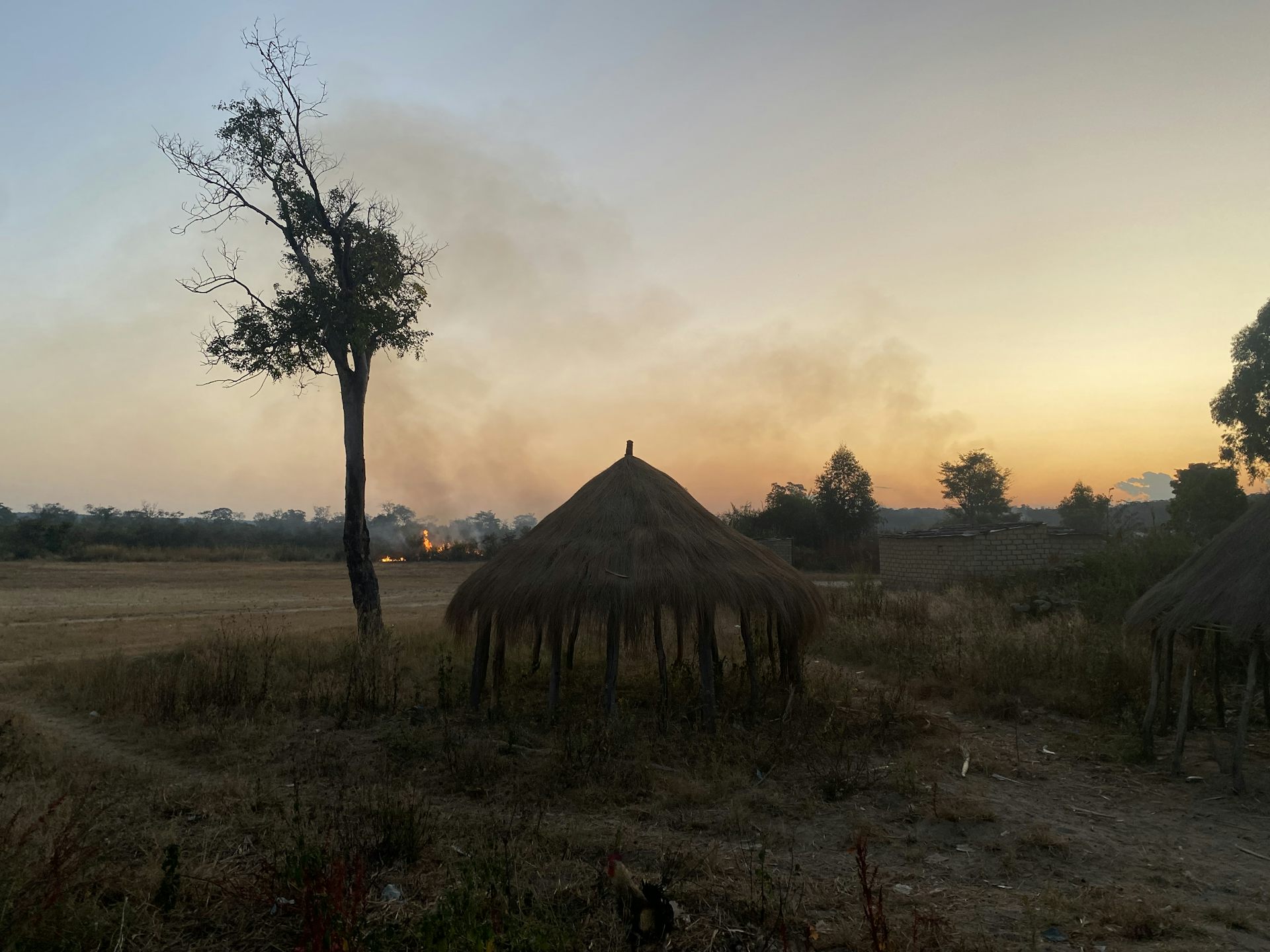
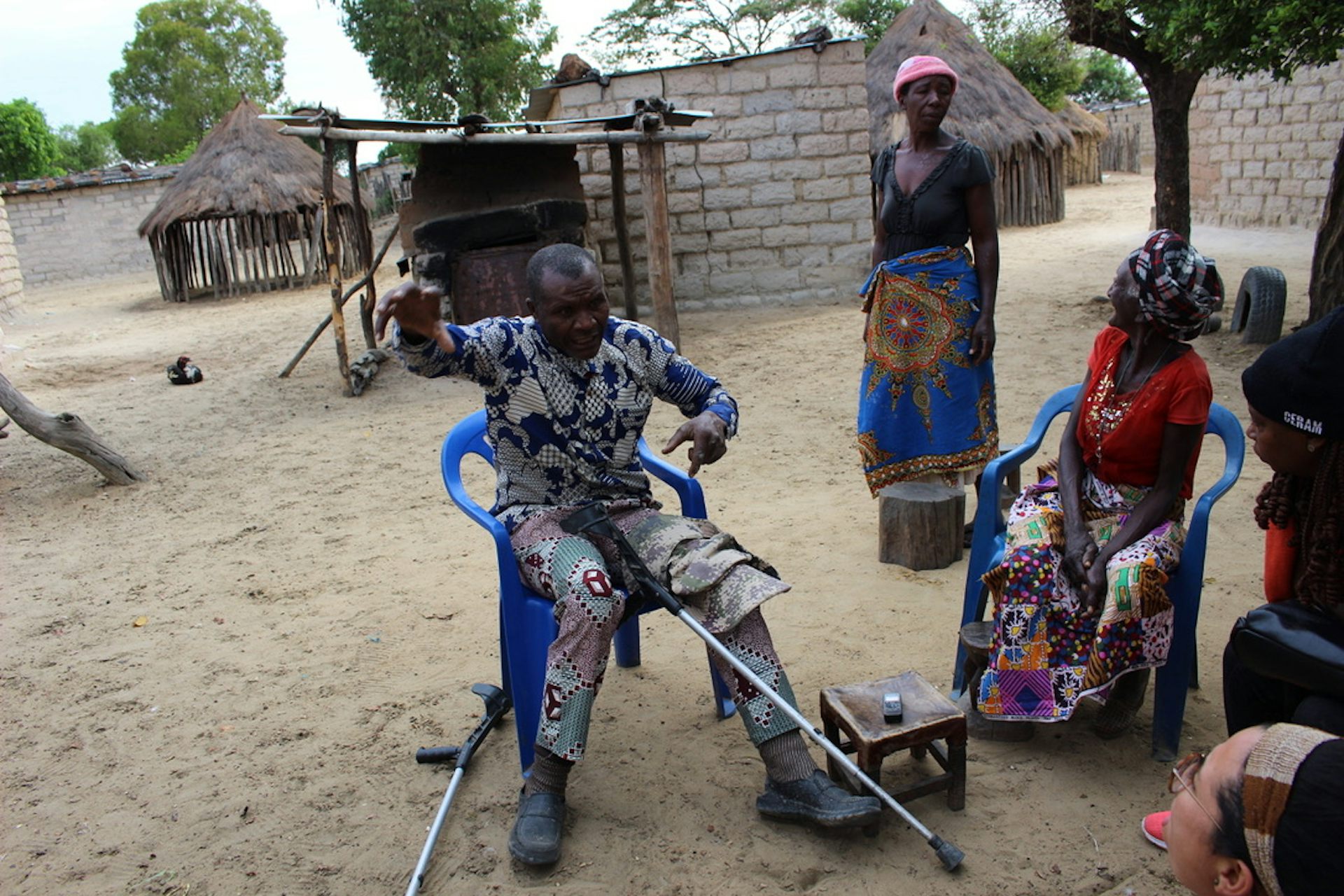
Elders told us fire was used less during the war: people were constantly displaced, relying heavily on woodland products – honey, fruits, mushrooms and wild animals – for survival. A woman said:
أخبرنا الشيوخ أن استخدام النار كان أقل خلال الحرب: كان الناس يتنقلون باستمرار، ويعتمدون بشكل كبير على منتجات الغابات – العسل والفواكه والفطر والحيوانات البرية – من أجل البقاء. قالت امرأة:
During the war, we had to move constantly; you built a house, stayed a month or a year, then moved again.
خلال الحرب، اضطررنا إلى التنقل باستمرار؛ كنت تبني منزلًا، وتبقى شهرًا أو سنة، ثم تنتقل مرة أخرى.
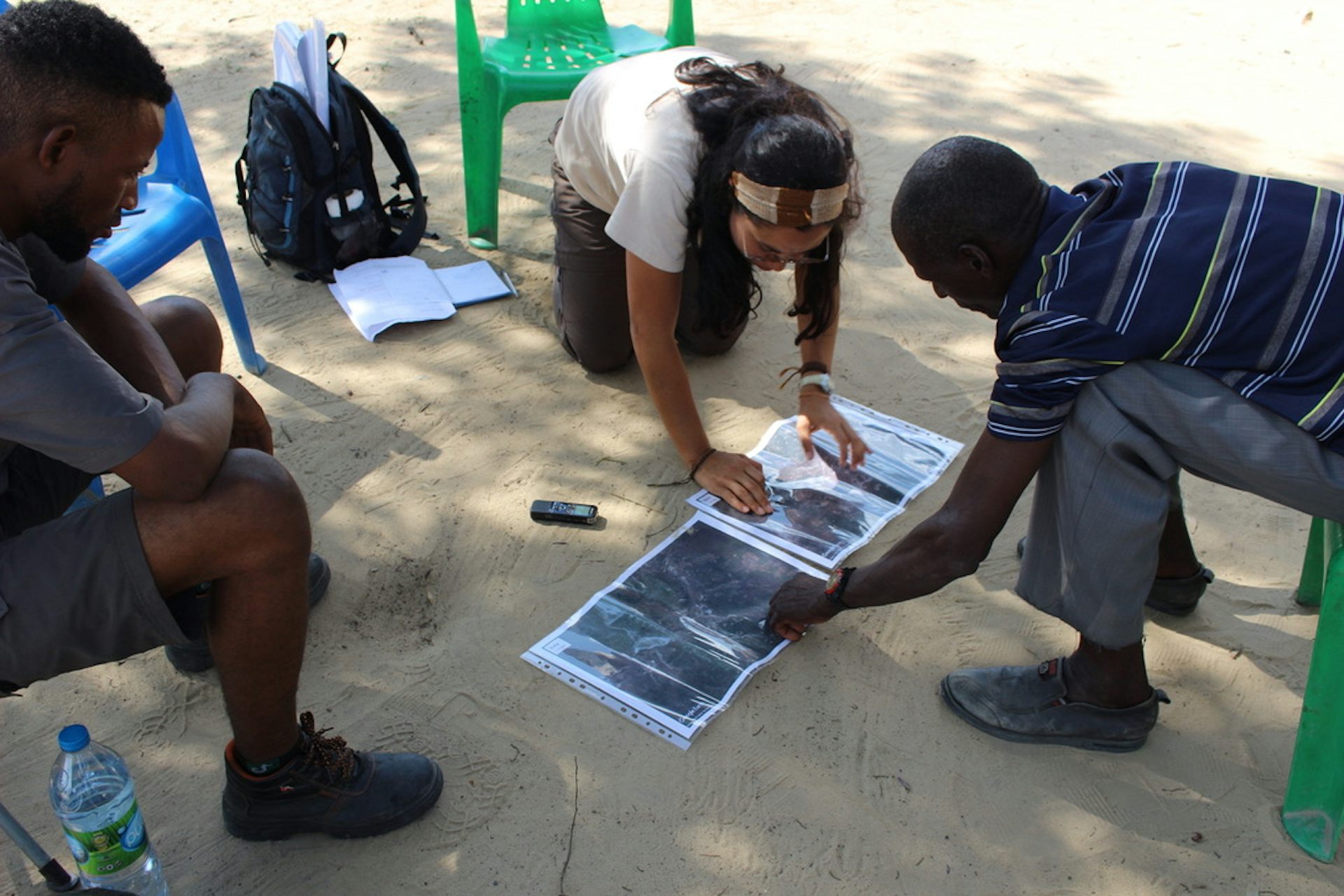
Armed forces strictly regulated the use of fire for cooking or hunting, since it could reveal people’s location; therefore, it was often used at night, when aircraft were not around. Forest cover was needed for safety. Careless use could result in harsh punishment and even death. One respondent told us:
قامت القوات المسلحة بتنظيم استخدام النار للطهي أو الصيد بشكل صارم، لأنه يمكن أن يكشف عن موقع الناس؛ ولذلك، كان غالبًا ما يستخدم في الليل، عندما لا تكون الطائرات موجودة. كانت غطاء الغابات ضروريًا للسلامة. يمكن أن يؤدي الاستخدام غير المبالي إلى عقاب قاسٍ وحتى الموت. أخبرنا أحد المستجيبين:
If you burned, that was a crime! You would get whipped!
إذا أحرقْتَ، فهذه جريمة! كنت ستُجلد!
Respondents said that during the war, forested areas expanded and got denser.
قال المستجيبون إنه خلال الحرب، توسعت المناطق الحرجية وأصبحت أكثر كثافة.
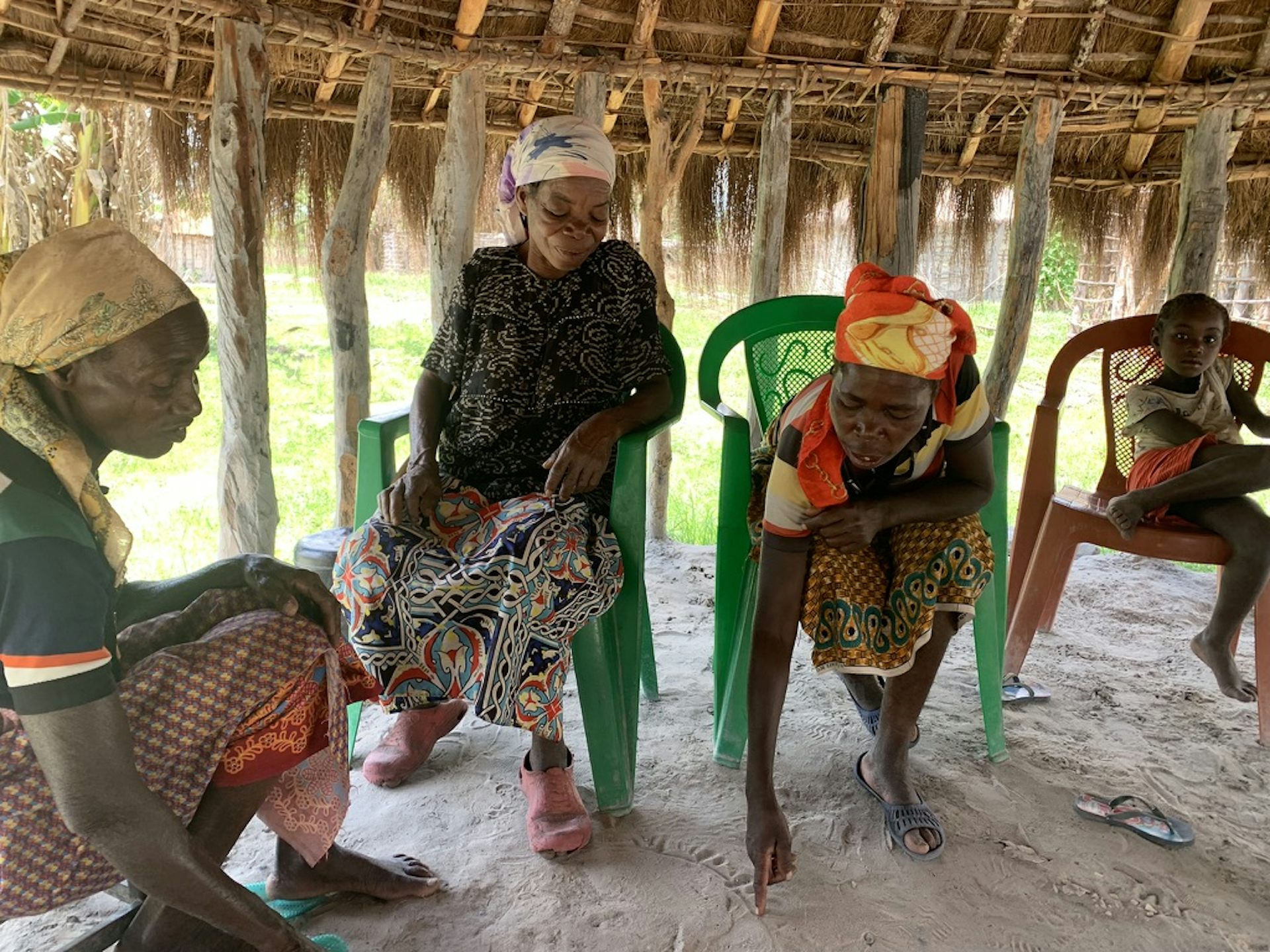
Our spatial analyses of burned areas confirmed that fire decreased by an average of 36% during the war compared with the average after the war (2003 to 2018) , with sharper declines in some periods. There was a 46% drop between 1991 and 1992, possibly linked to renewed violence after Unita (one of the parties in the civil war) rejected the Bicesse Accords election results. After the war ended in 2002, burned area rose 60% above the wartime average.
أكد تحليلنا المكاني للمناطق المحترقة أن النار انخفضت بمعدل 36% في المتوسط خلال الحرب مقارنة بالمتوسط بعد الحرب (2003 إلى 2018) ، مع انخفاضات أكثر حدة في بعض الفترات. كان هناك انخفاض بنسبة 46% بين عامي 1991 و 1992، ربما يرتبط بتجدد العنف بعد رفض يونيتا (إحدى الأطراف في الحرب الأهلية) نتائج انتخابات اتفاقيات بيسيس. بعد انتهاء الحرب في عام 2002، ارتفعت مساحة المناطق المحترقة بنسبة 60% فوق متوسط فترة الحرب.
Fire and conflict
النار والصراع
The case of eastern Angola shows some interesting patterns which can bring a new perspective to the relationship between fire regimes and armed conflict.
تُظهر حالة أنغولا الشرقية بعض الأنماط المثيرة للاهتمام التي يمكن أن تقدم منظوراً جديداً للعلاقة بين أنظمة النيران والنزاع المسلح.
One is that most research on war and fire documents an increase in fire. This has been seen in Syria, Turkey, Iraq and Ukraine.
أحد هذه الأنماط هو أن معظم الأبحاث حول الحرب والنار توثق زيادة في الحرائق. وقد لوحظ هذا الأمر في سوريا وتركيا والعراق وأوكرانيا.
Our study shows the opposite: a marked decrease in fire activity during the conflict, followed by a sharp postwar recovery.
تظهر دراستنا العكس: انخفاض ملحوظ في نشاط النيران أثناء الصراع، يليه تعافٍ حاد بعد الحرب.
This drastic increase was likely driven by returning populations, restored livelihood practices and expanded market connections, all likely exacerbated by natural fuel accumulated during years of suppressed burning.
من المحتمل أن يكون هذا الارتفاع الهائل مدفوعاً بعودة السكان، واستعادة ممارسات سبل العيش، وتوسع الروابط السوقية، وكل ذلك ربما تفاقم بسبب الوقود الطبيعي المتراكم خلال سنوات كبح الاحتراق.
We read it not as an anomaly but as a return to a peacetime baseline. We suggest that it was the wartime suppression of burning that was exceptional.
نحن لا نعتبره شذوذاً، بل عودة إلى خط أساس في فترة السلم. ونقترح أن الكبح الذي حدث للاحتراق أثناء الحرب هو ما كان استثنائياً.
This distinction is important not only for academic debates on human-fire interactions but also for fire governance and policy in the region. Taking the low-burning years of the war period as the baseline fire regime can lead to management strategies that focus on suppression, like banning early controlled burning. These can in turn disrupt fire-dependent livelihoods, overlook longer-term historical patterns, and promote narratives that are not necessarily grounded in local ecological or socioeconomic realities.
هذا التمييز مهم ليس فقط للمناقشات الأكاديمية حول تفاعلات الإنسان والنار، بل وأيضاً لحوكمة وسياسات النيران في المنطقة. إن اعتبار سنوات انخفاض الاحتراق خلال فترة الحرب كالنظام الأساسي للنيران يمكن أن يؤدي إلى استراتيجيات إدارة تركز على الكبح، مثل حظر الحرق المتحكم به المبكر. ومن جانبها، يمكن لهذه الاستراتيجيات أن تعطل سبل العيش المعتمدة على النار، وتتجاهل الأنماط التاريخية طويلة الأجل، وتعزز روايات ليست بالضرورة متجذرة في الحقائق البيئية أو الاجتماعية والاقتصادية المحلية.
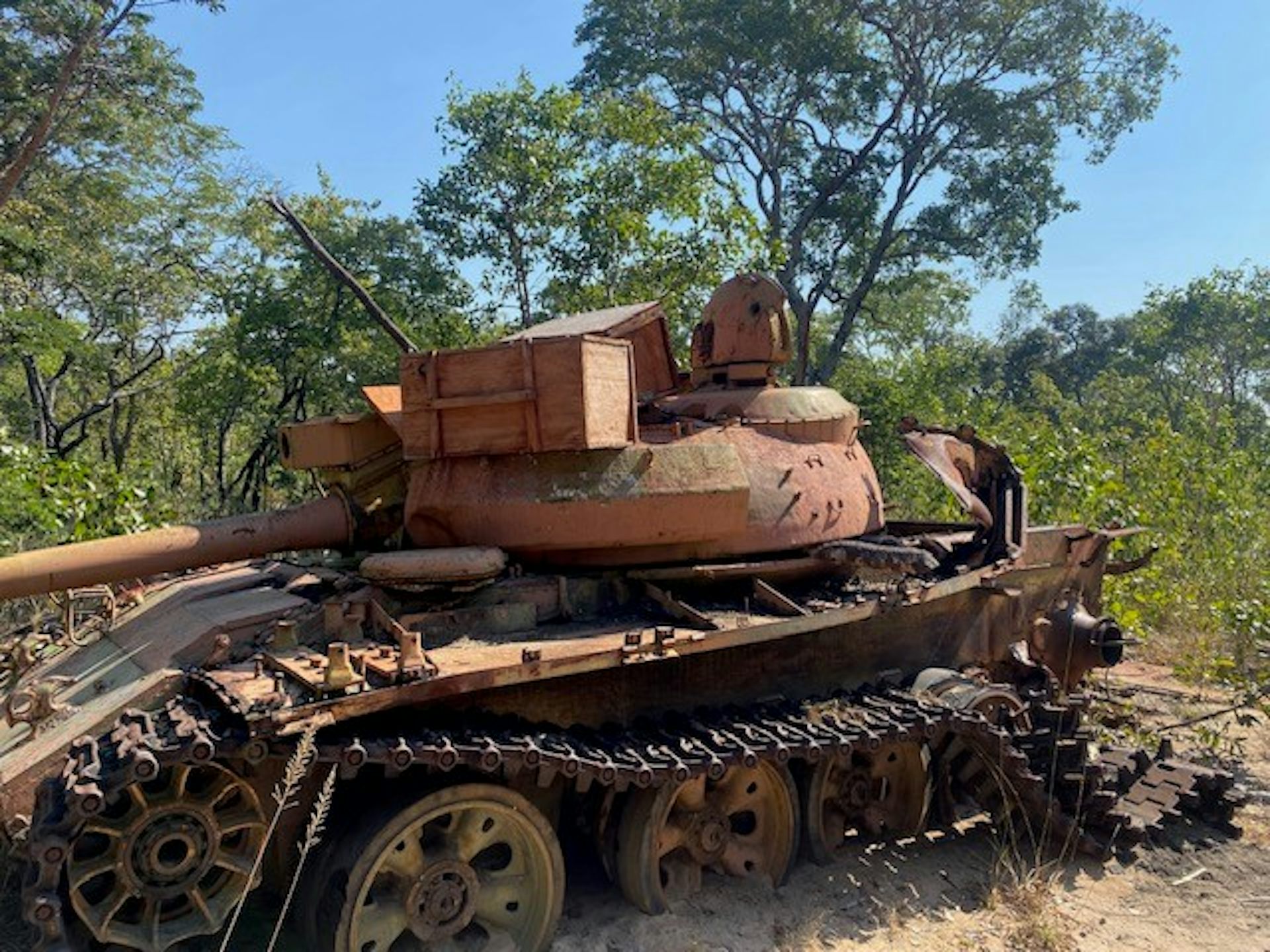
The effects of the war extended well beyond its end in 2002. Before the conflict, fire was managed collectively through long-standing community traditions. Wartime restrictions on burning, together with the disruption caused by the conflict, eroded these practices and the intergenerational knowledge that sustained them. As a result, fire use today is largely shaped by individual decisions rather than coordinated community management.
امتدت آثار الحرب إلى ما بعد انتهائها في عام 2002 بوقت طويل. قبل الصراع، كانت إدارة النار تتم بشكل جماعي من خلال تقاليد مجتمعية عريقة. وقد أدت القيود المفروضة على الحرق أثناء الحرب، إلى جانب الاضطراب الذي سببه الصراع، إلى تآكل هذه الممارسات والمعرفة بين الأجيال التي دعمتها. ونتيجة لذلك، فإن استخدام النار اليوم يتشكل إلى حد كبير من القرارات الفردية بدلاً من الإدارة المجتمعية المنسقة.
Managing fire in context
إدارة الحرائق في سياقها
This case carries several implications: war can reshape fire regimes in ways current literature has overlooked, and fire itself is still too often framed as a danger or disaster, rather than a crucial tool for rural communities. Managing fire in this landscape calls for approaches that fit local realities, recognising fire as a socio-political process as much as an environmental one, and placing local livelihoods at the centre of governance.
يحمل هذا البحث عدة تداعيات: يمكن للحرب أن تعيد تشكيل أنظمة النيران بطرق أغفلت عنها الأدبيات الحالية، كما أن النار نفسها لا تزال تُصوَّر في كثير من الأحيان على أنها خطر أو كارثة، بدلاً من كونها أداة حيوية للمجتمعات الريفية. تتطلب إدارة الحرائق في هذا المشهد مقاربات تتناسب مع الحقائق المحلية، وتُدرك النار كعملية اجتماعية وسياسية بقدر ما هي عملية بيئية، ووضع سبل عيش السكان المحليين في صميم الحوكمة.
The highlands of Moxico may represent an extreme case, but they are a reminder that war’s consequences for landscapes and livelihoods can be complex, unexpected and long-lasting – especially for marginalised groups.
قد تمثل مرتفعات موكسيكو حالة قصوى، لكنها تذكير بأن عواقب الحرب على المناظر الطبيعية وسبل العيش يمكن أن تكون معقدة وغير متوقعة وطويلة الأمد – خاصة بالنسبة للمجموعات المهمشة.
Author’s note on photos: before we take pictures with people we always ask for their consent, and we ask if we can share those pictures in different places. We obtain oral consent since most of the people we work with don’t read or write.
ملاحظة الكاتب حول الصور: قبل التقاط صور للأشخاص، نطلب دائمًا موافقتهم، ونسأل عما إذا كان بإمكاننا مشاركة تلك الصور في أماكن مختلفة. نحصل على الموافقة الشفوية لأن معظم الأشخاص الذين نعمل معهم لا يقرؤون أو يكتبون.
Luisa F. Escobar Alvarado is affiliated with The University of Turin and The National Geographic Okavango Wilderness Project. We thank the support of National Geographic Okavango Wilderness Project, CONAHCYT, Davis Fund at the University of Edinburgh, the Lisima Foundation, the Wild Bird Trust, the Leverhulme Trust (IF-2023-032) , the European Research Council grant FIREPOL (101076495) and NERC Large Grant SECO (NE/T01279X/1) .
ترتبط لويزا ف. إسكوبار ألفارادو بجامعة تورينو ومشروع أوكافانغو البري الوطني الجغرافي. نشكر دعم مشروع أوكافانغو البري الوطني الجغرافي، وكوناكسيت (CONAHCYT) ، وصندوق ديفيس في جامعة إدنبرة، ومؤسسة ليزيما، وثقة الطيور البرية، وثقة ليفرهولم (IF-2023-032) ، ومنحة المجلس الأوروبي للأبحاث FIREPOL (101076495) ، والمنحة الكبرى لـ NERC SECO (NE/T01279X/1) .
Read more
-
ما تحتاج لمعرفته حول تفشي إيبولا الذي أثار قلق منظمة الصحة العالمية
What you need to know about the Ebola outbreak that has the WHO concerned
-
لم يقتصر تيد ترنر على إحداث ثورة في التلفزيون، بل غيّر طريقة رؤيتنا لعالمنا.
Ted Turner didn’t just revolutionize television − he changed the way we see our world