In the shift from absolutism towards representative government, the monarch symbolised impartiality and balance
在从君主专制转向代议制政府的过程中,君主象征着公正与平衡
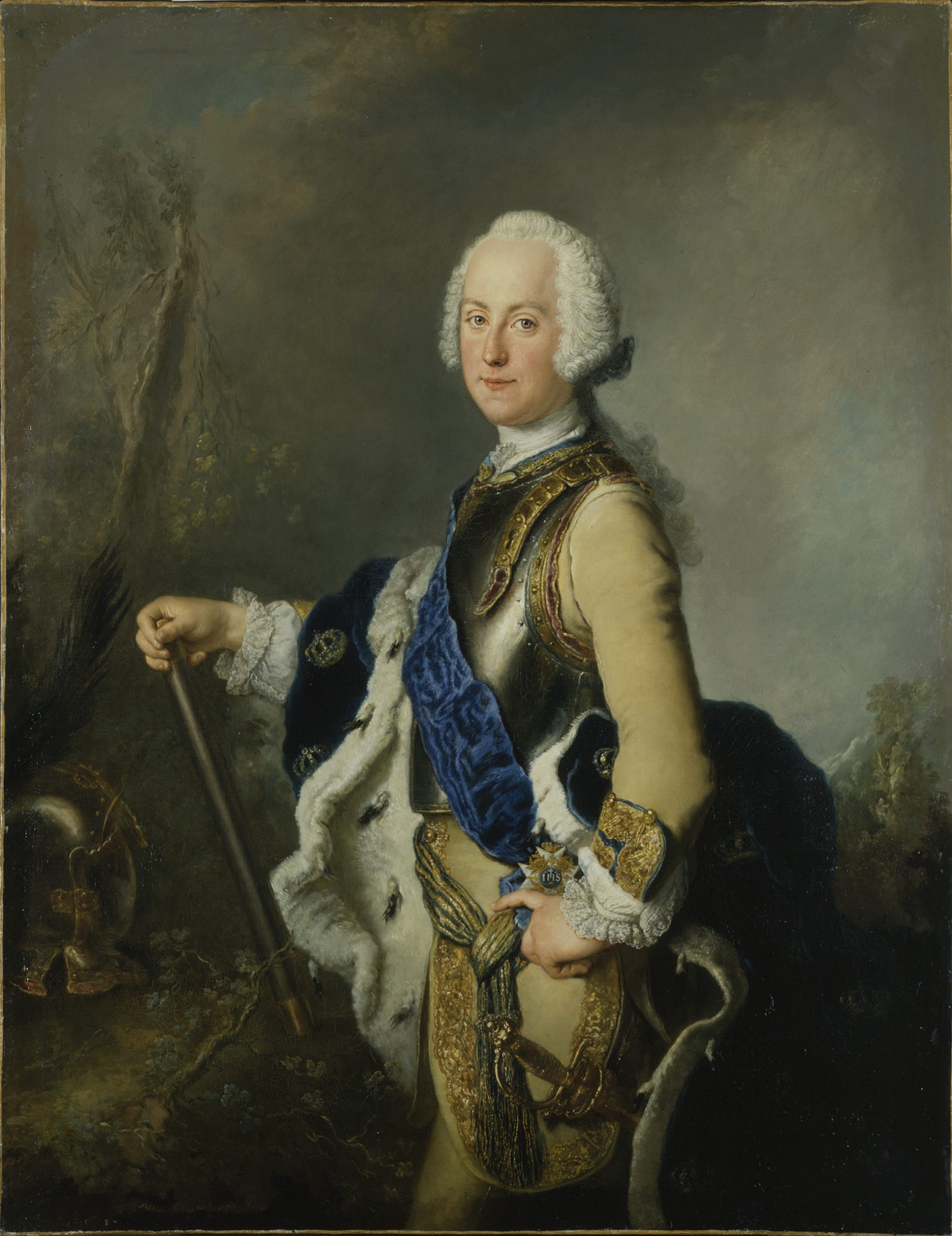
In 1768, towards the end of the period of Swedish history known as Frihetstiden, the Age of Liberty, King Adolf Frederick threatened to abdicate unless an extraordinary session of the Riksdag, the Swedish parliament, was immediately convened. The immediate issue concerned a new financial plan, but the king hoped that the parliamentary session would also lead to constitutional changes to strengthen his power.
1768年,在瑞典历史上被称为“自由时代”(Frihetstiden)的时期接近尾声时,国王阿道夫·弗雷德里克威胁说,除非立即召开一次瑞典议会(Riksdag)的特别会议,否则他将宣布退位。最初的问题是关于一项新的财政计划,但国王希望议会会议也能带来宪法改革,从而增强他的权力。
The 16-member strong Council of the Realm, over which the king presided, was given three days to summon the Riksdag. Meanwhile, the king would not partake in any decision-making. In other words, he went on strike.
由16名成员组成的强力王国委员会(strong Council of the Realm),在国王的主持下,被要求在三天内召集议会。与此同时,国王本人不参与任何决策制定。换句话说,他罢工了。
As I show in my new book, Monarchy in the Age of Liberty: Royal power and public life in eighteenth-century Sweden, this moment in Swedish political history poses an interesting question: does a monarchy need a monarch? The country at the time was a kingdom, yet it effectively had a republican form of government. In the events that followed the king’s ultimatum, his councillors even attempted to replace him with a signature stamp. It is one of the many paradoxes of this era that such a measure be taken not in opposition to the monarchy but in order to preserve its very essence.
正如我在我的新书《自由时代的君主制:十八世纪瑞典的王权与公共生活》中所展示的,瑞典政治史上这一时刻提出了一个有趣的问题:君主制是否需要一位君主?当时这个国家是一个王国,但实际上却拥有了一种共和形式的政府。在国王发出最后通牒之后发生的事件中,他的顾问甚至试图用一个印章来取代他。这是一个该时代许多悖论之一,即采取这样的措施并非反对君主制,而是为了维护其本质。
A political revolution
一场政治革命
Sweden’s Age of Liberty was ushered in by the death of King Charles XII during the siege of Fredrikshald, in Norway, in 1718. From 1680, Sweden had been ruled as an absolute monarchy. Now, fatigued by 18 years of continuous warfare, the four estates of the Swedish Riksdag decided to curtail the king’s executive powers. As formulated in the Instruments of Government, the Accession Charters and the Royal Elections Acts of 1719 and 1720, the Council of the Realm was now to oversee the monarch’s decision-making, and, in turn, answer to the Riksdag.
瑞典的自由时代是在查理十二世于1718年挪威弗雷德里克沙尔德围城战期间去世后开启的。自1680年以来,瑞典一直作为君主专制国家统治。现在,在经历了18年的持续战争后,瑞典议会(Riksdag)的四阶层决定削减国王的行政权力。根据1719年和1720年的《政府工具》、《继位宪章》和《皇家选举法》的规定,王国委员会(Council of the Realm)现在负责监督君主的决策制定,并反过来向议会负责。
In Protestant Sweden, social theory was grounded in equal measure in ancient political thinking and Lutheran ideas. Central to this was Martin Luther’s so-called doctrine of the three estates, which held that society was composed of the teaching estate (the clergy) , the defending estate (the nobility) and the nourishing estate (the commoners) and that all three were needed for societal balance and harmony to be achieved.
在新教瑞典,社会理论植根于古代政治思想和路德宗思想的平等结合。其核心是马丁·路德所谓的“三阶层学说”,该学说认为社会由教士阶层(神职人员)、贵族阶层(武备人员)和平民阶层(养育人员)组成,并且需要这三个阶层才能实现社会的平衡与和谐。
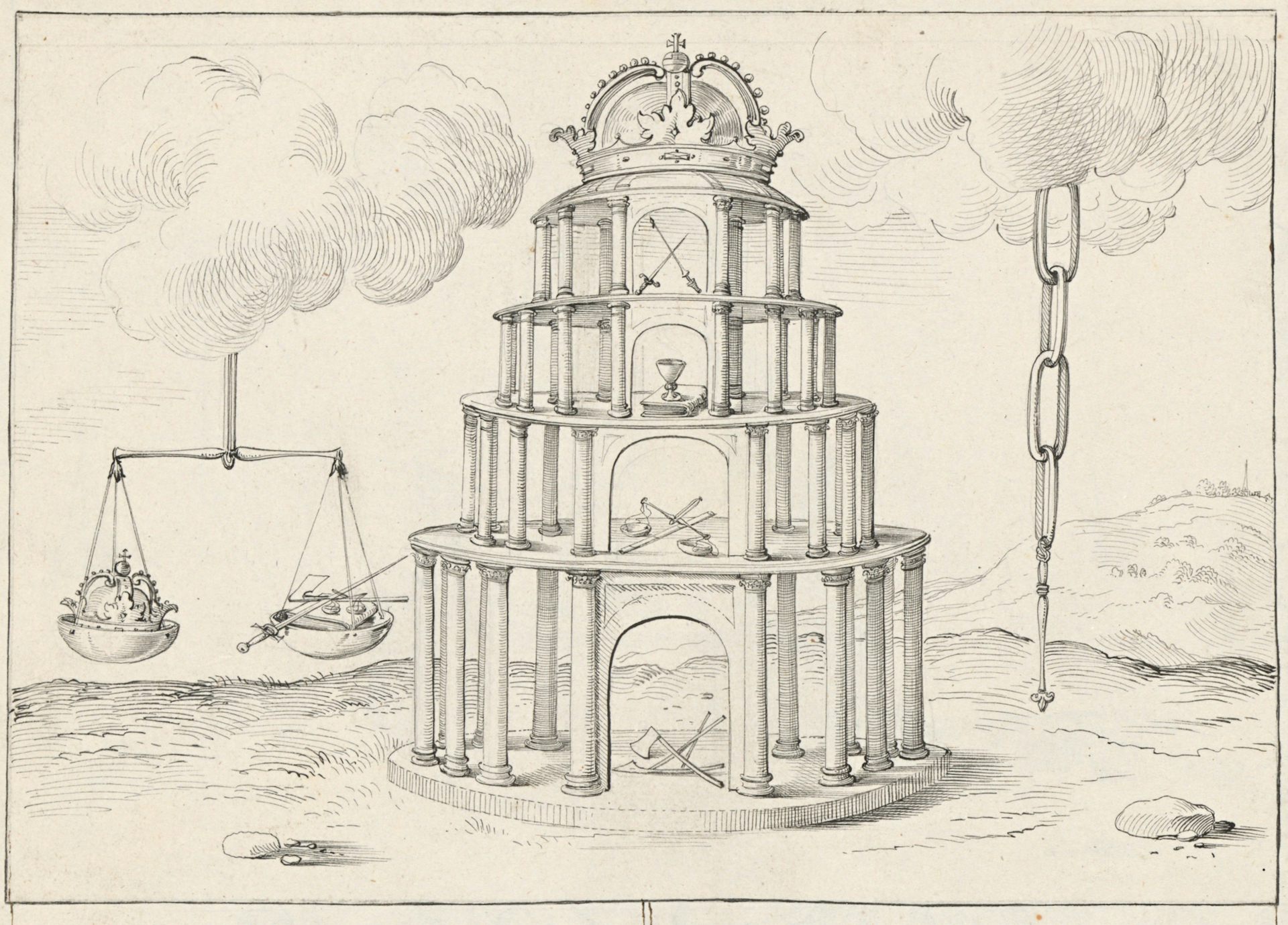
The monarch stood above all laws — it was the essence of his majesty. As such, he was the only figure considered to be free from self-interest and therefore able to maintain this social balance. Thus, despite his practical duties having been made redundant, his symbolic importance was incontrovertible.
君主凌驾于所有法律之上——这是其威严的本质。因此,他被认为是唯一不受私利影响、能够维持这种社会平衡的人物。因此,尽管他的实际职责已经变得多余,但其象征意义是不可否认的。
Upon the death of Charles XII in 1718, his sister, Ulrika Eleonora, briefly succeeded to the throne before abdicating after just over a year in favour of her husband, Frederick I, who ruled until 1751.
查理十二世于1718年去世后,他的妹妹乌尔里卡·埃莱奥诺拉短暂继位,但在一年多后退位,让位给了她的丈夫腓特烈一世,后者统治直到1751年。
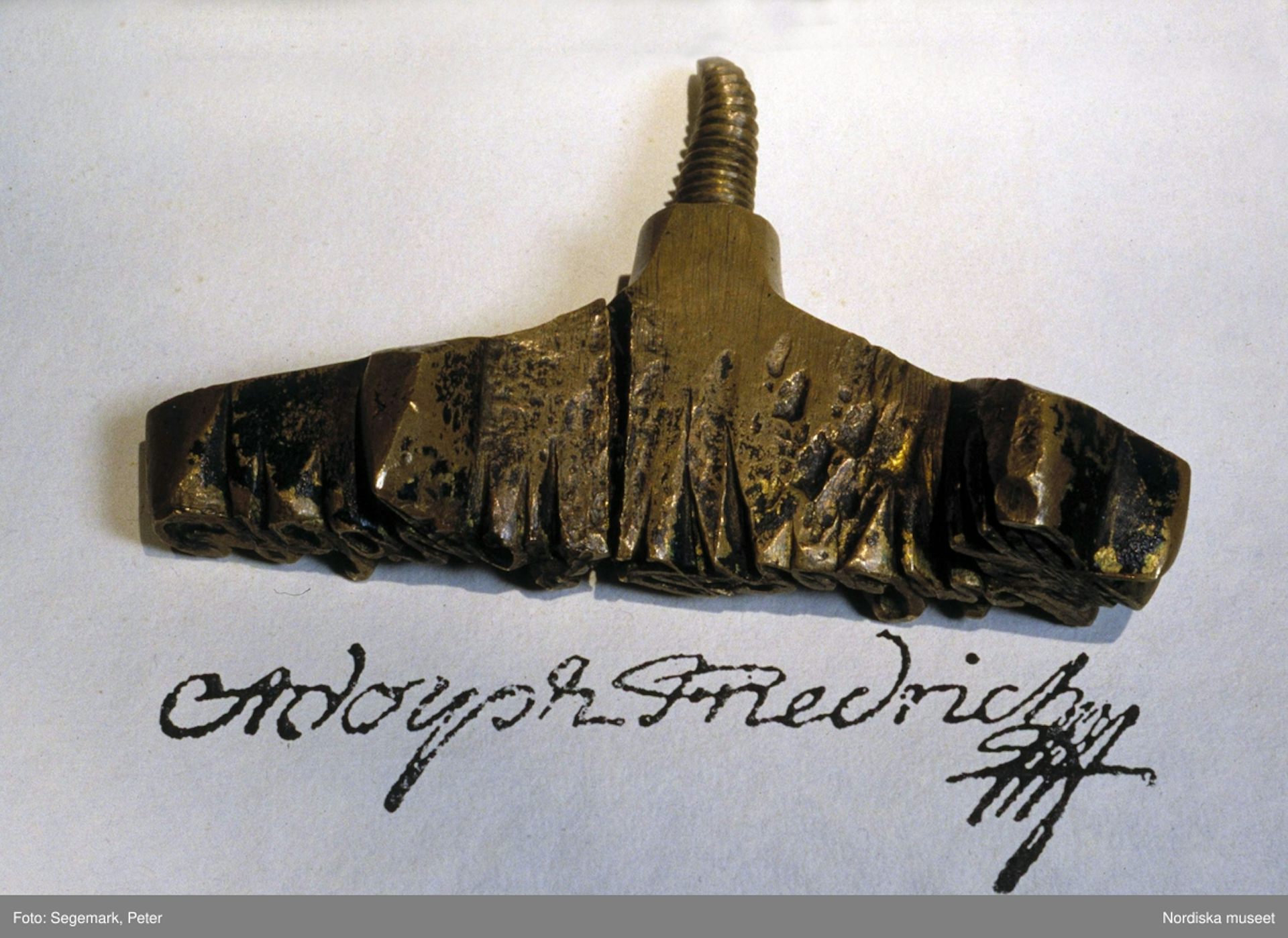
As king, Frederick I soon lost interest in his rather insignificant duties and, drawing inspiration from absolutist France, had a name stamp made. This was ostensibly to save himself the trouble of signing a large number of circulars. But the stamp also came to serve as a political instrument.
作为国王,腓特烈一世很快对那些相当不重要的职责失去了兴趣,并借鉴了法国君主专制制度的灵感,制作了一个印章。表面上是为了避免自己签署大量公文带来的麻烦。但这个印章也逐渐成为了一种政治工具。
In certain circumstances, the council could even issue government decrees without the king’s signature. But the councillors considered this inappropriate as it revealed to the outside world when they were in disagreement with the king. On such occasions, the signature stamp became a practical alternative.
在某些情况下,委员会甚至可以在没有国王签名的情况下发布政府法令。但委员们认为这样做不合适,因为它会向外界暴露他们与国王意见不合的事实。在这样的场合,印章就成了一种实际的替代方案。
The signature stamp also meant the councillors could no longer delay decisions by citing the king’s refusal to sign a document. Unlike the king, the council had to answer to the Riksdag for its actions and be held to parliamentary accountability.
签名印章也意味着委员们不能再以援引国王拒绝签署文件来拖延决策了。与国王不同,委员会必须对其行为向议会负责,并接受议会的问责制。
In the Swedish public’s imagination, this replacement of the king’s personal signature with a stamp is the ultimate symbol of the monarch’s powerlessness. But how it was actually used demonstrates that the king’s signature was considered indispensable for lending dignity and authority to government decisions.
在瑞典民众的想象中,用印章取代国王个人签名是君主无权力的终极象征。但它实际的使用方式表明,国王的签名被认为对于赋予政府决策以尊严和权威是不可或缺的。
Constitutional crisis
文本段落需要翻译成简体中文(中国大陆)。保持完全相同的段落/分段数量。不得添加解释或更改格式,不得展示思考过程。
The crown’s symbolic importance was most clearly demonstrated by Frederick I’s successor, Adolf Frederick, when he went on strike in 1768. This constitutional crisis was partly a conflict between the two opposing parties, the Caps and the Hats, concerning issues in which the king played only a peripheral role. The parties’ views differed on foreign alliances, economic policy and, increasingly, civil and political rights, but they agreed on the king’s constitutionally restricted position. However, none of them hesitated to use the king as a tool when it suited their own purposes.
将以下文本片段翻译成简体中文: The crown’s symbolic importance was most clearly demonstrated by Frederick I’s successor, Adolf Frederick, when he went on strike in 1768. This constitutional crisis was partly a conflict between the two opposing parties, the Caps and the Hats, concerning issues in which the king played only a peripheral role. The parties’ views differed on foreign alliances, economic policy and, increasingly, civil and political rights, but they agreed on the king’s constitutionally restricted position. However, none of them hesitated to use the king as a tool when it suited their own purposes.
The council was controlled by the Caps. In response to the king’s threat, the councillors attempted to govern by means of the signature stamp.
The council was controlled by the Caps. In response to the king’s threat, the councillors attempted to govern by means of the signature stamp.
In return, the central government agencies, which were dominated by Hat sympathisers, refused to comply with any decisions bearing only the king’s duplicated signature. They insisted that the form of government rested on the majesty of the king, the authority of the council and the liberty of the people, that is, their civil and political rights. If any of these elements were missing, the balance was disrupted and the impartiality of government decisions could be called into question.
In return, the central government agencies, which were dominated by Hat sympathisers, refused to comply with any decisions bearing only the king’s duplicated signature. They insisted that the form of government rested on the majesty of the king, the authority of the council and the liberty of the people, that is, their civil and political rights. If any of these elements were missing, the balance was disrupted and the impartiality of government decisions could be called into question.
The civil servants’ refusal to comply with decisions bearing a stamped signature brought the state apparatus to a standstill. The Riksdag was convened, just as the king had demanded.
The civil servants’ refusal to comply with decisions bearing a stamped signature brought the state apparatus to a standstill. The Riksdag was convened, just as the king had demanded.
The outcome was decided by the strong position of the Hats in the government agencies. However, once the extraordinary session of the Riksdag was convened, the king gained no support whatsoever for his constitutional proposals. Even though the signature stamp was taken out of use and the king’s symbolic authority reaffirmed, his actual political influence diminished even further.
The outcome was decided by the strong position of the Hats in the government agencies. However, once the extraordinary session of the Riksdag was convened, the king gained no support whatsoever for his constitutional proposals. Even though the signature stamp was taken out of use and the king’s symbolic authority reaffirmed, his actual political influence diminished even further.
In my research I show that this episode highlights a typical pattern of the Age of Liberty. The court was supported by the opposition party for only as long as it remained in opposition. As an ally against the government, the monarch was important in shaping opinion and providing influence. For the government, conversely, he was an unpredictable asset.
In my research I show that this episode highlights a typical pattern of the Age of Liberty. The court was supported by the opposition party for only as long as it remained in opposition. As an ally against the government, the monarch was important in shaping opinion and providing influence. For the government, conversely, he was an unpredictable asset.
This observation can also be generalised. In early modern times, power was based on authority from above. By tradition, the monarchy represented a divine order that demanded unconditional submission.
This observation can also be generalised. In early modern times, power was based on authority from above. By tradition, the monarchy represented a divine order that demanded unconditional submission.
As countries such as Sweden and the United Kingdom began to shift away from absolutism and towards a more representative form of government, the monarch continued to symbolise governmental impartiality in spite of sharp partisan divisions. The notion that the people, with their passions and their self-interest, were too unpredictable to rule a state, endured. During this transitional phase, a monarch was needed who symbolically stood above all special interests and treated all his subjects with the same paternal care.
As countries such as Sweden and the United Kingdom began to shift away from absolutism and towards a more representative form of government, the monarch continued to symbolise governmental impartiality in spite of sharp partisan divisions. The notion that the people, with their passions and their self-interest, were too unpredictable to rule a state, endured. During this transitional phase, a monarch was needed who symbolically stood above all special interests and treated all his subjects with the same paternal care.
Jonas Nordin has received funding for this reserach from Vetenskapsrådet/The Swedish Research Council.
Jonas Nordin has received funding for this reserach from Vetenskapsrådet/The Swedish Research Council.