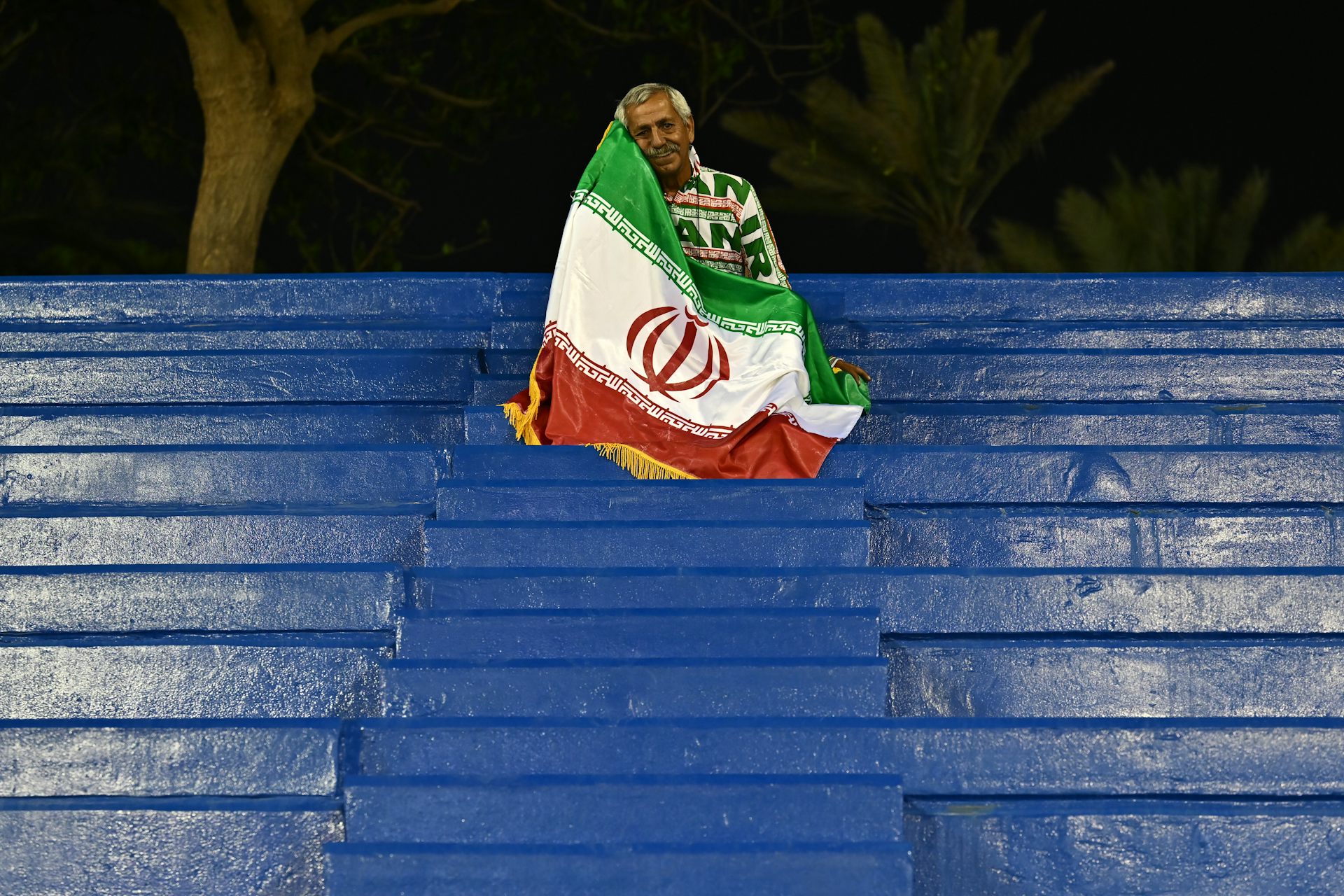
بالنسبة للجالية الإيرانية، دعوة صعبة بخصوص كأس العالم: دعم الفريق الوطني أم الاحتجاج – أم كلاهما؟
For Iran’s diaspora, a tough World Cup call: To support the national team or protest – or both?
Iran’s team faces a hostile reception from the US government and some of its brethren in the diaspora. Yet others hope the event will trump politics — for now.
يواجه فريق إيران استقبالاً معادياً من الحكومة الأمريكية وبعض إخوتها في الشتات. ومع ذلك، يأمل آخرون أن يتجاوز الحدث السياسة – على الأقل في الوقت الحالي.
When Iran’s national soccer team walks onto American soil this summer for the 2026 FIFA World Cup, it will do so against the backdrop of an Iranian government crackdown against protesters in January, an ongoing war launched by the U.S. and Israel in February, and a four-month digital blackout affecting some 92 million people. It has left many Iranian fans feeling conflicted about who exactly they’ll be cheering for.
عندما يطأ المنتخب الوطني الإيراني لكرة القدم الأراضي الأمريكية هذا الصيف للمشاركة في كأس العالم 2026 لـ FIFA، فسيكون ذلك على خلفية حملة القمع الحكومي الإيرانية ضد المتظاهرين في يناير، وحرب مستمرة أطلقتها الولايات المتحدة وإسرائيل في فبراير، وانقطاع رقمي لمدة أربعة أشهر يؤثر على ما يقرب من 92 مليون شخص. وقد جعل هذا الأمر العديد من المشجعين الإيرانيين يشعرون بالصراع حول لمن بالضبط سيشجعون.
Even before a ball has been kicked, the tension has been clear among not only supporters but team members, too. Iranian players were issued visas to the United States at the 11th hour, and the team only arrived at their training base in Tijuana, Mexico, days before the tournament kicks off.
حتى قبل أن تُضرب الكرة، كان التوتر واضحاً ليس بين المشجعين فحسب، بل وبين أعضاء الفريق أيضاً. وقد مُنحت للاعبي إيران تأشيرات دخول إلى الولايات المتحدة في اللحظة الأخيرة، ولم يصل الفريق إلى معسكر تدريبه في تيتوانا بالمكسيك إلا قبل أيام من انطلاق البطولة.
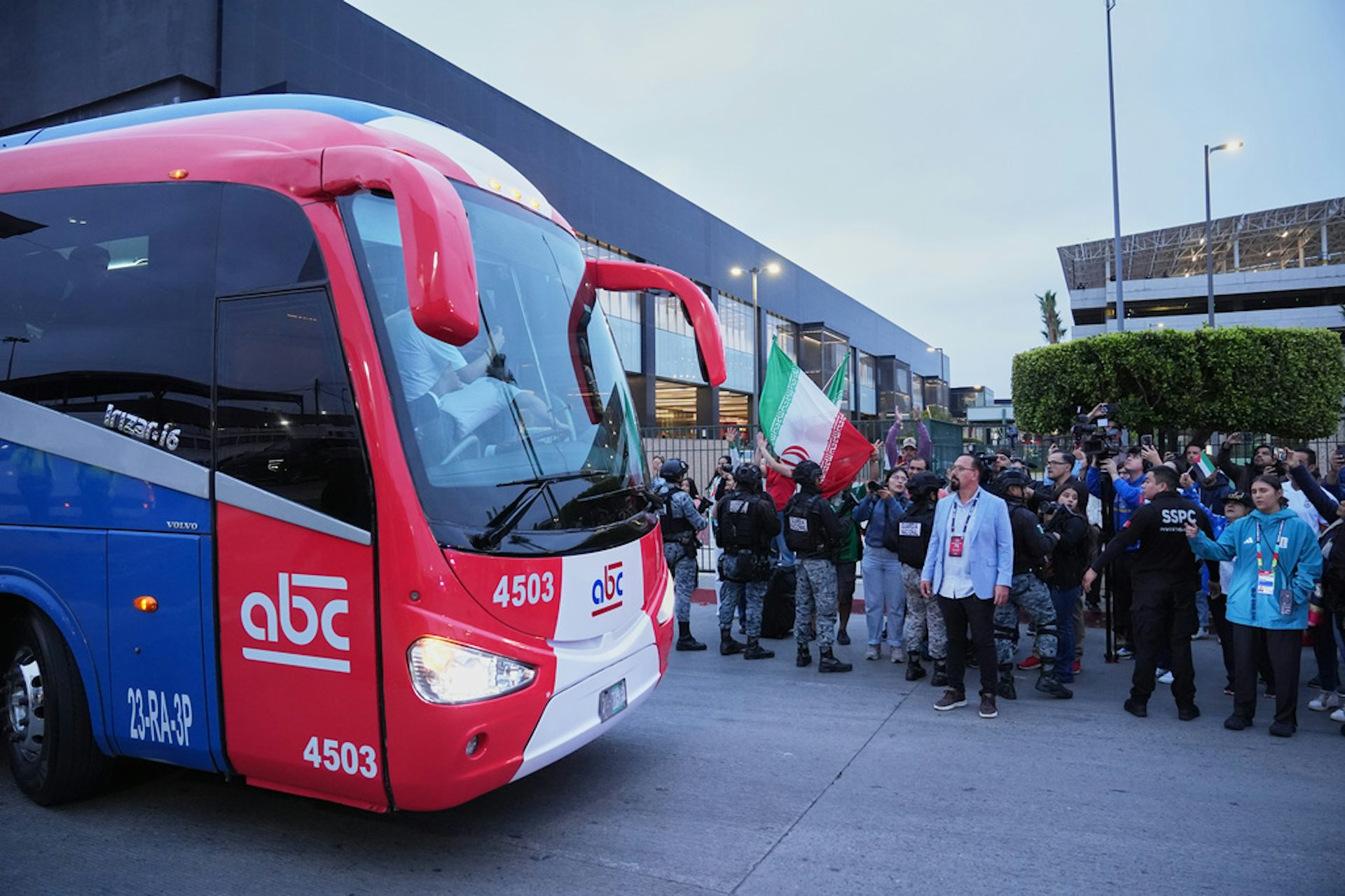
That came after a request to move their camp from Arizona, citing concerns over unfair treatment on U.S. soil, a move that required the formal endorsement of FIFA before it could proceed. Even with the team finally getting settled, however, multiple Iranian soccer fans have been denied visas to the U.S. Iran’s soccer association has also said its ticket allocation had been denied, leaving fans who had made the trek disappointed.
جاء ذلك بعد طلب لنقل مخيمهم من أريزونا، مستشهدين بمخاوف بشأن المعاملة غير العادلة على الأراضي الأمريكية، وهي خطوة تطلبت موافقة رسمية من الفيفا قبل أن تتمكن من المضي قدمًا. ومع ذلك، حتى مع استقرار الفريق أخيرًا، تم رفض تأشيرات دخول لعدة مشجعي كرة القدم الإيرانيين إلى الولايات المتحدة. كما ذكر الاتحاد الكروي الإيراني أنه قد تم رفض تخصيص التذاكر الخاصة به، مما ترك المشجعين الذين قاموا بالرحلة محبطين.
With a host nation actively at war with a competing one for the first time in World Cup history, the pitch will be a stage not just for soccer but for grief, resistance and competing nationalism. The Iranian diaspora, buffeted by the one-two punch of internal crackdowns and external interventions, now faces a deeply unsettling question: How do you express pride in one’s national team without tacitly supporting the government that it represents?
مع استضافة دولة قومية في حالة حرب نشطة مع دولة منافسة، وذلك للمرة الأولى في تاريخ كأس العالم، سيصبح الملعب مسرحاً ليس لكرة القدم فحسب، بل للحزن والمقاومة والقوميات المتنافسة. يواجه الشتات الإيراني، الذي تعرض لضربة مزدوجة من القمع الداخلي والتدخل الخارجي، الآن سؤالاً مقلقاً للغاية: كيف يمكن التعبير عن الفخر بالمنتخب الوطني دون دعم ضمني للحكومة التي يمثّلها؟
Diasporic identity crises
أزمات الهوية في الشتات
Along with many Iranians, mainly expatriates in the U.S., I plan to attend Iran’s opening game against New Zealand on June 15 in Los Angeles. The location is important – Los Angeles is a city that is home to the largest Iranian diaspora, so much so that it is often referred to as “Tehrangeles” within the community.
بالإضافة إلى العديد من الإيرانيين، وخاصة المغتربين في الولايات المتحدة، أخطط لحضور المباراة الافتتاحية لإيران ضد نيوزيلندا في 15 يونيو في لوس أنجلوس. الموقع مهم – فلوس أنجلوس هي مدينة تضم أكبر جالية إيرانية، لدرجة أنها غالباً ما يُشار إليها داخل المجتمع باسم “طهران-لوس أنجلوس.”
It is also a community among whom feelings toward the Islamic Republic run deep, with many of them having left Iran during or following the Iranian Revolution of 1979. Many in the community have remained loyal to the deposed Pahlavi regime and the crown prince, Reza, and going so far as celebrating the joint U.S.-Israeli led war on Iran.
كما أنه مجتمع تنبع منه مشاعر عميقة تجاه الجمهورية الإسلامية، حيث غادر العديد منهم إيران خلال أو بعد الثورة الإيرانية عام 1979. ولا يزال الكثيرون في هذا المجتمع مخلصين للنظام البهلوي المخلوع والأمير الوصي، رضا، بل ووصل الأمر بهم إلى الاحتفال بالحرب المشتركة التي تقودها الولايات المتحدة وإسرائيل ضد إيران.
It is in this community that the Iranian national team – colloquially known as Team Melli to reflect the Farsi word for national – will face battle not only against New Zealand, but also the conflicted emotions of its ethnic brethren.
في هذا المجتمع تحديداً، سيتواجه المنتخب الوطني الإيراني – المعروف بالعامية باسم “الفريق المللي” للإشارة إلى الكلمة الفارسية للوطني – ليس فقط مع نيوزيلندا، بل أيضاً مع المشاعر المتضاربة لأبناء جنسه العرقيين.
With the memory of the January protests still raw, calls have been circulating among some Iranian Americans to formally protest and boycott the occasion. Proposals range from purchasing tickets, only to leave seats conspicuously empty, to booing the national anthem and withholding any celebration of Iranian goals.
مع بقاء ذكرى احتجاجات يناير لا تزال حية، تدور دعوات بين بعض الأمريكيين الإيرانيين للاحتجاج رسمياً وحظر هذا الحدث. تتراوح المقترحات من شراء التذاكر فقط لترك المقاعد فارغة بشكل واضح، إلى الهتاف ضد النشيد الوطني وحجب أي احتفال بأهداف إيران.
Supporters have also been urged within Iranian American communities to resist FIFA’s attempts to prohibit non-Islamic Republic flags inside stadiums, with some Iranian expats suggesting on social media of spray-painting over the symbols on the current flag, carrying plain green, white and red alternatives into the ground, or wearing clothing bearing political slogans. Others have proposed exposing politically motivated tattoos or using stuffed animals to caricature Iranian leaders.
كما تم حث المؤيدين داخل الجاليات الأمريكية الإيرانية على مقاومة محاولات الفيفا منع أعلام غير تابعة للجمهورية الإسلامية داخل الملاعب، حيث اقترح بعض المغتربين الإيرانيين على وسائل التواصل الاجتماعي طلاء رموز العلم الحالي بالرشاش، أو حمل بدائل خضراء وبيضاء وحمراء سادة إلى الملعب، أو ارتداء ملابس تحمل شعارات سياسية. واقترح آخرون كشف الوشوم ذات الدوافع السياسية أو استخدام الدمى لتشويه صورة القادة الإيرانيين.
In return, Mehdi Taj, the president of the Iranian Football Association, issued a statement demanding respect, stating: “We need a guarantee there, for our trip, that they have no right to insult the symbols of our system, especially the Islamic Revolutionary Guard Corps.”
في المقابل، أصدر مهدي تاج، رئيس الاتحاد الإيراني لكرة القدم، بياناً يطالب فيه بالاحترام، قائلاً: “نحن بحاجة إلى ضمانة هناك، لرحلتنا، بأن ليس لهم الحق في إهانة رموز نظامنا، وخاصة الحرس الثوري الإسلامي.”
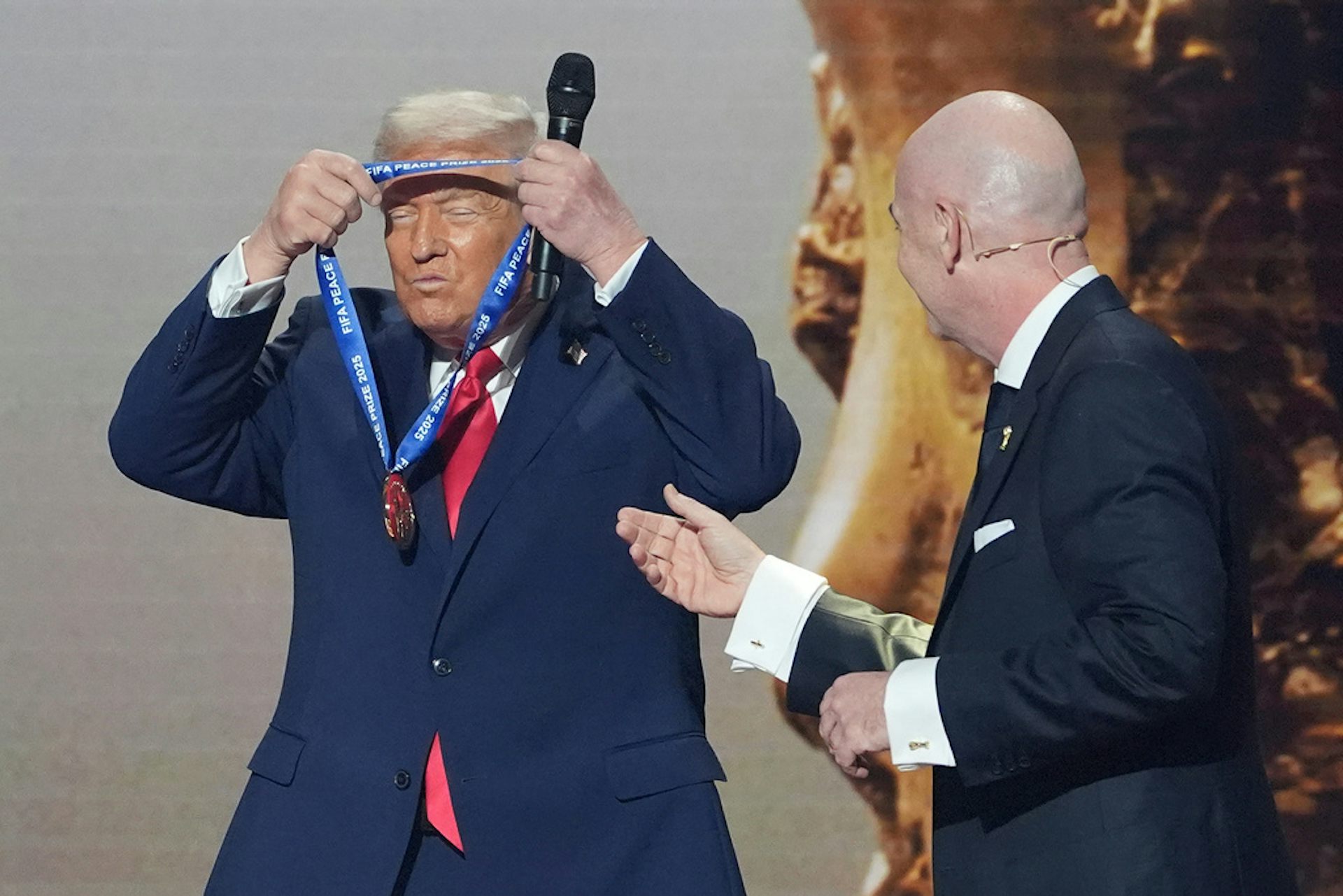
There is a broader question that Iran’s World Cup appearance forces into view, and it sits uncomfortably alongside FIFA’s own record. While the governing body of world soccer awarded President Donald Trump its inaugural Peace Prize ahead of the tournament, it is now looking the other way as the U.S. remains at war and denies visas to would-be participants and spectators. The collision of sport and statecraft is nothing new, from the 1936 Berlin Olympics to the Soviet boycott of Los Angeles in 1984. But it has rarely been managed with such apparent indifference to its own contradictions.
هناك سؤال أوسع تفرضه مشاركة إيران في كأس العالم، ويجلس هذا السؤال بشكل غير مريح بجوار سجل الفيفا نفسه. فبينما منحت الهيئة الحاكمة لكرة القدم العالمية الرئيس دونالد ترامب جائزة السلام الافتتاحية قبل البطولة، فإنها الآن تتغاضى عن حقيقة أن الولايات المتحدة لا تزال في حالة حرب وتحرم التأشيرات عن المشاركين والمتفرجين المحتملين. إن تصادم الرياضة بالدولة ليس شيئاً جديداً، من أولمبياد برلين عام 1936 إلى مقاطعة الاتحاد السوفيتي لمدينة لوس أنجلوس عام 1984. لكن نادراً ما تمت إدارة هذا الأمر مع هذا التجاهل الواضح لتناقضاته الخاصة.
When sport becomes a theater for competing political claims, it is the integrity of the game itself that is diminished. One is entitled to ask whether the notion of sport existing purely on its own terms — especially on the global stage — has ever been anything more than a convenient fiction.
عندما تصبح الرياضة مسرحاً للمطالبات السياسية المتنافسة، فإن ما يتضاءل هو نزاهة اللعبة نفسها. ويحق للمرء أن يتساءل عما إذا كانت فكرة وجود الرياضة بموجب شروطها الخاصة – خاصة على الساحة العالمية – قد كانت يوماً أكثر من مجرد خيال ملائم.
Collision of politics and sport
تصادم السياسة والرياضة
Yet here lies the puzzle. Soccer occupies a place in Iranian life that borders on the sacred. One need only look to the fierce devotion surrounding Tehran’s great rival teams Persepolis and Esteghlal, a contest that ranks among the most intense club rivalries in world soccer, or to the scenes of street celebration that have swept Iran whenever the national team has won games at previous World Cups.
لكن هنا يكمن اللغز. تحتل كرة القدم مكانة في الحياة الإيرانية تقترب من المقدّس. لا يحتاج المرء إلا أن ينظر إلى التفاني الشديد المحيط بفريقي طهران المنافسين الكبيرين، بيرسيپوليس واستقلال، وهي منافسة تُصنّف ضمن أكثر المنافسات الناديّة حدة في كرة القدم العالمية، أو إلى مشاهد الاحتفال في الشوارع التي اجتاحت إيران كلما فاز المنتخب الوطني في مباريات كأس العالم السابقة.
The memory of defeating the U.S. at the 1998 World Cup in France and the rematch in 2022 speaks to how deeply the game is woven into the fabric of Iranian culture. Supporting Team Melli has long been a source of collective pride, a point of unity that transcends politics and generation, regardless of religion, political views and social class. This creates the dilemma for the fans watching in Los Angeles and Seattle for Iran’s three group games.
إن ذكرى هزيمة الولايات المتحدة في كأس العالم عام 1998 بفرنسا، وإعادة المواجهة في عام 2022، تشير إلى مدى عمق تغلغل كرة القدم في نسيج الثقافة الإيرانية. لطالما كان دعم “تيم ميلي” (الفريق الوطني) مصدر فخر جماعي، ونقطة وحدة تتجاوز السياسة والجيل، بغض النظر عن الدين أو الآراء السياسية أو الطبقة الاجتماعية. وهذا يخلق المعضلة للجماهير التي تشاهد في لوس أنجلوس وسياتل لمباريات إيران الثلاث في المجموعة.
In Arizona, where I teach global politics at Arizona State University, several members of the Iranian diaspora articulated this dilemma to me, capturing the tension at the heart of current events. One person invoked the sporting rivalries of the Cold War as a reminder of soccer’s capacity to transcend conflict, yet acknowledged that the wounds of the January protests remained too raw for many in the diaspora to set aside. Another was more straightforwardly hopeful, expressing a wish to see Iran progress in the tournament and a belief that success on the pitch might, however tentatively, cut across political divisions.
في أريزونا، حيث أقوم بتدريس السياسة العالمية في جامعة ولاية أريزونا، عبّر لي العديد من أعضاء الشتات الإيراني عن هذه المعضلة، ملتقطين التوتر الكامن في قلب الأحداث الجارية. استشهد شخص بالخصومات الرياضية للحرب الباردة كتذكير بقدرة كرة القدم على تجاوز الصراع، ولكنه أقرّ بأن جراح احتجاجات يناير ظلت عميقة جدًا بالنسبة للكثيرين من الشتات لدرجة يصعب معها تجاهلها. أما آخر فكان أكثر تفاؤلاً بشكل مباشر، معبّرًا عن أمنية لرؤية إيران تتقدم في البطولة وإيمان بأن النجاح على أرض الملعب قد يقطع، ولو بتردد، الانقسامات السياسية.
Yet for those who have watched the events of recent years with grief and fury, cheering on a team that represents the Islamic Republic feels, to some, like an act of complicity. For its part, the Iranian government – as well as some Iranian critics – would argue that the national team stands apart from politics entirely. From this vantage point, soccer is a matter of national identity and cultural heritage that belongs to all Iranians regardless of their views on those in power. It is, moreover, a moment of proud participation, according to one Iranian official, and that to deny the players their support is to punish athletes for the decisions of politicians.
ومع ذلك، بالنسبة لأولئك الذين تابعوا أحداث السنوات الأخيرة بالحزن والغضب، وتشجيع فريق يمثل الجمهورية الإسلامية، يبدو الأمر للبعض بمثابة عمل تواطؤ. ومن جانبها، قد تجادل الحكومة الإيرانية – وكذلك بعض النقاد الإيرانيين – بأن المنتخب الوطني منفصل تماماً عن السياسة. ومن هذا المنطلق، فإن كرة القدم هي مسألة هوية وطنية وتراث ثقافي يخص جميع الإيرانيين بغض النظر عن آرائهم تجاه أصحاب السلطة. علاوة على ذلك، إنها لحظة مشاركة فخرية، وفقاً لمسؤول إيراني، وإن حرمان اللاعبين من دعمهم هو معاقبة للرياضيين بسبب قرارات السياسيين.
The protests that shook Iran, and the complex political landscape that followed, have left the diaspora navigating questions that go far beyond soccer.
الاحتجاجات التي هزّت إيران، والمشهد السياسي المعقد الذي تبعها، تركت الشتات يواجه تساؤلات تتجاوز بكثير حدود كرة القدم.
The Islamic Republic, whatever one’s view of its conduct, remains the sovereign government of a nation with a rich and fiercely proud culture, and the players on the pitch represent that culture as much as they represent the state.
تظل الجمهورية الإسلامية، بغض النظر عن رأي المرء في سلوكها، الحكومة السيادية لأمة ذات ثقافة غنية وفخورة بشدة، ويمثل اللاعبون في الملعب تلك الثقافة بقدر ما يمثلون الدولة.
That they do so on the soil of a country with which Iran is actively at war renders this perhaps the most politically charged sporting occasion in living memory – one in which every goal, every flag and every empty seat carries a meaning that extends well beyond the 90 minutes. In that sense, the World Cup has not created a division so much as it has given an existing one a global stage.
إن إجرائهم ذلك على أرض بلد تخوض إيران حرباً نشطة معه يجعل هذه المناسبة الرياضية ربما الأكثر شحنة سياسياً في الذاكرة الحية – وهي مناسبة يحمل فيها كل هدف، وكل علم، وكل مقعد فارغ معنى يتجاوز بكثير التسعين دقيقة. وبهذا المعنى، لم يقم كأس العالم بخلق انقسام بقدر ما منحه مسرحاً عالمياً كان موجوداً بالفعل.
Shirvin Zeinalzadeh does not work for, consult, own shares in or receive funding from any company or organization that would benefit from this article, and has disclosed no relevant affiliations beyond their academic appointment.
لا يعمل شيروين زينل زاده لدى، ولا يقدم استشارات لـ، ولا يمتلك أسهمًا في، أو يتلقى تمويلاً من أي شركة أو منظمة قد تستفيد من هذه المقالة، ولم يفصح عن أي انتماءات ذات صلة تتجاوز منصبه الأكاديمي.
Read more
-
إيبولا، وفيروس الهانتا، والخناق: كيف يغذي انعدام الثقة في الرعاية الصحية تفشّي أوبئة متعددة حول العالم
Ebola, hantavirus, diphtheria: how distrust in health care is fuelling multiple outbreaks across the globe
-
صراع الشرق الأوسط: ربما جعل وقف إطلاق النار هذا إيران أقوى
Middle East conflict: this ceasefire may have made Iran stronger