الكشف عن الإبادة الجماعية المنسية في ناميبيا عبر علم الآثار الجنائي
Unearthing Namibia’s forgotten genocide through forensic archaeology
Without intervention, the important surviving physical evidence and the opportunity for commemoration will be lost.
بدون تدخل، ستُفقد الأدلة المادية الهامة الباقية والفرصة للتخليد.
The Namibian genocide was one of the first genocides of the 20th century. Between 1904 and 1908, tens of thousands of Ovaherero and Nama people were killed under German colonial rule.
كان الإبادة الجماعية في ناميبيا من أوائل الإبادات الجماعية في القرن العشرين. فبين عامي 1904 و 1908، قُتل عشرات الآلاف من شعبي الأوفا هيريرو والناما تحت الحكم الاستعماري الألماني.
Despite the scale of these events, the material and human legacy of this genocide remains less understood than later atrocities. Historical accounts exist, but are often incomplete or shaped by the perspectives and priorities of the colonial period in which they were produced.
على الرغم من حجم هذه الأحداث، لا يزال الإرث المادي والبشري لهذه الإبادة الجماعية أقل فهماً مقارنة بالفظائع اللاحقة. توجد سجلات تاريخية، لكنها غالباً ما تكون غير مكتملة أو مشكّلة وفقاً لوجهات النظر والأولويات التي سادت في الفترة الاستعمارية التي أُنتجت فيها.
The landscapes of Namibia that testify to this violence still survive, but are under increasing pressure from urban expansion, infrastructure development and environmental change. Archaeological research is playing a key role in documenting and protecting this heritage.
لا تزال المناظر الطبيعية في ناميبيا التي تشهد على هذا العنف باقية، لكنها تتعرض لضغوط متزايدة من التوسع الحضري، وتطوير البنية التحتية، والتغير البيئي. ويلعب البحث الأثري دوراً رئيسياً في توثيق وحماية هذا التراث.
The Centre of Archaeology at the University of Huddersfield has, in conjunction with community representatives, the research groups Forensic Architecture and Forensis and the Swakopmund Genocide Museum, conducted fieldwork in Namibia across two seasons (2023 and 2025) . Our work has focused on sites linked to German colonial concentration camps in Swakopmund and Lüderitz.
قام مركز الآثار بجامعة هاديرسفيلد، بالتعاون مع ممثلي المجتمع، ومجموعات البحث “الهندسة المعمارية الجنائية” (Forensic Architecture) و “التحقيقات الجنائية” (Forensis) ومتحف إبادة جماعي سواكوبوند، بإجراء أعمال ميدانية في ناميبيا على مدار موسمين (2023 و 2025) . وقد ركز عملنا على المواقع المرتبطة بمخيمات التمركز الاستعمارية الألمانية في سواكوبوند وليدريتز.
Using forensic methods, our project seeks to locate, document and protect burial sites associated with the genocide. We aim to demonstrate how archaeology can confirm historical events, provide physical evidence, support commemoration and strengthen claims for reparations.
باستخدام الأساليب الجنائية، يسعى مشروعنا إلى تحديد وتوثيق وحماية مواقع الدفن المرتبطة بالإبادة الجماعية. ونهدف إلى إثبات كيف يمكن لعلم الآثار أن يؤكد الأحداث التاريخية، ويوفر دليلاً مادياً، ويدعم إحياء الذكرى، ويقوي المطالبات بالتعويضات.
The research combines archival study with field methods including: GIS mapping (computer-based spatial mapping and analysis of archaeological data) , walkover survey (systematic on-the-ground inspection of visible archaeological features) , Ground Penetrating Radar (a geophysical technique that uses radar waves to detect buried structures without excavation) , GPS survey, drone imagery and targeted excavation.
يجمع البحث بين الدراسة الأرشيفية والأساليب الميدانية التي تشمل: رسم خرائط نظم المعلومات الجغرافية (GIS) (الرسم والتنليل المكاني المعتمد على الحاسوب للبيانات الأثرية) ، والمسح بالمرور (الفحص المنهجي الموقعي للسمات الأثرية المرئية) ، والرادار المخترق للأرض (تقنية جيوفيزيائية تستخدم موجات الرادار للكشف عن الهياكل المدفونة دون حفر) ، ومسح نظام تحديد المواقع العالمي (GPS) ، وتصوير الطائرات بدون طيار، والحفر المستهدف.
Crucially, it involves close collaboration with Ovaherero and Nama communities. Their priorities have shaped the research and discussions around site protection.
والأهم من ذلك، أنه يتضمن تعاوناً وثيقاً مع مجتمعات الأوفا هيريرو والناما. وقد شكلت أولوياتهم البحث والمناقشات المتعلقة بحماية المواقع.
The sites under threat
المواقع المهددة
Between 1905 and 1907, German colonial authorities established several concentration camps in Lüderitz, including the notorious Shark Island camp. Ovaherero and Nama prisoners were forced into slave labour to build railway lines and an extension to the harbour under the harshest of conditions.
بين عامي 1905 و 1907، أنشأت السلطات الاستعمارية الألمانية عدة معسكرات اعتقال في لودريتز، بما في ذلك معسكر جزيرة القرش سيئ السمعة. أُجبر أسرى أوفا هيريرو وناما على العمل العبودي لبناء خطوط السكك الحديدية وتوسعة الميناء في ظل أقسى الظروف.
For many, this was effectively a death sentence. Historical sources suggest that as many as 4,000 prisoners died at Shark Island, yet the final resting places of most victims remain uncertain. Written records and oral histories indicate that many bodies were never formally buried. Instead, they were disposed of in the Atlantic Ocean.
بالنسبة للكثيرين، كان هذا بمثابة حكم بالإعدام فعلياً. تشير المصادر التاريخية إلى وفاة ما يصل إلى 4000 سجين في جزيرة القرش، ومع ذلك، لا تزال أماكن الراحة النهائية لمعظم الضحايا غير مؤكدة. تشير السجلات المكتوبة والتاريخ الشفوي إلى أن العديد من الجثث لم تُدفن رسمياً قط. وبدلاً من ذلك، تم التخلص منها في المحيط الأطلسي.
At Radford Bay, near a memorial to the victims, several sand mounds are believed to mark graves linked to the camps, some of which are thought to conceal mass burials. In collaboration with Forensic Architecture, using photo mapping techniques in conjunction and forensic methods, we have identified subsurface anomalies consistent with graves beneath a number of these features. At least one anomaly strongly suggests the presence of a mass grave.
في خليج رادفورد، بالقرب من نصب تذكاري للضحايا، يُعتقد أن عدة أكوام رملية تمثل مقابر مرتبطة بالمعسكرات، ويُعتقد أن بعضها يخفي مقابر جماعية. وبالتعاون مع “الهندسة الجنائية” (Forensic Architecture) ، وباستخدام تقنيات رسم الخرائط بالصور بالاقتران مع الأساليب الجنائية، حددنا شذوذات تحت السطح تتوافق مع المقابر تحت عدد من هذه المعالم. ويشير شذوذ واحد على الأقل بقوة إلى وجود مقبرة جماعية.
The results provide the first scientific evidence supporting oral accounts of burial practices at Lüderitz. However, the site is highly vulnerable due to wind and sand erosion. It is also threatened by a planned coastal infrastructure project. Without intervention, the important surviving physical evidence and the opportunity for commemoration will be lost.
تقدم النتائج أول دليل علمي يدعم الروايات الشفوية حول ممارسات الدفن في لودريتز. ومع ذلك، فإن الموقع عرضة للغاية بسبب تآكل الرياح والرمال. كما أنه مهدد بمشروع بنية تحتية ساحلية مخطط له. بدون تدخل، ستفقد الأدلة المادية الهامة الباقية وفرصة التخليد.
Recent investigations at Swakopmund meanwhile, once a centre of German colonial activity, have revealed the scale and fragility of another burial landscape. At the former slave worker burial ground at Kramersdorf, thousands of Ovaherero and Nama victims were buried in shallow, unmarked graves. These burials are now under pressure from housing development, as well as damage caused by vehicles and pedestrians.
في غضون ذلك، كشفت التحقيقات الأخيرة في سواكوبمند، التي كانت يوماً ما مركزاً للنشاط الاستعماري الألماني، عن حجم وهشاشة مشهد دفن آخر. في مقبرة العمال السابقين المستعبدين في كراميرسدورف، دُفن آلاف من ضحايا أوفا هيريرو وناما في مقابر ضحلة وغير معلمة. تخضع هذه الدفنات الآن لضغوط من تطوير المساكن، بالإضافة إلى الأضرار التي تسببها المركبات والمشاة.
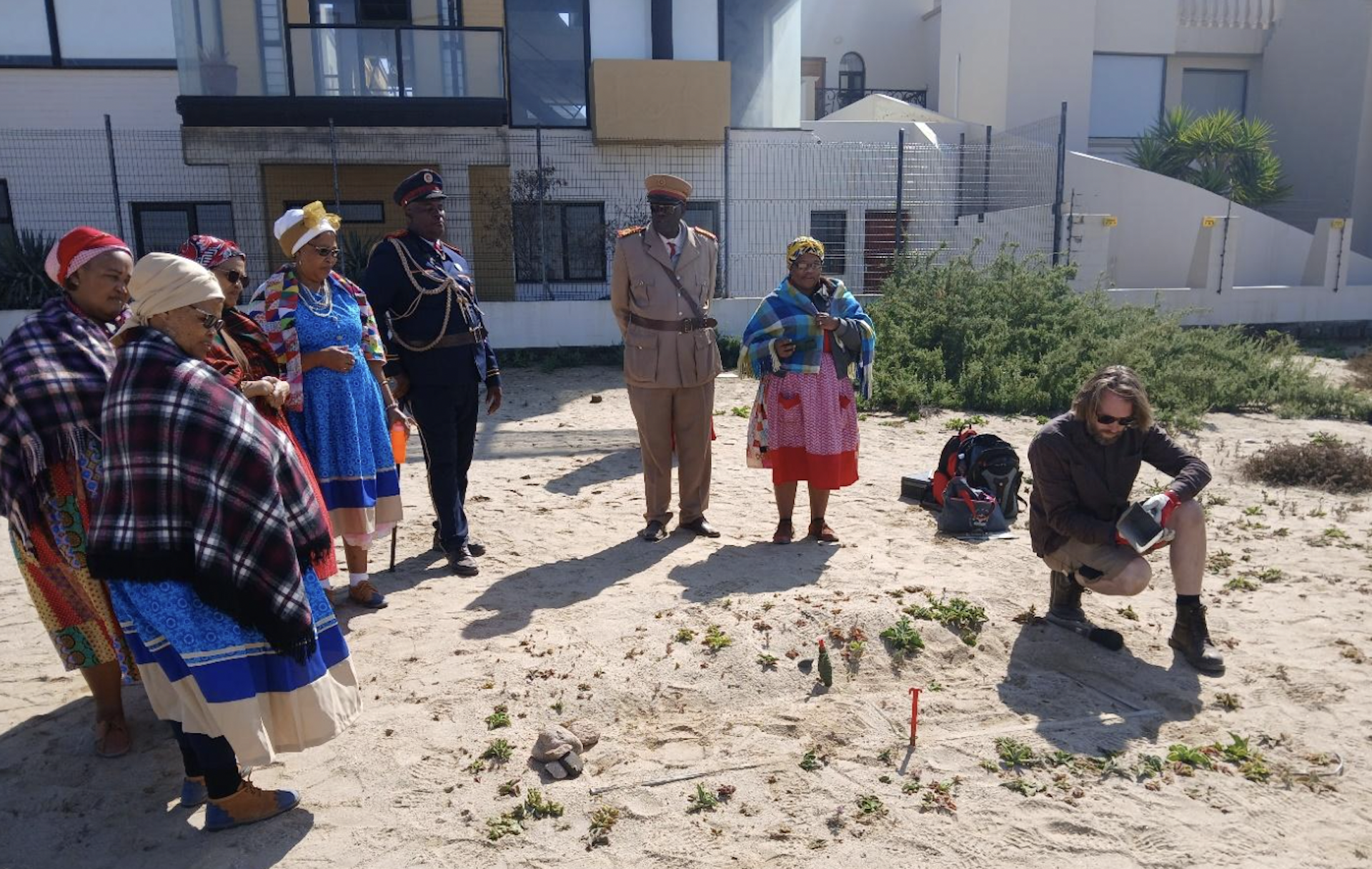
One of the most significant discoveries is the extent of unmarked burials at this site. Subtle environmental indicators, particularly clusters of vegetation forming distinct patterns, have proved crucial in identifying grave locations. These patterns reflect changes in soil composition associated with burial, allowing graves to be mapped even where no visible markers exist.
أحد أهم الاكتشافات هو مدى الدفنات غير المعلمة في هذا الموقع. أثبتت المؤشرات البيئية الدقيقة، وخاصة تجمعات النباتات التي تشكل أنماطاً مميزة، أنها حاسمة في تحديد مواقع المقابر. تعكس هذه الأنماط التغيرات في تكوين التربة المرتبطة بالدفن، مما يسمح برسم خرائط للمقابر حتى في الأماكن التي لا توجد فيها علامات مرئية.
Geophysical data confirmed numerous buried anomalies consistent with graves, including some directly beneath modern vehicle tracks. This makes the conservation challenge immediate – these hidden remains are being damaged.
أكدت البيانات الجيوفيزيائية العديد من الشذوذات المدفونة المتوافقة مع المقابر، بما في ذلك بعضها تحت مسارات المركبات الحديثة مباشرة. وهذا يجعل تحدي الحفاظ على البيئة أمراً فورياً – فهذه البقايا المخفية تتعرض للتلف.
At one location where erosion had exposed a coffin, targeted excavation was considered necessary to verify the initial observations.
في موقع تعرض فيه التآكل لكشف تابوت، اعتُبر الحفر المستهدف ضرورياً للتحقق من الملاحظات الأولية.
Excavation was conducted by hand, with soil sieved and human remains left undisturbed. Once identified, recording ceased and the grave was respectfully refilled, with a protective sand mound rebuilt above it.
تم إجراء الحفر يدوياً، مع غربلة التربة وترك البقايا البشرية دون إزعاج. وبمجرد تحديدها، توقف التسجيل وأُعيد ملء القبر باحترام، مع إعادة بناء كومة رملية واقية فوقه.
Community leaders were present throughout the process. They conducted ceremonies, monitored the work and guided decisions about how the burial should be treated. This was an important aspect of the project, because these are not simply archaeological sites, but ancestral graves. For many participants, this work marked the first direct engagement with the physical remains of those who died in the camps.
حضر قادة المجتمع طوال العملية. حيث أجروا الاحتفالات، وراقبوا العمل، ووجّهوا القرارات المتعلقة بكيفية التعامل مع الدفن. كان هذا جانباً مهماً من المشروع، لأنه لا يتعلق بمجرد مواقع أثرية، بل هي قبور أجداد. وبالنسبة للعديد من المشاركين، مثّل هذا العمل أول تفاعل مباشر مع البقايا المادية لأولئك الذين ماتوا في المعسكرات.
The future of memorialisation
مستقبل التخليد
Beyond our fieldwork, the project feeds into wider efforts to ensure that the Namibian genocide is more widely recognised. Public engagement is a key part of this process.
يتجاوز عملنا الميداني، يساهم المشروع في جهود أوسع لضمان اعتراف أوسع بالإبادة الجماعية في ناميبيا. وتُعد المشاركة العامة جزءاً رئيسياً من هذه العملية.
The Swakopmund Genocide Museum, founded in 2015 by Laidlaw Peringanda whose great-grandmother survived the Swakopmund camp, plays an important role in telling this history. Officially recognised by the Namibian government in 2019, the museum has recently secured funding to expand its exhibition space in response to growing visitor numbers.
يلعب متحف سواكوبمند للإبادة الجماعية، الذي أسسه ليدلو بيرينغاندا عام 2015، والذي نجت من معسكر سواكوبمند جدته الكبرى، دوراً هاماً في سرد هذا التاريخ. وقد حصل المتحف، الذي اعترفت به الحكومة الناميبية رسمياً في عام 2019، مؤخراً على تمويل لتوسيع مساحة المعرض استجابةً لتزايد أعداد الزوار.
With support from the Huddersfield Centre of Archaeology, the displays have been redesigned. They are due to be unveiled on Namibia’s officially recognised Genocide Remembrance Day on May 28, 2026.
بدعم من مركز هادرستيد للآثار، أُعيد تصميم المعروضات. ومن المقرر الكشف عنها في يوم تذكر الإبادة الجماعية المعترف به رسمياً في ناميبيا في 28 مايو 2026.
Archaeological evidence provides a different kind of testimony from written or oral sources. It confirms the presence of burials, reveals their condition and demonstrates their extent. It can also expose gaps between official records and the reality on the ground.
يقدم الدليل الأثري نوعاً مختلفاً من الشهادة عن المصادر المكتوبة أو الشفوية. فهو يؤكد وجود الدفن، ويكشف عن حالته ويوضح مدى انتشاره. كما يمكنه الكشف عن الثغرات بين السجلات الرسمية والواقع على الأرض.
In Namibia, this evidence has implications beyond historical understanding. It contributes to ongoing debates about colonial legacies, reparations and historical accountability – issues that remain unresolved
في ناميبيا، لهذه الأدلة تداعيات تتجاوز الفهم التاريخي. فهي تساهم في النقاشات المستمرة حول الإرث الاستعماري، والتعويضات، والمساءلة التاريخية – وهي قضايا لا تزال عالقة.
By ensuring the material traces of the genocide become visible, this forensic archaeological approach can strengthen the basis for these discussions. It ensures that the past is not only documented, but acknowledged, protected and recognised.
من خلال ضمان ظهور الآثار المادية للإبادة الجماعية، يمكن لهذا المنهج الأثري التحقيقي تعزيز أساس هذه المناقشات. إنه يضمن أن الماضي لا يتم توثيقه فحسب، بل يتم الاعتراف به وحمايته والاعتراف به.
The authors do not work for, consult, own shares in or receive funding from any company or organisation that would benefit from this article, and have disclosed no relevant affiliations beyond their academic appointment.
لا يعمل المؤلفون لدى، أو يستشيرون، أو يملكون حصصاً في، أو يتلقون تمويلاً من أي شركة أو منظمة قد تستفيد من هذه المقالة، ولم يفصحوا عن أي انتماءات ذات صلة تتجاوز تعيينهم الأكاديمي.
Read more
-

لماذا يمثل ازدهار سيارات الدفع الرباعي الكهربائية مشكلة للمناخ والصحة والعدالة
Why the electric SUV boom is a problem for climate, health and equity
-

الإيقاعات التي أطاحت ببشير: كيف شكّل فن السودان ثورة
The rhythms that broke Bashir: how Sudan’s music shaped a revolution