ما هو الصدمة؟ كلما تحدثنا عنها، زاد معناها
What is trauma? The more we talk about it, the more it means
Trauma is everywhere in mainstream vocabulary and online, but its meaning has never been hazier. Has the concept been de-stigmatised or diluted? And does it matter?
تنتشر الصدمة في المفردات السائدة وعبر الإنترنت، لكن معناها لم يكن يوماً أكثر غموضاً. هل تم إزالة وصمة العار عن المفهوم أم تم تخفيفها؟ وهل يهم ذلك؟
It’s the word of the decade. “A major signifier of our age.” “The invisible force that shapes our lives.”
إنها كلمة العقد. “دلالة رئيسية لعصرنا.” “القوة الخفية التي تشكل حياتنا.”
But what is “trauma”? Although it occupies the cultural spotlight, its meaning has never been hazier. Can we bring it into focus?
ولكن ما هو “الصدمة”؟ على الرغم من أنها تحتل الأضواء الثقافية، إلا أن معناها لم يكن ضبابيًا قط. هل يمكننا تركيزها؟
“Trauma” derives from the ancient Greek for wound. According to the Oxford English Dictionary, this external bodily injury meaning dates back to 1684.
“الصدمة” مشتقة من اللغة اليونانية القديمة بمعنى الجرح. ووفقًا لقاموس أكسفورد الإنجليزي، يعود معنى الإصابة الجسدية الخارجية هذا إلى عام 1684.
Late in the 19th century, “trauma” acquired a second meaning as psychological injury. In 1894, for example, the US philosopher and psychologist William James wrote of “permanent ‘psychic traumata’”, likening them to “thorns in the spirit”.
في أواخر القرن التاسع عشر، اكتسبت “الصدمة” معنى ثانٍ كإصابة نفسية. ففي عام 1894، على سبيل المثال، كتب الفيلسوف وعالم النفس الأمريكي ويليام جيمس عن “صدمات نفسية دائمة”، مشبهاً إياها بـ “الأشواك في الروح.”
A third, figurative meaning emerged in the 1970s. “Trauma” now referred to suffering or adverse events in general. Just as “schizophrenia” and “hysteria” originated as clinical diagnoses and later picked up new, broader senses, trauma expanded and became a metaphor.
ظهر معنى مجازي ثالث في السبعينيات. أصبحت “الصدمة” تشير الآن إلى المعاناة أو الأحداث السلبية بشكل عام. وكما نشأت “الفصام” و”الهستيريا” كتشخيصات سريرية ثم اكتسبت معاني أوسع وأكثر عمومية، توسعت الصدمة وأصبحت استعارة.
Everyone seems to be talking about trauma. Do we know more about it? Or has the meaning changed? In this five-part series, we explore the shifting definition of trauma, why talking about it doesn’t always help, and what else can work.
يبدو أن الجميع يتحدثون عن الصدمة. هل نعرف عنها المزيد؟ أم أن المعنى قد تغير؟ في هذه السلسلة المكونة من خمسة أجزاء، نستكشف التعريف المتغير للصدمة، ولماذا لا يساعد التحدث عنها دائمًا، وما الذي يمكن أن ينجح بدلاً من ذلك.
Trauma in psychology and psychiatry
الصدمة في علم النفس والطب النفسي
In the mental health disciplines, the definition of trauma has followed a winding path. In 1952’s first edition of the Diagnostic and Statistical Manual of Mental Disorders (DSM) , it referred exclusively to physical injury.
في تخصصات الصحة العقلية، اتبع تعريف الصدمة مساراً متعرجاً. ففي الطبعة الأولى من الدليل التشخيصي والإحصائي للاضطرابات النفسية (DSM) عام 1952، كان يشير حصرياً إلى الإصابة الجسدية.
No diagnosis corresponding to the psychological meaning of “trauma” appeared until 1980, when DSM-III introduced post-traumatic stress disorder (PTSD) .
لم يظهر أي تشخيص يتوافق مع المعنى النفسي لـ “الصدمة” حتى عام 1980، عندما قدم الدليل التشخيصي والإحصائي (DSM-III) اضطراب الكرب التالي للصدمة (PTSD) .
DSM-III listed an array of PTSD symptoms and a definition of the kind of traumatic events responsible for them. For a diagnosis to be made, the event would have to evoke significant distress in almost everyone and be “outside the range of usual human experience”.
أدرج الدليل التشخيصي والإحصائي (DSM-III) مجموعة من أعراض اضطراب الكرب التالي للصدمة وتعريفاً لنوع الأحداث الصادمة المسؤولة عنها. لكي يتم إجراء تشخيص، كان يجب أن يثير الحدث ضيقاً كبيراً لدى الجميع تقريباً وأن يكون “خارج نطاق التجربة البشرية المعتادة.”
Controversially, later editions of the DSM loosened this criterion. For example, events that were indirectly witnessed – rather than directly experienced – came to be included. Emphasis shifted from an event’s objective severity to the subjective distress it caused. Consequently, a wider range of experiences became traumatic.
وبشكل مثير للجدل، خففت الإصدارات اللاحقة من الدليل التشخيصي والإحصائي هذا المعيار. على سبيل المثال، أصبحت الأحداث التي شوهدت بشكل غير مباشر – بدلاً من أن تُعاش بشكل مباشر – تُدرج. وتحول التركيز من الشدة الموضوعية للحدث إلى الضيق الذاتي الذي سببه. ونتيجة لذلك، أصبحت مجموعة أوسع من التجارب صدمية.
These changing rules for diagnosing PTSD point to a fundamental ambiguity in the psychiatric meaning of “trauma”. It can refer to a harmful event, as when a catastrophe is described as a trauma. But it can also name the event’s psychological impact, as when a person is said to suffer from trauma.
تشير هذه القواعد المتغيرة لتشخيص اضطراب الكرب التالي للصدمة إلى غموض جوهري في المعنى النفسي لـ “الصدمة.” فقد تشير إلى حدث ضار، كما هو الحال عندما توصف كارثة بأنها صدمة. ولكن يمكنها أيضاً أن تشير إلى التأثير النفسي للحدث، كما هو الحال عندما يُقال إن الشخص يعاني من صدمة.
As a result, “trauma” awkwardly straddles the objective and the subjective, cause and effect.
ونتيجة لذلك، تتأرجح كلمة “الصدمة” بشكل متناقض بين الموضوعي والذاتي، وبين السبب والنتيجة.
Concept creep
زحف المفهوم
The relaxation of the DSM’s definition of a traumatic event is an example of “concept creep” – the gradual broadening of harm-related concepts. Studies have demonstrated this trend in large historical datasets.
يُعدّ تخفيف الدليل التشخيصي والإحصائي للاضطرابات النفسية (DSM) لتعريف الحدث الصادم مثالاً على “زحف المفهوم” – وهو التوسع التدريجي للمفاهيم المتعلقة بالضرر. وقد أظهرت الدراسات هذا الاتجاه في مجموعات بيانات تاريخية كبيرة.
For example, a study by my research group shows that “trauma” came to be used in a wider range of semantic contexts from 1970 to the late 2010s. That broadening is found in general text, such as news media and fiction, as well as academic articles.
على سبيل المثال، تُظهر دراسة أجراها فريق بحثي أن مصطلح “الصدمة” بدأ يُستخدم في نطاق أوسع من السياقات الدلالية من عام 1970 حتى أواخر العقد الثاني من القرن الحادي والعشرين. ويُعثر على هذا التوسع في النصوص العامة، مثل وسائل الإعلام الإخبارية والخيال، بالإضافة إلى المقالات الأكاديمية.
“Trauma” is also increasingly used in less emotionally fraught contexts, implying that its connotations have become milder and normalised.
يُستخدم مصطلح “الصدمة” بشكل متزايد في سياقات أقل توتراً عاطفياً، مما يشير إلى أن دلالاته أصبحت أكثر اعتدالاً وطبيعية.
Interestingly, one driver of trauma’s broadening appears to be the growing cultural prominence of the concept. Books now mention it six times more often than they did half a century ago, and in psychology articles the factor is 25. The more we talk about trauma, the more it means.
ومن المثير للاهتمام أن أحد محركات توسع مفهوم الصدمة يبدو أنه التزايد في الأهمية الثقافية لهذا المفهوم. تذكر الكتب الآن المصطلح بمعدل أكبر بست مرات مما كانت عليه قبل نصف قرن، وفي مقالات علم النفس، كان العامل 25. كلما تحدثنا عن الصدمة، زاد معناها.
The everyday uses of ‘trauma’
استخدامات “الصدمة” اليومية
The public has embraced “trauma” and run with it. As a recent review observed, “the definition of trauma is more restricted in clinical psychology and psychiatry than in common parlance”.
لقد تبنّى الجمهور “الصدمة” ومشى على هذا المنوال. وكما لاحظت مراجعة حديثة، فإن “تعريف الصدمة أكثر تقييداً في علم النفس السريري والطب النفسي مما هو عليه في الاستخدام العام.”
Studies find that people define a wider range of adversities as traumas than the DSM, stretching the concept from so-called “big-T” traumas to relatively “small-t” traumas. For example, they extend it to experiencing poor housing conditions and street harassment.
تُظهر الدراسات أن الناس يُعرّفون نطاقاً أوسع من المصاعب على أنها صدمات مما يحدده الدليل التشخيصي والإحصائي للاضطرابات النفسية (DSM) ، موسّعين المفهوم من الصدمات المزعومة “الكبرى-T” إلى الصدمات “الصغرى-t” نسبيًا. فعلى سبيل المثال، يمتد هذا ليشمل تجربة ظروف سكن سيئة والتعرض للتحرش في الشارع.
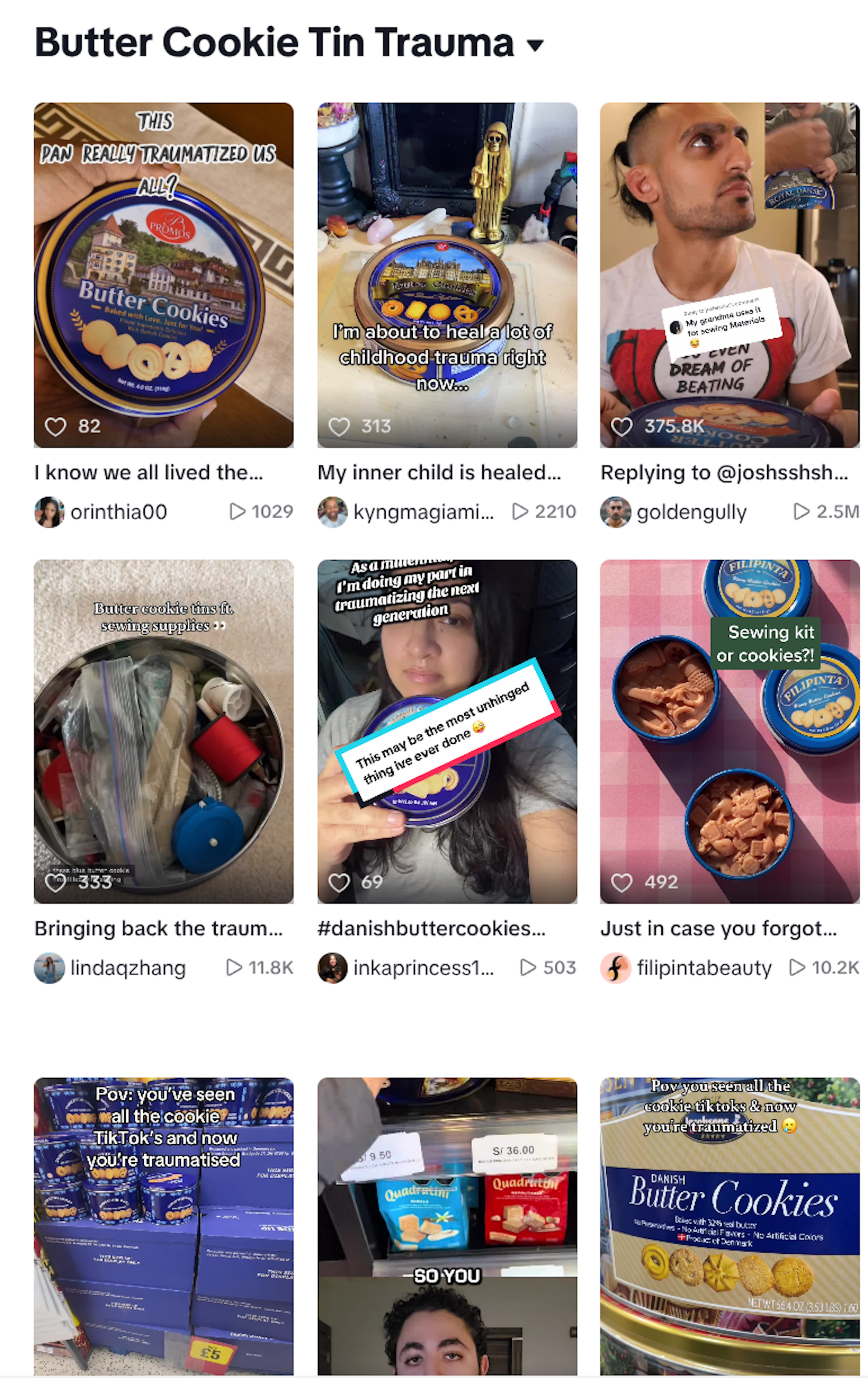
Social media is implicated in these broadened definitions. TikTok videos commonly describe minor embarrassments as traumas (for example, “I sat in chocolate and didn’t realise”) and innocuous experiences, such as mind-wandering, as signs of it.
تتورط وسائل التواصل الاجتماعي في هذه التعريفات الموسعة. فمقاطع فيديو تيك توك تصف عادةً الإحراجات البسيطة على أنها صدمات (على سبيل المثال، “جلست في الشوكولاتة ولم أدرك”) ، والتجارب غير الضارة، مثل الشرود الذهني، كعلامات عليها.
Some of these uses are tongue-in-cheek and knowing. They poke fun at broad definitions (for example, “trauma is when you open the cookie tin to find sewing materials”) . In the same spirit, participants in a recent Irish study were ambivalent about such definitions, “welcoming trauma’s de-stigmatisation but deploring its potential trivialisation”.
بعض هذه الاستخدامات ساخرة وواعية. فهي تسخر من التعريفات الواسعة (على سبيل المثال، “الصدمة هي عندما تفتح علبة البسكويت لتجد خامات الخياطة”) . وعلى نفس المنوال، كان المشاركون في دراسة أيرلندية حديثة مترددين بشأن مثل هذه التعريفات، حيث “رحّبوا بإزالة الوصم عن الصدمة ولكنهم استنكروا احتمال تبسيطها.”
Benefits and costs of broad definitions
الفوائد والتكاليف للتعريفات الواسعة
This ambivalence points to a backlash against expansive definitions, but that backlash carries risks. Trivialising trauma may be wrong, but people can be harmed by events that are not “big-T” traumatic. Those who have experienced adversity deserve compassion whether or not their experiences meet diagnostic benchmarks.
يشير هذا التناقض إلى رد فعل عنيف ضد التعريفات التوسعية، لكن هذا الرد يحمل مخاطر. قد يكون التقليل من شأن الصدمة خطأ، لكن الأشخاص يمكن أن يتضرروا من أحداث ليست صدمات “كبيرة-T.” يستحق أولئك الذين مروا بالشدائد التعاطف سواء كانت تجاربهم تلبي المعايير التشخيصية أم لا.
People who question the concept creep of “trauma” are sometimes accused of lacking compassion, glossing over adversity and policing language. If someone wants to describe their experience as traumatic, who are you to invalidate them?
غالبًا ما يُتهم الأشخاص الذين يشككون في الزحف المفاهيمي لمصطلح “الصدمة” بأنهم يفتقرون إلى التعاطف، أو أنهم يتغاضون عن الشدائد ويراقبون اللغة. إذا أراد شخص ما وصف تجربته بأنها صادمة، فمن أنت لتنقض هذا الوصف؟
However, some objections to the inflation of “trauma” are legitimate and grounded in compassionate concern. Holding a broad definition may harm people.
ومع ذلك، فإن بعض الاعتراضات على تضخيم مفهوم “الصدمة” مشروعة ومبنية على الاهتمام المتعاطف. قد يؤدي التمسك بتعريف واسع إلى إيذاء الناس.
One study found that people induced to hold such a definition experienced more distress and intrusive thoughts after viewing a confronting video clip than those induced to hold a narrow one. Another showed that people who held broader trauma concepts were more distressed by an upsetting clip.
وجدت إحدى الدراسات أن الأشخاص الذين أُجبروا على التمسك بمثل هذا التعريف عانوا من ضيق وأفكار اقتحامية أكثر بعد مشاهدة مقطع فيديو مواجه، مقارنة بأولئك الذين أُجبروا على التمسك بتعريف ضيق. وأظهرت دراسة أخرى أن الأشخاص الذين التزموا بمفاهيم صدمة أوسع كانوا أكثر ضيقًا بسبب مقطع فيديو مزعج.
Perceiving something to be traumatic may contribute to making it so. Attributing distress to trauma implies that the injury we have suffered is enduring, indelible, overwhelming and identity-defining.
قد يساهم إدراك شيء ما بأنه صادم في جعله كذلك. إن إرجاع الضيق إلى الصدمة يعني أن الإصابة التي عانيناها دائمة، ولا تُمحى، ومُربكة، ومُحدِّدة للهوية.
For the writer Will Self, trauma has become:
بالنسبة للكاتب ويل سيلف، أصبحت الصدمة:
the idea that certain species of experience have the ability to injure us in lasting ways, such that we carry the wound – and, indeed, the experience itself – forever with us, often without our even knowing.
فكرة أن أنواعًا معينة من التجارب لديها القدرة على إيذاءنا بطرق دائمة، بحيث نحمل الجرح – بل التجربة نفسها – معنا إلى الأبد، غالبًا دون أن ندرك ذلك.
Understanding the cause of our suffering in this way – beyond our control, permanent and profoundly impactful – is the opposite of what is likely to promote recovery. It is a pattern associated with depression and hopelessness.
إن فهم سبب معاناتنا بهذه الطريقة – خارج عن سيطرتنا، ودائم، ومؤثر بعمق – هو عكس ما من المرجح أن يعزز التعافي. إنه نمط مرتبط بالاكتئاب واليأس.
Another reason to resist the expansion of “trauma” is conceptual clarity. If all adversities become trauma, and all distress is ascribed to it, the concept becomes a blunt instrument. “Big-T” trauma is already widespread – three quarters of Australian adults have experienced such an event, such as a life-threatening car crash or the unexpected death of a loved one – without diluting it with small-t troubles.
ويعد سبب آخر لمقاومة توسيع مفهوم “الصدمة” هو الوضوح المفاهيمي. إذا أصبحت جميع الشدائد صدمة، وتم إرجاع كل ضيق إليها، يصبح المفهوم أداة غامضة. إن الصدمة “الكبيرة-T” واسعة الانتشار بالفعل – فقد مر ثلاثة أرباع البالغين الأستراليين بمثل هذا الحدث، مثل حادث سيارة يهدد الحياة أو الوفاة غير المتوقعة لشخص عزيز – دون تخفيفها بالمصائب الصغيرة-t.
The expansive view of trauma promotes the increasingly popular view that distress can be explained by adverse life experiences alone. The idea we should move from asking what’s wrong with people to what happened to them sounds humane, but it can lead to simplistic trauma determinism.
تعزز النظرة التوسعية للصدمة الرأي المتزايد الشعبية بأن الضيق يمكن تفسيره بالتجارب الحياتية السيئة وحدها. تبدو فكرة أن ننتقل من السؤال عن ما هو خطأ في الناس إلى ما حدث لهم إنسانية، لكنها يمكن أن تؤدي إلى حتمية صادمة مبسطة.
Life experiences matter, but they’re not all that matters. Only 4% of people who experience a DSM traumatic event develop PTSD, for example. Many biological, psychological and cultural factors play a role in mental ill health, not just traumatic experiences.
التجارب الحياتية مهمة، لكنها ليست كل ما يهم. على سبيل المثال، لا يطور سوى 4% من الأشخاص الذين يمرون بحدث صادم وفقًا للدليل التشخيصي والإحصائي اضطراب ما بعد الصدمة. تلعب العديد من العوامل البيولوجية والنفسية والثقافية دورًا في المرض العقلي، وليس فقط التجارب الصادمة.
Questioning the expansion of “trauma” is essential if we are to avoid diluting and misusing the concept. This expansion is driven by benevolent societal trends but it has a downside. At this cultural moment, when “trauma” is everywhere, we need to think clearly and critically about it.
يعد التشكيك في توسيع مفهوم “الصدمة” أمرًا ضروريًا إذا أردنا تجنب تخفيف المفهوم وإساءة استخدامه. يقود هذا التوسع اتجاهات مجتمعية خيّرة، ولكنه يحمل جانبًا سلبيًا. في هذه اللحظة الثقافية، عندما تكون “الصدمة” في كل مكان، نحتاج إلى التفكير بوضوح ونقد حولها.
Nick Haslam receives funding from the Australian Research Council.
يتلقى نيك هاسلام تمويلاً من المجلس الأسترالي للبحوث.
Read more
-
كيف تقرر المحكمة العليا الأمريكية قضاياها – دليل خطوة بخطوة
How the US Supreme Court decides its cases – a step-by-step guide
-
يوليوسيس باللغة الزولوية: لماذا تهم ترجمة الرواية الأيرلندية الكلاسيكية من أفريقيا في عالم اليوم
Ulysses in isiZulu: why an African translation of the classic Irish novel matters in today’s world